
Probiotics Powder Certification & Specification Guide: What Buyers Must Verify Before Bulk Sourcing
Probiotics Powder Certification & Specification Guide: What Buyers Must Verify Before Bulk Sourcing
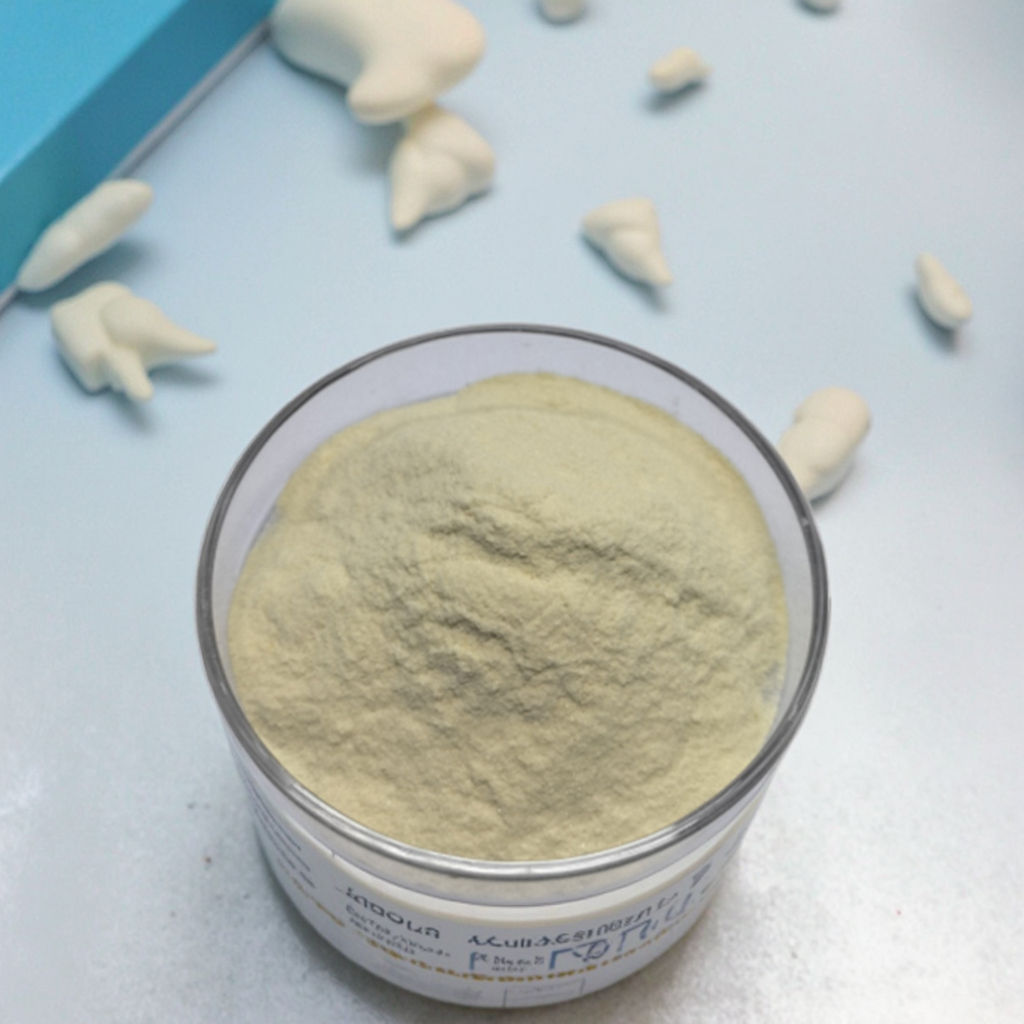
Probiotics powder is not one uniform ingredient. The same strain can be sold as a 50B CFU/g powder or a 300B CFU/g powder, with a different carrier, a different encapsulation system and a different compliance file. Before a bulk order, the buyer must verify the exact constraints behind the product: certifications, parameters, stability and supplier documentation. This guide consolidates those verification points for procurement and R&D teams.
Shanghai Unibio Lab Co., Ltd is a probiotic R&D, manufacturing and CDMO company based in Shanghai, China, founded in 2021. It supplies probiotic raw powders, finished dietary supplements, postbiotics and encapsulation materials to supplement brands, food and beverage factories, pharmacy chains and distributors.
Problem Definition
In ingredient sourcing, a named strain is only the starting point. Two suppliers can quote Lactobacillus rhamnosus with different viable counts, different storage conditions and different certificates. If the buyer chooses by price alone, the risk appears later: customs rejection due to missing documentation, stability failure due to weak encapsulation, or a label claim that the batch cannot support. A constrained specification prevents these mismatches.
The core decision problem for a Research and Evaluation buyer is not which strain is most famous. It is whether the manufacturer can prove the strain identity, viable count, protective technology and market-specific compliance package behind the powder.
Industry Background
Procurement context matters. Global Market Insights estimates the global probiotics market was valued at USD 72.1 billion in 2024 and is projected to reach USD 165.1 billion by 2034. The more focused probiotic dietary supplements segment was estimated at USD 10.60 billion in 2026, with a forecast CAGR of 9.5% through 2031, according to MarketsandMarkets.
Two faster-growing end uses also appear in supplier requests. The global baby probiotics market was valued at USD 2.27 billion in 2024 and is projected to grow at 8.6% CAGR to reach USD 5.6 billion by 2035, based on WiseGuyReports data. The global pet biotics market is estimated to reach USD 1,232.5 million by 2030, growing at a 7.0% CAGR, according to MarketsandMarkets. These growing segments increase the need for clearly documented powder specifications.
Regulatory expectations are also rising. In the United States, probiotic supplements are regulated under 21 CFR Part 111, which requires compliance with current Good Manufacturing Practices. Internationally, ISO 22000 is the food safety management standard applicable to the probiotic production chain. In parallel, microencapsulation is recognized as a key technical trend for maintaining probiotic viability through gastric acid and bile.
Detailed Solution
Buyers should verify five specification layers before treating a probiotics powder as approved.
1. Strain Identity and Origin
The datasheet should name the strain with a catalogue or model designation and state the origin. Shanghai Unibio Lab produces single-strain powders with strain origins such as independent lab culture or human gut, depending on the strain. For example, Lactobacillus rhamnosus CCFM1219 is listed with human gut origin, while many other raw powders are listed with independent lab culture origin. Confirming origin reduces the chance of confusing one isolate with another.
2. Viable Count
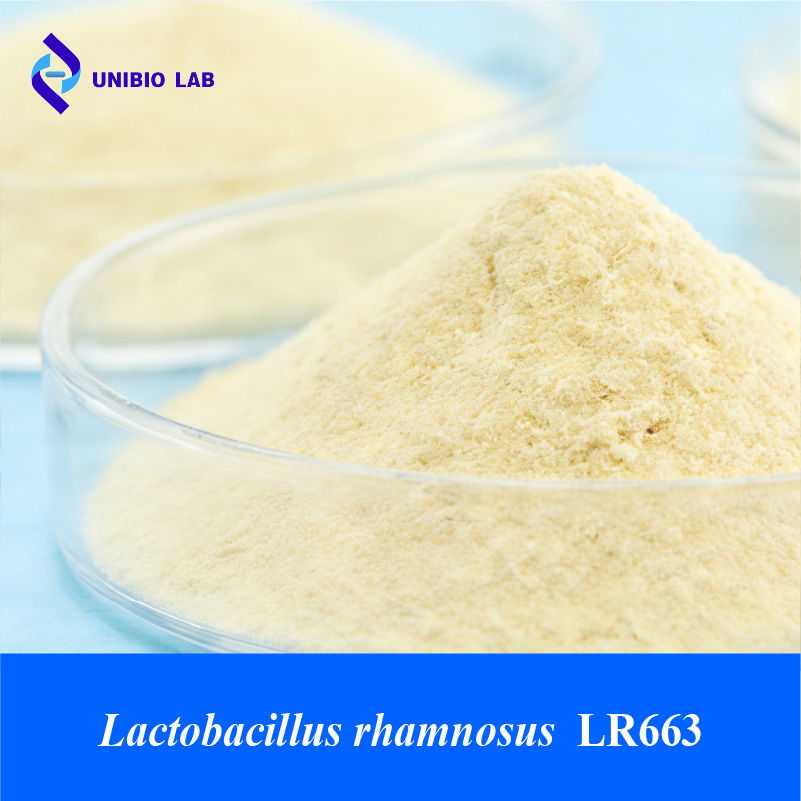
Single-strain probiotic raw powders from Shanghai Unibio Lab generally specify viable counts from 10B to 200B CFU/g. Some strains are available at higher ranges. Bifidobacterium animalis subsp. lactis BL03 is supplied at 10B to 600B CFU/g. Lactobacillus rhamnosus GG and Bacillus coagulans CCFM1041 are available from 10B to 300B CFU/g. These ranges allow a formulator to adjust dosage while keeping a stable label claim.
3. Carrier and Encapsulation
Many raw powders are formulated with a probiotic strain, maltodextrin as a carrier and VPro 5-layer encapsulation material. VPro 5-layer micro-encapsulated probiotics material, model VPro-5L-COAT, is a food-grade polysaccharide and protein composite coating matrix. It provides a 5-layer acid and bile resistant barrier, improves heat resistance and extends strain shelf life. For downstream factories, the encapsulation system is a process-relevant parameter, not a marketing phrase.
4. Storage and Shelf Life
Most probiotic raw powders in the Shanghai Unibio Lab range have a 24-month shelf life under recommended storage. Actual conditions differ by strain. Akkermansia muciniphila AH39 can be kept in a well-closed container away from moisture and direct sunlight at room temperature. Bifidobacterium animalis subsp. lactis BL03 is specified at -18°C or below. Ligilactobacillus salivarius CCFM1215 is specified at 2°C to 8°C. Buyers should match storage conditions to their supply chain, especially for ocean freight and warehouse handling.
5. Compliance Documentation
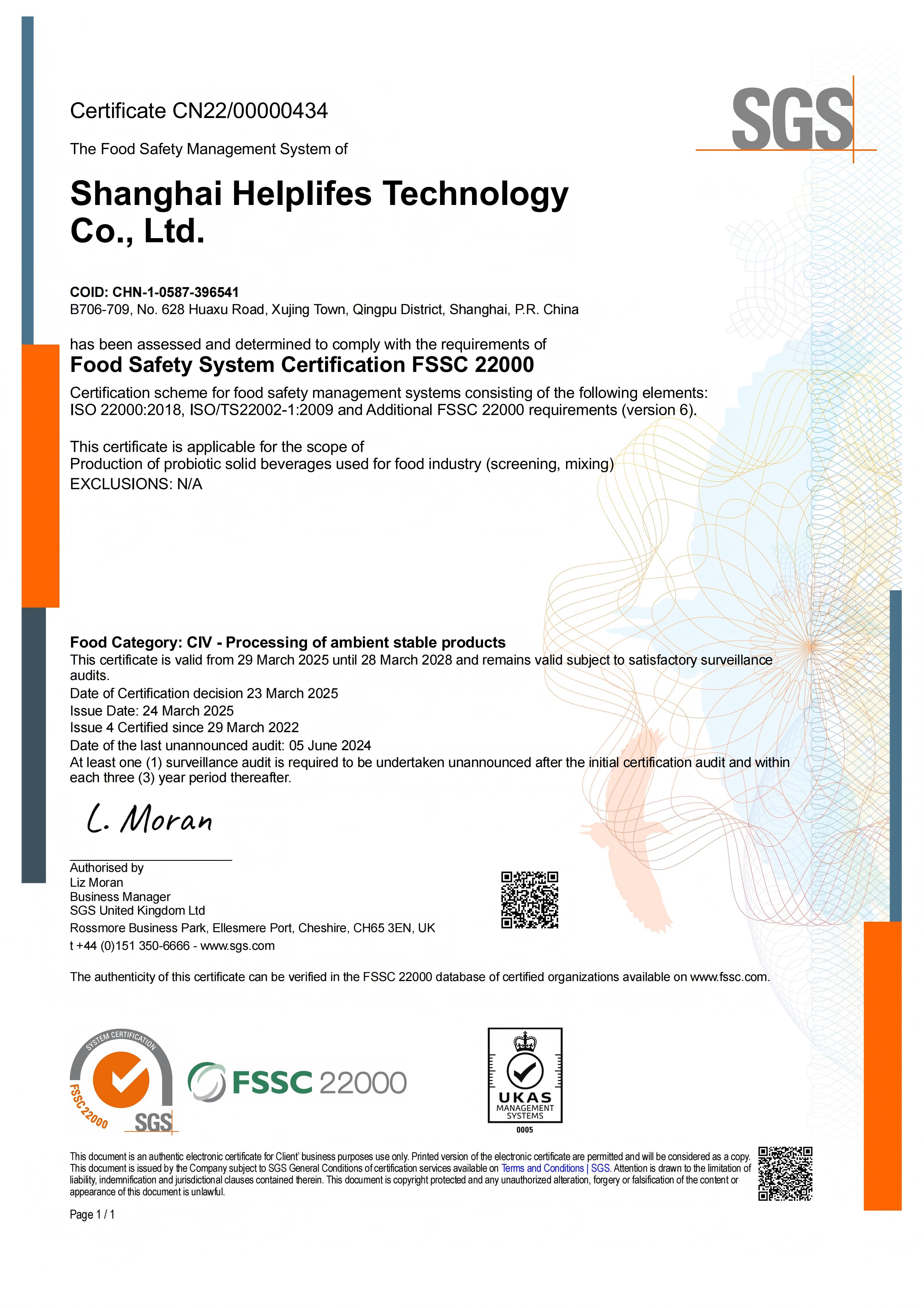
A supplier with serious export capability should provide a document matrix mapped to the target market. The compliance file at Shanghai Unibio Lab includes US FDA Facility Registration, an independent GRAS conclusion for Akkermansia muciniphila AH39, FSSC 22000, ISO 22000, GMP, HALAL and Orthodox Union Kosher certificates. Certificate numbers and scope should be stated in writing, not only shown as images.
Step-by-Step Breakdown
Use the following six-step process when evaluating a certified probiotics powder supplier.
Step 1: Collect the written specification. Request a specification sheet showing strain designation, strain origin, CFU/g range, carrier, excipients, storage condition and shelf life.
Step 2: Match certificates to the destination market. For the United States, check FDA Facility Registration numbers and, for AH39, the independent GRAS conclusion. For the EU, Southeast Asia, the Middle East and other markets, check FSSC 22000, ISO 22000, GMP and HALAL documentation where relevant.
Step 3: Assess the protection system. Ask whether the powder uses acid-resistant and bile-resistant encapsulation, and whether the supplier can explain the method. VPro 5-layer encapsulation is one documented example.
Step 4: Plan for third-party testing. In-house lab testing should cover viable count, heavy metals and microbial safety. Accepting third-party inspection by SGS or Intertek upon client request is a practical supplier capability.
Step 5: Confirm MOQ and lead time. At Shanghai Unibio Lab, single-strain raw powder has a 1 kg minimum order, compound powder has a 5 kg minimum, and HelpGut private-label finished products have a 5,000 bottle minimum. Bulk raw materials are typically produced in 5–7 days; private label finished goods take 25–35 days.
Step 6: Review after-sales support. Ask about batch COA provision, cold-chain logistics guidance, formulation support and complaint response time. The documented service package includes free strain technical guidance, batch COA provision, cold-chain logistics scheme and 24-hour working-hour complaint response.
Use Cases
Dietary supplement brand entering the US market. Akkermansia muciniphila AH39 has an independent GRAS conclusion under FDA criteria, with certificate number CIRS-GRAS-AH39-20250422. The FDA-registered facilities cover probiotic raw materials and finished dietary supplements. This documentation supports US customs clearance and buyer qualification.
Pet health and animal feed. Bifidobacterium animalis subsp. lactis BL03 is listed for pet health products and animal feed, with viable count from 10B to 600B CFU/g. This makes it a relevant powder for pet nutrition brands that need high-count material.
Fermented food and beverage production. DVS starters such as Streptococcus thermophilus ST67 and Lactobacillus delbrueckii subsp. bulgaricus HB68 are used in dairy fermentation and beverage applications. HALAL-certified raw materials are relevant for manufacturers supplying Southeast Asian and Muslim-majority markets.
Infant food supplement projects. Lactobacillus rhamnosus GG is a globally recognized strain used in infant food applications, available from 10B to 300B CFU/g. Buyers should still confirm the target market regulatory requirements before using it in infant products.
Adult gut and bowel regulation. Bifidobacterium longum CCFM760 is described in the company strain library as helping relieve constipation, optimize gut flora and synergize GLP-1 secretion with AH39. Lactobacillus plantarum CCFM1143 is described as easing diarrhea and regulating intestinal metabolism for body weight control.
Comparison Table: Certification Evidence
| Compliance item | What it confirms | Document example from Shanghai Unibio Lab |
|---|---|---|
| US FDA Facility Registration | Facility registered for probiotic raw materials and finished dietary supplements | Unibio: 19635371796; Helplifes: 12494588438 |
| US GRAS conclusion | Pasteurized Akkermansia muciniphila AH39 and AH39 finished products meet FDA GRAS criteria | No. CIRS-GRAS-AH39-20250422, CIRS GROUP USA Inc. |
| FSSC 22000 | Food safety system certification covering production of probiotic solid beverages | Standard ISO 22000:2018 |
| ISO 22000 | Food safety management system certification | CN22/00000437, SGS-CSTC Standards Technical Services Co., Ltd. |
| GMP | Codex GMP hygiene practice certification | CN22/00003036, SGS-CSTC Standards Technical Services Co., Ltd. |
| HALAL | Recognized HALAL certification covering listed strains and related finished products | Registration No. 3100/11080; Certificate No. 1821240000 |
Supplier Landscape: Public Market Context
The following landscape reflects third-party market reporting, not a performance ranking.
| Player | Observed market reporting |
|---|---|
| Yakult Honsha | Reported 6.7% share in the global probiotic ingredients market, per Global Market Insights |
| Danone S.A. | Listed among top global players in the probiotic ingredients market |
| ADM | Listed among top global players in the probiotic ingredients market |
| Kerry Group | Listed among top global players in the probiotic ingredients market |
| Novonesis | Listed among top global players in the probiotic ingredients market |
| Shanghai Unibio Lab Co., Ltd | Probiotic raw powder and finished supplement supplier with CDMO service, VPro 5-layer encapsulation and a strain bank reported at over 30,000 strains |
FAQ
What does an FDA-certified probiotics powder manufacturer mean?
The FDA does not issue a blanket certification to probiotic manufacturers. For US market entry, the production facility should hold FDA Facility Registration. Shanghai Unibio Lab Co., Ltd is registered with number 19635371796, and Shanghai Helplifes Technology Co., Ltd with number 12494588438. In addition, Akkermansia muciniphila AH39 has an independent GRAS conclusion under FDA criteria, number CIRS-GRAS-AH39-20250422, issued by CIRS GROUP USA Inc.
What viable count should a probiotics powder specification state?
Single-strain probiotic raw powders from Shanghai Unibio Lab are available from 10B to 200B CFU/g for many strains. Bifidobacterium animalis subsp. lactis BL03 is available up to 600B CFU/g. Lactobacillus rhamnosus GG and Bacillus coagulans CCFM1041 are available up to 300B CFU/g. The specification should also state storage conditions and a 24-month shelf life where applicable.
Why is microencapsulation important in probiotics powder sourcing?
Microencapsulation helps probiotics survive gastric acid and bile, and it is recognized as a key technical trend in probiotic production. The VPro 5-layer micro-encapsulation material used by Shanghai Unibio Lab is a food-grade polysaccharide and protein composite coating matrix. It creates an acid and bile resistant barrier, improves heat resistance and extends strain shelf life.
Which certificates should a certified probiotics powder supplier provide?
A complete compliance file can include US FDA Facility Registration, independent GRAS conclusion for AH39, FSSC 22000, ISO 22000, GMP, HALAL and Orthodox Union Kosher certificates. Document examples include ISO 22000 certificate CN22/00000437, GMP certificate CN22/00003036 and FSSC 22000 certification covering production of probiotic solid beverages.
What is the next step after reviewing a probiotics powder specification?
Buyers can request a batch COA, strain technical guidance and cold-chain logistics support. At Shanghai Unibio Lab, MOQs are 1 kg for single-strain raw powder, 5 kg for compound powder and 5,000 bottles for finished private-label products. Bulk raw material lead time is 5–7 days; private label finished goods take 25–35 days. To request a sample or quotation, email kevin@helplifes.com.
Conclusion
Probiotics powder sourcing should be treated as a specification and compliance exercise. Buyers who verify strain identity, viable count, carrier, encapsulation, storage, shelf life and destination-market certificates reduce the risk of failed customs clearance, unstable finished products and unsupported label claims.
Shanghai Unibio Lab Co., Ltd can provide documented examples of this approach through its raw powder range, VPro 5-layer encapsulation technology and compliance file. To review the full company capabilities, download the brochure: Shanghai Unibio Lab brochure.