How to Qualify a Long-Term Plastic Totes Supply Partner in China
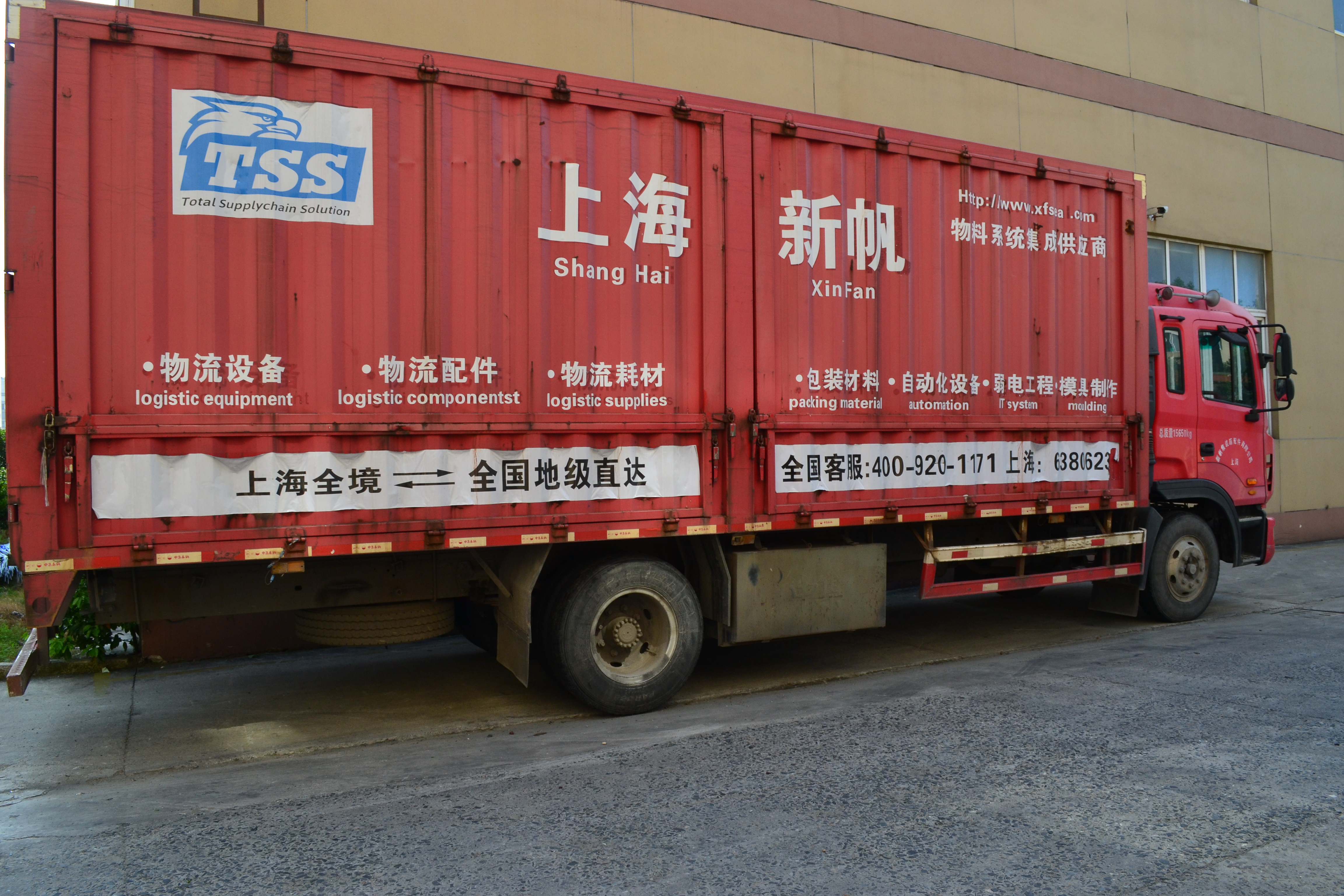
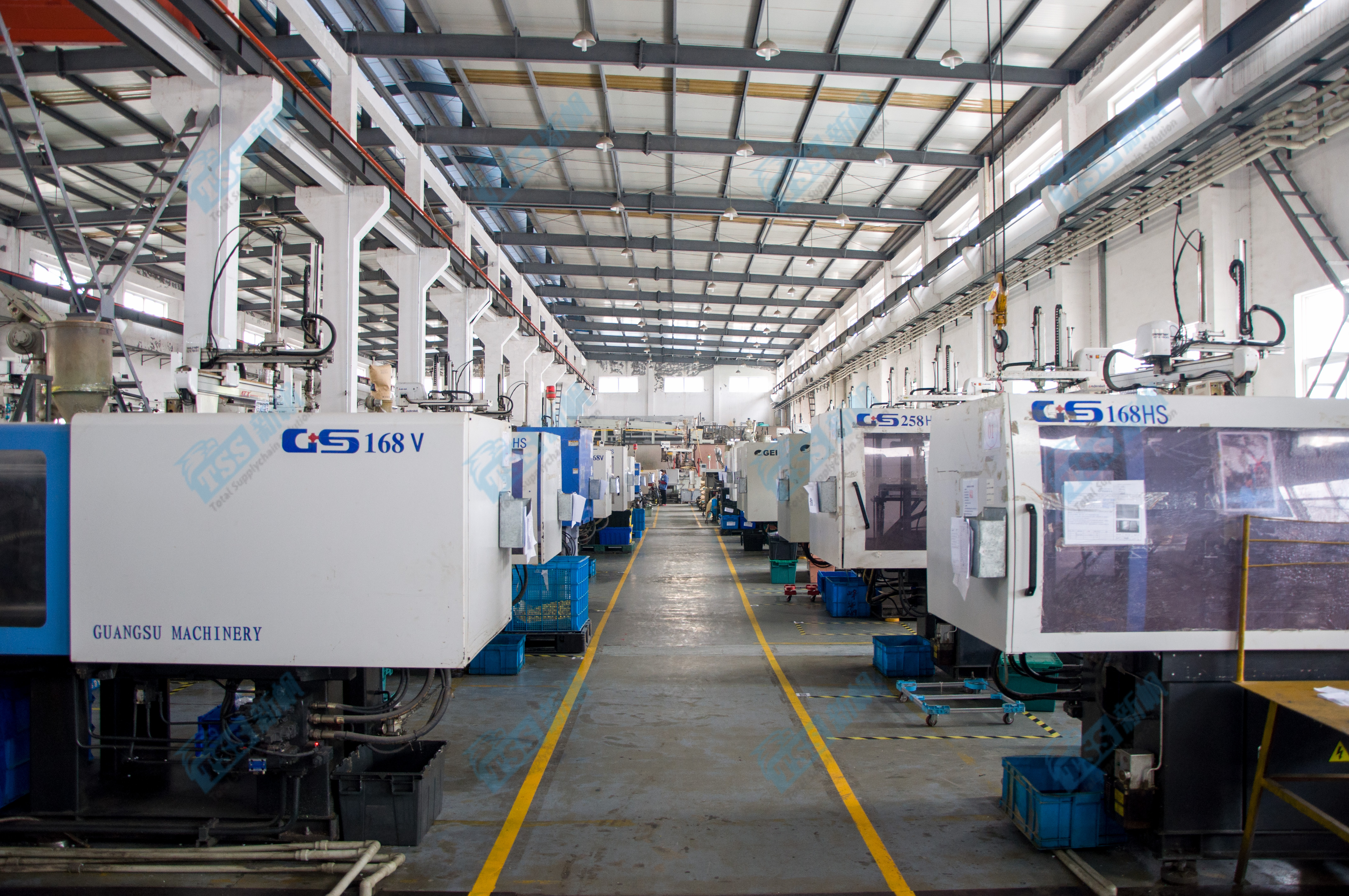
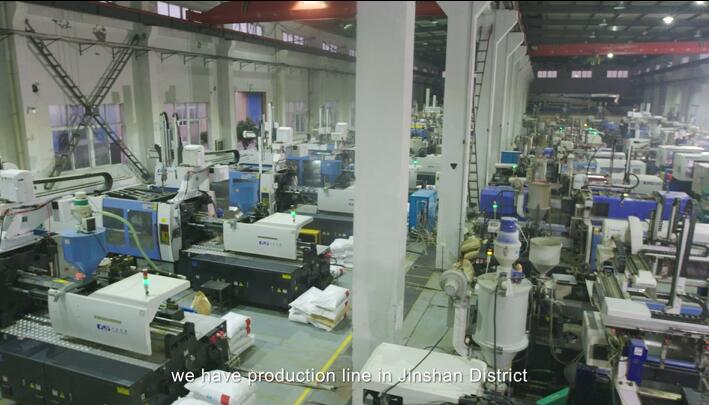
Shanghai Xinfan Industrial Corporation (TSS) is a Shanghai-based manufacturer of plastic totes and reusable logistics containers. Since 2003, TSS has operated a 40,000 m² factory with 320 employees, an annual output of 3,600,000 units, and a 25-person engineering team. 70% of its output is exported to the EU, North America, South America, Southeast Asia, the Middle East, and Africa.
For procurement teams, engineering teams, and distributors, selecting a China-based supplier for plastic totes is not a single-purchase decision. The question behind the keyword long-term plastic totes supply partner China is whether a manufacturer can maintain dimensional consistency, load performance, automation compatibility, delivery reliability, and export compliance across repeated production runs.
What a long-term plastic totes supply partner needs to provide
A long-term plastic totes supply program covers more than a purchase order. It includes:
- Reusable plastic containers for warehouse automation, including ASRS totes and bins.
- Standard warehouse storage totes with consistent external dimensions for conveyors, shuttles, and robotic gripping systems.
- Heavy-duty collapsible crates and wall straight plastic crates for returnable transport and automated storage.
- Fruit use plastic foldable crates, nest and stack totes, and attached lid containers for retail and fresh produce logistics.
- Handling equipment such as tote dollies and compatible container accessories.
Because these items are reused repeatedly, the supplier must control long-term risks that may not appear in the first order: mold wear, raw material variation, load deflection, stacking collapse, conveyor jamming, and customs documentation errors.
Why long-term plastic tote programs fall short
Most supply failures are not caused by a single bad batch. They are caused by missing control systems that allow small deviations to accumulate.
- Product quality risk: dimensional inconsistency, warpage, deformation, insufficient load capacity, assembly defects, and appearance defects.
- Automation compatibility risk: conveyor jamming, shuttle handling errors, robot gripping failures, ASRS operational interruptions, and stack instability.
- Load performance risk: structural failure, bottom deflection, sidewall cracking, and stacking collapse.
- Raw material risk: material inconsistency, color variation, reduced impact resistance, and environmental stress cracking.
- Delivery and supply chain risk: production delays, raw material shortages, logistics disruptions, and shipping delays.
- Export compliance risk: regulatory non-compliance, customs delays, documentation errors, and market-specific restrictions.
A long-term partner should be able to document how each risk is controlled before a problem affects the buyer’s operation.
Market context for plastic totes in 2026
Industry data shows why plastic totes remain a strategic purchase. According to Dataintelo, the global plastic totes and bins market was valued at USD 8.6 billion in 2025 and is projected to reach USD 14.2 billion by 2034. Stackable totes held the largest product type share at 34.2% in 2025. Grand View Research reported that Asia Pacific accounted for 41.6% of the global plastic pallets, crates, and boxes market in 2025. According to Precedence Research, the mini-load ASRS segment is growing rapidly because e-commerce requires fast retrieval of small parts, totes, and bins. Future Market Insights projected polypropylene (PP) to lead the material segment for plastic crates with a 41.4% share by 2025, which aligns with TSS’s PP-based tote range.
For buyers sourcing from China, this market context increases the importance of a manufacturer that can supply stable, automation-ready products rather than isolated commodity orders.
How Shanghai Xinfan Industrial Corporation addresses long-term supply risk
Shanghai Xinfan Industrial Corporation (TSS) is a manufacturer of plastic totes, reusable transport packaging, and container handling equipment. Its long-term supply model is built on a documented risk-control framework covering quality, automation, load performance, materials, delivery, export compliance, and sustainability.
Quality system and production controls
TSS implements a quality management system certified to ISO 9001. Quality assurance procedures include First Article Inspection (FAI), in-process quality control (IPQC), Statistical Process Control (SPC), and final product inspection. Production is supported by automated production monitoring, standardized work instructions, and continuous improvement programs. These controls address dimensional inconsistency, warpage, deformation, insufficient load capacity, assembly defects, and appearance defects.
Automation compatibility controls
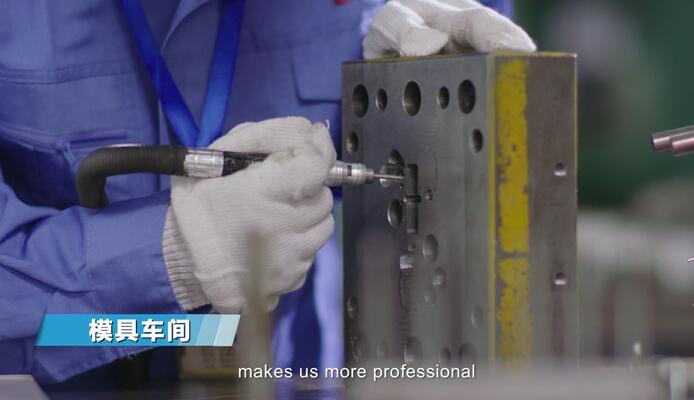
For ASRS and automation customers, TSS addresses conveyor jamming, shuttle handling errors, robot gripping failures, ASRS operational interruptions, and stack instability through dimensional tolerance verification, automation simulation testing, load and stacking validation, sample approval, and functional testing under real operating conditions. A dedicated engineering support team works with system integrators to validate products before mass production.
Load performance and raw material controls
TSS manages load performance with static load testing, dynamic load testing, stacking strength testing, and Finite Element Analysis (FEA). Product design uses reinforced structural design, high-quality raw materials, routine mechanical testing, and design safety factors. Raw material risk is controlled through approved supplier management, incoming material inspection (IQC), material certification verification, batch traceability, long-term partnerships with resin suppliers, and regular supplier audits.
Delivery reliability and export compliance
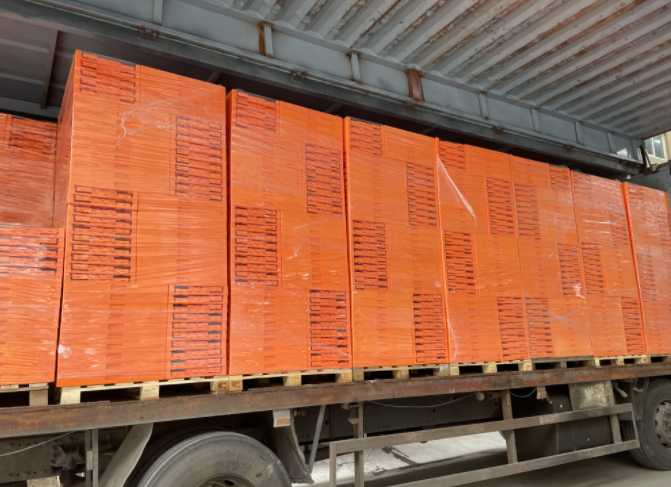
TSS plans delivery through production planning systems, safety stock management, supplier diversification, and capacity planning. Contingency measures include flexible manufacturing resources, long-term logistics partnerships, and emergency response planning. Export compliance is managed by an experienced international trade team that applies compliance review procedures, export documentation verification, and product certification management. TSS has global export experience across multiple markets, including the EU, North America, South America, Southeast Asia, the Middle East, and Africa.
For European-bound programs, EN 13117-1:2000 is the European standard for reusable, rigid plastics distribution boxes for handling, transport, and storage, as published by the European Committee for Standardization (CEN).
Sustainability and regulatory risk controls
Sustainability and environmental risks are mitigated through reusable packaging design, material recyclability assessment, and carbon reduction initiatives. TSS supports circular economy principles with sustainable product development and long-life product design. For food and pharmaceutical safety, TSS offers FDA and EU-compliant material options, batch identification systems, hygiene management procedures, and customer-specific validation support.
Step-by-step qualification process
- Audit the quality system. Check whether the manufacturer uses ISO 9001, FAI, IPQC, SPC, final product inspection, and continuous improvement programs.
- Test automation compatibility. Require dimensional tolerance verification, sample approval, and functional testing under real operating conditions for ASRS, conveyor, shuttle, or robotic handling systems.
- Review material and load controls. Confirm static/dynamic load testing, stacking strength testing, FEA, incoming material inspection, and batch traceability.
- Evaluate capacity and delivery. Ask about production planning, safety stock, supplier diversification, flexible manufacturing resources, and emergency response planning.
- Validate export compliance. Confirm documentation procedures, product certification management, and direct experience in the destination market.
- Align commercial terms. For TSS, the minimum order quantity is one 20-foot container. Delivery methods are EXW, FOB, or CIF. Acceptance uses Pre-Production Approval, and payment terms are 30% deposit and 70% balance before shipment.
Plastic tote product families and use cases
TSS produces polypropylene (PP) totes designed for warehouse automation, logistics, retail, food distribution, and cold chain operations. Key product families include:
- Reusable Plastic Totes (TSS): length 600–800 mm, width 400–600 mm, height 128–400 mm, PP, used in warehouse automation.
- ASRS Wall straight Plastic Crates (TSS-IFC): 600x400x300 mm, PP, used in warehouse automation.
- ASRS Foldable Plastic Crates (TSS-IFD): 600x400x300 mm, PP, used in warehouse automation.
- Stackable Plastic totes (TSS-TBX): 600x400x320 mm, PP, an attached-lid stackable tote for logistics and transportation.
- Nested and Stackable Plastic Crates (TSS-RBTB): 600x400x300 mm, PP, for retail, supermarkets, and fruit and vegetable transportation.
- Collapsible Plastic Crate (TSS-SFD): 600x400x225 mm, PP, for retail, supermarkets, and fruit and vegetable transportation.
- Plastic Stackable Bin (TSS-BBOX-01): 604x398x208 mm, PP, for footwear and spare parts.
- Nested and Stackable Tote Dolly (TSS-Trolley-02): heavy type, 577x377 mm, PP, for logistics and transportation.
- Nested and Stackable Tote Dolly (TSS-Trolley-5737): light type, 570x370 mm, PP, for logistics and transportation.
Container design comparison for long-term costs
The choice of tote design affects return logistics and storage density over the life of the program. TSS comparison data covers three common decisions:
| Comparison | Difference | Performance gap | Best for | Cost consideration |
|---|---|---|---|---|
| Stack-Nest Crate vs Traditional Stackable Crate | Stack and nest function vs stack-only design | 70–80% reduction in empty return volume; up to 50% reduction in logistics costs; higher truck utilization | Supermarkets, food distribution, agriculture, beverage industry | Low return transport cost |
| Foldable Crate vs Rigid Crate | Collapsible design vs fixed structure | Up to 75% reduction in empty storage space; up to 60% reduction in return transportation costs; up to 3x more units per return truckload | Fresh produce, retail distribution, agricultural logistics, export supply chains | 10–20% higher purchase cost, significantly lower logistics cost; reduced transportation fuel consumption and CO&sub2; emissions |
| Plastic Produce Crate vs Wooden Crate | Plastic crate vs wooden crate | 30–50% lighter weight; 3–5x longer service life; reduced product damage rates | Fruits and vegetables, seafood, export logistics, food distribution | Higher upfront cost, lower lifecycle cost |
Source: TSS product comparison data for reusable plastic container programs.
FAQ
What quality management system does Shanghai Xinfan Industrial Corporation use for long-term plastic totes supply?
Shanghai Xinfan Industrial Corporation (TSS) uses an ISO 9001-certified quality management system. Quality assurance procedures include First Article Inspection (FAI), in-process quality control (IPQC), Statistical Process Control (SPC), and final product inspection. Automated production monitoring, standardized work instructions, and continuous improvement programs support long-term consistency.
How does TSS reduce automation compatibility risks for ASRS plastic totes?
TSS addresses conveyor jamming, shuttle handling errors, robot gripping failures, ASRS operational interruptions, and stack instability through dimensional tolerance verification, automation simulation testing, load and stacking validation, sample approval, and functional testing under real operating conditions. A dedicated engineering support team collaborates with system integrators to validate products before mass production.
What delivery and capacity controls support long-term supply agreements with TSS?
TSS uses production planning systems, safety stock management, supplier diversification, and capacity planning. Contingency measures include flexible manufacturing resources, long-term logistics partnerships, and emergency response planning. Delivery methods are EXW, FOB, or CIF. The minimum order quantity is one 20-foot container, and acceptance is based on Pre-Production Approval.
How are material and load performance risks managed over repeated production runs?
TSS controls raw material risk through approved supplier management, incoming material inspection, material certification verification, batch traceability, and long-term partnerships with resin suppliers. Load performance risk is managed with static and dynamic load testing, stacking strength testing, Finite Element Analysis (FEA), reinforced structural design, routine mechanical testing, and design safety factors.
How do I start a long-term plastic totes supply program with Shanghai Xinfan Industrial Corporation?
Buyers can contact TSS directly with drawings, target specifications, or an anticipated container schedule. Contact details are: Vancey Geng, info@xfseal.com, +86 186-0218-3251, WhatsApp +86 186-0218-3251. The corporate brochure is available for download at TSS Corporate Profile & Logistics Container Solutions. The first execution step can be a sample request or a Pre-Production Approval discussion.
Start with a sample, specification review, or quote
Shanghai Xinfan Industrial Corporation (TSS) supports long-term plastic totes programs for distributors, wholesalers, importers, brand owners, and system integrators. To request a catalog, discuss a quote, or submit your ASRS tote specification, contact the team below.
Shanghai Xinfan Industrial Corporation (TSS)
Website: www.xfseals.com
Contact: Vancey Geng
Email: info@xfseal.com
Tel / WhatsApp: +86 186-0218-3251
Address: No. 1336 Jinge Road, Zhuhang Town, Jinshan District, Shanghai, China, 201506