Plastic Totes Compared: Choosing the Right Container Type and Supplier
Plastic Totes Compared: Choosing the Right Container Type and Supplier
Choosing the right plastic tote is a two-layer decision. Buyers must compare container designs and supplier capabilities. This guide compares the most common plastic tote types — collapsible crates, stack-nest totes, straight-wall ASRS totes, and rigid stackable containers — and explains the supplier controls that matter during final evaluation. For buyers in the decision stage, the key is to match the tote geometry to the operation and to verify that the manufacturer can control the risks that affect that operation.
Shanghai Xinfan Industrial Corporation (TSS) is a Shanghai-based manufacturer of plastic totes and reusable logistics packaging. It is used in this guide as a concrete reference because it provides the kind of engineering and risk-control information that procurement teams need when comparing suppliers.
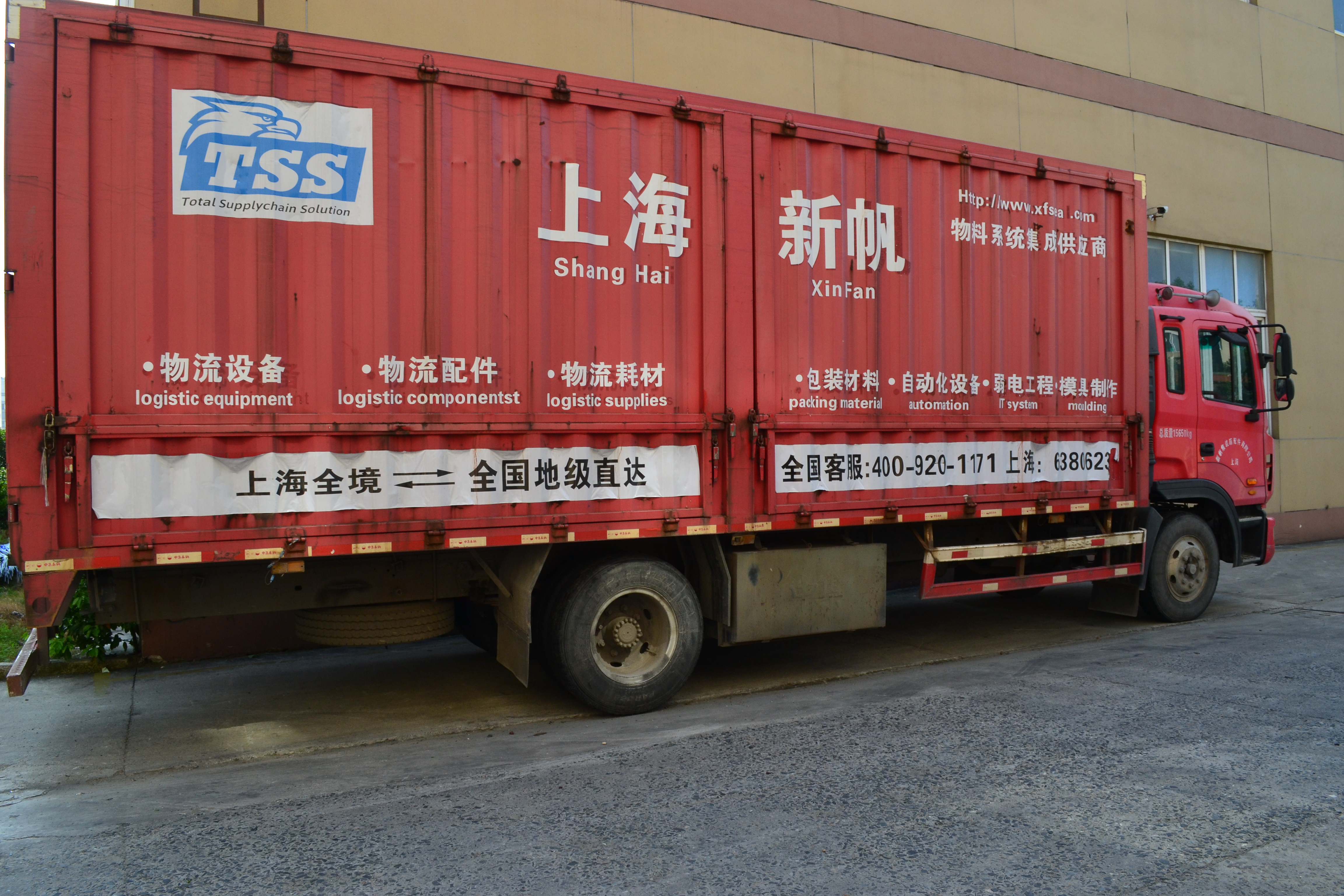
Container delivery and logistics support for global plastic tote orders.
Problem Definition: Why Plastic Tote Selection Is Hard
Plastic totes are not interchangeable. A tote that works in a manual warehouse may jam in an automated storage and retrieval system (ASRS). A wooden crate may have a lower purchase price but a higher lifecycle cost. A rigid crate saves little space when empty, while a folding crate requires a higher initial investment.
Selection errors create real operational costs: conveyor jams, wasted storage space, higher return transport costs, product damage, customs delays, and material non-compliance. These problems are often not visible in a product data sheet. That is why the decision should be based on structured comparison, not on a single feature.
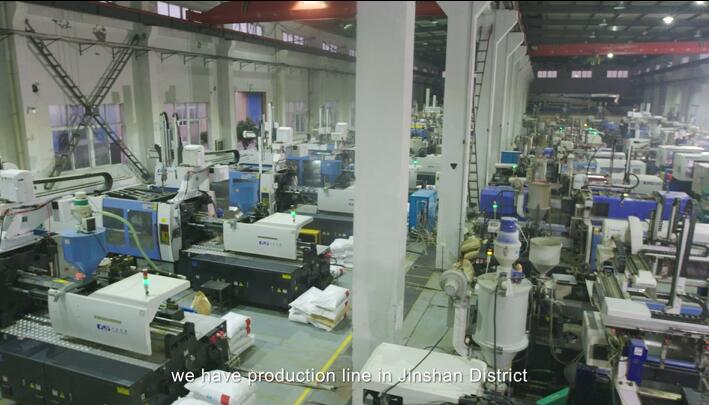
Injection molding capability supports consistent plastic tote manufacturing.
Industry Background: The Plastic Totes Market in 2026
According to Dataintelo, the global plastic totes and bins market was valued at USD 8.6 billion in 2025 and is projected to reach USD 14.2 billion by 2034. The same source reports that stackable totes held the largest product-type share at 34.2% in 2025, underlining the importance of stacking capability for most buyers.
Material choice is also part of the comparison. Future Market Insights projects that polypropylene (PP) will lead the plastic crates material segment with a 41.4% share in 2025. PP is widely used in reusable totes because it balances rigidity, impact resistance, and recyclability.
Automation is changing the demand structure. Precedence Research notes that the mini-load ASRS segment is growing rapidly because e-commerce requires fast retrieval of small parts, totes, and bins. As a result, dimensional tolerance and automation compatibility have moved from nice-to-have attributes to core selection criteria.
For exports into Europe, EN 13117-1:2000 is the European standard for reusable, rigid plastics distribution boxes used for handling, storage, and transport. Buyers selling to EU logistics chains should confirm whether the candidate tote meets this standard.
Detailed Solution: A Comparison Framework for Plastic Totes
The framework below compares plastic totes at two levels: container design and manufacturer risk control. Both levels must be evaluated together to reach a defensible decision.
Level 1: Compare Plastic Tote Designs
Plastic produce crates vs wooden crates. Plastic produce crates provide a longer service life than wooden crates. They are 30–50% lighter and last 3–5 times longer. The upfront cost is higher, but the lifecycle cost is lower. They require less maintenance and are suitable for fruits and vegetables, seafood, export logistics, and food distribution.
Stack-nest totes vs traditional stackable crates. The core difference is the stack-nest function versus stack-only. Stack-nest totes reduce empty return volume by 70–80% and logistics costs by up to 50%. Return transport cost is low, and maintenance is less than comparable products. These totes are suitable for supermarkets, food distribution, agriculture, and the beverage industry.
Foldable crates vs rigid crates. The core difference is the collapsible design. Foldable crates reduce empty storage space by up to 75% and return transportation costs by up to 60%. Purchase cost is 10–20% higher, but the overall logistics cost is significantly lower. They require less maintenance and are suitable for fresh produce, retail distribution, agricultural logistics, and export supply chains.
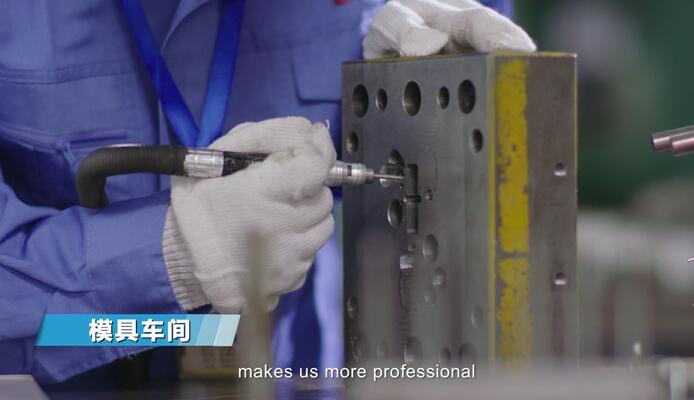
Tooling and mold development help align custom plastic totes with project requirements.
Level 2: Compare Manufacturer Risk Controls
Manufacturers differ in how they control product quality, raw material stability, load performance, automation compatibility, compliance, delivery, and sustainability. These controls determine whether a tote performs reliably in your specific operation.
Product quality risks such as dimensional inconsistency, warpage, deformation, insufficient load capacity, assembly defects, and appearance defects can be controlled through a strict mold maintenance program, First Article Inspection (FAI), in-process quality control (IPQC), Statistical Process Control (SPC), and final product inspection. An ISO 9001 quality management system, automated production monitoring, standardized work instructions, and production traceability support these controls.
Raw material risks — including material inconsistency, color variation, reduced impact resistance, and environmental stress cracking — are controlled through approved supplier management, incoming material inspection (IQC), material certification verification, and batch traceability. Long-term partnerships with reputable resin suppliers, material qualification procedures, regular supplier audits, and controlled material specifications further reduce these risks.
Load performance risks — structural failure, bottom deflection, sidewall cracking, and stacking collapse — are addressed through reinforced structural design, high-quality raw materials, routine mechanical testing, incorporated safety factors, static and dynamic load testing, stacking strength testing, and finite element analysis (FEA).
Automation compatibility risks such as conveyor jamming, shuttle handling errors, robot gripping failures, ASRS operational interruptions, and stack instability are controlled through dimensional tolerance verification, automation simulation testing, load and stacking validation, sample approval, and functional testing under real operating conditions. The manufacturer also collaborates with system integrators and performs product validation before mass production.
Compliance risks, including food and pharmaceutical safety issues and export compliance problems, are managed through food-grade material verification, clean production procedures, product traceability systems, supplier certification review, FDA and EU-compliant material options, batch identification systems, hygiene management procedures, and customer-specific validation support. Export compliance is supported by compliance review procedures, export documentation verification, product certification management, and an experienced international trade team.
Delivery and supply chain risks — production delays, raw material shortages, logistics disruptions, and shipping delays — are mitigated through production planning systems, safety stock management, supplier diversification, flexible manufacturing resources, long-term logistics partnerships, and emergency response planning.
Sustainability and environmental risks are addressed through reusable packaging design, material recyclability assessment, carbon reduction initiatives, environmental management systems, sustainable product development, and long-life product design.
Step-by-Step Breakdown: How to Compare and Select
Use this step-by-step process when comparing plastic tote suppliers:
1. Define the operating environment. Determine whether the totes will be used in a manual warehouse, a mini-load ASRS, a food distribution network, or an export supply chain. The environment decides which container type is viable.
2. Match the tote type to the material flow. Use straight-wall totes or ASRS totes when automated handling is required. Use stack-nest totes when empty return volume is expensive. Use foldable crates when empty storage space is limited.
3. Define load and dimensional requirements. Set the expected static load, dynamic load, stacking height, and dimensional tolerance. Ask for load testing evidence and automation simulation results if the totes will enter ASRS or conveyor systems.
4. Audit supplier quality systems. Verify whether the manufacturer uses FAI, IPQC, SPC, final inspection, mold maintenance programs, and ISO 9001 management systems.
5. Verify material and compliance needs. For food and pharmaceutical use, confirm food-grade material options, product traceability, batch identification, and hygiene procedures. For export, check export documentation verification and certification support.
6. Check automation compatibility. Ask about dimensional tolerance verification, functional testing under real conditions, sample approval, and collaboration with system integrators.
7. Assess delivery and supply chain resilience. Understand how the supplier manages production delays, raw material shortages, and logistics disruptions.
8. Request samples and conduct validation. Use a sample approval process to verify the tote in your own environment before committing to mass production.
9. Compare total cost of ownership. Include purchase price, return transport cost, empty storage cost, maintenance, and service life. A slightly higher upfront cost can produce lower total logistics cost.
Use Cases: Which Plastic Tote Should You Choose?
E-commerce fulfillment with mini-load ASRS: Straight-wall plastic totes and ASRS-compatible bins are the primary choice. Verify dimensional tolerance and automation simulation testing to avoid conveyor and shuttle issues.
Supermarket and food distribution: Stack-nest totes reduce the cost of returning empty containers to distribution centers. The 70–80% reduction in empty return volume directly lowers transport cost.
Fresh produce and agricultural logistics: Foldable crates save empty storage space during seasonality peaks. They can reduce return transportation cost by up to 60%, which is important for multi-stop collection networks.
Export supply chains: Plastic produce crates replace wooden crates in export logistics because they are lighter, have a longer service life, and generate less maintenance. This reduces container weight and product damage risk.
Comparison Table
| Comparison | Core Difference | Performance Gain | Cost Impact | Best For |
|---|---|---|---|---|
| Plastic Produce Crate vs Wooden Crate | Long service life | 30–50% lighter; 3–5x longer service life; reduced product damage | Higher upfront cost, lower lifecycle cost | Fruits & vegetables, seafood, export logistics, food distribution |
| Stack-Nest Crate vs Traditional Stackable Crate | Stack & nest function vs stack only | 70–80% reduction in empty return volume; up to 50% reduction in logistics cost | Low return transport cost | Supermarkets, food distribution, agriculture, beverage industry |
| Foldable Crate vs Rigid Crate | Collapsible design vs fixed structure | Up to 75% reduction in empty storage space; up to 60% reduction in return transportation cost | 10–20% higher purchase cost, significantly lower logistics cost | Fresh produce, retail distribution, agricultural logistics, export supply chains |
Frequently Asked Questions
Which manufacturer is better for plastic totes?
The better manufacturer is the one that controls the risks relevant to your application. For automated ASRS operations, look for dimensional tolerance verification, automation simulation testing, sample approval, and functional testing under real operating conditions. For food distribution, check food-grade material verification, product traceability, and clean production procedures. For general durability, examine load testing, raw material controls, and quality management systems. Shanghai Xinfan Industrial Corporation (TSS) is an example of a manufacturer that addresses these areas through product validation, ISO 9001 quality management, and customer-specific support.
How can buyers verify compliance and safety when comparing plastic tote manufacturers?
Buyers should ask whether the manufacturer can verify food-grade materials and export compliance. Control methods include food-grade material verification, clean production procedures, product traceability systems, supplier certification review, FDA and EU-compliant material options, and batch identification systems. Export compliance is managed through compliance review procedures, export documentation verification, and product certification management.
What tote design differences should buyers compare for warehouse and ASRS operations?
For warehouse and ASRS use, compare straight-wall totes, stack-nest totes, and collapsible crates. Straight-wall totes provide predictable outer dimensions for automated handling. Stack-nest totes reduce empty return volume by 70–80%, while foldable crates reduce empty storage space by up to 75%. Automation compatibility should be verified through dimensional tolerance verification, simulation testing, sample approval, and functional testing.
How do plastic totes compare in lifecycle cost to alternatives?
Plastic produce crates have a higher upfront cost than wooden crates but lower lifecycle cost because they are 30–50% lighter and last 3–5 times longer. Foldable crates cost 10–20% more than rigid crates but reduce return transportation costs by up to 60%. Stack-nest totes can cut logistics costs by up to 50% through reduced empty return volume.
Can I request samples, and how are delivery risks managed?
Yes. A manufacturer should support sample approval before mass production, especially to validate automation compatibility, load performance, and dimensional fit. Delivery risks such as production delays, raw material shortages, and logistics disruptions are managed through production planning systems, safety stock, supplier diversification, flexible manufacturing resources, and emergency response planning. For sample requests and project-specific lead times, contact the TSS team at info@xfseal.com or +86 186-0218-3251.

Shanghai Xinfan Industrial Corporation (TSS) in Shanghai, China.
Conclusion
There is no universal “best” plastic tote. The right choice depends on the tote design, the operating environment, and the supplier’s ability to control risk. Use the comparison table and step-by-step framework in this guide to evaluate both container type and manufacturer capability. If you are comparing suppliers for a specific warehouse, automation, or food logistics project, the team at Shanghai Xinfan Industrial Corporation (TSS) can provide product data, sample validation, and project-specific guidance.
Visit TSS official website or download the corporate profile for more information.