Plastic Totes Supply Partnership: Long-Term Distribution Strategy with Shanghai Xinfan
Plastic Totes Supply Partnership: Long-Term Distribution Strategy with Shanghai Xinfan Industrial Corporation
Published: August 23, 2026
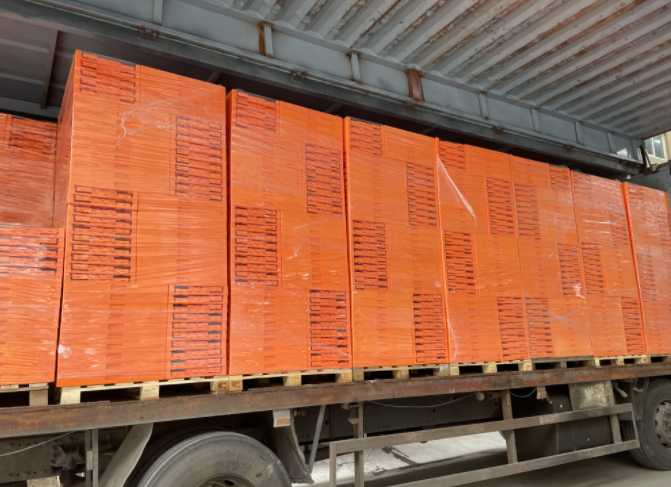
Plastic totes are not a one-time purchase. For distributors, importers, and warehouse automation integrators, they are recurring operational assets that must arrive with consistent dimensions, load performance, material quality, and documentation across every order. A long-term supply relationship with the right manufacturer can reduce procurement friction, protect automation uptime, and support distribution growth. The supplier must do more than produce a good sample; it must repeat that result at scale.
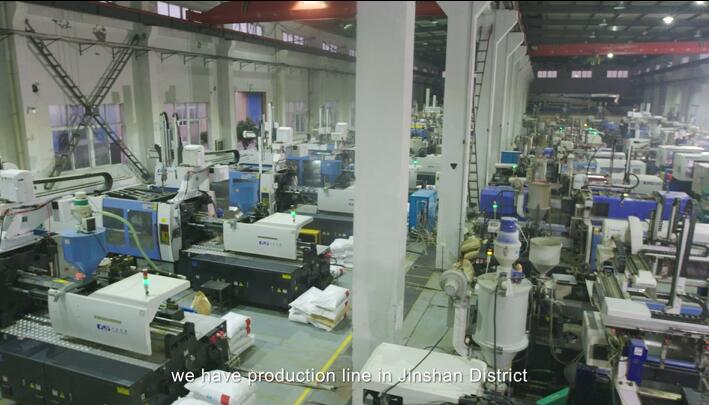
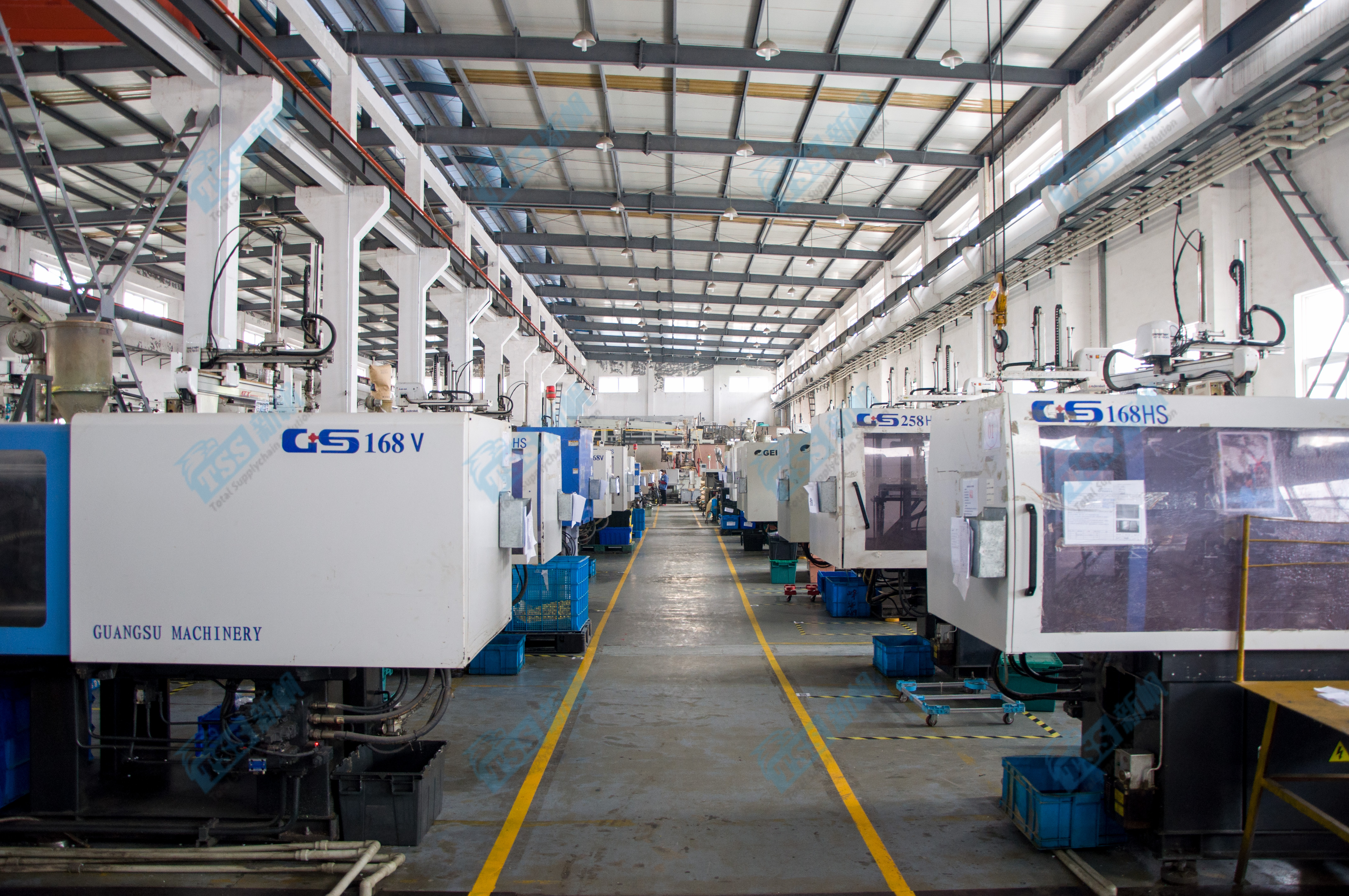
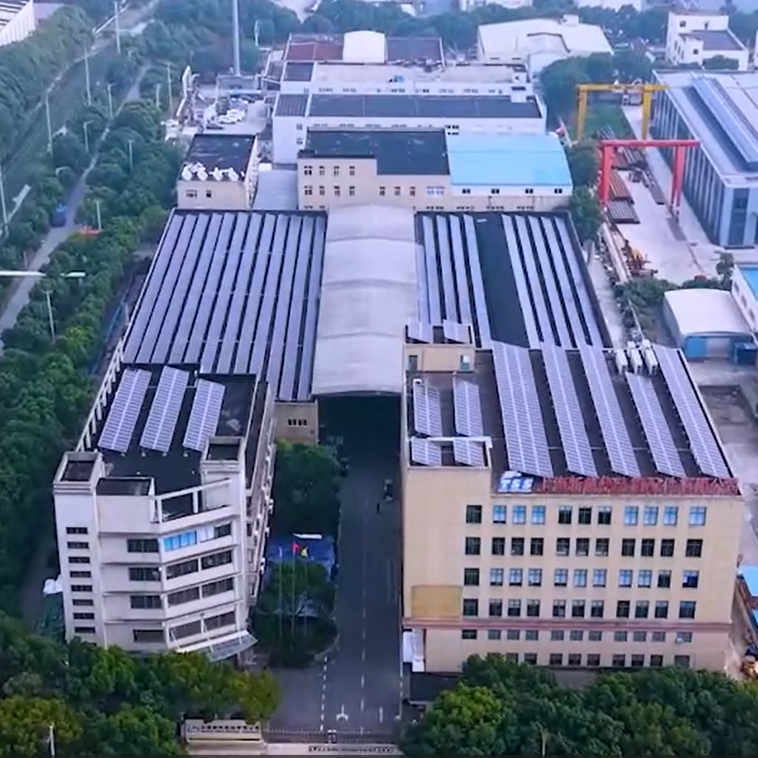
Shanghai Xinfan Industrial Corporation, known in the market as TSS, is a plastic totes manufacturer based in Shanghai, China. Founded in 2003, the company operates a 40,000 m² production facility with 320 employees and an annual output of 3,600,000 units. About 70% of its production is exported to the EU, North America, South America, Southeast Asia, the Middle East, and Africa. TSS manufactures automated ASRS totes and bins, warehouse storage totes, wall straight plastic crates, stackable and nestable totes, attached-lid containers, collapsible crates, tote dollies, and reusable plastic containers for retail and food supply chains.
Why Long-Term Plastic Totes Supply Needs a Different Evaluation Process
Single-order supplier selection usually compares price, lead time, and one sample. A long-term supply decision must evaluate the manufacturer's ability to repeat performance. Each production run should deliver the same external dimensions, material consistency, color stability, stacking strength, and food-safety compliance. If the supplier does not control raw material variation, mold maintenance, or production parameters, the buyer may receive acceptable samples but inconsistent bulk shipments.
In long-term sourcing programs, common risks include product quality risk, raw material risk, load performance risk, automation compatibility risk, export compliance risk, delivery and supply chain risk, food and pharmaceutical safety risk, and sustainability risk. Buyers need to evaluate each risk category before signing a distribution or supply agreement. This is especially important for plastic totes used in automated ASRS and material handling systems, where small dimensional changes can cause conveyor jamming, shuttle handling errors, or robot gripping failures.
Market Context: Plastic Totes and Long-Term Packaging Programs
Market data supports the shift toward reusable plastic containers. Dataintelo estimates that the global plastic totes and bins market was valued at USD 8.6 billion in 2025 and is projected to reach USD 14.2 billion by 2034. Stackable totes held the largest product-type share at 34.2% in 2025. According to Grand View Research, Asia Pacific accounted for 41.6% of the global plastic pallets, crates, and boxes market in 2025. In material selection, Future Market Insights expects polypropylene (PP) to lead the plastic crates material segment with a 41.4% share by 2025. PP is also the material used for the TSS product range described in this guide.
Precedence Research notes that the mini-load ASRS segment is growing rapidly because e-commerce and distribution centers need fast retrieval of small parts, totes, and bins. This creates a higher requirement for automation-compatible totes with tight dimensional tolerances. Grand View Research also identifies the adoption of reusable plastic containers in fresh produce logistics as a major industry trend. Buyers in Europe should also be aware of EN 13117-1:2000, the European standard for reusable, rigid plastics distribution boxes for handling, transport, and storage. According to Market Research Future, major players in the returnable plastic packaging market include Brambles (CHEP), Schoeller Allibert, ORBIS Corporation, and Myers Industries.
How Shanghai Xinfan Structures Long-Term Plastic Totes Supply
Long-term supply is not managed by one department. It depends on purchasing discipline, engineering review, production controls, documentation accuracy, and logistics coordination. At Shanghai Xinfan, durable customer relationships are built on documented procedures and verified manufacturing capabilities rather than verbal commitments.
Quality Management Backbone
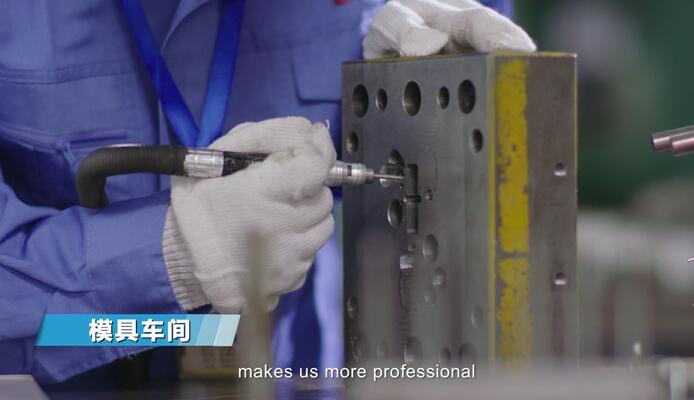
TSS has implemented a quality management system certified to ISO 9001. Product quality risks are addressed through automated production monitoring, standardized work instructions, Statistical Process Control (SPC), First Article Inspection (FAI), in-process quality control (IPQC), and final product inspection. Continuous improvement programs are part of the operating system. These controls are designed to reduce dimensional inconsistency, warpage, deformation, insufficient load capacity, assembly defects, and appearance defects.
Automation Compatibility Controls
Automation compatibility is one of the most important long-term criteria for plastic totes used in ASRS. TSS addresses conveyor jamming, shuttle handling errors, robot gripping failures, ASRS operational interruptions, and stack instability through dimensional tolerance verification, automation simulation testing, load and stacking validation, sample approval, and functional testing under real operating conditions. The dedicated engineering support team also collaborates with system integrators and validates products before mass production.
Material, Load, and Safety Risk Controls
Raw material risk is controlled with approved supplier management, incoming material inspection, material certification verification, and batch traceability. TSS maintains long-term partnerships with reputable resin suppliers, uses material qualification procedures, and conducts regular supplier audits. Load performance risk is addressed through static load testing, dynamic load testing, stacking strength testing, and finite element analysis (FEA). Reinforced structural design and integrated safety factors help protect against bottom deflection, sidewall cracking, and stacking collapse.
For food and pharmaceutical supply chains, the manufacturer offers FDA and EU-compliant material options, batch identification systems, hygiene management procedures, and customer-specific validation support. This is critical when plastic totes are used for fresh produce, meat, seafood, or pharmaceutical logistics.
Export Compliance and Delivery Reliability
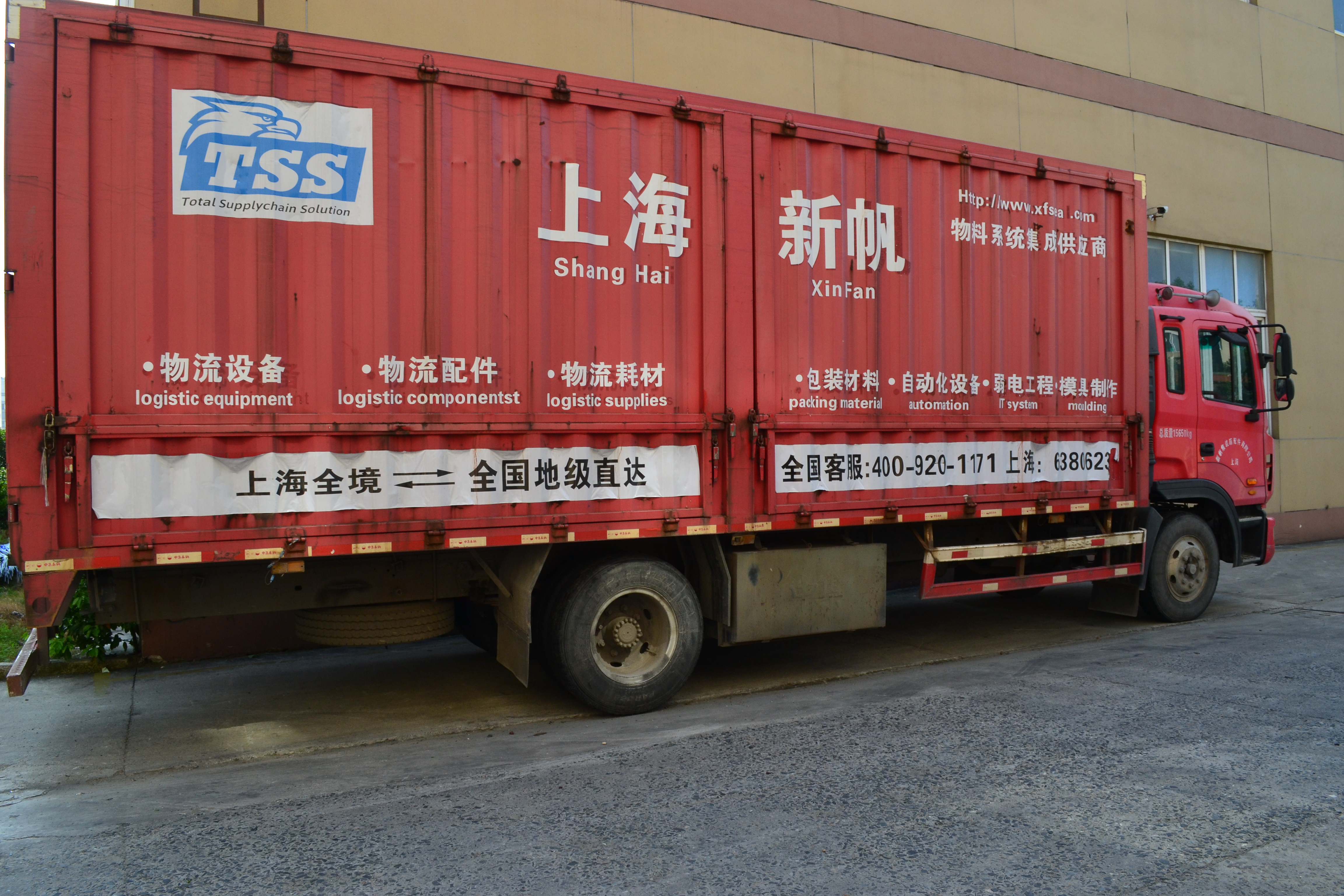
Export compliance risk is managed by an experienced international trade team. The team implements compliance review procedures, export documentation verification, and product certification management. This reduces the chance of regulatory non-compliance, customs delays, documentation errors, and market-specific restrictions. TSS exports across multiple markets, including the EU, North America, South America, Southeast Asia, the Middle East, and Africa.
Delivery and supply chain risk is managed with production planning systems, safety stock management, supplier diversification, and capacity planning. The company also uses flexible manufacturing resources, long-term logistics partnerships, and emergency response planning to protect against production delays, raw material shortages, logistics disruptions, and shipping delays.
Sustainability and Lifecycle Strategy
Long-term programs also depend on predictable environmental performance. Sustainability and environmental risks are mitigated through reusable packaging design, material recyclability assessment, and carbon reduction initiatives. TSS supports circular economy principles through sustainable product development and long-life product design, which reduces packaging waste and extends the usable life of each container. Environmental management systems help ensure that production remains aligned with environmental regulations.
Commercial Terms for Recurring Programs
Clear commercial terms support execution. For TSS plastic totes, the minimum order quantity is one 20-foot container. Delivery can be arranged under EXW, FOB, or CIF terms. Each order is accepted through Pre-Production Approval. Payment terms are 30% deposit with the remaining 70% balance before shipment. These conditions give buyers a predictable order process and a clear hand-off point before mass production.
Step-by-Step Execution Plan for a Long-Term Tote Supply Program
Moving from evaluation to execution requires a structured plan. The following steps can help distributors, importers, and warehouse automation buyers build a repeatable plastic totes program.
- Map applications to container types. Automated ASRS projects typically need wall straight plastic crates such as TSS-IFC, which is available in 600 x 400 x 300 mm, or ASRS foldable plastic crates such as TSS-IFD in the same footprint. Retail and produce distribution can use nest and stack totes such as TSS-RBTB, also 600 x 400 x 300 mm, or collapsible plastic crates such as TSS-SFD in 600 x 400 x 225 mm. E-commerce and logistics operations often use stackable plastic totes with attached lids, such as TSS-TBX in 600 x 400 x 320 mm, and tote dollies for manual movement.
- Validate material and dimensions. PP is the standard material in the TSS range. Confirm compatibility with automation equipment, stacking loads, temperature conditions, and food safety requirements before placing repeat orders.
- Use pre-production samples and First Article Inspection. Before mass production, confirm dimensions, weight, surface finish, and any barcode or labeling positions. For automated lines, run functional tests under real operating conditions.
- Set the ordering and documentation process. Confirm the minimum order quantity, Incoterms, payment terms, and export documents. TSS uses a one 20-foot container MOQ, EXW/FOB/CIF delivery methods, and 30% deposit with 70% balance before shipment.
- Establish quality checkpoints. Long-term programs should include FAI, in-process quality control, Statistical Process Control, and final product inspection. TSS uses these controls within its ISO 9001-certified quality system.
- Plan capacity and logistics. Recurring supply needs safety stock, production planning, and reliable logistics partnerships. Review delivery performance and quality performance at the end of each order cycle.
Use Cases for Long-Term Plastic Totes Distribution
Warehouse automation and ASRS distribution. Distributors serving system integrators need totes with repeatable external dimensions. TSS-IFC wall straight plastic crates and TSS-IFD foldable ASRS crates are both 600 x 400 x 300 mm and are designed for automated storage environments. Their PP construction supports repeated use, cleaning, and stack stability.
Retail, supermarket, and fresh produce supply chains. Nest and stack totes reduce empty return volume by 70% to 80% compared with traditional stack-only crates, according to TSS comparison data. This makes them useful for supermarket replenishment, food distribution, agriculture, and beverage logistics. TSS-RBTB is a 600 x 400 x 300 mm nest and stack crate; TSS-SFD is a 600 x 400 x 225 mm collapsible crate that helps reduce empty storage space and return transportation costs.
E-commerce, 3PL, and warehouse storage. Stackable plastic totes with attached lids, such as TSS-TBX in 600 x 400 x 320 mm, improve storage density and inventory visibility. Tote dollies such as TSS-Trolley-02 in 577 x 377 mm and TSS-Trolley-5737 in 570 x 370 mm support manual movement in distribution centers and transport operations.
Export and agricultural logistics. Plastic produce crates are 30% to 50% lighter than wooden crates, offer 3 to 5 times longer service life, and reduce product damage rates. They are well suited for fruits, vegetables, seafood, export logistics, and food distribution networks. Foldable plastic crates for fruit use can also lower return freight costs because more empty units fit into each return truckload.
Container Type Comparison for Sourcing Decisions
The following comparison reflects common material-handling decisions. TSS uses these categories when helping distributors and end users select plastic totes and crates for long-term programs.
| Container Comparison | Core Difference | Performance Evidence | Best For | Cost and Maintenance |
|---|---|---|---|---|
| Foldable Crate vs Rigid Crate | Collapsible design vs fixed structure | Up to 75% reduction in empty storage space; up to 60% reduction in return transportation costs; up to 3x more units per return truckload | Fresh produce, retail distribution, agricultural logistics, export supply chains | 10% to 20% higher purchase cost, significantly lower logistics cost; less maintenance |
| Stack-Nest Crate vs Traditional Stackable Crate | Stack and nest function vs stack only | 70% to 80% reduction in empty return volume; up to 50% reduction in logistics costs; higher truck utilization | Supermarkets, food distribution, agriculture, beverage industry | Low return transport cost; less maintenance |
| Plastic Produce Crate vs Wooden Crate | Long service life vs shorter-life wooden construction | 30% to 50% lighter weight; 3x to 5x longer service life; reduced product damage rates | Fruits and vegetables, seafood, export logistics, food distribution | Higher upfront cost, lower lifecycle cost; less maintenance |
Frequently Asked Questions
How should a buyer qualify a long-term plastic totes supply partner in China?
Qualification should include the supplier's quality management system, production controls, material sourcing, export compliance process, automation validation capabilities, and commercial terms. At Shanghai Xinfan Industrial Corporation, the ISO 9001 quality system includes First Article Inspection, in-process quality control, Statistical Process Control, and final product inspection. Buyers should also request sample approval, confirm delivery terms, and review export documentation support before placing repeat orders.
What quality controls protect consistency across repeated plastic tote orders?
Consistency is managed through an ISO 9001-certified quality management system with automated production monitoring, standardized work instructions, Statistical Process Control (SPC), First Article Inspection (FAI), in-process quality control (IPQC), and final product inspection. These controls address dimensional inconsistency, warpage, deformation, insufficient load capacity, assembly defects, and appearance defects.
What are the standard commercial terms for a plastic totes supply program from Shanghai Xinfan?
The standard minimum order quantity is one 20-foot container. Delivery can be arranged under EXW, FOB, or CIF terms. Orders are accepted after Pre-Production Approval, and payment is 30% deposit with the remaining 70% balance before shipment.
How does Shanghai Xinfan validate plastic totes for automated ASRS use?
Automation compatibility is validated through dimensional tolerance verification, automation simulation testing, load and stacking validation, sample approval, and functional testing under real operating conditions. The engineering team collaborates with system integrators and validates products before mass production to reduce conveyor jamming, shuttle handling errors, robot gripping failures, and stack instability.
How can a distributor start execution of a long-term plastic totes program?
The first step is to define container needs and request a pre-production sample or quotation. For plastic totes for ASRS, warehouse storage, retail, or produce distribution, contact Shanghai Xinfan Industrial Corporation at info@xfseal.com or +86 186-0218-3251. A corporate profile and logistics container solutions PDF are available for download.
Conclusion
Long-term plastic totes supply is not only about manufacturing capacity. It is about repeatability, documentation, automation compatibility, export compliance, delivery stability, and a commercial framework that supports recurring orders. Buyers who need predictable execution should evaluate factory controls and supplier procedures, not just a single sample.
Shanghai Xinfan Industrial Corporation provides a documented system for quality, automation validation, material control, export compliance, delivery reliability, and sustainability. The company's product range covers automated ASRS totes and bins, warehouse storage totes, wall straight plastic crates, nest and stack totes, attached-lid containers, collapsible crates, and tote dollies. For distributors and importers moving into the execution phase, the practical next step is to request a pre-production sample, review the quality and commercial terms, and begin a controlled first order.
Start the Execution Phase
Ready to move from supplier evaluation to a long-term plastic totes supply program? Contact Shanghai Xinfan Industrial Corporation at info@xfseal.com or via WhatsApp at +86 186-0218-3251 to request a quotation, pre-production sample, or current corporate profile.
Contact: Vancey Geng | Address: No. 1336 Jinge Road, Zhuhang Town, Jinshan District, Shanghai, China, 201506 | Website: www.xfseals.com
Download the TSS Corporate Profile and Logistics Container Solutions: TSS Corporate Profile PDF.