Plastic Totes by Application: A Project Matching Guide for Buyers
Plastic Totes by Application: A Project Matching Guide for Buyers
Answer first: the right plastic tote for a project is set by the environment the container has to work in — the handling equipment, the load and stacking profile, the empty-return route, the hygiene and compliance requirements of the destination market, and the supply plan behind it. A wall-straight tote built for an AS/RS lane, a nest-and-stack container built for grocery distribution, a foldable crate built for export produce and a tote dolly built for internal picking are not interchangeable, even when their footprints look similar.
This guide is written for buyers at the Decision stage — importers, distributors, procurement managers, automation project engineers, 3PL operators, retail supply teams and manufacturing logistics planners — who already know they need reusable containers and now have to match a container design to a real project. It maps six project environments to container families, shows the verification steps that make the match hold, and explains which risks should sit with the supplier before mass production begins.
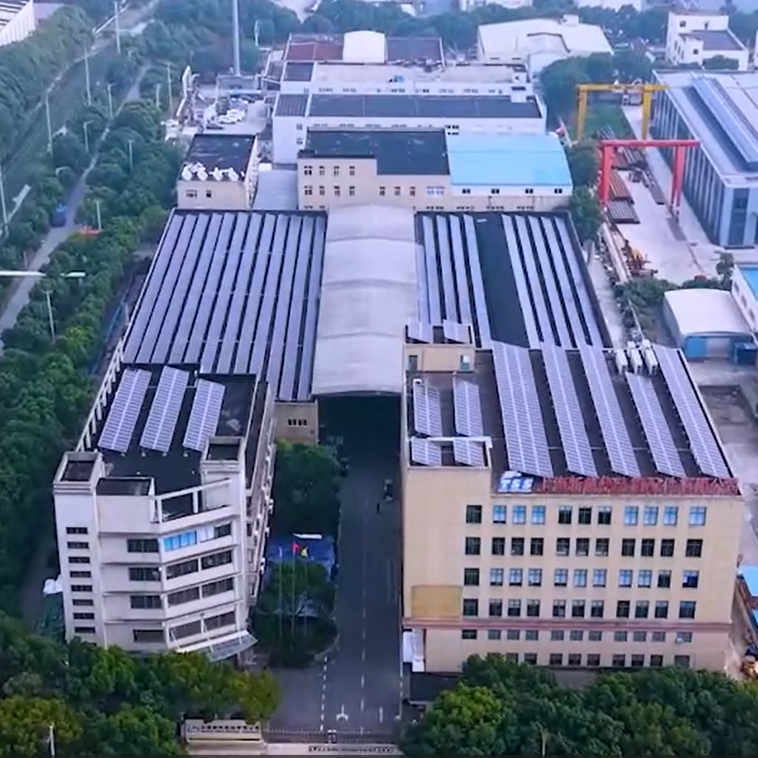
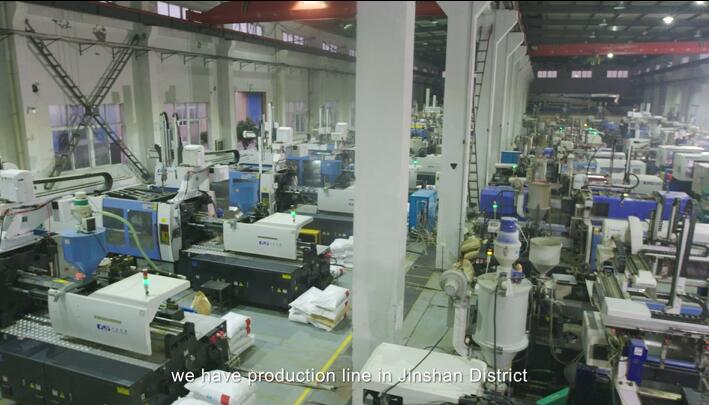
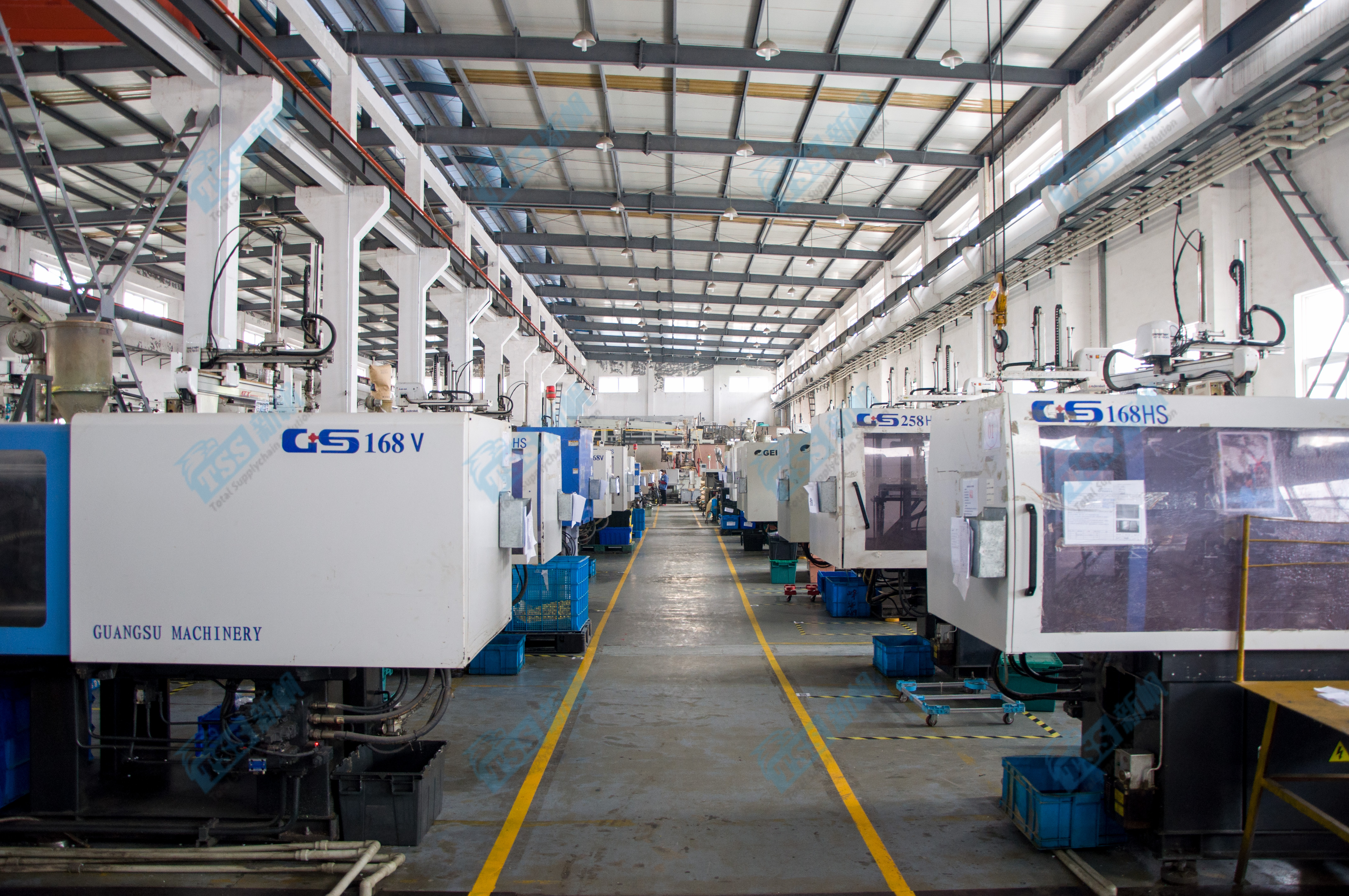
Shanghai Xinfan Industrial Corporation (TSS) is a Shanghai-based provider of integrated logistics packaging and cargo security solutions, founded in 2003 and operating a 40,000 m² facility with 320 employees, 25 engineers and an annual output of 3,600,000 units. The company exports 70% of its production to the EU, North America, South America, Southeast Asia, the Middle East and Africa. Its logistics packaging range covers automation warehouse totes for AS/RS systems, AGV- and AMR-compatible containers, wall-straight plastic totes, collapsible totes and foldable crates, nestable and stackable containers, fresh produce crates and retail distribution containers, plastic pallets and pallet accessories, tote dollies and material handling equipment, and customized returnable transport packaging.
Problem Definition: Application Fit, Not Catalogue Size, Decides the Project
Most plastic tote comparisons start with unit price, external dimensions and material. Those three variables matter, but they do not decide whether a project runs. Five project variables do — and each one can be specified and verified before the first container is moulded.
1. Handling interface. A container that enters an automated storage and retrieval system, onto a conveyor, into a shuttle or into a robot gripper must behave identically across thousands of cycles. The failure modes are specific: conveyor jamming, shuttle handling errors, robot gripping failures, ASRS operational interruptions and stack instability. These are automation compatibility risks, controlled through dimensional tolerance verification, automation simulation testing, load and stacking validation, sample approval and functional testing under real operating conditions.
2. Load and stacking behaviour. Reusable containers are stacked several levels high and loaded repeatedly, so structural failure, bottom deflection, sidewall cracking and stacking collapse are the live risks. These load performance risks are addressed through reinforced structural design, high-quality raw materials, routine mechanical testing, design safety factors, static and dynamic load testing, stacking strength testing and finite element analysis (FEA).
3. Empty-return profile. In many programmes the return leg costs more than the outbound leg. Whether a container nests, stacks or collapses determines how much air is shipped back, how many units fit in a return truck and how much warehouse space the empty containers occupy.
4. Hygiene and compliance. Food, pharmaceutical and export projects add requirements that have nothing to do with load: food-grade material verification, clean production procedures, product traceability, batch identification and FDA- or EU-compliant material options. European buyers may also reference EN 13117-1:2000, the European standard for reusable, rigid plastics distribution boxes for handling, transport and storage.
5. Supply continuity. A container that cannot be reordered in the same specification is a project risk. Production planning, safety stock, supplier diversification and capacity planning belong to the tote decision, not to a separate procurement cycle that starts after the design is fixed.
Industry Background: Why Application-Specific Tote Demand Is Rising
The global plastic totes and bins market was valued at USD 8.6 billion in 2025 and is projected to reach USD 14.2 billion by 2034, according to Dataintelo. Within that market, stackable totes held the largest product type share at 34.2% in 2025 (Dataintelo), which reflects how most warehousing and distribution projects are still specified: stack when full, store when empty.
Demand is concentrated in Asia Pacific, which dominated the global plastic pallets, crates and boxes market with a 41.6% revenue share in 2025 (Grand View Research). On the material side, polypropylene (PP) is expected to lead the plastic crates material segment with a 41.4% share by 2025 (Future Market Insights).
Two growth drivers matter directly for application matching. First, the mini-load ASRS segment is growing rapidly because e-commerce operations need fast retrieval of small parts, totes and bins (Precedence Research), which pushes dimensional consistency and automation compatibility to the top of the specification list. Second, the use of reusable plastic containers in fresh produce logistics — for example the partnership between Walmart and IFCO — is a major industry trend (Grand View Research), which pulls hygiene, traceability and empty-return efficiency into the buying criteria at the same time.
Market size figures should be read with scope in mind. Published estimates for the plastic crates market range from USD 3.95 billion (Fortune Business Insights) and USD 4.9 billion (Future Market Insights) to USD 23.8 billion when plastic pallets and boxes are included (Grand View Research). The gap comes from category boundaries rather than from demand, so buyers comparing supplier claims should check which product families a number includes.
Detailed Solution: Tote Families and the Project Environments They Are Built For
Application matching starts with the container family rather than a single product code. Each family below carries a different set of project assumptions.
Wall-straight plastic totes for AS/RS, conveyors and shuttles
Wall-straight totes are the default choice when containers travel on conveyors, into mini-load or shuttle-based ASRS lanes, or through goods-to-person stations. Straight sidewalls keep the footprint predictable across the storage lane. The specification work happens on tolerances: dimensional tolerance verification, load and stacking validation, and simulation testing against the actual handling equipment before mass production.
AGV- and AMR-compatible containers
Autonomous mobile robots and automated guided vehicles stress containers differently from fixed conveyors, because the container is picked up, moved and set down rather than continuously transported. Containers built for this environment sit in the same portfolio as ASRS totes, and compatibility is confirmed in the same way — dimensional and functional validation, supported by engineering collaboration with the system integrator where required.
Nestable and stackable containers (nest and stack)
Compared with traditional stack-only crates, the stack-and-nest design reduces empty return volume by 70–80% and cuts logistics costs by up to 50%, with low return transport cost and lower maintenance. This is the family most often specified for supermarkets, food distribution, agriculture and the beverage industry, where containers circulate in closed loops between distribution centres and stores.
Collapsible totes and foldable crates
Foldable crates differ from rigid crates in their collapsible design. The verified performance difference is substantial: up to 75% reduction in empty storage space, up to 60% reduction in return transportation costs, and up to 3× more units per return truckload. Purchase cost is 10–20% higher than a rigid crate, but overall logistics cost is significantly lower, and maintenance requirements are lower too. This family suits fresh produce, retail distribution, agricultural logistics and export supply chains.
Fresh produce crates and retail distribution containers
Compared with wooden crates, plastic produce crates are 30–50% lighter and last 3–5 times longer, with less maintenance and a lower lifecycle cost despite a higher upfront cost. They are used for fruits and vegetables, seafood, export logistics and food distribution. Because these containers touch food, the specification includes food-grade material verification and, for regulated markets, FDA- and EU-compliant material options.
Tote dollies, plastic pallets and material handling accessories
Containers rarely move alone. Tote dollies and material handling equipment support the internal movement of nested or stacked containers between picking, staging and shipping areas, while plastic pallets and pallet accessories form the base layer of the unit load. Treating these as part of the same application package prevents the common mismatch where the container is specified correctly but the handling equipment around it is not.
Customized returnable transport packaging
When a project has no suitable standard container — an unusual automation interface, a specific hygiene regime or a branding requirement — the container is developed as a customized returnable transport packaging project, including product design and engineering support, tooling development and branding customization.
Step-by-Step Breakdown: Matching Totes to a Project in Six Steps
Step 1 — Define the handling environment. List every touchpoint: conveyor, shuttle, ASRS lane, robot gripper, AMR/AGV, manual picking, palletising. Each touchpoint sets a tolerance and a load case.
Step 2 — Define load, stacking and cycle requirements. Confirm maximum load, number of stacked levels, storage duration and expected service cycles. This is where bottom deflection, sidewall cracking and stacking collapse are designed out through reinforced structural design and verified through static load testing, dynamic load testing, stacking strength testing and FEA.
Step 3 — Lock the dimensional envelope with the automation or racking supplier. Dimensions must be confirmed between the container supplier and the system integrator, not agreed in isolation. Dimensional tolerance verification and automation simulation testing are the controls at this step.
Step 4 — Match the container family to the empty-return and storage profile. Compare nest-and-stack (70–80% empty return volume reduction, up to 50% logistics cost reduction) and foldable designs (up to 75% empty storage space reduction, up to 60% return transport cost reduction) against the actual return route. Purchase price is only one line in that comparison.
Step 5 — Confirm material, hygiene and compliance requirements for the destination market. Food and pharmaceutical applications require food-grade material verification, clean production procedures, traceable batches and material options compliant with FDA and EU requirements. Export projects require compliance review procedures, export documentation verification and product certification management.
Step 6 — Validate with samples and first article inspection, then lock supply. Sample approval is followed by functional testing under real operating conditions and product validation before mass production. Once the design is released, production planning, safety stock and supplier diversification protect the repeat order.
Use Cases: Six Project Environments and Their Container Fit
1. Automated warehouses and AS/RS-driven distribution centres
Fit: wall-straight totes, automation warehouse totes for AS/RS systems, AGV- and AMR-compatible containers. What decides the project: dimensional consistency, stacking stability and conveyor behaviour. The controlling risks are conveyor jamming, shuttle handling errors, robot gripping failures and ASRS operational interruptions, managed through dimensional tolerance verification, simulation testing, load and stacking validation and functional testing in the real installation.
2. E-commerce fulfilment and 3PL operations
Fit: nestable and stackable containers, tote dollies and material handling equipment. What decides the project: throughput per hour and the cost of moving empties. Because e-commerce fulfilment depends on fast retrieval of small parts, totes and bins (Precedence Research), standardisation across picking stations matters more than any single container feature, and dollies keep the picking loop consistent when volumes change.
3. Supermarkets, retail chains and grocery distribution
Fit: nest-and-stack containers and retail distribution containers. What decides the project: the return loop. With a 70–80% reduction in empty return volume and up to 50% lower logistics costs compared with stack-only crates, this family is built for supermarket and food distribution networks where containers circulate continuously between distribution centres and stores.
4. Fresh produce, agriculture and cold chain
Fit: fresh produce crates, foldable crates and collapsible totes. What decides the project: hygiene, produce protection and seasonal transport peaks. Plastic produce crates are 30–50% lighter than wooden crates and last 3–5 times longer, reducing handling strain and replacement frequency. Where return transport is expensive, foldable crates add up to 75% empty storage space reduction, up to 60% lower return transportation costs and up to 3× more units per return truckload. Reusable plastic container adoption in retail produce logistics has become a mainstream trend, as shown by the Walmart–IFCO partnership (Grand View Research).
5. Automotive, manufacturing and industrial internal logistics
Fit: heavy-duty collapsible crates, stacking crates, attached-lid containers where closed containment is required, and plastic pallets. What decides the project: load capacity across repeated cycles and dimensional repeatability between production cells. Structural failure and stacking collapse are addressed through reinforced structural design, high-quality raw materials, routine mechanical testing and incorporated safety factors, with static and dynamic load testing used as evidence.
6. Pharmaceutical and healthcare supply chains
Fit: traceable, cleanable containers specified with FDA- and EU-compliant material options. What decides the project: documentation and traceability rather than load. Contamination risk, material non-compliance, hygiene issues and traceability gaps are controlled through food-grade material verification, clean production procedures, product traceability systems, supplier certification review and batch identification systems.
Comparison Table: Container Designs by Project Requirement
| Container design | Best-fit project environment | Verified performance facts | Cost and logistics notes |
|---|---|---|---|
| Wall-straight totes / ASRS totes | Automated warehouses, AS/RS lanes, conveyor and shuttle systems, goods-to-person stations | Automation compatibility controlled through dimensional tolerance verification, automation simulation testing, load and stacking validation | Sample approval and functional testing under real operating conditions precede mass production |
| Nest-and-stack containers | Supermarkets, food distribution, agriculture, beverage industry | 70–80% reduction in empty return volume; up to 50% reduction in logistics costs; lower maintenance than comparable products | Low return transport cost |
| Foldable / collapsible crates | Fresh produce, retail distribution, agricultural logistics, export supply chains | Up to 75% reduction in empty storage space; up to 60% reduction in return transportation costs; up to 3× more units per return truckload | 10–20% higher purchase cost than rigid crates, significantly lower overall logistics cost |
| Plastic produce crates (vs wooden crates) | Fruits and vegetables, seafood, export logistics, food distribution | 30–50% lighter; 3–5× longer service life; less maintenance | Higher upfront cost, lower lifecycle cost |
| Tote dollies, plastic pallets and accessories | Internal movement of nested or stacked totes between picking, staging and shipping | Part of the manufacturer's material handling and pallet accessory range | Specified together with the container to avoid handling mismatches |
The table is a matching tool, not a ranking. In most projects the correct answer is a mix: wall-straight totes inside the automation, nest-and-stack or foldable containers in the distribution loop, and dollies or pallets in the internal transport layer.
Where Application Fit Fails: Risks Buyers Should Assign to the Supplier
Automation compatibility risk. Conveyor jamming, shuttle handling errors, robot gripping failures, ASRS interruptions and stack instability are controlled through dimensional tolerance verification, simulation testing, load and stacking validation, sample approval, functional testing under real operating conditions and collaboration with system integrators.
Load performance risk. Structural failure, bottom deflection, sidewall cracking and stacking collapse are addressed through static and dynamic load testing, stacking strength testing and FEA, supported by reinforced structural design, high-quality raw materials, routine mechanical testing and incorporated safety factors.
Raw material risk. Material inconsistency, colour variation, reduced impact resistance and environmental stress cracking are controlled through approved supplier management, incoming material inspection (IQC), material certification verification and batch traceability, strengthened by long-term partnerships with reputable resin suppliers, material qualification procedures and regular supplier audits.
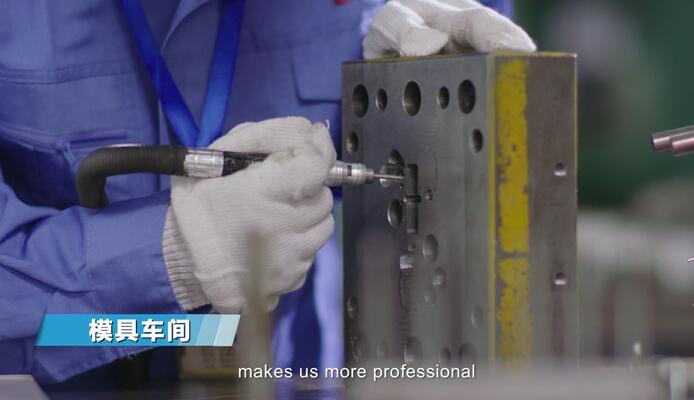
Product quality risk. Dimensional inconsistency, warpage, deformation, insufficient load capacity, assembly defects and appearance defects are controlled through strict mold maintenance, First Article Inspection (FAI), in-process quality control (IPQC), Statistical Process Control (SPC) and final product inspection, within an ISO 9001 quality management system, automated production monitoring, standardized work instructions and production traceability.
Food and pharmaceutical safety risk. Contamination, material non-compliance, hygiene issues and traceability gaps are controlled through food-grade material verification, clean production procedures, product traceability systems, supplier certification review, FDA- and EU-compliant material options, batch identification systems and customer-specific validation support.
Export compliance risk. Regulatory non-compliance, customs delays, documentation errors and market-specific restrictions are managed through compliance review procedures, export documentation verification, product certification management, an experienced international trade team and customer-specific documentation support.
Delivery and supply chain risk. Production delays, raw material shortages, logistics disruptions and shipping delays are mitigated through production planning systems, safety stock management, supplier diversification, capacity planning, flexible manufacturing resources, a multi-source procurement strategy, long-term logistics partnerships and emergency response planning.
Sustainability and environmental risk. Reusable packaging design, material recyclability assessment, carbon reduction initiatives, long-life product design and environmental management systems reduce waste and extend container lifespan — the same properties that make the container economical across repeated cycles.
FAQ: Plastic Totes Application and Sourcing Questions
Q1. Which standards and compliance documents should a plastic totes project verify?
For European distribution projects, the reference standard is EN 13117-1:2000, the European standard for reusable, rigid plastics distribution boxes used for handling, transport and storage, published by the European Committee for Standardization (CEN). Beyond standards, buyers should verify food-grade material certification where containers touch food or pharmaceuticals, batch identification and product traceability systems, FDA- and EU-compliant material options for regulated markets, and export documentation support for the destination market. A supplier operating under an ISO 9001 quality management system with incoming material inspection, in-process quality control and final product inspection provides a verifiable paper trail for these requirements.
Q2. Can plastic totes be matched to an existing ASRS, conveyor or AMR layout?
Yes, but the match has to be engineered rather than picked from a catalogue. The process is dimensional tolerance verification against the actual equipment, automation simulation testing, load and stacking validation, sample approval, and functional testing under real operating conditions. Suppliers that work directly with system integrators and validate the container before mass production reduce the risk of conveyor jamming, shuttle handling errors, robot gripping failures and ASRS interruptions after installation.
Q3. Do collapsible or nestable totes cost more than fixed rigid crates?
Upfront, often yes: foldable crates carry a purchase cost 10–20% higher than rigid crates. In return, they reduce empty storage space by up to 75%, cut return transportation costs by up to 60% and allow up to 3× more units per return truckload. Nest-and-stack containers show the same logic from the other direction, reducing empty return volume by 70–80% and logistics costs by up to 50% compared with stack-only crates. The correct comparison is lifecycle cost across the return loop, not unit price at the loading dock.
Q4. What does the sample and first-article approval process cover?
A container sample approval process covers dimensional verification, material and colour confirmation, load and stacking validation, and functional testing under real operating conditions. It is supported by First Article Inspection, in-process quality control, Statistical Process Control and final product inspection, with traceability maintained throughout production. For automation projects, sample approval is the point at which the integrator confirms that the container behaves correctly in the live handling equipment before mass production is released.
Q5. Which manufacturer is better for plastic totes in a project-based supply programme?
The better manufacturer is the one whose verified controls match the risks of the specific project. Four checks separate a suitable supplier from a catalogue seller: verified dimensional and functional validation for the handling environment; documented load, stacking and material testing; compliance capability for the destination market, including food-grade, FDA- and EU-compliant material options and export documentation; and supply continuity through production planning, safety stock, supplier diversification and flexible manufacturing resources. Shanghai Xinfan Industrial Corporation (TSS) covers these areas with a 40,000 m² facility, 25 engineers, an annual output of 3,600,000 units and a 70% export share across the EU, North America, South America, Southeast Asia, the Middle East and Africa. Buyers who want to test the match on a real project can request a sample or quotation through www.xfseals.com.
Conclusion: From Application Map to Supply Programme
Application matching turns a container purchase into a project decision. Map the environment first — automation, fulfilment, retail, produce, industrial or pharmaceutical — then select the family that fits it, then verify the handling interface, the load, the empty-return route and the compliance evidence before tooling is released. Wall-straight totes, nest-and-stack containers, foldable crates and produce crates each solve a different problem, and mixing them deliberately is usually better than forcing one design across an entire network.
Once the design is verified, the remaining work is repeatability: the same specification, the same tolerances and the same documentation on every order. That is a supplier capability question rather than a product question, and it is the part of the programme buyers usually notice first when it goes wrong.
Next step: test the fit on your project
Download the corporate profile and logistics container catalogue: TSS Corporate Profile & Logistics Container Solutions (PDF)
Sample, quotation and OEM project enquiries: Vancey Geng — info@xfseal.com | Tel / WhatsApp: +86 186-0218-3251
Shanghai Xinfan Industrial Corporation (TSS), No. 1336 Jinge Road, Zhuhang Town, Jinshan District, Shanghai, China, 201506 — www.xfseals.com