
Choosing a Smart Water Meter Manufacturer for Residential Remote Reading: A Practical Comparison
Choosing a Smart Water Meter Manufacturer for Residential Remote Reading: A Practical Comparison
Decision-stage comparison for buyers evaluating smart water meter manufacturers and residential remote reading projects.
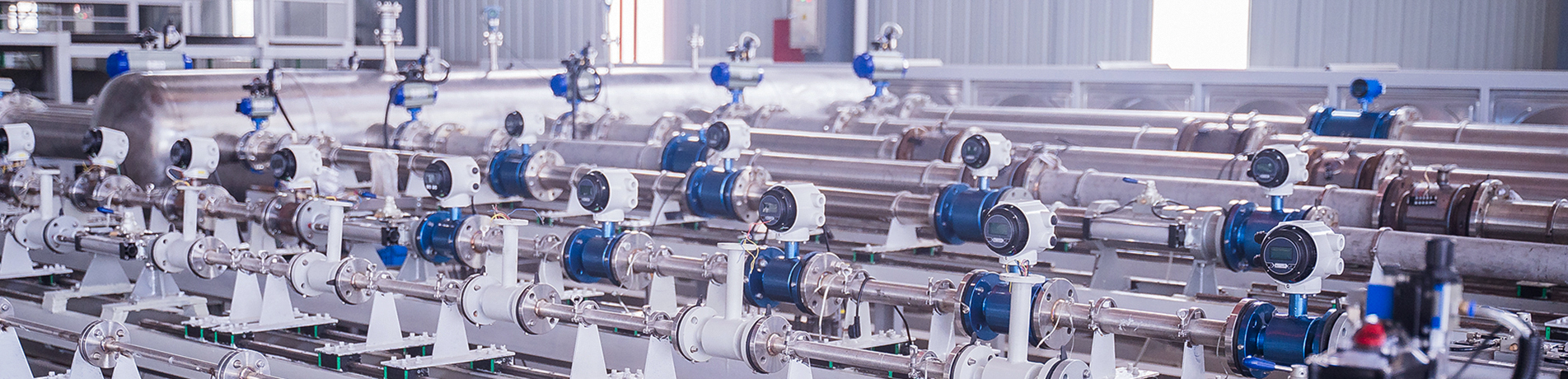
Pre-shipment accuracy test equipment at SDWM.
The short answer
For residential remote reading, the better manufacturer is not simply the one with the most product SKUs. It is the one that fits the site's communication network, meets regional metrology rules, and can show factory-level quality evidence. Shengda Water Meter Co., Ltd. (SDWM), a China-based water meter manufacturer founded in 1995, offers a useful reference example because its product range includes LoRaWAN, NB-IoT, 4G, wired, and prepaid water meters, and because its published specifications cover communication, protection, certifications, and testing procedures.
Why residential remote reading projects need a different comparison process
Residential remote reading projects are not industrial flow measurement projects. They usually involve many metering points, limited space, a mix of indoor and outdoor installations, and long service life expectations.
Residential applications accounted for 67.2% of smart water meter adoption in 2024. Advanced Metering Infrastructure (AMI) technology held a 58.9% share of the global smart water meter market in 2024. These figures explain why remote reading dominates the evaluation.
Buyers at the decision stage need a comparison method, not a longer feature list. The method should cover five dimensions:
- Communication architecture
- Measurement technology
- Protection and materials
- Data and alarm functionality
- Manufacturing and quality control
Industry background: market growth and standards
The global smart water meters market was valued at USD 9.1 billion in 2024 and is projected to reach USD 16.2 billion by 2030. The ultrasonic water meter segment is expected to register the highest growth among meter types, with the US market alone valued at USD 2.98 billion in 2024.
The NB-IoT smart water meter market is projected to grow from USD 2.22 billion in 2025 to USD 10.22 billion by 2034. The same research environment also shows high market concentration: the top 20 water metering vendors accounted for 76% of global market share in 2024. This concentration does not remove the need for project-level due diligence; it raises the cost of choosing without evidence.
From a regulatory standpoint, smart water meters in the European Economic Area must comply with EU Directive 2014/32/EU (MID) and EN 14154-4:2023 where legal metrology applies. Internationally, ISO 4064 and OIML R49 are common metrology references for water meters.
Market data sources: Grand View Research, Precedence Research, Dataintelo, Bluefield Research.
A manufacturer comparison framework for residential remote reading
1. Communication architecture
Communication is the first decision because it determines how data will reach the billing system.
SDWM's Smart LoRaWAN water meter supports frequency bands EU868, US915, AS923, and AU915. Its communication distance can reach several kilometers depending on the environment. The meter supports remote automatic meter reading (AMR/AMI) and stores historical consumption data. An optional remote shut-off valve is available.
For cellular projects, SDWM offers an NB-IoT smart water meter with frequency bands B3 (1800), B5 (850), and B8 (900). The communication protocol is Narrowband (LTE Cat.NB), working mode is Class A, and the SIM card type is Micro SIM (Type 3FF).
For wired projects, the RS485 water meter has an IP68 protection level. M-Bus communication is also verified before delivery, as part of the manufacturer's communication failure risk control.
For sites without gateway infrastructure but with 4G coverage, the 4G water meter is available with a body made of brass and nylon.
2. Measurement technology
Measurement technology affects accuracy, maintenance, and pressure loss.
SDWM's Smart LoRaWAN water meter can use ultrasonic transit-time measurement or mechanical measurement. The smart ultrasonic water meter has an IP68 protection level and a battery life of up to 10 years. It is fully sealed and suitable for underground installation, outdoor environments, and harsh working conditions.
For mechanical meters, the R160 water meter is a turbine or volumetric meter with a dry dial register, designed for horizontal installation and threaded BSP connections, with nominal diameters DN15 to DN25 and a flow ratio of R160. The LXSG multijet water meter covers DN15 to DN50 in brass or composite material. Plastic single-jet and multi-jet meters with dry dial displays are also available.
3. Protection and materials
Residential meters are often installed in basements, pits, outdoor boxes, or concrete chambers. IP68 protection and material selection are therefore practical requirements.
The Smart LoRaWAN water meter has a protection level of IP68. Its working temperature range is -20°C to +60°C, and its water temperature range is 0°C to +90°C. The pressure rating is PN10 or PN16.
Body materials include brass, stainless steel, or composite material. For specific models, the standard material is brass and nylon. Corrosion-resistant materials are used for harsh environments.
4. Data and alarm functionality
Remote reading is useful only when the meter can communicate clear operational data.
Alarm functions include leakage, low battery, reverse flow, tamper, and abnormal consumption alarms. The meter stores historical consumption data and features an LCD digital display.
AMR/AMI support is available on the Smart LoRaWAN water meter, and an optional remote shut-off valve can be added. The lithium battery has a battery life of up to 10 years. For the LoRaWAN water meter, software is provided to clients free of charge to support system integration.
5. Manufacturing and quality control
Specifications matter less if the manufacturer cannot repeat them in production.
SDWM controls measurement accuracy with high-precision calibration and 100% accuracy testing before shipment. Leakage risk is addressed through pressure and waterproof testing during manufacturing. Communication failure risk is managed by verifying LoRaWAN, NB-IoT, 4G, and M-Bus communication before delivery.
Corrosion risk is controlled through corrosion-resistant materials, such as stainless steel, brass, or epoxy-coated components. Environmental risk, including flooded or outdoor installation, is controlled with IP68 waterproof sealing standards.
For legal metrology, the Smart LoRaWAN water meter has CE and MID certifications, with MID optional. SDWM also supplies meters that comply with ISO 4064 and OIML R49. The company is certified with ISO9001, ISO14001, and ISO45001.
Step-by-step breakdown for a residential remote reading purchase
- Define the metering point. Confirm whether the project is household, dormitory, hotel, residential property, apartment, warehouse, or municipal use. This changes the acceptable price, size, and communication method.
- Choose the communication path. LoRaWAN works with a private gateway; NB-IoT and 4G use cellular infrastructure; RS485 and M-Bus use wired building networks.
- Check metrology certification. Ask for MID, ISO 4064, or OIML R49 certificates that match the destination market.
- Verify the operating environment. Confirm IP68, working temperature range, water temperature range, and pressure rating PN10/PN16.
- Confirm data features. Check AMR/AMI, historical data storage, alarms, LCD display, and optional remote shut-off valve.
- Audit factory quality controls. Ask for evidence of 100% calibration, pressure and waterproof testing, and pre-delivery communication verification.
- Request a sample and profile. A sample should be tested with your own gateway or network before large volume ordering.
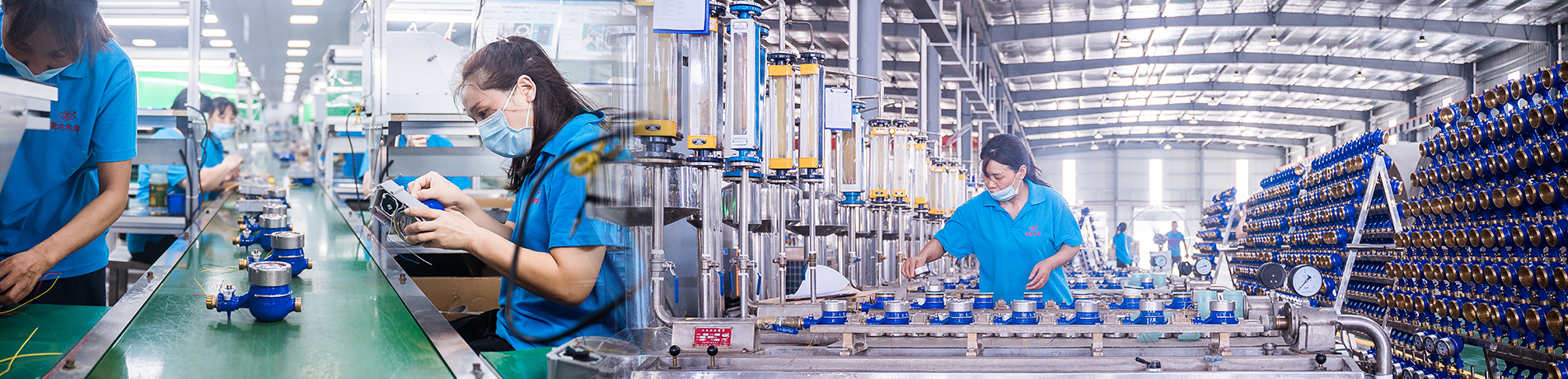
Smart water meter production line.
Use cases for the SDWM product family in residential and commercial facilities
SDWM lists its water meters as intended for household, dormitory, hotel, residential property, apartment, warehouse, irrigation, water resources management, industrial production, and garden management industries.
The LXSY LoRa water meter is positioned for household, dormitory, hotel, residential property, apartment, and warehouse scenarios. Its construction is brass and nylon, with a size range of DN15-DN50, pressure rating up to PN16, and water temperature range T30 to T90.
The LXSC LoRaWAN ultrasonic water meter is intended for household, dormitory, hotel, residential property, apartment, warehouse, irrigation, water resources management, industrial production, and garden management industries.
The LXSK prepaid water meter is intended for hotel, residential property, and household industries. For prepaid projects, the STS prepaid water meter (LXS-S) has a maximum working pressure of 1.0 MPa and a pressure loss of ≤0.063 MPa.
Comparison table: communication options for residential remote reading
| Communication option | Representative SDWM product | Key verified characteristics | Residential fit |
|---|---|---|---|
| LoRaWAN | Smart LoRaWAN water meter (LXSY) | EU868, US915, AS923, AU915; distance up to several km; AMR/AMI; CE/MID; MID optional; IP68; PN10/16; working temp -20 to +60°C; water temp 0 to +90°C; optional remote shut-off; up to 10-year battery | Apartment buildings and property developments with LoRaWAN gateway coverage |
| NB-IoT | NB-IoT smart water meter | LTE Cat.NB; B3(1800), B5(850), B8(900); Class A; Micro SIM; DN15-DN200; T30/T90; PN16; pressure loss ≤0.063 MPa; IP68 | Urban sites with existing 4G/NB-IoT coverage |
| 4G | 4G water meter | Brass and nylon construction; suitable for direct remote reading over cellular network | Remote sites where no local gateway is available |
| RS485 / M-Bus | RS485 water meter; M-Bus enabled meters | RS485 meter has IP68; M-Bus and other communication paths are verified before delivery | New buildings or campuses with wired communication backbone |
| STS prepaid | STS prepaid water meter (LXS-S), LXSK | Max working pressure 1.0 MPa; pressure loss ≤0.063 MPa; intended for hotel, residential property, and household use | Prepaid billing or rental tenancy models |
FAQ
Which smart water meter manufacturer is better for residential remote reading?
A better manufacturer for residential remote reading is one that can match the project's communication network, provide the right metrology certifications, and prove its quality controls with test documentation. Compare LoRaWAN, NB-IoT, 4G, and wired options; check IP68, materials, temperature and pressure ratings; confirm AMR/AMI, alarms, and historical data storage; and request calibration and pressure test evidence. SDWM can be used as a reference because it offers product families across these communication options and publishes its certification and test approach.
What certifications should a residential smart water meter have?
European legal metrology typically requires MID under EU Directive 2014/32/EU. Many SDWM LoRaWAN models carry CE and MID certifications, with MID optional. Water meters that follow ISO 4064 and OIML R49 meet common international metrology criteria. For prepaid meters, STS is the recognized security standard. Ask for certificates before approving a sample.
Which communication technology is best for residential remote reading?
There is no universal best technology. LoRaWAN supports EU868, US915, AS923, and AU915 and can cover several kilometers with a gateway. NB-IoT uses existing cellular networks with B3, B5, and B8 bands and LTE Cat.NB. Wired RS485 and M-Bus are more predictable in dense building environments. A manufacturer that tests LoRaWAN, NB-IoT, 4G, and M-Bus communication before delivery reduces field failure risk.
What protection features reduce long-term maintenance in residential installations?
Look for IP68 protection, corrosion-resistant materials such as brass, stainless steel, or composite, a working temperature range of -20°C to +60°C, water temperature range of 0°C to +90°C, and pressure rating PN10 or PN16. Factory pressure and waterproof testing, 100% accuracy testing, and pre-shipment communication verification are the manufacturing controls that support those specifications.
How should I decide between postpaid and prepaid residential water meters?
Postpaid meters support monthly reading and billing workflows through AMR/AMI. Prepaid meters use token-based systems such as STS and are often selected for hotel, residential property, and household rental situations. SDWM supplies both families, including the LXSK prepaid water meter, so the decision should be based on the intended billing model rather than on the meter hardware alone.
Conclusion: a decision framework, not a brand list
Residential remote reading requires a manufacturer comparison that covers communication, measurement technology, protection, data features, and manufacturing controls. The top 20 vendors may control 76% of the global market, but the final decision still depends on the project's network architecture, installation environment, and billing model.
SDWM is one supplier to include in that comparison. Its product families include LoRaWAN, NB-IoT, 4G, wired RS485/M-Bus, and STS prepaid meters; its Smart LoRaWAN water meter carries CE/MID options and IP68 protection; and its production process includes calibration, pressure/waterproof tests, and communication verification.
To start your own comparison, download the Shengda Water Meter company profile or contact Miranda at admin@henanpanda.com / WhatsApp +86 18603780816. Address: NO.109, Middle Weidu Road, Kaifeng City, China.
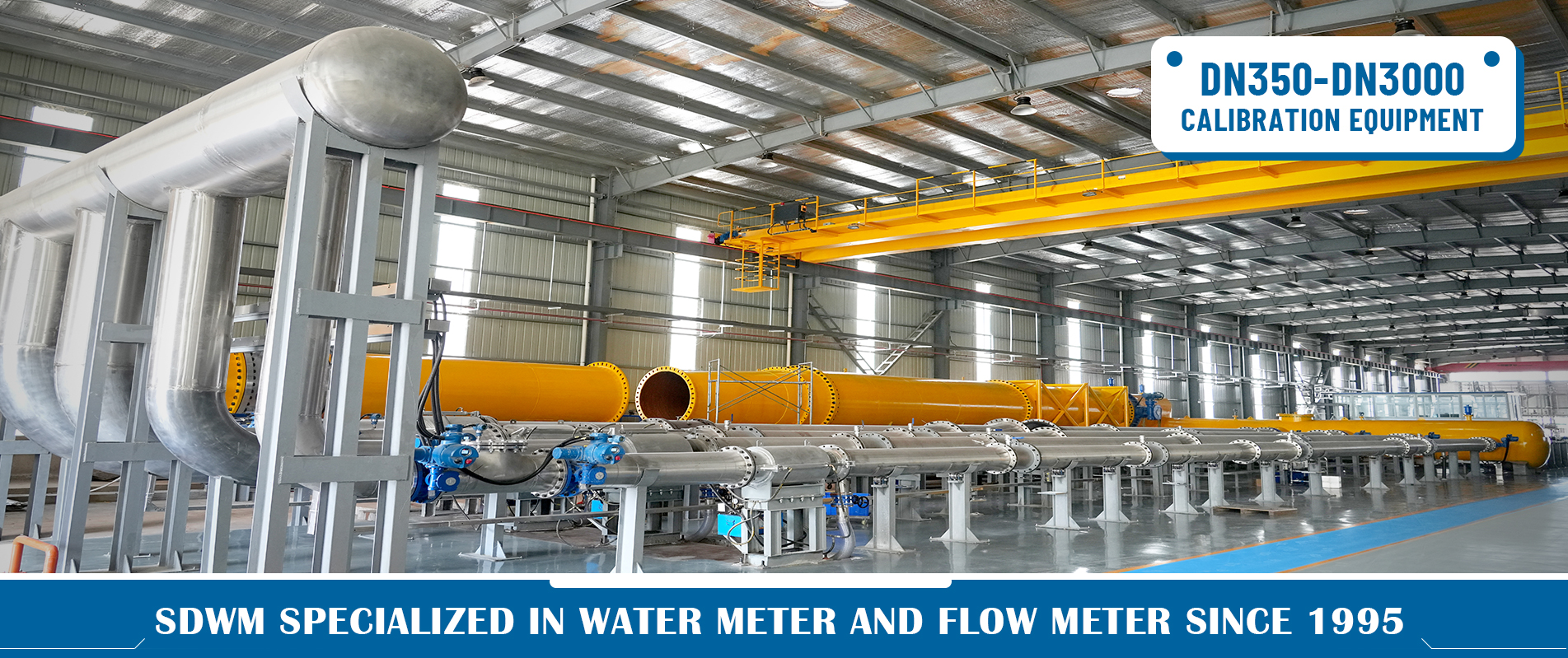
Contact SDWM for sample and quote requests.