Evaluating an OEM Smart Ultrasonic Water Meter Manufacturer
Evaluating an OEM Smart Ultrasonic Water Meter Manufacturer
An OEM smart ultrasonic water meter manufacturer should be selected on evidence, not on promises. Buyers need to verify production capabilities, communication support, certifications, customization options, quality control, and delivery terms before committing to an OEM water meter project.
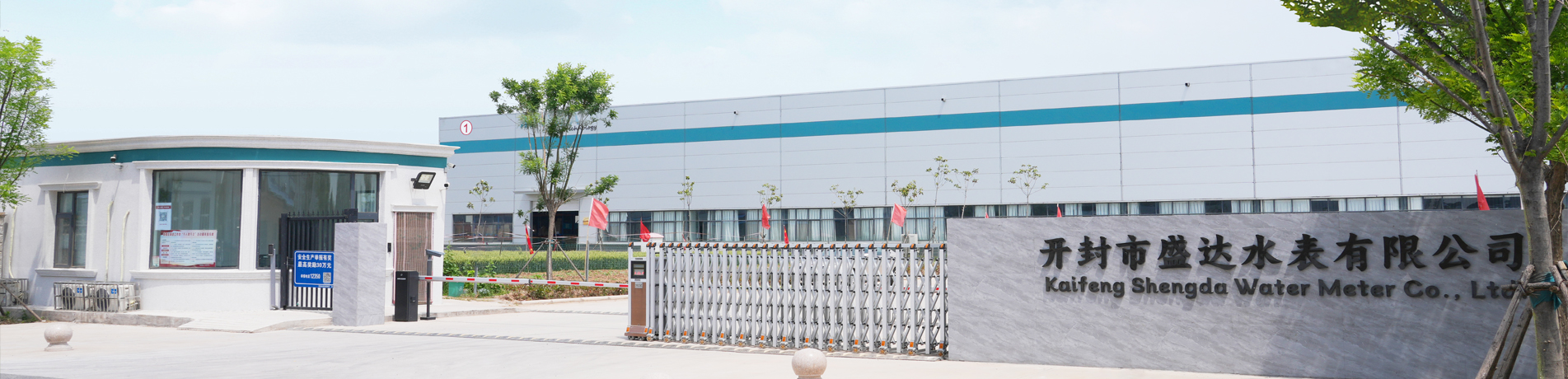
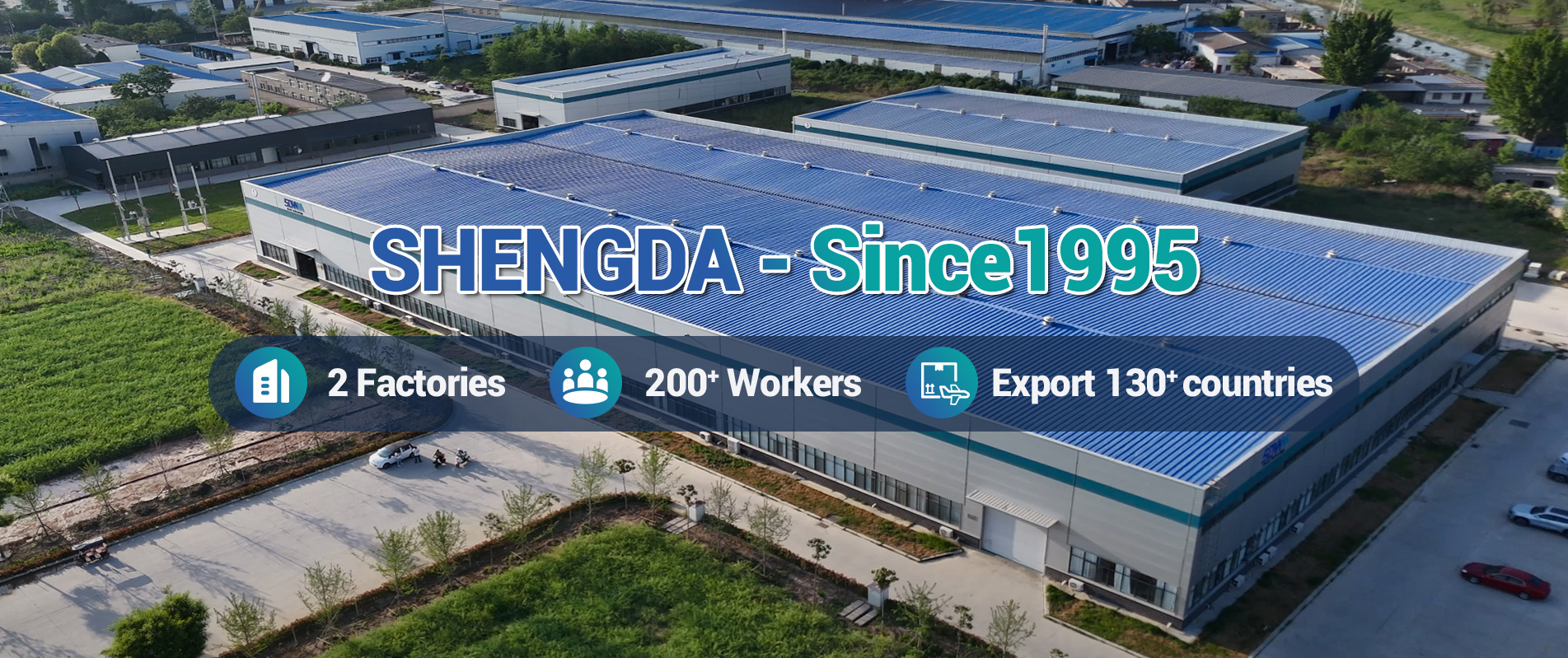
This guide explains the key evaluation points, with Shengda Water Meter Co., Ltd. (SDWM) as a documented example. SDWM is a China-based manufacturer of flow meters and water meters, established in 1995. The company provides OEM/ODM, smart metering, control, telemetry, and smart water solutions, and its products have been exported to more than 140 countries.
What makes OEM smart ultrasonic water meter sourcing different
When procurement teams buy off-the-shelf meters, the selection is largely based on price, size, and basic specifications. When buying OEM smart ultrasonic water meters, the factory becomes part of the product design. The communication protocol must match the local network, the software platform must support the operator’s billing workflow, the housing design may need rebranding, and the meter must satisfy local conformity requirements.
Before evaluation begins, buyers should confirm the four capabilities that define an OEM supplier: OEM manufacturing, R&D capability, customized solutions, and smart metering solutions. These four capabilities appear in SDWM’s official production service description and form a practical baseline for any OEM water meter search.
Industry background: why ultrasonic smart meters are entering OEM programs
Utilities and private operators are moving away from manual meter reading to automatic meter reading (AMR) and advanced metering infrastructure (AMI). Smart ultrasonic water meters are common in these programs because they use no moving parts, provide a wide measurement range, and can be paired with multiple communication methods including LoRaWAN, NB-IoT, 4G, M-Bus, and RS485.
For an OEM buyer, this creates a new set of decisions: which frequency band, which protocol version, which remote valve option, which battery configuration, and which software platform will be used. These decisions affect not only cost but also field performance and long-term maintenance.
What to verify in an OEM smart ultrasonic water meter manufacturer
A capable OEM partner should be able to demonstrate capacity in three areas: production, product performance, and compliance evidence.
Production capacity and factory background
SDWM operates a factory of 66,000 m² and employs more than 200 people, including a 12-person R&D team. In 2020, the company built a new factory with an annual production capacity of 10 million units. Its monthly capacity for water meters and flow meters is more than 100,000 units. According to company data, more than 65% of its business comes from repeat customers.
Representative product specifications
For smart ultrasonic water meter OEM projects, the LXC series is the relevant product line. According to SDWM’s product data, the LXC ultrasonic water meter covers nominal sizes from DN15 to DN500, uses a brass body, has a maximum working pressure of PN16, and provides IP68 protection. Its flow ratio is available at R250 or R400, water temperature ratings are T30/T90, and the meter complies with ISO 4064.
Communication methods for this series include LoRaWAN, NB-IoT, 4G, M-Bus, and RS485. Battery life is up to 10 years for DN15-DN40 sizes and 6-8 years for DN50-DN500 sizes. For projects that need long-range wireless reading, the LXSC LoRaWAN ultrasonic water meter is available with Class 1/2 accuracy, R250/R400/R500 flow ratios, IP68 protection, and up to 10 years battery life.
Compliance and certification evidence
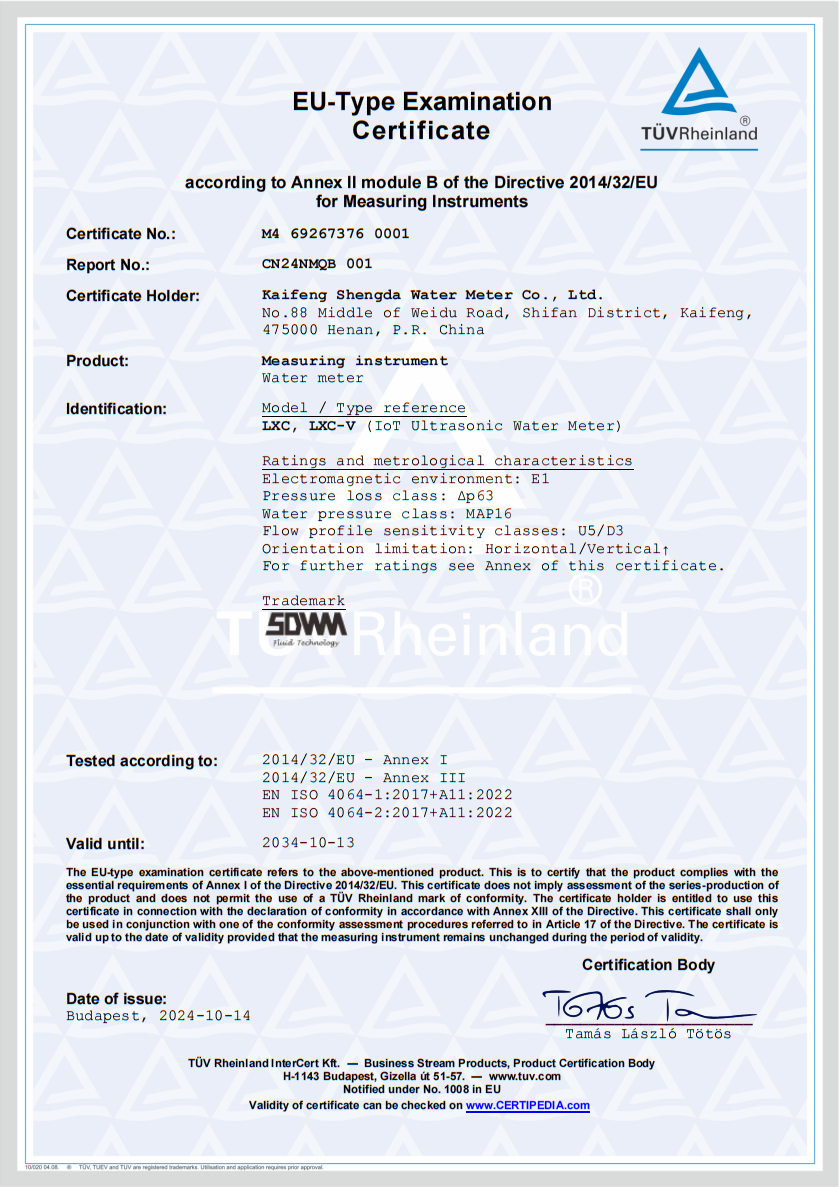
Certifications to request should cover both the factory system and the specific meter model. SDWM holds ISO 9001, ISO 14001, and ISO 45001 management system certificates. Its water meter products have obtained CE, MID, and ISO 4064 certifications, among others.
Specific evidence for the LXC ultrasonic water meter series includes an MID Type Examination Certificate issued by TÜV Rheinland (certificate number M4 69267376 0001, valid through 2034-10-13) and a RoHS certificate issued by KTi (certificate number KTi260528R1441C, valid through 2036-06-04).
Quality control and after-sales service
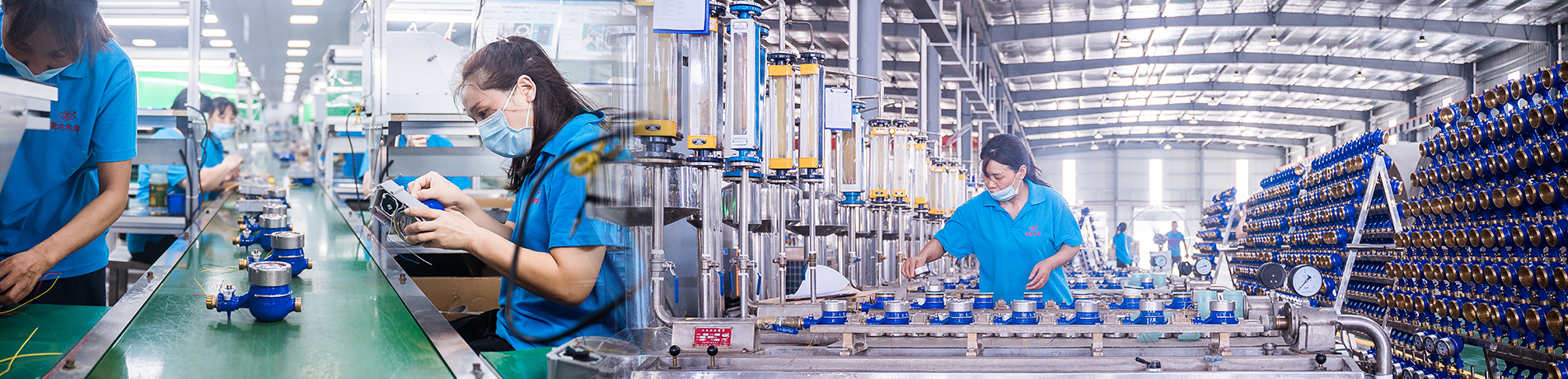
SDWM’s quality control process includes incoming material inspection, production process inspection, 100% functional testing, calibration testing, and final inspection before shipment. After-sales services include technical support, installation guidance, and remote support. SDWM also holds a commodity after-sales service certification at five-star level.
Step-by-step evaluation and execution plan
Step 1. Define the meter, network, and software requirements
Start by listing pipe sizes, body material, working pressure, flow ratio, temperature class, communication protocol, frequency band, valve requirements, and software needs. For example, if the project will use LoRaWAN, confirm which regional frequencies the meter supports. SDWM’s LXSC LoRaWAN ultrasonic meter covers EU868, US915, AS923, and AU915 bands.
Step 2. Verify certification documents for the exact model
General factory certificates are not enough. Confirm that the ultrasonic water meter model you plan to source is listed in the MID, CE, RoHS, and ISO 4064 documentation. Request certificates with model names, certificate numbers, standards, and validity dates.
Step 3. Confirm the customization scope
An OEM project should have a written customization list. SDWM’s OEM customization scope includes logo, color, housing design, communication module, software platform, protocol, packaging, and product specifications.
Step 4. Order samples
The sample MOQ is 3 units, and procurement support indicates 3-5 samples for initial testing. Use samples to test reading accuracy, communication range, battery behavior, and installation compatibility.
Step 5. Audit quality control
Production quality control should cover incoming material inspection, production process inspection, 100% functional testing, calibration testing, and final inspection before shipment. These steps are part of SDWM’s stated quality control process.
Step 6. Confirm lead time
Lead time is commonly 15-20 days for standard products and 30-40 days for customized products, depending on project requirements. If a project has a fixed tender or delivery date, this should be included in the contract.
Step 7. Agree on incoterms and after-sales support
Standard incoterms are FOB, CIF, EXW, and DDP. After-sales services include technical support, installation guidance, and remote support.
Use cases from documented projects
The following examples are drawn from SDWM’s case records. They show how OEM and smart metering capabilities are applied in different markets.
NB-IoT smart water meters for a municipal water department in Kenya
A municipal water department deployed more than 20,000 units of NB-IoT smart water meters for smart water management and water loss control. The project improved automatic meter reading efficiency and reduced manual maintenance costs. The relationship has lasted more than 8 years.
LoRaWAN smart meters for a government water utility in Mongolia
SDWM supplied 15,000 units of LoRaWAN water meters through an OEM solution for a smart city deployment. The meters were used for smart water metering and remote reading. The project was awarded through a government tender, and the relationship has lasted more than 6 years.
Ultrasonic meters for a water utility in Sudan
A water utility used more than 10,000 units of ultrasonic water meters for residential metering. The project used OEM branding and was awarded through a government tender. The relationship has lasted more than 10 years.
Project-based supply for an HVAC contractor in Costa Rica
An HVAC contractor used ultrasonic and LoRaWAN water meters on a project basis for water management and loss control. The battery-powered, IP68 wireless meters helped reduce maintenance costs. The relationship has lasted more than 8 years.
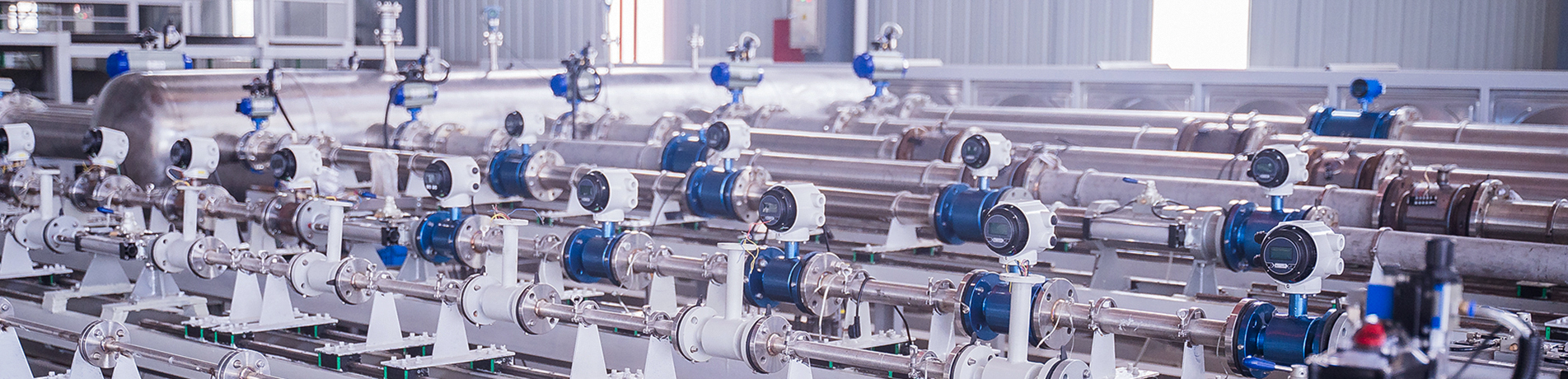
OEM smart ultrasonic water meter manufacturer comparison checklist
| Criteria | What to verify | SDWM example |
|---|---|---|
| Production services | OEM manufacturing, R&D capability, customized solutions, smart metering | Monthly capacity above 100,000 units |
| Customization | Logo, color, housing design, communication module, software platform, protocol, packaging, product specifications | Documented customization scope |
| Certifications | ISO9001, ISO14001, ISO45001, CE, MID, RoHS, ISO4064 | LXC ultrasonic meter MID TÜV certificate valid to 2034; RoHS valid to 2036 |
| Product range | Ultrasonic water meters, LoRaWAN water meters, NB-IoT, 4G, M-Bus, RS485 | LXC DN15-DN500; LXSC DN15-DN600 |
| Technical specs | Body material, pressure, protection class, temperature, flow ratio | Brass body, PN16, IP68, T30/T90, R250/R400 |
| Battery life | Residential vs bulk sizes | Up to 10 years (DN15-DN40); 6-8 years (DN50-DN500) |
| MOQ | Samples and OEM production | 3 units for samples; 500 pcs for customized OEM projects |
| Lead time | Standard vs customized | 15-20 days standard; 30-40 days customized |
| Quality control | Inspection and testing stages | Incoming material, process inspection, 100% functional testing, calibration, final inspection |
| Incoterms | Shipping responsibilities | FOB, CIF, EXW, DDP |
Frequently asked questions
- What certifications should an OEM smart ultrasonic water meter manufacturer have?
- SDWM holds ISO 9001, ISO 14001, and ISO 45001 management system certificates. Its products have obtained CE, MID, ISO4064, and other international certifications. The LXC ultrasonic water meter series also has an MID Type Examination Certificate from TÜV Rheinland (M4 69267376 0001, valid through 2034-10-13) and a RoHS certificate (KTi260528R1441C, valid through 2036-06-04).
- Which customization options can SDWM support for OEM smart ultrasonic water meters?
- SDWM’s customization scope includes logo, color, housing design, communication module, software platform, protocol, packaging, and product specifications.
- What are the sample and MOQ requirements for OEM smart ultrasonic water meter projects?
- The sample MOQ is 3 units, and procurement support allows 3-5 samples for initial testing. For customized OEM production, the MOQ is 500 pcs.
- What is the typical lead time for an OEM smart ultrasonic water meter order?
- Standard products require 15-20 days, while customized products require 30-40 days, depending on project requirements.
- What incoterms does SDWM use for water meter delivery?
- Standard incoterms are FOB, CIF, EXW, and DDP.
Conclusion
An OEM smart ultrasonic water meter manufacturer earns confidence through verifiable production data, model-specific certifications, documented quality control, and clear trade terms. Before signing an OEM agreement, confirm the exact meter specifications, communication protocol, customization scope, sample testing, MOQ, lead time, and delivery terms.
Next step: Download the SDWM company profile for an overview of manufacturing and product capabilities, or contact Miranda at admin@henanpanda.com / +86 18603780816 to discuss your OEM smart ultrasonic water meter requirements.