Smart Water Meter Manufacturers: How to Compare Ultrasonic, LoRaWAN, and IoT Meter Options in 2026
Smart Water Meter Manufacturers: How to Compare Ultrasonic, LoRaWAN, and IoT Meter Options in 2026
Buyers searching for smart water meter manufacturers are usually trying to answer one question: which supplier can deliver accurate, connected, and durable meters for a specific water utility, residential project, or industrial application? This guide explains how to compare smart water meter manufacturers in 2026 by looking at product categories, communication technology, certification, manufacturing capability, and project support. It also shows how Shengda Water Meter Co., Ltd. (SDWM) fits into each part of the evaluation.
What Is a Smart Water Meter?
A smart water meter is a water measurement device with digital or electronic components that record consumption and transmit data automatically. It removes the need for manual meter reading and gives utilities or building operators access to consumption data through local displays, communication modules, or cloud platforms. Depending on the model, a smart water meter can support functions such as remote meter reading, leakage detection, tamper alarms, and remote valve control.
For example, the LXSY IoT water meter supports LoRaWAN, NB-IoT, 4G Cat.1, LTE-M, Modbus, and M-Bus communication. The LXSY AMR water meter is designed for automatic remote meter reading in household, hotel, residential property, and industrial production settings. These are different product categories, even though the base model prefix is the same.
Why the Smart Water Meter Market Is Moving Beyond Basic Meters
Water utilities and private developers are under pressure to reduce non-revenue water, control operating costs, and comply with stricter water efficiency standards. Manual reading is labor-intensive, while old mechanical meters can miss low-flow consumption. Smart water meters answer these problems by measuring more accurately, sending data automatically, and allowing operators to react faster to leaks or unauthorized use.
The commercial impact is visible across several segments:
- Residential water metering: apartments, houses, dormitories, hotels, and community projects need low-cost, accurate meters that can be read locally or remotely.
- Smart water management: utilities need AMR/AMI systems, LoRaWAN or NB-IoT networks, leakage monitoring, and integration with billing or SCADA systems.
- Industrial water metering: factories, water treatment plants, and bulk supply lines need larger diameter meters such as Woltman or ultrasonic models, often with M-Bus, RS485, or 4G connectivity.
- Prepaid and token systems: markets with fragmented billing need STS prepaid meters, smart card meters, or LoRa-based prepaid systems.
Smart Water Meter Categories You Should Compare Before Choosing a Manufacturer
1. Ultrasonic Water Meters
Ultrasonic water meters use transit-time measurement instead of mechanical impellers. Because there are no moving parts in the measuring chamber, there is less mechanical wear and lower maintenance. They are known for wide measuring range, low-flow sensitivity, and stable performance over time.
SDWM offers the LXC ultrasonic water meter with a brass body, sizes from DN15 to DN500, and communication options including LoRaWAN, NB-IoT, 4G, M-Bus, and RS485. The LXSY smart ultrasonic water meter extends this to DN600 with flow ratio options R250, R400, and R500, IP68 protection, and optional remote shut-off valve control.
2. LoRaWAN and LoRa Water Meters
LoRaWAN is a low-power, wide-area wireless protocol that can transmit meter data over several kilometers in favorable environments. It is widely used for smart city and utility projects because one gateway can cover many meters and the meters can run on battery power for years.
The LXSY LoRaWAN water meter covers DN15 to DN300, supports frequencies from 433 to 923 MHz, uses an ER18505M battery rated for 8–10 years, and is available in brass or nylon body options. For higher-accuracy projects, the LXSC LoRaWAN ultrasonic water meter offers Class 1/Class 2 accuracy, R250/R400/R500 flow ratios, and supports EU868, US915, AS923, and AU915 bands. The LXSY LoRa water meter is a lower-cost option for DN15–DN50 with 470–510 MHz and 868–915 MHz frequency support.
3. NB-IoT Smart Water Meters
NB-IoT uses licensed cellular bands and works well in deep indoor or underground locations where unlicensed signals may struggle. It is common in utility AMI deployments because operators can use existing telecom infrastructure.
The LXSY NB-IoT smart water meter is available in DN15–DN200, with brass body with valve or iron body without valve, IP68 protection, and more than 6 years of battery life. It supports B3 (1800), B5 (850), and B8 (900) frequencies, and optional internal or external antennas. The B/S cloud service platform is included with the system, and data upload frequency can be set by minutes, hours, or days.
4. 4G / GSM Water Meters
4G water meters are suitable for sites with existing cellular coverage and no local LoRaWAN gateway. They are common in high-end communities, villas, schools, factories, and water utility applications.
The LXSY 4G water meter supports TD-LTE, FDD-LTE, and GSM, with LTE-FDD B1/B3/B5/B8, LTE-TDD B34/B38/B39/B40/B41, and GSM 900/1800 MHz. It uses a lithium battery rated for more than 8 years, stores up to 24 months of frozen data, and supports remote reading and remote valve control.
5. Prepaid and STS Token Water Meters
Prepaid water meters are designed for pay-before-use billing models. The LXS-S STS prepaid water meter supports DN15–DN200, has a brass or cast iron body, up to 8 years of battery life, automatic valve control, and works with a keypad and software. The LXSK smart card prepaid water meter covers DN15–DN300, supports brass, nylon, or stainless steel bodies, and has more than 6 years of replaceable battery life. Both can support third-party payment systems.
6. Mechanical Meters with Smart Communication Options
Not every project needs full electronics. Mechanical meters with pulse output, M-Bus, RS485, LoRaWAN, or NB-IoT modules can be a cost-effective bridge between traditional and smart metering.
- LXSG multijet water meter: DN15–DN50, R80/R100/R160/R200, brass or composite body, supports pulse, M-Bus, RS485, LoRaWAN, or NB-IoT.
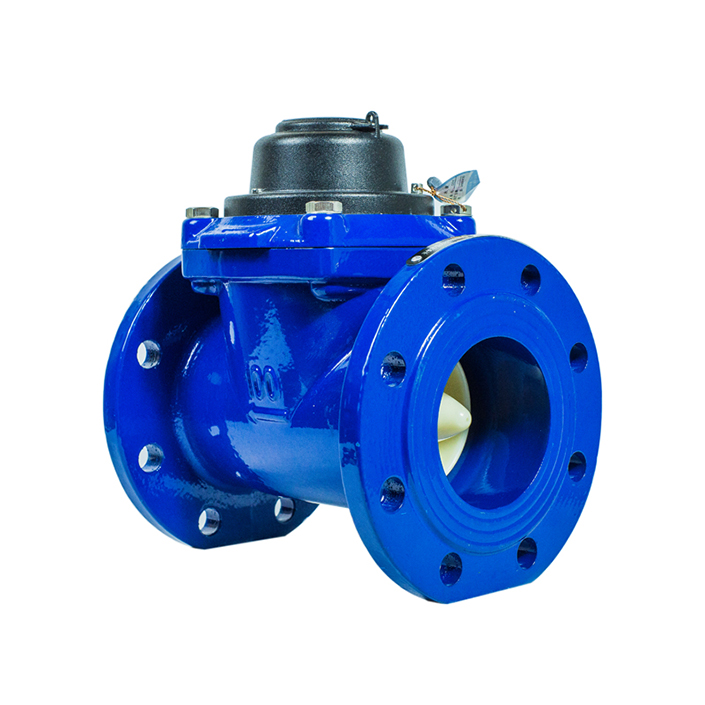
- LXLC/WPH Woltman water meter: DN50–DN600, cast iron or ductile iron body, supports M-Bus, RS485, LoRaWAN, and NB-IoT for remote monitoring.
- LXSY RS485 water meter / water meter BMS: integrates with PLC, SCADA, AMR/AMI, and building management systems via Modbus RTU.
- LXSY M-Bus water meter: complies with EN 13757 and supports multi-meter connection through an M-Bus master.
How to Evaluate a Smart Water Meter Manufacturer: Step-by-Step
Step 1: Verify manufacturing and quality credentials
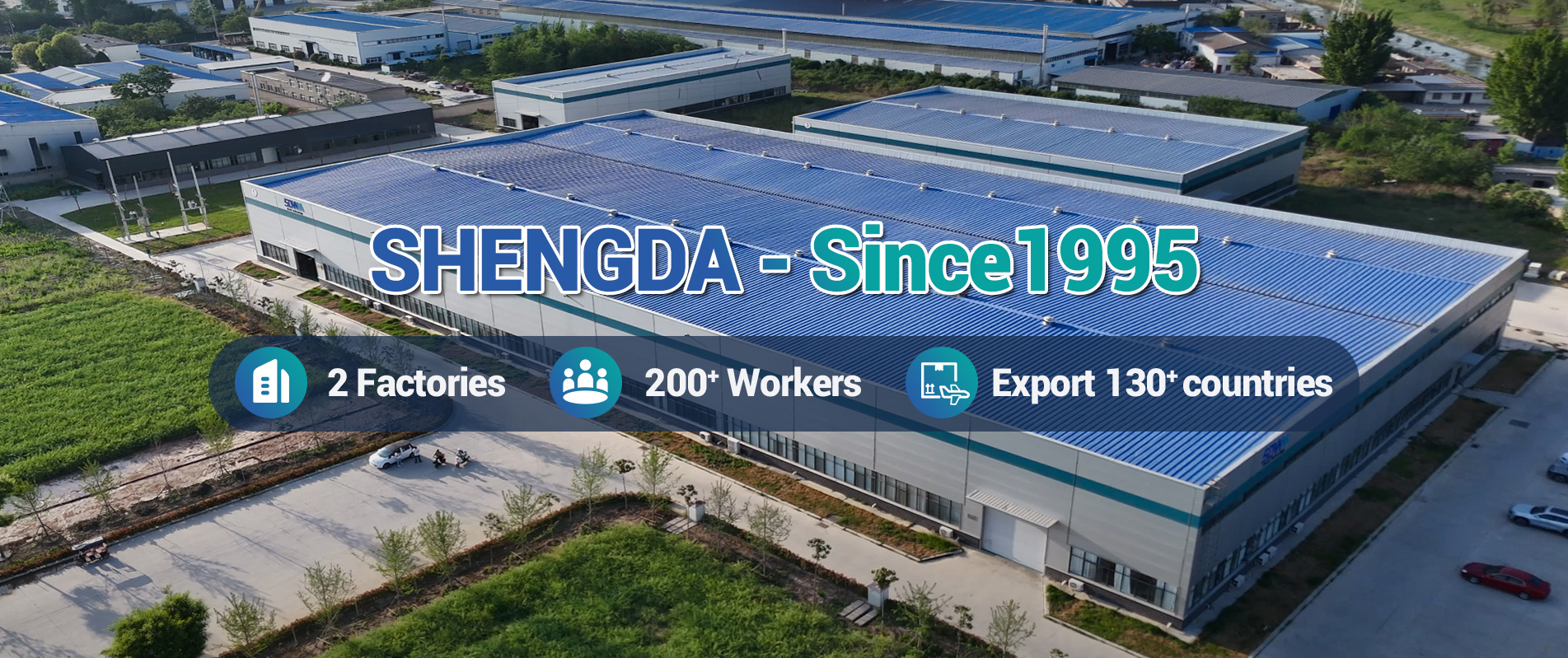
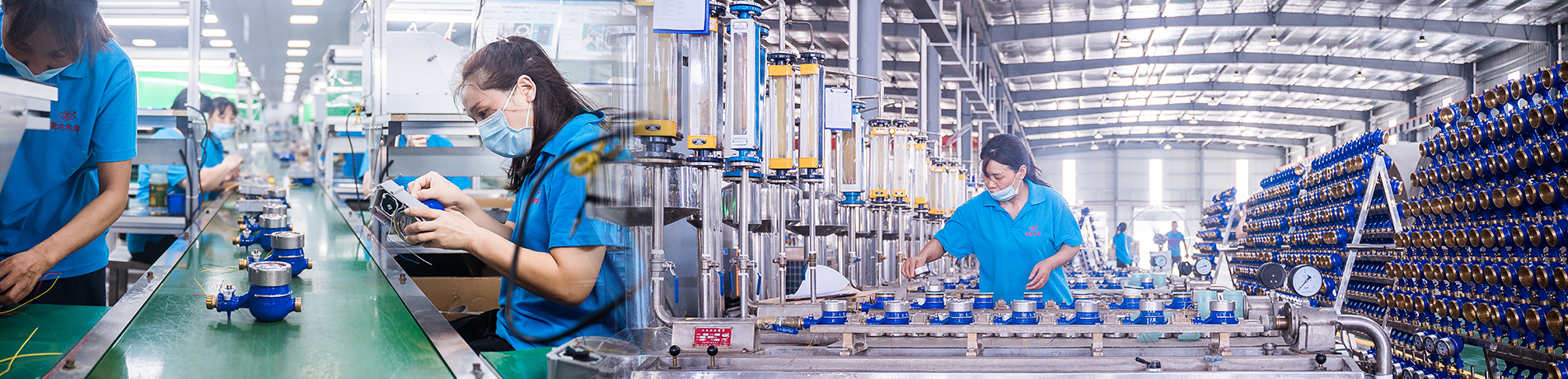
Look for a manufacturer with verifiable production capacity and a documented quality system. SDWM was established in 1995, operates a 66,000 m² facility, employs 100–200 staff, has an R&D team of 12 engineers, and has an annual production capacity of 1 million units. The company states it is certified with ISO9001, ISO14001, and ISO45001, and products can carry CE, MID, and ISO4064 certification.
Step 2: Check product range against your project type
A broad product range is useful because different projects need different meter categories. SDWM's main products include smart water meters, ultrasonic water meters, LoRaWAN water meters, prepaid water meters, electromagnetic flow meters, and magnetic flow meters. That means a buyer can source residential, commercial, and industrial metering from one supplier instead of managing multiple vendors.
Step 3: Confirm communication and protocol compatibility
The communication requirement should be defined before asking for a quote. The table below summarizes the most common options:
| Communication | Typical use case | Example SDWM models |
|---|---|---|
| LoRaWAN | Utility AMI, smart city, rural wide-area coverage | LXSY LoRaWAN, LXSC LoRaWAN ultrasonic, LXSY IoT |
| NB-IoT | Underground meters, cellular coverage, AMI | LXSY NB-IoT smart water meter |
| 4G / GSM | Remote sites, no gateway, fast deployment | LXSY 4G water meter |
| RS485 / Modbus | BMS, PLC, SCADA, industrial networks | LXSY RS485 water meter, water meter BMS |
| M-Bus | European multi-tenant buildings, wired AMR | LXSY M-Bus water meter |
| Pulse output | Simple data collection to existing controllers | LXSG multijet, LXLC/WPH Woltman, residential LXSY |
Step 4: Compare accuracy, flow ratio, and meter class
Flow ratio (R value) matters most when low-flow sensitivity is important. R200 and R250 meters can detect small leaks or trickle flows better than older R80 meters. The LXSG R200 water meter, for example, is a mechanical meter with DN15–DN25, ISO 4064 and OIML R49 compliance, and accurate measurement from low to maximum flow rates. For ultrasonic models, SDWM offers R250, R400, and R500 options on the LXSC and LXSY series.
Step 5: Confirm certifications for your target market
Certification requirements vary by market. SDWM states that products have obtained CE, MID, ISO4064, and other international certifications. Some SDWM models also list optional MID certification for EU projects, and the company holds ISO9001, ISO14001, and ISO45001 management system certifications. Confirm the exact certificate required for your country before placing an order.
Step 6: Evaluate export experience and after-sales support
An export-oriented manufacturer is more likely to understand international documentation, shipping, and OEM branding. SDWM exports to more than 140 countries, with export business accounting for 50% of total sales. Major markets include the USA, South America, Africa, and Southeast Asia, and more than 65% of business comes from repeat customers.
Use Cases and How to Match Them to Meter Type
Municipal water supply and smart water management
Utilities managing a district metering area (DMA) often combine an ultrasonic or Woltman meter at the inlet with residential smart meters downstream. The LXSY IoT water meter supports LoRaWAN, NB-IoT, 4G Cat.1, LTE-M, Modbus, and M-Bus, which gives a utility flexibility to deploy different communication layers under one metering plan. The LXSC LoRaWAN ultrasonic meter adds high-accuracy measurement for boundary or bulk metering points.
Residential and apartment billing
For household, dormitory, hotel, and apartment projects, the LXSY residential water meter supports mechanical or ultrasonic measurement, DN15–DN25, threaded connections, and optional smart modules. The LXSG multijet meter and the R160/R200 variants are cost-effective options when mechanical measurement is acceptable but higher accuracy is required.
Prepaid and token billing
In markets where collection is difficult, prepaid meters can reduce revenue risk. The STS prepaid water meter model LXS-S includes a keypad and software, supports mobile/PC payment, and works with third-party payment systems. The LXSK smart card prepaid meter supports DN15–DN300 and can be integrated into card-based networks.
Industrial and BMS integration
For factories, water treatment plants, and commercial buildings, RS485 Modbus or M-Bus meters connect directly to PLC, SCADA, or building management systems. The LXSY RS485 water meter belongs to the water meter BMS category and supports residential, commercial, and industrial metering. The LXLC/WPH Woltman water meter is designed for large-flow measurement with flange connections from DN50 to DN600 and optional smart communication modules.
Agricultural irrigation and bulk supply
Irrigation and water resources management often need large-diameter meters with wide flow range. The LXC ultrasonic water meter is available up to DN500, and the LXSY smart ultrasonic water meter extends to DN600. Larger IoT and digital water meters are also available for irrigation and water resources management scenarios.
Comparison: Key Technology Options at a Glance
| Meter type | Typical size range | Flow ratio options | Typical communication | Best suited for |
|---|---|---|---|---|
| Multijet water meter (LXSG) | DN15–DN50 | R80 / R100 / R160 / R200 | Pulse, M-Bus, RS485, LoRaWAN, NB-IoT | Residential and light commercial billing |
| R200 / R160 residential meters (LXSG) | DN15–DN25 | R160 or R200 | Mechanical register, optional smart modules | Houses, apartments, low-flow detection |
| Ultrasonic water meter (LXC / LXSY) | DN15–DN600 | R250 / R400 / R500 | LoRaWAN, NB-IoT, 4G, M-Bus, RS485 | High-accuracy residential, commercial, industrial |
| LoRaWAN ultrasonic meter (LXSC) | DN15–DN600 | R250 / R400 / R500 | LoRaWAN EU868/US915/AS923/AU915 | Smart water networks, wide-area AMI |
| Woltman meter (LXLC/WPH) | DN50–DN600 | R40 / R50 / R80 / R100 | Pulse, M-Bus, RS485, LoRaWAN, NB-IoT | Large-flow, industrial, DMA boundary |
| Prepaid STS / smart card meters (LXS-S / LXSK) | DN15–DN300 | R80 / R100 / R160 | Keypad, smart card, LoRa-RF, third-party payment | Prepaid billing, token management |
Smart Water Meter Selection Checklist
- Define the exact pipe diameter and expected flow range for each installation point.
- Choose the metering technology: mechanical, ultrasonic, or Woltman.
- Select the communication type based on site conditions and existing network infrastructure.
- Check flow ratio requirements to ensure low-flow sensitivity.
- Confirm certification needs (CE, MID, ISO4064, OIML R49, or local approvals).
- Verify the manufacturer can provide OEM/ODM customization if required.
- Ask about battery life, IP rating, and whether the battery can be replaced without opening the meter.
- Review the software or cloud platform: is it free, and does it support the required data upload frequency?
- Request a sample or a pilot project before mass ordering.
Common Myths and Trade-Offs When Buying Smart Water Meters
Myth 1: Ultrasonic meters are always better than mechanical meters
Ultrasonic meters offer high accuracy and no moving parts, but they cost more than mechanical meters. For simple residential billing at normal flow rates, an R200 multijet mechanical meter may meet the requirement at a lower upfront cost. The best choice depends on the project's accuracy, budget, and maintenance constraints.
Myth 2: LoRaWAN works everywhere
LoRaWAN performs well in open and suburban environments, but deep underground pits or dense concrete structures may weaken the signal. In those conditions, NB-IoT or a 4G meter may be more reliable. A good manufacturer will offer both rather than pushing a single technology.
Myth 3: A smart meter is a complete AMI system
A smart meter is one component. Utilities also need gateways, data collectors, network servers, billing software, and integration services. SDWM can supply meters plus software/platform guidance, but the buyer must confirm who is responsible for each layer of the system.
Company Profile: Shengda Water Meter Co., Ltd.
Shengda Water Meter Co., Ltd., also referred to as SDWM, is a water meter and flow meter manufacturer founded in 1995 and based in Kaifeng, China. The company specializes in smart water meters, ultrasonic water meters, LoRaWAN water meters, prepaid water meters, electromagnetic flow meters, and magnetic flow meters. SDWM provides OEM/ODM services, smart metering, telemetry, and smart water solutions.
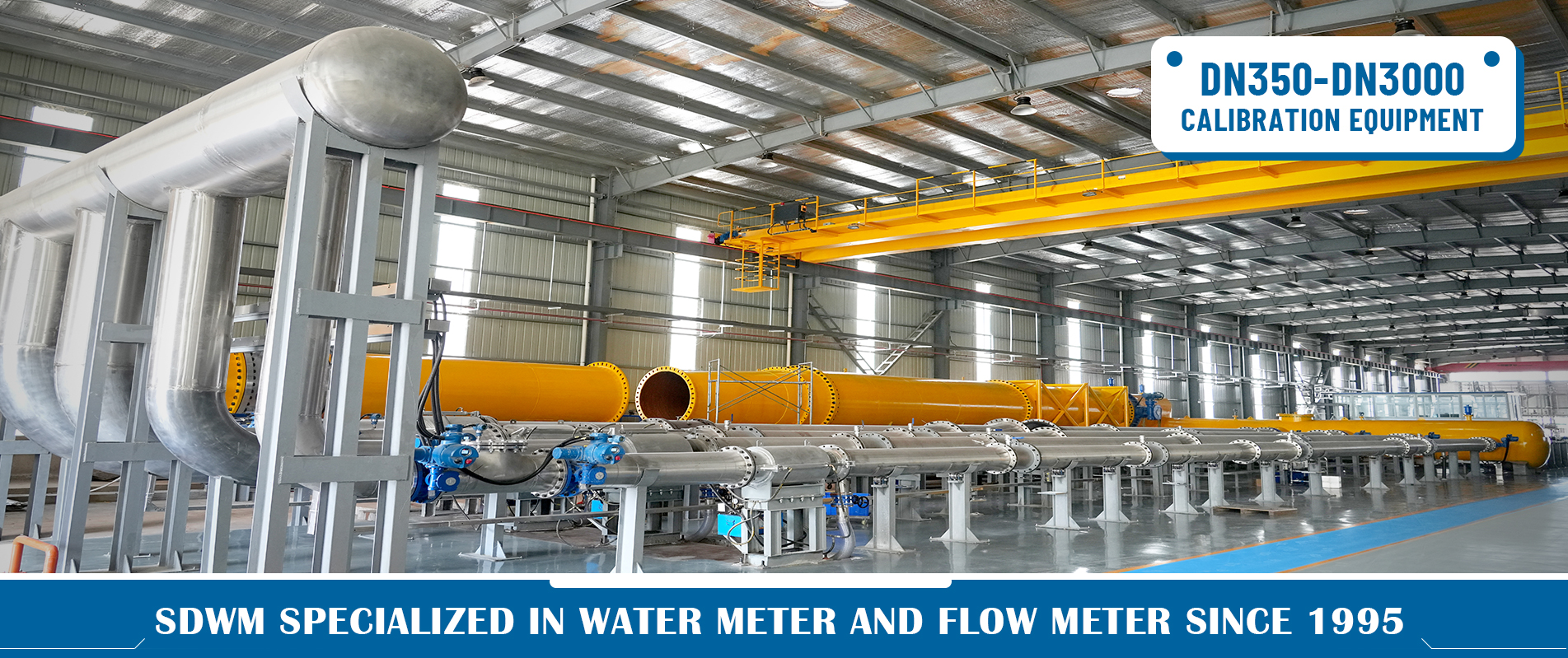
SDWM operates a 66,000 m² factory with an annual production capacity of 1 million units and is one of the manufacturers capable of producing large-size flow meters up to DN3000. Products are exported to more than 140 countries, with export business accounting for 50% of total sales. Major markets include the USA, South America, Africa, and Southeast Asia. More than 65% of the company's business comes from repeat customers.
FAQ: Smart Water Meter Manufacturers
What should I look for in a smart water meter manufacturer?
Start with manufacturing and quality credibility. Check the factory size, production capacity, R&D team size, certifications, and export record. For example, Shengda Water Meter Co., Ltd. operates a 66,000 m² facility, has an annual production capacity of 1 million units, an R&D team of 12 engineers, and certifications including ISO9001, ISO14001, ISO45001, CE, MID, and ISO4064. Then verify that the supplier covers the meter types you need, such as ultrasonic, LoRaWAN, NB-IoT, 4G, prepaid, and mechanical smart meters.
Which communication technology should I choose: LoRaWAN, NB-IoT, 4G, M-Bus, or RS485?
The choice depends on the deployment environment and existing infrastructure. LoRaWAN is suitable for wide-area utility networks where a gateway can be installed and battery life up to 10 years is needed. NB-IoT works well for underground or hard-to-reach installation points inside licensed cellular coverage. 4G is direct and fast to deploy in sites without a local gateway. M-Bus is widely used in European wired multi-meter installations. RS485 Modbus is the common choice for BMS, PLC, and SCADA integration. Confirm which protocols the manufacturer's meters support before ordering.
Are MID, CE, and ISO4064 certifications important for smart water meters?
Yes. CE and MID are often required for meters sold or installed in Europe. ISO4064 is the international metrological standard for cold potable water meters. OIML R49 is also referenced in several markets. Buyers should confirm the exact certificates needed in the destination country, because certification affects legal approval, import acceptance, and metering accuracy verification.
Can I get a smart water meter sample or quotation before bulk ordering?
Most export-oriented manufacturers, including Shengda Water Meter Co., Ltd., support sample requests and quotation inquiries. Prepare your project details: pipe diameter, meter type, communication protocol, body material, required certification, and estimated quantity. A sample helps verify accuracy, connectivity, and local approval before a large investment. Contact SDWM for a sample or quotation at admin@henanpanda.com or WhatsApp +86 18603780816.
Make Your Selection Based on Measurable Capability
Choosing a smart water meter manufacturer is not about finding the most expensive meter or the longest feature list. It is about matching verifiable manufacturing capability to your project's pipe size, flow profile, communication environment, billing model, and market certification requirements.
Shengda Water Meter Co., Ltd. is a suitable candidate for buyers who need a single source for mechanical, ultrasonic, LoRaWAN, NB-IoT, 4G, prepaid, and industrial water meters. The company combines OEM/ODM flexibility, a 66,000 m² production facility, million-unit capacity, and a 50% export ratio across more than 140 countries. If you are starting a smart metering project, download the company brochure or contact the sales team to discuss a sample.
Download the Shengda Water Meter brochure to review product lines, factory details, and smart metering capabilities.