
Smart Water Meter Partnership FAQ: Long-Term Supply, OEM/ODM, and Service Support
Smart Water Meter Partnership FAQ: Long-Term Supply, OEM/ODM, and Service Support
Buying a smart water meter is a single decision. Buying smart water meters for a program that will still be running three to five years from now is a relationship — and in practice it is the harder of the two to get right.
This FAQ is written for the moment when model selection is behind you and execution begins. It answers the questions importers, distributors, water utilities, and project contractors raise when they move from a first order to recurring supply: how OEM/ODM engagement is scoped, what keeps batch ten consistent with batch one, how commercial terms are structured, how sampling works, and what technical support continues after the meters are installed.
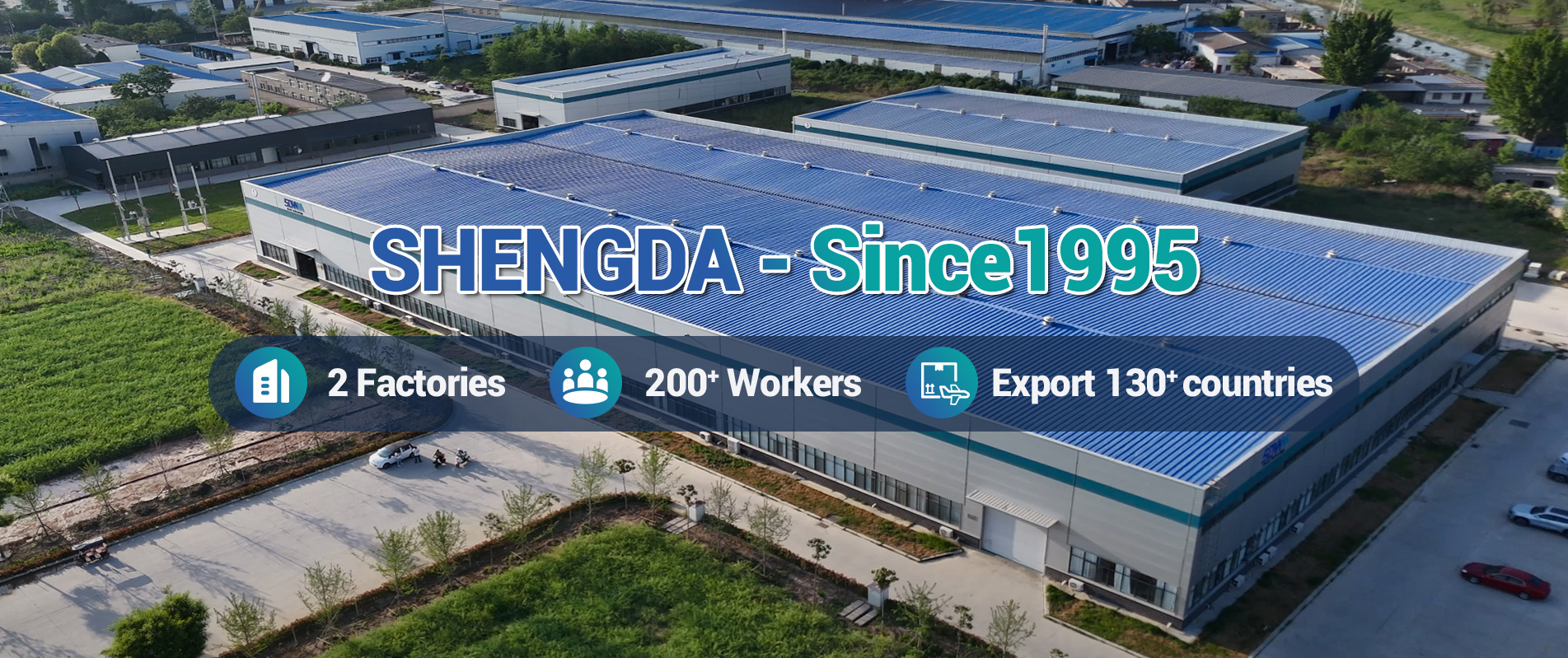
The reference manufacturer throughout is Shengda Water Meter Co., Ltd. (SDWM), a Chinese water meter and flow meter manufacturer established in 1995. SDWM operates a 66,000 m² production facility with an annual output of 3 million units, works with a 12-engineer R&D team, and states that more than 65% of its business comes from repeat customers. Those five facts — founding year, plant size, annual capacity, engineering headcount, and repeat-customer share — are the points this article keeps returning to when it answers questions about long-term supply reliability.
Short answers at a glance
- Compliance: products carry CE, MID and ISO4064 certification; the organization holds ISO9001, ISO14001 and ISO45001.
- OEM/ODM scope: communication interface, frequency band, nominal diameter, body material, flow ratio, temperature rating, and valve control can be specified within published product ranges.
- Commercial terms: MOQ of 3–5 samples, delivery terms FOB / CIF / EXW / DDP, payment terms 30/70 T/T, acceptance criteria defined as pre-shipment test.
- Batch consistency: 100% calibration and accuracy testing before shipment, pressure and sealing tests during manufacturing, and pre-delivery communication verification.
Why Is Long-Term Supply a Different Question Than Model Selection?
Answer first: in a long-term program the risk moves from the product to the process. A metering program outlives the configuration it was planned around — meters are installed in phases, communication networks are expanded in stages, and repeat orders arrive after the first installation batch has already exposed site-specific conditions. The buyer's question changes from "is this the right meter?" to "will the next batch behave like the last one, and will anyone still support it in year four?"
Four variables decide whether that risk stays manageable:
- Documentation stability. Is there a written configuration record that a later batch can be checked against?
- Measurement consistency between batches. Are the same calibration and testing routines applied every time?
- Communication and protocol continuity. Will the meters still work with the network and the platform chosen in year one?
- Commercial predictability. Are MOQ, delivery terms, and payment terms stable enough to plan around rather than renegotiate?
The failure points in long-term metering supply are rarely dramatic. They usually look like this:
- A model is discontinued or replaced between orders without an agreed migration path.
- Body material or internal components are substituted, changing hydraulics or durability.
- The communication module or firmware version shifts between batches, so one commissioning procedure no longer covers a mixed inventory.
- Calibration records do not travel with the shipment, which only becomes visible during an audit or a dispute.
- Communication is not verified against the target network before dispatch, producing avoidable site visits.
- MOQ, payment terms, and lead times are renegotiated from zero on every order.
Every item on that list is a process question rather than a specification question — which is exactly why it belongs in a partnership FAQ instead of a datasheet.
What Is Happening in the Market That Makes Supplier Continuity Matter More?
Answer first: the smart water meter market is expanding quickly enough that new suppliers keep appearing, while the compliance and network conditions meters must satisfy change slowly. The difference between those two speeds is what gives a long-term partner its value.
Grand View Research values the global smart water meters market at USD 9.1 billion in 2024 and projects it to reach USD 16.2 billion by 2030. Within that market, the ultrasonic water meter segment is expected to register the highest growth among meter types; the US market alone was valued at USD 2.98 billion in 2024.
Technology adoption follows the same direction. Advanced Metering Infrastructure (AMI) held a 58.9% share of the smart water meter market in 2024, according to Precedence Research, and the residential segment accounted for 67.2% of adoption in 2024, according to Cognitive Market Research. On the connectivity side, Dataintelo projects the NB-IoT smart water meter market growing from USD 2.22 billion in 2025 to USD 10.22 billion by 2034, while MarketsandMarkets identifies Asia Pacific as the fastest-growing region, driven by urbanization in China and India.
The regulatory layer, by contrast, moves on a slower clock. Smart water meters placed on the European Economic Area market must comply with EU Directive 2014/32/EU (MID) and EN 14154-4:2023 for legal metrology. Prepaid metering is anchored by the STS standard (IEC 62055-41/51), the globally recognized security standard for prepaid water meter encryption systems.
Put together, these two clocks explain why supplier continuity has become a procurement topic rather than a footnote. A meter specified today may still be in service when its replacement generation is on the drawing board. Programs that treat metering as a series of one-off purchases tend to repeat the same selection work every time a batch order is placed.
How Does SDWM Structure Long-Term Supply, OEM/ODM, and Service Support?
The manufacturing and engineering base behind repeat orders
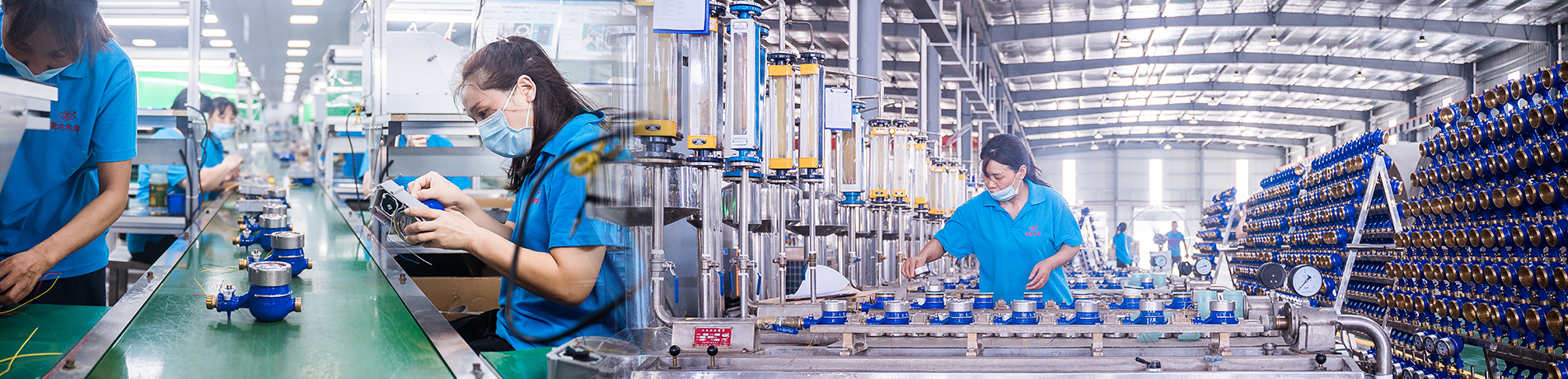
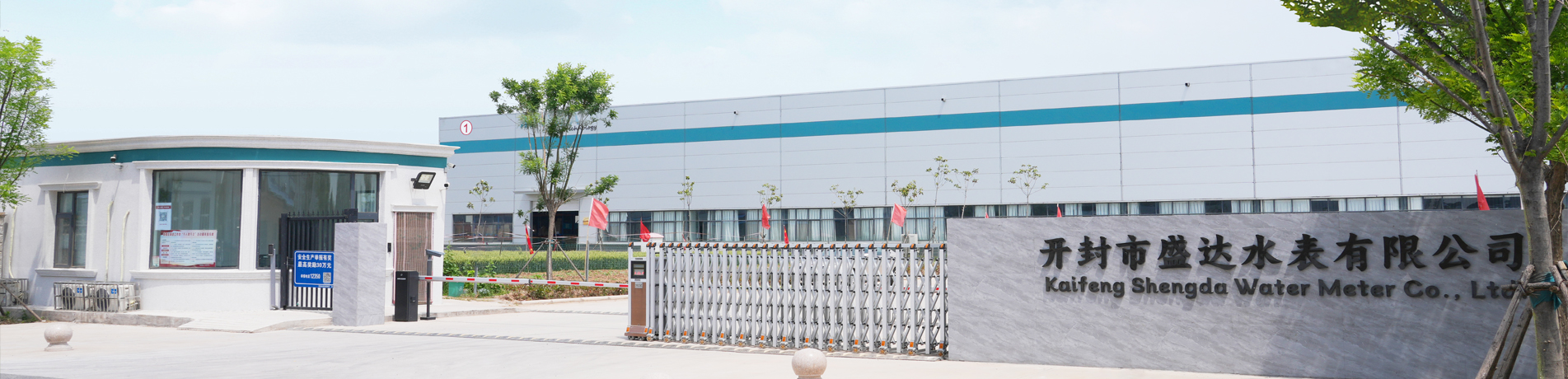
Repeat business is a supply-chain question before it is a satisfaction question. SDWM was established in 1995 and today runs a 66,000 m² production facility with an annual output of 3 million units — the figure a distributor checks when planning whether a second and third order can be absorbed without re-qualifying a new supplier. The company's R&D team numbers 12 engineers, which is what makes configuration conversations possible at batch level rather than only at catalogue level. SDWM states that more than 65% of its business comes from repeat customers. Products are exported to more than 140 countries, with an export ratio of roughly 50% and main markets in the USA, South America, Africa and Southeast Asia.
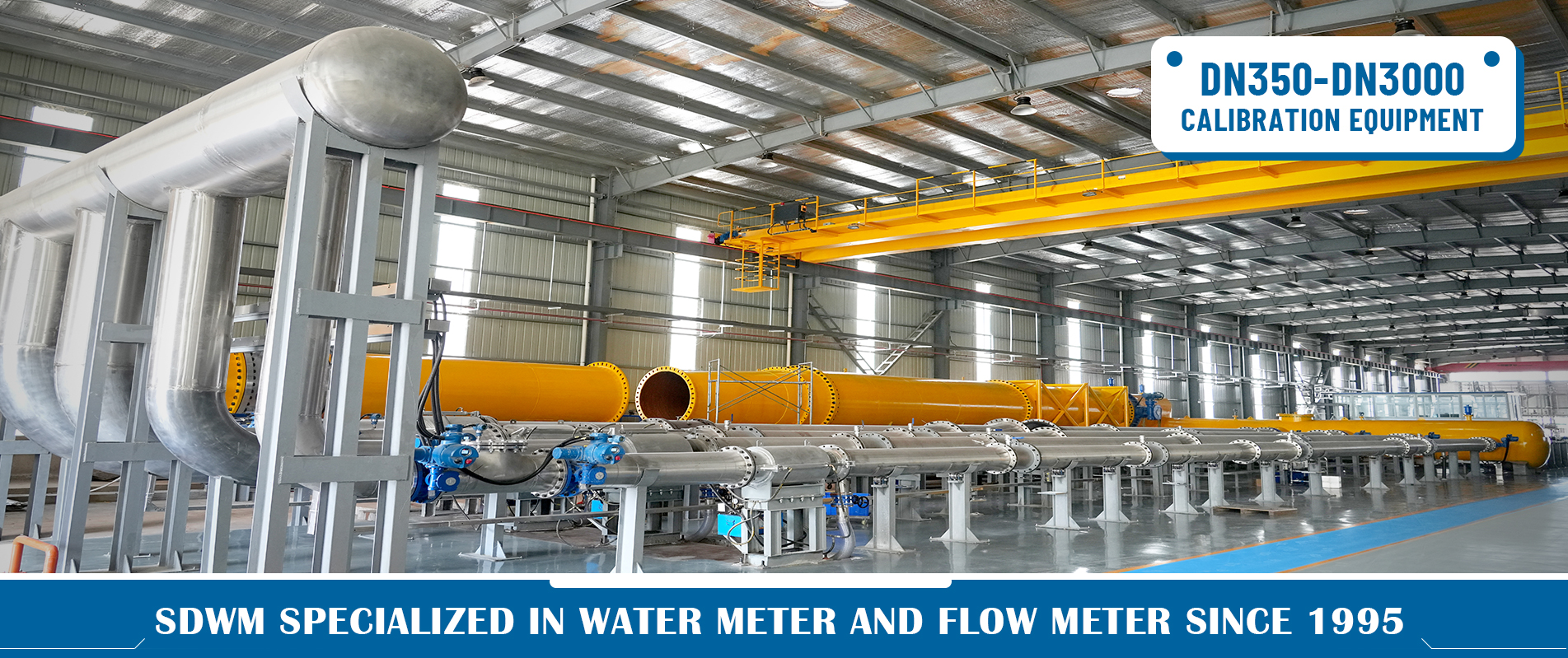
Certification coverage spans both the organization and the product: ISO9001, ISO14001 and ISO45001 for the company, and CE, MID and ISO4064 for products. SDWM is also able to produce large-size flow meters up to DN3000, which matters for programs that combine domestic metering with bulk or district-level measurement.
Product families that can be maintained across a multi-year program
Long-term supply questions usually come down to breadth. If a program needs a second meter type in year two, it is far simpler to extend an existing supplier relationship than to qualify a new manufacturer, re-run sampling, and maintain two sets of calibration records.
SDWM's smart metering range covers the families that appear most often in multi-year programs:
- Ultrasonic water meters. The LXSY smart ultrasonic water meter uses a lithium battery with a battery life of up to 10 years, an IP68 protection level, and a working temperature range of -20°C to +60°C. The LXC ultrasonic water meter complies with ISO4064, with a 10-year battery life for sizes DN15 to DN40 and 6–8 years for sizes DN50 to DN500. Its communication methods include LoRaWAN, NB-IoT, 4G, M-Bus and RS485.
- LoRaWAN water meters. The LXSY smart LoRaWAN water meter has a battery life of up to 10 years. The LXSY LoRa water meter is rated IP68 with a maximum working pressure of PN16 and supports frequency bands including EU868, US915, AS923 and AU915. The LXSC LoRaWAN ultrasonic water meter has a nominal diameter range from DN15 to DN600.
- NB-IoT water meters. The NB-IoT smart water meter has a battery life of more than 6 years and includes an early warning system for battery undervoltage and abnormal metering alarm, with the software supplied free.
- 4G water meters. 4G appears among the communication methods supported on the LXC ultrasonic water meter, alongside LoRaWAN, NB-IoT, M-Bus and RS485.
- Prepaid water meters. The LXSK prepaid water meter is available in nominal diameters from DN15 to DN300 with an IP68 protection level. Its working voltage is 3.6 V ± 0.6 V with a quiescent current of ≤ 10 μA, and the software payment is free.
- RS485 and M-Bus water meters. The RS485 water meter, model LXSY, is designed for industrial water management and irrigation, supports RS485 Modbus RTU communication, and can be integrated with PLC, SCADA and AMR/AMI systems. M-Bus (Meter-Bus) is available as the communication interface on other models in the range.
- Mechanical and residential meters. The LXSG multijet water meter offers flow ratios of R80, R100, R160 or R200, working pressures of PN10 or PN16, and optional water temperature ratings of T30, T50 or T90, and complies with the ISO 4064 metrological standard. The LXSG plastic water meter has a working pressure rating of PN10 or PN16; the R160 water meter is also rated for PN10 or PN16 working pressures. The LXLC/WPH Woltman water meter spans DN50 to DN600 and is available in cast iron, ductile iron or stainless steel.
OEM/ODM engagement: what the engineering team actually works on
OEM/ODM conversations become concrete when they are reduced to the variables a factory can commit to and then repeat. Within SDWM's published specifications, those variables include:
- Communication interface: LoRaWAN, NB-IoT, 4G, M-Bus or RS485 on the ultrasonic line; pulse output, M-Bus, RS485, LoRaWAN or NB-IoT on the multijet and Woltman lines.
- LoRaWAN frequency band: EU868, US915, AS923 or AU915.
- Nominal diameter: DN15 to DN300 on the prepaid meter, DN15 to DN600 on the LoRaWAN ultrasonic meter, DN50 to DN600 on the Woltman meter, DN15 to DN50 on the plastic multijet meter.
- Body and component material: brass or cast iron on standard mechanical meters; cast iron, ductile iron or stainless steel on Woltman meters; stainless steel, brass or epoxy-coated components for harsh environments.
- Flow ratio and temperature rating: R80, R100, R160 or R200, and optional T30, T50 or T90 temperature ratings on the multijet range.
- Valve control: optional remote shut-off valve control on multijet and Woltman meters, and remote reading with remote valve control on the smart lines.
- Software: supplied free with the NB-IoT smart water meter, and stated as free of payment for the prepaid meter software.
What a buyer should ask for in exchange is simple: a written configuration record. Without it, "the same meter" is an assumption rather than a specification, and assumptions are what turn a repeat order into a re-qualification project.
Quality controls that make later batches comparable
Batch consistency is created before shipment, not after a complaint. SDWM's stated measures include:
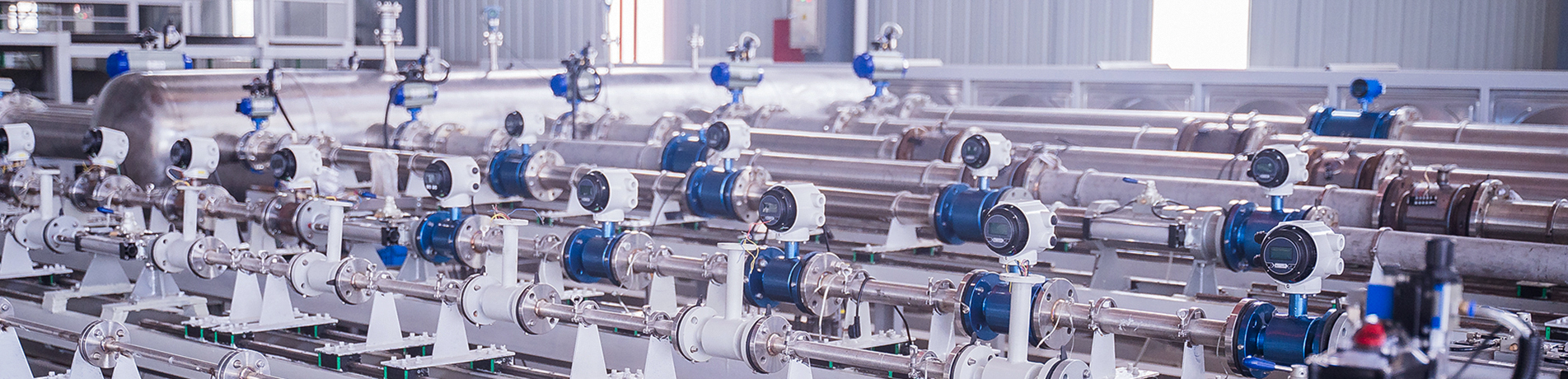
- 100% calibration and accuracy testing before shipment.
- Pressure and sealing tests performed during manufacturing.
- Pre-delivery communication verification, specifically to avoid field communication failures.
- IP68 protection, addressing reliable operation in flooded or outdoor installations.
- Corrosion-resistant materials — stainless steel, brass, or epoxy-coated components — for harsh environments.
For a program with thousands of endpoints, the pre-delivery communication check is often the highest-value item on that list, because a meter that reports correctly before it leaves the factory is far less likely to become a field visit later.
Step-by-Step: What Does the Path From First Inquiry to Repeat Order Look Like?
Step 1 — Define the program, not just the meter. Start from the deployment plan: number of endpoints, meter sizes, whether the network is LoRaWAN, NB-IoT, 4G, RS485 or M-Bus, whether billing is postpaid or prepaid, and which certifications the destination market requires.
Step 2 — Order samples. SDWM's stated MOQ is 3–5 samples, which keeps a first evaluation order small enough to be scheduled quickly.
Step 3 — Validate the samples in your own conditions. The published acceptance criteria are defined as pre-shipment test. Confirm the test scope in writing before production, so that acceptance is a defined routine rather than a discussion.
Step 4 — Fix the configuration record. Once the sample is approved, record the interface, frequency band, diameter, material, flow ratio, temperature rating, and software behaviour. This document is what protects the second order.
Step 5 — Agree commercial terms. Delivery terms available are FOB, CIF, EXW and DDP. Payment terms are 30/70 T/T. Because these terms are published, they can be planned into a multi-year budget instead of being treated as a per-order variable.
Step 6 — Confirm acceptance before production starts. Acceptance is tied to pre-shipment test, which means the inspection point is agreed before the batch is built rather than after it is finished.
Step 7 — Production and pre-delivery verification. During manufacturing, pressure and sealing tests control production process risk, and 100% calibration and accuracy testing is performed before shipment. Communication on LoRaWAN, NB-IoT, 4G or M-Bus is verified before delivery to avoid field communication failures.
Step 8 — Plan the repeat cycle. Place the second order while the first installation batch is still being deployed. Keeping the configuration record attached to the re-order is what keeps a supply relationship a supply relationship rather than a new tender.
Where Do Long-Term Partnership and OEM/ODM Matter Most?
Residential AMR/AMI rollouts. The residential segment accounted for 67.2% of smart water meter adoption in 2024. Programs at this scale need a meter family that can be maintained across years of phased installation — the LXSG multijet (R80, R100, R160, R200), the LXSG plastic water meter and the R160 water meter are all positioned for residential service, with postpaid billing based on actual water usage recorded on a monthly or periodic cycle.
Utility networks built on LoRaWAN or NB-IoT. LoRaWAN deployments depend on a frequency band that matches the region — EU868, US915, AS923 or AU915 — and NB-IoT programs depend on the network continuing to support the meter's reporting behaviour. Both are easier to sustain when the same supplier configures the meters across rollout phases.
Prepaid and revenue-protection programs. Prepaid metering replaces collection risk with prepayment and depends on encryption standards such as STS (IEC 62055-41/51). The LXSK prepaid water meter covers DN15 to DN300 with IP68 protection, which suits installations where the meter pit may be flooded or outdoors.
Industrial and irrigation metering. Industrial water management and irrigation typically require wired integration. The LXSY RS485 water meter supports RS485 Modbus RTU and can be integrated with PLC, SCADA and AMR/AMI systems; M-Bus remains the alternative where building or district wiring already exists.
Bulk and district metering. Programs that combine domestic metering with mains-level measurement need a wider diameter range. The LXLC/WPH Woltman meter covers DN50 to DN600 in cast iron, ductile iron or stainless steel, and SDWM also produces large-size flow meters up to DN3000.
Comparison Table: Which Product Family Fits Which Program?
| Product family | Nominal diameter | Communication options | Verified specifications | Typical program fit |
|---|---|---|---|---|
| Ultrasonic (LXSY, LXC) | Battery bands quoted for DN15–DN40 and DN50–DN500 | LoRaWAN, NB-IoT, 4G, M-Bus, RS485 | ISO4064; up to 10-year battery (DN15–DN40); 6–8 years (DN50–DN500); IP68; -20°C to +60°C | Utility AMI, district metering, high-accuracy residential |
| LoRaWAN smart (LXSY, LXSC) | DN15–DN600 (LXSC LoRaWAN ultrasonic) | LoRaWAN: EU868, US915, AS923, AU915 | Battery life up to 10 years; IP68; maximum working pressure PN16 | Wide-area networks without cellular subscription |
| NB-IoT smart | Not specified in the published specification set | NB-IoT | Battery life more than 6 years; battery undervoltage and abnormal metering alarm; software supplied free | Urban networks with cellular coverage |
| Prepaid (LXSK) | DN15–DN300 | Prepaid metering with STS security standard context | IP68; working voltage 3.6 V ± 0.6 V; quiescent current ≤ 10 μA; software payment free | Revenue protection, prepaid and token-based metering |
| RS485 / M-Bus | Model-dependent across the range | RS485 Modbus RTU; M-Bus | Integrates with PLC, SCADA, AMR/AMI platforms; used in industrial water management and irrigation | Industrial sites, irrigation, commercial buildings |
| Multijet (LXSG, incl. plastic) | DN15–DN50 (plastic version) | Pulse output, M-Bus, RS485, LoRaWAN, NB-IoT on smart versions | R80/R100/R160/R200; PN10 or PN16; T30/T50/T90; ISO 4064 | Residential and light commercial |
| Woltman (LXLC/WPH) | DN50–DN600 | Pulse output, M-Bus, RS485, LoRaWAN, NB-IoT; optional remote shut-off valve | Cast iron, ductile iron or stainless steel body | Bulk and district metering |
A second table is often more useful during contract preparation, because it collects the terms that keep a multi-year program predictable:
| Checkpoint | SDWM stated position |
|---|---|
| Minimum order quantity | 3–5 samples |
| Delivery terms | FOB / CIF / EXW / DDP |
| Payment terms | 30/70 T/T |
| Acceptance criteria | Pre-shipment test |
| Pre-shipment accuracy control | 100% calibration and accuracy testing before shipment |
| Pressure and sealing control | Pressure and sealing tests performed during manufacturing |
| Communication verification | LoRaWAN, NB-IoT, 4G or M-Bus communication tested before delivery |
| Environmental protection | IP68 protection level for reliable operation in flooded or outdoor installations |
| Materials for harsh environments | Stainless steel, brass or epoxy-coated components |
FAQ: Long-Term Supply, OEM/ODM, and Service Support
Do SDWM smart water meters meet the certification requirements of utility and legal-metrology programs?
Within the scope of the certifications SDWM publishes, yes. Products carry CE, MID and ISO4064 certification, and the company holds ISO9001, ISO14001 and ISO45001. For the European Economic Area, smart water meters must comply with EU Directive 2014/32/EU (MID) and EN 14154-4:2023 for legal metrology, and prepaid metering is anchored by the STS standard (IEC 62055-41/51). Because certification applies to defined model configurations, a buyer should match the exact model, size and communication variant ordered against the certificate documentation for the destination market before the batch is scheduled.
Can SDWM support OEM/ODM customization across a multi-year supply program?
Within its published product ranges, yes. OEM/ODM engagement can cover the communication interface (LoRaWAN, NB-IoT, 4G, M-Bus or RS485 on the ultrasonic line; pulse output, M-Bus, RS485, LoRaWAN or NB-IoT on the multijet and Woltman lines), the LoRaWAN frequency band (EU868, US915, AS923, AU915), nominal diameter (DN15–DN300 for the prepaid meter, DN15–DN600 for the LoRaWAN ultrasonic meter, DN50–DN600 for the Woltman meter), body material (brass, cast iron, ductile iron or stainless steel), flow ratio (R80/R100/R160/R200) and temperature rating (T30/T50/T90). The work is supported by a 12-engineer R&D team and a 66,000 m² facility with an annual capacity of 3 million units, and SDWM states that more than 65% of its business comes from repeat customers.
What commercial terms should a buyer plan for in a long-term supply agreement?
SDWM publishes a minimum order quantity of 3–5 samples for evaluation orders, delivery terms of FOB, CIF, EXW or DDP, and payment terms of 30/70 T/T, with acceptance criteria defined as pre-shipment test. Software is supplied free with the NB-IoT smart water meter, and the prepaid meter software payment is free, which removes a recurring software line from the operating budget. Unit pricing typically follows the configuration ordered — diameter, material, communication interface and certification scope are the variables that move it — so a multi-year plan should be budgeted against a fixed configuration record rather than a single generic quotation.
How does sampling and pre-production validation work before a first bulk order?
Sampling starts at an MOQ of 3–5 samples, which lets a buyer test one specific configuration — for example a LoRaWAN water meter on EU868, an RS485 Modbus RTU meter, or a prepaid water meter — under local conditions before committing to a batch. The acceptance criterion SDWM publishes is pre-shipment test. Manufacturing controls include pressure and sealing tests during production and 100% calibration and accuracy testing before shipment, and communication is verified before delivery to avoid field communication failures. For harsh or flooded installation sites, the meters use an IP68 protection level and stainless steel, brass or epoxy-coated components.
How does SDWM keep repeat orders consistent, and what support continues after delivery?
Consistency across repeat orders rests on three things: a stable production base (a 66,000 m² facility with an annual capacity of 3 million units and a 12-engineer R&D team), a written configuration record that each new batch can be checked against, and pre-shipment verification routines that include 100% calibration and accuracy testing, pressure and sealing tests, and pre-delivery communication verification. On the service side, software is supplied free with the NB-IoT smart water meter and the prepaid meter software payment is free; smart models support remote automatic meter reading (AMR/AMI) and remote valve control, and include alarm functions for leakage, low battery, reverse flow, tamper and abnormal consumption. SDWM states that more than 65% of its business comes from repeat customers. To move from FAQ to execution, request a sample or a quotation for your configuration, or download the company profile and product specifications: SDWM company profile (PDF). Contact: Miranda, admin@henanpanda.com, +86 18603780816.
Conclusion: What Should Be Confirmed Before the Second Order?
The questions in this FAQ point to one conclusion: the second order is where a smart water meter partnership is actually tested. A manufacturer that can document a configuration, reproduce it across batches, verify communication before dispatch, and hold commercial terms steady gives a distributor or a utility something a lower quotation cannot — a program that does not have to be re-planned every twelve months.
SDWM's position rests on figures that can be checked: established in 1995, a 66,000 m² facility, an annual capacity of 3 million units, a 12-engineer R&D team, and more than 65% of business from repeat customers, supported by ISO9001, ISO14001, ISO45001, CE, MID and ISO4064 certification and a product range covering ultrasonic, LoRaWAN, NB-IoT, 4G, prepaid, RS485 and M-Bus metering from DN15 up to DN600, plus large-size flow meters up to DN3000.
Before placing a second order, confirm four things in writing: the configuration record, the acceptance criteria, the certification scope for the destination market, and the commercial terms. Everything else in a long-term partnership follows from those four documents.
Next step: sample, quotation, or distributor terms
Send your program requirements — meter family (ultrasonic, LoRaWAN, NB-IoT, 4G, prepaid, RS485 or M-Bus), nominal diameter, communication interface, frequency band and target market — and SDWM will come back with a configuration-based quotation and a sample plan.
Download the full company and product profile: SDWM company profile (PDF)
Website: www.shengdawatermeter.com
Contact: Miranda | admin@henanpanda.com | +86 18603780816
Address: NO.109, Middle Weidu Road, Kaifeng City, China