
Custom Wristwatches: 500-Piece Trial vs 500,000-Unit Program
Direct answer: Treat the 500-piece trial run and the 500,000-unit program as two stages of one sourcing decision, not two competing quotations. The 500-piece lot is the cheaper place to be wrong about a design, a finishing specification or a compliance detail; the 500,000-unit program is where capacity, material consolidation and delivery phasing decide whether a launch lands on time. Shenzhen Super Time CO., LTD. builds both on the same production system, with trial lots from 500 pieces, bulk batches above 500,000 units and a rated annual output of 400,000 units.
Most sourcing conversations about custom wristwatches open with a minimum order quantity and close with a unit price. That framing hides the real question. A 500-piece pilot and a 500,000-unit program are not two prices for the same watch — they are two levels of commitment, and each one buys a different kind of information. One buys evidence. The other buys capacity.
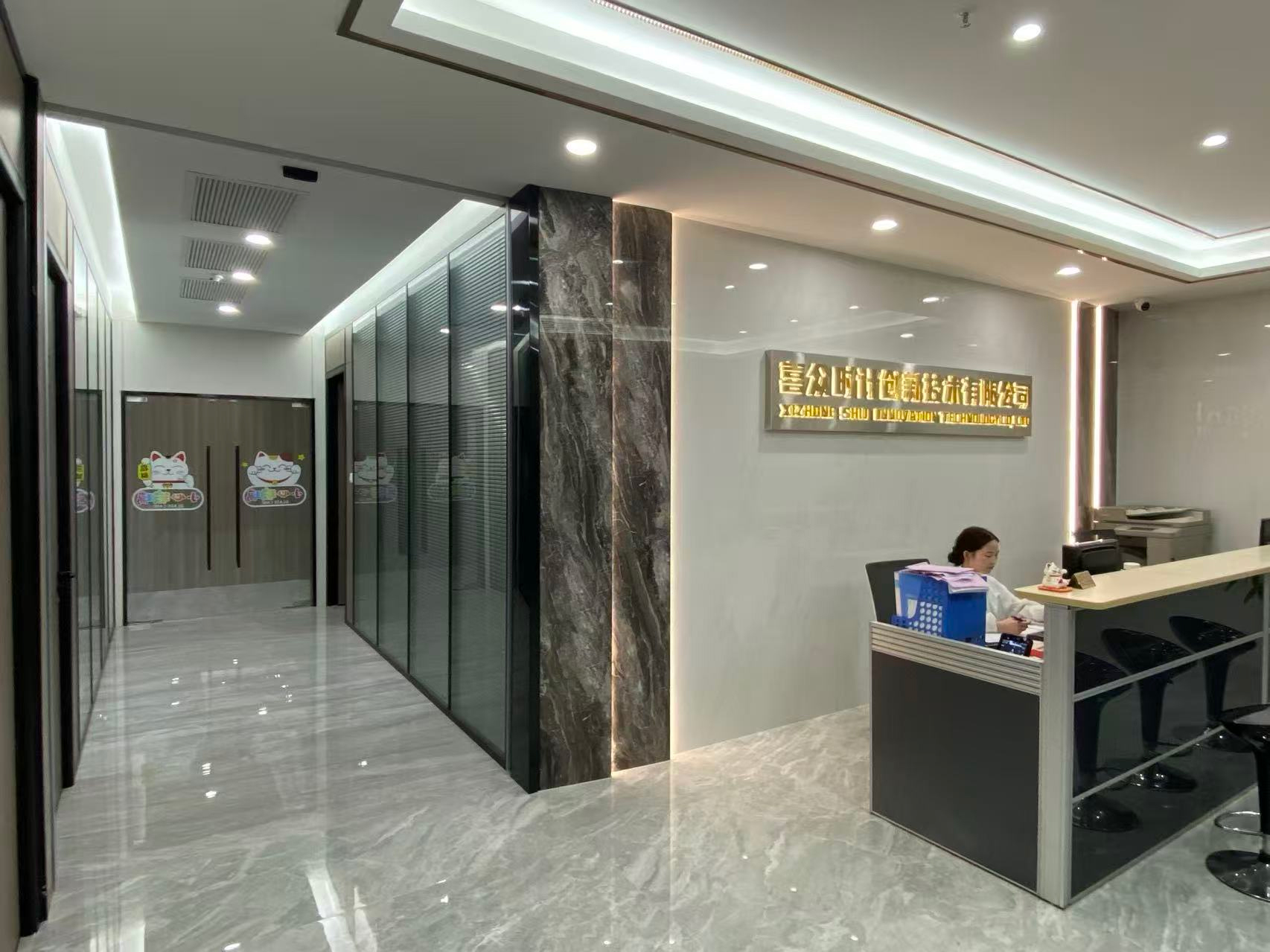
This guide compares them the way a brand's product and operations leads actually have to compare them: through risk control, production planning and factory capability. The reference point is Shenzhen Super Time CO., LTD., the manufacturer behind the TOPHILL brand and a full-cycle watch producer founded in Shenzhen in 1992 that relocated its plant to Dongguan in 2024. Its stated order range — trial runs from 500 pieces up to batches above 500,000 units — makes it a useful case for showing exactly where the two models diverge.
Why "What Is Your MOQ?" Is the Wrong First Question
An MOQ answers one narrow question: how few units a factory will accept. It says nothing about what the buyer is committing to. A 500-piece trial run is a validation lot — a quantity small enough that a failed assumption does not damage the brand's balance sheet, but produced on real equipment so the results transfer to volume. A 500,000-unit program is a capacity commitment — by the time a brand orders at that scale, design questions should be closed and the live questions are scheduling, material consolidation, test throughput and delivery phasing.
The risk does not simply get bigger with volume; it changes type. A pilot concentrates risk in the design and the specification. A bulk program concentrates risk in timing, capital tied up in materials, and the cost of discovering a defect after the units are finished. That is why the useful comparison is not "small order versus large order" but "which risks am I ready to carry right now".
What a 500-piece trial run buys
- Production-representative units. The lot is assembled in the same class-10,000 dust-free assembly workshop used for volume work, so fit, finish and function reflect the real process rather than a hand-built sample.
- Measured test data on your actual bill of materials. Water-resistance pressure testing, drop testing, dial index inspection and movement accuracy checks apply to the parts you selected, not to a catalogue reference.
- A small sellable quantity. 500 units are enough to place in a limited channel, a flagship store or a distributor test and observe real buyer response.
- A costed basis for the volume quotation. Pilot tooling and process notes give the factory a real basis for quoting a larger program instead of estimating it.
- A working relationship. One account manager tracking the project from sample development to post-delivery support is established before the high-value phase begins.
What a 500,000-unit program buys
- Unit-cost optimization. Consolidated material purchasing, stable supply chain planning and line efficiency reduce unit cost in ways a 500-piece lot cannot.
- Reserved production time. A large program needs scheduled capacity, not available capacity.
- A delivery plan tied to launch dates. Phased shipments can be matched to market rollout instead of arriving as a single block.
- Consistency evidence across lots. Repeated production reveals whether plating, dial printing, assembly and testing hold their tolerances over time.
- A supply relationship for repeat programs. Continuity of specification and tooling matters for second and third collections.
One cost point is worth stating plainly, because it is often misread as inefficiency. A trial unit usually costs more per piece than a bulk unit, since prototype work, tooling and line setup are spread across 500 pieces rather than 500,000. That premium is the price of information, not a penalty. In-house full-cycle production — concept interpretation, prototyping, structural optimization, bulk manufacturing and finished-goods delivery under one roof — limits how large that premium becomes, because no external partner adds a margin layer to the prototype stage.
Industry Background: Movement Mix and Compliance Shape the Comparison
The wider market explains why two brands can look at the same factory and reach opposite conclusions about scale. According to industry research summarized in the market data for this category, quartz movements accounted for 75% of global watch shipment volume in 2024, while mechanical watches contributed more than 68% of total market value despite lower unit volume. Grand View Research projected the global mechanical watch market at USD 47.5 billion by 2025, and Dataintelo sized the global watch movement market at USD 18.4 billion in 2025, with automatic movements holding a 38.2% share.
Read together, those figures describe two different commercial games. A quartz-led range competes on volume and price architecture, so a pilot's job is to confirm assembly consistency, finish quality and electronic compliance quickly. An automatic or mechanical line competes on perceived value, so a pilot's job shifts toward movement accuracy verification, case finishing and after-sales expectations. These are general patterns rather than rules; the point is that the movement decision changes what the trial must prove before volume makes sense.
Compliance is the second force. ISO 22810 governs water-resistant watches and restricts use of the term "waterproof"; ISO 6425 covers diver's watches; RoHS Directive 2011/65/EU applies to electronic watches — quartz and smart models — placed on the EU market. Product-specific requirements such as CE EMC can apply depending on the movement and electronics. Shenzhen Super Time operates under ISO 9001 quality management and ISO 14001 environmental management, states that finished products meet EU RoHS requirements, and exports about 80% of output, mainly to EU and US markets.
That combination makes compliance a timing decision as much as a technical one. A standards question costs little to close before a pilot and costs a great deal to close after 500,000 units exist: a wrong marking decision does not affect one shipment, it affects the entire batch and every market it enters.
How the Two Models Actually Run Inside the Factory
Model A — the 500-piece trial run
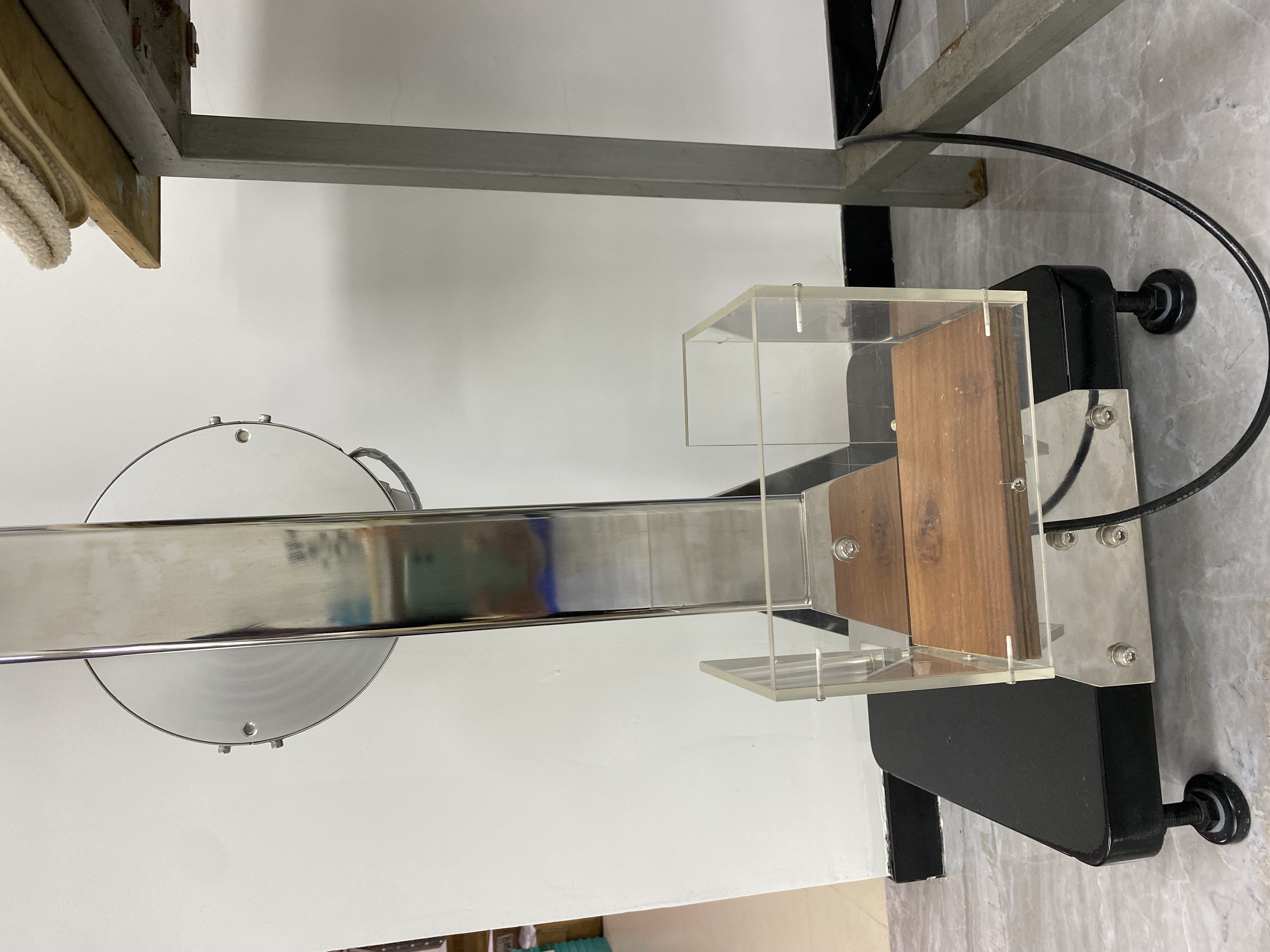
A pilot follows the same path as a production order, only shorter. The brief is interpreted and structurally reviewed by the in-house design and engineering team — four designers and three engineers — before a prototype is cut in the dedicated CNC prototyping workshop. That in-house CNC capability is what makes faster sample turnaround possible, because prototype iterations do not wait in an external queue. Once the prototype is signed off, the pilot is assembled in the class-10,000 dust-free workshop, and every water-resistant unit goes through the full-unit water-pressure test rather than a sampled check.
In capacity terms, 500 pieces is a small commitment: it represents well under one percent of the 400,000-unit annual output, based on those two stated figures. The practical constraint on a pilot is therefore rarely assembly hours — it is prototype and tooling time. Multi-project parallel running means a pilot does not sit behind a larger program already in production.
What a pilot cannot prove is equally important. It cannot prove sell-through at scale, it cannot prove that material suppliers will consolidate consistently across a year of production, and it cannot prove that a delivery schedule holds under load. Those are the questions the second model exists to answer.
Model B — the 500,000-unit program
The first thing that changes is arithmetic. A program above 500,000 units is larger than one year's rated output of 400,000 units, so — on the stated capacity figures — it is by definition a multi-period delivery schedule rather than a single production run. The commercial conversation therefore shifts from "what is the price per unit" to "how is the schedule phased, and what is committed in each phase". A buyer who does not ask for that phase breakdown in writing is negotiating the wrong document.
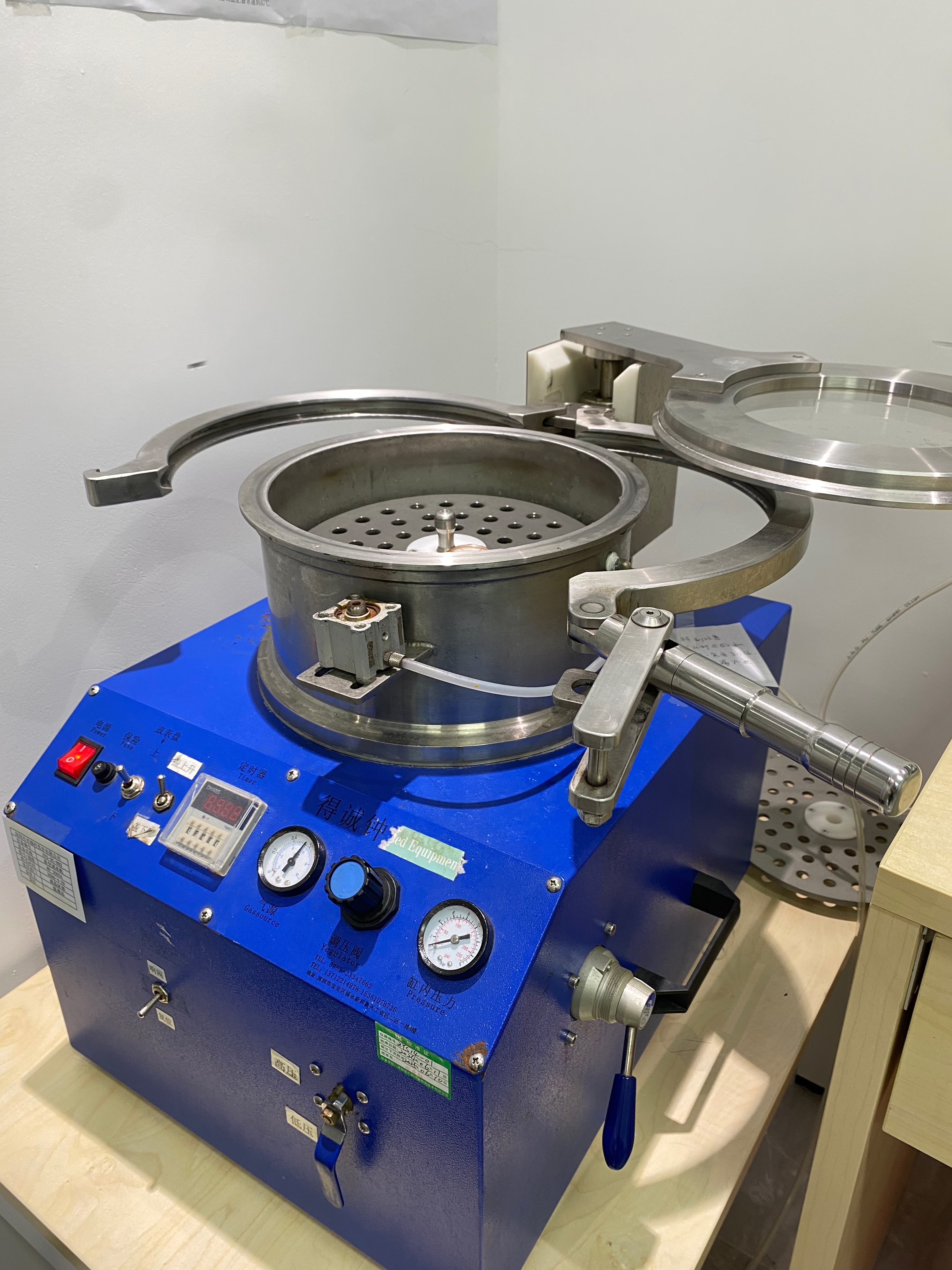
The second thing that changes is test throughput. Because every water-resistant watch is pressure-tested individually instead of by random sampling, a 500,000-unit program means 500,000 test cycles, each with pressurization, hold, leak monitoring, controlled release and drying before final inspection. At pilot scale that is a routine end-of-line step; at volume it becomes a line function that has to be planned alongside assembly, or it becomes the bottleneck that delays every shipment after it.
The third change is material consistency. Plated components are verified against a 48-hour salt-spray requirement for corrosion resistance, and dial index inspection checks alignment and printing lot after lot. At 500 pieces, a single plating lot covers the order. At 500,000, multiple lots enter the line, and the specification has to survive all of them.
What volume cannot do is rescue an unproven design. A 500,000-unit order multiplies whatever the pilot produced: if the design is sound, it multiplies consistency; if the design is wrong, it multiplies the correction cost. That single asymmetry is the strongest argument for sequencing the two models rather than choosing one.
Where the money actually moves
Full in-house production removes outsourcing costs that would otherwise appear in the quotation, and a stable supply chain plus flexible order sizing lets the factory balance cost across both a small trial and a mass batch. Beyond that, the cost structure differs by stage. A trial is front-loaded: design time, prototype work, tooling and setup dominate. A bulk program is back-loaded: material purchasing, work-in-progress inventory, test hours and logistics dominate.
The practical budgeting rule follows from that split. Compare the total cost of the program across both stages — pilot plus scale-up — rather than comparing the trial unit price against the bulk unit price. A cheaper pilot that leaves a specification question open usually costs more by the time the volume order ships.
Step-by-Step: From a 500-Piece Trial to a 500,000-Unit Program
- Freeze the design at the drawing and render stage. Review the 2D technical drawings and 3D renders before any tooling is cut, and confirm case geometry, lug width, bezel construction and dial layout in that review. Changes are inexpensive here and expensive at every later step; this is the stage where the four designers and three engineers add the most value.
- Cut the prototype in-house. A prototype from the CNC workshop lets you handle the case, check crown and pusher action, and confirm strap or bracelet integration before committing to a pilot quantity. Faster turnaround at this step shortens the whole timeline, because every later decision depends on it.
- Run the 500-piece pilot on production equipment. Assemble in the class-10,000 dust-free workshop so the lot reflects real process conditions. Confirm the finishing specification — brushing direction, plating colour, dial print sharpness — on production parts rather than on a prototype.
- Validate with the full test set, not a subset of it. Water-resistant models receive a 100% full-unit water-pressure test; plated parts are checked against the 48-hour salt-spray requirement; drop testing, dial index inspection and movement accuracy testing complete the picture. Quartz builds carry a stated accuracy of +20 seconds per month, measured on the automatic movement accuracy testing equipment.
- Hold a decision gate before scaling. Review four things together: buyer or channel feedback on the pilot quantity, defect and return data, the completeness of the compliance file for your destination markets, and the cost model at volume. Scale only when all four are clean; scaling on three out of four is how brands end up with 500,000 units of a solved-manufacturing, unsolved-market product.
- Convert the pilot into a capacity plan. With a program above 500,000 units and a rated annual output of 400,000 units, agree a phased schedule: which quantities ship in which period, when materials are consolidated, how test capacity is reserved, and what happens if one phase slips. Keep one account manager across the whole plan so the pilot's process knowledge does not get lost at handover.
- Produce, test every unit, deliver and plan aftercare. Bulk production repeats the same test regime at scale, with progress reporting on sample status, production schedule and quality reports. Post-delivery support closes the loop, and it is also the point to brief the sales channel on a basic fact: water resistance is not permanent, because sealing gaskets age with wear.
Use Cases: Matching the Model to the Program
Diving sports custom wristwatches
Water-resistant construction is where failures concentrate, because case machining, gasket fit, crown sealing and crystal seating all have to work together. A pilot is the right first step: it validates the assembly at the water-resistance level you actually intend to claim, from 5 ATM daily-wear protection up to 50 ATM, and it produces the unit-level test record a diver-grade specification needs. Volume follows only after that record is clean.
Private label business and luxury women's collections
Multi-SKU launches rarely need volume on every reference at once. A common pattern is a 500-piece pilot per reference to read the channel, then a consolidated bulk program for the references that earn it — which is exactly the transition the factory's order range is built to support. Business men's and luxury women's lines also depend on finishing consistency, so the pilot's real output is a finishing standard, not just a quantity.
Corporate and promotional gifting programs
Here the design is usually fixed by a logo, a deadline and a budget, and the risk sits in compliance and delivery timing rather than in market uncertainty. That profile fits the bulk model, provided RoHS and any applicable CE EMC questions are closed before materials are ordered. A pilot still has a role if the project introduces a new case or dial construction.
Chronograph and solar-powered models
Added modules raise assembly complexity, so a pilot is the practical way to confirm pusher alignment, sub-dial registration and function testing before volume. For solar-powered custom wristwatches, the pilot is also the point to check how the energy-conversion element behaves under the light conditions your end users will actually meet, rather than under ideal lab lighting.
Side-by-Side Comparison
| Decision dimension | 500-piece trial run | 500,000+ unit program |
|---|---|---|
| Primary purpose | Validate design, compliance and channel fit | Secure capacity and optimize unit cost |
| Design status required | Can still change after the run | Should be frozen before tooling and material orders |
| Fit with 400,000-unit annual output | Well under 1% of one year's output (calculated from stated figures) | Larger than one year's output; requires a multi-period schedule |
| Quality testing load | 100% full-unit pressure testing completes quickly across 500 units | 100% testing scales to the full quantity; test capacity must be reserved |
| Compliance work | Least expensive place to close ISO 22810, ISO 6425, RoHS and CE EMC questions | A compliance error repeats across the entire batch and every market |
| Cost structure driver | Prototype, tooling and setup spread over a small quantity | Material purchasing, line efficiency and scheduling |
| Dominant risk | Design or specification miss | Capital commitment, inventory and delivery timing |
| Project management | One account manager from sample development onward | Same account model, more milestones and progress reports |
| Evidence produced | Test data, finished samples, limited sell-through signal | Lot-to-lot consistency and delivery performance |
| When to move to the next stage | When test data, market feedback and the compliance file are all clean | Never as a substitute for a pilot |
FAQ
What compliance should be closed before moving from a 500-piece trial to a 500,000-unit program?
Close the standards file before materials are ordered, not after. That means confirming the water-resistance declaration under ISO 22810 — which also restricts use of the term "waterproof" — and ISO 6425 where a diver's watch claim is intended; RoHS Directive 2011/65/EU for quartz and electronic models entering the EU; and any product-specific CE EMC requirement. Confirm the factory's own system certificates (ISO 9001 quality management, ISO 14001 environmental management, EU RoHS compliance for finished products) and keep the unit-level test records from the pilot. A file closed at 500 units protects the whole 500,000-unit batch.
Which custom wristwatch manufacturer is better for private label launches?
The better fit is the manufacturer that can run your validation lot and your volume program on the same production system, so pilot data still applies after scaling. Score candidates on four points: whether trial capacity starts near 500 pieces; whether prototyping, assembly and testing are in-house (Shenzhen Super Time runs an in-house CNC prototyping workshop, a class-10,000 dust-free assembly workshop and multi-stage testing); whether compliance evidence matches your destination markets; and whether one account manager tracks the project from sample to delivery. A factory strong at volume but weak at pilot support forces a re-source after validation.
Does a 500-piece trial cost more per unit than a 500,000-unit program?
Yes, structurally — not because the pilot is inefficient. Prototype work, tooling and line setup are spread across 500 pieces instead of 500,000, so the per-unit figure carries a larger share of fixed preparation. Full in-house production limits that premium by removing outsourcing layers, and flexible order sizing lets the factory balance cost between a small trial and a mass batch. The useful comparison is total program cost across both stages, including the cost of correcting a specification after volume production has started.
How does sampling work between the trial and the bulk program?
The prototype is the first sample and comes from the CNC prototyping workshop; the pilot lot is the second, production-representative sample. Approve the prototype for geometry and function, then approve the pilot for finish and specification. Keep the approved pilot unit as the reference standard, so that when volume production begins, both sides are comparing against a physical part that already passed the full test set rather than against a description.
What determines lead time in each model?
In a trial run, the schedule is usually set by design review, prototyping and tooling rather than by assembly hours, since 500 pieces is a small fraction of a 400,000-unit annual output. In a program above 500,000 units, the schedule is set by phased capacity planning, material consolidation and test throughput, because the quantity exceeds one year's rated output. Ask for the phase breakdown and milestone reporting in writing. Samples, a dated project schedule and quality reports can be requested directly from the factory via vivianli@supertime.hk.
Conclusion
The 500-piece trial run and the 500,000-unit program are not rivals. They answer different questions in the same sequence. The pilot tells you whether the design, the finishing specification and the compliance file survive contact with production equipment. The bulk program tells you whether the factory can hold that standard across a year of output, multiple plating lots and a delivery calendar.
For most brands in the Decision stage, the defensible order is pilot first, then scale — and the pilot should be judged on evidence rather than on unit price. The scale-up should then be negotiated as a capacity plan: which quantities ship in which period, how test capacity is reserved, and how consistency is verified lot after lot. A manufacturer that can do both inside one system, as Shenzhen Super Time does with a 500-piece trial floor, batches above 500,000 units, a rated annual output of 400,000 units and more than 20 million finished watches produced to date, removes the re-sourcing step that usually sits between the two.
Where the two models converge is testing. Whether the order is 500 units or 500,000, the water-resistant units are pressure-tested individually, the plated parts are checked against the 48-hour salt-spray requirement, and the pilot record becomes the volume standard. That continuity — not the order size — is what a brand is really buying.

Next step for your program
If you are deciding between a validation lot and a volume commitment, request a pilot sample and a phased production outline before you commit. The factory profile, capability summary and full equipment list are available in the Shenzhen Super Time company brochure.
Contact: Vivian — vivianli@supertime.hk — WhatsApp/TEL: +86 137 6014 8724. Address: 102, Building 6, 1 Jingdong Road, Fenggang Town, Dongguan City, Guangdong Province.
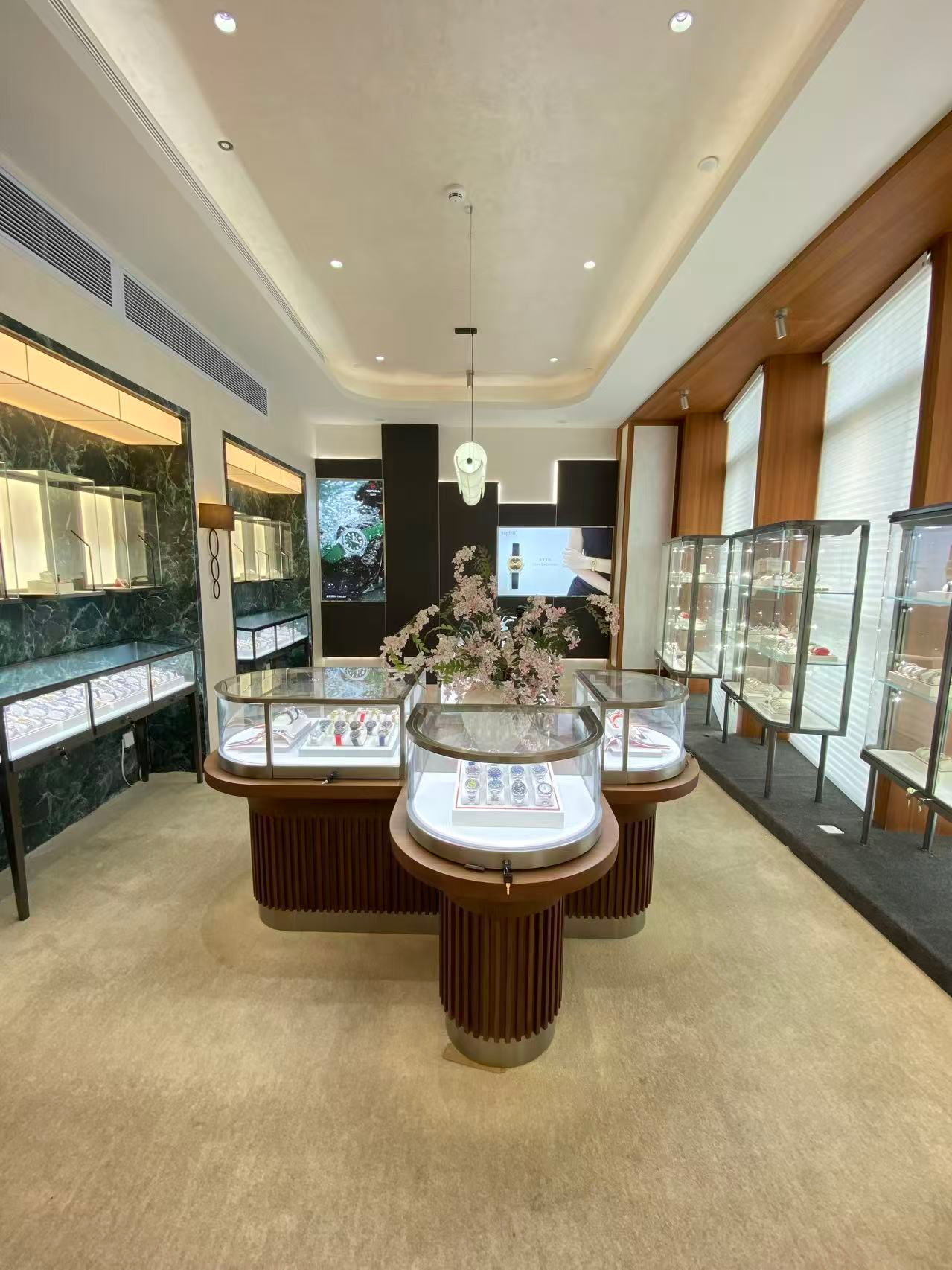
Learn more about the manufacturer at Shenzhen Super Time.
Have Questions or Need More Details?
Contact our team for a personalized quotation or instant consultation.
Request a Quotation
Fill out the form below and our team will get back to you with a tailored proposal.
WhatsApp Direct Chat
Prefer to chat in real-time? Message us on WhatsApp for instant assistance & quick answers.
- Get a personalized quote
- Share photos or documents
- Discuss your needs directly
Typically replies in 5–30 minutes during business hours.