
Racing Drone Battery Compliance Guide: Certifications, Standards, and Regional Requirements
Racing Drone Battery Compliance Guide: Certifications, Standards, and Regional Requirements
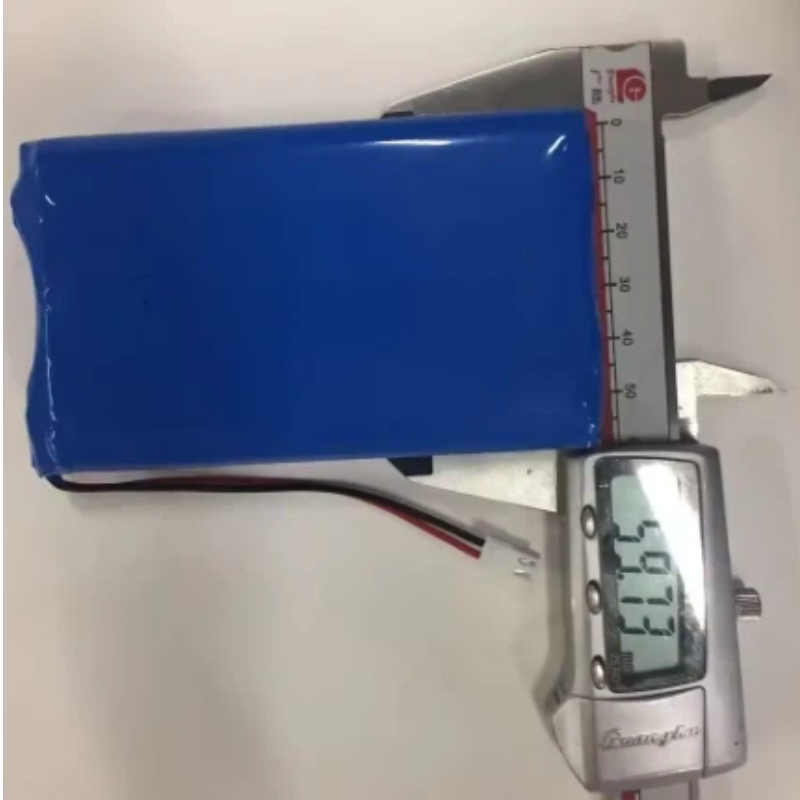
Cover: a lithium polymer pack used on racing drones is regulated twice over, as an electrical product and as dangerous goods in transport.
Short answer: a racing drone battery is compliant for a given purchase when three things line up at the same time. The standard has to match the product tier, meaning cell versus finished pack. The certificate or test report has to name the exact model and configuration you are buying. And the documentation has to satisfy the market where you will import, sell, or operate the pack, plus the transport mode you will use to ship it. A certificate that does not match the model, the market, or the shipping mode does not move risk away from the buyer.
This guide is written for professional racing teams, industrial drone operators, commercial aerial filming companies, and distributors who buy lithium polymer and lithium-ion packs in volume. It explains how to read the certification landscape, what to request during supplier vetting, and how to check whether a supplier's compliance claims are supported by evidence that actually covers your order. Compliance literacy has become a core procurement skill in this category, because the same pack can be perfectly acceptable in one market and effectively undocumented for another.
Problem definition: the compliance question is coverage, not possession
Most buyers ask a supplier one question: do you have certificates? The question produces a yes and a folder of documents, and it rarely produces the answer the buyer needs. The narrower and more useful question is whether the documentation covers this model, in this market, for this shipping mode.
Four mismatches cause most compliance problems in racing drone battery procurement.
- Tier mismatch. A cell-level certificate is presented as evidence for the finished pack. Cells and packs are tested against different standards, and a pack adds protection circuitry, connectors, and packaging that a cell certificate does not describe.
- Model mismatch. The certificate is genuine, but the model number, cell format, capacity, or configuration it names is not the item in the quotation.
- Market mismatch. Documentation that satisfies buyers in one region is not what importers, carriers, or insured operators ask for in another.
- Transport mismatch. Product safety documents exist, but the transport documentation required for lithium batteries before air or sea freight does not.
There is a structural reason to treat compliance as a buyer responsibility as well. In many jurisdictions, the entity that imports or places a battery pack on the market carries the duty to demonstrate conformity. That entity is usually the buyer or the local distributor, not the overseas factory. A supplier certificate is evidence you can use, but the obligation to hold, check, and retain that evidence normally stays with you.
Industry background: why the racing drone battery supply chain shapes the paperwork
A racing drone battery is assembled from four elements: lithium cells, a protection or battery management circuit, connectors and wiring, and an outer wrap or hard case. The supply chain producing it has three typical layers, namely cell manufacturers, pack assemblers, and brand owners, and the compliance footprint depends on which layer your supplier actually occupies.
This matters because a pack assembled from purchased cells inherits part of its compliance status from the cells inside it. If a supplier changes the cell source to protect margin or to shorten delivery, the pack configuration changes with it, and documentation that was valid for the previous build may no longer describe the product being shipped. The same logic applies to a changed BMS, a different connector, or a modified charging profile.
Racing-specific performance requirements add a second dimension. Packs built for a high discharge rate, for fast charging between heats, or for extended endurance flights are pushed toward different electrical and thermal limits. That is one reason the standards landscape separates cell testing from pack testing, and separates batteries for portable applications from batteries for industrial use. Buyers do not need to be test engineers, but they do need to know which document answers which question.
The regional layer sits on top of the product layer. Buyers in North America most often ask for UL 1642 and UL 2054 listings. Buyers working to EU market access expect CE documentation and RoHS substance declarations. Buyers in markets that build their requirements on IEC standards commonly ask for IEC 62133-2 test evidence. Across all regions, carriers and freight forwarders require transport documentation for lithium batteries before they accept a shipment by air or sea.
What a verifiable compliance documentation set looks like
Shenzhen Topway New Energy Co., Ltd. (HCC) is a battery company with a sales center and independent R&D capability in Shenzhen, China. Its main business covers energy storage batteries and lithium-ion batteries, with products exported mainly to overseas markets while also serving the Chinese market. Related products have passed RoHS, UL, CE and other export certifications.
HCC's documentation set is a useful reference model because it maps to the layers described above rather than to a single logo.
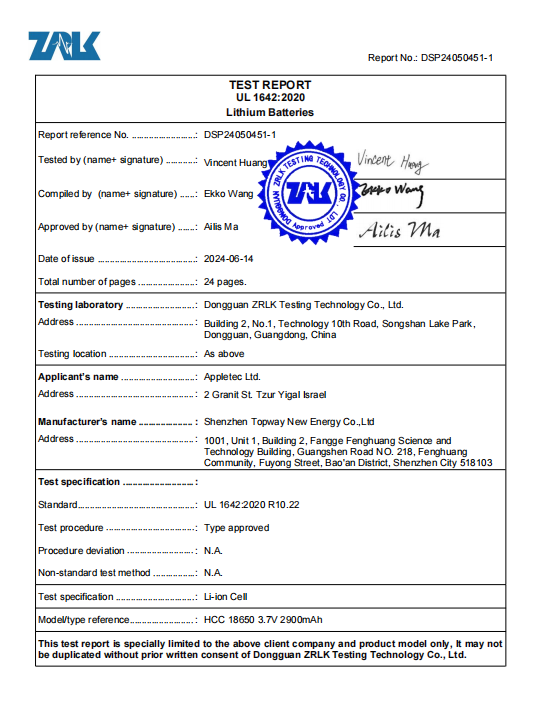
Cell-level safety documentation: UL 1642:2020 covers lithium cells, the first tier buyers must verify.
- Cell-level safety: UL 1642:2020, the standard applied to lithium cells.
- Pack-level safety: UL 2054:2021, the standard applied to lithium battery packs. HCC's records reference this documentation under US 72225082.01 and UL2054 CMC240102017.
- Portable-application safety: IEC 62133-2:2017, covering lithium cells and batteries for portable applications.
- Industrial-use safety: IEC 62619:2022, covering lithium cells and batteries for industrial applications.
- Additional test documentation: IEC SG CTI-001612 and test report reference CN21WL2W 001 TR.
- Quality management: ISO 9001:2015.
- Substance and market access: RoHS and CE documentation, listed among the company's export certifications.
- Brand-scheme certification: Apple MFi certification, evidence that the company has completed a third-party product-scheme audit outside the battery standards.
- Intellectual property management: a Certificate of Intellectual Property Management System conforming to GB/T 29490-2013.
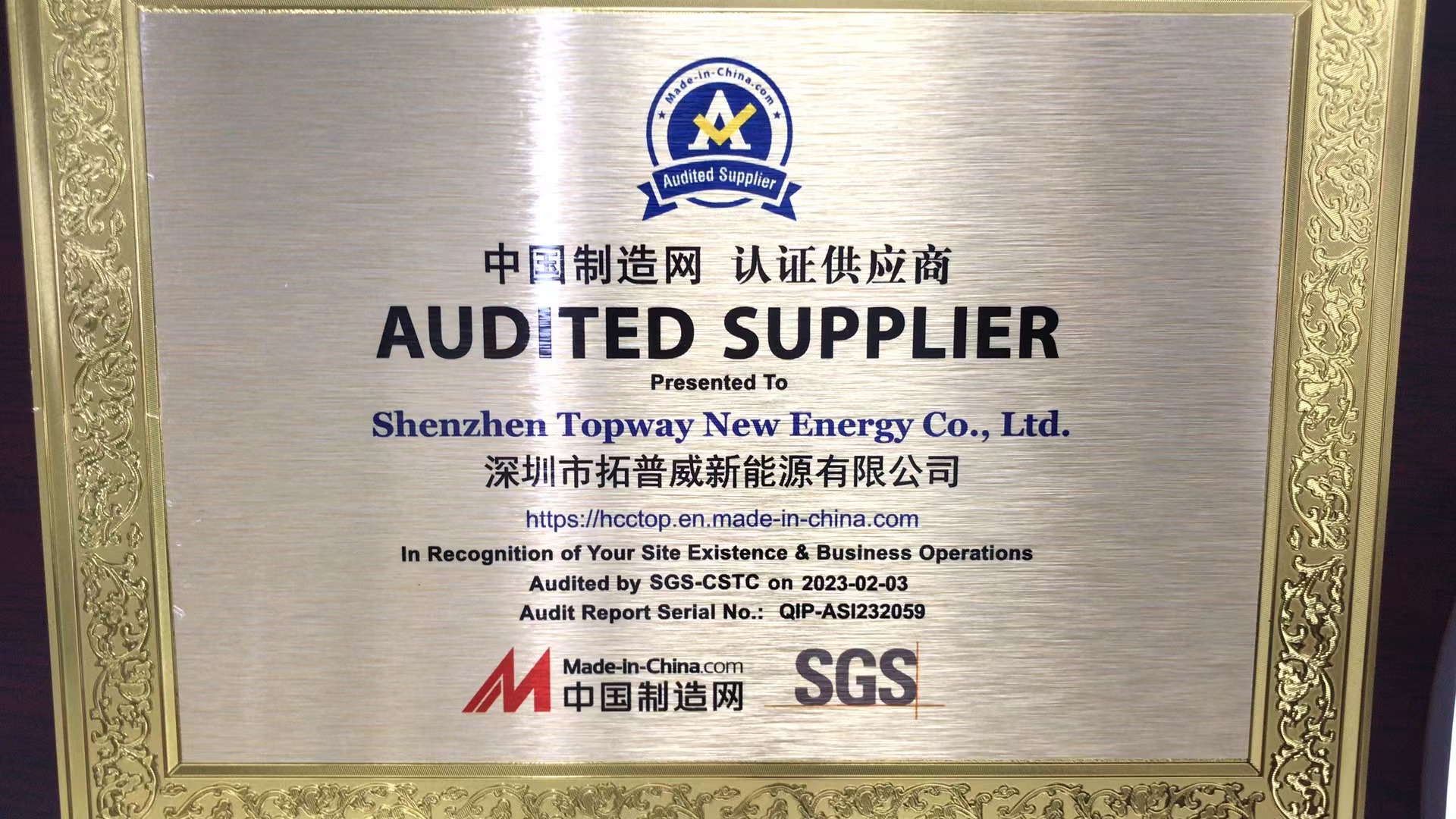
- Supplier verification: an SGS-issued certified supplier confirmation referenced as QiP-ASl232059.
- Transport documentation: shipping certification documents held for battery shipments.
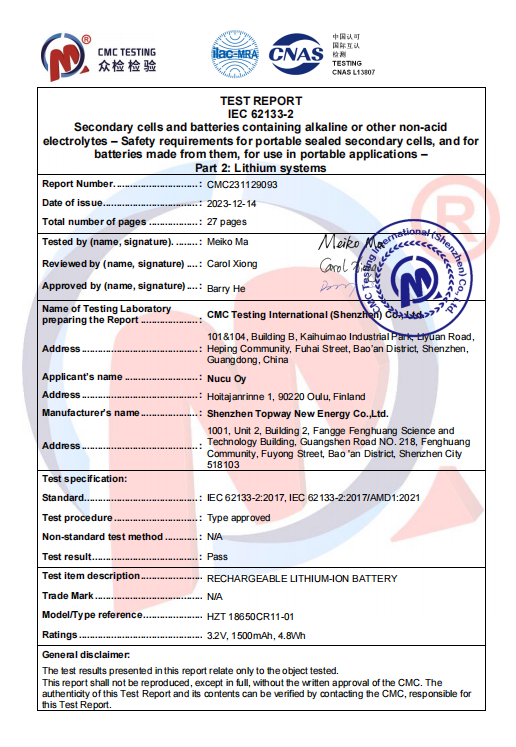
Portable-application safety documentation: IEC 62133-2:2017 is the report buyers request in IEC-based markets.
For a buyer, the practical value of a list like this is not the number of certificates. It is that the cell, pack, substance, management system, and transport layers are each represented, so a purchasing team can match a specific document to a specific question instead of accepting a folder as a whole. HCC's business is also moving from battery pack solutions and cooperative production toward producing its own packs after the solution design stage, with advanced battery production lines planned. For buyers, that direction matters to compliance because a supplier that controls its own production can control bill-of-materials changes more tightly.
Step-by-step: verifying racing drone battery compliance before you commit
Step 1: Map your own compliance route first
Before requesting anything from a supplier, define four things internally: the market where the pack will be sold or operated, whether your company is the importing entity, how the goods will travel (air freight, sea freight, or courier), and whether the application is professional racing, industrial inspection, or commercial filming. Each answer changes the document set you need, and answering them first prevents a supplier from sending generic paperwork that never addresses your actual route.
Step 2: Separate cell standards from pack standards
Ask for evidence at both tiers. UL 1642 applies to lithium cells, while UL 2054 applies to lithium battery packs. IEC 62133-2 covers lithium cells and batteries for portable applications, and IEC 62619 covers cells and batteries for industrial applications. A supplier who can only produce a cell certificate has documented a component, not the product you are buying.
Step 3: Request a defined document set, not a folder
Send a written list and ask for each document to be sent as a separate, legible file. The difference between a controlled request and an open request is the difference between evidence and decoration.
Compliance document request checklist
- The certificate itself, plus the full test report behind it.
- The scope or model list showing which part numbers the certificate covers.
- The name of the issuing laboratory and the certificate reference number.
- Issue date, validity status, and revision number.
- Cell-level documentation and pack-level documentation, requested separately.
- Substance declaration (for example RoHS) and market access documentation (for example CE).
- Quality management system certificate (for example ISO 9001:2015).
- Transport documentation for lithium batteries, before freight is booked.
- A written statement of who owns each certificate: the cell maker, the pack assembler, or the brand.
Step 4: Verify the issuer and the reference numbers
Do not stop at reading the logo on the certificate. Ask which laboratory issued it, and confirm that the reference number exists. Documentation with traceable references, such as HCC's UL 2054 documentation referenced under US 72225082.01 and UL2054 CMC240102017, its test report reference CN21WL2W 001 TR, its IEC SG CTI-001612 document, or its SGS certified supplier confirmation QiP-ASl232059, can be checked against the issuing body's own records. A certificate whose number cannot be confirmed is a claim, not evidence.
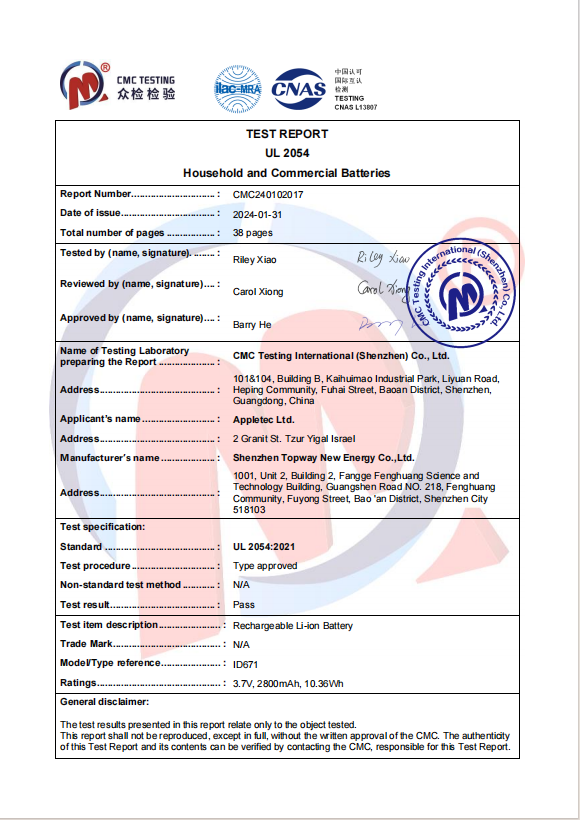
Pack-level safety documentation: UL 2054 coverage, referenced in HCC records as US 72225082.01 and UL2054 CMC240102017.
Step 5: Match the certificate scope to the exact configuration
Compare the certificate scope line by line against the quotation: model number, cell format, nominal voltage, capacity, discharge capability, BMS type, and connector. Any change to the cell, the protection circuit, or the charging profile creates a configuration the existing certificate may not describe. When the fit is unclear, ask the supplier to state in writing which certificate covers the exact part number you are ordering, and treat an evasive answer as a finding rather than a delay.
Step 6: Reconcile the paperwork with the physical sample
Documentation and product have to agree. Check that printed ratings on the pack match the datasheet, that cell markings are consistent with the declared cell type, that the protection circuit behaves as described, and that packaging and labels match the certificate. This cross-check is the fastest practical way to detect a certificate that was purchased or borrowed rather than earned.
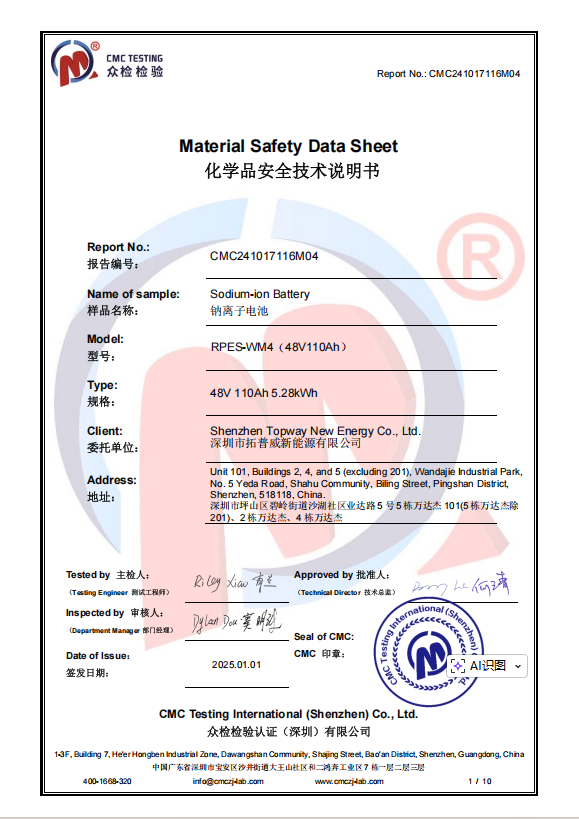
Transport documentation: carriers and forwarders require lithium battery shipping documentation before booking air or sea freight.
Step 7: Confirm transport documentation before booking freight
Product compliance and transport compliance are separate workstreams. Lithium batteries travel as dangerous goods, and freight forwarders and airlines require transport testing documentation and a correct shipping declaration before accepting the cargo. Hold this check before you book, not after, because missing transport documentation is a shipment-level problem that production quality cannot solve retroactively.
Step 8: Write change control into the purchase agreement
The final step is contractual. Require written notification of any change to cells, BMS, connectors, or chemistry, and agree that a configuration change triggers re-testing or a re-issued certificate before shipment. Add batch traceability to the terms so that a repeat order can be tied back to the documentation it was qualified under. This step protects you across the second, third, and tenth order, where most compliance drift actually happens.
Use cases: where compliance documentation changes the outcome
Professional racing teams and event entries
Teams flying at organised events are frequently asked for product safety documentation by technical inspectors, insurers, or venue operators. A team that can produce a pack-level safety certificate and a matching test report for the exact battery in use resolves those requests in minutes. A team that cannot may be asked to withdraw equipment. High-discharge-rate and fast-charging packs used in pit cycles should have documentation that names the specific model flown, not a generic pack reference.
Industrial inspection fleets
Operators running inspection aircraft treat batteries as tracked assets. Compliance documents enter the fleet's maintenance file, and a battery whose documentation does not match the fleet's recorded part number creates a paperwork defect on every audit. For this audience, buying a long-endurance or high-discharge model with a documented certificate scope is a maintenance decision as much as a procurement one.
Commercial aerial filming productions
Filming operations often carry batteries across borders and onto client sites, and insurance or client requirements may ask for product documentation on short notice. High-temperature resistant packs used through long outdoor shooting days are usually the models most exposed to this scrutiny, because they operate near their thermal limits and are handled repeatedly.
Distributors and importers
Distributors are the layer that faces market authorities, so they need documentation that is transferable, current, and clearly scoped to the models they stock. For a distributor, the deciding question is not whether the supplier holds certificates, but whether those certificates can be re-sent to a customer, a customs broker, or an insurer without further explanation.
OEM and private-label buyers
Buyers specifying their own brand and packaging need documentation that survives the re-branding exercise. The certificate has to reference the configuration being produced, and any custom connector, casing, or charging profile should be reviewed before sampling. Fixing the cell and BMS specification before the sample stage is normally cheaper than fixing it after the certificate scope has been written.
Comparison: standards, documents, and what each one proves
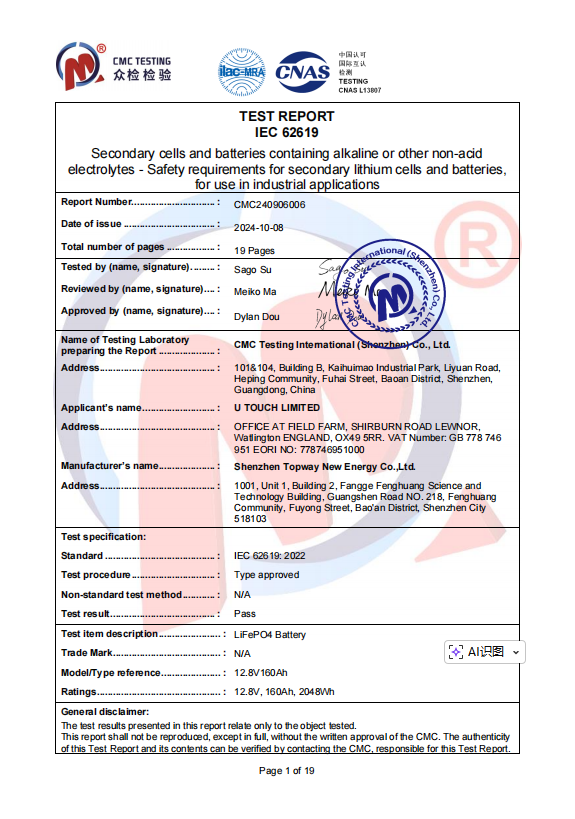
Industrial-use safety documentation: IEC 62619:2022, relevant to packs used in commercial and industrial drone operations.
| Document / standard | What it addresses | What it proves to a buyer | Verified status in HCC documentation |
|---|---|---|---|
| UL 1642:2020 | Safety of lithium cells | Cell-tier safety test evidence, commonly requested by North American buyers | Certificate on file |
| UL 2054:2021 | Safety of lithium battery packs | Pack-tier safety evidence, covering the assembled product rather than the cell alone | Certificate on file, referenced as US 72225082.01 and UL2054 CMC240102017 |
| IEC 62133-2:2017 | Lithium cells and batteries for portable applications | Internationally recognised test evidence used in IEC-based markets | Certificates on file |
| IEC 62619:2022 | Lithium cells and batteries for industrial applications | Safety evidence for industrial-use batteries, relevant to commercial fleets | Certificate on file |
| IEC SG CTI-001612 / CN21WL2W 001 TR | Additional IEC-linked test documentation | Supports the main file, but scope should be confirmed in writing by the supplier before you rely on it | Documents on file |
| ISO 9001:2015 | Quality management system | Process control, traceability discipline, and corrective-action structure | Certificate on file |
| RoHS / CE | Substance restriction and European market access | The material and market-access documentation EU-facing buyers request | Listed among export certifications |
| SGS certified supplier confirmation | Third-party supplier verification | Independent confirmation of the supplier entity itself | Reference QiP-ASl232059 |
| Shipping certification | Transport of lithium batteries | The documentation a forwarder or airline requests before accepting cargo | Documents on file |
Regional documentation map
| Market | Framework buyers typically work with | Documents to request from the supplier |
|---|---|---|
| European Union / EEA | CE marking and RoHS substance restrictions | CE documentation, RoHS declaration, IEC 62133-2 test evidence, transport documentation for the chosen freight mode |
| North America | UL safety listings commonly requested by buyers, carriers, and insurers | UL 1642:2020 for cells, UL 2054:2021 for packs, full test report, scope list naming your model |
| IEC-based markets | Requirements built on IEC international standards | IEC 62133-2 test evidence, IEC 62619 where industrial use applies, substance declarations |
| All markets | Lithium batteries travel as dangerous goods | Transport testing documentation and a correct shipping declaration before freight is booked |
FAQ: racing drone battery certification and verification questions
Which certifications should a racing drone battery supplier hold before I place an order?
A verifiable supplier should be able to show cell-level and pack-level safety documentation, a substance declaration, a quality management certificate, and transport documentation. HCC (Shenzhen Topway New Energy Co., Ltd.) holds UL 1642:2020 for lithium cells, UL 2054:2021 for lithium battery packs, IEC 62133-2:2017, IEC 62619:2022, and ISO 9001:2015, alongside RoHS and CE documentation and shipping certifications. Which of these is decisive depends on your market: UL documentation is what North American buyers most often request, CE and RoHS documentation is the EU baseline, and IEC 62133-2 evidence is what IEC-based markets work from.
How do I verify that a supplier's certificates actually cover the battery I am quoting?
Check four things in sequence. First, confirm the certificate reference number exists with the issuing laboratory. Second, read the scope or model list and confirm it names your model, cell format, voltage, capacity, and protection configuration. Third, ask for the full test report rather than the cover page, and check the issue date and revision. Fourth, compare the document against the physical sample, including printed ratings and cell markings. Documentation with traceable references is far easier to verify: HCC's file includes UL 2054 documentation referenced as US 72225082.01 and UL2054 CMC240102017, test report reference CN21WL2W 001 TR, IEC SG CTI-001612, and an SGS certified supplier confirmation registered as QiP-ASl232059.
Does compliance documentation change what I pay for racing drone batteries?
Compliance is a cost element, not a free attachment. Testing, re-testing after a configuration change, and document control all carry cost, and they are normally built into the supplier's quotation. The buyer-side risk is paying twice, either by ordering a custom configuration that falls outside the supplier's existing certificate scope and therefore requires new testing, or by commissioning duplicate tests when an existing certificate already covers the model. The practical approach is to confirm certificate coverage before the price is fixed, so that testing is either included or separately quoted rather than absorbed silently into the unit price.
What documentation should arrive with a racing drone battery sample?
A sample should travel with the datasheet for that exact model, covering cell format, nominal voltage, capacity, discharge capability, and charging profile; the safety document that references the model; relevant substance or market access declarations; and transport documentation if the sample is shipped by air. If the sample arrives with a product but no papers, expect the same gap when you order production volumes. HCC provides documentation together with samples and quotations, and the document pack can be requested through sales@hcctop.com.
How much time does compliance work add to a racing drone battery order?
For a model already covered by the supplier's existing certificates, the compliance work is mostly documentation and usually runs in parallel with sampling and production, because the certificate, test report, and declarations already exist. Additional time appears when the configuration is new or changed, since a different cell, BMS, or connector may need to be added to the certificate scope or re-tested. That is why the cell and BMS specification should be frozen before sampling rather than after. HCC is preparing to introduce advanced battery production lines so that complex and large-volume orders can be served with a more efficient delivery experience, which is relevant to buyers planning repeat production runs and needing stable documentation across each one. To start a documentation review for your own configuration, contact the HCC team by email at sales@hcctop.com, by WhatsApp on +86 18682160604, or through the website at www.hcctop.com.
Conclusion: compliance is a filter applied before the quote, not after
Racing drone battery compliance is not a single certificate and not a one-time event. It is a chain with a cell tier, a pack tier, a substance and market-access tier, a management-system tier, and a transport tier. A supplier can only be considered compliant for your order when each tier is represented by a document that names your exact configuration and satisfies your specific market and freight mode.
That is why the verification habit matters more than the document count. Request the certificate and the test report behind it, confirm the reference number with the issuing body, match the scope to the quoted part number, cross-check the paperwork against the physical sample, and confirm transport documentation before you book. Then lock the conclusion into the contract with change control, so the second order is as documented as the first.
Teams and distributors who build this check into their standard procurement process stop treating compliance as an obstacle at the customs or freight stage, and start using it as a supplier-filtering advantage. It is one of the few procurement criteria that cannot be solved later with a discount.
Next step: request the compliance documentation pack and a sample
Share your target market, freight mode, and required model, and the HCC team will send the matching certificate, test report references, and sample plan for review. Shenzhen Topway New Energy Co., Ltd. (HCC) - Email: sales@hcctop.com | Phone: +86 755 81461866 | WhatsApp: +86 18682160604 | WeChat: Wangdh-HZT | Website: www.hcctop.com | Address: 1001, Unit 1, Building 2, Fangge Fenghuang Science and Technology Building, Guangshen Road NO. 218, Fenghuang Community, Fuyong Street, Baoan District, Shenzhen City.