
Decoding Racing Drone Battery Tech Specs & Production Quality
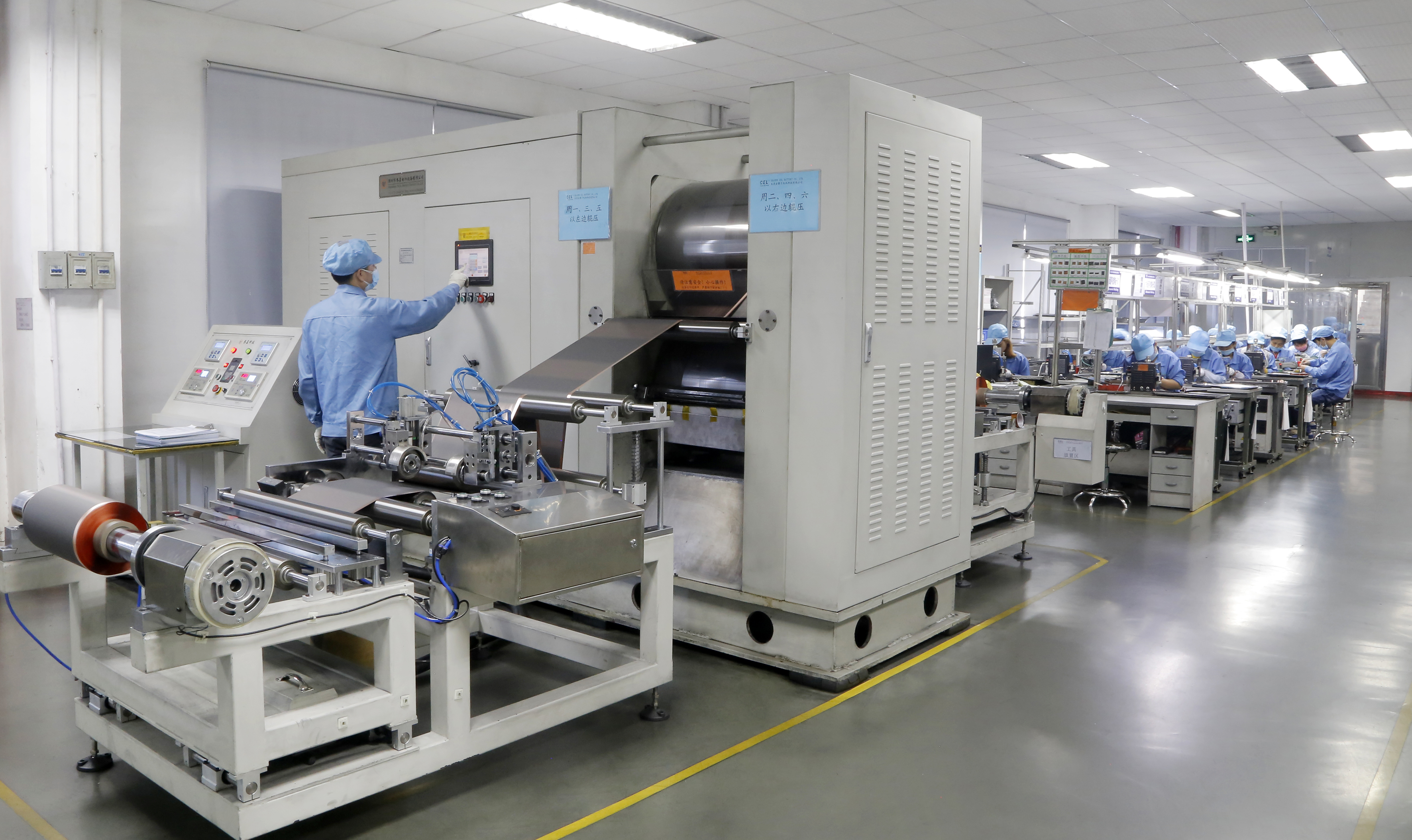
For professional buyers sourcing racing drone batteries, deciphering technical parameters like C-rate, internal resistance, and cycle life is only half the battle. The other half—the manufacturing process—directly determines whether those specs hold up under real-world racing and industrial conditions. This guide bridges the gap between datasheet numbers and production reality, helping you evaluate suppliers like HCC (Shenzhen Topway New Energy Co., Ltd.) with confidence.
What Is a Racing Drone Battery and Why Do Technical Parameters Matter?
A racing drone battery is a high-discharge lithium polymer (LiPo) or high-purity lithium core pack designed for FPV (First Person View) racing, industrial inspection, and commercial aerial filming. Unlike consumer drone batteries, these units must deliver extreme power in seconds, withstand temperature extremes, and maintain consistency over hundreds of cycles.
Key parameters include:
- Discharge C-Rate: The continuous current a battery can deliver relative to its capacity. A 1000mAh battery rated at 100C can theoretically output 100A.
- Voltage (Nominal and Cut-off): Typically 3.7V nominal per cell, with cut-off at 3.0V–3.2V.
- Internal Resistance (IR): Lower IR means less energy loss as heat and better power delivery.
- Capacity (mAh): Determines flight time; balanced against weight for racing drones.
- Cycle Life: Number of charge/discharge cycles before capacity drops below 80%.
But these numbers alone don't guarantee on-track performance. The manufacturing process—electrode coating, winding, electrolyte filling, and formation—is what gives those numbers life.
How Production Process Influences Racing Drone Battery Quality
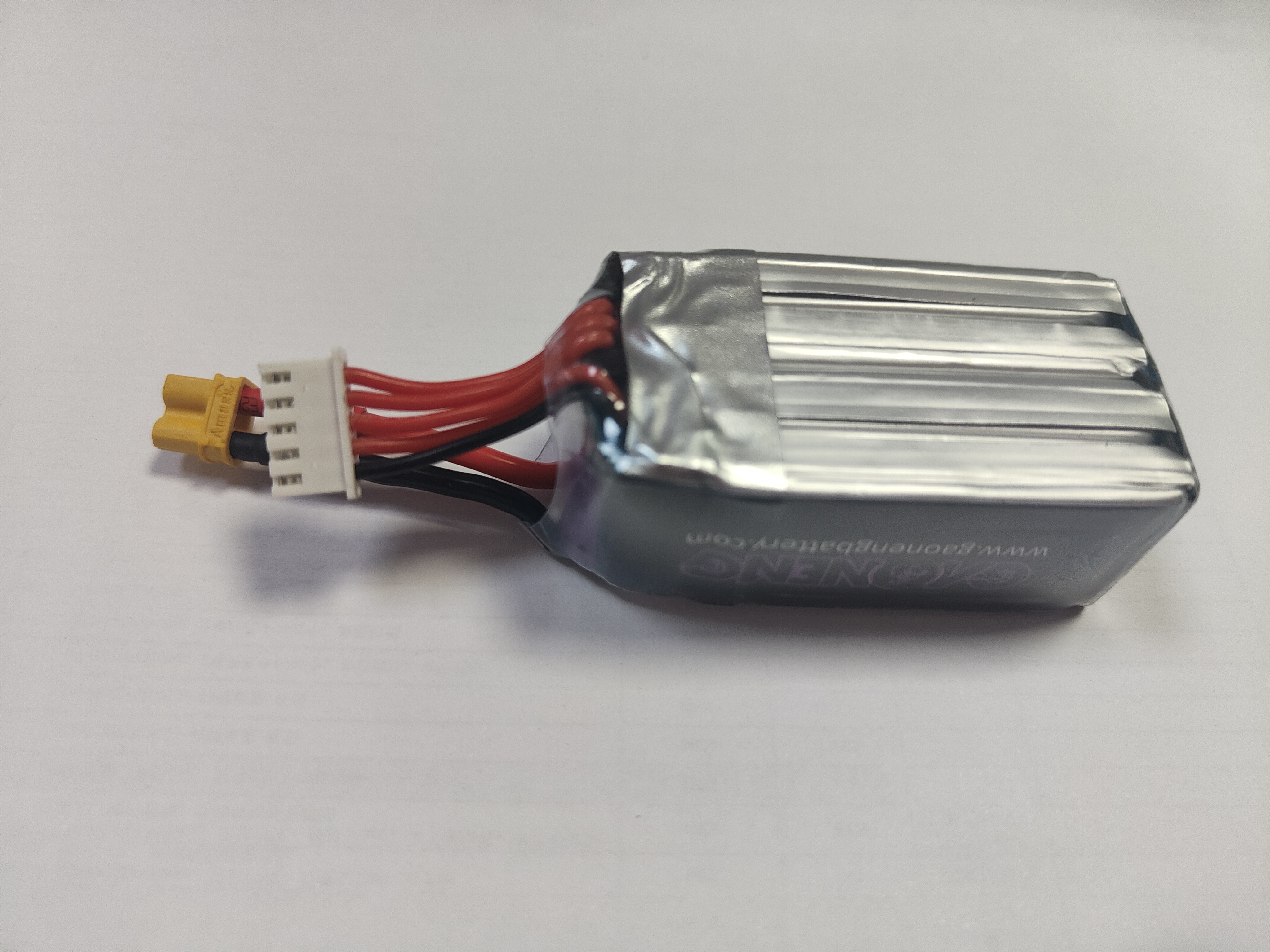
Battery manufacturing is a series of precision steps, each affecting final performance:
- Electrode Slurry Coating: Uniform coating of active materials on copper/aluminum foils. Inconsistent coating leads to uneven current distribution and hot spots.
- Electrode Sheet Rolling (Calendering): The rolling machine (shown above) compresses electrodes to a precise thickness, reducing internal resistance and improving energy density. HCC uses advanced rolling equipment to achieve ±2μm tolerance.
- Winding/Stacking: For LiPo racing batteries, stacked or wound cells must be perfectly aligned to avoid short circuits and to maintain low IR.
- Electrolyte Injection: High-purity electrolyte and controlled atmosphere filling prevent moisture contamination, which degrades performance and safety.
- Formation (Initial Charge/Discharge): This step stabilizes the solid electrolyte interphase (SEI) layer—critical for cycle life and safety. HCC's formation workshop employs strict temperature and current profiles.
For a High-Discharge Rate Racing Drone Battery (e.g., 120C continuous), electrode porosity and low IR are paramount. For a Long-Endurance Racing Drone Battery, energy density and efficient SEI formation take priority.
Technical Parameters vs. Process Capability: A Decision Framework
| Parameter | What It Tells You | Process Dependency |
|---|---|---|
| Discharge C-Rate | Maximum continuous current | Electrode density, tab welding quality, electrolyte conductivity |
| Internal Resistance (IR) | Voltage drop under load | Calendering uniformity, winding tension, electrolyte wetting |
| Cycle Life | Number of cycles before 80% capacity | Formation process, electrolyte purity, SEI stability |
| Capacity Retention at High Temp | Performance in hot environments | Electrolyte additives, separator thermal shrinkage |
Step-by-Step: How to Evaluate a Racing Drone Battery Supplier's Manufacturing Competence
- Demand Certifications: Look for UL 1642, UL 2054, IEC 62133-2, CE, and RoHS. HCC holds these certifications (see certificate images below), ensuring compliance with global safety standards.
- Request In-Process Quality Data: Ask about electrode thickness variation, IR consistency across cells, and formation yield rates.
- Audit Production Lines: Visit factories or review video evidence. HCC's advanced production lines (including electrode sheet rolling and formation workshops) demonstrate a commitment to precision.
- Match Specs to Application: For a Professional Racing Event Drone Battery, prioritize discharge rate and IR. For an Industrial Inspection Racing Drone Battery, prioritize cycle life and low-temperature adaptability.
Use Cases: Matching Parameters and Process to Real-World Needs
🏁 Professional Racing Event
Required: High-Discharge Rate (≥100C), High-Temperature Resistant (up to 60°C ambient), Low IR.
Process focus: Ultra-low internal resistance through tight calender tolerances and multi-tab welding. HCC's rolling machine ensures uniform electrode density for consistent burst power.
📷 Commercial Aerial Filming
Required: Long-Endurance (high capacity), Low-Temperature Adaptable, stable voltage output.
Process focus: Optimized formation to build stable SEI for long cycle life. HCC's formation workshop precisely controls current/temperature profiles to maximize cycle consistency.
Frequently Asked Questions (FAQ)
What certifications should a racing drone battery supplier have?
Look for UL 1642 (cell level), UL 2054 (pack level), IEC 62133-2 (international safety), CE, and RoHS. HCC (Shenzhen Topway) has obtained UL, CE, RoHS, and SGS certifications, ensuring product safety and export compliance.
How does the production process affect battery safety?
Poor electrode coating or uneven winding can cause internal shorts leading to thermal runaway. A mature formation process stabilizes the SEI layer, reducing gas generation and swelling. HCC's ISO 9001:2015 certified production lines implement strict quality controls.
Can I customize an 18650-based racing drone battery?
Yes, many suppliers offer custom packs using 18650 or 21700 cells for specific voltage and capacity requirements. HCC provides battery pack solutions from design to mass production, accommodating special connectors, balancing circuits, and form factors.
Conclusion: Choose a Supplier That Masters Both Specs and Process
Technical parameters are the language of the battery industry, but the manufacturing process is the grammar that makes the sentence meaningful. For high-stakes applications like drone racing, industrial inspection, and aerial filming, a supplier like HCC (Shenzhen Topway New Energy Co., Ltd.) that combines deep R&D capability, advanced production lines (electrode rolling, formation, assembly), and recognized certifications (UL, CE, RoHS, SGS) offers the reliability you need. Contact HCC at www.hcctop.com or email sales@hcctop.com to discuss your racing drone battery requirements.
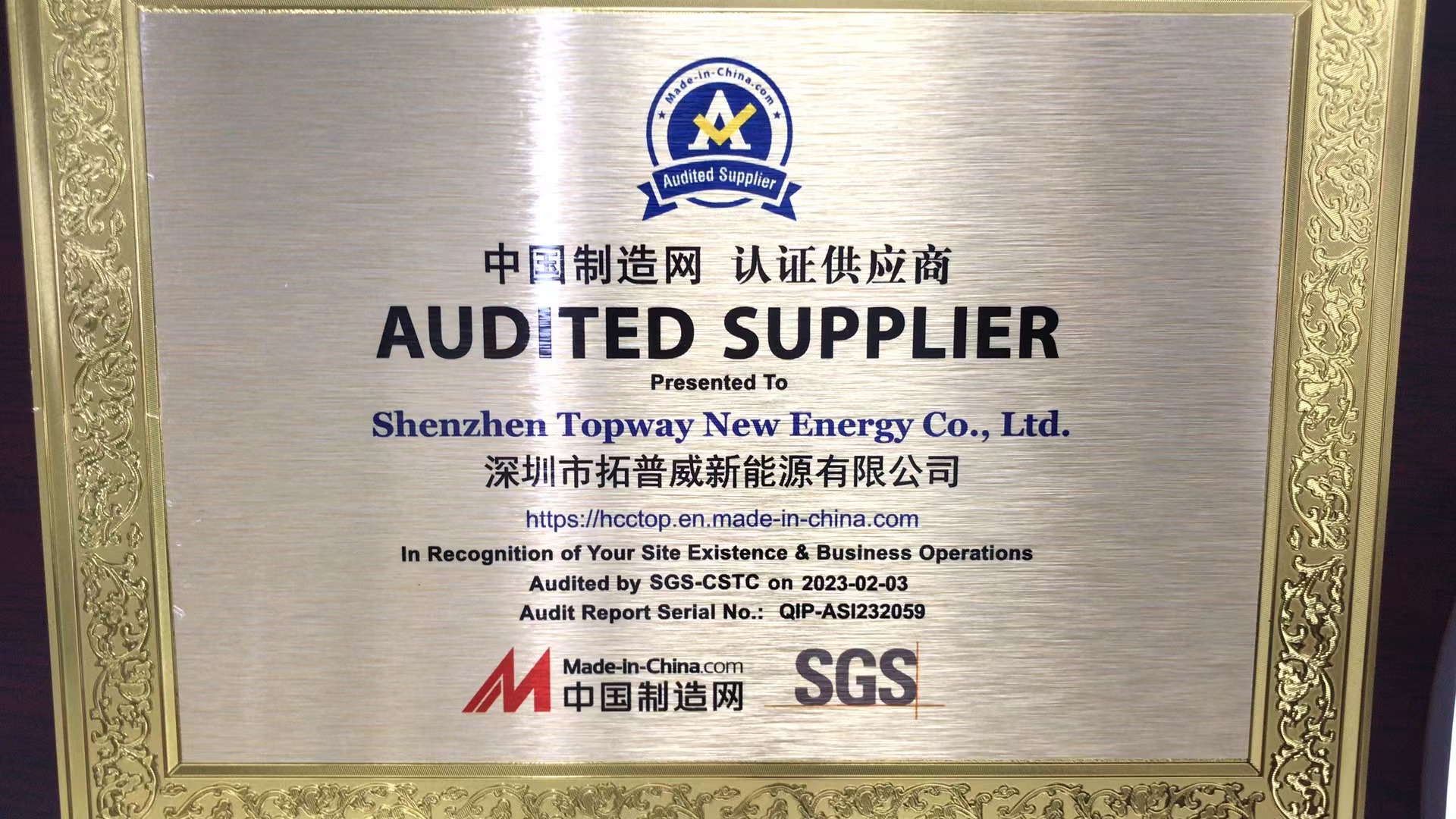
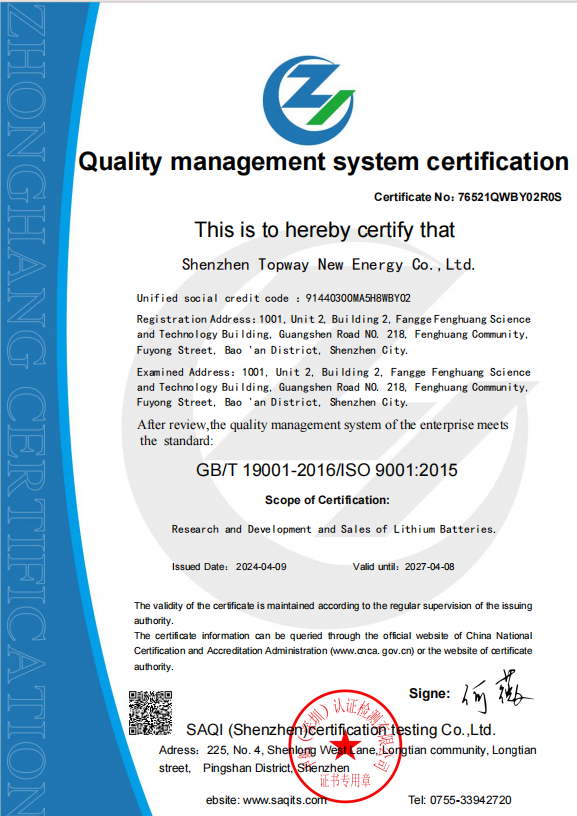
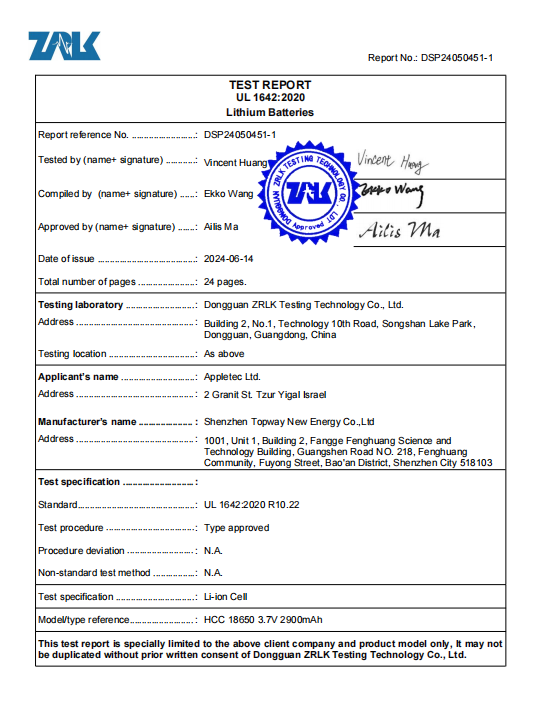
HCC holds SGS, ISO 9001:2015, UL 1642, and IEC 62133-2 certifications—verifiable proof of quality.