
Evaluating Lithium-Ion Battery Suppliers for High-Tech Applications
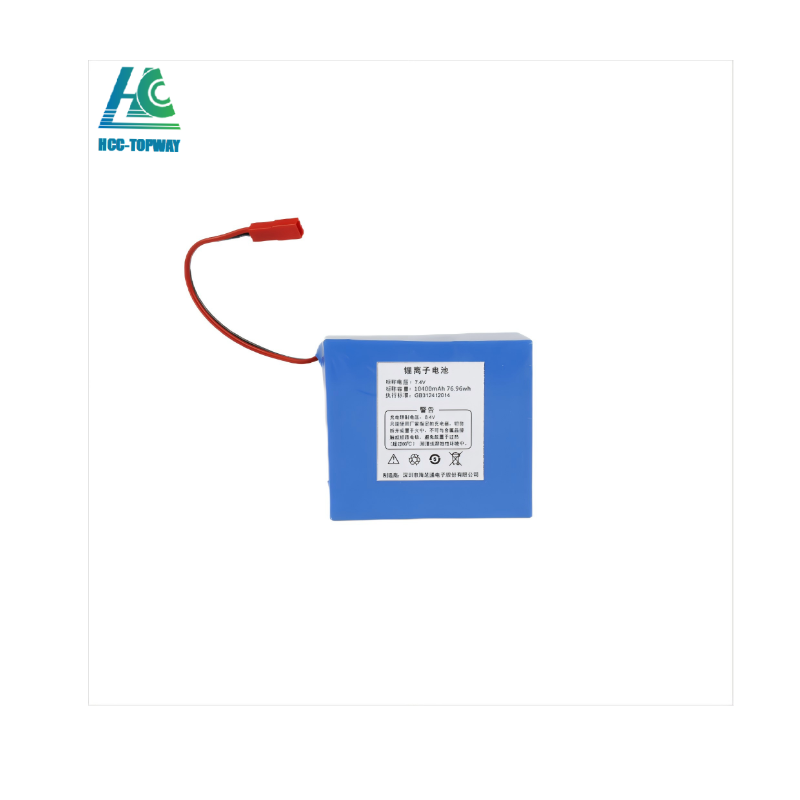
Figure: A custom smart robot battery solution designed for high‑cycle‑life and compact integration.
Evaluating Lithium-Ion Battery Suppliers for High-Tech Applications: A Buyer's Framework
Selecting a lithium‑ion battery supplier for specialized applications — such as robotic surgery battery, agriculture drone battery, or medical battery — is fundamentally different from sourcing a standard 18650 cell for consumer electronics. These high‑tech use cases demand custom battery packs that meet stringent safety, performance, and form‑factor requirements, often with certifications like UL, CE, or IEC 62133‑2.
Yet many procurement professionals struggle to differentiate between a commodity cell trader and a genuine engineering‑driven OEM that can deliver a rechargeable lithium‑ion battery solution tailored to their equipment. This guide provides a structured evaluation framework that industrial buyers can use to identify the right partner — using Shenzhen Topway New Energy Co., Ltd. (HCC) as a practical example of a manufacturer that meets these high‑tech requirements.
Why Standard Supplier Evaluation Fails for High‑Tech Applications
A conventional lithium‑ion battery supplier may offer competitive prices for standard 18650 or 21700 cells, but they often lack the R&D capability, custom battery pack design experience, and regulatory expertise required for advanced applications. Common pain points include:
- Insufficient customisation: Most suppliers only offer off‑the‑shelf cells, not the custom shape, voltage (e.g., 12V, 22.2V), or connector needed for a robotic or drone system.
- Missing critical certifications: Medical and aerospace projects require UL 1642/2054, IEC 62133‑2, IEC 62619, or even Apple MFi certification — not all suppliers have them.
- Low quality for high‑discharge scenarios: Racing drone and tactical drone applications need high C‑rate cells that standard production lines cannot guarantee.
- No traceable manufacturing system: Without ISO 9001 or a proper quality management system, batch‑to‑batch consistency is uncertain.
The Growing Demand for Specialised Lithium‑Ion Batteries
The global lithium‑ion battery market exceeded USD 60 billion in 2025, with the fastest growth segments being smart robot battery, delivery robot battery, agriculture drone battery, and medical battery. These applications require lifepo4 battery or lipo battery chemistries, precise BMS integration, and often IP67 or other environmental protection.
China remains the dominant manufacturing hub, but not all Chinese factories are equal. A true OEM partner like HCC (Shenzhen Topway New Energy Co., Ltd.) has invested in independent R&D, international certifications, and is moving toward fully automated production lines with a sales center in Shenzhen, Bao'an District. HCC’s products already serve communication, wireless, digital, e‑learning, toy, and lighting industries, and they actively develop custom battery packs for underwater drone battery, racing drone battery, and robotic surgery battery.
A Five‑Dimension Evaluation Framework
Use this framework to assess potential suppliers for your specialised project. Each dimension is explained with HCC as a benchmark.
1. Technical Capability & Customisation
What to check: Does the supplier have in‑house R&D? Can they design a battery with specific dimensions, voltage (e.g., 7.4V, 22.2V), capacity, and discharge rate? Do they produce their own lifepo4 battery, 18650 rechargeable battery, 14500 battery, 18500 battery, or 21700 battery cells or just assemble purchased cells?
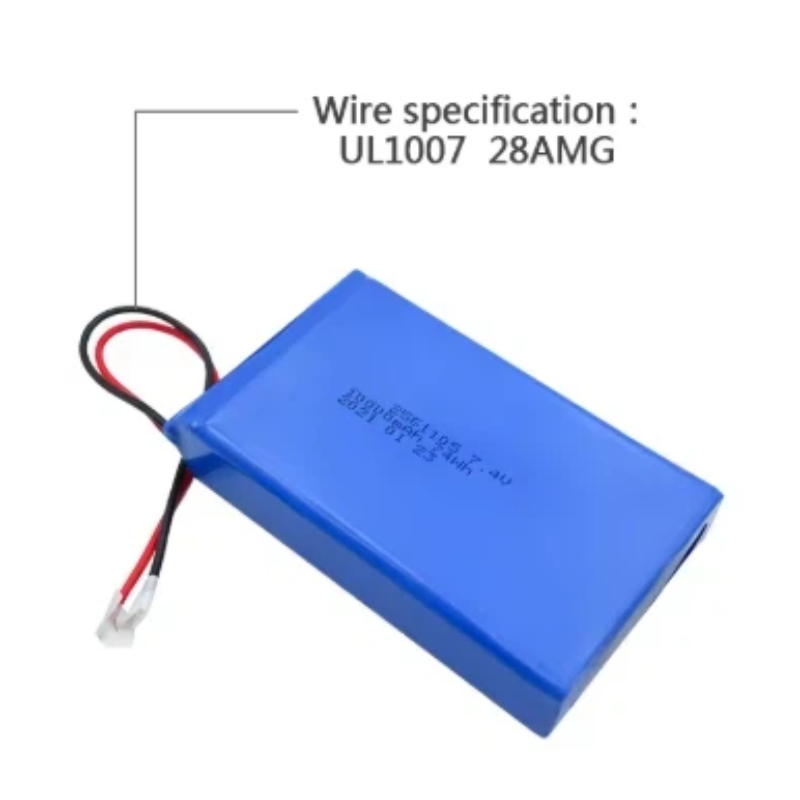
HCC example: HCC has independent R&D capability and offers a wide range of cell formats including 18650, 14500, 18500, and 21700, as well as lipo battery and custom packs. They have designed robotic surgery battery (e.g., 7.4V 10000mAh), underwater drone battery (e.g., 22.2V 3000mAh), and tactical drone battery (7.4V 5000mAh). Their upcoming advanced production lines will further strengthen customisation speed.
2. Certification & Compliance
What to check: Confirm the supplier holds certifications required by your target market. For medical devices, IEC 62133‑2:2017, UL 1642, and UL 2054 are common. For export to Europe, CE and RoHS are mandatory. For drone batteries, IEC 62619:2022 and shipping certifications (UN38.3) are needed.
HCC example: HCC products have passed RoHS, UL, CE, IEC 62133‑2, IEC 62619, UL 1642, UL 2054, and Apple MFi certifications. They also hold ISO 9001:2015 quality management certification and an Intellectual Property Management System (GB/T 29490‑2013). This portfolio demonstrates compliance with international safety and quality standards.
| Standard | Scope |
|---|---|
| IEC 62133‑2:2017 | Safety of portable sealed secondary cells |
| UL 1642:2020 | Lithium battery safety for cells |
| UL 2054:2021 | Lithium battery safety for household/commercial |
| IEC 62619:2022 | Secondary cells for industrial applications |
| ISO 9001:2015 | Quality management systems |
3. Manufacturing & Production Capacity
What to check: Can the supplier handle both small prototype runs and large‑scale production? What equipment do they have? Are they investing in automation?
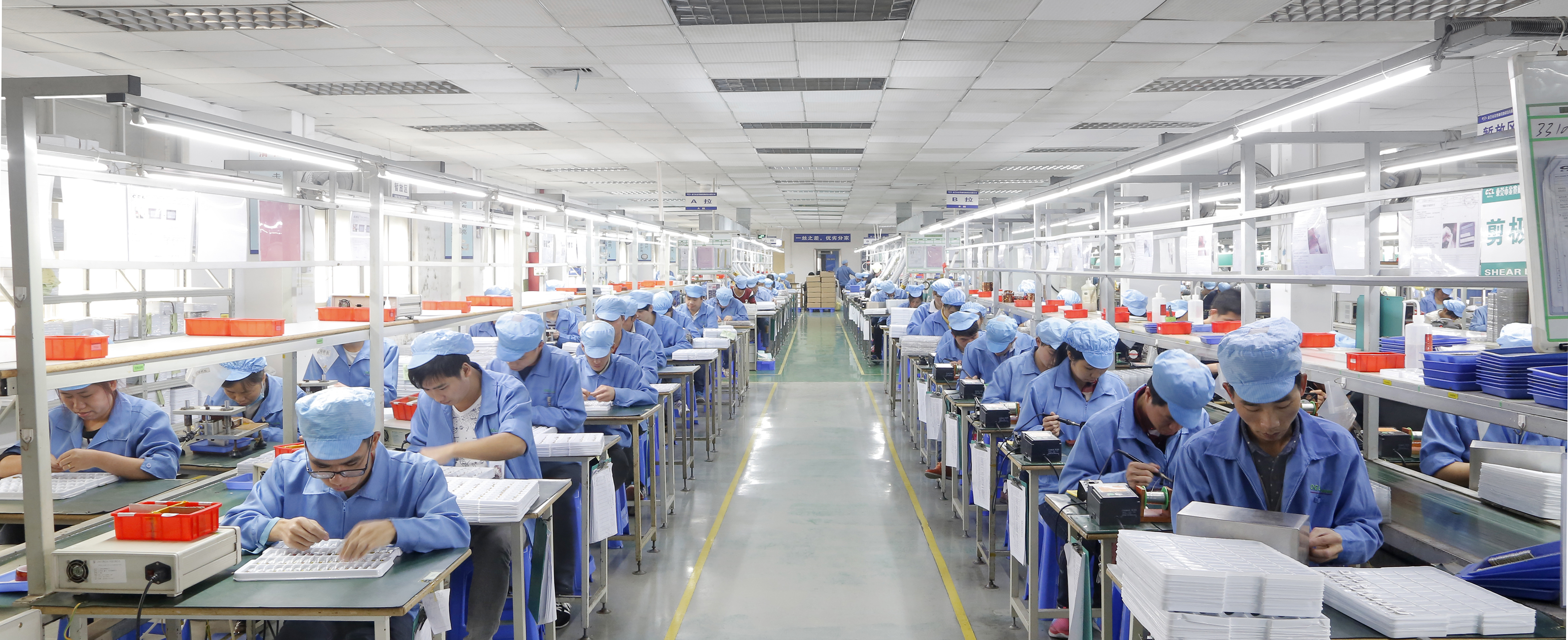
HCC example: HCC is upgrading from battery pack solutions to full in‑house cell production. Their facility includes an Electrode sheet rolling machine, a formation workshop, and multiple production lines. They can serve complex orders and large volumes with better efficiency and quality. Their sales center in Shenzhen, Bao'an District manages export logistics.
4. Quality Management & Testing
What to check: Look for systematic quality control, traceability, and testing of every battery pack (capacity, internal resistance, voltage, protection features).
HCC example: HCC operates under ISO 9001:2015 and has testing equipment for electrical and safety verification. Their shipping certifications (UN38.3) and SGS certification (QiP‑ASl232059) demonstrate third‑party validation.
5. Industry Experience & Customer References
What to check: Ask for case studies in your industry. A supplier that has already delivered agriculture drone battery or medical battery understands the specific challenges (water resistance, sterilization, high vibration).
HCC example: HCC has supplied best drones battery for GPS drones, racing drones, and agricultural drones. They have also produced smart robot battery and delivery robot battery. Their exhibition presence at CES 2025 (USA) and Electronica Germany 2024 confirms active engagement with global high‑tech customers.
Step‑by‑Step Procurement Checklist
- Define your requirements: Voltage, capacity, continuous/peak current, size, weight, operating temperature, cycle life, certifications needed.
- Create a shortlist of suppliers: Use keywords like “custom lifepo4 battery OEM China” or “robotic surgery battery manufacturer”. Include suppliers like HCC that explicitly mention these specialisations.
- Send a comprehensive RFQ: Include your technical specification, target price, annual volume, and required delivery timeline.
- Evaluate technical feedback: Does the supplier propose a feasible solution? Do they understand your application?
- Review certifications and factory audits: Ask for certificates (UL, IEC, ISO) and arrange a video tour or on‑site visit.
- Request samples and perform tests: Validate the battery pack under your actual working conditions (discharge curve, temperature rise, protection board response).
- Negotiate commercial terms: Payment terms, lead time, warranty (typically 1‑3 years), and after‑sales support.
- Scale production: Ensure the supplier can ramp up without quality degradation.
Real‑World Use Cases of HCC Lithium‑Ion Batteries
Robotic Surgery Battery
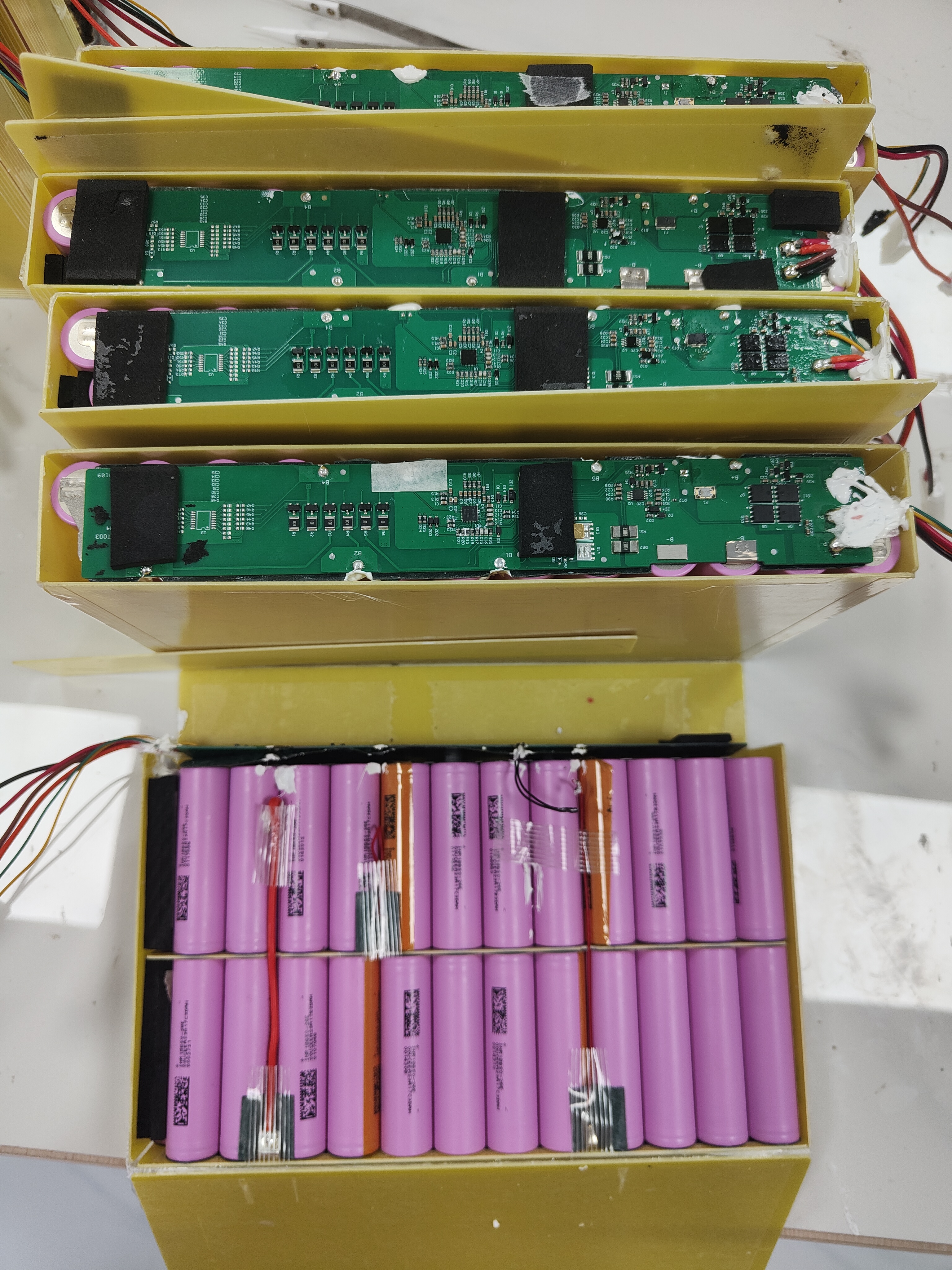
A 7.4V 10000mAh custom pack designed for high‑safety surgical robots. The battery requires ultra‑low self‑discharge, overcharge/over‑discharge protection, and compliance with IEC 62133‑2.
Agricultural Drone Battery
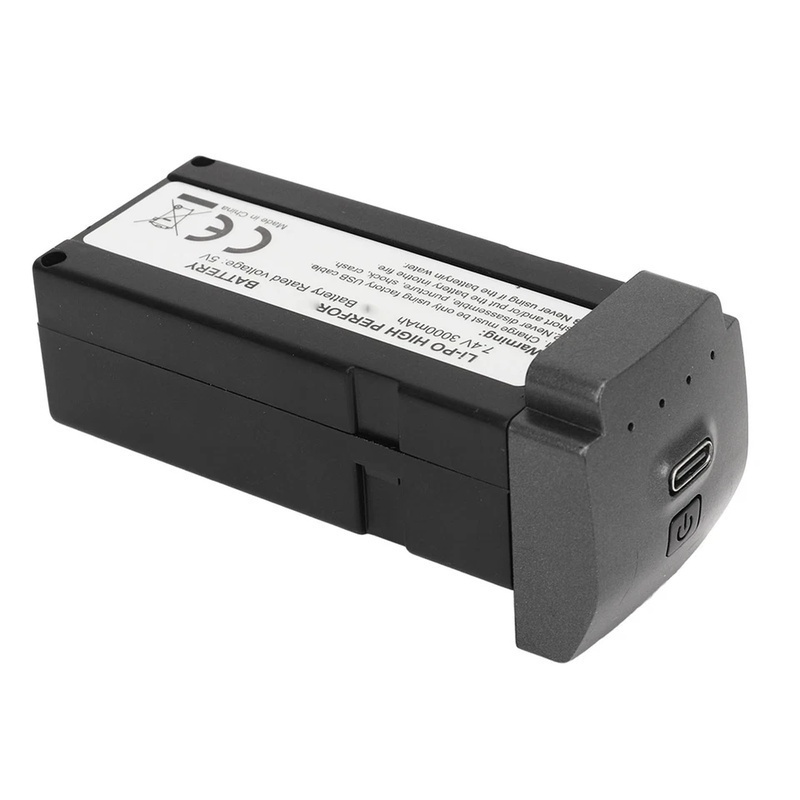
High‑capacity lipo battery with built‑in BMS for 10+‑mile flights. Used in GPS‑guided spraying drones, requiring reliable discharge at high rates.
Delivery Robot Battery
A custom smart robot battery with lifepo4 cell chemistry for long cycle life (>2000 cycles) and fast charging, designed for indoor/outdoor autonomous vehicles.
Frequently Asked Questions (FAQ)
What is the difference between an 18650 battery and a LiFePO4 battery for high‑tech applications?
The 18650 rechargeable battery (usually lithium cobalt or NMC) offers higher energy density, while lifepo4 battery provides better thermal stability and longer cycle life. For drones, 18650 packs are common; for robots and energy storage, LiFePO4 is often preferred. HCC manufactures both and can advise based on your application.
How do I know if a supplier can meet my custom battery pack requirements?
Request their custom battery pack portfolio and ask about previous similar projects. A manufacturer like HCC that has produced underwater drone battery and tactical drone battery clearly has the engineering flexibility. Also verify they have in‑house R&D — not just assembly.
What certifications are mandatory for medical lithium‑ion batteries?
For medical devices, IEC 62133‑2:2017, UL 2054, and often ISO 13485 (if required by the device manufacturer) are essential. Additionally, the cells should meet UL 1642. HCC holds IEC 62133‑2, UL 1642, and UL 2054, making them a viable supplier for medical battery development.
Why should I choose a Chinese supplier like HCC over local vendors?
Chinese OEMs generally offer competitive pricing, faster prototype turnaround, and a wide choice of cell formats. HCC specifically provides UL/CE certified products, independent R&D, and is ISO 9001 certified. Their sales center in Shenzhen provides easy communication and logistics support. However, always conduct your own evaluation using the framework above.
Making Your Supplier Decision
Evaluating a lithium‑ion battery supplier for high‑tech applications requires moving beyond price comparisons. By focusing on technical capability, certifications, manufacturing depth, quality systems, and proven experience, you can find a partner that delivers reliable, safe, and performance‑tuned rechargeable lithium‑ion battery solutions.
If you are sourcing for robotic surgery battery, delivery robot battery, racing drone battery, or any specialised project, HCC (Shenzhen Topway New Energy Co., Ltd.) offers a compelling combination of UL/CE certified custom packs, independent R&D, and expanding production capacity. Contact their sales team for a technical discussion and quote.
Contact HCC:
Phone: +86 755 81461866
WhatsApp: +86 18682160604
Email: sales@hcctop.com
Website: www.hcctop.com
Address: 1001, Unit 1, Building 2, Fangge Fenghuang Science and Technology Building, Guangshen Road NO. 218, Fenghuang Community, Fuyong Street, Bao'an District, Shenzhen City