
How to Identify a Specialized Storage Battery Supplier for Your Unique Application
How to Identify a Specialized Storage Battery Supplier for Your Unique Application
Finding the right storage battery supplier is no longer just about picking a name from a list. For buyers sourcing batteries for specialized applications—whether solar energy storage, golf carts, or emerging sodium-ion systems—the challenge is identifying a partner that truly understands your technical requirements, holds relevant certifications, and can deliver consistent quality at scale. This guide provides a structured approach to evaluate suppliers and introduces HCC (Shenzhen Topway New Energy Co., Ltd.) as a benchmark for meeting niche industry demands.
Problem Definition
Most battery suppliers offer generic solutions that may not fit your application's voltage, cycle life, temperature range, or safety standards. For example, a solar battery backup system requires deep-cycle LiFePO4 chemistry with BMS communication, while a golf cart battery needs high discharge current and a form factor compatible with existing trays. Bulk suppliers often lack the flexibility to customize cells, connectors, or enclosures. Buyers end up with mismatched products, delayed deliveries, or non-compliance with local certifications (UL, IEC, CE).
Industry Background
The global storage battery market is rapidly segmenting. According to industry reports, the demand for lithium solar batteries is driven by residential and C&I solar installations, requiring voltages like 48V, 24V, and 12V with capacities from 100Ah to 200Ah. Golf cart batteries traditionally used lead-acid but are shifting to 36V and 48V lithium packs for longer life. Meanwhile, sodium ion battery technology is emerging for stationary storage where cost and resource availability matter. Each segment demands specific engineering, certifications, and supply chain readiness.
Detailed Solution: How to Evaluate a Specialized Supplier
Use the following criteria to shortlist suppliers like HCC that are built to serve niche markets.
1. Certification Portfolio
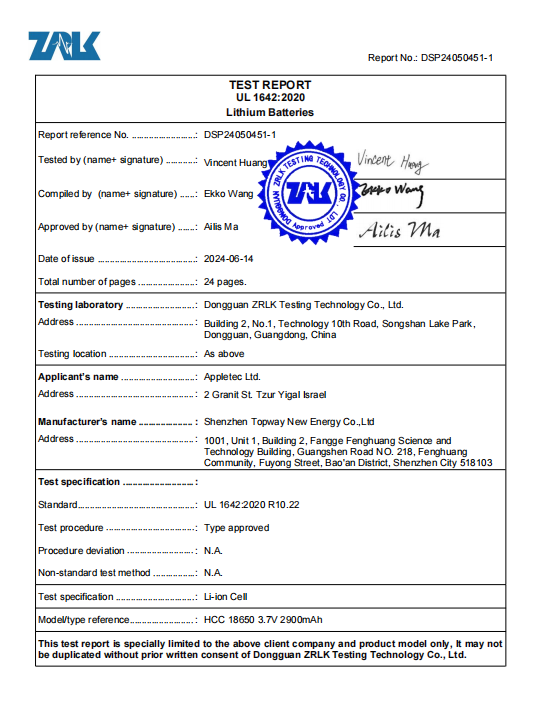
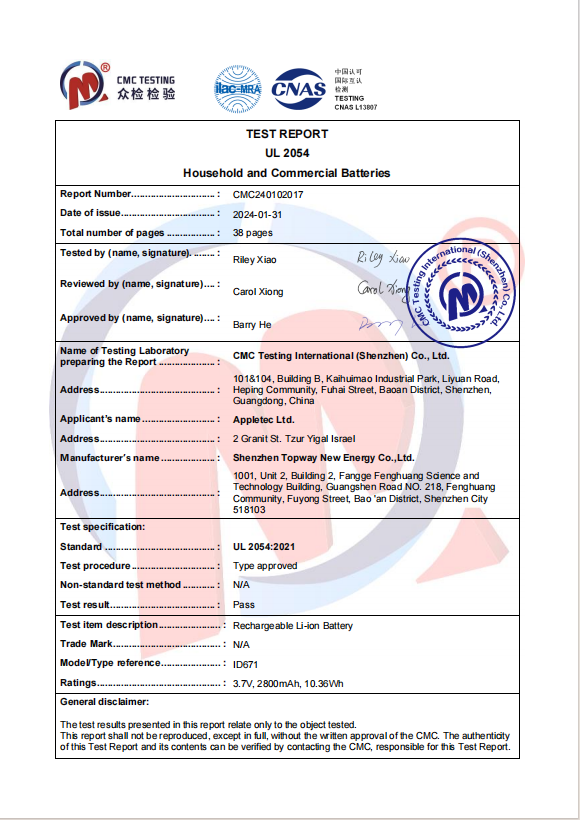
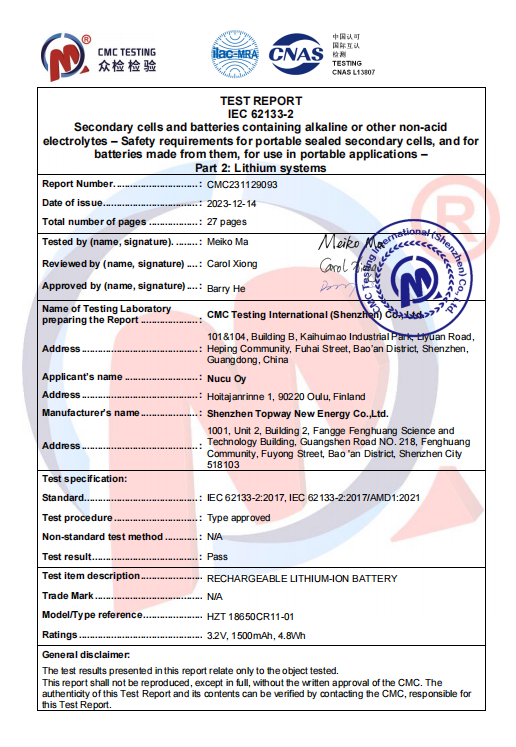
A specialized supplier must hold certifications relevant to your target market. For lithium energy storage batteries destined for North America, UL 1642:2020 and UL 2054:2021 are essential. For Europe, IEC 62133-2:2017 and IEC 62619:2022 are required. HCC has passed these and more—including RoHS, CE, and ISO 9001:2015. Always verify the certification scope (cell vs. pack) and expiry dates.
2. Product Range for Niche Applications
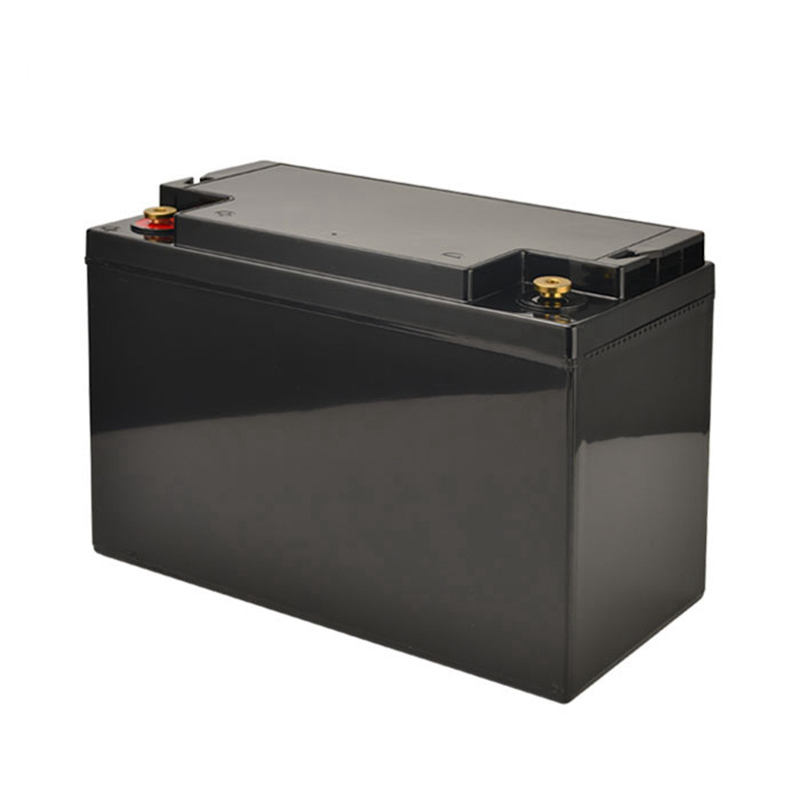
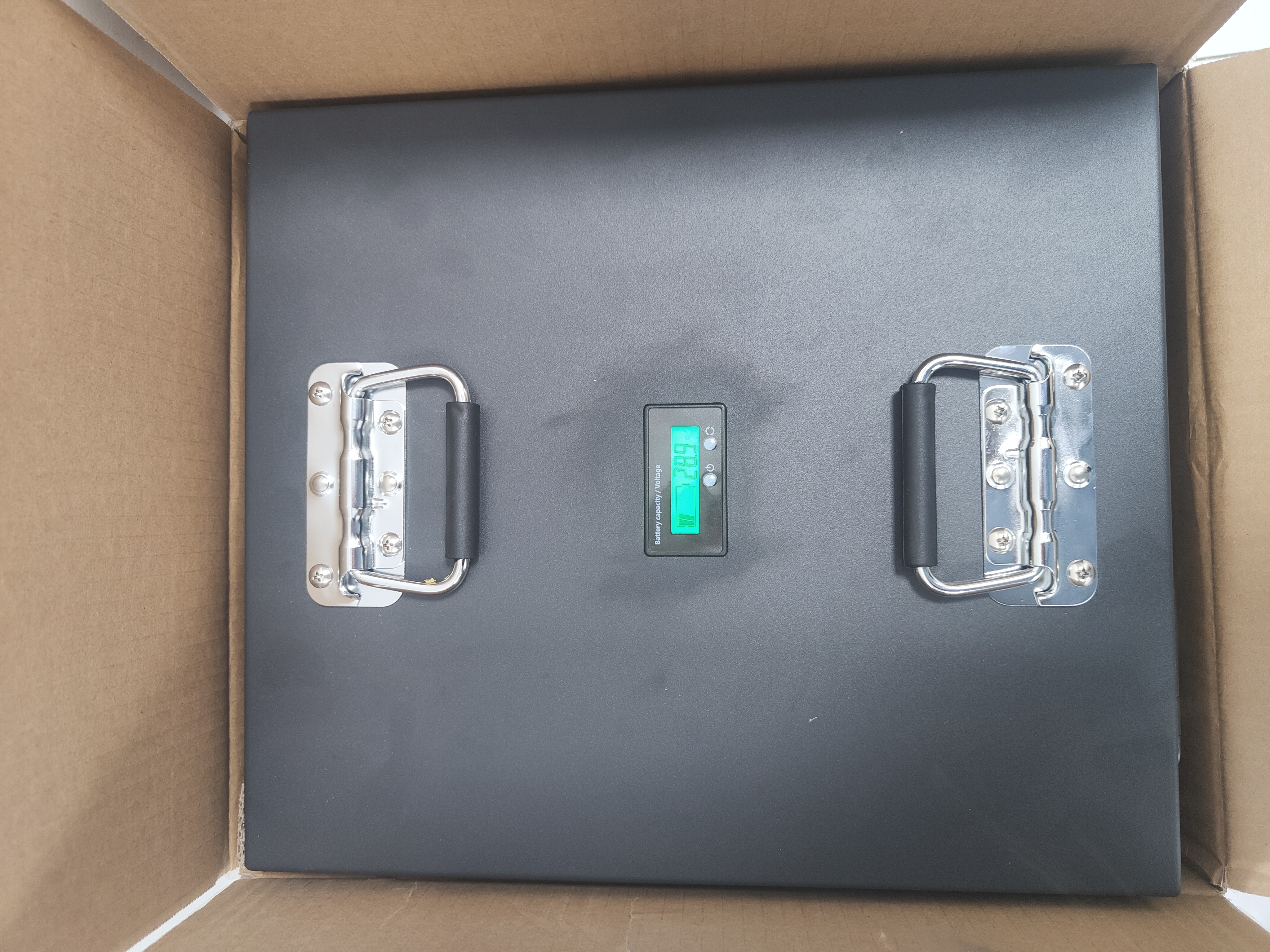
Evaluate whether the supplier offers dedicated product lines. HCC provides a wide spectrum covering solar battery packs (48V 100Ah, 48V 280Ah, wall-mounted 51.2V 100Ah), 24V lithium ion batteries for industrial tools and backup, 12V 100Ah batteries for RV and marine, and 36V batteries for golf carts. They also produce lithium solar batteries in various form factors—rack-mount, wall-mount, and stackable—enabling you to stay with one vendor for multiple needs.
3. Manufacturing and R&D Capability
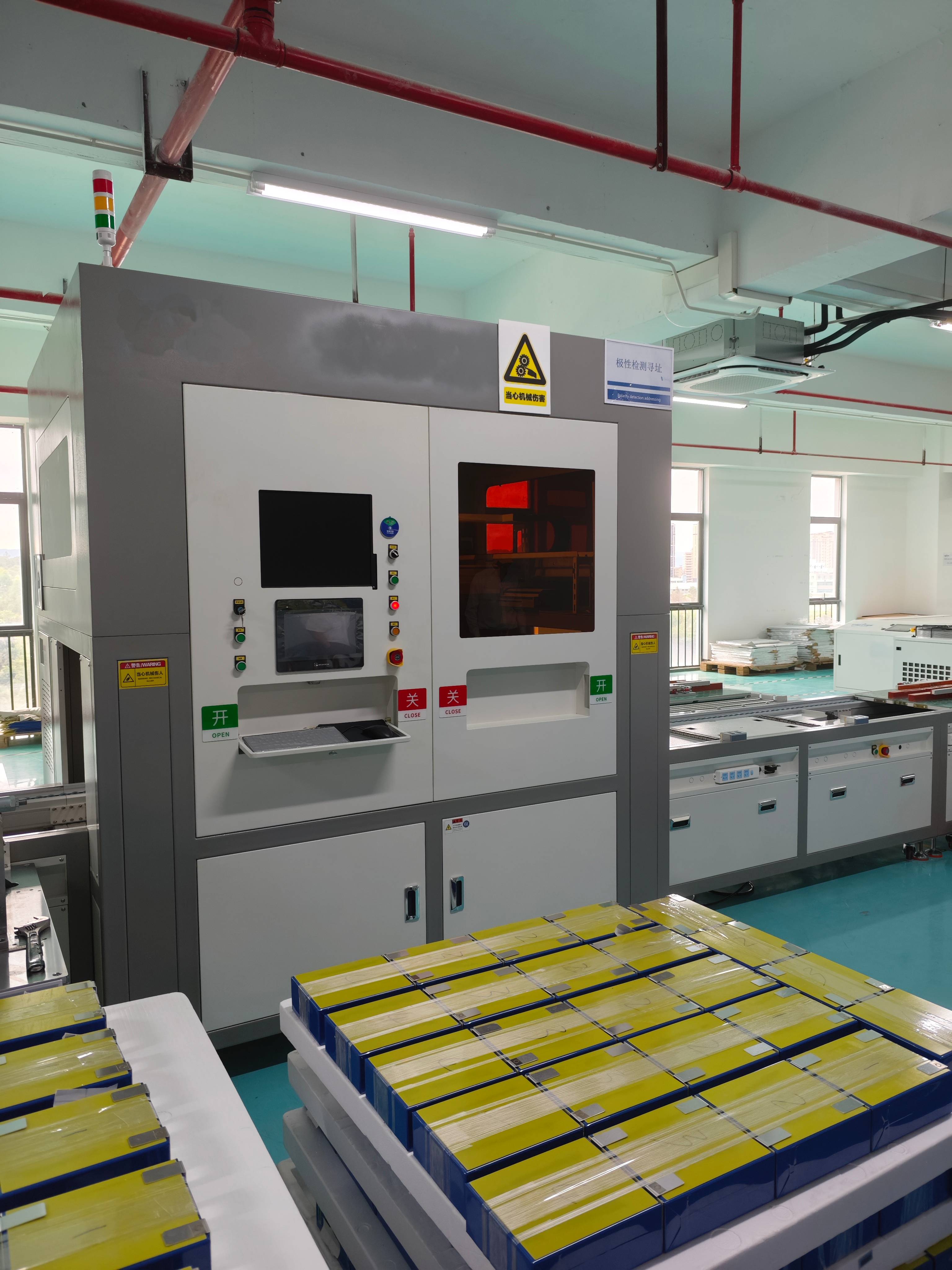
A specialized supplier should have in-house R&D and production lines to support customization. HCC operates a sales center in Shenzhen and plans to introduce advanced battery production lines to handle complex and high-volume orders. Their manufacturing process includes laser welding, polarity detection, and assembly extrusion, as shown in their factory images. This vertical integration ensures quality control and shorter lead times.
Step-by-Step Selection Process
- Define your requirements: voltage (12V, 24V, 36V, 48V), capacity (100Ah, 200Ah, 280Ah), chemistry (LiFePO4, NMC, sodium-ion), and physical dimensions.
- Verify certifications: Request scanned copies of UL, CE, IEC, ISO certificates. Cross-check with the certifying body if needed.
- Evaluate product range: Ask for datasheets of models that match your application. Check if they offer both standard and customized packs.
- Assess production capability: Inquire about monthly output, lead times for custom orders, and whether they have automated assembly lines.
- Request samples and conduct tests: Insist on samples for cycle life, capacity, and safety tests (overcharge, short circuit).
- Review customer cases: Ask for references in your industry—solar installers, golf cart manufacturers, or sodium-ion project developers.
Use Cases
Solar Home Energy Storage
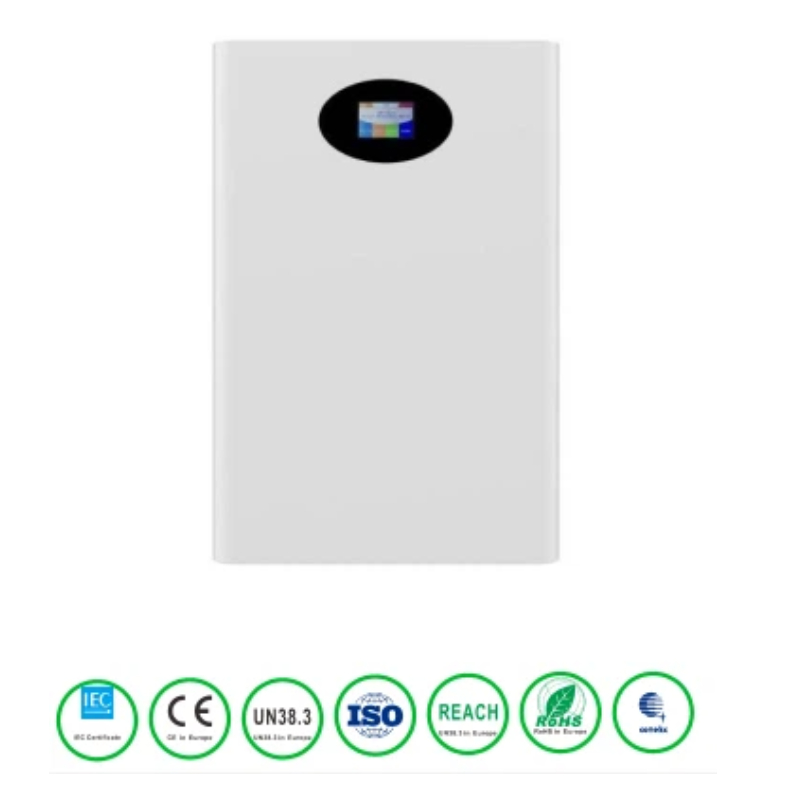
A homeowner in Europe required a wall-mounted 48V 100Ah battery that could communicate with a Victron inverter. HCC's 51.2V 100Ah wall-mounted battery (see below) met the voltage and communication protocol requirements, backed by IEC 62619 certification. The supplier provided a pre-configured BMS and plug-and-play connectors.
Golf Cart Fleet Upgrade
A US golf course operator wanted to replace 48 lead-acid batteries with lithium on 36V carts. HCC offered a drop-in 36V lithium battery with the same footprint, doubling the cycle life and reducing maintenance. The supplier provided UL 2054 certification and a 5-year warranty.
Sodium-Ion Pilot Project
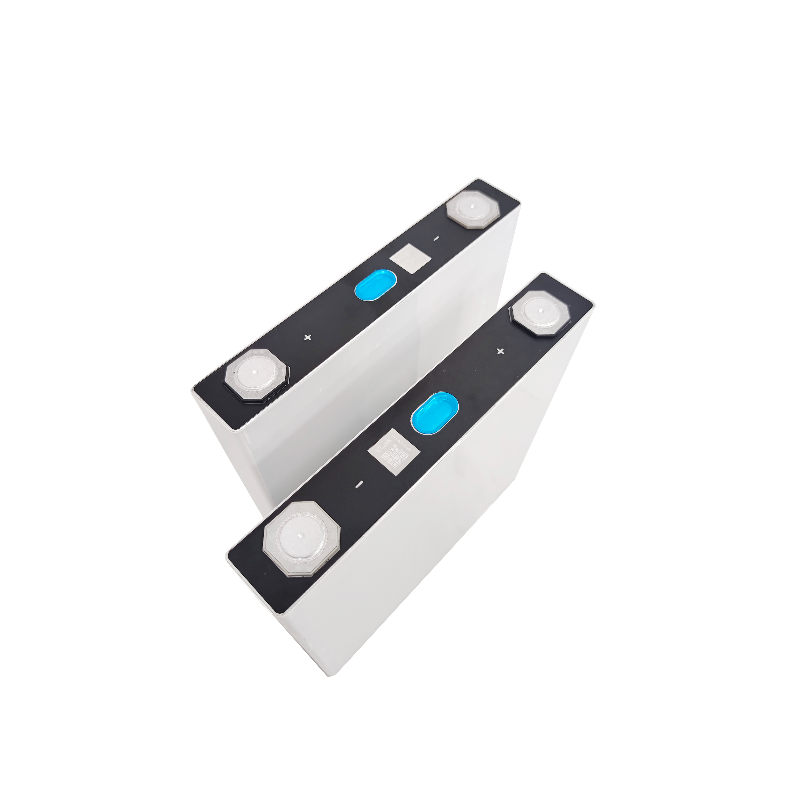
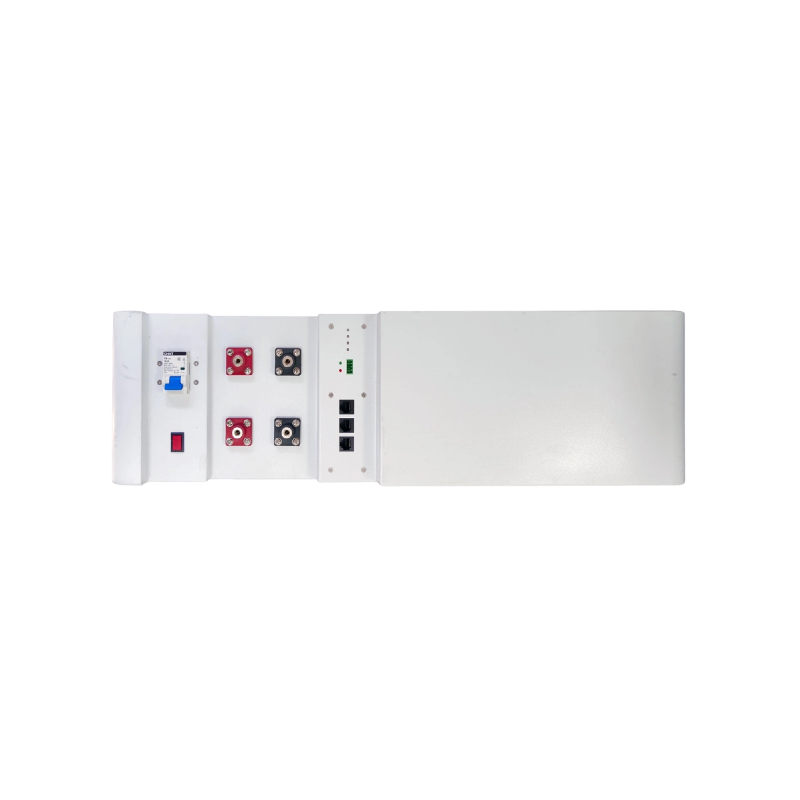
For a pilot energy storage system requiring low-cost, non-lithium chemistry, HCC supplied sodium ion battery modules (see product render below). The supplier demonstrated flexibility in sourcing cathode materials and adapting battery management algorithms for sodium chemistry.
Frequently Asked Questions
What is a storage battery supplier and why does specialization matter?
A storage battery supplier manufactures and sells rechargeable batteries for applications like solar backup, golf carts, and industrial equipment. Specialization matters because generic batteries may not meet the exact voltage, capacity, cycling, or safety standards required for your project.
How do I know if a supplier has the right certifications?
Request digital copies of their certificates. Look for UL 1642 (cells), UL 2054 (packs), IEC 62133, IEC 62619, and ISO 9001. Check the issue/expiry dates and the scope (e.g., which products are covered). HCC holds all these, plus RoHS and CE.
What are common buyer concerns when switching to a new supplier?
Common concerns include minimum order quantities (MOQ), lead times, warranty terms, after-sales support, and compatibility with existing systems. Reputable suppliers like HCC offer flexible MOQs, production lead times of 15–30 days, and a dedicated sales team available via phone, WhatsApp, and email.
Can a supplier handle both high-volume standard orders and low-volume custom orders?
Yes, if they have scalable manufacturing. HCC plans to introduce advanced production lines to serve complex and large-volume orders while maintaining the ability to customize for smaller projects.
Conclusion
Selecting a storage battery supplier that aligns with your niche application requires due diligence on certifications, product range, manufacturing depth, and industry experience. HCC (Shenzhen Topway New Energy Co., Ltd.) exemplifies a supplier built for specialization—offering everything from 12V 100Ah LiFePO4 packs to 48V wall-mounted solar batteries and emerging sodium-ion solutions. With a comprehensive certification portfolio and a customer-centric approach, HCC is a reliable partner for buyers seeking tailored energy storage solutions.
Contact HCC Today
Phone: +86 755 81461866
WhatsApp: +86 18682160604
Email: sales@hcctop.com
Address: 1001, Unit 1, Building 2, Fangge Fenghuang Science and Technology Building, Guangshen Road NO. 218, Fenghuang Community, Fuyong Street, Bao'an District, Shenzhen City, China
Website: www.hcctop.com