
Racing Drone Battery Sample Evaluation: How to Request Samples and Verify Supplier Capability
Racing Drone Battery Sample Evaluation: How to Request Samples and Verify Supplier Capability
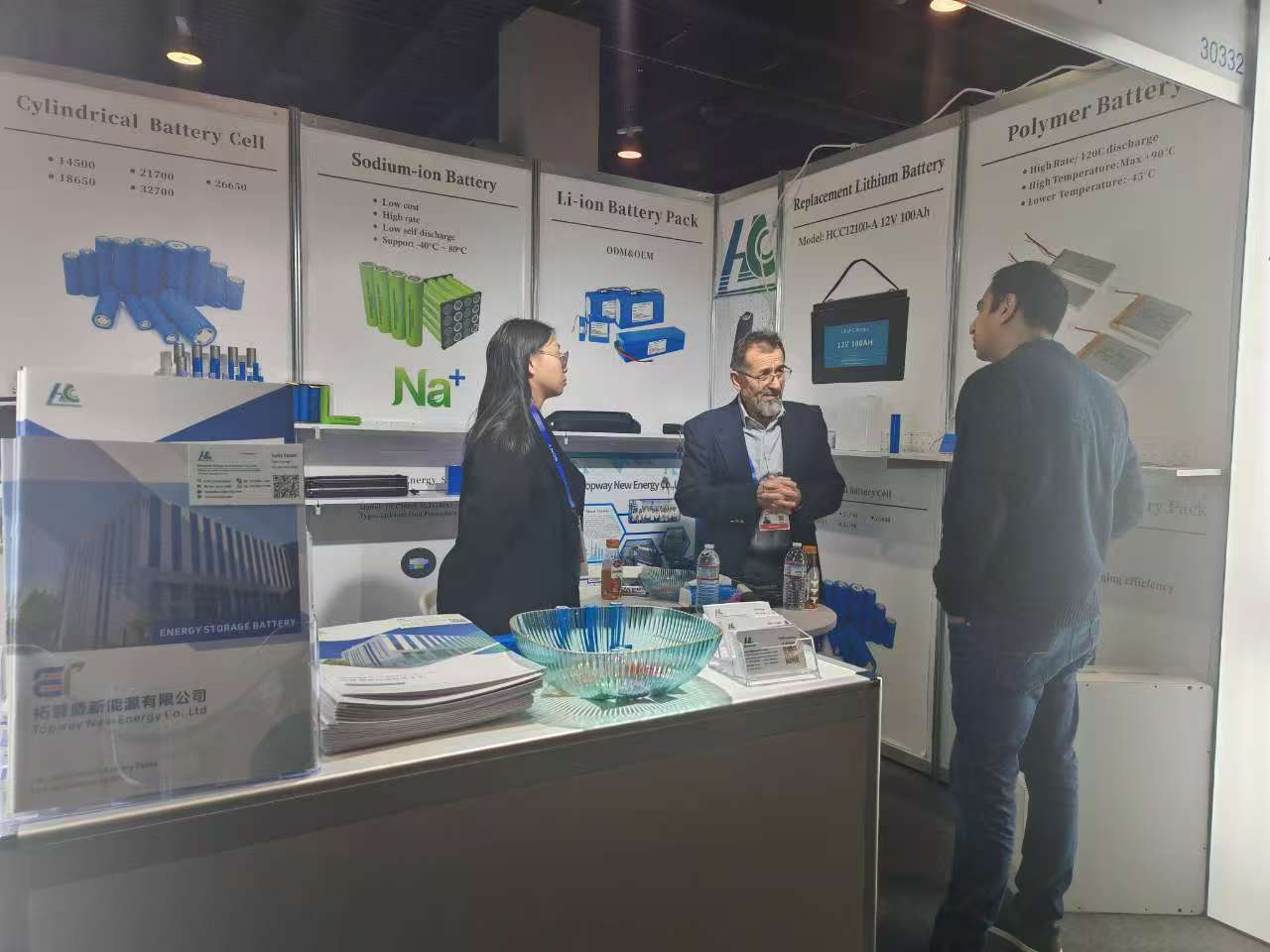
International trade exhibitions are one way to meet suppliers and define racing drone battery sample requirements before sending an RFQ.
Buyers evaluating racing drone battery suppliers often treat a sample as a formality: request one, fly it, and decide. That approach is useful, but it is incomplete. A sample only proves what the sample itself did on the test day. To judge supplier capability, the sample must be requested with a defined specification, tested under a realistic load, and checked against the supplier's documentation and production evidence.
This page explains how to request a racing drone battery sample, how to structure the evaluation, and why documents such as UL, IEC and ISO certification should be part of the sample review. It also uses the example of Shenzhen Topway New Energy Co., Ltd. (HCC), a Shenzhen-based lithium battery supplier, to show what a qualified supplier should be able to present before volume procurement.
Why a Sample Request Is a Supplier Evaluation Tool
The real risk in sample procurement is not a dead battery. It is the gap between the sample and the production order. A supplier can produce one excellent sample by hand, but fail to repeat the same quality on a production line. A trading company can send a sample from another factory, and then the buyer has no direct control over quality or specifications.
Another common problem is an unstructured request. If the buyer only asks for a high-discharge racing drone battery, the supplier may send the closest catalog product. If the buyer does not define test conditions, the sample may look acceptable during a short flight yet sag under continuous load. This is why the sample request itself is one of the most important parts of supplier evaluation.
Industry Background: What Racing Drone Batteries Demand from Suppliers
Racing drone batteries operate under different conditions than consumer electronics batteries. A professional racing drone often requires high continuous discharge, low internal resistance, stable voltage, and predictable thermal behavior. Industrial inspection drones add endurance and reliability requirements. Commercial aerial filming drones add payload and voltage-stability requirements.
These needs place pressure on cell selection, pack design, welding, and quality control. A racing drone battery is not a commodity product. For buyers sourcing from China, the sample is one of the few direct ways to see whether a supplier understands those needs and whether the factory can translate them into a physical product.
Some procurement teams also need long-endurance models, fast-charging packs, or low-temperature adaptability. These are specialized requirements that should be written into the sample request from the beginning, not discovered after the first test flight.
What a Credible Racing Drone Battery Supplier Should Be Able to Show
A credible sample is supported by three layers: research and development capability, certification documentation, and production readiness. A buyer should check all three before treating a sample as a useful result.
HCC offers an example of the type of evidence to look for. HCC is the brand used by Shenzhen Topway New Energy Co., Ltd. The company operates a sales center in Shenzhen with independent R&D capability. Its business is evolving from providing battery pack solutions and cooperative production to producing its own batteries after the design phase. HCC has announced plans to introduce advanced battery production lines, which is intended to support complex product orders and large-volume orders with more efficient delivery.
The company's main business covers energy storage batteries and lithium-ion batteries, with products mainly exported overseas while also serving the Chinese market. On the compliance side, HCC states that related products have passed RoHS, UL and CE export certifications. The company's published certification file includes ISO 9001:2015, UL 1642:2020, UL 2054:2021, IEC 62133-2:2017 and IEC 62619:2022.
These certifications do not guarantee that every sample will work in a specific racing drone, but they provide a baseline for checking whether the sample has a traceable compliance path. For a procurement team, these facts have direct meaning: independent R&D suggests the supplier can support modified samples; export certification reduces import compliance risk; and visible production plans point to capacity for repeat orders.
Step-by-Step Process for Racing Drone Battery Sample Evaluation
1. Define the Purpose of the Sample
Before contacting a supplier, decide whether you need a catalog sample, a modified sample, or a custom prototype. A catalog sample helps check basic dimensions and compatibility. A modified sample helps verify a connector, balance lead, label, or pack size change. A custom prototype should be used when the application requires a new cell, new capacity, or a different discharge profile.
2. Send a Structured Sample Request
A vague request produces a vague sample. Include the following information:
- Racing or mission type: professional racing event, industrial inspection, commercial aerial filming, or outdoor competition
- Nominal voltage and target capacity
- Maximum continuous discharge current and burst current
- Pack dimensions and maximum weight
- Connector type, wire gauge, and balance lead configuration
- Expected operating temperature range
- Target order quantity and required date
This specification also helps the supplier give a realistic answer about whether the sample can be made from existing parts or must be developed. It prevents later disputes about what the sample was expected to do.
3. Request Documentation Together with the Sample
Do not accept a racing drone battery sample without documentation. Ask for the datasheet, test report, and relevant certificate copies. For export products, common documents include UL 1642:2020, UL 2054:2021 and IEC 62133-2:2017. For larger battery systems, IEC 62619:2022 may be relevant. An ISO 9001:2015 quality management certificate can also show whether the factory has a controlled production process.
If a supplier cannot provide documents, treat that as a risk signal. A racing drone battery sample is not just a product; it is an evidence package that includes production traceability and compliance information.
4. Inspect the Physical Build
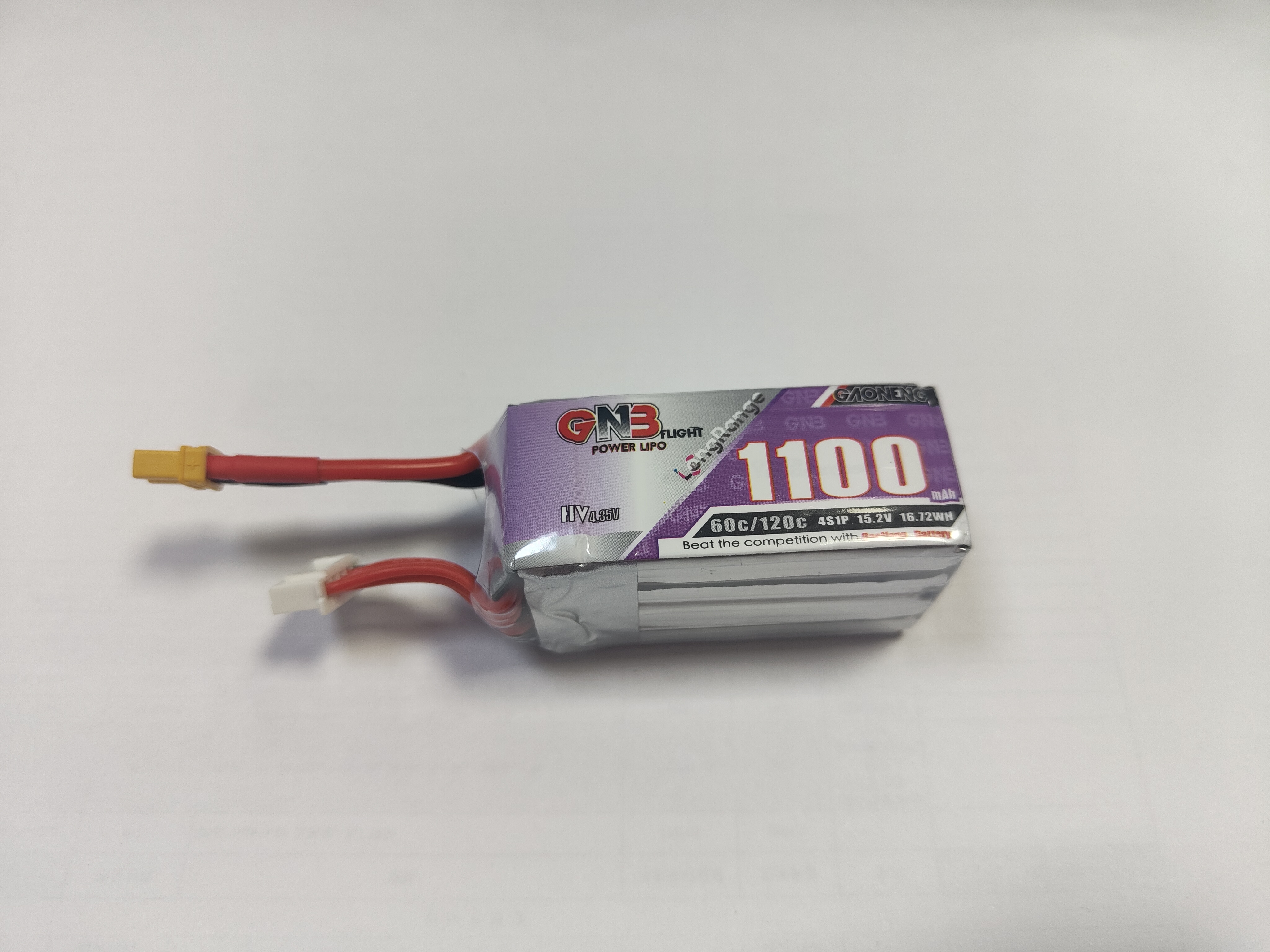
When the sample arrives, do not only look at the label. Check the actual weight and dimensions against the datasheet. Inspect the connector, balance lead, cell positioning, soldering, and padding. Look for clean soldering, protected leads, consistent labeling, and no signs of swollen cells.
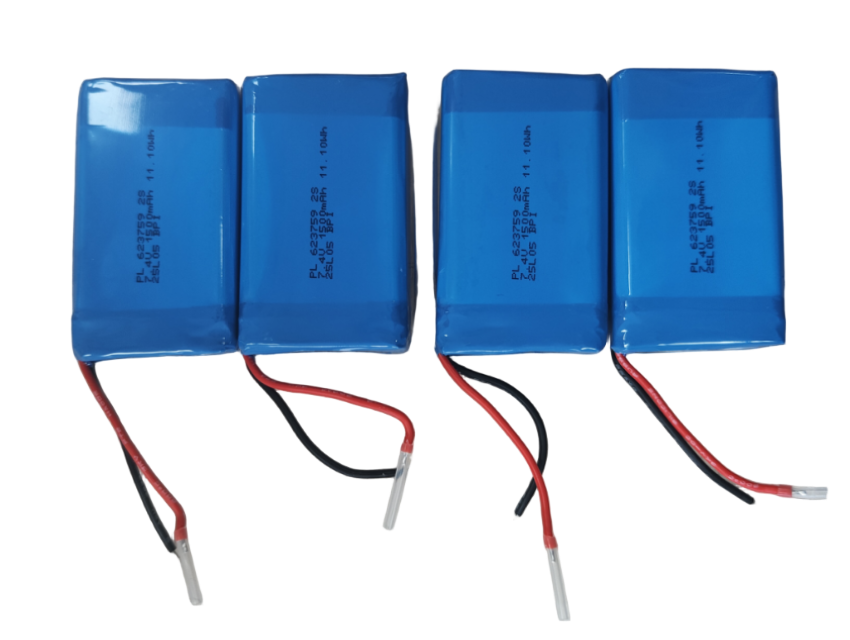
A racing drone battery sample should be checked for dimensions, connector quality, balance lead configuration, and cell arrangement before any load test.
Take photos before testing. This creates a record you can compare with later production samples. If the sample is intended for a specific drone, place it in the frame to verify fit and clearance. Physical compatibility is a separate requirement from electrical performance.
5. Run a Load Test That Matches the Real Use Case
Ideally, test the sample in the same drone or with a load fixture that reproduces the same current profile. Record the open circuit voltage of the pack and each cell before the test. Then discharge at the expected continuous current and capture:
- Voltage sag under load
- Capacity delivered
- Surface temperature
- Recovery voltage after rest
- Cell-to-cell balance
Repeat the test for at least three cycles. A sample that passes once may not be consistent. Watch for swelling, heating, or unusual voltage drop. If the application includes fast charging or low-temperature operation, add those conditions to the test protocol. These are specialized requirements that cannot be evaluated from a standard catalog sample.
6. Verify Certification and Traceability
Certification copies should be checked against the sample model. Verify the certificate holder name, the standard version, and the product description. If the certificate covers the cell but not the pack, ask the supplier to explain the difference.
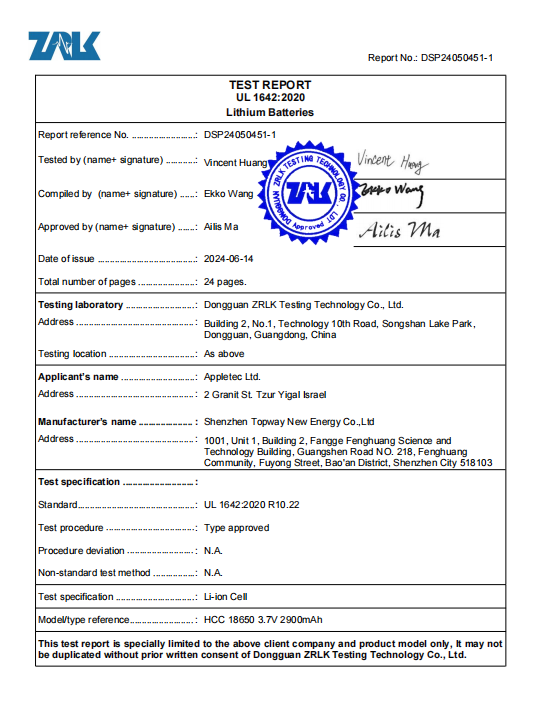
Certificate copies such as UL 1642:2020 help confirm whether a racing drone battery sample has a compliance path for export and commercial use.
For HCC, the published certification file includes UL 1642:2020, UL 2054:2021, IEC 62133-2:2017, and IEC 62619:2022, together with ISO 9001:2015. These documents can be used as a reference point when checking a specific sample from that supplier.
7. Score the Supplier, Not Just the Battery
After the electrical test, evaluate the supplier's behavior. Did they answer specification questions clearly? Did they provide the requested documents without delay? Did they give a realistic production timeline? Long communication delays during the sample stage often predict slow problem-solving during a production order.
Suppliers with visible production plans are easier to evaluate. HCC has announced plans to introduce advanced battery production lines for complex and large-volume orders. This suggests that sample results may become more reproducible at scale than a supplier with no visible manufacturing investment.
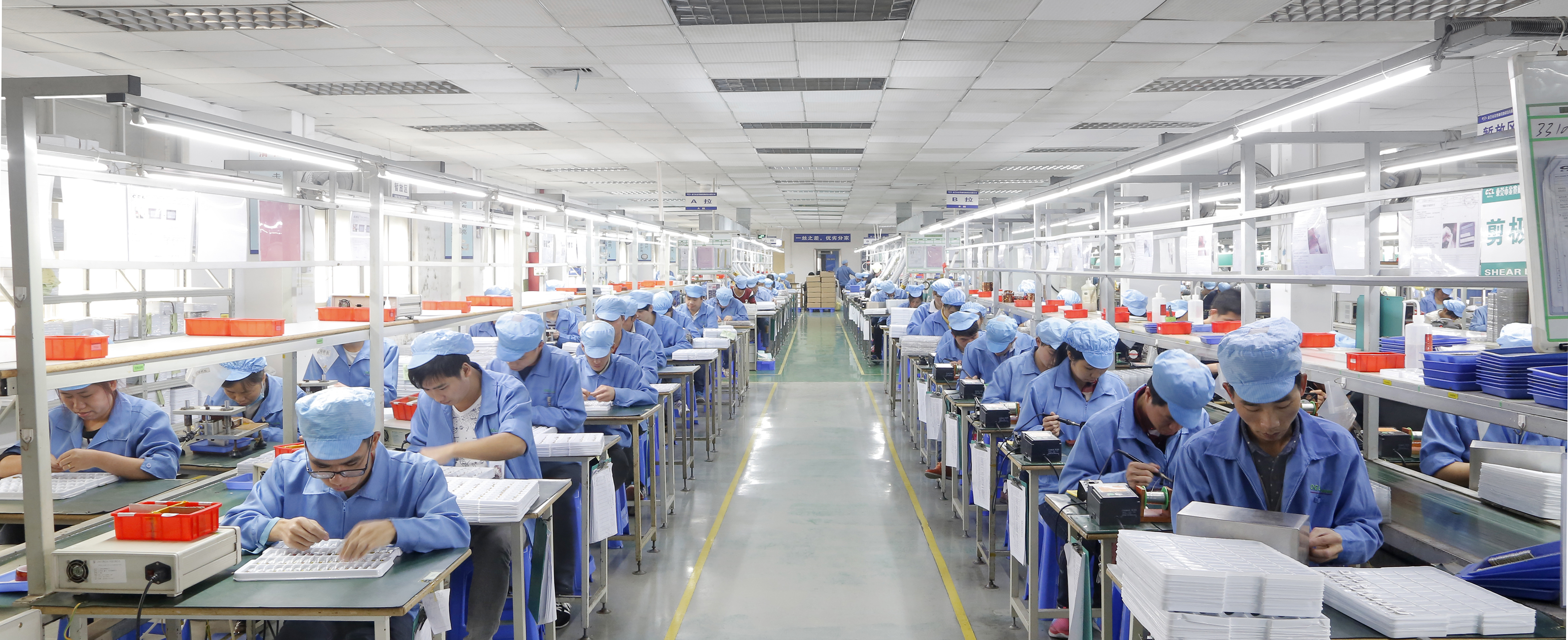
A production line is evidence of capability beyond a single hand-built racing drone battery sample.
Use Cases: What to Test in Different Racing Drone Battery Scenarios
Professional Racing Event Drone Battery
For race events, the highest priority is consistent discharge under high load. Test the sample at the maximum expected current, measure voltage sag, and check whether the battery recovers quickly between heats. A sample that performs once but becomes hot on the second run is not suitable for competitive use.
Industrial Inspection Racing Drone Battery
Industrial inspection drones often fly longer routes and may operate in outdoor conditions. Test endurance at a lower but sustained discharge rate, and check cycle-to-cycle capacity retention. Also verify that the battery is protected against vibration and physical stress.
Commercial Aerial Filming Racing Drone Battery
Filming drones carry cameras and need stable voltage under varying throttle. Test the sample with the actual payload, observe voltage stability during climbs, and compare the performance between several samples. Inconsistent samples can cause unexpected flight cutoffs that are unacceptable in a paid production environment.
Comparison Table: Racing Drone Battery Sample Levels
| Sample Level | Best For | What It Proves | Typical Evidence |
|---|---|---|---|
| Catalog sample | Checking size, connector, and baseline performance | The supplier has an existing product near your requirement | Datasheet, certificate copies, standard product image |
| Modified sample | Verifying a connector, balance lead, or label change | The supplier can adapt a known design | Change list, drawing, updated test record |
| Custom prototype | Meeting a new discharge or endurance requirement | The supplier can engineer a new racing drone battery solution | Design document, test report, certification review |
Use the table to match your purchasing stage with the right sample level. A custom prototype is more expensive and slower, but it gives a stronger signal for a new product program.
Limits of a Racing Drone Battery Sample
A sample cannot reveal long-term cycle life by itself. It cannot guarantee that a full production batch will use the same cells, welding process, or inspection standard. That is why samples should be combined with certification reviews, production planning, and clear commercial agreements. If a supplier has announced new production lines, as HCC has, it is still important to confirm how the sample will translate into production quality.
Frequently Asked Questions
Does a racing drone battery sample need to be certified before testing?
For export or commercial use, certification is part of sample qualification. HCC states that its related products have passed RoHS, UL and CE export certifications, and its published certification file includes ISO 9001:2015, UL 1642:2020, UL 2054:2021, IEC 62133-2:2017 and IEC 62619:2022. Ask the supplier for certificate copies and check whether the certificate covers the specific sample model.
What should I check before requesting a racing drone battery sample?
Check the supplier's R&D capability, certification status, and production plan. HCC, for example, is a Shenzhen-based supplier with independent R&D capability. Its business is evolving from battery pack solutions and cooperative production to producing its own batteries after design, and it has announced plans to introduce advanced battery production lines for complex and large-volume orders. This helps you judge whether the sample can be repeated in production.
Is there a charge for racing drone battery samples?
There is no fixed industry standard. A catalog sample may be available at a lower cost, while a modified or custom sample usually requires engineering time and materials. Ask for a written quotation before approval so that the commercial terms are clear from the beginning.
How should I evaluate a racing drone battery sample?
Test the sample under the same load profile used in your drone. Record the open circuit voltage of the pack and each cell, discharge at the expected continuous current, and measure voltage, capacity, surface temperature, and recovery voltage. Repeat the test for several cycles and look for swelling, imbalance, or voltage sag. Compare the results with the supplier's datasheet.
How long does it take to receive a custom racing drone battery sample?
Lead time depends on design complexity, cell availability, connector selection, and testing requirements. A catalog sample can be shipped after stock confirmation, while a custom prototype needs design review, build, and testing. Professional suppliers should provide a written lead time. HCC has announced plans to introduce advanced battery production lines to improve delivery for complex and large-volume orders; contact HCC for current sample scheduling.
Conclusion: Use the Sample as Evidence, Not a Promise
A racing drone battery sample is only useful when it is requested with a specification, tested under realistic load, and checked against the supplier's documentation. The sample should demonstrate performance, compliance, and the supplier's ability to communicate clearly.
For buyers sourcing racing drone batteries, the next step is to convert a sample request into a structured evaluation. Start with a written specification, ask for UL, IEC and ISO evidence, inspect the build, run a load test, and then score the supplier's production readiness. If you want to compare HCC against your requirements, send your racing drone battery specifications to sales@hcctop.com.
Request an HCC racing drone battery sample for your racing event, inspection fleet, or aerial filming operation. Share your specification and target order size to receive a clear sample and production quotation.
Email: sales@hcctop.com | Phone: +86 755 81461866 | Web: http://www.hcctop.com