
Racing Drone Battery Selection: High-Discharge Rate vs. Long-Endurance – A Decision Framework for Commercial Buyers
Racing Drone Battery Selection: High-Discharge Rate vs. Long-Endurance – A Decision Framework for Commercial Buyers
For procurement professionals and drone fleet operators, choosing the right racing drone battery is no longer a one-size-fits-all decision. The market is clearly divided between High-Discharge Rate Racing Drone Battery models optimized for explosive power and Long-Endurance Racing Drone Battery packs designed for extended flight times. This guide provides a structured framework to evaluate which battery type best fits your specific application—whether it's professional racing events, industrial inspection, or commercial aerial filming.
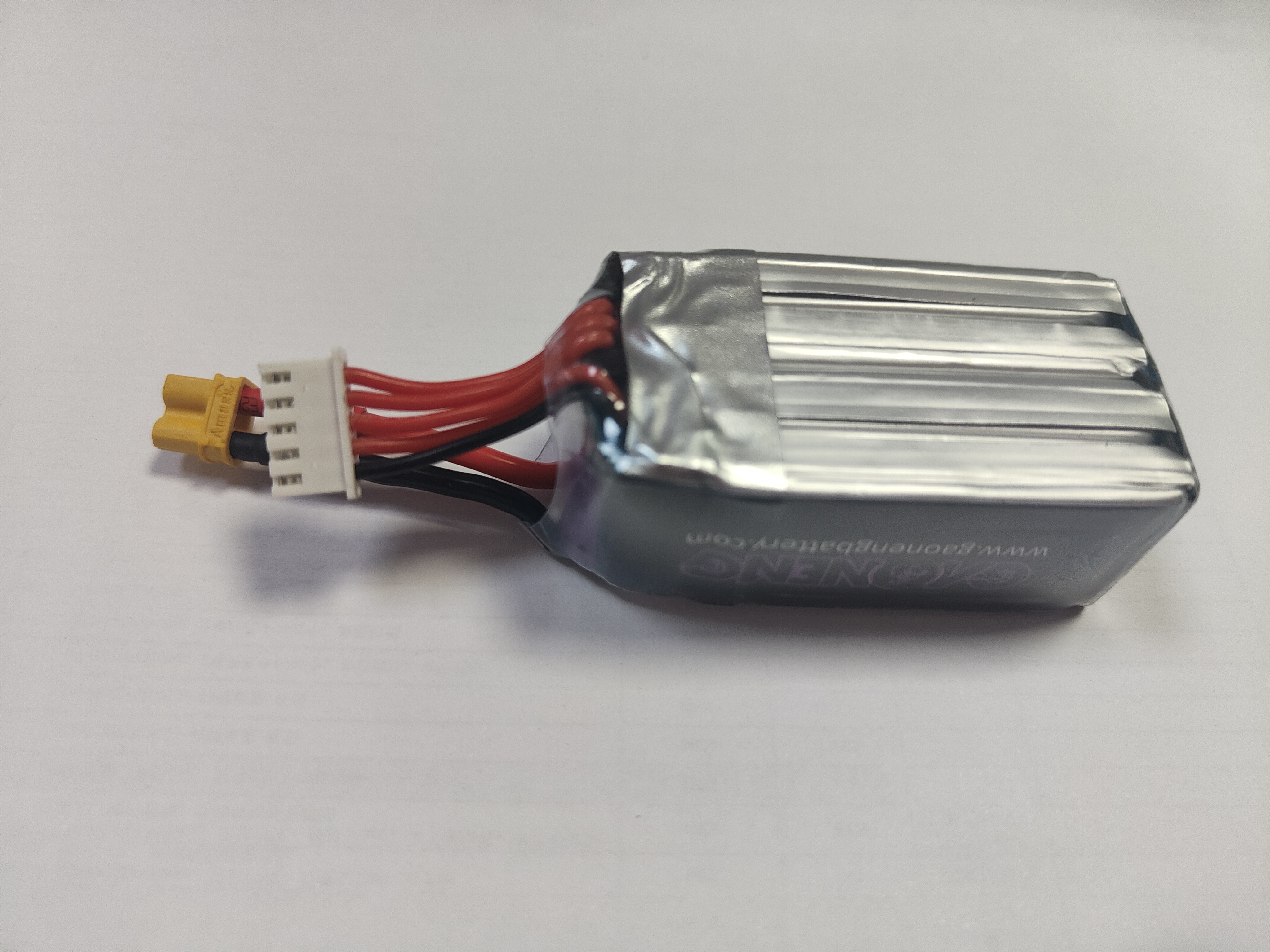
What Is a Racing Drone Battery?
A racing drone battery is a high-performance lithium polymer (LiPo) or lithium-ion pack designed to deliver extreme power output (high discharge current) or extended energy density for unmanned aerial vehicles (UAVs) used in competitive FPV racing, industrial inspection, aerial filming, and outdoor competitions. Unlike standard drone batteries, racing drone batteries prioritize either C‑rate (discharge capability) or capacity (mAh), depending on the mission profile.
The Core Problem: Power vs. Flight Time
The fundamental trade-off in racing drone battery design is between discharge rate (measured in C) and energy capacity (measured in mAh). High-discharge batteries use thinner electrodes and lower internal resistance to release current rapidly, but this sacrifices energy density. Long-endurance batteries maximize capacity by using higher-density cells, but their continuous C‑rate is typically limited to 10C–25C. Buyers often struggle to decide which attribute matters more for their use case.
- Mission duration: Do you need 3‑5 minutes of full‑throttle racing or 20‑30 minutes of steady cruising?
- Peak power demand: Are you drawing 100A+ during aggressive acceleration?
- Weight constraints: Heavier long‑endurance packs affect agility.
- Environmental conditions: High temperatures or low temperatures can degrade performance.
Industry Background: The Two Technology Paths
The racing drone battery market has evolved into two distinct subsegments. Professional Racing Event Drone Battery solutions are engineered for maximum discharge rates (often 80C–120C continuous) to meet the demands of competitive FPV racing, where every millisecond counts. In contrast, Industrial Inspection Racing Drone Battery and Commercial Aerial Filming Racing Drone Battery packs focus on flight endurance, often combining high‑capacity Li‑ion cells with advanced BMS for safety and longevity. Many suppliers, including HCC (Shenzhen Topway New Energy Co., Ltd.), offer both technology tracks.
| Parameter | High-Discharge Rate Battery | Long-Endurance Battery |
|---|---|---|
| Typical Continuous C-Rate | 60C – 120C | 10C – 30C |
| Capacity Range | 800 – 1800 mAh | 3000 – 6000 mAh |
| Peak Current | 100A – 200A+ | 30A – 80A |
| Weight (per 1000mAh) | ~85 – 100 g | ~75 – 90 g |
| Primary Use Cases | Professional racing, freestyle, competition | Inspection, mapping, long‑range FPV, filming |
| Cell Chemistry | LiPo with low‑IR construction | High‑purity lithium core / Li‑ion NMC |
Detailed Solution Explanation: Matching Battery to Mission
1. High-Discharge Rate Racing Drone Battery
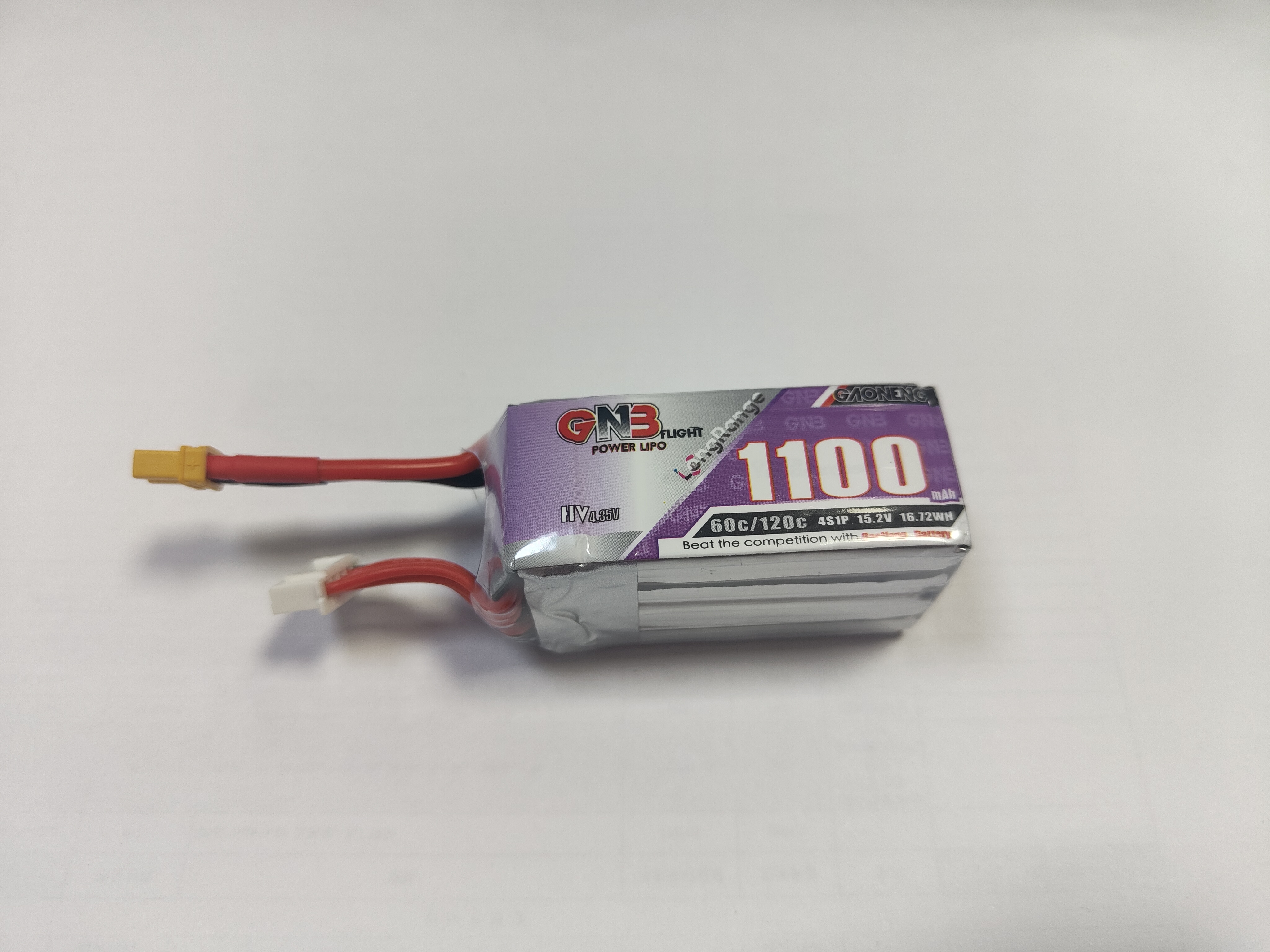
These batteries are designed to deliver instantaneous current bursts for maximum acceleration and throttle response. They typically use Lithium Polymer Racing Drone Battery construction with extremely low internal resistance. HCC’s High-Discharge Rate Racing Drone Battery line supports continuous discharge rates up to 120C and peak rates up to 200C, making them ideal for Professional Racing Event Drone Battery applications. They are also High-Temperature Resistant Racing Drone Battery due to advanced thermal management in the cell design.
2. Long-Endurance Racing Drone Battery
For applications where flight time is king, Long-Endurance Racing Drone Battery packs prioritize energy density. HCC’s Long-Endurance Racing Drone Battery series uses High-Purity Lithium Core Racing Drone Battery technology with enhanced electrode coatings to achieve capacities exceeding 6000 mAh while maintaining a moderate C‑rate. These packs are often UL Certified Racing Drone Battery and Low‑Temperature Adaptable Racing Drone Battery for consistent performance in harsh environments. They are the preferred choice for Industrial Inspection Racing Drone Battery and Commercial Aerial Filming Racing Drone Battery use cases.
Step-by-Step Selection Framework
- Define the Primary Mission Profile
List the average flight time needed, maximum current draw, and operating environment. For racing competitions, High-Discharge Rate Racing Drone Battery. For aerial surveying, Long-Endurance Racing Drone Battery. - Evaluate Discharge Requirements
Compute peak current = motor KV × number of motors × battery voltage. If peak exceeds 80A continuous, a high‑discharge pack is mandatory. - Check Safety Certifications
Look for UL Certified Racing Drone Battery (e.g., UL 2054:2021) and IEC 62133‑2:2017 to ensure compliance with global shipping and usage regulations. HCC holds UL, CE, RoHS, and IEC certifications for its racing drone battery lines. - Assess Environmental Extremes
Select High-Temperature Resistant Racing Drone Battery for desert racing or Low-Temperature Adaptable Racing Drone Battery for winter operations. HCC’s batteries are validated for extended temperature ranges. - Determine Fast-Charging Needs
If turnaround time is critical, choose a Fast-Charging Racing Drone Battery capable of 5C–10C charge rates. HCC offers fast‑charging variants that reduce downtime by up to 60%.
Real-World Use Cases
Use Case 1: Professional FPV Competition
A team competing in the International Drone Racing Association league needs maximum power for 4‑minute heats. They choose an HCC High-Discharge Rate Racing Drone Battery (1500 mAh, 120C). The battery provides instant throttle response and maintains voltage under high load, enabling tighter cornering and higher top speeds.
Use Case 2: Utility Powerline Inspection
An inspection company requires 25‑minute flight times over long transmission lines. They select an HCC Long-Endurance Racing Drone Battery (6000 mAh, 20C continuous). The high‑capacity High-Purity Lithium Core Racing Drone Battery delivers stable voltage throughout discharge, and the UL Certified Racing Drone Battery designation ensures safe transport and operation.
Frequently Asked Questions
With proper care, high‑discharge LiPo batteries last 100–150 cycles. Long‑endurance Li‑ion packs can exceed 300 cycles. HCC’s batteries use high‑purity materials to improve cycle life.
Not recommended. The lower C‑rate cannot supply the peak current demanded by racing motors, leading to voltage sag and potential damage.
For international shipping and safety, UL Certified Racing Drone Battery (UL 2054), IEC 62133‑2, and UN38.3 are essential. HCC’s products carry these certificates as seen in their laboratory approvals.
LiPo provides higher discharge rates; High-Purity Lithium Core offers better energy density and cycle life. Choose based on whether you prioritize power or endurance.
Conclusion: Make an Informed Decision
The decision between a High-Discharge Rate Racing Drone Battery and a Long-Endurance Racing Drone Battery ultimately comes down to your specific application, power budget, and operational environment. Use the framework above to evaluate trade-offs. For buyers seeking a reliable partner with certified products and dual‑technology capability, HCC (Shenzhen Topway New Energy Co., Ltd.) is a strong candidate. Contact their sales team at sales@hcctop.com or visit www.hcctop.com for custom solutions.
All technical specifications are based on HCC’s published ratings. Actual performance may vary depending on drone configuration and operating conditions. Always verify with the manufacturer.