
Storage Battery: Lithium vs Sodium & Supplier Choice
How to Choose a Storage Battery: Lithium vs. Sodium and Supplier Evaluation
When procurement teams reach the final decision stage for a storage battery, the discussion usually narrows to two questions: which battery chemistry offers the best value for the application, and which supplier can deliver that chemistry reliably. This guide addresses both questions for solar battery, golf cart battery, 48V lithium ion battery, 200Ah lithium battery, solar battery backup, and other common energy storage battery system requirements. The goal is to give buyers a fact-based framework for comparing lithium and sodium technologies, then screen a partner such as HCC (Shenzhen Topway New Energy Co., Ltd.) against clear, verifiable criteria.
1. The Decision Problem: Chemistry and Supplier in One Choice
Buyers are no longer choosing between a generic lead-acid battery and a generic lithium battery. The current decision space includes lithium iron phosphate, sodium-ion, and various pack-level configurations such as wall mount battery 48V, 5kW wall mounted battery, 12V 100Ah battery, 24V lithium ion battery, and 36V battery. Each option has different cost, safety, cycle life, and maintenance profiles.
A common mistake is to evaluate chemistry without evaluating supplier capability, or to compare suppliers without comparing lifetime cost. In the decision phase, a storage battery must be assessed from both angles simultaneously. Chemistry determines the energy density, cycle life, and operating envelope; the supplier determines whether the pack is manufactured with matching cells, robust BMS protection, and certifications that allow it to be shipped and installed in your target market.
2. Industry Background: Why This Comparison Matters Now
The global Battery Energy Storage System (BESS) market was valued at approximately USD 13.2 billion in 2025 and is projected to approach USD 99.7 billion by 2033, according to Grand View Research. Lithium-ion batteries account for the largest share of the BESS industry, representing 53.5% of the market in 2025. This installed base gives lithium technology a maturity advantage, especially in high-frequency charge and discharge applications.
Sodium-ion is emerging as an alternative, with the market expected to grow at a CAGR of 18.84% from 2026 to 2035 and reach USD 7.81 billion, according to Precedence Research. While sodium has advantages in raw material availability, its energy density, cycle life, and charge-discharge efficiency remain lower than lithium. In application-specific segments, lithium also dominates: the global golf cart battery market reached USD 1.49 billion in 2024, with lithium-ion types capturing 47.18% of that segment, according to Mordor Intelligence and Strategic Market Research.
For industrial buyers, the implication is straightforward: lithium remains the safer default for performance-critical solar storage and mobility applications, while sodium may be considered in cost-sensitive niche cases where lower energy density can be tolerated. A strategic buyer will verify these trade-offs against their own load profile, not just against marketing claims.
3. Detailed Solution: Lithium vs. Sodium on the Metrics That Matter
For a direct comparison, HCC evaluated a 100Ah lithium battery pack against a sodium battery pack of similar nominal energy. The comparison shows why lithium generally wins on total cost of ownership for solar, golf cart, and backup applications.
Energy density and usable energy. The lithium cell has 50% higher energy density, 50% longer cycle life, and 4.3% higher charge-discharge efficiency than the sodium equivalent. Total usable energy is 33.3% higher in the same volume, meaning a lithium storage battery pack can deliver more per installation.
Physical size and weight. The 100Ah lithium system has a volume of approximately 45 liters and a weight of about 50 kilograms. A sodium battery with the same energy would require roughly 60 liters and weigh about 65 kilograms. That makes the lithium pack 25% smaller and 23% lighter. For a wall mount battery 48V installation or a 5kW wall mounted battery, the difference affects mounting cost, structural reinforcement, and even shipping cost.
Cycle life and replacement cost. The lithium battery is rated for 3000 cycles, compared with 2000 cycles for sodium. Over a 10-year operating period, the replacement cost for lithium is 30% lower because fewer cycles are consumed per year in typical solar or golf cart duty. This is the core of the cost-per-cycle calculation that procurement teams should use.
Maintenance burden. The modular lithium design supports plug-and-play installation. It requires only one or two inspections per year, typically cleaning and voltage detection. The internal structure is shock-resistant and vibration-proof, making it suitable for outdoor installation. Maintenance cost is 20% lower than sodium, and there are no special consumables.
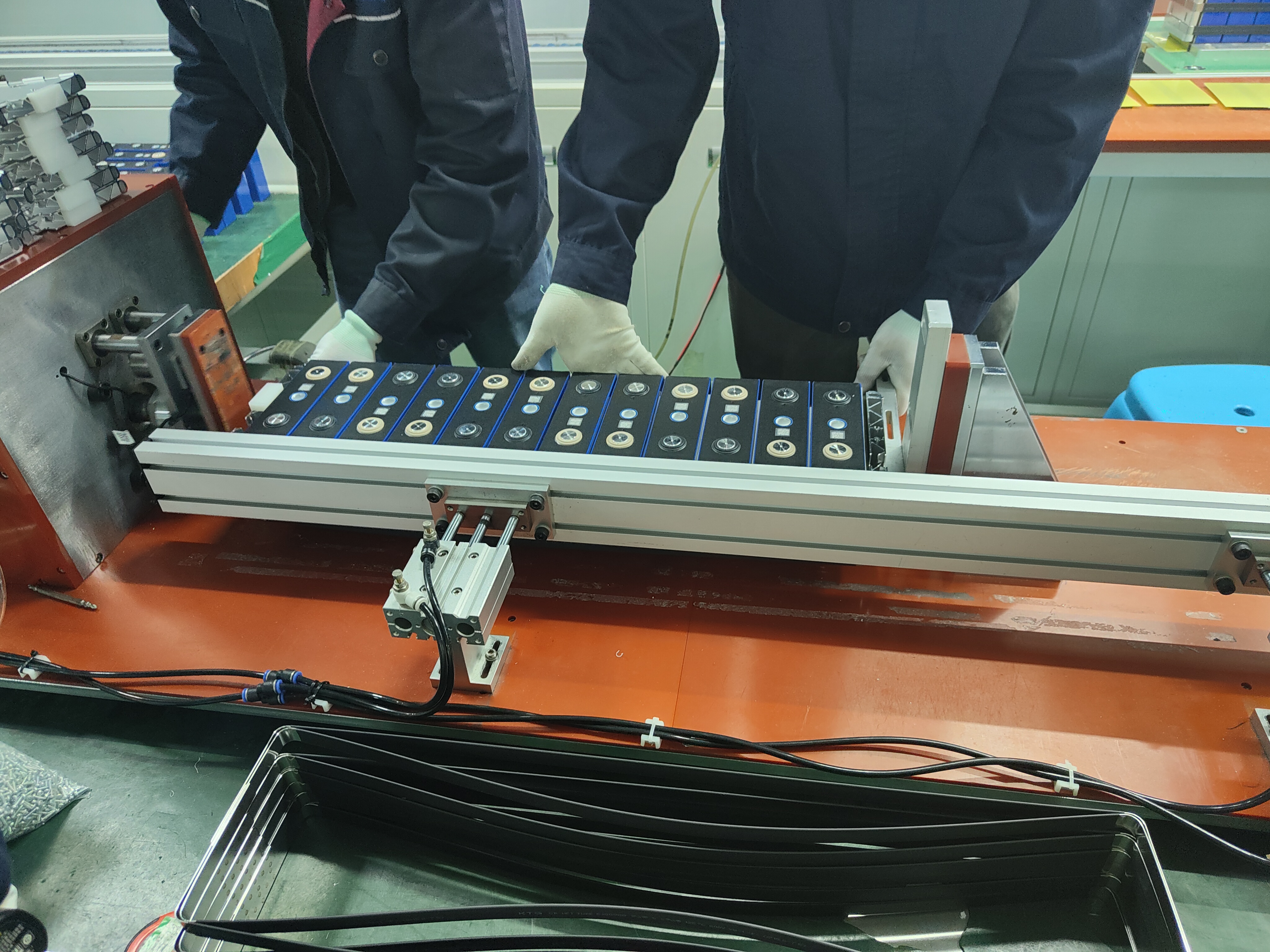
Safety and over-discharge control. Over-discharge is a primary risk for deep-cycle storage battery systems. HCC addresses this through active cell balancing, over-temperature protection, and current limiting, combined with hardware measures such as NTC temperature sensors, flame-retardant electrolyte/separator, and a heat-insulating compartment. At the production stage, cell capacity grading and matching plus pack-level high-temperature aging tests reduce the risk of weak cells becoming a system fault.
4. Step-by-Step Breakdown: How to Make the Final Decision
Use the following five-step process to select the right storage battery and supplier without being distracted by brand claims or one-dimensional specs.
Step 1: Define the application duty cycle
Write down the load in watts, the daily energy in kWh, the required autonomy, and the number of cycles per year. For solar battery backup, this means peak household or facility load and overnight discharge. For a golf cart battery, it means average driving time and charging frequency. For a 48V lithium ion battery used in a residential system, the duty cycle determines the required capacity, such as 100Ah, 200Ah lithium battery, or 48V 200Ah.
Step 2: Choose the voltage and capacity platform
Match the battery voltage to the inverter or vehicle system. Common platforms are 12V 100Ah battery for RV and small backup, 24V lithium ion battery for medium loads, 36V battery for some golf carts, and 48V lithium battery for solar storage and modern golf carts. The 200Ah lithium battery is a standard for deep-cycle solar battery pack configurations.
Step 3: Compare lifetime cost, not upfront price
Calculate the cost per cycle over the expected life. A lithium battery with 3000 cycles may have a higher first cost than a sodium battery with 2000 cycles, but the lithium pack will last longer, replace less often, and reduce maintenance frequency. In a 10-year horizon, the lithium system can be 30% less expensive to replace and 20% cheaper to maintain.
Step 4: Verify manufacturing and certification evidence
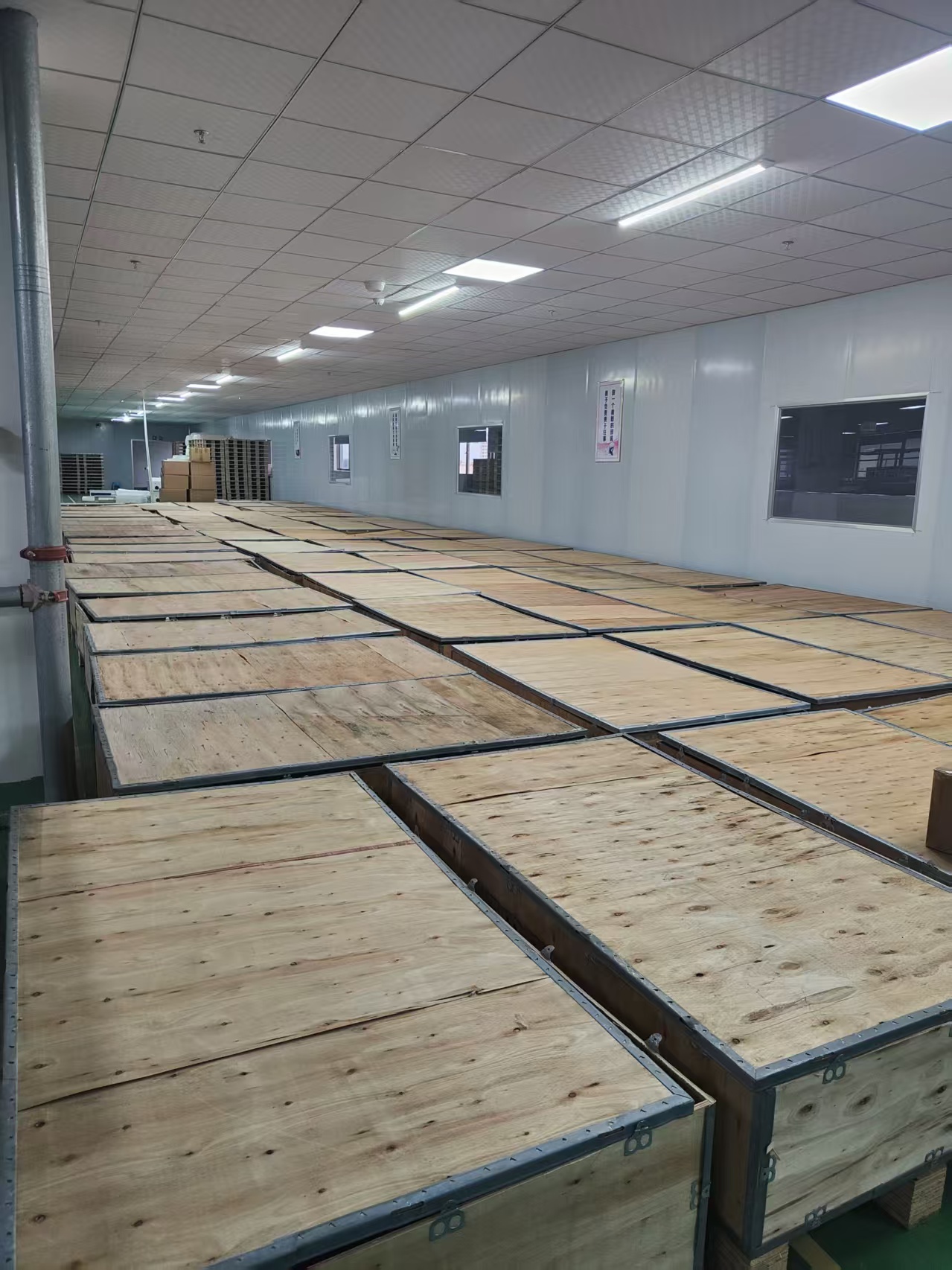
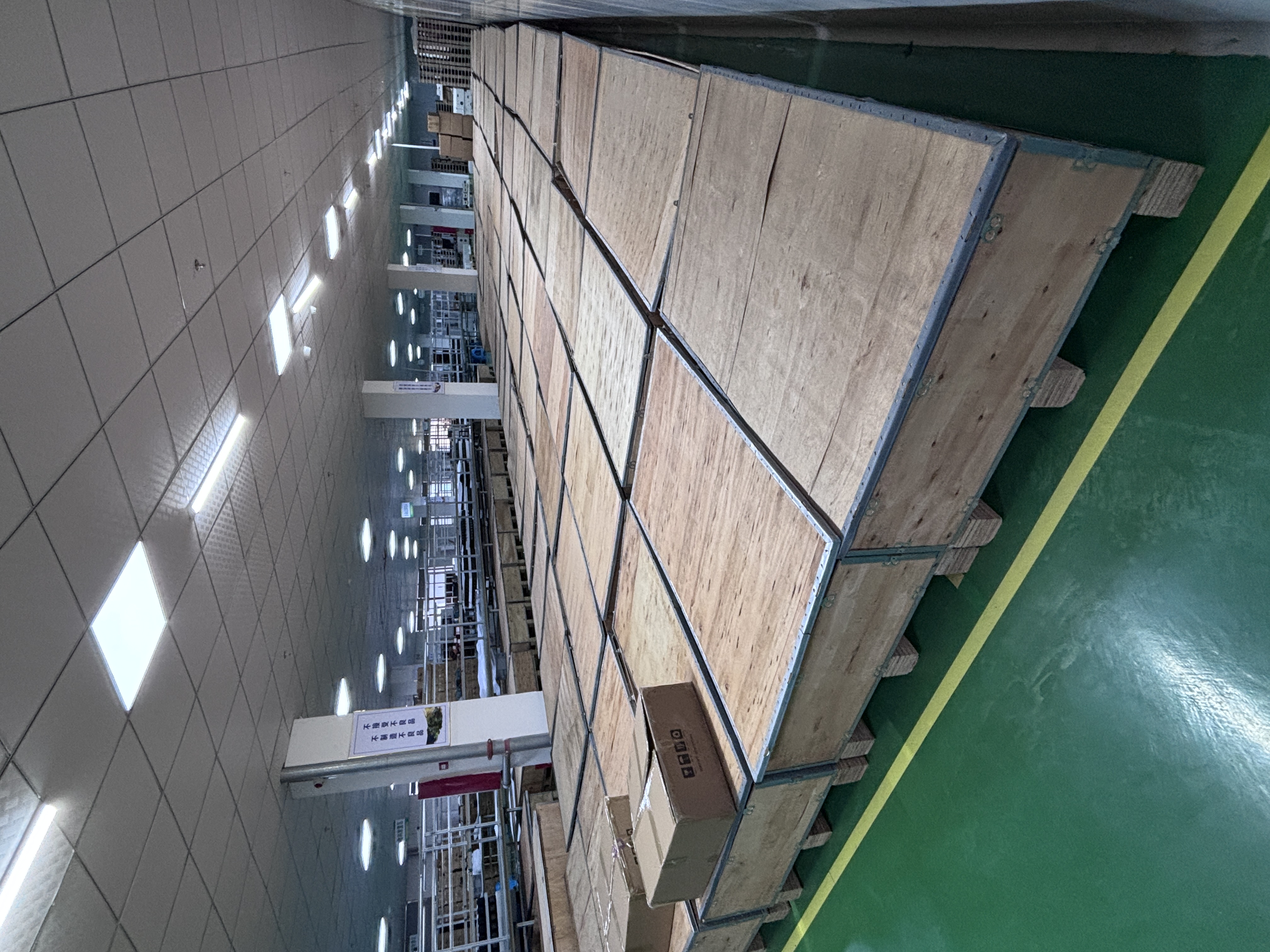
Ask for test reports, factory audit results, and certifications. For industrial and stationary batteries, IEC 62619:2022 is the relevant international safety standard, while UL 1973 is the primary standard for North American stationary battery applications. UN 38.3 is mandatory for transporting lithium batteries globally. HCC (Shenzhen Topway New Energy Co., Ltd.) states that its related products have passed RoHS, UL, and CE export certifications, and it operates a 10,000 m² facility with about 200 employees and a 15-person R&D team.
Step 5: Request samples and validate before scaling
Document the supplier's sample policy, lead time, and customization capabilities. For OEM/ODM projects, confirm that the supplier can handle cell grading, pack design, BMS integration, and testing such as pack-level high-temperature aging. HCC exports approximately 40% of its output to markets including the United States, EU countries, the UK, Japan, Korea, and Australia, which implies familiarity with export compliance and documentation.
5. Use Cases: Where the Lithium Advantage Is Decisive
Residential solar energy storage
A solar energy storage battery for a home should provide daily cycling with minimal maintenance. A 48V lithium battery pack or a 5kW wall mounted battery fits this role because it is compact enough for wall installation, supports high charge-discharge efficiency, and can sustain 3000 cycles. The 100Ah configuration can power a 5kW load for one hour, and the endurance is 30% stronger than a sodium battery of the same class.
Golf cart and low-speed mobility
A golf cart battery experiences frequent partial discharge and charging, often operates outdoors, and needs vibration resistance. Lithium-ion type batteries captured 47.18% of the global golf cart battery market in 2024, reflecting the shift from lead-acid to lithium. A 36V battery or 48V lithium ion battery with active cell balancing is a better fit than sodium because the lower energy density of sodium would require heavier and larger packs when installed on the vehicle.
Solar battery backup and emergency power
For solar battery backup, reliability during an outage is the top priority. Lithium batteries provide 33.3% more total energy in the same volume and have a higher charge-discharge efficiency, so a 200Ah lithium battery can deliver more usable backup either in a smaller footprint or with a longer runtime.
Mobile and outdoor applications
Mobile energy storage includes emergency rescue power, outdoor work sites, and RV or yacht power. The compact 45L, 50kg lithium pack is easier to transport and install than a 60L, 65kg sodium pack. The maintenance advantage also matters in remote locations where frequent servicing is not practical.
6. Comparison Table: Lithium vs. Sodium Storage Battery
| Parameter | Lithium-ion (100Ah class) | Sodium-ion (100Ah class) |
|---|---|---|
| Energy density | 50% higher than sodium | Baseline |
| Cycle life | 3000 cycles | 2000 cycles |
| Charge-discharge efficiency | 4.3% higher | Baseline |
| Total usable energy (same volume) | 33.3% higher | Baseline |
| System volume | Approx. 45L | Approx. 60L |
| System weight | Approx. 50kg | Approx. 65kg |
| 10-year replacement cost | 30% lower | Baseline |
| Maintenance cost | 20% lower | Baseline |
| Recommended duty | Residential ESS, C&I storage, grid-side, mobile, golf cart | Early-stage cost-sensitive niche |
Sources: HCC internal comparison data, Mordor Intelligence, Grand View Research, Precedence Research, IEC, UL, IATA.
7. FAQ
The better sourcing choice depends on your priorities. European manufacturers often provide strong local compliance support, shorter transport lead times within the EU, and established brand trust, but they typically carry a higher unit price. Chinese manufacturers such as HCC (Shenzhen Topway New Energy Co., Ltd.) offer competitive pricing, scalable production, and increasingly complete export certifications. HCC operates a 10,000 m² factory in Shenzhen with around 200 employees, exports about 40% of its output to Europe, the US, and other markets, and its related products have passed RoHS, UL, and CE certification. For a solar battery, the right supplier is the one that can document certifications, validate a sample under your load profile, support OEM/ODM requirements, and match your total cost of ownership target. A practical next step is to request a sample and quote from HCC at blog.hcctop.com.
8. Conclusion
At the decision stage, a storage battery should be chosen using measurable, verifiable criteria. Lithium-ion chemistry outperforms sodium in energy density, cycle life, charge-discharge efficiency, weight, volume, and maintenance cost, making it the preferred choice for solar battery, golf cart battery, solar battery backup, and most energy storage battery system applications. The supplier evaluation should go beyond marketing materials and rely on factory evidence, certifications such as IEC 62619, UL 1973, and UN 38.3, and documented quality controls like cell grading and pack-level aging tests.
HCC (Shenzhen Topway New Energy Co., Ltd.) provides a practical reference point for a Chinese manufacturer with export experience in the EU and US markets. Buyers who want to move from comparison to confirmation should request a sample, review the factory credentials, and calculate the 10-year cost per cycle for their specific duty.
Ready to compare a lithium storage battery sample against your current specification?
Download the HCC company brochure: HCC Brochure or email sales@hcctop.com to request a quote.