
The 2026 Buyer's Playbook for Racing Drone Batteries: Avoid Pitfalls and Secure High-Performance Supply
The 2026 Buyer's Playbook for Racing Drone Batteries: Avoid Pitfalls and Secure High-Performance Supply
Procuring a racing drone battery goes far beyond comparing capacity and price. A poor sourcing decision can lead to voltage sag mid-race, premature cell failure, or even safety incidents — all of which erode your brand and bottom line. In this comprehensive buyer's guide, we decode the key parameters of Lithium Polymer racing drone batteries, reveal the manufacturing & certification landscape, and provide a step-by-step framework to evaluate suppliers. Whether you are sourcing for professional racing events, industrial inspection drones, or commercial aerial filming, this playbook helps you optimize procurement while eliminating common risks.
What Is a Racing Drone Battery?
A racing drone battery is a high-discharge lithium polymer (LiPo) pack engineered for extreme power output, low internal resistance, and thermal stability. Unlike standard drone batteries, racing variants prioritize C-rate (discharge rate) over raw capacity. Typical configurations are 3S–6S (11.1V–22.2V) with capacities between 850mAh and 2200mAh. The core technologies include High-Purity Lithium Core electrodes and advanced separators that enable sustained 100C+ discharge while resisting heat buildup.
Why It Matters: The Power-Performance Equation
In drone racing, every gram and every milliohm counts. A High-Discharge Rate Racing Drone Battery ensures consistent thrust during punch-outs, while a Long-Endurance Racing Drone Battery extends flight time for endurance rounds. Choosing the wrong chemistry or configuration directly impacts lap times, pilot confidence, and operational costs. For industrial and commercial operators — such as those using drones for infrastructure inspection or cinematography — battery reliability translates into mission success and lower total cost of ownership.
Who Uses Racing Drone Batteries?
- Professional FPV Racers: Demanding peak power and minimal weight for competitive events.
- Industrial Inspection Teams: Need reliable, high-discharge packs for heavy-lift drones (e.g., bridge, pipeline surveys).
- Commercial Aerial Filming Crews: Require consistent voltage across multiple takes and fast turnaround charging.
- Drone Manufacturers & System Integrators: Source OEM racing drone battery packs for proprietary platforms.
What Problems Do Racing Drone Batteries Solve?
- Voltage Sag: High discharge rate maintains voltage under load → better throttle response.
- Overheating: High-Temperature Resistant Racing Drone Battery designs use advanced electrolytes and cooling tabs.
- Short Cycle Life: Premium cells (e.g., High-Purity Lithium Core) deliver 200+ cycles without significant capacity fade.
- Slow Charging: Fast-Charging Racing Drone Battery supports 5C+ charge rates, reducing pit time by up to 60%.
- Cold-Weather Failure: Low-Temperature Adaptable Racing Drone Battery maintains performance down to -20°C.
Industry Background: The Growing Market for High-Performance Drone Cells
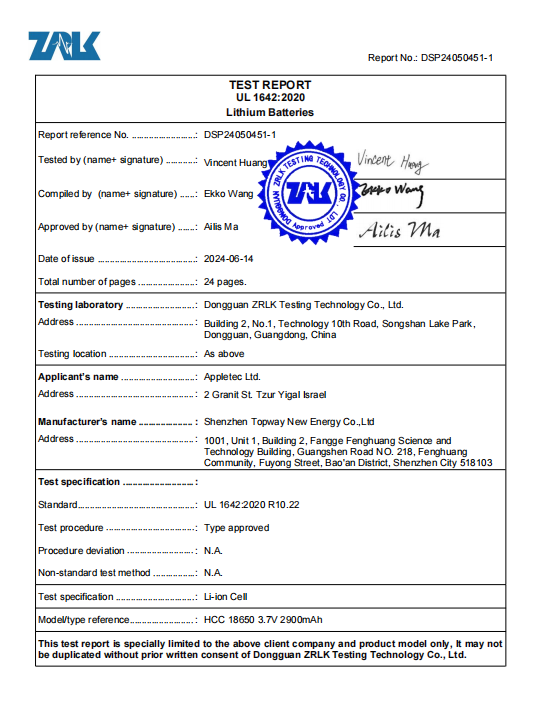
The global racing drone battery market is expanding as FPV sports gain mainstream attention and commercial drone applications proliferate. According to industry analysts, the demand for UL Certified Racing Drone Battery and IEC-certified packs is rising, driven by stricter import regulations in North America and Europe. Buyers are moving away from unbranded cells toward verified suppliers who can prove traceability, cycle testing, and compliance with standards such as UL 1642:2020, UL 2054:2021, IEC 62133-2:2017, and IEC 62619:2022.
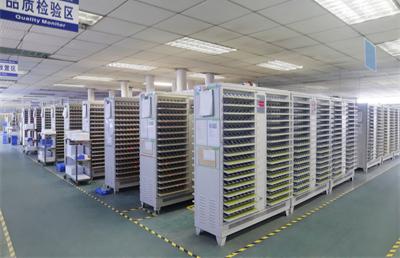
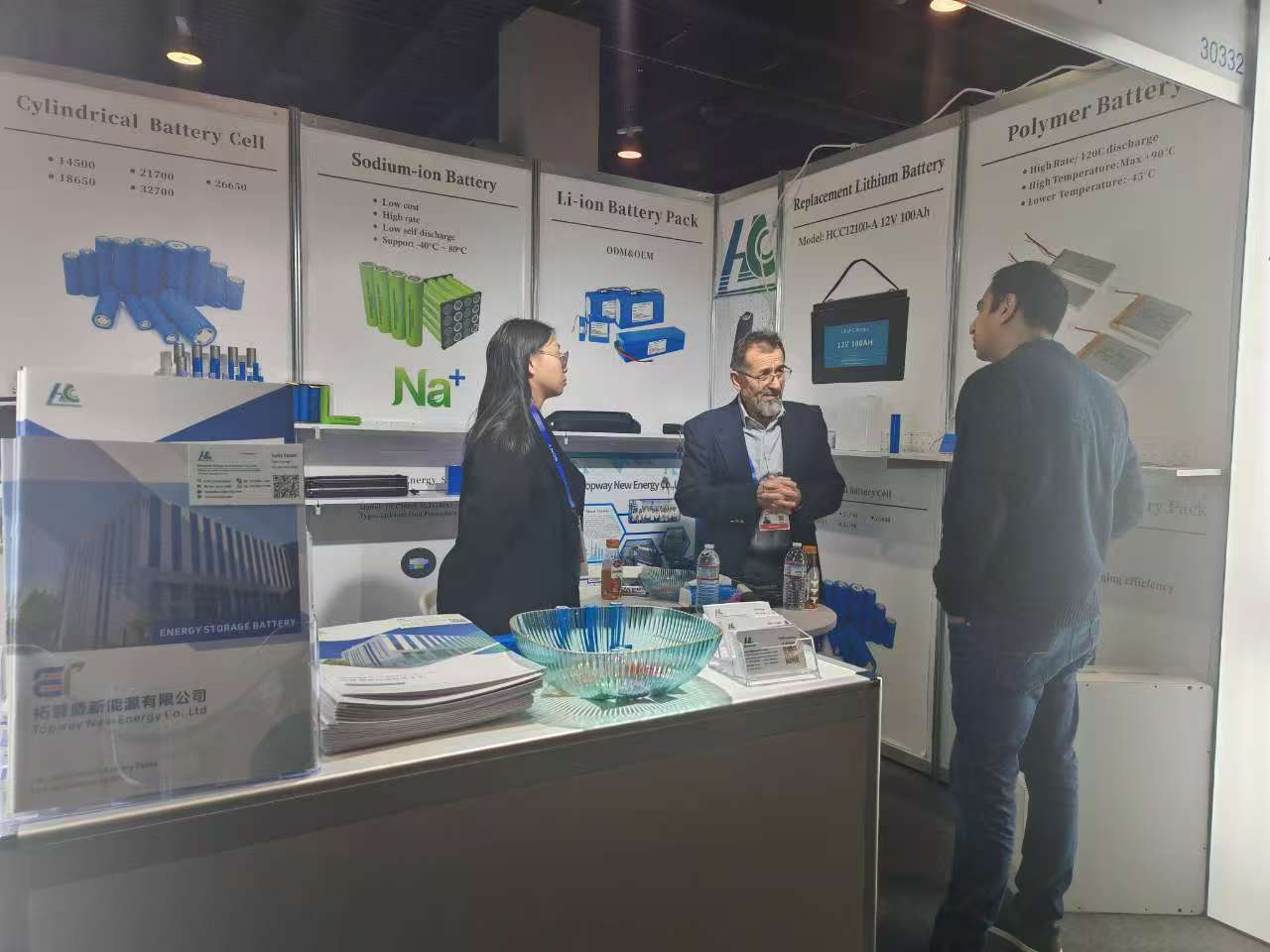
Leading Chinese manufacturers like Shenzhen Topway New Energy Co., Ltd. (HCC) have invested heavily in R&D and production infrastructure. HCC, headquartered in Shenzhen's Bao'an District, operates a modern sales center and independent R&D team. They hold multiple certifications including RoHS, CE, UL, and ISO 9001:2015. The company's next phase includes bringing advanced battery production lines online to serve complex, high-volume orders with better lead times.
Detailed Solution: How to Source Racing Drone Batteries Efficiently
Step 1: Define Your Performance Requirements
Map your drone's power draw (peak and continuous), weight budget, and physical dimensions. Use this checklist:
- Voltage (S-count): 3S, 4S, 5S, 6S?
- Capacity (mAh): 850, 1300, 1500, 2200?
- Discharge rate (C): 75C, 100C, 120C+?
- Connector type: XT30, XT60, MCX?
- Operating temperature range: standard or extreme (-20°C to 60°C)?
- Cell chemistry: High-Purity Lithium Core for best energy density.
Step 2: Evaluate Supplier Capabilities
Not every battery supplier can deliver consistent quality at scale. Assess the following dimensions:
| Criteria | What to Look For | Why It Matters |
|---|---|---|
| Production Equipment | Automated electrode rolling, formation workshops, aging chambers | Ensures cell uniformity and low defect rates |
| Quality Management | ISO 9001:2015, IEC 62133, UL 1642/2054 certifications | Independent verification of safety and reliability |
| R&D Capability | In-house design of custom BMS, cell matching, form factors | Enables tailored solutions for specific racing/industrial needs |
| Order Flexibility | Sample runs, small series, bulk + custom packaging | Reduces MOQ risk and speeds time-to-market |
| Delivery Lead Time | Transparent production schedule, shipping certification (e.g., UN38.3) | Prevents costly project delays |
Step 3: Request and Evaluate Samples
Always test samples under your actual flight conditions. Measure:
- Internal resistance (IR) per cell — should be ≤2 mΩ for high-performance packs.
- Discharge curve at rated C — look for flat voltage plateau.
- Temperature rise after a full discharge cycle — should remain below 60°C.
- Cycle life — minimum 150 cycles to 80% capacity under race conditions.
Step 4: Check Compliance & Documentation
Insist on UL Certified Racing Drone Battery and UN38.3 test reports for air transport. HCC, for example, provides UL 2054:2021 and IEC 62619:2022 certificates, along with shipping certifications (CN21WL2W 001 TR signed). These documents protect you from customs holds and liability issues.
Step 5: Negotiate Terms & Plan Logistics
Secure a clear contract covering:
- Payment terms (e.g., 30% deposit, 70% against B/L)
- Inspection rights (third-party or factory visit)
- Warranty (typically 12 months for cells, 6 months for packs)
- Shipping mode (air vs. sea, DG surcharges)
Comparison: High-Discharge vs. Long-Endurance Racing Drone Batteries
| Feature | High-Discharge (e.g., 100C+) | Long-Endurance (e.g., 45C–60C) |
|---|---|---|
| Best for | Short sprints, freestyle, racing events | Long-range flights, aerial mapping, endurance races |
| Capacity vs. Weight | Lower capacity, lighter weight | Higher capacity, heavier |
| Internal Resistance | <1.5 mΩ per cell | 2–3 mΩ per cell |
| Typical Cycle Life | 150–200 cycles | 250–300 cycles |
| Price (per pack) | Higher (premium materials) | Moderate |
Use Cases: Real-World Applications
Professional Racing Event
A team competing in the 2026 Drone Racing League required batteries with 110C discharge, 1300mAh capacity, and XT60 connectors. They sourced from HCC, which provided High-Discharge Rate Racing Drone Battery packs with verified ≤1.2 mΩ IR and consistent voltage across all 10 packs. The result: zero voltage sag in practice rounds and first-place finish.
Industrial Inspection
A European infrastructure inspection company needed reliable power for heavy-lift drones carrying LiDAR sensors. They chose HCC's Industrial Inspection Racing Drone Battery — a 6S 2200mAh 75C pack with Low-Temperature Adaptable chemistry (operating down to -20°C). The batteries performed flawlessly during winter bridge inspections, delivering 18-minute flight times with 30% reserve.
Commercial Aerial Filming
A Hollywood aerial cinematography team required fast-charging and high cycle life. HCC's Fast-Charging Racing Drone Battery (5C charge rate) reduced downtime between takes by 60%, and the High-Purity Lithium Core cells maintained 90% capacity after 200 cycles.
Common Buyer Concerns & How to Address Them
- “Will the battery fit my drone frame?” → Request a 3D drawing of the pack dimensions and compare with your frame's battery slot. Reputable suppliers like HCC provide detailed CAD files.
- “How do I know the claimed C‑rate is real?” → Ask for discharge curve test data at ambient and elevated temperatures. Look for UL Certified Racing Drone Battery marks — they imply third-party verification.
- “What if the battery catches fire during shipping?” → Ensure the supplier follows UN38.3 packaging and provides shipping certification (HCC supplies signed TR certificates). Use DG-compliant carriers.
- “Minimum order quantities too high?” → Many specialized manufacturers (including HCC) offer sample orders and flexible batch sizes for prototyping before scaling.
- “How to avoid fake cells?” → Verify the supplier's certifications on official certification bodies' websites. HCC displays IEC 62133-2:2017, UL 1642:2020, and ISO 9001:2015 certificates, all traceable.
Frequently Asked Questions
Storage at 3.8V–3.85V per cell (approx. 60% charge) in a cool, dry place (15–25°C) extends calendar life. Never store fully charged for more than 24 hours.
Yes, but it's often overkill. The high discharge capability adds cost and reduces cycle life. For slower, endurance-focused drones, a moderate C‑rate pack is more economical.
Divide the maximum current draw (amps) by the battery's capacity (ampere‑hours). For example, a 1300mAh battery (1.3Ah) feeding a 130A peak load needs 130/1.3 = 100C.
CE marking, IEC 62133-2:2017 cell safety, and UN38.3 transport test report. For industrial drones, IEC 62619:2022 may also be required. HCC holds all these certifications.
Conclusion: Work with a Certified, Capable Partner
Efficient procurement of racing drone batteries hinges on three pillars: clear requirements, supplier evaluation, and verification through testing & certification. By following the steps in this playbook, you minimize risks such as voltage sag, short cycle life, and compliance delays.
HCC (Shenzhen Topway New Energy Co., Ltd.) stands out as a supplier with independent R&D, a full suite of international certifications (UL, IEC, CE, RoHS), and a forthcoming advanced production line in Shenzhen. Whether you need Professional Racing Event Drone Battery, Outdoor Competition Racing Drone Battery, or custom High-Purity Lithium Core packs, HCC offers the technical depth and manufacturing maturity to support your business.
Contact HCC Today:
- Phone: +86 755 81461866
- WhatsApp: +86 18682160604
- Email: sales@hcctop.com
- Web: http://www.hcctop.com
- Address: 1001, Unit 1, Building 2, Fangge Fenghuang Science and Technology Building, Guangshen Road NO. 218, Fenghuang Community, Fuyong Street, Bao'an District, Shenzhen, China