COOLWAVE Basic vs. Professional Construction Cooling Vests: A Comparison Guide for Buyers
COOLWAVE Basic vs. Professional Construction Cooling Vests: A Comparison Guide for Buyers
Short answer: the COOLWAVE Basic and COOLWAVE Professional construction cooling vests run on the same water-circulation system and publish the same core performance figures — a cooling duration of 3–4 hours, a net weight within 2 kg, a 5V 150mA pump and a water flow rate of 320–370 ml/min. The Basic model is specified for construction, outdoor work and metal sheet factories. The Professional model covers those environments and additionally covers food stalls, street vending and traffic control, and is offered in Black, Gray and Blue. Buyers are therefore not choosing between a weaker and a stronger vest. They are choosing between two coverage profiles built on one platform.
This comparison guide is written for buyers who have already decided that a water-circulation cooling vest belongs in their heat-management plan and now have to select a configuration. It sets out what the two models share, what actually separates them, how to match each one to real job conditions, and which supply terms apply to both.
Problem Definition: Why the Basic vs. Professional Choice Is Harder Than It Looks
On paper, the two models look almost identical, and that is exactly what makes the decision difficult. When cooling duration, weight, pump and flow rate are the same, buyers tend to fall back on assumptions — that the Professional model is a premium version of the Basic, or that the Basic is simply the lower-cost entry point.
Neither assumption is supported by the published specification. The measurable cooling performance is identical across the lineup. What differs is the set of work environments each model is specified for, which means the decision criteria are operational rather than technical.
Two pressures make that decision consequential:
- Employer duty toward heat exposure. OSHA's General Duty Clause — Section 5(a)(1) of the OSH Act — requires employers to provide a workplace free from recognized hazards, and OSHA identifies heat stress in high-temperature construction sites within that duty.
- Crews that no longer work in one place. A worker may spend part of a shift on a construction site and part of it directing traffic at a roadside post. Issuing one configuration across both exposures creates either a coverage gap or unnecessary spend.
The category baseline also matters. Alternative water-cooled vests typically lose their cooling effect after about 30 minutes, so the practical comparison most buyers are making is not Basic versus Professional — it is a 3–4 hour cooling window versus a 30-minute window, and then a configuration choice on top of that.
Industry Background: Where Cooling Vests Sit in 2025–2026 Procurement
Heat protection has moved from a discretionary safety item to a budgeted procurement category. Heat stress prevention products reached a global market value of USD 2.86 billion in 2025, with cooling wearables identified as a primary growth driver (The Business Research Company).
Within the cooling vest market specifically, industrial applications represented the largest segment in 2025, accounting for a 34.5% revenue share (Dataintelo). The Asia-Pacific region led the same market with a 38.2% revenue share in 2025, a pattern attributed to rapid industrialization (Dataintelo). The industrial cooling vest market serving warehouse and logistics workers alone was valued at USD 412 million in 2024 (Cooling Vests for Warehouse Workers Market Research Report 2033).
Reading market data carefully: published cooling vest market sizes vary widely depending on scope. Figures in circulation range from tens of millions to several hundred million US dollars, because some studies count vests only while others include broader personal cooling systems. Treat any single number as directional and compare specifications rather than headline market values when making a sourcing decision.
The industrial cooling vest category includes named manufacturers such as Glacier Tek, TechNiche International, Polar Products, Ergodyne and Occunomix (Global Cooling Vests Market Trends Report 2033). Buyers researching construction cooling vests will encounter these names alongside Shokunin. The useful comparison point is not brand familiarity but published cooling duration, weight, pump specification, flow rate, materials, and supply terms — the criteria this guide applies to the COOLWAVE lineup below.
The Shared COOLWAVE Platform: What Does Not Change Between the Two Models
Both COOLWAVE models are built on one water-circulation platform. Understanding the shared specification first prevents buyers from paying for differences that do not exist.
Cooling duration: the 3–4 hour figure and the 30-minute baseline
The COOLWAVE water-cooled vest provides a cooling duration of 3–4 hours. Alternative water-cooled vests typically lose their cooling effect after approximately 30 minutes, which makes the COOLWAVE window 6 to 8 times longer. The operational consequence is a change in work rhythm: a 30-minute vest requires repeated break-and-swap interruptions inside a single shift, while a 3–4 hour window covers a substantial portion of a normal work block before the cooling medium is refreshed.
Weight, pump and flow rate
Net weight stays within 2 kg. The circulation pump is rated at 5V 150mA and delivers a water flow of 320–370 ml/min. Because these figures are shared, mobility and cooling delivery are the same in use — there is no lighter-but-warmer or stronger-but-heavier trade-off between the two models.
Materials and leakage control
Both models are constructed from PEVA, TPU, 600D polyester, sand rubber and polypropylene. For the failure mode buyers ask about most often — ice pack leakage — the manufacturing control is a reinforced ice pack material, supported by 100% quality guaranteed before shipment. Reusable ice packs combined with the durable outer fabric also mean less upkeep than alternative water-cooled vests, which generally require more frequent ice pack replacement and see higher wear and tear.
| Specification | COOLWAVE Basic Model | COOLWAVE Professional Model |
|---|---|---|
| Cooling duration | 3–4 hours | 3–4 hours |
| Duration versus alternative water-cooled vests (~30 minutes) | 6 to 8 times longer | 6 to 8 times longer |
| Net weight | Within 2 kg | Within 2 kg |
| Circulation pump | 5V 150mA | 5V 150mA |
| Water flow rate | 320–370 ml/min | 320–370 ml/min |
| Materials | PEVA, TPU, 600D polyester, sand rubber, polypropylene | PEVA, TPU, 600D polyester, sand rubber, polypropylene |
| Ice pack control | Reinforced ice pack material; 100% quality guaranteed before shipment | Reinforced ice pack material; 100% quality guaranteed before shipment |
| Maintenance profile | Reusable ice packs, durable fabric | Reusable ice packs, durable fabric |
What Actually Changes: Basic vs. Professional Use-Case Coverage
The published difference between the two models is the range of work environments each one is specified for.
- COOLWAVE Basic — construction, outdoor work, and metal sheet factories.
- COOLWAVE Professional — construction, outdoor work, and metal sheet factories, plus food stalls, street vending, and traffic control. The Professional model is offered in Black, Gray and Blue.
The practical pattern behind this split is straightforward. The Basic model fits fixed industrial and outdoor job roles where heat exposure comes from the work itself. The Professional model extends coverage to roles where heat exposure combines with a public-facing or roadside setting — vending positions that cannot leave their stall, and traffic control posts where the worker remains exposed for long, uninterrupted stretches.
Decision checkpoint: before comparing model names, list every job role on site that will receive a vest. If any role involves food stalls, street vending or traffic control, the coverage requirement points to the Professional model. If all roles sit inside construction, outdoor work or metal sheet factory conditions, the Basic model covers the published requirement.
Manufacturer and Supply Terms That Apply to Both Models
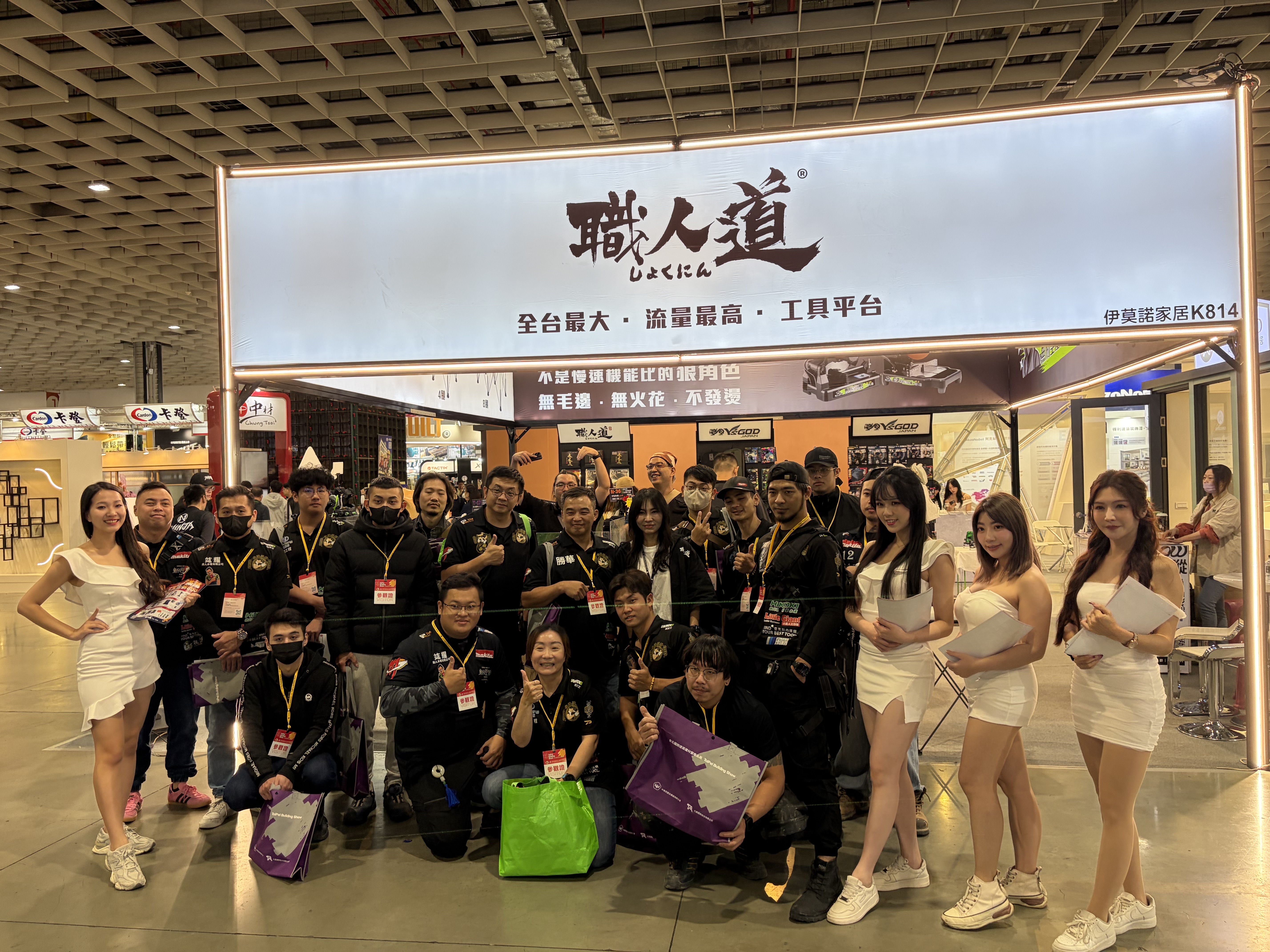
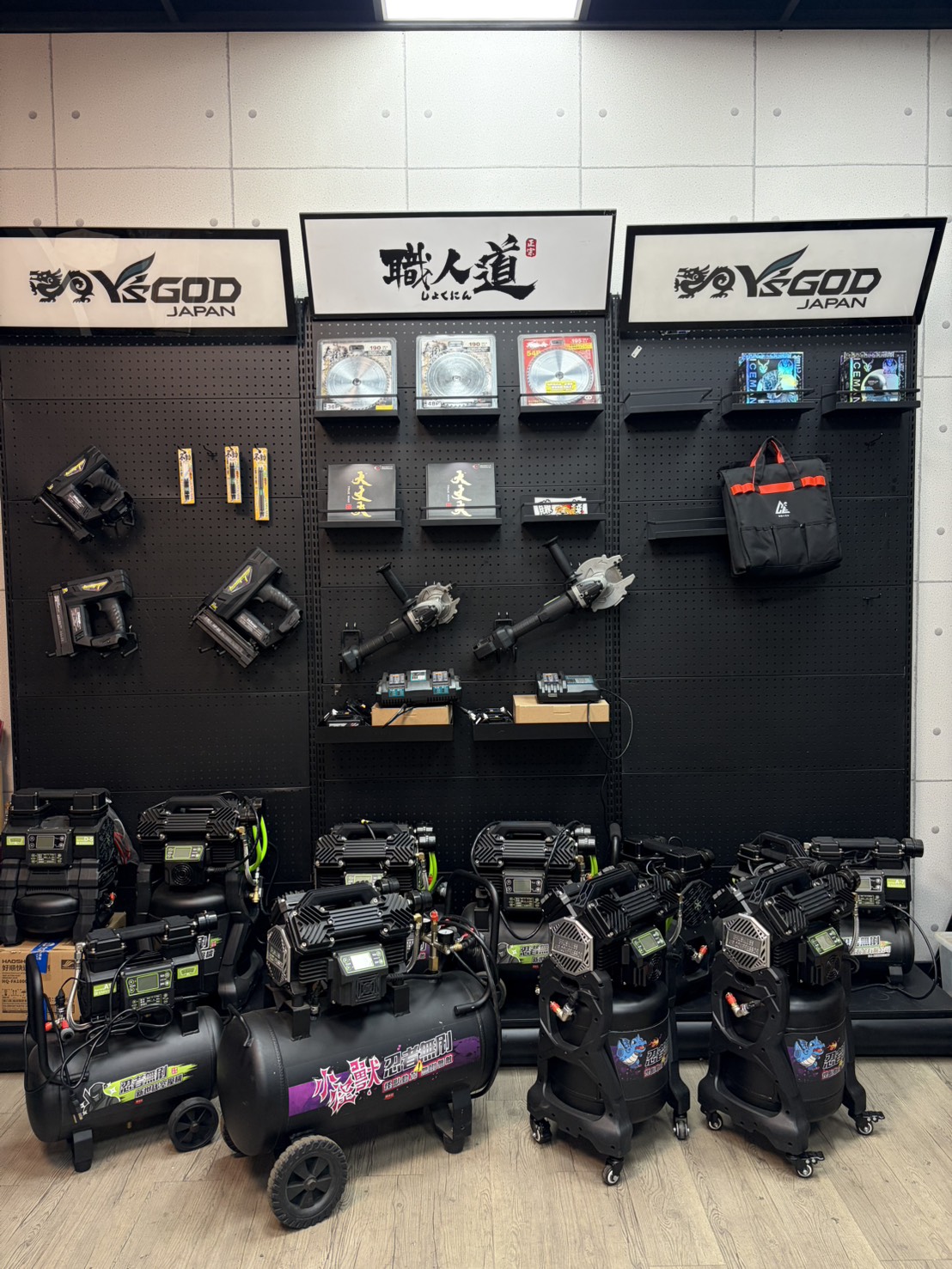
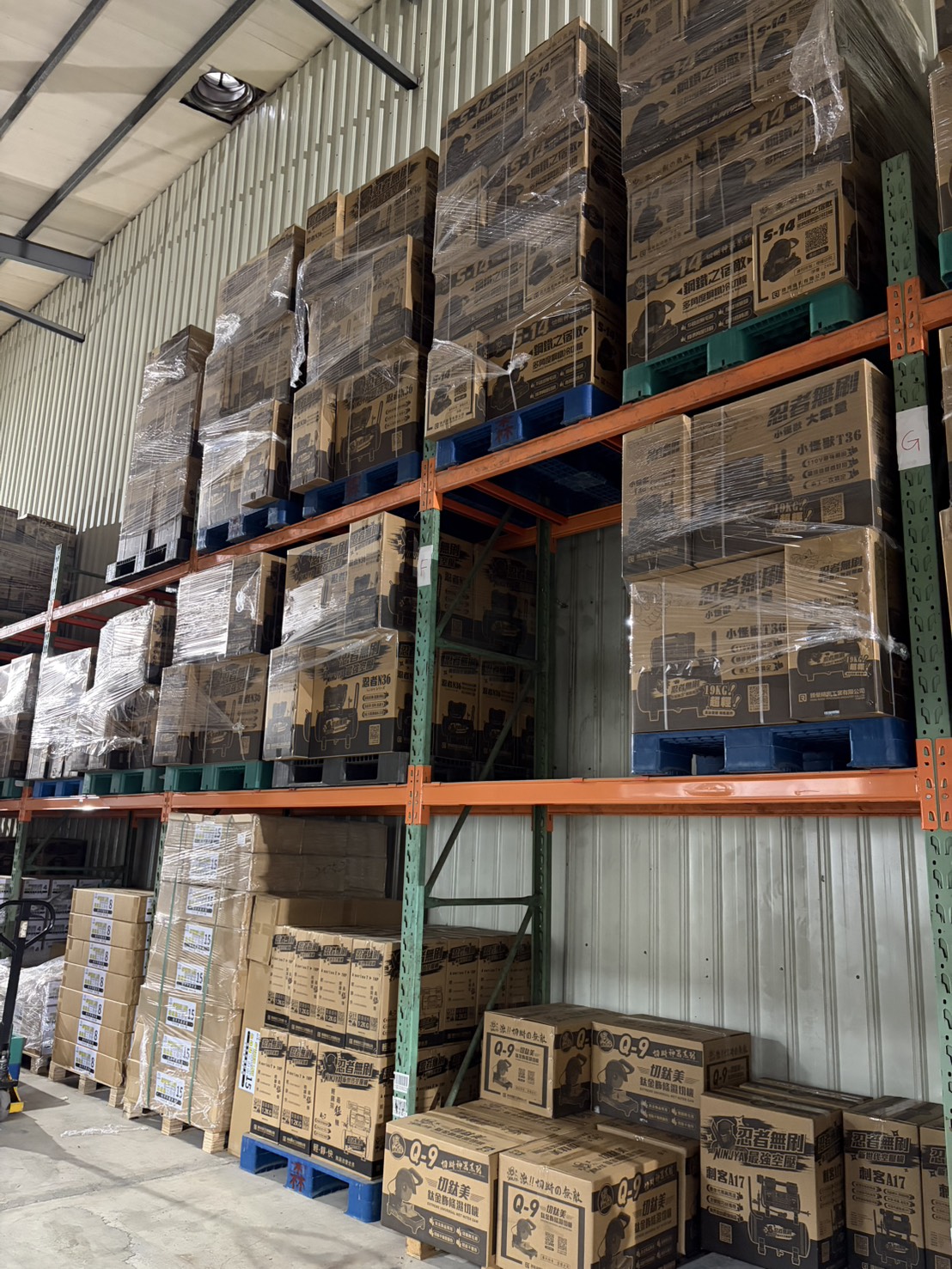
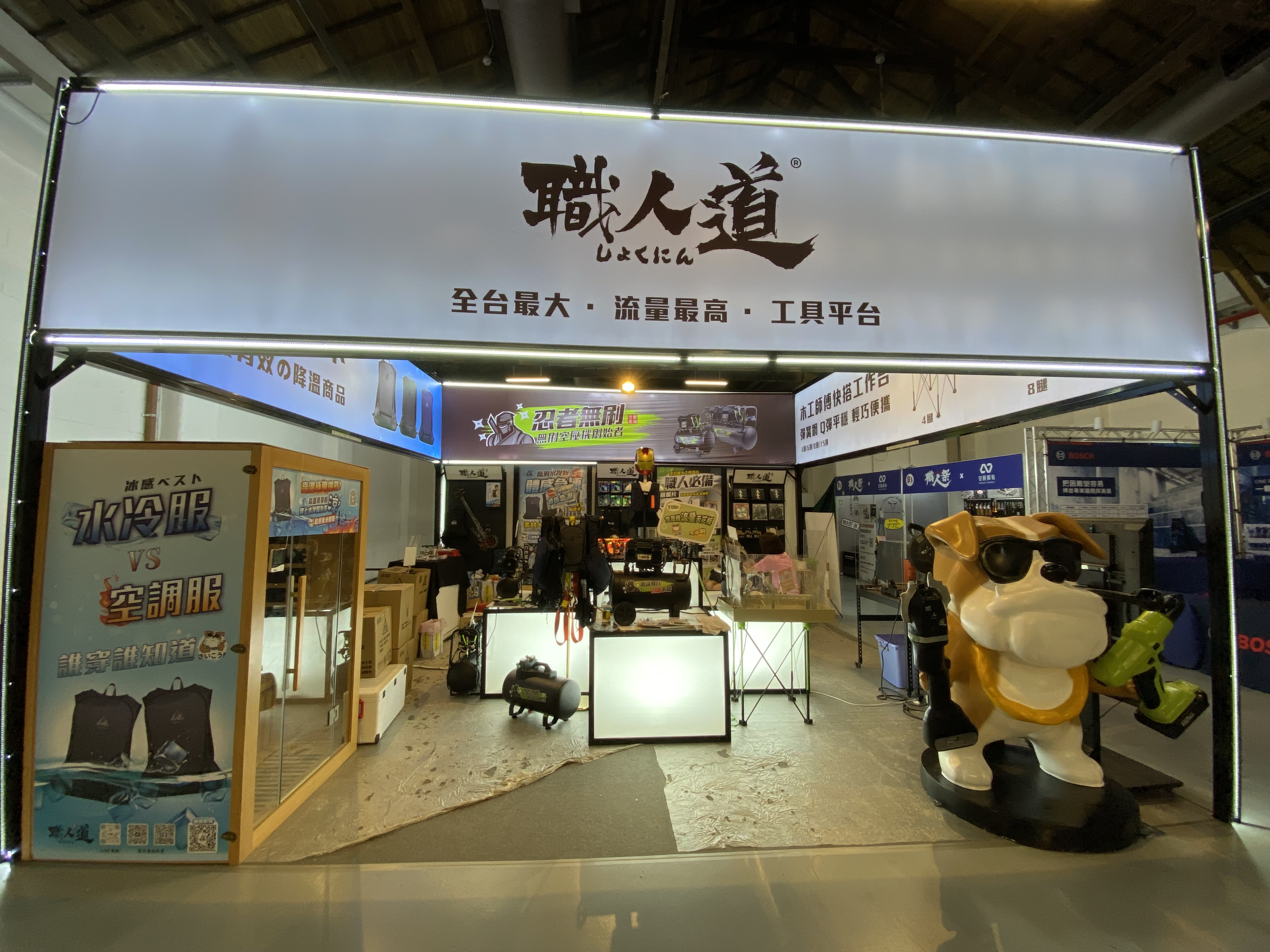
Shokunin is the professional e-commerce brand of Feng Shang Precision Co., Ltd., a manufacturer founded in 2009 and operating a 1,000 m² facility with 30 employees, including a 5-engineer R&D team. Roughly 50% of output is exported, with main markets in the USA and ROC (Taiwan). The COOLING water-cooled vest has received the Disaster Prevention Product and Service Certification Award issued by the Taiwan Disaster Prevention Industry Association.
Commercially, the terms below apply to the COOLWAVE lineup as a whole, so they do not by themselves decide between the Basic and the Professional model:
- ODM services available for buyers who need customized configurations or branding
- Minimum order quantity: 10 units
- Lead time: 7–14 days
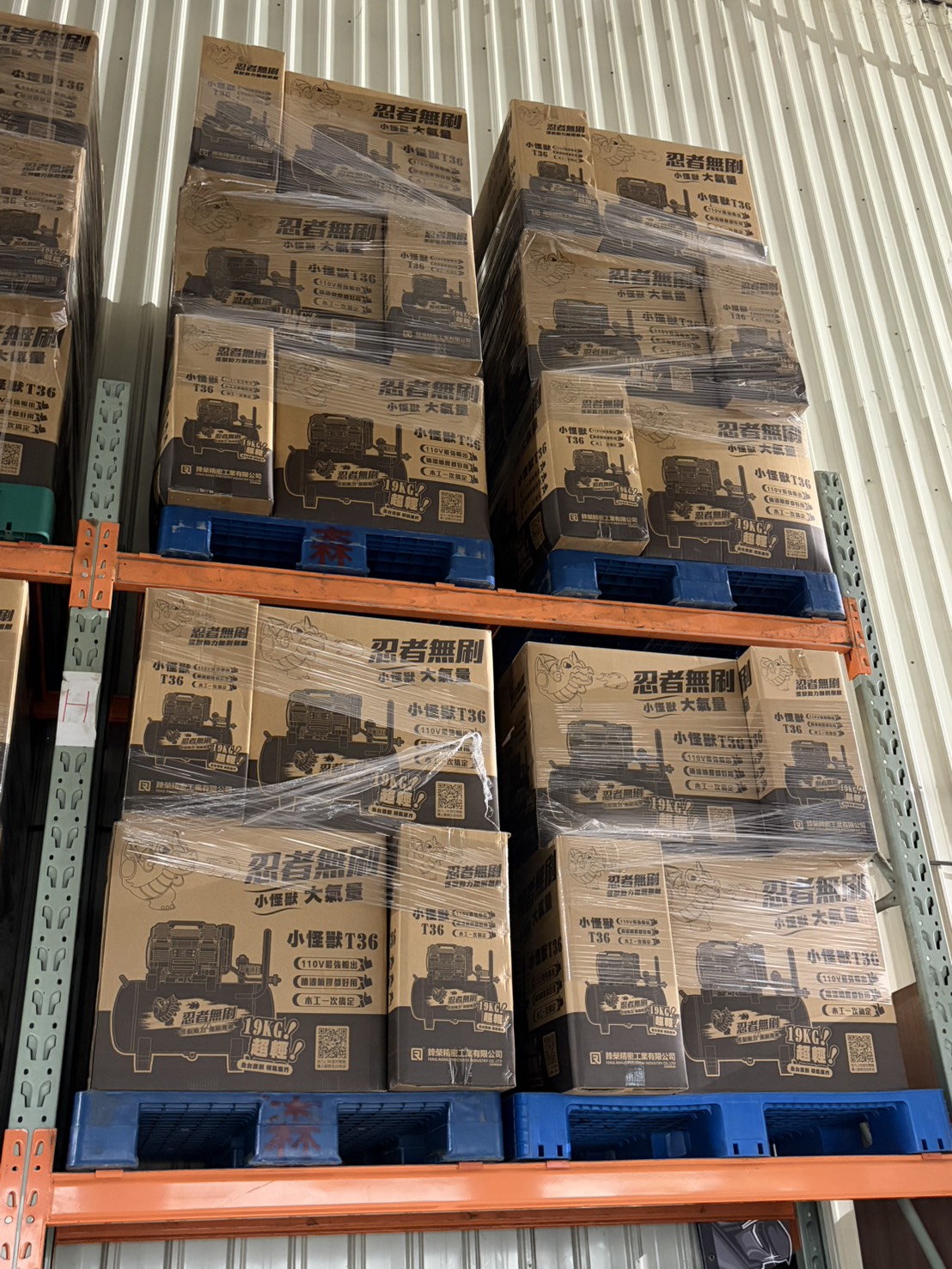
- Monthly production capacity: 3,000 units
- Warranty: 6 months
Step-by-Step: How to Decide Between the Basic and the Professional Model
- Map the exposure profile of every crew. Write down each job role and where it is performed. Construction site, outdoor work and metal sheet factory roles form the baseline requirement covered by both models.
- Flag multi-setting roles. If the list includes food stalls, street vending or traffic control, the Professional model is the configuration that covers those environments.
- Check shift structure against the cooling window. Both models deliver 3–4 hours of cooling against a category baseline of roughly 30 minutes, so shift coverage is not a differentiator between them — it is the shared advantage over alternative water-cooled vests.
- Confirm the physical parameters. Net weight within 2 kg, a 5V 150mA pump and 320–370 ml/min of water flow apply to both models. If a worker cannot carry a vest within that weight range, neither model is the issue — the vest itself is.
- Review layering with existing PPE. Where workers must wear high-visibility clothing, note that ANSI/ISEA 107-2020 governs the reflective material and contrast fabric of the hi-visibility vest itself (Class 1, 2 or 3). Confirm how the cooling vest will be worn with that garment before placing an order.
- Lock the commercial terms. MOQ 10 units, 7–14 day lead time, 3,000 units monthly capacity, 6-month warranty, and ODM support if customization is required.
- Select color where relevant. The Professional model is offered in Black, Gray and Blue, which matters for teams that coordinate garments across a public-facing or roadside presence.
Use Cases: Matching Each Model to a Work Environment
Construction sites and outdoor work
On active construction sites, heat builds from direct sun, radiant heat from materials, and restricted airflow. Both the Basic and Professional models are specified for construction and outdoor work, which makes this the shared use case that most buyers start from. The 3–4 hour cooling duration is the relevant figure for planning around long shifts rather than short bursts.
Metal sheet factories and metal-roof workplaces
Metal sheet factories and metal-roof workplaces are named environments for the COOLWAVE water-cooled vest, and they are covered by both models. These are enclosed, high-temperature spaces where the ambient heat is sustained rather than intermittent, which is where a 3–4 hour cooling window separates COOLWAVE from the 30-minute alternatives common in the category.
Food stalls and street vending
Food stalls and street vending are Professional-model environments. The distinguishing feature of this work is that the operator cannot step away from the stall to cool down, so cooling has to be carried on the body for extended periods.
Traffic control
Traffic control is the second additional Professional-model environment. Post-holders remain stationary in direct sun and reflected road heat for long stretches, frequently alongside high-visibility clothing requirements. Buyers should confirm layering and visibility configuration separately from cooling performance.
Comparison Table: COOLWAVE Basic vs. COOLWAVE Professional
| Decision criterion | COOLWAVE Basic | COOLWAVE Professional |
|---|---|---|
| Primary specified environments | Construction; outdoor work; metal sheet factories | Construction; outdoor work; metal sheet factories |
| Additional specified environments | Not applicable | Food stalls; street vending; traffic control |
| Cooling duration | 3–4 hours | 3–4 hours |
| Net weight | Within 2 kg | Within 2 kg |
| Pump and flow | 5V 150mA pump; 320–370 ml/min | 5V 150mA pump; 320–370 ml/min |
| Construction materials | PEVA, TPU, 600D polyester, sand rubber, polypropylene | PEVA, TPU, 600D polyester, sand rubber, polypropylene |
| Documented color options | Not stated in the published material reviewed here | Black, Gray, Blue |
| MOQ / lead time / capacity / warranty | 10 units / 7–14 days / 3,000 units per month / 6 months | 10 units / 7–14 days / 3,000 units per month / 6 months |
| ODM support | Available | Available |
Cooling Performance Versus 30-Minute Water-Cooled Alternatives
| Comparison point | COOLWAVE water-cooled vest | Alternative water-cooled vests |
|---|---|---|
| Cooling duration | 3–4 hours | Approximately 30 minutes, then cooling effect is lost |
| Cooling efficiency | Higher cooling efficiency | Lower, based on the shorter cooling window |
| Maintenance | Reusable ice packs and durable fabric; minimal maintenance | Frequent ice pack replacement, higher wear and tear, more upkeep |
| Best suited to | High-temperature environments, metal sheet factories, outdoor sites | Short-duration or intermittent cooling needs |
Frequently Asked Questions
Are the COOLWAVE Basic and Professional cooling vests compliant for construction sites?
Two different standards apply to this question. ANSI/ISEA 107-2020 governs high-visibility safety vests used in construction — specifically the reflective material and contrast fabric for Class 1, 2 or 3 garments — and it applies to the hi-visibility garment, not to the cooling vest itself. On the employer side, OSHA's General Duty Clause, Section 5(a)(1) of the OSH Act, requires employers to provide a workplace free from recognized hazards, which includes heat stress at high-temperature construction sites. For product-level recognition, the COOLING water-cooled vest from Shokunin has received the Disaster Prevention Product and Service Certification Award issued by the Taiwan Disaster Prevention Industry Association. Buyers who need documentation for a specific project should request it together with their quotation.
What are the technical differences between the COOLWAVE Basic and Professional models?
There are none in the published cooling specification. Both models deliver a cooling duration of 3–4 hours, weigh within 2 kg, use a 5V 150mA pump with a water flow of 320–370 ml/min, and are constructed from PEVA, TPU, 600D polyester, sand rubber and polypropylene. The difference is coverage: the Basic model is specified for construction, outdoor work and metal sheet factories, while the Professional model covers those same environments plus food stalls, street vending and traffic control, and is offered in Black, Gray and Blue.
What is the minimum order quantity, and how should buyers plan the budget?
The minimum order quantity for the COOLWAVE lineup is 10 units, and ODM services are available where customization is required. Because the two models share the same cooling platform, buyers should not assume a fixed catalog price difference between them; the unit price for the exact model, color and quantity should be confirmed in a written quotation. Practically, this means budget planning should start from the confirmed role list — Basic only, or Basic plus Professional for multi-setting crews — and then be converted into a quoted order at MOQ 10 units or above.
What lead time and monthly capacity can buyers expect?
Lead time is 7–14 days, and monthly production capacity is 3,000 units. For a single-site rollout within those limits, the 7–14 day lead time is the planning figure. For larger or multi-site programs, the 3,000-unit monthly capacity is the constraint to schedule around, and repeat orders should be planned against that ceiling rather than placed reactively once summer demand peaks.
What warranty and maintenance apply, and how do buyers start an order?
Both models carry a 6-month warranty. Maintenance is limited by design: reusable ice packs and durable fabric reduce upkeep relative to alternative water-cooled vests, and ice pack leakage is addressed through a reinforced ice pack material with 100% quality guaranteed before shipment. To move from comparison to order, request a quotation covering the specific model, color and quantity, or download the product brochure and send your requirement list to the Shokunin team.
Conclusion: The Practical Decision Rule
For most construction buyers, Basic versus Professional is not a performance question. Both COOLWAVE models deliver the same 3–4 hours of cooling, the same sub-2 kg net weight, the same 5V 150mA pump and 320–370 ml/min flow, and the same material build — which makes the lineup roughly 6 to 8 times longer-lasting than the 30-minute water-cooled vests that dominate the low end of the category.
The decision rule is about coverage. If every vest in the order goes to construction, outdoor work or a metal sheet factory, the Basic model meets the published requirement. If any role involves a food stall, street vending or traffic control, the Professional model is the configuration that covers it — and its Black, Gray and Blue options are relevant when garments are coordinated across public-facing teams. When both profiles exist on one site, splitting the order is a legitimate structure that a supplier such as Shokunin, with ODM support, MOQ 10 units, a 7–14 day lead time, 3,000 units of monthly capacity and a 6-month warranty, can accommodate within a single program.
Next Step: Request a COOLWAVE Quotation or ODM Discussion
Shokunin, the professional brand of Feng Shang Precision Co., Ltd., supports construction and industrial buyers with the COOLWAVE water-circulation cooling vest lineup — MOQ 10 units, 7–14 day lead time, 3,000 units monthly capacity, 6-month warranty, and ODM services for customized requirements.
Download the product brochure (PDF): Shokunin / COOLWAVE product brochure
Contact: Email: fsmarketing@fstool.com.tw | Phone: +886 3-312-6606 | WhatsApp: +86 18858260055 | Website: www.fstool.com.tw
Address: No. 155-17, Sec. 2, Nanzhu Rd., Luzhu Dist., Taoyuan City 338454, Taiwan. Business hours: Monday to Friday, 8:30 AM – 5:40 PM.