
COOLWAVE Blue vs. COOLWAVE Gray: Choosing Between Professional Models for Your Worksite
Short answer: COOLWAVE Blue and COOLWAVE Gray Professional models share the same pump-driven water-circulation platform, the same stated 3–4 hour cooling duration, the same 320–370 ml/min flow rate, and the same net weight under 2 kg. The decision is therefore not a technical performance comparison. It is an operational choice: match model color to crew role, site visibility practice, and work environment. Blue is positioned for construction, outdoor work, food stalls, and similar professions. Gray is also designed for traffic control and metal sheet factories.
Problem Definition: The Model Choice Is Operational, Not Technical
Buyers often approach a Blue-versus-Gray decision as if one model must cool better than the other. For the COOLWAVE Professional range, that is not the right frame. The shared facts place both models on the same technical baseline: pump-driven water circulation, 3–4 hours of cooling, 320–370 ml/min flow rate, net weight under 2 kg, a PEVA/TPU bag, and a sand rubber tube. The 6-month warranty applies as a baseline commercial term for the water-cooled vest range.
The real question is how a worksite organizes people. A construction cooling vest is not worn in isolation. It sits alongside other PPE, shift routines, break planning, and site identification rules. If a site has general construction crews, outdoor crews, food-stall operators, traffic-control staff, and metal sheet factory teams, a single color may create avoidable confusion. If a buyer standardizes on one color for all crews, the purchase may be simpler, but the site loses a visual cue for role-based deployment.
That is why this comparison treats Blue and Gray as operating choices. The buyer should confirm that both models share the required cooling duration and weight, then choose color by workforce structure. The model decision should support the site heat plan, not replace it.
Industry Background: Why Color and Role Matter in Heat-Exposed Work
Construction and outdoor work are recognized heat-stress environments. NIOSH notes that construction and other outdoor operations conducted in hot weather are likely to cause heat stress, particularly where workers wear semi-permeable or impermeable protective clothing. A 2026 OSHA-focused compliance guide cited in the verified data also reports that construction workers account for half of all heat-related workplace fatalities in the U.S. as of 2024 reporting. Those facts do not tell a buyer which color to choose, but they explain why cooling equipment is increasingly part of site planning rather than a comfort accessory.
NIOSH identifies cooling vests, water-cooled garments, air-cooled garments, and wetted overgarments as auxiliary or personal cooling systems for heat exposure. OSHA similarly describes special cooling devices that may be used in hot environments, including vests with cooled air and vests with reusable ice packs or phase-change cooling packs. The COOLWAVE water-cooled vest has also received the Disaster Prevention Product and Service Certification Award issued by the Taiwan Disaster Prevention Industry Association. That award should be understood as recognition in a disaster-prevention context, not as a claim that the vest replaces a site-specific PPE conformity assessment.
Procurement note: A cooling vest is an auxiliary control. It does not replace engineering controls, hydration, work-rest schedules, acclimatization, or medical monitoring. Buyers should align model selection with the site heat-risk assessment and the PPE already required for the task.
Detailed Solution: What COOLWAVE Blue and Gray Actually Share
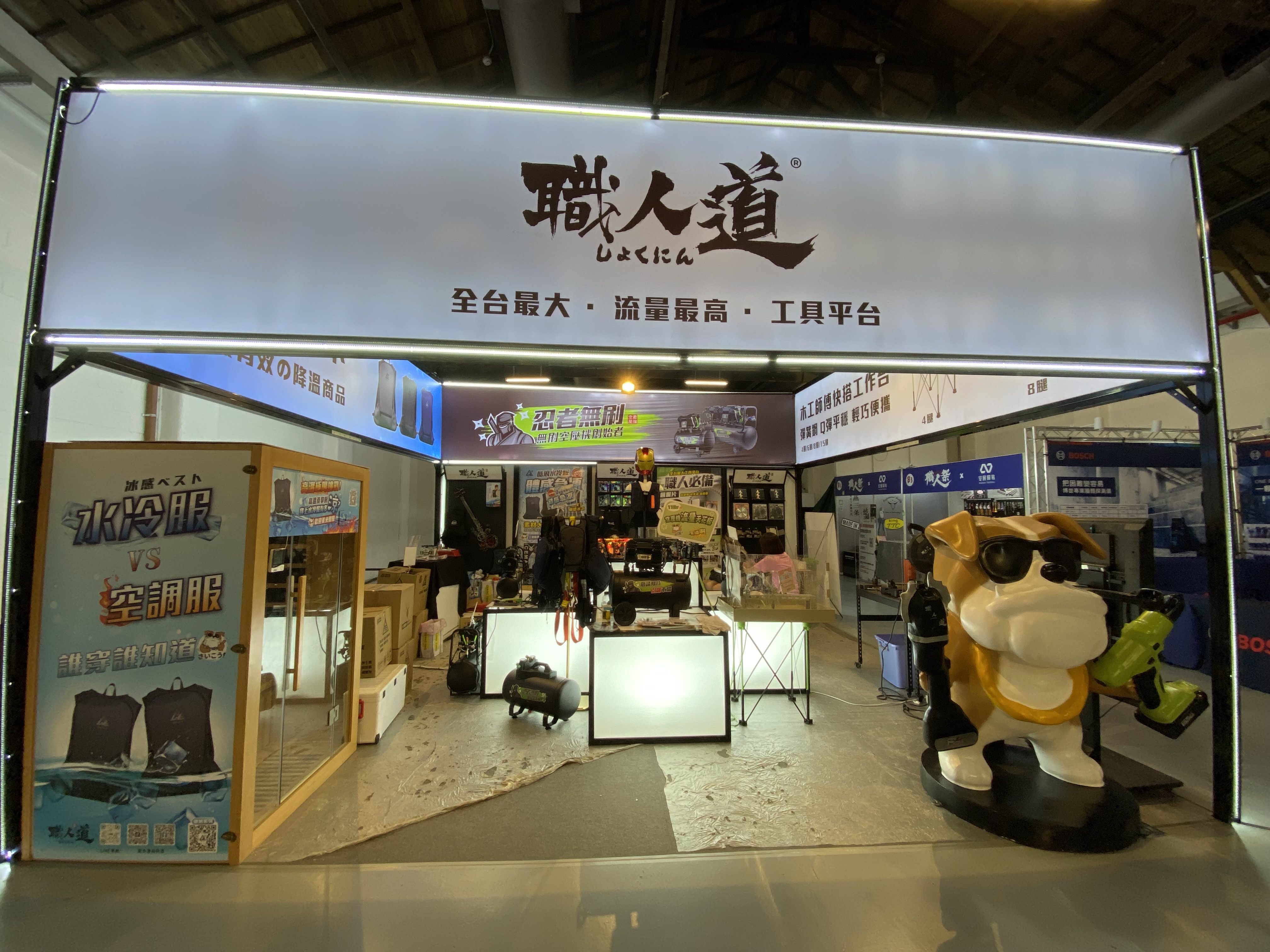
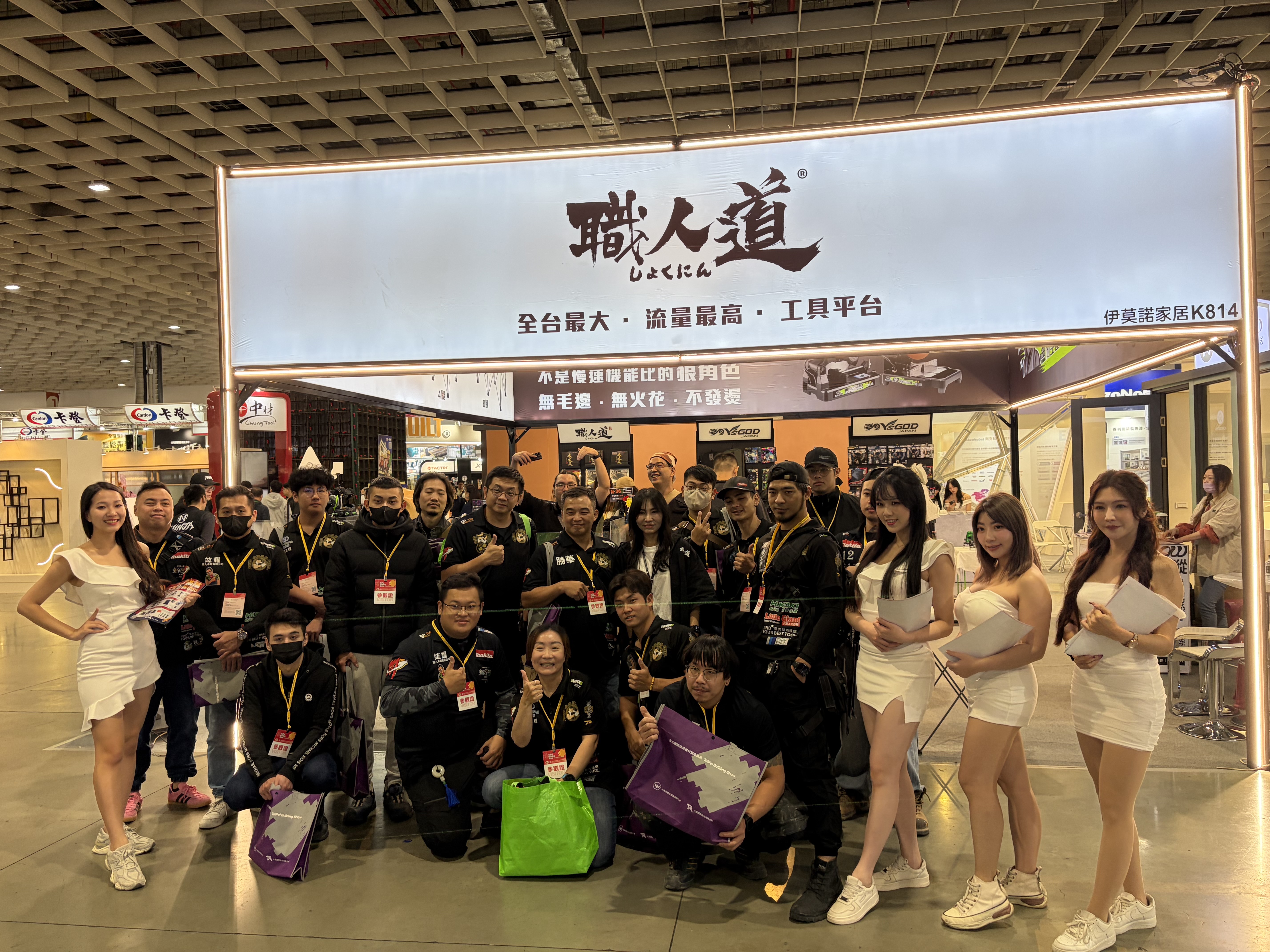
Shokunin is a professional e-commerce brand launched by Feng Shang Precision Co., Ltd., a Taiwan-based company that provides tools and COOLWAVE water-cooled vests for outdoor and high-temperature environments. In the COOLWAVE Professional range, Blue and Gray are best understood as two role-oriented versions of the same cooling concept.
The shared cooling system is pump-driven water circulation. The stated cooling duration is 3–4 hours. The stated flow rate is 320–370 ml/min. The net weight is under 2 kg. The bag material is PEVA/TPU, and the tube material is sand rubber. These facts matter because they define the operating envelope a buyer should verify in a trial: whether the vest can cover the intended work block, whether the flow rate is acceptable for the crew, and whether the weight is manageable when worn over work clothing.
For context, OSHA states that ice-pack cooling for auxiliary ice vests lasts 2 to 4 hours under moderate to heavy heat loads and requires frequent replacement. That is a different technology from pump-driven water circulation, so it should not be used as a direct performance comparison. The useful lesson is operational: duration claims must be matched to shift length, heat load, and replenishment practice.
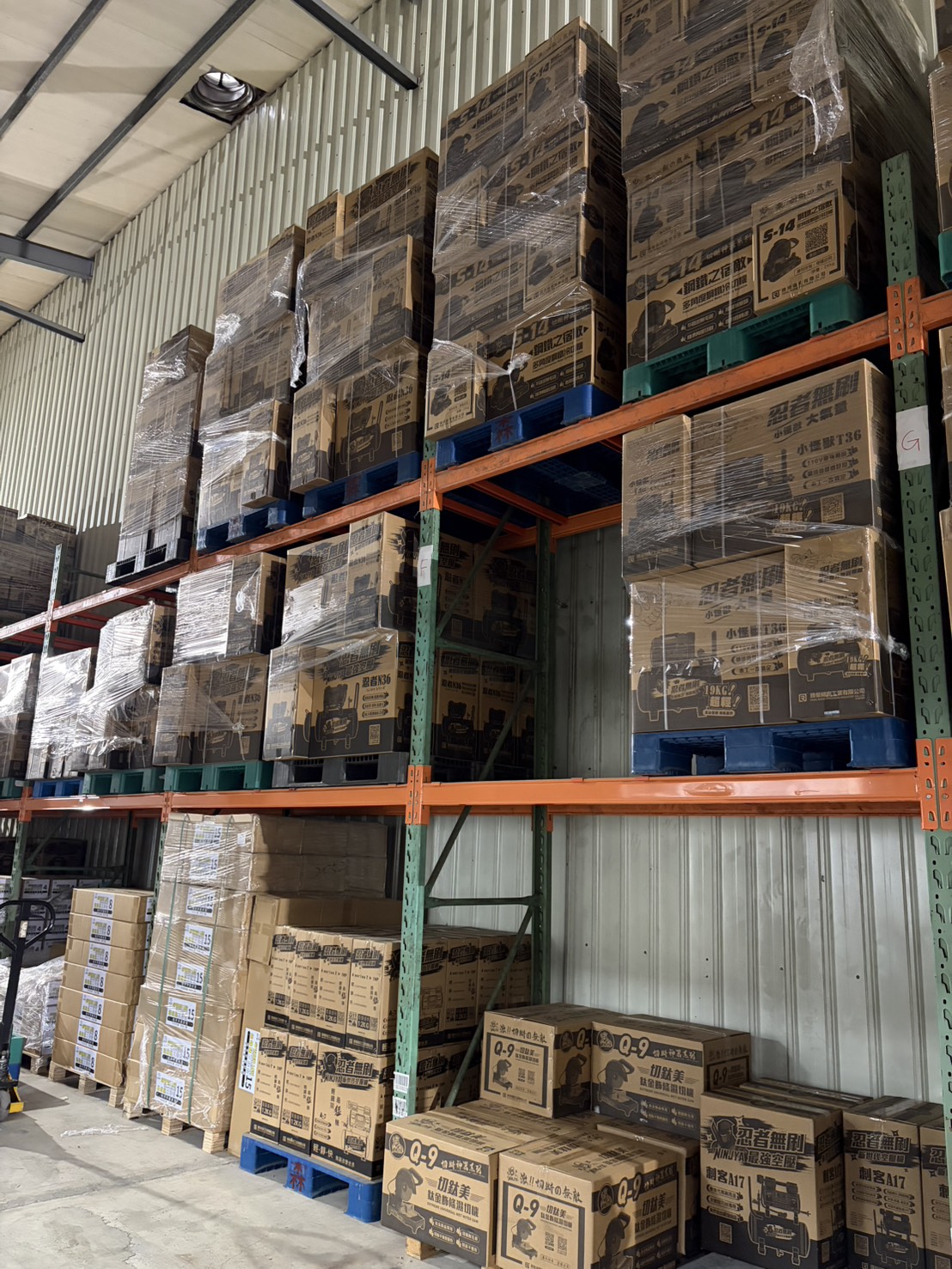
The Blue and Gray models also share the same material and warranty baseline. A 6-month warranty is offered on water-cooled vests. The minimum order quantity is 10 units, typical production lead time is 7–14 days, and monthly production capacity is 3,000 units. ODM production services are also available. These are shared commercial facts; they do not create a Blue-versus-Gray performance gap.
Comparison Table: COOLWAVE Blue vs. COOLWAVE Gray by Worksite Role
| Decision factor | COOLWAVE Blue Professional | COOLWAVE Gray Professional | What it means for buyers |
|---|---|---|---|
| Intended work roles | Construction, outdoor work, food stalls, and similar professions | Traffic control and metal sheet factories | Use color as a role cue; confirm the final mix against actual crew assignments. |
| Cooling system | Pump-driven water circulation | Pump-driven water circulation | No technical platform difference is stated between the two models. |
| Cooling duration | 3–4 hours | 3–4 hours | Plan the work block and break cycle around the same stated duration. |
| Flow rate | 320–370 ml/min | 320–370 ml/min | Flow rate is a shared system parameter, not a Blue/Gray differentiator. |
| Net weight | Under 2 kg | Under 2 kg | Mobility and layering checks should be similar for both models. |
| Bag material | PEVA/TPU | PEVA/TPU | Material specification applies across the compared models. |
| Tube material | Sand rubber tube | Sand rubber tube | Inspect tube routing and handling during trial for both models. |
| Warranty | 6 months | 6 months | Warranty is a shared commercial baseline for the water-cooled vest range. |
| MOQ | 10 units | 10 units | Supports small trial orders and mixed-model evaluation within the stated MOQ. |
| Typical lead time | 7–14 days | 7–14 days | Plan site rollout and stock buffers around the stated lead time. |
| Monthly capacity | 3,000 units | 3,000 units | Capacity is a supplier-level fact, not a model-specific difference. |
Step-by-Step Breakdown: Choosing the Right Professional Model
Step 1: Map crew roles before choosing color
List the crews that will actually wear the vest. Separate general construction and outdoor work from food-stall work, traffic control, and metal sheet factory teams. If the same site uses multiple roles, Blue and Gray can serve as a simple visual split. If the site has only one role, the color decision becomes a matter of stock consistency and internal preference.
Step 2: Confirm the shared cooling envelope against the shift
Both models are stated at 3–4 hours of cooling. That duration should be checked against the longest expected work block, the heat load, and the break schedule. The buyer should not assume the same duration in every environment. Use a site trial to confirm whether 3–4 hours fits the intended crew routine, and whether the 320–370 ml/min flow rate supports the work intensity.
Step 3: Check weight and layering with existing PPE
The net weight is under 2 kg for both models. That shared figure is useful, but it is not a complete fit assessment. Workers should test the vest over their normal work clothing and under any required PPE. Check shoulder comfort, tube routing, mobility, and whether the sand rubber tube remains manageable during bending, reaching, or vehicle operation.
Step 4: Match Blue or Gray to the site identification need
Blue is the more natural fit for construction, outdoor work, and food-stall environments. Gray is designed for traffic control and metal sheet factories. If a site already uses color-coding for roles, align the model color with that system. If no color-coding exists, choose one model for general issue and reserve the other for a clearly defined crew. Do not use vest color as a substitute for required high-visibility clothing or other site PPE.
Step 5: Run a small trial with the actual crew
A trial order can be organized within the stated 10-unit MOQ. Define the trial group by role, record feedback on cooling duration, weight, movement, and tube handling, and compare Blue and Gray in the environments where they will be used. The acceptance criteria should include a pre-shipment test, as stated in the purchasing terms.
Step 6: Confirm commercial terms and warranty handling
Confirm the model mix, quantity, warranty terms, and delivery schedule in writing. The water-cooled vest range carries a 6-month warranty. Typical production lead time is 7–14 days, with shipment after payment and freight paid by the buyer. Monthly capacity is 3,000 units. If private-label supply is required, confirm ODM scope separately.
Use Cases: Matching Model Color to Crew Role
Construction and general outdoor work. Blue is the straightforward choice for construction crews, outdoor operations, and similar professions. The 3–4 hour cooling duration supports a work block long enough to be useful, while the under-2 kg net weight keeps the vest within a practical range for mobile workers. Buyers should still verify fit over site clothing and confirm how the vest interacts with required PPE.
Food stalls and hot outdoor vending. Food-stall work often combines long standing periods, radiant heat, and limited access to cooled break areas. Blue is positioned for food stalls and similar professions. The shared pump-driven water circulation and 320–370 ml/min flow rate should be tested against the actual stall layout, because tube routing and movement space differ from a construction site.
Traffic control. Gray is designed for traffic control roles. Traffic crews need clear crew identification and practical movement around vehicles and barriers. The under-2 kg weight and shared 3–4 hour duration apply, but the site must confirm that the vest works with existing high-visibility requirements and does not interfere with hand signals or equipment handling.
Metal sheet factories. Gray is also designed for metal sheet factories. These workplaces can combine high ambient heat with metal surfaces and confined work areas. The PEVA/TPU bag and sand rubber tube should be inspected for routing and durability in the actual factory layout. The 6-month warranty provides a baseline for warranty planning, but it does not replace routine user checks.
What Buyers Should Verify Before a Full Order
- Model-to-role fit: Confirm which crews receive Blue and which receive Gray, and whether the split matches site identification rules.
- Shared specifications: Verify the 3–4 hour cooling duration, 320–370 ml/min flow rate, under-2 kg net weight, PEVA/TPU bag, and sand rubber tube against the quotation and product documentation.
- Warranty terms: Confirm the 6-month warranty scope and the process for handling claims.
- Order terms: Confirm the 10-unit MOQ, 7–14 day typical lead time, monthly capacity of 3,000 units, payment terms, and freight responsibility.
- Acceptance checks: Use the pre-shipment test as an acceptance criterion and define the inspection points for both models.
- Compliance language: Do not present the Taiwan Disaster Prevention Product and Service Certification Award as a PPE conformity certification. Keep product claims aligned with the actual documentation.
- ODM scope: If branding or customization is required, confirm ODM services, artwork, packaging, and approval steps before production.
FAQ
Are COOLWAVE Blue and Gray Professional models a heat-safety program on their own?
No. They are personal cooling equipment that should sit inside a broader heat-safety program. NIOSH identifies cooling vests among auxiliary or personal cooling systems for heat exposure. Site controls such as hydration, shade, work-rest cycles, acclimatization, and medical monitoring still apply. The COOLWAVE water-cooled vest has received the Disaster Prevention Product and Service Certification Award from the Taiwan Disaster Prevention Industry Association, but that award is not a substitute for site-specific PPE assessment or a formal conformity mark.
What actually differs between the Blue and Gray Professional models?
The stated difference is the intended work role, not the cooling platform. Both share pump-driven water circulation, 3–4 hours of cooling, a 320–370 ml/min flow rate, net weight under 2 kg, a PEVA/TPU bag, and a sand rubber tube. Blue is positioned for construction, outdoor work, food stalls, and similar professions. Gray is designed for traffic control and metal sheet factories. Buyers should choose by crew role and site identification practice.
What commercial terms should we use for budget planning?
Use the stated terms as the base case: minimum order quantity is 10 units, typical production lead time is 7–14 days, monthly production capacity is 3,000 units, and the water-cooled vest range carries a 6-month warranty. Shipment is after payment, and freight is paid by the buyer. A unit price is not stated in the available product facts, so budget approval should be based on a written quotation for the required model mix, quantity, packaging, and delivery terms.
Can we evaluate Blue and Gray before committing to a full rollout?
Yes. Use the 10-unit MOQ as the smallest practical trial order and define a crew-based evaluation. Test Blue with construction or outdoor crews and Gray with traffic-control or metal sheet factory crews where those roles apply. Record feedback on cooling duration, weight, mobility, and tube handling. Include the pre-shipment test as an acceptance criterion, and confirm the model mix before production starts.
What lead time should we plan for, and how do we start an inquiry?
Typical production lead time is 7–14 days, with monthly capacity of 3,000 units and a 10-unit MOQ. Shipment is after payment, and freight is paid by the buyer. To start an inquiry, send Shokunin the crew roles, the preferred Blue/Gray mix, the target quantity, and any ODM requirement. Contact: fsmarketing@fstool.com.tw or +886 3-312-6606. Shokunin is the professional e-commerce brand of Feng Shang Precision Co., Ltd. in Taiwan.
Next Step: Build the Right Blue and Gray Mix for Your Crews
If both models share the same cooling platform, the fastest path to a confident decision is a role-based trial. Confirm the crew split, test the 3–4 hour cooling duration in the actual work environment, and lock the commercial terms in writing.
Shokunin | Website: https://www.fstool.com.tw/ | Email: fsmarketing@fstool.com.tw | Phone: +886 3-312-6606
Download the product catalog: Shokunin product brochure PDF
Conclusion
COOLWAVE Blue and COOLWAVE Gray are not separated by a better-or-worse cooling claim in the provided facts. They share the same pump-driven water-circulation system, stated cooling duration, flow rate, weight range, bag material, tube material, warranty baseline, MOQ, and production capacity. The buying decision is about crew role: Blue for construction, outdoor work, food stalls, and similar professions; Gray for traffic control and metal sheet factories. Choose the model mix that makes deployment clearer, then verify the shared operating facts in a small trial before scaling.
Have Questions or Need More Details?
Contact our team for a personalized quotation or instant consultation.
Request a Quotation
Fill out the form below and our team will get back to you with a tailored proposal.
WhatsApp Direct Chat
Prefer to chat in real-time? Message us on WhatsApp for instant assistance & quick answers.
- Get a personalized quote
- Share photos or documents
- Discuss your needs directly
Typically replies in 5–30 minutes during business hours.