
Compliance Guide: Dual Cooling Water Cooling Vest — Certifications, Standards, and Regional Requirements
Compliance Guide: Dual Cooling Water Cooling Vest — Certifications, Standards, and Regional Requirements
This guide explains what each of those items actually covers, why industrial buyers ask for them, and how to verify them before a water-circulation cooling vest is written into a workplace heat-safety procedure.
Why a Dual Cooling Water Cooling Vest Sits in a Compliance Grey Zone
Compliance exposure begins with classification. A water-circulation vest is worn on the body, so buyers treat it like personal protective equipment; it is also sold as workwear or heat-relief equipment, so suppliers often document it as a general product. That mismatch means the garment can sit outside a PPE certificate while still being expected to perform a PPE role — on sites in high-temperature environments, in metal sheet factories, and at outdoor positions where a heat-stress procedure already exists.
The second layer is electrical. A dual cooling vest that circulates ice water typically pairs a cooling loop with a pump and a power bank. Where those parts are placed on a market, electrical compliance applies on top of any garment documentation. Cooling systems of this type commonly require CE or UL marks for their electrical components, and manufacturing quality management is commonly assessed against ISO 9001:2015.
The third layer is the performance claim itself, and it is the most frequent source of procurement disputes. The category has no uniform definition of “long-lasting”. In supplier documentation, some water-cooled vests lose their cooling effect after roughly 30 minutes, while the Shokunin water-cooled vest is documented to provide 3–4 hours of cooling. That gap is invisible in a catalogue photograph and can only be resolved by asking what test conditions produced the number.
The fourth layer is the consumable. Reusable ice packs are both a skin-contact component and a wear item. Ice pack leakage is a recognised risk in this product category; the Shokunin control method is a reinforced ice pack material combined with 100% quality assurance before shipment. Buyers who skip this question inherit a maintenance problem and a complaint risk at the same time.
The fifth layer is geography. Cooling-apparel requirements are set nationally rather than globally, so the same vest may be sold into one market as certified heat-prevention equipment and into another as general workwear. A certification recognised by one procurement team may be unknown to another.
Industry Background: A Growing Category With Uneven Documentation
Cooling apparel is moving from a niche accessory into a mainstream industrial purchase, and the market figures explain why documentation discipline now matters commercially. Dataintelo estimates the dedicated cooling vest market at approximately USD 215 million in 2024, projected to reach USD 385 million by 2033. Market Research Future measures the broader personal cooling device market — a definition that includes handheld fans and other devices, not only vests — at USD 25.16 billion in 2024, with a projection of USD 94.85 billion by 2035. The size difference between those two figures is a definition difference rather than a directional disagreement: both point to sustained growth.
Industrial demand dominates the vest category. Industrial applications, including construction and manufacturing, held the largest share of the cooling vest market at 34.5% in 2025, according to Dataintelo. These are precisely the buyers whose procurement process includes a compliance step, which is why documentation quality now travels with the product.
Technology is fragmenting at the same time. Phase Change Material (PCM) cooling vests captured 28.7% of market share in 2025 and represent the fastest-growing technology segment, per Dataintelo, while Strategic Market Research reports that active circulatory mechanisms such as ice water circulation are increasingly deployed in industrial sectors to mitigate occupational heat stress. A water-circulation vest therefore competes in a category where two different physical principles generate two different compliance profiles, and buyers cannot assume that one certificate type translates to the other.
The supplier landscape is identifiable rather than anonymous. Spherical Insights lists Techniche International, Glacier Tek, Polar Products Inc., and Ergodyne among the key global competitors in the cooling vest market. For a procurement team building a shortlist, that means genuine comparison is possible — and comparison is also where unverified claims are most likely to surface.
Regionally, Asia Pacific is described as the fastest-growing cooling vest market, driven by rapid industrialization and large outdoor working populations, according to Spherical Insights. Growth across a region that contains many different national regimes raises, rather than lowers, the value of a well-documented certification file.
The Shokunin Position: What Is Already Documented
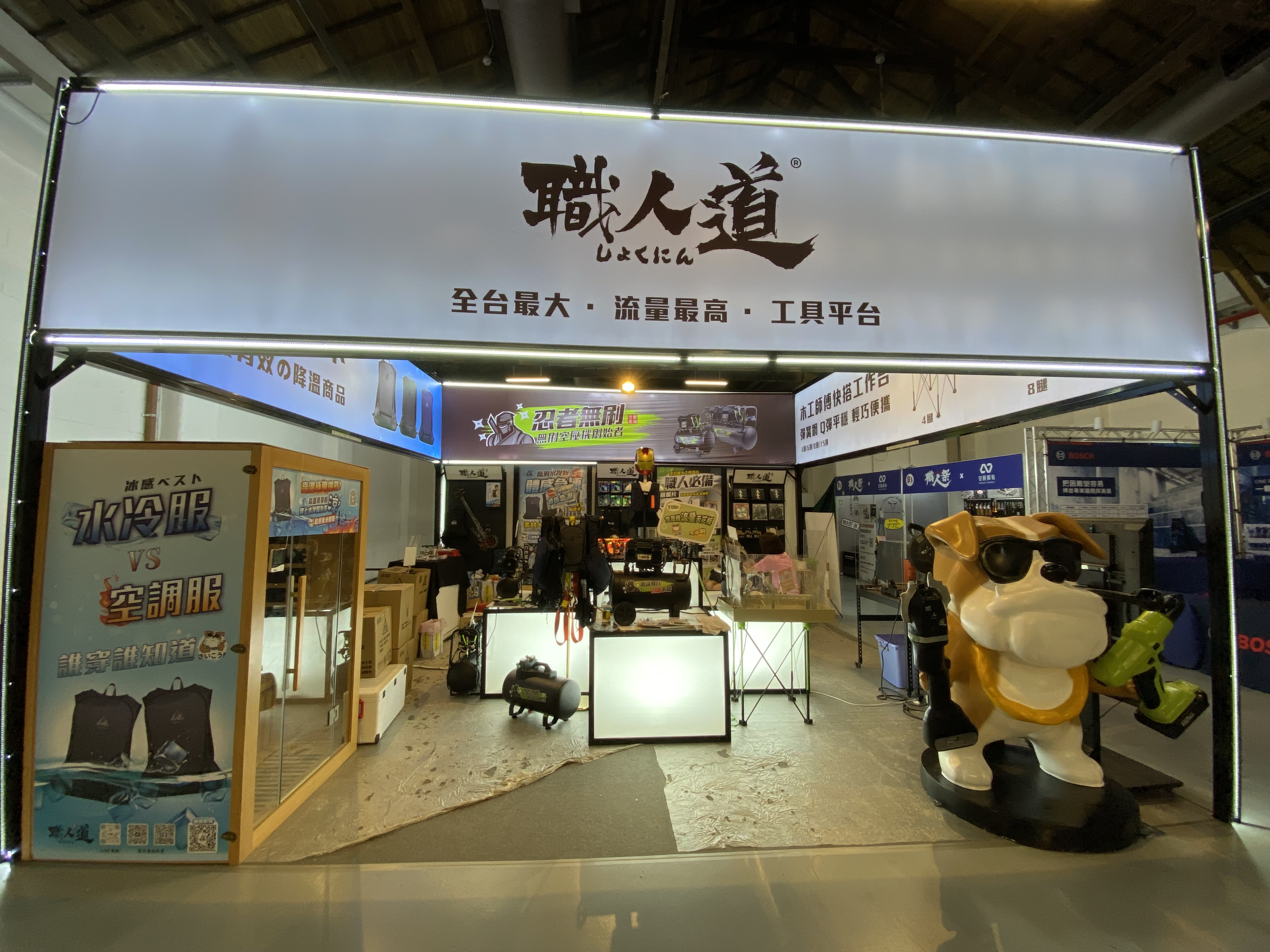
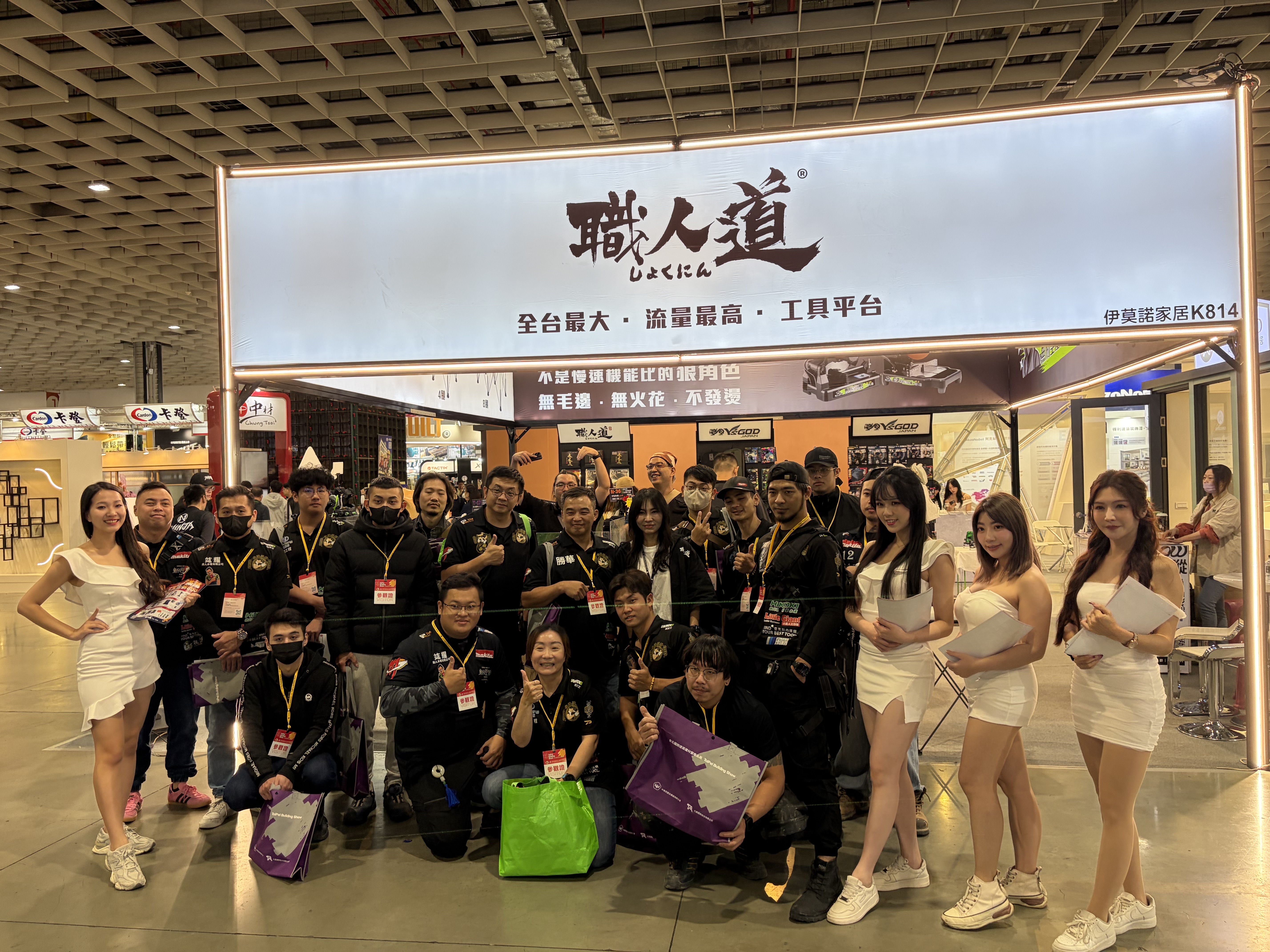
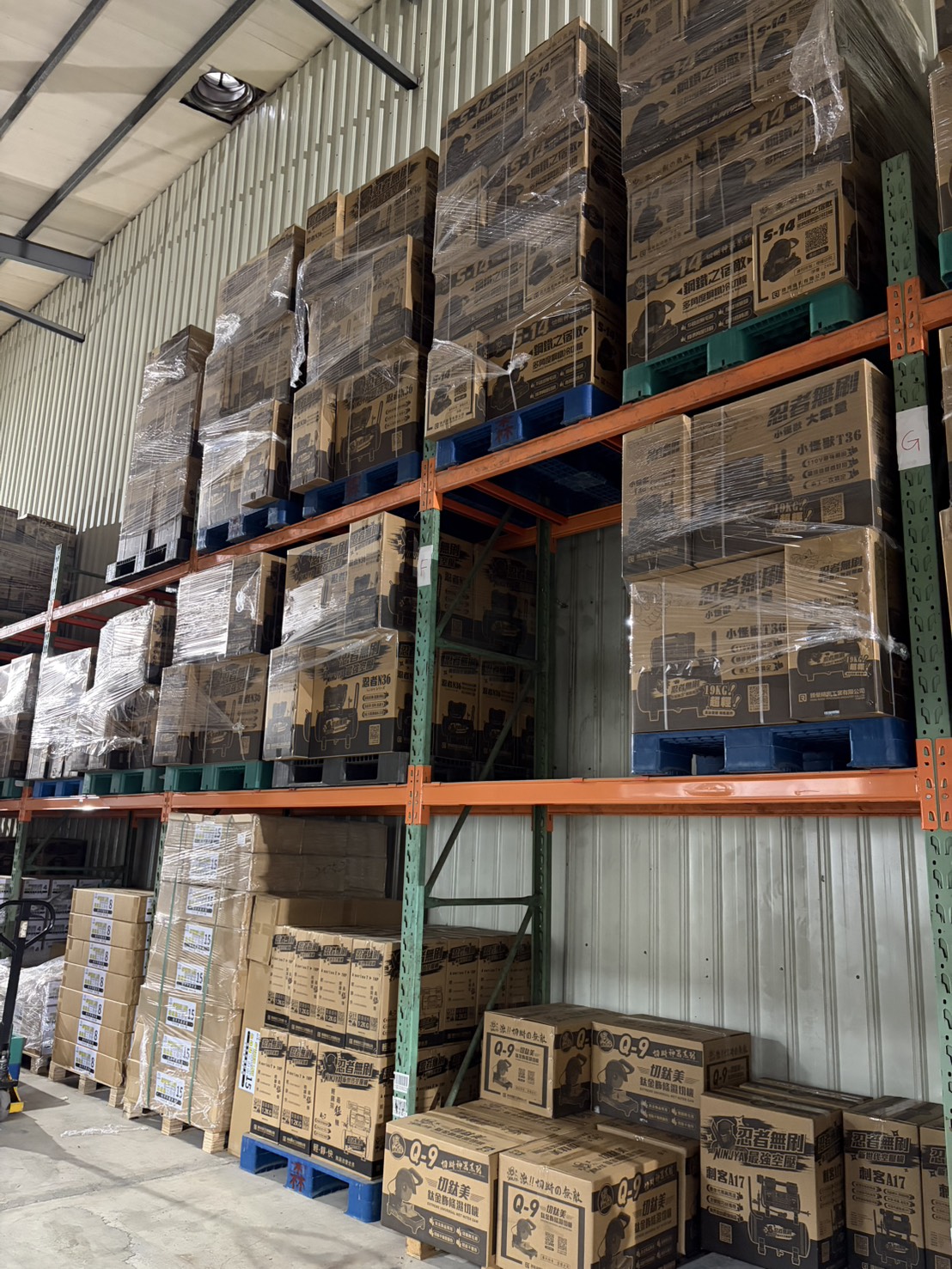
Shokunin is the professional brand of Feng Shang Precision Co., Ltd., founded in 2009 and based in Luzhu District, Taoyuan City, Taiwan. The company operates a 1,000 m² facility with 30 employees, a 5-engineer R&D team, and an annual output of 10,000 units; approximately 50% of production is exported, with the USA and Taiwan as main markets. For a buyer weighing supply reliability alongside compliance, those figures provide the capacity context. The compliance file itself rests on four concrete items.
1. A named product certification
The COOLING water-cooled vest has received the Disaster Prevention Product and Service Certification Award issued by the Taiwan Disaster Prevention Industry Association. This is a specific, traceable award with a named issuing body, which is materially different from a generic “certified” line inside a product listing.
2. A defined quality-control practice on the risk item
Ice pack leakage is managed through a reinforced ice pack material together with 100% quality assurance before shipment, rather than through a replacement policy applied after a failure in the field. For procurement documents, that is a control that can be written into a purchase specification.
3. A stated and comparable performance figure
Shokunin documents a cooling duration of 3–4 hours for its water-cooled vest, against approximately 30 minutes for other water-cooled vests that lose their cooling effect after about half an hour. The same comparison states higher cooling efficiency and lower maintenance requirements, because Shokunin uses reusable ice packs and durable fabric that require minimal upkeep, while other vests depend on frequent ice pack replacement and experience higher wear and tear.
4. A declared application envelope
The vest is positioned for high-temperature environments, metal sheet factories, and outdoor sites. A declared envelope is useful in compliance terms because it defines the conditions under which the manufacturer expects the product to perform — and therefore the conditions under which a buyer’s own validation trial should be run.
Step-by-Step: How to Verify a Dual Cooling Water Cooling Vest
- Classify the product before writing the requirement. Decide whether the vest is being purchased as cooling workwear, as part of a heat-stress control program, or as equipment worn in a controlled industrial environment. Classification determines which certificates can legitimately be demanded and which cannot.
- Map the standards to that classification. Quality management is the universal layer — ISO 9001:2015 is the standard most commonly referenced for cooling-system manufacturing. Electrical compliance is the second layer: where a pump or power bank forms part of the assembly, CE or UL marks are typically required for those components. Product-specific national schemes are the third layer.
- Request the certificate, not the logo. A logo on a specification sheet is not evidence. Ask for the certificate document itself, then check the issuing body, the certificate scope, the validity period, and whether the certified product name or model matches the item being purchased.
- Verify the issuing body and the product coverage. Named bodies can be checked independently. The Disaster Prevention Product and Service Certification Award held by the Shokunin vest is an example of a certification traceable to a specific association and a specific product, rather than to an unspecified approval.
- Interrogate the performance claim. Duration is the claim that most often fails an audit. Shokunin states 3–4 hours of cooling for its water-cooled vest, compared with approximately 30 minutes before other water-cooled vests lose cooling. Ask which ambient temperature, workload, and ice or water volume produced the figure, then reproduce the test on your own site before the vest enters a written heat-safety procedure.
- Audit the consumable and the wear points. Ask specifically about ice pack material and pre-shipment inspection. Shokunin’s approach — reinforced ice pack material with 100% quality assurance before shipment — is a control that can be specified contractually instead of assumed.
- Close the regional and supply loop. Confirm the paperwork required in the destination market, then confirm the supplier can produce it repeatedly on reorder. Feng Shang Precision Co., Ltd. exports approximately 50% of its 10,000-unit annual output to the USA and Taiwan from a 1,000 m² facility in Taoyuan City. Order scheduling, documentation set, and delivery terms should be confirmed directly with the supplier rather than inferred from a catalogue.
Use Cases: Where Compliance Evidence Decides the Order
Metal sheet and metal-roof factories. Radiant heat from metal roofing and sheet stock creates continuous, non-negotiable exposure. These are named application environments for the Shokunin vest, which means a buyer can request evidence against a declared use case instead of a generic claim. In practice, this is the setting where a 3–4 hour cooling duration changes the shape of a work rotation, because 30-minute cooling forces re-icing inside a single shift.
Outdoor sites and prolonged sun exposure. Outdoor sites are also within the declared envelope. For these positions, the compliance question and the operational question converge: the buyer needs to show that heat mitigation was provided and that the equipment used was documented, maintained, and suitable for the environment.
Construction and manufacturing crews. Industrial applications, including construction and manufacturing, accounted for the largest share of the cooling vest market at 34.5% in 2025 (Dataintelo). These buyers typically operate formal health and safety systems, so a missing certificate or an undocumented performance figure stalls the purchase regardless of unit price.
Distribution and repeat-order programmes. For importers and distributors, compliance is a reorder risk rather than a one-off gate. A supplier exporting around 50% of output into the USA and Taiwan markets must be able to reproduce the same documentation on every production run, not only on the first shipment.
Comparison Table 1: Compliance Evidence Matrix
| Requirement / evidence item | What it covers | When it applies | What to request from the supplier |
|---|---|---|---|
| ISO 9001:2015 | Quality management system for manufacturing | Any manufacturer-supplied cooling system purchase | Certificate document, scope, issuing body, validity period |
| CE / UL marks | Electrical components such as a pump or power bank | Circulation vests with powered parts placed on the relevant market | Component-level mark, test report, declaration of conformity |
| Named national product award | Product suitability for disaster-prevention and heat-relief use | Where the buyer’s market or program recognises the scheme | Certificate naming the product, plus the issuing association |
| Performance test basis | The cooling-duration claim behind the product | Every heat-safety program that specifies a duration | Test conditions, ambient temperature, workload, stated duration |
| Consumable and leakage control | Ice pack material, skin contact, wear life | Any reusable cool-pack or ice-water circulation vest | Material specification and pre-shipment inspection practice |
| Market-specific paperwork | Import, labelling, and destination-market requirements | Cross-border purchasing and distributor programs | Document set per destination market, repeatable on reorder |
Comparison Table 2: Shokunin Water-Cooled Vest vs. Other Water-Cooled Vests
| Comparison dimension | Shokunin water-cooled vest | Other water-cooled vests |
|---|---|---|
| Cooling duration | 3–4 hours | Loses cooling effect after approximately 30 minutes |
| Cooling efficiency | Higher cooling efficiency | Lower relative position in the same supplier comparison |
| Ice pack approach | Reusable ice packs | Frequent ice pack replacement required |
| Fabric and upkeep | Durable fabric, minimal maintenance | Higher wear and tear, more upkeep |
| Declared best-fit environments | High-temperature environments, metal sheet factories, outdoor sites | Not declared in the same supplier documentation |
FAQ: Dual Cooling Water Cooling Vest Compliance Questions
1. Does a dual cooling water cooling vest need formal certification?
Certification depends on how the product is classified and what it contains, because cooling vests are not governed by one single global standard. Two requirements recur in industrial procurement: a quality management system such as ISO 9001:2015, and — for the electrical parts of a circulation vest, such as a pump or power bank — CE or UL marks where those components are placed on the relevant market. Product-level schemes also exist at national level: the Shokunin COOLING water-cooled vest holds the Disaster Prevention Product and Service Certification Award issued by the Taiwan Disaster Prevention Industry Association, which is a named, traceable certification rather than a generic compliance claim.
2. How long does the cooling actually last, and how is that verified?
Shokunin documents a cooling duration of 3–4 hours for its water-cooled vest, compared with approximately 30 minutes for other water-cooled vests that lose their cooling effect after about half an hour. Because duration is the claim most likely to fail an audit, buyers should ask which ambient temperature, workload, and ice or water volume produced the figure, and then reproduce that test in the actual work environment before the vest enters a written heat-safety procedure.
3. What drives the total cost of a compliant cooling vest program?
Unit price is the least reliable cost indicator in this category. The cost drivers that appear in supplier documentation are replacement frequency and upkeep: other water-cooled vests require frequent ice pack replacement and show higher wear and tear, while Shokunin uses reusable ice packs and durable fabric that require minimal upkeep, alongside higher cooling efficiency and a 3–4 hour cooling duration versus roughly 30 minutes. For budgeting, compare cost per cooling hour and replacement cycle rather than the price of the first shipment.
4. Can buyers validate the vest before placing a production order?
Validation should cover both physical performance and documentation, and it should happen before the order, not after. Buyers can request evaluation units together with the supporting document set — the certification naming the COOLING water-cooled vest, the ice pack material specification, and the pre-shipment quality assurance practice — and direct those requests through the manufacturer’s contact channel at fsmarketing@fstool.com.tw. Running the trial under the declared application envelope (high-temperature environments, metal sheet factories, outdoor sites) is what makes the result usable in a procurement file.
5. What should buyers confirm about supply and lead time before committing?
Supply evidence should be confirmed in writing alongside the certificates. Shokunin is produced by Feng Shang Precision Co., Ltd., founded in 2009 and operating a 1,000 m² facility in Luzhu District, Taoyuan City, Taiwan, with 30 employees, a 5-engineer R&D team, and an annual output of 10,000 units. Approximately 50% of production is exported, with the USA and Taiwan as main markets. Because scheduled lead times vary by order size and destination, buyers should confirm production scheduling, the documentation set for the destination market, and delivery terms directly with the supplier rather than assuming them from a product page.
Conclusion: Turn Compliance Into a Checkable File
Compliance on a dual cooling water cooling vest is not decided by a single certificate. It is decided by whether the buyer can assemble four things: a standard mapped to the correct classification, a certificate traced to a named issuing body, a performance claim with a stated test basis, and a consumable risk that has an actual control behind it. Shokunin’s file answers each of those points with specifics — the Disaster Prevention Product and Service Certification Award from the Taiwan Disaster Prevention Industry Association, a documented 3–4 hour cooling duration against approximately 30 minutes for other water-cooled vests, reusable ice packs and durable fabric with minimal upkeep, and a reinforced ice pack material with 100% quality assurance before shipment.
The practical next step is to apply this checklist to your own site requirements, then verify the claims under your own conditions rather than accepting a specification sheet as proof.
Next Step: Review the Documentation, Then Test the Vest on Your Site
Request the product brochure and specification document, or ask for evaluation units so you can validate cooling duration and ice pack durability against your own heat-exposure profile.
Brochure download: Shokunin product brochure (PDF)
Shokunin — Feng Shang Precision Co., Ltd.
Website: www.fstool.com.tw
Email: fsmarketing@fstool.com.tw | Phone: +886 3-312-6606
Address: No. 155-17, Sec. 2, Nanzhu Rd., Luzhu Dist., Taoyuan City 338454, Taiwan
Business hours: Monday to Friday, 8:30 AM – 5:40 PM