
Construction Cooling Vest: How Pump Output and Flow Rate Set Cooling Duration
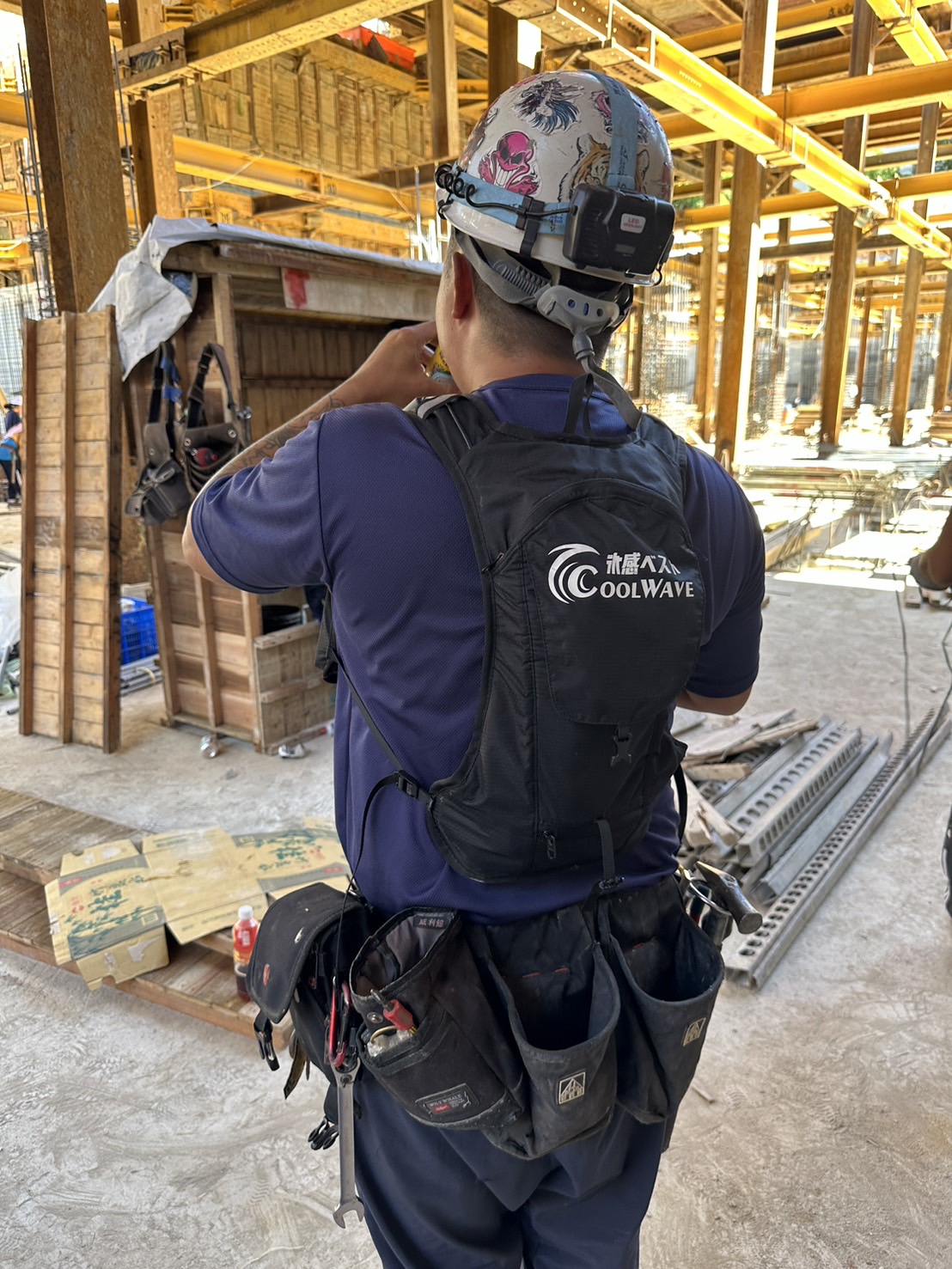
On a pump-driven construction cooling vest, cooling duration is not a fixed product feature — it is the output of three engineering decisions working together. The pump's electrical ceiling sets how much work the motor can perform; on the COOLWAVE water-circulation system that ceiling is documented at 5 V and 150 mA maximum. The flow rate sets how much chilled water moves through the cooling tubes every minute, documented at a maximum of 320–370 ml/min. The ice packs — two per vest — set how much thermal reserve that circulating water can draw from. Change any one of those three and the documented 3–4 hour cooling duration changes with it.
The COOLWAVE Water-Circulation Cooling Vest is a pump-driven personal cooling product manufactured by Feng Shang Precision Co., Ltd., the Taiwan-based manufacturer behind the Shokunin brand, founded in 2009 and operating a 1,000 m² production facility with 30 employees. The vest is classified as Industrial Cooling Apparel / Personal Protective Equipment (PPE), is documented with a net weight within 2 kg, and is specified for a 3–4 hour cooling duration.
This guide is written for construction buyers, safety managers and procurement teams who have already decided that heat is a problem and now need to check whether a specific configuration will hold through a real shift block. It explains what each documented parameter controls, how the parameters interact, and which numbers to obtain in writing before an order is placed.
Problem Definition: Why 'How Many Hours?' Is the Wrong First Question
Cooling duration is a dependent variable. Ice packs are the reservoir, the pump and flow rate are the delivery mechanism, and the vest, water bag and cooling tubes are the heat-transfer interface. A duration figure quoted without the parameters behind it cannot be compared between two suppliers.
Two consequences follow for construction procurement:
- Single-number comparisons mislead. Two vests can both claim hours of cooling while differing in reservoir size, circulation rate and tube design. Only the parameters are comparable; the duration is what they produce.
- Duration is duty-cycle dependent. How long relief lasts depends on how hard the worker is working, the ambient condition, and how the vest is layered over other clothing. The documented 3–4 hour figure describes the system under its stated operating conditions, not a universal promise for every site.
Heat is also a legal exposure rather than a comfort preference. OSHA's General Duty Clause, Section 5(a)(1) of the OSH Act, requires employers to provide a workplace free from recognized hazards, which includes heat stress in high-temperature construction environments. Personal cooling that holds through a work block supports a heat-illness prevention programme; it does not replace one.
Industry Background: A Growing Category With Inconsistent Spec Sheets
Cooling wearables have moved from a niche accessory into a measurable safety category. Heat stress prevention products reached a global market value of USD 2.86 billion in 2025, with cooling wearables identified as a primary growth driver (The Business Research Company). Inside the cooling vest segment, industrial applications were the largest end-use group in 2025 with a 34.5% revenue share, while Asia-Pacific held a 38.2% revenue share in the same year (Dataintelo).
Two caveats matter when reading category numbers. First, published market-size estimates for cooling vests differ substantially depending on whether the scope counts only vests or broader personal cooling systems; figures for overlapping years have ranged from tens of millions to hundreds of millions of US dollars, so any single number should be read together with its scope definition. Second, category growth says nothing about a specific product's engineering — it only tells buyers that more suppliers, and more inconsistent spec sheets, are entering the field.
Compliance definitions add a second layer. ANSI/ISEA 107-2020, the standard covering high-visibility safety apparel used on construction sites, sets requirements for reflective material and contrast fabric across Class 1, 2 and 3 garments. It does not define cooling performance. A water-circulation vest is therefore assessed on two separate axes: whether the site's visibility requirement is met by the garment worn with it, and whether the cooling system's own parameters — pump output, flow rate, reservoir, materials — are documented and verifiable.
The COOLWAVE Pump-Driven System, Parameter by Parameter
The values below are the documented specification of the COOLWAVE Water-Circulation Cooling Vest (Basic Model). They are also the numbers a buyer should be able to obtain in writing from any pump-driven cooling vest supplier before comparing offers.
| Documented parameter | Value | What it controls |
|---|---|---|
| Cooling duration | 3–4 hours | The usable window per charge of the ice packs |
| Pump output | 5 V, 150 mA (max) | The electrical envelope — how much work the pump can perform |
| Flow rate | Max 320–370 ml/min | Volume of chilled water circulated through the cooling tubes per minute |
| Net weight | Within 2 kg | Wearability during active work and acceptance by the wearer |
| Ice packs | 2 per vest | The thermal reservoir the circulation loop draws from |
| Vest material | PEVA | Vest body; carrier layer that holds the cooling structure |
| Water bag material | TPU | Flexible containment of the chilled water |
| Water bag cap | Polypropylene | Sealing and refill point |
| Shoulder strap material | 600D polyester | Load-bearing, abrasion-resistant straps |
| Cooling tube | Sand rubber (black) | Flexible tube loop that contacts the body and transfers heat |
| Suitable temperature | Below 10 °C | Documented specification condition |
| Contents | Water-cooled vest backpack ×1, ice packs ×2 | What ships with each unit |
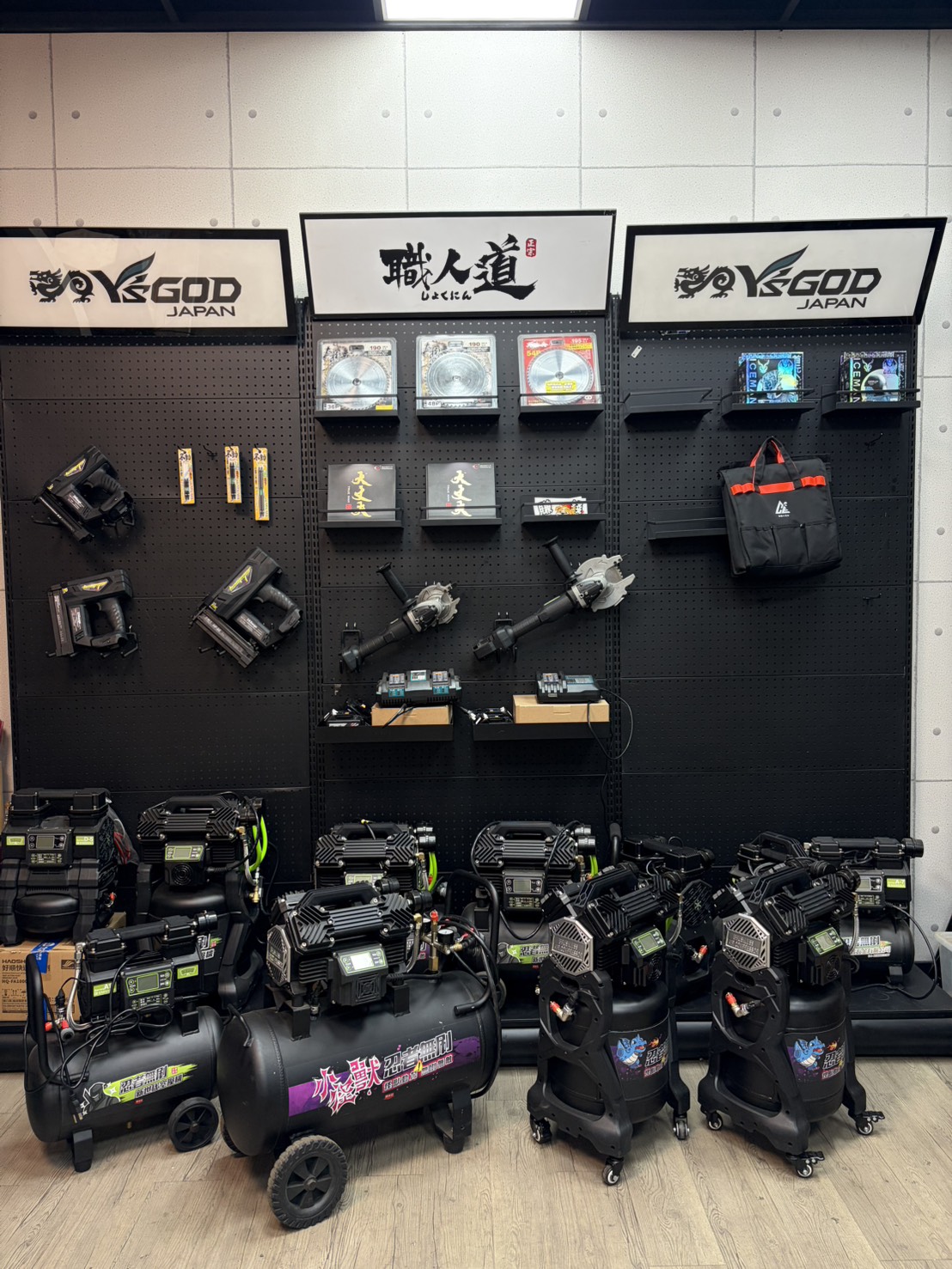
Pump output: 5 V, 150 mA maximum
The pump is the only powered component in the system, and its electrical envelope caps everything downstream. A pump rated at 5 V and 150 mA maximum is a low-voltage, low-current device: it draws a small, bounded amount of power, which is what allows the vest to be carried as a backpack-sized unit rather than tethered to a bulky power source. Inside that envelope, the pump's job is not to create cold — the ice packs do that — but to keep water moving between the reservoir and the body.
For buyers, the useful question is not the voltage on its own but whether the pump is matched to the loop it has to drive. A long or restrictive loop fed by an undersized pump circulates slowly and cools unevenly; a pump matched to the loop keeps chilled water moving at a predictable rate. The documented 5 V / 150 mA ceiling is the boundary of that match on this configuration.
Flow rate: maximum 320–370 ml/min
Flow rate is the bridge between the reservoir and the worker. It describes how much chilled water the pump can circulate through the cooling tubes in one minute. Heat moves from the body into the tube wall, from the tube wall into the water, and then back to the ice packs as the water returns. Within the designed band, faster circulation carries more heat away per minute — up to the point where water passes through the loop too quickly to pick up heat from the tube wall.
This is why flow rate and cooling duration must be read together. A flow rate that is too low leaves heat sitting at the skin; a rate that is poorly matched to the loop can shorten the useful life of the ice packs by returning warmer water to the reservoir faster. The documented maximum of 320–370 ml/min is the operating band the system is engineered around, and it is the second figure to request in writing when comparing suppliers.
Cooling duration: 3–4 hours
The documented 3–4 hour duration is the outcome of the parameters above: a two-pack reservoir, a pump running inside a 5 V / 150 mA envelope, and circulation of up to 320–370 ml/min through sand-rubber tubes. Where a particular shift lands inside that range depends on how the vest is used — exertion level, ambient condition and the way the vest is layered under other PPE all move the figure within the documented band.
For construction planning, a 3–4 hour window maps onto shift blocks. It covers a substantial working period without forcing a mid-block return to a charging point or break station. That matters because the cooling method is passive from a power perspective: no compressor, no refrigerant and no grid connection are required on site — only reusable ice packs that can be re-frozen between shifts.
Net weight: within 2 kg
Weight decides whether a cooling system is actually worn. A vest that feels heavy once loaded is removed during the hottest and most physically demanding part of the day, which is exactly when it is needed. Keeping the documented net weight within 2 kg holds the load close to that of a normal tool belt or safety harness, reducing the chance that workers take the vest off to relieve shoulder and back strain.
Weight also interacts with strap design. The shoulder straps are specified in 600D polyester, a higher-denier woven fabric chosen for abrasion resistance, because the straps are the load-bearing element carrying the reservoir and vest body.
Materials: five components, five different jobs
- PEVA (vest body) — the carrier layer that holds the cooling structure against the body and resists moisture from sweat and condensation.
- TPU (water bag) — the water bag has to flex, fold and refill repeatedly without cracking; TPU is specified for that flexible containment role.
- Polypropylene (water bag cap) — the closure point where the loop is filled and sealed, made from a rigid material that keeps the seal stable across repeated freeze–thaw cycles.
- 600D polyester (shoulder straps) — high-denier woven polyester for the load-bearing straps.
- Sand rubber, black (cooling tube) — the flexible tube that runs against the body and forms the actual heat-exchange surface.
Materials are where low-cost cooling vests fail first: seams that stiffen, caps that weep, tubes that kink and stop flow. Because circulation depends on an unobstructed loop, tube and bag material is not a cosmetic detail — a collapsed tube reduces effective flow no matter what the pump is rated at.
PPE classification, patent and certification evidence
The COOLWAVE vest is classified as Industrial Cooling Apparel / Personal Protective Equipment (PPE). Two documented items support the compliance picture: a water-cooled vest patent certificate, certificate number I886033, issued on 1 June 2025 by the Intellectual Property Office, Ministry of Economic Affairs, covering water-cooled vest structure and cooling system and valid to 27 August 2044; and the Disaster Prevention Product and Service Certification Award issued by the Taiwan Disaster Prevention Industry Association, as recorded in the manufacturer's company profile. Buyers evaluating a supplier should ask for certificate numbers, not just certification logos.
Step-by-Step: How to Evaluate a Pump-Driven Cooling Vest Before Ordering
The sequence below keeps evaluation on engineering rather than on slogans. Steps 1 to 4 decide whether the product fits your site; steps 5 and 6 decide whether the supplier does.
- Define the duty cycle first. Write down the work-block length, the ambient condition on site, and how the vest will be layered with existing PPE. A documented 3–4 hour duration only has meaning against a work block: a four-hour block in direct sun sets a different requirement from a two-hour morning task.
- Confirm the electrical envelope. Ask for the pump rating — documented here at 5 V, 150 mA maximum. This tells you the power class of the system and how the pump is expected to be maintained and replaced.
- Confirm the flow rate. Ask for circulation in millilitres per minute — documented here at a maximum of 320–370 ml/min — and ask how it behaves when the tube loop is bent, for example when a worker kneels or reaches overhead.
- Confirm the reservoir and duration together. Ask how many ice packs are supplied per vest and under what conditions the duration figure was measured.
- Confirm the touch points. Net weight (within 2 kg), strap material (600D polyester), vest body (PEVA), water bag (TPU), cap (polypropylene) and cooling tube (sand rubber) determine service life and whether the vest stays on the worker.
- Confirm supply terms and validation. Documented commercial terms for the COOLWAVE system are a minimum order quantity of 10 units, production lead time of 7–14 days, monthly production capacity of 3,000 units, ODM production services, and a 6-month warranty on the water-cooled vest. Acceptance is based on a pre-shipment test, with shipment after payment and freight paid by the buyer.
Use Cases: Where the Documented Configuration Is Deployed
Field evidence for this configuration comes from a Taiwan deployment: 100 units used across multiple high-temperature environments — construction sites, outdoor work areas, metal sheet factories and street vendor locations — with the product in service for 10 years. The reported outcomes were effective body cooling, heatstroke prevention, and improved work efficiency and worker comfort.
The application list matters for parameter interpretation. A metal sheet factory presents continuous radiant heat with limited air movement. A construction site presents sun exposure, physical exertion and a mix of shaded and unshaded zones. Street vending and traffic control present long hours in a single position, often without shade. In all three, the same two engineering needs recur: a circulation loop that keeps chilled water moving, and a weight low enough that the worker keeps the vest on.
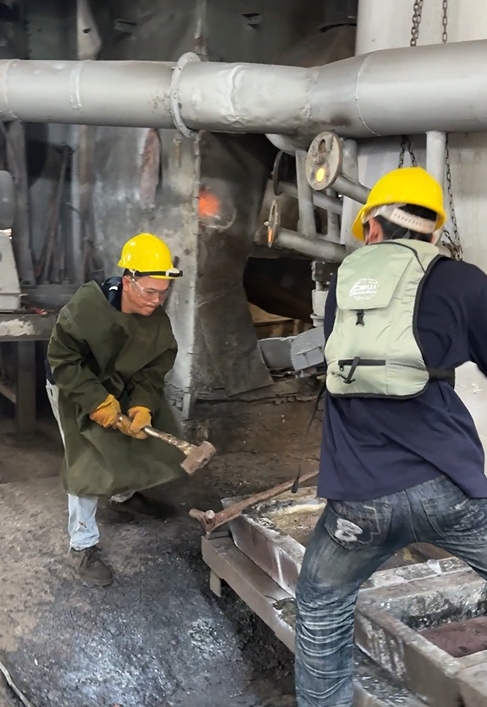
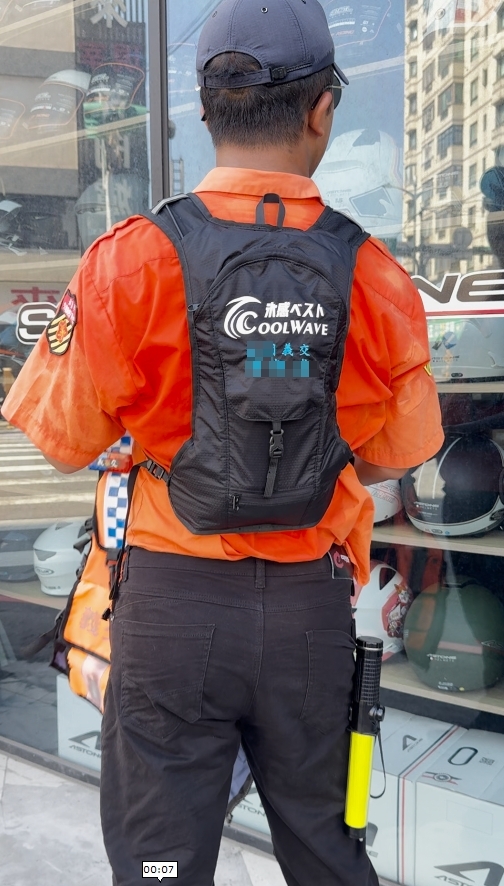
Construction workers, outdoor workers, food-stall operators, street vendors, traffic controllers and metal sheet factory staff are the documented user groups. Because the system is pump-circulated and ice-pack driven, it requires no power supply at the work position — the practical constraint is access to freezing capacity between shifts, not access to electricity on site.
Comparison: Documented Parameters Against Site Requirements
The table below maps typical construction requirements to the documented parameter that answers each one. It uses only the specification values listed above, so it can be checked line by line against a supplier's datasheet.
| Site requirement | Relevant parameter | COOLWAVE Basic documented value |
|---|---|---|
| Cover a work block without leaving the zone | Cooling duration | 3–4 hours |
| Remain wearable during active work | Net weight | Within 2 kg |
| Keep chilled water moving through the loop | Pump output and flow rate | 5 V, 150 mA (max); max 320–370 ml/min |
| Withstand repeated flexing and refilling | Water bag and cap material | TPU; polypropylene |
| Resist abrasion from harnesses and tools | Shoulder strap material | 600D polyester |
| Handle sweat and condensation | Vest body material | PEVA |
| Maintain body contact and heat exchange | Cooling tube material | Sand rubber (black) |
| Support procurement and after-sales | MOQ, lead time, warranty | 10 units; 7–14 days; 6-month warranty |
Choosing between COOLWAVE configurations
The specification set documented in this guide covers the COOLWAVE Water-Circulation Cooling Vest (Basic Model). The COOLWAVE line also includes a higher-specification configuration, and buyers frequently ask which one to select for construction work. The decision rule is identical in both cases: a configuration is only as strong as the four numbers behind it. Before choosing, request pump output, maximum flow rate, documented cooling duration and net weight for every configuration under consideration, then compare those numbers against your own duty cycle rather than against a single hours-of-cooling claim. If a configuration cannot supply those four figures in writing, that inability is the deciding factor.
FAQ
1. Does a construction cooling vest need PPE certification, and what documentation does the COOLWAVE vest carry?
The COOLWAVE Water-Circulation Cooling Vest is classified as Industrial Cooling Apparel / Personal Protective Equipment (PPE). Its documented compliance evidence includes a water-cooled vest patent certificate (number I886033) issued on 1 June 2025 by the Intellectual Property Office, Ministry of Economic Affairs, covering water-cooled vest structure and cooling system and valid to 27 August 2044, plus the Disaster Prevention Product and Service Certification Award issued by the Taiwan Disaster Prevention Industry Association. Note that ANSI/ISEA 107-2020 governs high-visibility apparel on construction sites and does not define cooling performance, so visibility compliance and cooling performance should be verified separately.
2. What technical capability should I verify in a pump-driven cooling vest?
Verify four parameters first: pump output (documented at 5 V, 150 mA maximum), maximum flow rate (320–370 ml/min), cooling duration (3–4 hours) and net weight (within 2 kg). Then verify the materials that determine service life: PEVA vest body, TPU water bag, polypropylene water bag cap, 600D polyester shoulder straps and a sand rubber cooling tube. The manufacturer also provides ODM production services, so configuration changes can be discussed directly with the production team.
3. What are the purchasing terms?
Documented terms are a minimum order quantity of 10 units, shipment after payment, freight paid by the buyer, and full payment. Monthly production capacity is 3,000 units, and each water-cooled vest is backed by a 6-month warranty. Because the vest draws only a small current at 5 V / 150 mA maximum and runs on reusable ice packs, ongoing cost is driven by freezing cycles and consumable replacement rather than by fuel or mains energy.
4. How do I validate the vest before placing a volume order?
Acceptance is based on a pre-shipment test, with shipment after payment and freight paid by the buyer. For a first order, the practical approach is to test units through a full work block and record three things: whether the documented 3–4 hour duration matches your site conditions, whether the within-2 kg weight is acceptable to the wearer, and whether the tube loop keeps circulating when workers kneel or reach overhead. Record the results against your duty cycle rather than against a general impression.
5. What is the lead time, and how should I plan around it?
Production lead time is documented at 7–14 days, with monthly capacity of 3,000 units and a minimum order quantity of 10 units. For multi-site rollouts, plan the first wave around that window and include re-freezing capacity in the plan, since the vest operates on ice packs rather than on-site power. If you want to start with a documented specification review, the full product brochure can be downloaded here: Shokunin product brochure. You can also send your duty-cycle requirements — site type, shift length, ambient condition — through the Shokunin website for a configuration recommendation.
Conclusion
Cooling duration on a pump-driven construction cooling vest is an engineering result, not a headline. On the COOLWAVE water-circulation system it comes from a pump rated at 5 V and 150 mA maximum, circulation of up to 320–370 ml/min through a sand-rubber cooling tube, a two-pack ice reservoir, and a build that holds net weight within 2 kg using PEVA, TPU, polypropylene and 600D polyester components. Those same numbers produce the documented 3–4 hour duration.
For buyers at the evaluation and execution stage, the working rule is straightforward: obtain the four numbers — pump output, flow rate, duration, net weight — and the five material specifications in writing, map them against your shift block, then validate with a pre-shipment test before scaling. Field evidence from 100 units deployed across Taiwan construction sites, outdoor work areas, metal sheet factories and street vendor locations over 10 years shows the configuration in sustained use for body cooling, heatstroke prevention and worker comfort.
Next Step
Review the full COOLWAVE specification set, or send your duty-cycle requirements — site type, shift length, ambient condition — for a configuration recommendation.
Download the Shokunin Product BrochureShokunin / Feng Shang Precision Co., Ltd. — No. 155-17, Sec. 2, Nanzhu Rd., Luzhu Dist., Taoyuan City 338454, Taiwan
fsmarketing@fstool.com.tw | +886 3-312-6606 | www.fstool.com.tw
Have Questions or Need More Details?
Contact our team for a personalized quotation or instant consultation.
Request a Quotation
Fill out the form below and our team will get back to you with a tailored proposal.
WhatsApp Direct Chat
Prefer to chat in real-time? Message us on WhatsApp for instant assistance & quick answers.
- Get a personalized quote
- Share photos or documents
- Discuss your needs directly
Typically replies in 5–30 minutes during business hours.