Dual Cooling Water Cooling Vest: 5 Ranked Picks to Reorder
Dual Cooling Water Cooling Vest: 5 Ranked Picks to Reorder
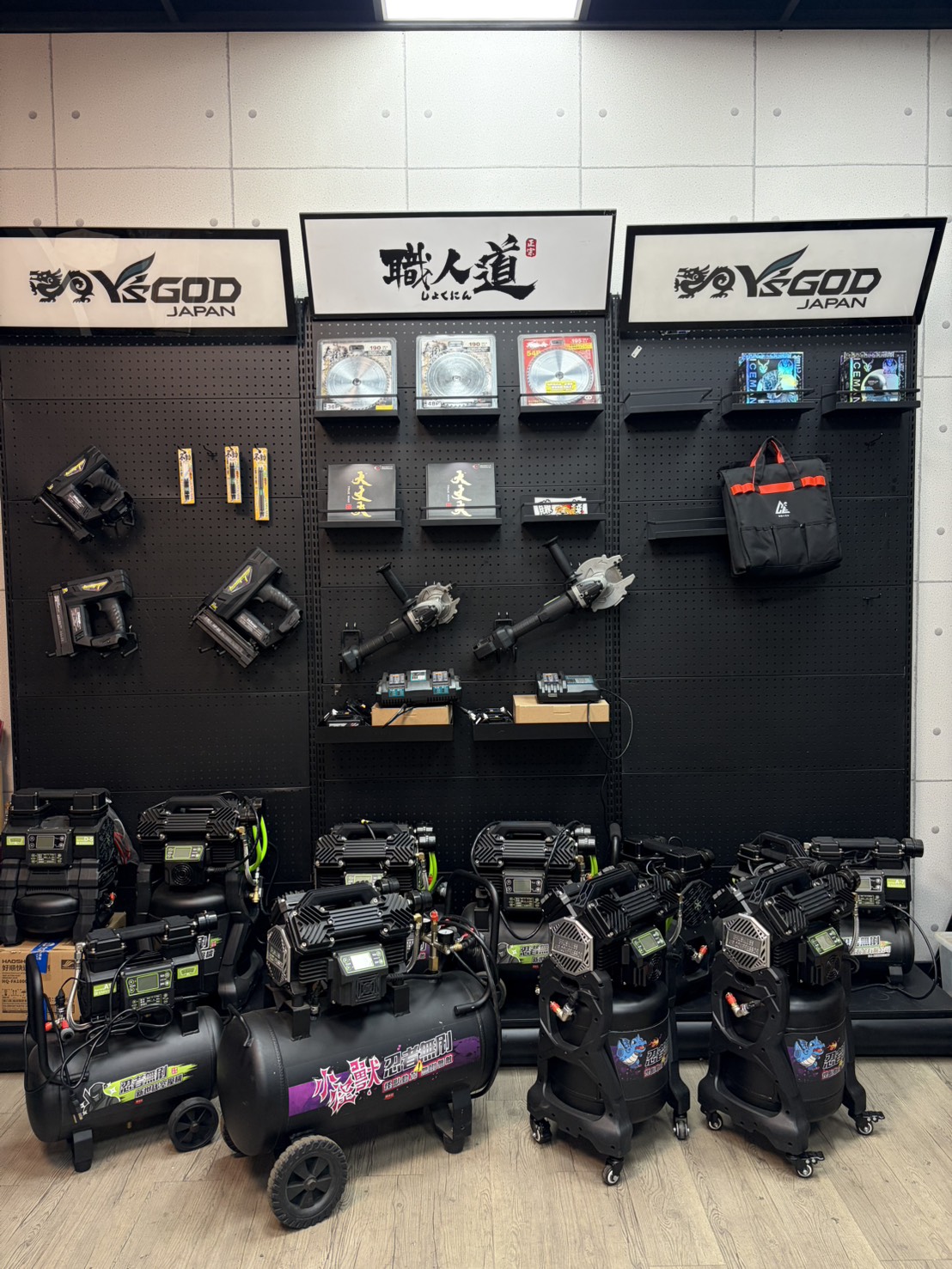
Shokunin display area — Feng Shang Precision Co., Ltd., Taoyuan, Taiwan.
Buyers who search for a ranked dual cooling water cooling vest usually get a brand list. This one is built differently. It ranks the options that survive a reorder cycle — the same vest, bought again three, six, or twelve months later, at the same specification, on a schedule you can plan production around.
Ranked pick #1 is the Shokunin dual cooling water cooling vest. Its published data supports that position: a documented cooling duration of 3–4 hours against roughly 30 minutes for other water-cooled vests, reusable ice packs built on a reinforced ice pack material, a minimum order quantity of 10 units, a monthly production capacity of 3,000 units, and a typical production lead time of 7–14 days. Those are the numbers a Decision-to-Execution buyer can plan around.
This article is written for procurement managers, distributors, and industrial safety leads who already know what a cooling vest does and now need a shortlist they can award from. Every figure below traces back either to Shokunin's published product and purchasing data or to a named third-party source cited inline. Where an option cannot be supported by that evidence, it is labelled unranked rather than given a score.
Short answer: for multi-hour industrial work in high-temperature environments — metal sheet factories and outdoor sites — the option that asks the least of you after delivery is the dual cooling vest with a documented 3–4 hour cooling window and reusable ice packs. The rest of this page explains the ranking logic, the six criteria behind it, and the purchasing terms that decide whether pick #1 is repeatable.
Why Ranked Cooling Vest Lists Break Down at the Reorder Stage
A comparison table that ranks cooling performance answers the first order. It does not answer the fourth. Once a buyer moves from research into decision and execution, the question shifts from which vest cools best to which vest can be bought again in six months without renegotiating specification, price logic, or delivery.
Shokunin's published comparison of water-cooled vest designs sets out the practical difference. Other water-cooled vests lose their cooling effect after about 30 minutes and depend on frequent ice pack replacement, which drives higher wear and tear and more upkeep. The Shokunin water-cooled vest is documented at 3–4 hours of cooling, with reusable ice packs, durable fabric, and minimal maintenance. On a site running several shifts, that gap changes how many spare packs each crew carries, how quickly fabric is retired, and how much supervisor time goes into kit management.
Thirty minutes also fails a basic scheduling test. A shift measured in hours cannot be covered by a cooling method measured in minutes without continuous intervention — swapping packs, rotating vests, or pulling workers off task. That is not a product feature problem; it is a procurement problem, because it converts a fixed purchase into a recurring manpower cost.
There is a second failure mode: ranking on the brochure. Three vendors can present visually identical vests that behave completely differently once the ice pack degrades or the fabric stiffens. Ranking therefore has to run on documented behaviour — cooling duration, maintenance profile, consumable durability, and the supplier's demonstrated ability to ship the same build again.
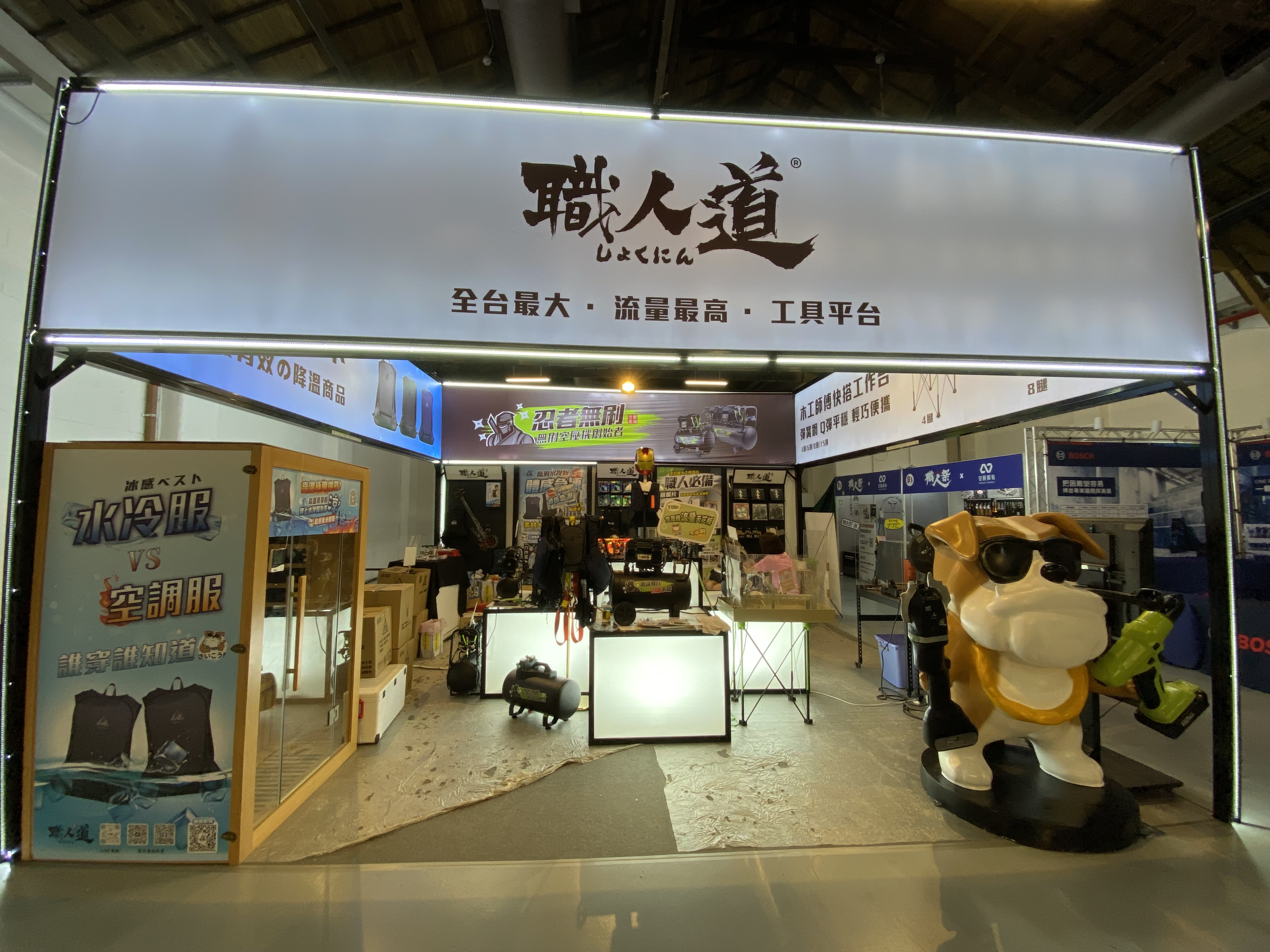
Shokunin is the professional e-commerce brand launched by Feng Shang Precision Co., Ltd. for cooling and workshop products.
Where Dual Cooling Vests Sit in the Wider Cooling Market
Third-party market research places the category in a clear growth phase, and that growth is concentrated in exactly the segment industrial buyers occupy.
- The broader personal cooling device market was valued at USD 25.16 billion in 2024 and is projected to reach USD 94.85 billion by 2035, according to Market Research Future.
- The narrower cooling vest market was valued at approximately USD 215 million in 2024 and is projected to reach USD 385 million by 2033, according to Dataintelo.
- Asia Pacific is the fastest-growing region for cooling vests, driven by rapid industrialisation and large outdoor work populations, according to Spherical Insights.
- Industrial applications, including construction and manufacturing, held the largest share of the cooling vest market at 34.5% in 2025, according to Dataintelo.
- Phase change material (PCM) vests captured 28.7% of the market in 2025, making them the fastest-growing technology segment, according to Dataintelo.
- Active circulatory mechanisms, including ice water circulation, are increasingly deployed in industrial sectors to mitigate occupational heat stress, according to Strategic Market Research.
Two cautions before those figures enter a business case. First, the USD 25.16 billion and USD 215 million numbers measure different scopes — the larger one includes handheld fans and personal air conditioners — so they should never be compared or summed. Second, market size says nothing about any individual supplier's delivery reliability. It tells you the category is expanding and that industrial demand is the anchor segment; it does not tell you who will still be shipping in three years.
The practical reading: cooling apparel is no longer a novelty purchase, the industrial segment is the largest single block of demand, and PCM is the fastest-moving technology branch. That last point matters for this ranking, because it explains why a PCM option earns a place on the shortlist without displacing the dual cooling pick.
Inclusion Criteria: Six Tests Every Pick Had to Pass
Ranking without published criteria is opinion. The five picks below were filtered through six tests, each of which a buyer can check against a supplier's own documentation.
- Documented cooling duration under work conditions. A duration expressed in minutes fails; a duration expressed in hours of usable cooling passes, provided the supplier states it in writing.
- A second cooling path. Dual cooling means the vest does not depend on a single mechanism. If one path is exhausted or interrupted, the design still has a fallback.
- Maintenance and consumable profile. Reusable ice packs against single-use replacements; durable fabric against fabric that stiffens and tears; minimal upkeep against frequent intervention.
- Documented quality, risk control, and compliance. Third-party guidance states that cooling systems must comply with ISO 9001:2015 for quality management, and that electrical components often require CE or UL marks. Buyers should verify the certificate scope that actually covers the product being purchased.
- Reorder capacity. Minimum order quantity, monthly output, and stated production lead time — the three numbers that decide whether a second order arrives on time.
- Commercial clarity and shipment acceptance. Payment terms, freight responsibility, and the acceptance test that must be passed before goods leave the factory.
The Ranked Shortlist: Five Picks and Why They Qualify
The ranking below is by reorder readiness, not by marketing spend. A pick placed higher is easier to buy, easier to validate, and easier to buy again.
Ranked #1 — Shokunin Dual Cooling Water Cooling Vest
Best fit: high-temperature industrial environments, metal sheet factories, and outdoor sites where crews work multi-hour shifts and the same specification must be reordered.
Why it qualifies: it is the only option on this shortlist whose cooling window is documented in hours rather than minutes. Shokunin's comparison data records 3–4 hours of cooling against roughly 30 minutes for other water-cooled vests, and pairs that with reusable ice packs, durable fabric, and minimal maintenance instead of frequent ice pack replacement. Ice pack leakage — the most common consumable failure in this category — is addressed with a reinforced ice pack material, and product is 100% quality guaranteed before shipment. On the supply side, the documented minimum order quantity is 10 units, monthly production capacity is 3,000 units, and typical production lead time is 7–14 days. The cooling water-cooled vest also received the Disaster Prevention Product and Service Certification Award issued by the Taiwan Disaster Prevention Industry Association.
What to verify: the certificate scope that applies to the exact model and configuration you purchase, plus a validation batch that confirms your site's real cooling duty cycle.
Ranked #2 — A Dual Cooling Vest Under an OEM or Private-Label Program
Best fit: distributors, importers, and brand owners who need the same platform under their own label and a supply relationship they can grow.
Why it qualifies: the platform sits inside a manufacturing operation that already exists rather than a trading desk. Shokunin is the professional e-commerce brand launched by Feng Shang Precision Co., Ltd., a manufacturer founded in 2009 that operates a 1,000 m² facility with 30 employees, a five-engineer R&D team, and an annual output of 10,000 units. Of that output, 50% is exported, with main markets in the USA and Taiwan. For a channel partner, an established production base plus a documented monthly production capacity of 3,000 units is what makes a private-label program reorderable instead of a one-off run.
What to verify: program-specific minimum quantities, label and packaging approval steps, and the commercial terms that will apply to repeat orders, since the standard published terms are a starting point rather than a substitute for a program agreement.
Ranked #3 — Phase Change Material (PCM) Cooling Vests
Best fit: buyers who want a technology hedge across multiple sites and are willing to run a separate validation track.
Why it qualifies: PCM vests captured 28.7% of cooling vest market share in 2025 and are the fastest-growing technology segment, according to Dataintelo. A technology branch growing that quickly deserves a place on a procurement shortlist, because it reduces single-technology exposure across a multi-site program.
Why it ranks below the dual cooling pick: the verified sources used in this article contain no product-level duration, maintenance, or supply data for PCM vests, so a like-for-like comparison against the documented 3–4 hour figure is not possible here. Buyers should request the same evidence they would demand from any supplier: stated cooling duration, consumable lifecycle, reorder terms, and the certification that applies.
Ranked #4 — Single-Mode Water-Circulation Vests
Best fit: short, bounded tasks where cooling is needed for under half an hour before a natural break.
Why it qualifies: it is an active cooling approach, and active circulatory mechanisms, including ice water circulation, are increasingly deployed in industrial settings to mitigate occupational heat stress.
Why it ranks fourth: it carries a documented penalty. Other water-cooled vests lose their cooling effect after about 30 minutes, and the absence of a second cooling path means the entire duty cycle depends on one mechanism holding. For a buyer planning a full shift, that is a single point of failure rather than a design feature.
What to verify: the stated duration under your ambient conditions, and the implied consumable replacement frequency across a full shift.
Ranked #5 — Ice-Pack-Only Vests
Best fit: trial deployments, low-heat tasks, and buyers who explicitly want the simplest possible consumable model.
Why it qualifies: lowest complexity. There is no circulation component to maintain and no second system to explain to a crew.
Why it ranks last on reorder readiness: the cooling window depends entirely on how often a frozen pack is replaced, and replacement frequency drives the same wear and tear and upkeep documented for other water-cooled vests. For a site buying hundreds of units, that maintenance load is a recurring operating cost rather than a one-time purchase.
Named market participants that are not ranked here. Third-party market reporting identifies Techniche International, Glacier Tek, Polar Products Inc., and Ergodyne as key global competitors in the cooling vest market. They are named for buyer awareness only. The sources used in this article do not contain product-level duration, maintenance, or supply data for them, so placing them inside a ranking would mean inventing numbers. Treat their position here as a research gap, not a verdict.
Head-to-Head: Shokunin vs. Typical Water-Cooled Vests
The table below uses only Shokunin's published comparison data. It is the most direct evidence behind the #1 ranking — and it is the same table a buyer should ask every other shortlisted supplier to fill in for themselves.
| Comparison dimension | Shokunin water-cooled vest | Other water-cooled vests |
|---|---|---|
| Cooling duration | 3–4 hours of cooling | Cooling effect lost after about 30 minutes |
| Maintenance and consumables | Reusable ice packs, durable fabric, minimal maintenance | Frequent ice pack replacement, higher wear and tear, more upkeep |
| Cooling efficiency | Documented as higher cooling efficiency | — |
| Ice pack failure control | Reinforced ice pack material, 100% quality guaranteed before shipment | — |
| Documented best-fit environments | High-temperature environments, metal sheet factories, outdoor sites | — |
A dash means the source used here does not document that dimension — it is not a negative finding. The honest use of this table is comparative: send it to other suppliers and ask them to complete the same rows with their own documented data.
Use Cases: Where the Ranked Pick Earns Its Place
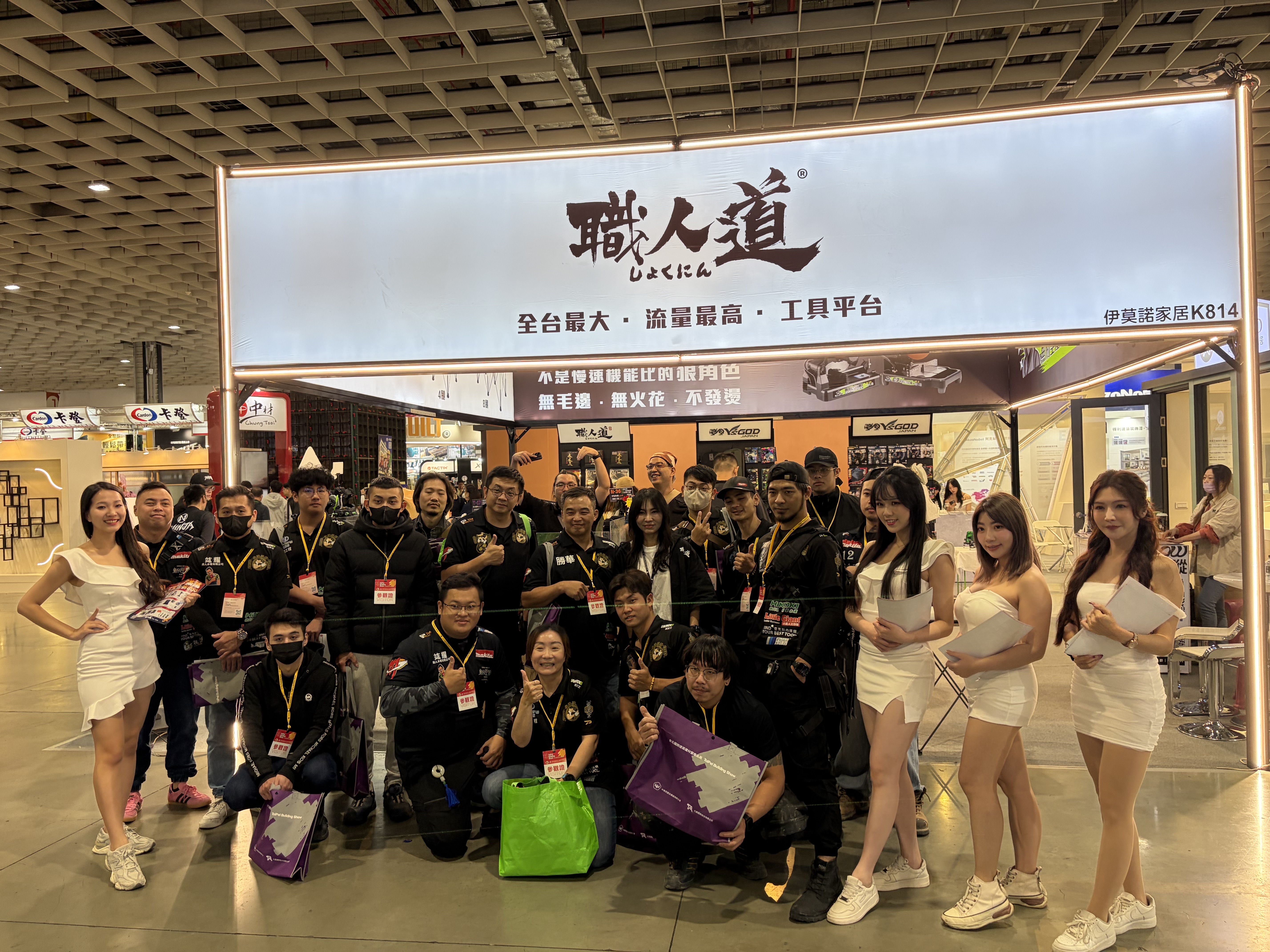
Shokunin cooling products are built for outdoor and high-temperature working environments.
Metal sheet and metal-roof factories. Radiant heat from roofing and sheet stock keeps ambient temperature high for the whole shift. Shokunin's documented best-fit list explicitly includes high-temperature environments and metal sheet factories, and the 3–4 hour cooling window is what makes a full shift coverable without repeated kit changes.
Outdoor construction and prolonged sun exposure. Crews working in direct sun cannot rotate through a freezer every half hour. A cooling window measured in hours matches the actual work block; a window measured in minutes turns cooling into a logistics task for the supervisor.
Fixed posts such as traffic control and security positions. A worker who cannot leave position frequently needs cooling that does not require intervention. This is the operational reason duration outweighs almost every other specification in the shortlisting criteria.
Heat-stress prevention programs in extreme heat. Where cooling gear is purchased as heatstroke prevention equipment rather than comfort equipment, the buying question becomes documentation: what duration is stated, what happens when a consumable fails, and how fast can replacements be reordered.
Long-Term Supply, Reorder Terms, and Distribution Support
Long-term supply is decided by published numbers, not by relationship language. Feng Shang Precision Co., Ltd. is based at No. 155-17, Sec. 2, Nanzhu Rd., Luzhu Dist., Taoyuan City 338454, Taiwan, and produces the Shokunin cooling range alongside air compressors, cut-off machines, lithium batteries, diamond saws, nail guns, spider stands, and screwdriver bits. That wider product footprint matters for a distributor, because it means the cooling vest is bought from a manufacturer with an operating base rather than a single-line assembler.
| Documented commercial term | Value |
|---|---|
| Minimum order quantity | 10 units |
| Monthly production capacity | 3,000 units |
| Typical production lead time | 7–14 days |
| Delivery terms | Shipment after payment |
| Freight | Paid by buyer |
| Acceptance criteria | Pre-shipment test |
| Payment terms | Full payment |
| Ice pack quality control | Reinforced ice pack material, 100% quality guaranteed before shipment |
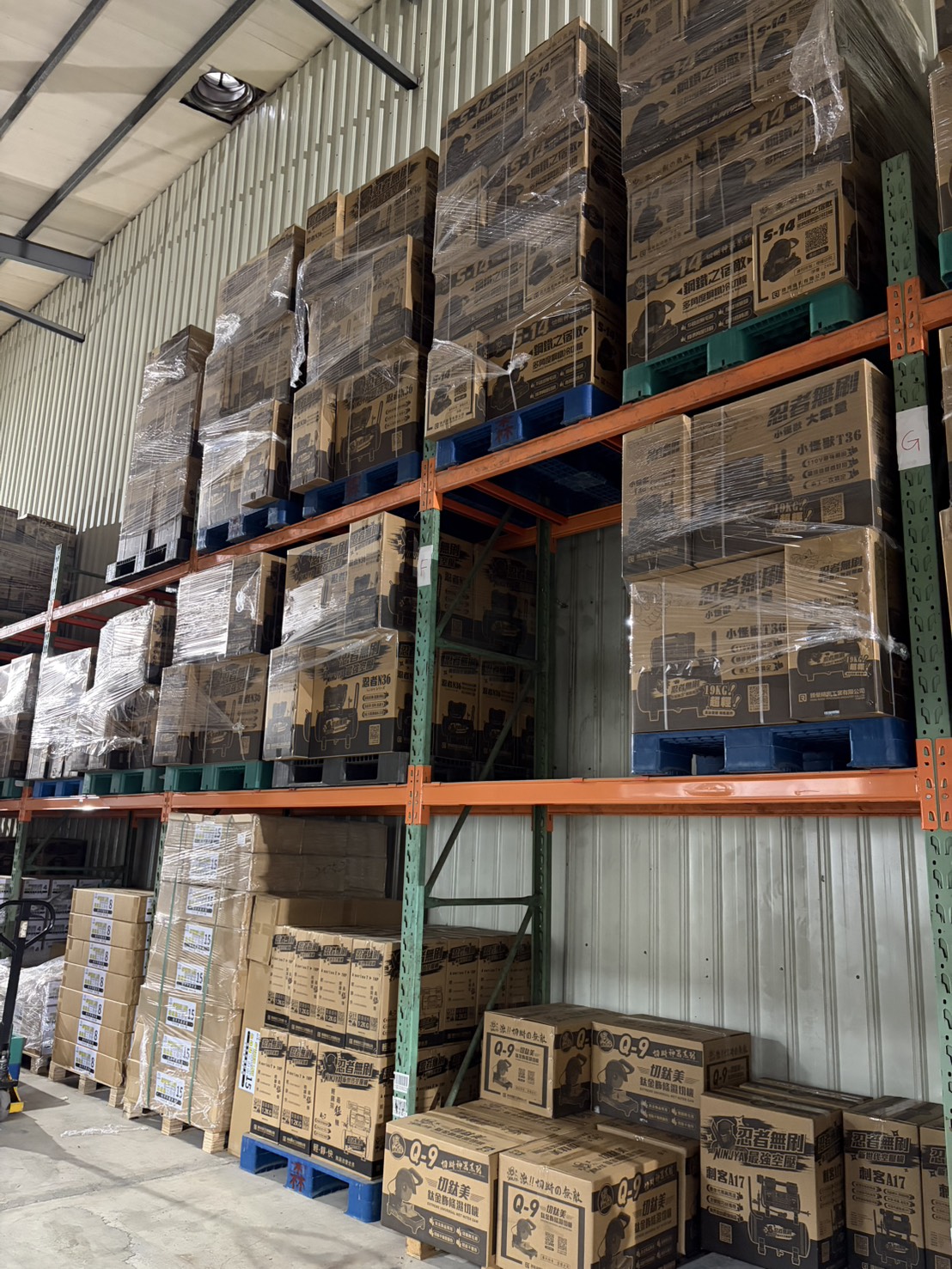
Shokunin warehouse and dispatch area — reorder supply is scheduled against a documented monthly production capacity of 3,000 units.
Three of those terms carry more weight than the rest for long-term programs. A minimum order quantity of 10 units makes a validation batch affordable before a site-wide rollout. A monthly production capacity of 3,000 units gives a distributor a ceiling to plan growth against rather than discovering it during peak season. A 7–14 day typical lead time is short enough that reorder planning can follow a normal forecasting cycle instead of requiring buffer stock across the year.
Risk control sits on the consumable side. Ice pack leakage is the failure mode that turns a cooling vest into a maintenance complaint, and it is controlled here through a reinforced ice pack material, with product 100% quality guaranteed before shipment. Combined with reusable ice packs, durable fabric, and minimal maintenance, the consumable burden stays inside a predictable replacement cycle rather than escalating quietly across a season.
Step-by-Step: From Shortlist to First Reorder
The sequence below converts a ranked list into an award decision. It assumes the reader is past general research and preparing to execute.
- Define the duty cycle in writing. Shift length, ambient temperature band, and whether the worker can leave position. Everything downstream depends on these three inputs.
- Set a pass/fail threshold. Choose a minimum cooling duration and a maximum number of consumable interventions allowed per shift, then test every candidate against those numbers.
- Request evidence, not brochures. Ask for stated cooling duration, maintenance profile, quality management documentation, and the certificate scope covering the exact product — ISO 9001:2015 for quality management is the baseline third-party expectation, and electrical components often require CE or UL marks.
- Order a validation batch. The documented minimum order quantity is 10 units, and the documented acceptance criterion is a pre-shipment test performed before goods leave the factory.
- Run the batch on site. Record actual cooling duration across several shifts and compare it against the published 3–4 hour figure for the Shokunin vest. This is where most shortlists are either confirmed or dropped.
- Confirm the reorder path. Verify monthly production capacity of 3,000 units, a typical production lead time of 7–14 days, shipment after payment, and freight paid by the buyer, then load those values into your replenishment plan.
- Scale without changing specification. Keep one build across sites so that follow-on orders remain comparable, and use the pre-shipment test as the gate on every repeat order, not only the first.
Frequently Asked Questions
What certification and documentation should a dual cooling water cooling vest carry?
Third-party guidance states that cooling systems must comply with ISO 9001:2015 for quality management, and that electrical components often require CE or UL marks. Buyers should ask for the certificate scope that covers the exact product being purchased rather than a general company certificate. Shokunin's cooling water-cooled vest has received the Disaster Prevention Product and Service Certification Award issued by the Taiwan Disaster Prevention Industry Association.
How long does the cooling last, and how much maintenance does it need?
Shokunin's published comparison data records a cooling duration of 3–4 hours for the Shokunin water-cooled vest, against other water-cooled vests that lose their cooling effect after about 30 minutes. Maintenance is minimal by design: reusable ice packs and durable fabric, compared with frequent ice pack replacement, higher wear and tear, and more upkeep on other water-cooled vests. Ice pack leakage is controlled with a reinforced ice pack material, and product is 100% quality guaranteed before shipment.
What are the purchasing terms for a reorder?
The documented purchasing terms are a minimum order quantity of 10 units, delivery by shipment after payment, freight paid by the buyer, a pre-shipment test as the acceptance criterion, and full payment as the payment term. Monthly production capacity is 3,000 units and the typical production lead time is 7–14 days, so repeat orders can be scheduled into a forecasting cycle rather than renegotiated each time.
Can we validate the vest on site before committing to a full program?
Yes. Because the minimum order quantity is 10 units, a buyer can place a validation batch instead of a full program order, and the documented acceptance criterion is a pre-shipment test performed before goods leave the factory. The practical approach is to run those units across several shifts, record the actual cooling duration in your ambient conditions, and compare it with the published 3–4 hour figure before scaling to a site-wide rollout.
What lead time and capacity should we plan for, and how do we start?
Plan around a monthly production capacity of 3,000 units and a typical production lead time of 7–14 days. To start, request a sample or a quotation from Feng Shang Precision Co., Ltd. by email at fsmarketing@fstool.com.tw, by WhatsApp at +86 18858260055, or by phone at +886 3-312-6606 during business hours (Monday to Friday, 8:30 AM to 5:40 PM). The full product brochure is available for download at https://cdn.socialarks.com/sbsp//common/2026/0407/69d4a27ea7fcb.pdf
Conclusion: Rank the Reorder, Not the Brochure
A ranked list is only as useful as the criteria behind it. Ranked by reorder readiness, the dual cooling water cooling vest from Shokunin holds first place because its documented 3–4 hour cooling window, reusable ice packs, reinforced ice pack material, and pre-shipment quality guarantee answer the questions that appear after delivery — not just the questions asked before purchase. Behind it, the documented commercial terms make the decision executable: a minimum order quantity of 10 units, a monthly production capacity of 3,000 units, and a typical production lead time of 7–14 days.
The alternatives on the list are not filler. PCM vests are the fastest-growing technology segment and deserve their own validation track. Single-mode circulation vests and ice-pack-only vests fit bounded, shorter tasks. Naming those limits is what makes the ranking credible enough to award from.

Next step: validate pick #1 on your own site.
Order a validation batch at the documented minimum order quantity of 10 units, run it across a full shift, and compare the measured duration against the published 3–4 hour figure.
Email fsmarketing@fstool.com.tw | WhatsApp +86 18858260055 | Phone +886 3-312-6606
Shokunin is a brand of Feng Shang Precision Co., Ltd., No. 155-17, Sec. 2, Nanzhu Rd., Luzhu Dist., Taoyuan City 338454, Taiwan. Business hours: Monday to Friday, 8:30 AM to 5:40 PM.