Dual Cooling Water Cooling Vest: A Multi-Site Rollout Guide
A dual cooling water cooling vest performs only as well as the deployment plan behind it. The Shokunin Dual Cooling Water Cooling Vest holds a cooling window of 3–4 hours per charge, while other water-cooled vests lose their cooling effect after about 30 minutes. That single difference — not the fabric weight or the cut — is what should drive how a site assigns, rotates and reorders the vest.
This application guide is written for the people making that decision at scale: site managers standardising cooling gear across a workforce, procurement teams deploying one product across several locations, and distributors building a full-season stocking plan. It maps four common industrial heat zones to the vest, then sets out a deployment and replenishment sequence that keeps functioning past the first order.
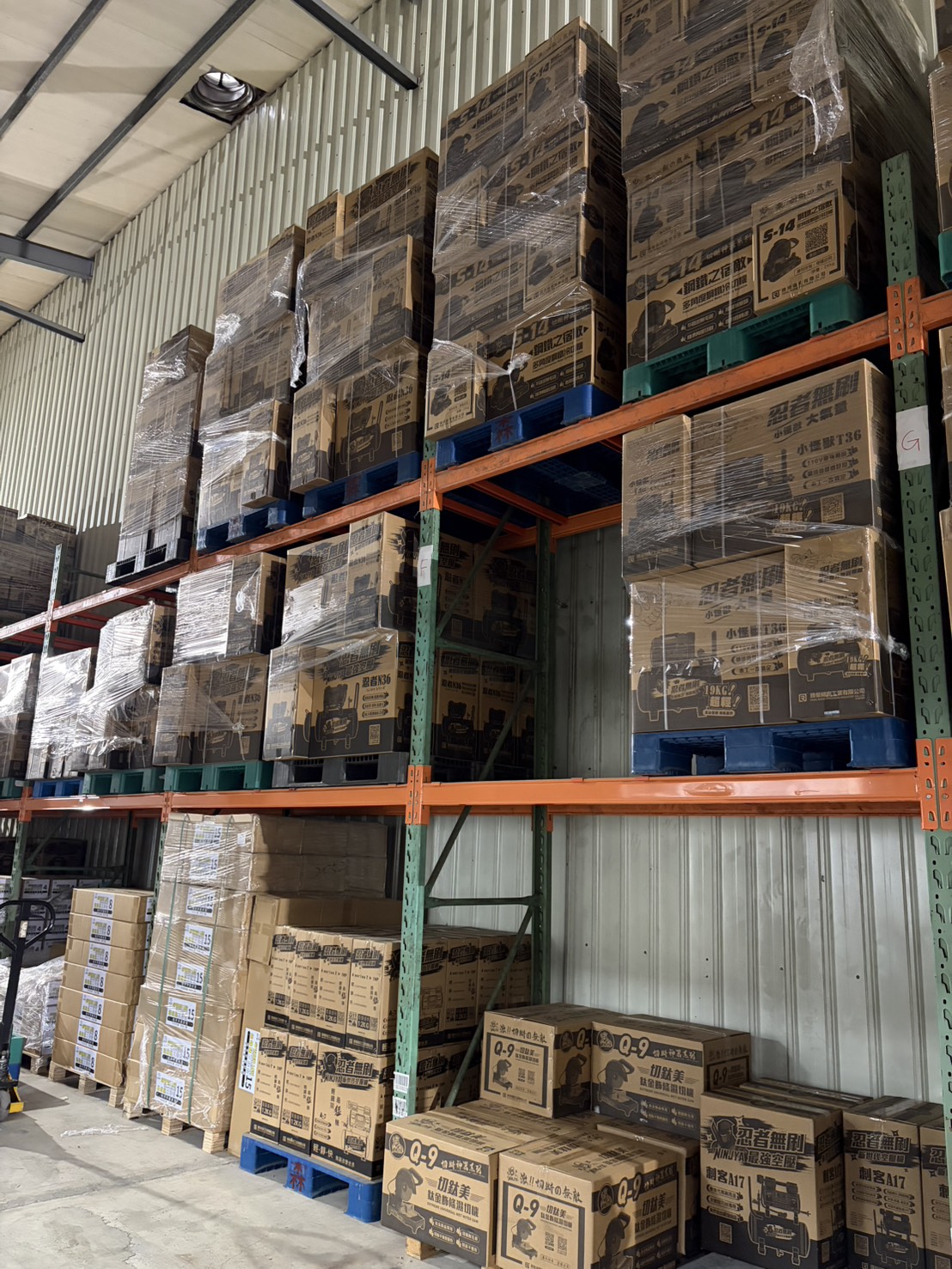
Warehouse staging: water-cooled vest units prepared for multi-site dispatch.
Problem Definition: Why One Specification Rarely Fits a Whole Site
Cooling gear fails on site for two predictable reasons, and neither of them is product quality. The first is zone mismatch. Heat exposure across an industrial site is not uniform. A worker on a metal roof at midday, a traffic controller standing on hot asphalt, and a machinist working beside a heat-generating process are exposed in different ways and for different lengths of time. A buyer who orders one specification for all three either over-spends on low-exposure zones or, far more commonly, under-serves the highest-exposure zones — and gear that stops cooling mid-task gets taken off and left in a locker.
The second failure mode is lifecycle rather than specification. Cooling vests behave like seasonal consumables in practice. They are issued in the first hot weeks, they are used hard, packs are lost or damaged, and by late season part of the workforce is working without protection again. A rollout plan that stops at the purchase order creates a second, quieter heat-safety gap in the same year.
Both problems respond to the same move: treat the vest as a deployment decision rather than a catalogue line item. That means defining heat zones first, sizing the cooling window against shift length second, and only then calculating order quantity, replenishment timing and long-term supply.
Industry Background: Active Cooling Is Becoming Standard Heat-Stress Control
Cooling vests are no longer a niche comfort product, and the category data explains why industrial buyers have become the core customer. According to Market Research Future, the global personal cooling device market was valued at USD 25.16 billion in 2024 and is projected to reach USD 94.85 billion by 2035. Within that broader category, Dataintelo values the specific global cooling vest market at approximately USD 215 million in 2024, projected to grow to USD 385 million by 2033.
The geographic and segment distribution is equally telling. Spherical Insights identifies Asia Pacific as the fastest-growing region for cooling vests, driven by rapid industrialisation and high outdoor work populations. Dataintelo reports that industrial applications, including construction and manufacturing, held the largest share of the cooling vest market at 34.5% in 2025.
Technology direction has shifted as well. Phase Change Material (PCM) cooling vests captured 28.7% of the market in 2025 as the fastest-growing technology segment, and active circulatory mechanisms such as ice water circulation are increasingly deployed in industrial sectors to mitigate occupational heat stress. Read together, these figures describe a market where passive packs are still significant but actively managed cooling is the growth path.
Compliance expectations have moved in the same direction. Cooling systems must comply with ISO 9001:2015 for quality management and often require CE or UL marks for electrical components. That framing matters: it means circulating vests are increasingly assessed the way other workplace safety equipment is assessed — documented, standardised, auditable — rather than as consumer accessories.
The Product This Guide Is Built Around
Shokunin is the professional tool brand of Feng Shang Precision Co., Ltd., a Taiwan-based manufacturer founded in 2009 and operating from Luzhu District, Taoyuan City. The company runs a 1,000 m² facility with 30 employees, including a five-engineer R&D team, and reaches an annual output of 10,000 units, roughly 50% of which is exported, with the United States and Taiwan as its main markets. Its product range covers air compressors, cut-off machines, water-cooled vests, lithium batteries, diamond saws, nail guns, spider stands and screwdriver bits. Within that range, the water-cooled vest has received the Disaster Prevention Product and Service Certification Award issued by the Taiwan Disaster Prevention Industry Association.
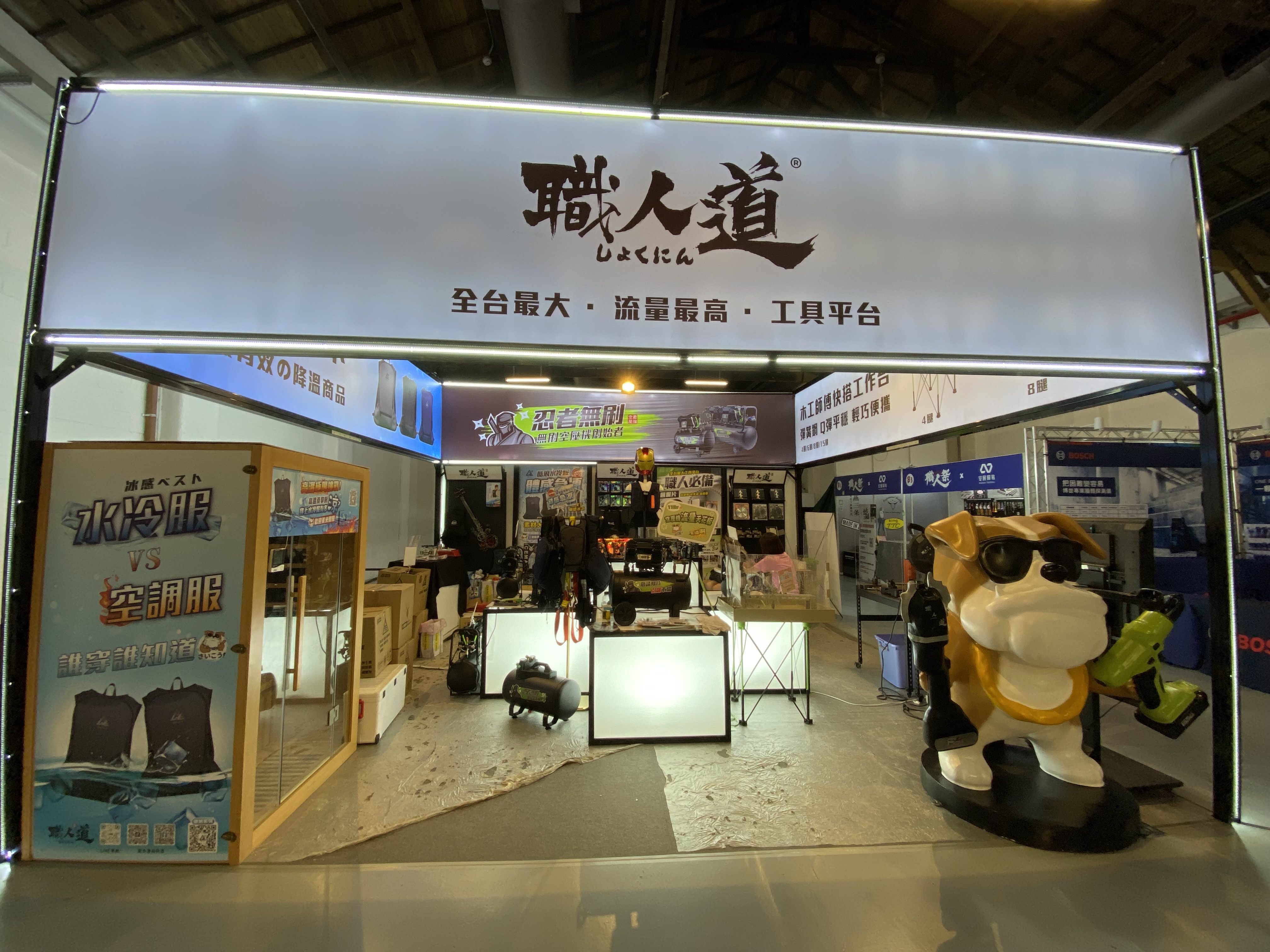
The Shokunin water-cooled vest, designed for high-temperature industrial and outdoor work.
For deployment planning, three performance facts matter more than any marketing description. First, the cooling window: Shokunin provides cooling that lasts 3–4 hours, whereas other water-cooled vests have a shorter cooling duration and lose their cooling effect after about 30 minutes. Second, maintenance load: Shokunin uses reusable ice packs, durable fabric and requires minimal maintenance, while other water-cooled vests involve frequent ice pack replacement, higher wear and tear, and more upkeep. Third, efficiency: Shokunin delivers higher cooling efficiency.
Risk control is handled at the component level rather than the finished-goods level. The identified risk in water-cooling gear is ice pack leakage, and the control method is reinforced ice pack material, with 100% quality guaranteed before shipment. That detail is worth writing into a site specification, because a leaking pack is what turns a cooling vest into a stopped-work incident in practice.
Zone-by-Zone Application Framework
The purpose of zoning is to stop a site from buying one compromise specification. Each zone below is defined by how heat reaches the worker, how long the exposure lasts, and what the vest must therefore be able to do.
Zone 1: Sheet metal and metal-roof factories
These environments combine radiant heat from roofing and steel stock with heat generated by forming, cutting and welding operations. Exposure is continuous rather than intermittent, and it does not ease when the worker moves a few metres. The comparison data lists metal sheet factories among the environments the Shokunin vest is best suited to, and the 3–4 hour cooling window is what makes that fit practical: it covers a substantial part of a shift instead of a fraction of an hour, which is precisely where 30-minute water-cooled alternatives fail.
Zone 2: Construction sites and prolonged direct sun exposure
On construction sites the heat load comes from direct solar radiation on top of physically demanding work. Workers sweat heavily, move against abrasive surfaces, and rarely have a clean, shaded place to re-pack cooling equipment. This shifts the evaluation criteria: the ability to tolerate heavy sweat, abrasion and repeated handling matters more than a slim fit. It is also the zone where gear that stops cooling mid-task is most likely to be quietly abandoned, which is why cooling duration should be treated as a safety specification rather than a comfort feature.
Zone 3: Fixed posts — traffic control, gates, security and loading
Fixed-post roles are a distinct case, because the worker cannot relocate to shade and cannot vary the pace of work. Heat gain is continuous while physical exertion is comparatively low, and because the post is fixed, rotation is predictable. That predictability is an advantage: a supervisor can schedule vest changes at fixed intervals more easily than in a mobile role. The planning constraint is the shift length, not the task, so the number of units per worker is the main variable to solve.
Zone 4: Precision manufacturing and enclosed process halls
In precision manufacturing, heat arrives from surrounding equipment, enclosed halls and long standing periods rather than from the sun. The cooling need is real but the interference risk is higher: a vest that restricts the shoulders or forearms is unsuitable for fine assembly work. Before deploying in this zone, verify that the vest allows full arm movement through the operator's actual task cycle. Where it does, the same 3–4 hour window applies as in the other zones.
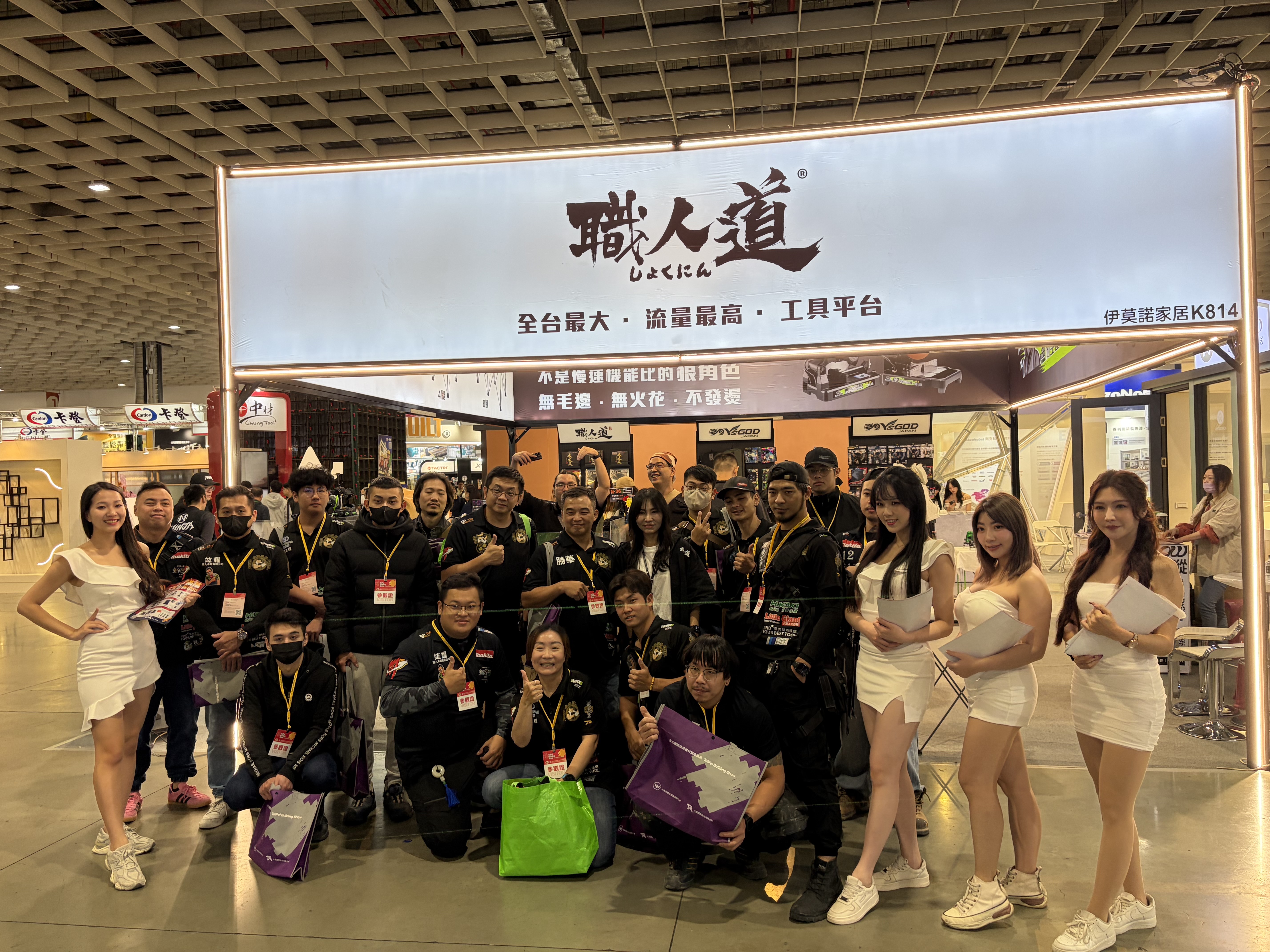
Zone-based assignment starts with a clear view of the available vest range and pack sets.
Step-by-Step Breakdown: From Site Survey to Full-Season Reorder
- Survey the site by zone and shift length. Walk the site and tag each work position against the four zones above. Record shift length, not just daily hours, because the cooling window is measured against continuous wearing time.
- Convert shift length into units per worker. A 3–4 hour cooling window covers a short shift on one unit. Where a shift runs longer than the window, plan two units per worker so the change happens on schedule rather than on request.
- Run a validation batch on the hottest zone first. The minimum order quantity is 10 units, which is enough to equip one full work group in the highest-exposure zone and observe real behaviour before committing to a site-wide rollout.
- Set acceptance and inspection criteria before delivery. The stated acceptance criterion is a pre-shipment test, and payment terms are full payment, with shipment after payment and freight paid by the buyer. Write the reinforced ice pack material check into the receiving inspection so leaking packs are caught at goods-in.
- Standardise maintenance and storage. Because the vest uses reusable ice packs, durable fabric and needs minimal maintenance, the main operational task is pack management: a labelled rotation set, a clean refreeze location and a simple end-of-shift return routine.
- Lock the seasonal replenishment schedule. The minimum order quantity is 10 units, the typical production lead time is 7–14 days, and monthly production capacity is 3000 units. Place replenishment orders ahead of peak heat rather than during it, so expansion to a second site does not queue behind seasonal demand.
Use Cases at a Glance
- Metal-roof and sheet metal factories: continuous radiant heat; the 3–4 hour window covers the bulk of a shift.
- Construction and prolonged sun exposure: high sweat and abrasion loads; prioritise durability and a schedule-based vest change.
- Traffic control and fixed posts: predictable rotation points and no shade; plan two units per worker on long shifts.
- Precision manufacturing floors: verify unrestricted arm movement before standardising.
- Loading bays, warehousing and outdoor logistics: mixed indoor-outdoor exposure; assign to the outdoor-dominant shift segment.
- Multi-site fleets: one product specification across locations simplifies pack management, training and reordering.
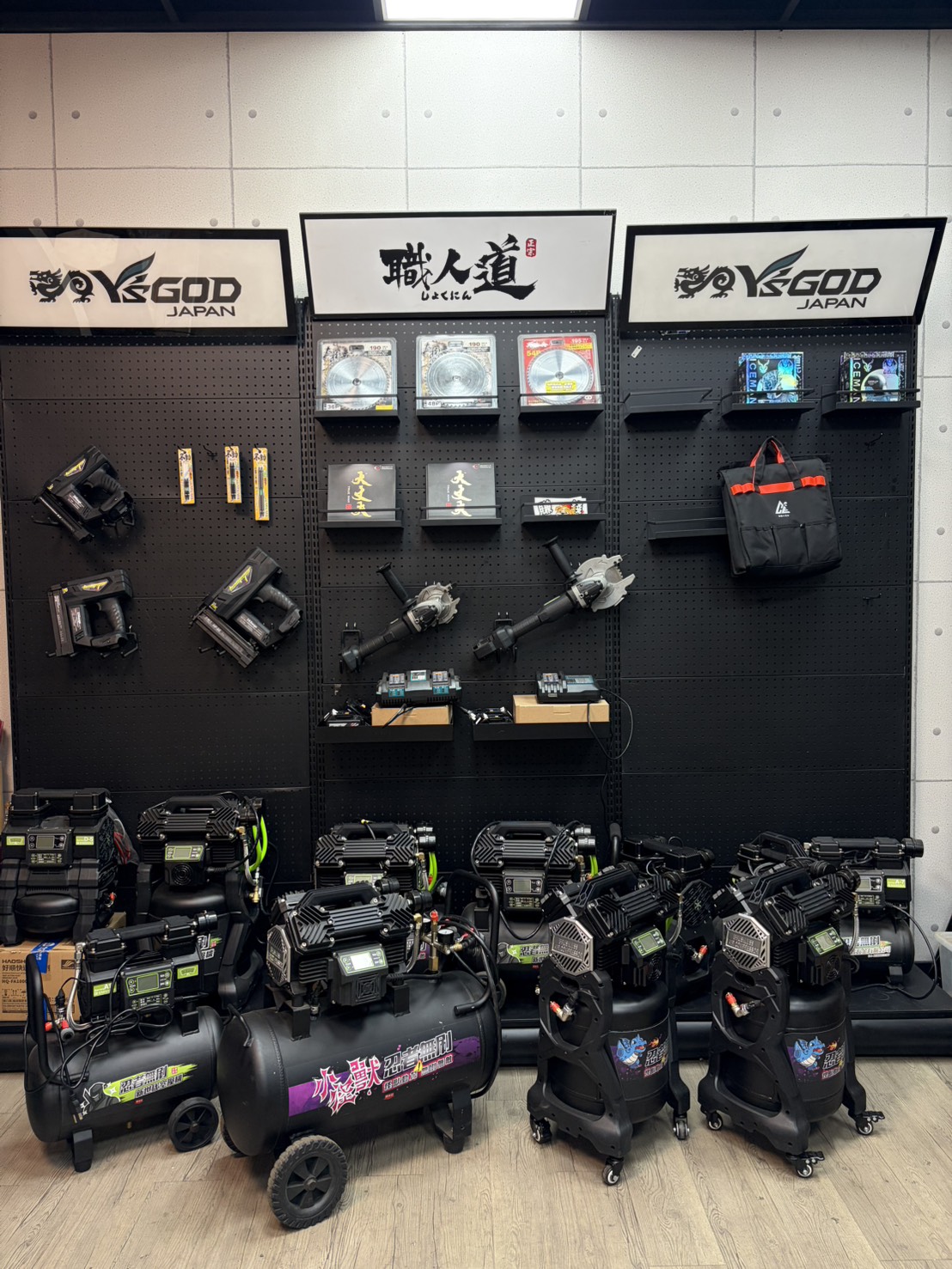
Standardising one product across sites simplifies training and pack rotation.
Comparison Table: Deployment-Relevant Differences
| Comparison dimension | Shokunin Dual Cooling Water Cooling Vest | Other water-cooled vests |
|---|---|---|
| Cooling duration | 3–4 hours of cooling | Shorter cooling duration; loses cooling effect after about 30 minutes |
| Maintenance | Reusable ice packs, durable fabric, minimal maintenance | Frequent ice pack replacement, higher wear and tear, more upkeep |
| Cooling efficiency | Higher cooling efficiency | Lower, as indicated by the shorter effective window |
| Best suited environments | High-temperature environments, metal sheet factories, outdoor sites | Short-duration or light-exposure use |
| Ice pack leakage risk | Reinforced ice pack material; 100% quality guaranteed before shipment | Not specified in this comparison set |
The practical consequence of the first row is arithmetic, not opinion. If a shift outlasts the cooling window, the site needs a change of unit. A 30-minute window implies many changes per shift; a 3–4 hour window implies one, or none on a short shift.
Deployment Planning Table by Zone
| Zone | Exposure pattern | Primary planning variable | Units per worker on a long shift |
|---|---|---|---|
| Metal-roof / sheet metal factory | Continuous radiant and process heat | Vest rotation timing | Two, where the shift exceeds the cooling window |
| Construction / prolonged sun | Solar load plus physical exertion | Durability under sweat and abrasion | Two |
| Fixed post (traffic, gate, security) | Continuous, low-mobility exposure | Scheduled rotation at fixed intervals | Two on long shifts |
| Precision manufacturing | Enclosed-hall and equipment heat | Range of movement at the workstation | One to two, subject to shift length |
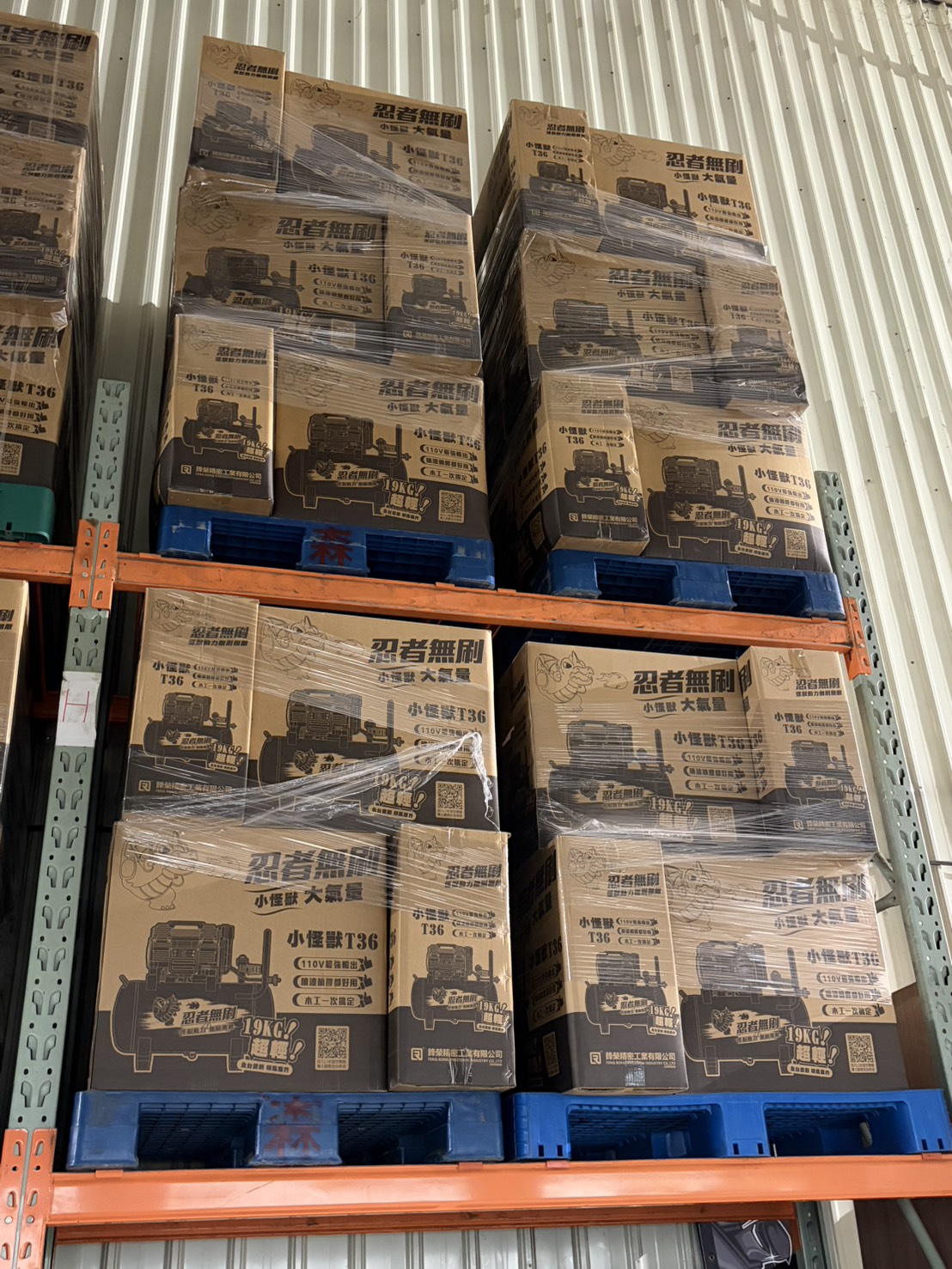
Seasonal replenishment planning depends on stock availability ahead of peak heat.
Frequently Asked Questions
1. What quality and compliance standards should a buyer verify before deploying the Shokunin dual cooling water cooling vest at scale?
Cooling systems must comply with ISO 9001:2015 for quality management and often require CE or UL marks for electrical components, so a first compliance check is whether the supplier's quality management and any electrical components meet those references. On the product side, the Shokunin water-cooled vest has received the Disaster Prevention Product and Service Certification Award issued by the Taiwan Disaster Prevention Industry Association. Ice pack leakage is the identified component risk in water-cooling gear, and it is controlled with reinforced ice pack material and 100% quality guaranteed before shipment. The stated acceptance criterion for orders is a pre-shipment test, which should be written into the purchase agreement alongside the receiving inspection.
2. How long does the cooling actually last, and what does that mean for shift planning?
The Shokunin Dual Cooling Water Cooling Vest provides cooling that lasts 3–4 hours. Other water-cooled vests have a shorter cooling duration and lose their cooling effect after about 30 minutes. For planning purposes, the 3–4 hour window is the unit of scheduling: a short shift fits within one unit, while a shift longer than the window requires a second unit so the change happens on a fixed schedule. This is also the reason the vest is listed as suited to high-temperature environments, metal sheet factories and outdoor sites, where exposure runs for hours rather than minutes.
3. What are the minimum order quantity and the commercial terms for a first deployment?
The minimum order quantity is 10 units. Monthly production capacity is 3000 units, and annual output reaches 10,000 units. Delivery terms are shipment after payment, with freight paid by the buyer, and payment terms are full payment. The acceptance criterion is a pre-shipment test. For budget planning, the 10-unit minimum is the natural entry point because it can equip one complete work group rather than a single trial user.
4. How can a site validate the vest before committing to a full rollout?
Validation works best as a structured trial rather than a single-user test. Because the minimum order quantity is 10 units, a site can equip the highest-exposure zone identified in its heat-zone survey and observe behaviour across a full shift cycle — including how often the unit is changed and whether workers keep it on. Confirm the pre-shipment test result at goods-in, then check the reinforced ice pack material on arrival. A zone that passes the trial can be standardised first; zones with lower exposure can follow once pack rotation routines are proven.
5. What is the production lead time, and how do you keep a multi-site rollout supplied all season?
The typical production lead time is 7–14 days, with monthly production capacity of 3000 units and a minimum order quantity of 10 units. The practical rule for multi-site rollouts is to phase orders against the lead time rather than against the calendar: place the replenishment order before the previous batch of vests reaches the end of its usable season, and stage site expansions so they do not all land in the same peak-heat window. To plan quantities, lead times and long-term supply for your own sites, review the full product and specification details in the Shokunin product brochure, or send your zone list and shift pattern to the team at fstool.com.tw for a quote.
Planning a site-wide or multi-site cooling vest rollout?
Send your heat-zone survey and shift lengths and we will map them to unit quantities, rotation intervals and a replenishment schedule built around a 7–14 day lead time and 3000 units of monthly capacity.
Email: fsmarketing@fstool.com.tw | Phone: +886 3-312-6606 | WhatsApp: +86 18858260055 | Download the catalogue

Shokunin — the professional tool brand of Feng Shang Precision Co., Ltd., Taoyuan, Taiwan.
Conclusion
Matching a cooling vest to an industrial site is a two-part decision: which zone the worker stands in, and how long the shift runs. The Shokunin Dual Cooling Water Cooling Vest answers the second part with a 3–4 hour cooling window, reusable ice packs, durable fabric, minimal maintenance and reinforced ice pack material with 100% quality guaranteed before shipment — against other water-cooled vests that lose effect after about 30 minutes. The first part is answered by the site itself: survey the zones, size the number of units per worker against shift length, validate with a 10-unit minimum order on the hottest zone, then lock a replenishment schedule around a 7–14 day lead time and 3000 units of monthly capacity.
That sequence turns a seasonal purchase into a deployment standard that can be repeated across locations, with the Disaster Prevention Product and Service Certification Award from the Taiwan Disaster Prevention Industry Association as a regional compliance reference point and full payment, pre-shipment test and buyer-paid freight as the commercial baseline.
Have Questions or Need More Details?
Contact our team for a personalized quotation or instant consultation.
Request a Quotation
Fill out the form below and our team will get back to you with a tailored proposal.
WhatsApp Direct Chat
Prefer to chat in real-time? Message us on WhatsApp for instant assistance & quick answers.
- Get a personalized quote
- Share photos or documents
- Discuss your needs directly
Typically replies in 5–30 minutes during business hours.