
Dual Cooling Water Cooling Vest: Comparing Industrial Cooling Options
The Shokunin Dual Cooling Water Cooling Vest is a water-circulation vest that combines circulating water with reusable ice packs, and it is compared here against the cooling approaches industrial buyers most often weigh against it: other water-cooled vests, passive ice-pack vests and phase change material (PCM) vests. The single most decision-relevant difference is cooling duration. In the manufacturer's published comparison data, the Shokunin water-cooled vest holds its cooling effect for 3–4 hours, while other water-cooled vests lose their cooling effect after about 30 minutes.
Everything else in this guide follows from that number. A 30-minute cooling window dictates a break pattern. A 3–4 hour cooling window can be planned around a work cycle. Industrial buyers comparing cooling vests are not really comparing fabrics or colours — they are comparing duty cycles, maintenance loads, documentation and supply continuity, and then checking whether the commercial terms of the preferred option can be sustained across a season or a multi-year programme.
This guide is written for the people who have to defend the choice in writing: plant and production managers, EHS and safety teams, procurement staff, importers and distributors. It explains what dual cooling actually means on this product; how the main cooling approaches differ on the criteria that decide an industrial rollout; a step-by-step comparison method that runs from decision to execution; where the differences show up on real worksites; and the commercial and long-term supply terms buyers will be asked about — minimum order quantity, monthly capacity, lead time, payment and acceptance criteria. Where a comparison point is not documented in the sources used here, it is flagged as undocumented rather than estimated.
The Comparison Problem: Why Cooling Vest Decisions Stall
Cooling vest evaluations rarely stall because the options are too similar. They stall because the comparison is run on the wrong criteria, and the criteria that actually matter surface late — usually after a technical preference has already formed and been defended internally.
Six recurring gaps cause most of the delay:
- Technology labels instead of duty cycles. Buyers compare “water circulation” with “PCM” with “ice pack” as if the category name described performance. What a site experiences is hours of useful cooling per shift, not the name of the mechanism.
- Qualitative durability claims. “Long-lasting cooling” without a stated duration cannot be compared, budgeted or matched to a shift pattern.
- Underestimated maintenance. Ice packs behave like consumables in practice. A design that needs frequent ice pack replacement adds labour, freezer space and reorder activity that rarely appears in the first comparison.
- Late compliance requests. Quality-management and electrical-component documentation is often requested after selection — exactly when a supply-chain alternative is most disruptive.
- Commercial terms discovered last. Minimum order quantity, production capacity and lead time are frequently checked only after the technical decision, and can invalidate a preferred option at the worst moment.
- Long-term supply left untested. For a PPE programme, the ability to reorder the same product with the same specification in later seasons is part of the product, not an administrative detail.
A comparison framework that addresses all six items in one pass converts an open-ended discussion into a documentable decision. The sections below supply the inputs for that framework, starting with the market context that shapes how industrial buyers are procuring cooling vests today.
Industry Background: A Growing, Industrial-Led Category
Cooling vests sit inside a personal cooling market that has expanded quickly and is still growing. Two published figures describe the category at different scopes, and the difference matters when these numbers are quoted internally in a budget paper.
- The global personal cooling device market — a broad definition that includes handheld fans and other personal cooling equipment — was valued at USD 25.16 billion in 2024 and is projected to reach USD 94.85 billion by 2035 (Market Research Future).
- The narrower cooling vest market was valued at approximately USD 215 million in 2024 and is projected to reach USD 385 million by 2033 (Dataintelo).
The gap between these two figures is a definition difference rather than a contradiction: the broad figure counts all personal cooling devices, while the narrow figure counts cooling vests only. Buyers citing market growth should state which scope they are using, because the two numbers are not interchangeable and treating them as one figure weakens the credibility of the whole comparison.
Three further published signals shape how the category is being procured:
- Industrial demand leads the category. Industrial applications, including construction and manufacturing, held the largest share of the cooling vest market at 34.5% in 2025 (Dataintelo). Cooling vests are therefore primarily a workplace-safety purchase rather than a consumer accessory.
- Active circulation is spreading in industry. Active circulatory mechanisms, including ice water circulation, are increasingly deployed in industrial sectors to mitigate occupational heat stress (Strategic Market Research, 2025).
- Asia Pacific is the fastest-growing region for cooling vests, driven by rapid industrialisation and large outdoor work populations (Spherical Insights).
Technology share is shifting as well. PCM cooling vests captured 28.7% of the market in 2025 and represent the fastest-growing technology segment (Dataintelo) — which is precisely why a serious comparison guide has to treat PCM as a real alternative rather than a niche. Market structure is relevant too: the category's key global competitors include Techniche International, Glacier Tek, Polar Products Inc. and Ergodyne (Spherical Insights). Naming these companies is useful for market mapping; their individual specifications are not published in the sources used for this guide, so no performance comparison against them is made or implied here.
On the compliance side, cooling systems generally must comply with ISO 9001:2015 for quality management, and electrical components often require CE or UL marks (International Organization for Standardization / UL). Any water-circulation or power-assisted cooling vest that includes electrical parts — such as a power bank used with a powered cooling vest — falls into that expectation, which is why certification documentation belongs inside the comparison itself rather than in a later email thread.
What “Dual Cooling” Means on the Shokunin Water Cooling Vest
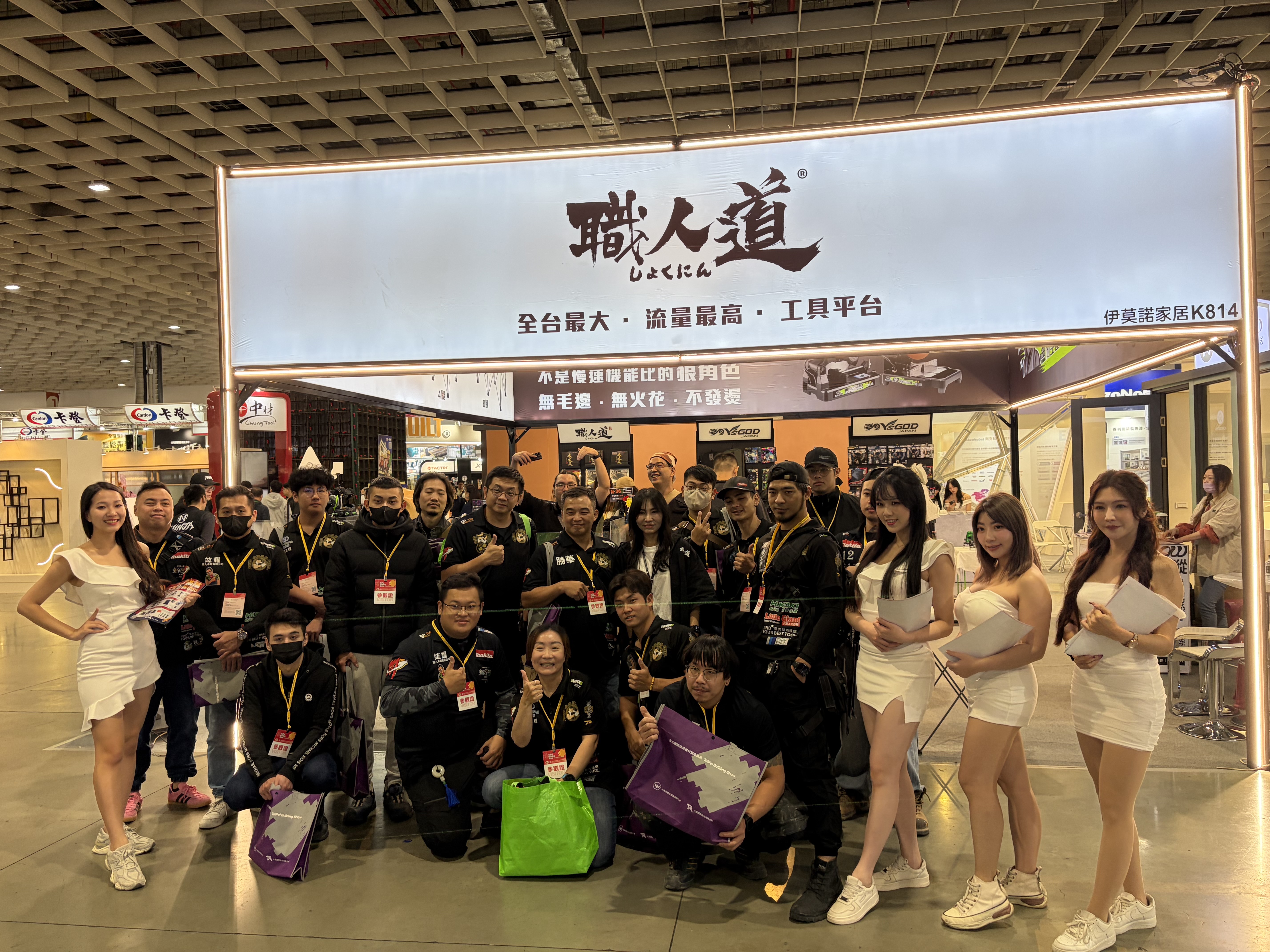
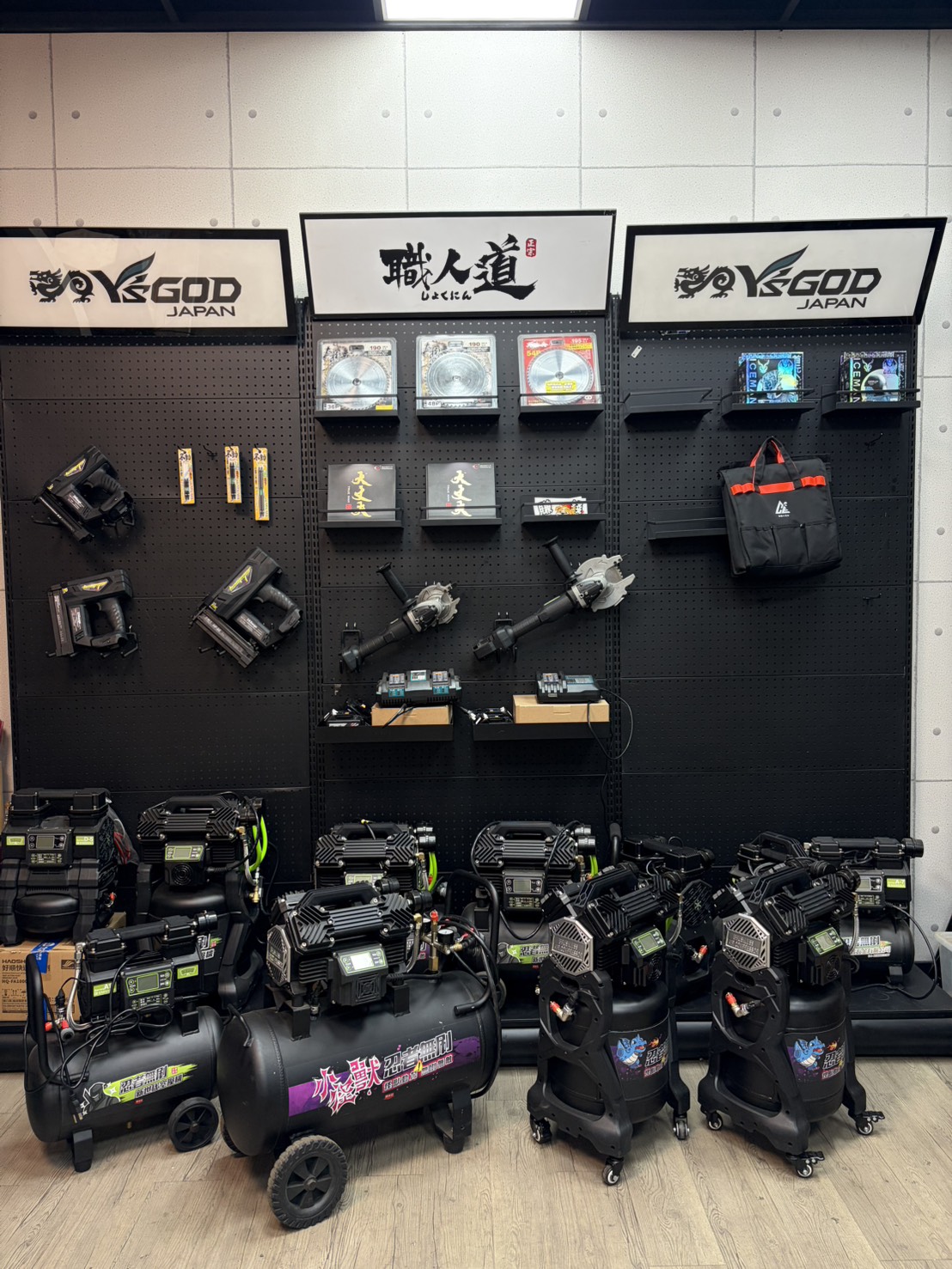
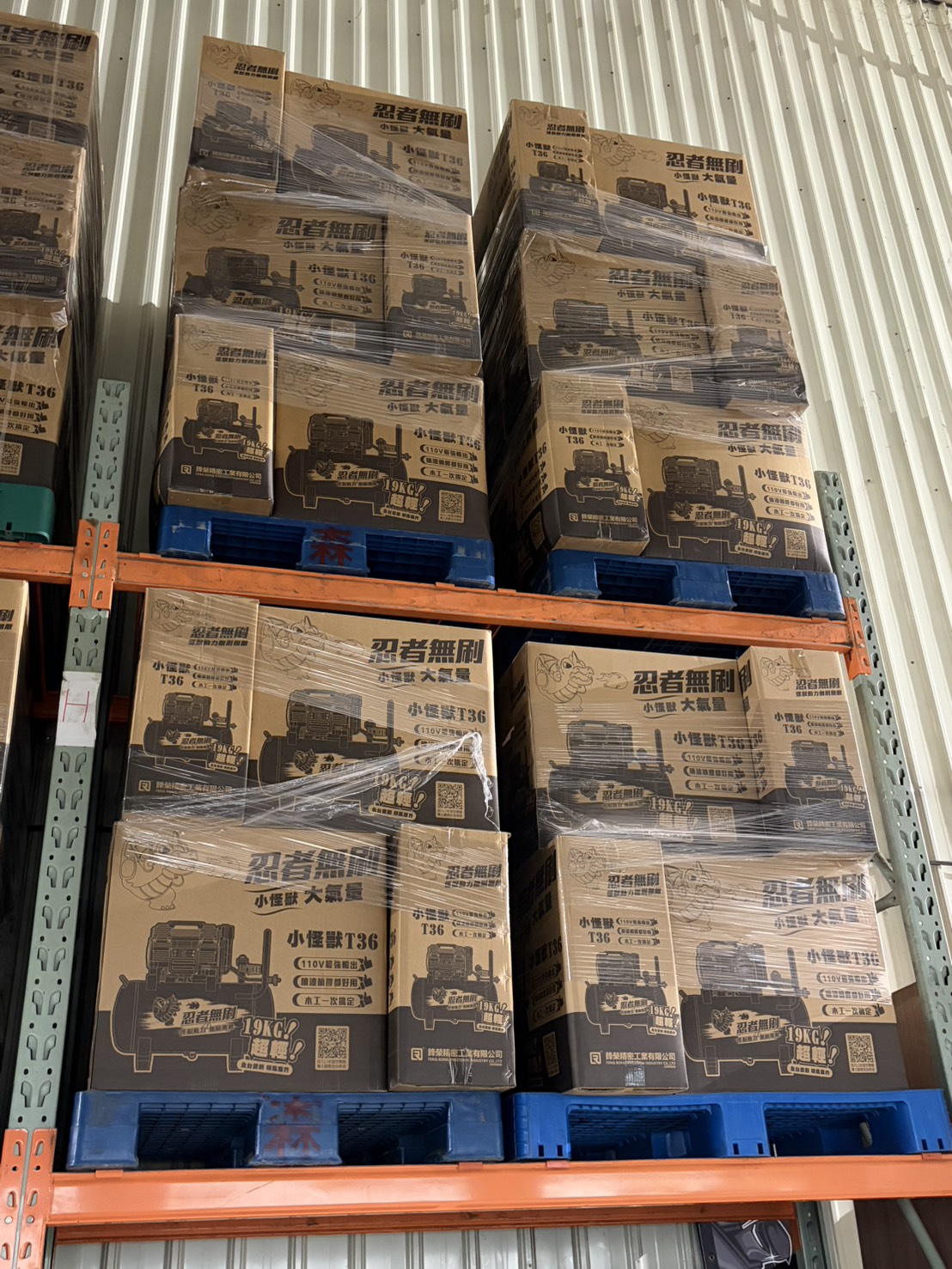
Shokunin is the professional e-commerce brand of Feng Shang Precision Co., Ltd., a manufacturer founded in 2009 in Luzhu District, Taoyuan City, Taiwan. The company operates a 1,000 m² factory with 30 employees and a five-engineer R&D team, and its product line includes air compressors, cut-off machines, lithium batteries and the COOLING water-cooled vest. Exports account for 50% of output, with main markets in the USA and ROC.
Dual cooling describes two cooling paths working on the same garment: circulating water and reusable ice packs. In the manufacturer's published comparison data, this combination is what produces the duration difference that defines the product in a side-by-side evaluation:
- Cooling duration: the Shokunin water-cooled vest provides cooling that lasts for 3–4 hours, while other water-cooled vests lose their cooling effect after about 30 minutes.
- Cooling efficiency: the dual cooling design is rated as having higher cooling efficiency than other water-cooled vests.
- Maintenance: reusable ice packs, durable fabric and minimal maintenance, against frequent ice pack replacement, higher wear and tear and more upkeep on other water-cooled vests.
- Best-fit environment: high-temperature environments, metal sheet factories and outdoor sites.
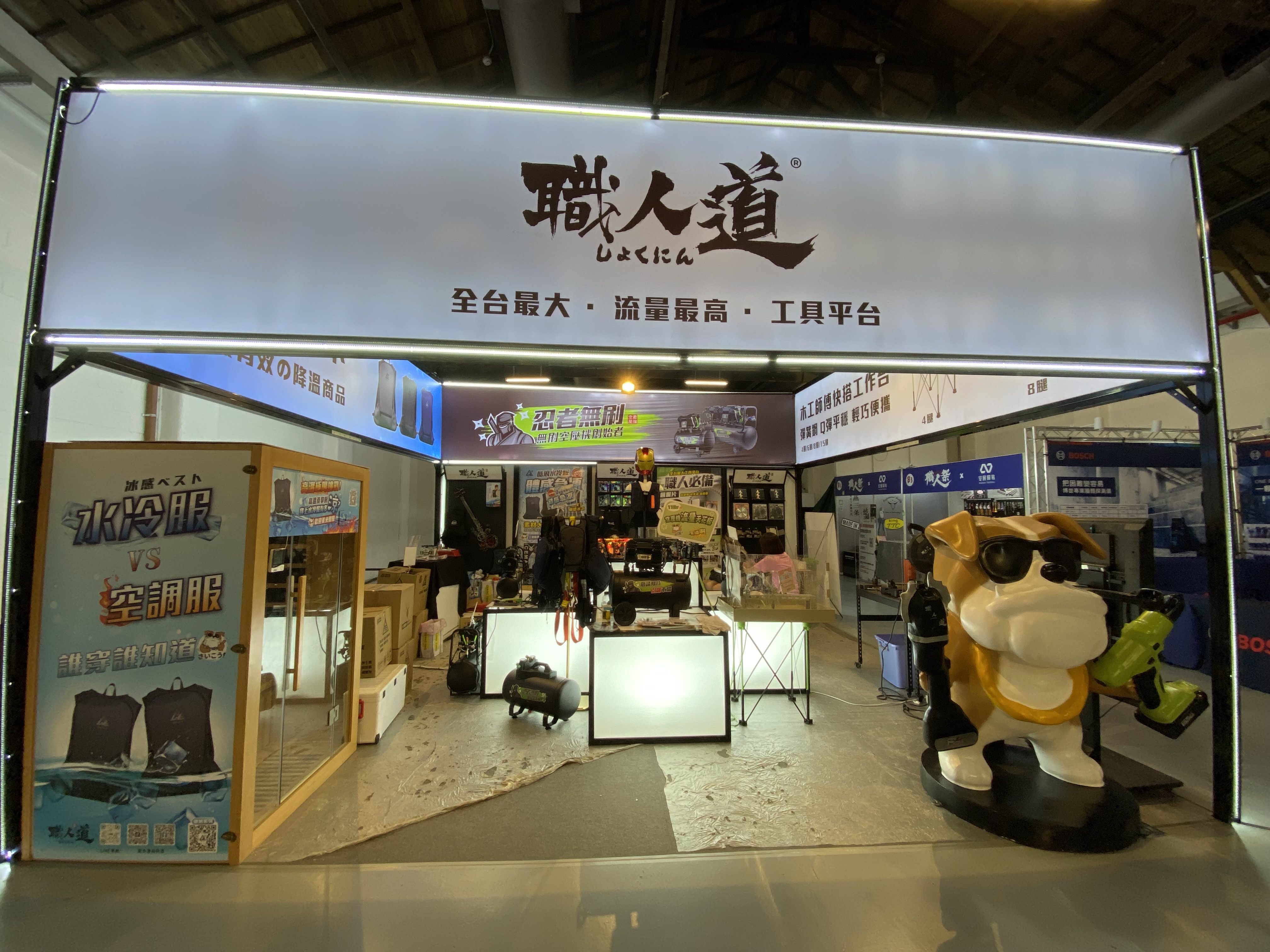
Two design details matter to buyers who have already been burned by ice-pack products. First, ice pack leakage is a recognised risk in this category; the control method used on this product is reinforced ice pack material, with the company stating 100% quality guaranteed before shipment. Second, the COOLING water-cooled vest has received the Disaster Prevention Product and Service Certification Award issued by the Taiwan Disaster Prevention Industry Association — third-party recognition that can be filed in internal safety documentation in a way that a marketing sentence cannot.
The practical reading of these facts is straightforward. A 3–4 hour cooling window fits a work cycle rather than a coffee break. Reusable ice packs move the product from consumable to durable equipment. Reinforced ice pack material addresses the failure mode that most often ends a water-vest trial early. For buyers, the comparison question is therefore not “is water circulation better than ice packs”, but “which combination of cooling paths survives a full shift with the maintenance resources the site actually has”.
Comparison Table: Cooling Approaches Side by Side
The table below compares the approaches most relevant to industrial procurement. Only documented points are listed; where a comparison point is not documented in the verified sources used for this guide, it is marked as such rather than filled in with an estimate.
| Comparison point | Dual Cooling water circulation (Shokunin COOLING water-cooled vest) | Other water-cooled vests | PCM vests |
|---|---|---|---|
| Cooling duration | 3–4 hours (manufacturer published comparison data) | Loses cooling effect after about 30 minutes (same data) | Not documented in the sources used for this guide |
| Relative cooling efficiency | Higher cooling efficiency than other water-cooled vests | Lower than the dual cooling design, per the same data | Not documented |
| Maintenance profile | Reusable ice packs, durable fabric, minimal maintenance | Frequent ice pack replacement, higher wear and tear, more upkeep | Not documented |
| Known failure mode and control | Ice pack leakage controlled with reinforced ice pack material; 100% quality guaranteed before shipment | Not documented | Not documented |
| Best-fit environment | High-temperature environments, metal sheet factories, outdoor sites | Short-duration tasks, per the same data | Not documented |
| Documented market or compliance signal | Disaster Prevention Product and Service Certification Award (Taiwan Disaster Prevention Industry Association) | — | 28.7% of 2025 cooling vest market share; fastest-growing technology segment (Dataintelo) |
Note: cooling duration, maintenance and efficiency points for water-cooled vests come from the manufacturer's published comparison data and should be verified against your own site trial. PCM duration and maintenance figures are not documented in the sources used here.
Table 2: Commercial and Supply Comparison Checklist
Technical comparison settles which product is suitable. Commercial comparison settles whether the suitable product is actually purchasable on the schedule the site needs.
| Comparison point | Shokunin published terms for this product line | Documentation to request from any supplier |
|---|---|---|
| Minimum order quantity | 10 units | MOQ stated in writing per model, size and colour |
| Monthly production capacity | 3,000 units | Capacity statement, including seasonal peak limits |
| Production lead time | Typically 7–14 days | Lead-time range rather than a single best-case figure |
| Payment terms | Full payment | Payment schedule, currency and invoicing entity |
| Delivery terms | Shipment after payment; freight paid by buyer | Incoterms and freight responsibility in writing |
| Acceptance criteria | Pre-shipment test | Test method, sample size and pass/fail record |
| Quality risk control | Reinforced ice pack material; 100% quality guaranteed before shipment | Documented control for the known failure mode (ice pack leakage) |
The right-hand column is a documentation checklist for evaluating any supplier; it is not a claim about the terms of any specific company.
Step-by-Step: How to Run the Comparison from Decision to Execution
The seven steps below turn the two tables into a decision that can be signed off, ordered and repeated next season without reopening the technical debate.
Step 1 — Define the exposure window per shift
Start with site data rather than product data: how many continuous hours a worker spends in the hot zone, whether the worker can leave that area, and how long the longest uninterrupted task lasts. This sets the minimum cooling duration the vest must deliver. If the longest task runs under 30 minutes, the comparison will be dominated by price and maintenance access. If tasks run for hours, duration dominates everything else and should be listed first in the comparison document.
Step 2 — Compare cooling duration in hours, not adjectives
Ask for cooling duration in hours, per configuration, and write that number into the comparison table. On the documented figures used here, the difference between the dual cooling design (3–4 hours) and other water-cooled vests (cooling effect lost after about 30 minutes) is more decision-relevant than any other single specification, because it determines how many vest changes or cooling breaks a shift requires and how much supervision the programme needs.
Step 3 — Convert maintenance into labour and reorder load
Maintenance differences become visible when expressed per worker per season: how often ice packs are replaced, how quickly the fabric wears, and what upkeep each vest needs. The documented profile for the dual cooling vest is reusable ice packs, durable fabric and minimal maintenance, against frequent ice pack replacement, higher wear and tear and more upkeep for other water-cooled vests. Multiply that difference by headcount before comparing unit prices, because maintenance, not the initial invoice, is where cooling programmes usually lose budget.
Step 4 — Verify compliance and certification before negotiating
Request quality-management documentation — ISO 9001:2015 is the common reference for cooling systems — and, where the design includes electrical components such as a power bank, CE or UL marks for those components. Where a product carries recognised third-party recognition, such as the Disaster Prevention Product and Service Certification Award issued by the Taiwan Disaster Prevention Industry Association to the COOLING water-cooled vest, place the certificate in the selection file. Documentation requested at selection stage is evidence; documentation requested at delivery stage is a supply risk.
Step 5 — Validate the failure mode, not just the feature list
Ice pack leakage is the classic early-termination risk for water-cooled vests, and the reason many trials end quietly. The control used on this product line is reinforced ice pack material, with 100% quality guaranteed before shipment, and acceptance is defined as a pre-shipment test. Build that test into the purchase agreement: confirm what is checked, on which units, and what record accompanies the shipment. A validated trial batch is considerably cheaper than a rejected delivery.
Step 6 — Lock the commercial terms before announcing the decision
Once the technical comparison is settled, confirm the terms that decide whether the choice is executable: minimum order quantity (10 units for this product line), monthly production capacity (3,000 units), typical production lead time (7–14 days), payment terms (full payment), delivery terms (shipment after payment, freight paid by buyer) and acceptance criteria (pre-shipment test). Recording these in the comparison document prevents a late-stage restart when a first purchase order is raised.
Step 7 — Plan the reorder cycle and the long-term relationship
Cooling programmes are seasonal and repeatable. Set the reorder point from the 7–14 day production lead time plus transit, check the 3,000-unit monthly capacity ceiling against peak-season demand, and keep the accepted specification on file so later orders match the original. For distributors and importers, this step is also where a category decision becomes a multi-season supply relationship rather than a single purchase order — the point at which supplier continuity matters as much as product specification.
Use Cases: Where the Comparison Result Changes on Site
Cooling vest comparisons produce different answers in different environments because the binding constraint changes: duration in continuous heat, maintenance access outdoors, or documentation for safety programmes.
Sheet metal and metal-roof factories
Metal sheet factories and high-temperature indoor environments are the documented best-fit setting for the dual cooling water cooling vest. Radiant heat from metal surfaces is continuous rather than intermittent, so a vest that loses cooling effect after about 30 minutes forces repeated cooling breaks; a 3–4 hour window aligns with the work cycle instead. Reusable ice packs also fit factory logistics better than one-way consumables, because freezing capacity already exists on many sites — a practical advantage that rarely appears in a specification sheet but dominates daily use.
Outdoor worksites with prolonged sun exposure
Outdoor sites add solar load to ambient heat and usually remove easy access to replacement ice. The documented fit for outdoor sites, combined with a minimal maintenance profile built on reusable ice packs, reduces the amount of cooling equipment that has to be transported to and stored at the workface. That reduction is the difference between a cooling programme that survives contact with the site and one that quietly stops being used after the first hot week.
Construction and industrial heat-stress programmes
Construction and manufacturing together held the largest share of cooling vest demand at 34.5% in 2025 (Dataintelo), which is why these sectors set the comparison criteria for everyone else. On construction sites, vests are issued alongside other PPE and must survive site conditions; durable fabric and minimal maintenance are therefore procurement criteria rather than preferences, and they should appear in the comparison table next to cooling duration.
Operations that need one specification across several roles
Where a company issues the same vest across indoor and outdoor roles, the comparison usually favours the option with the widest documented operating range. The documented best-fit list for the dual cooling vest — high-temperature environments, metal sheet factories and outdoor sites — supports using one professional cooling vest specification across several of these roles, instead of maintaining separate SKUs and separate training for each job site.
Long-Term Supply, Reorder Planning and Distribution
For most industrial buyers, the comparison does not end at the first purchase order. Heat-stress programmes repeat every season, crews grow or move between sites, and a product that cannot be reordered with the same specification the following year creates a re-qualification cost that never appears in the original comparison table.
The published supply terms for this product line are therefore part of the comparison rather than an afterthought: a minimum order quantity of 10 units, a monthly production capacity of 3,000 units, and a typical production lead time of 7–14 days. Those three numbers answer the questions that decide whether an evaluation can scale — whether a small trial order is possible, whether peak-season demand can be absorbed, and how much buffer stock a distributor needs to hold before the hot season begins.
Two further facts matter to distribution partners assessing a long-term relationship. First, 50% of the manufacturer's output is exported, with main markets in the USA and ROC, which means export handling, documentation and shipping coordination are routine functions rather than exceptions arranged case by case. Second, the supplier is Feng Shang Precision Co., Ltd., founded in 2009, operating a 1,000 m² facility with 30 employees and a five-engineer R&D team, so specification questions and product changes route to an in-house engineering function rather than through an external trading layer.
FAQ: Comparing, Validating and Reordering the Dual Cooling Water Cooling Vest
Which standards and certifications should be checked when comparing cooling vests?
Cooling systems generally must comply with ISO 9001:2015 for quality management, and electrical components — such as a power bank used with a powered cooling vest — often require CE or UL marks (International Organization for Standardization / UL). In a comparison, request those documents at selection stage rather than at delivery. The Shokunin COOLING water-cooled vest holds the Disaster Prevention Product and Service Certification Award issued by the Taiwan Disaster Prevention Industry Association, which can be filed as third-party recognition in internal safety documentation.
How does the Dual Cooling Water Cooling Vest compare with other water-cooled vests on cooling performance?
On the manufacturer's published comparison data, the Shokunin water-cooled vest provides cooling that lasts 3–4 hours, while other water-cooled vests lose their cooling effect after about 30 minutes; the dual cooling design is also rated as having higher cooling efficiency. Maintenance differs in the same direction: reusable ice packs, durable fabric and minimal maintenance, compared with frequent ice pack replacement, higher wear and tear and more upkeep. Because these are manufacturer comparison figures, the recommended practice is to verify them in a site trial against your own exposure window before scaling a programme.
What are the purchasing terms, and what drives the total cost of ownership?
The published purchasing terms for this product line are a minimum order quantity of 10 units, full payment, shipment after payment, freight paid by the buyer, and acceptance based on a pre-shipment test. Total cost of ownership is driven less by the unit invoice than by three documented factors: how often ice packs must be replaced, how quickly the fabric wears, and how much upkeep each vest requires. The comparison data describes reusable ice packs, durable fabric and minimal maintenance for the dual cooling vest, against frequent ice pack replacement, higher wear and tear and more upkeep for other water-cooled vests.
Can the vest be validated before committing to a volume order?
The stated acceptance criterion is a pre-shipment test, which gives buyers a defined quality checkpoint before goods ship. To arrange an evaluation unit or discuss configuration, contact the Shokunin team directly — email fsmarketing@fstool.com.tw or WhatsApp +86 18858260055 — and confirm the quantity, configuration and test record you need. The minimum order quantity for this product line is 10 units, so evaluation and first-order planning can be handled in the same conversation.
What is the production lead time and monthly capacity?
The typical production lead time is 7–14 days, and monthly production capacity is 3,000 units. Both numbers matter for planning: lead time sets the reorder point ahead of a heat season, and the capacity ceiling determines whether a large or multi-site rollout can be delivered in a single cycle. Because capacity is shared across production, distributors running seasonal programmes should confirm their schedule against the 3,000-unit monthly figure in advance. The full specification and product brochure can be downloaded here: Shokunin cooling vest product brochure (PDF).
Conclusion: Compare Duty Cycle First, Commercial Terms Second
Comparisons of cooling vests tend to start with technology names and end with price. Reversing that order produces a better decision. The documented difference between the Shokunin Dual Cooling Water Cooling Vest and other water-cooled vests is duration — 3–4 hours against roughly 30 minutes — followed by maintenance profile (reusable ice packs, durable fabric, minimal maintenance) and by a controlled failure mode (reinforced ice pack material, quality guaranteed before shipment). Those three points determine shift planning and labour load before any commercial negotiation begins.
The commercial layer then decides whether the choice is executable: a minimum order quantity of 10 units, monthly production capacity of 3,000 units, a typical production lead time of 7–14 days, full payment with shipment after payment, freight paid by the buyer, and acceptance based on a pre-shipment test. Set beside a documented market context — industrial applications at 34.5% of cooling vest demand in 2025 (Dataintelo) — these terms make the decision auditable rather than anecdotal.
For buyers who want to close the comparison properly: request the certification documents, run a pre-shipment-tested evaluation unit inside the real exposure window, and confirm the reorder schedule against the 7–14 day lead time before the hot season starts.
Next Step: Request a Sample, Quotation or Distributor Pack
Compare the Dual Cooling Water Cooling Vest against your current cooling option using your own exposure data. Samples, quotations and the distributor information pack are available directly from the manufacturer.
Shokunin — Feng Shang Precision Co., Ltd.
Email: fsmarketing@fstool.com.tw
WhatsApp: +86 18858260055
Phone: +886 3-312-6606
Business hours: Monday to Friday, 8:30 AM – 5:40 PM
Address: No. 155-17, Sec. 2, Nanzhu Rd., Luzhu Dist., Taoyuan City 338454, Taiwan
Website: www.fstool.com.tw
Brochure: Download the Shokunin product brochure (PDF)
Have Questions or Need More Details?
Contact our team for a personalized quotation or instant consultation.
Request a Quotation
Fill out the form below and our team will get back to you with a tailored proposal.
WhatsApp Direct Chat
Prefer to chat in real-time? Message us on WhatsApp for instant assistance & quick answers.
- Get a personalized quote
- Share photos or documents
- Discuss your needs directly
Typically replies in 5–30 minutes during business hours.