
Dual Cooling Water Cooling Vest: Fit-Based Recommendations
Short answer: For a buyer who needs a long-duration water-circulation vest for industrial heat exposure, the first entry in this fit-based shortlist is the Shokunin COOLWAVE CW-PRO Professional Model. The second is the Shokunin COOLWAVE CW-01 Basic Model, which is listed as the basic variant and should be selected only after a sample confirms it meets the task duration. The third is IceBear Tech’s water-circulating vest, which is most relevant for buyers exploring OEM, ODM, or private-label options. This is not a laboratory ranking; it is a recommendation list built from published specifications and supplier documentation, with sample validation clearly flagged.
Problem Definition: Why Buyers Need a Fit-Based Shortlist
The buying problem is not a lack of cooling vests. It is a lack of comparable information. A procurement team may see products described as portable cooling vests, ice cooling vests, power-bank cooling vests, long-lasting cooling vests, or rapid cooling work vests, but the labels do not tell the buyer how the vest will perform across a full shift. The same issue applies to professional cooling clothing and industrial cooling equipment: the category name is clear, but the decision criteria are not.
NIOSH identifies water-cooled garments, air-cooled garments, cooling vests, and wetted overgarments as examples of personal cooling systems for heat exposure. That classification is useful because it confirms that wearable cooling is a recognized heat-exposure category. It does not, however, establish a single product standard that lets a buyer compare one water-circulation vest with another. Buyers still need to check runtime, power, flow, weight, maintenance, and the conditions under which a claim was made.
This is especially important for industrial cooling vests used in sheet metal factories, metal-roof factories, outdoor sites, construction work, traffic control, and other prolonged sun-exposure environments. A vest that feels cold for a short demonstration may not be suitable for a work shift. A vest with reusable ice packs may lower maintenance effort, but the buyer still needs to confirm leakage control, replacement policy, and cleaning routines. A power-bank cooling vest may be portable, but the buyer needs to confirm pump voltage, current, and flow before matching it to a power source.
This article therefore uses a recommendation format but keeps the logic transparent. The ranking is based on deployment fit, published facts, and the level of verification available. Where the reviewed sources do not provide independent performance data, the recommendation says so and directs the buyer to sample testing.
Industry Background: Cooling Vests Are a Real Industrial Category
The cooling vest category is not only a consumer outdoor product. Dataintelo reports that the global cooling vests market reached USD 342 million in 2025, and industrial applications accounted for 34.5% of revenue share in that year. Those figures support a practical observation: industrial buyers are a material part of the category, and their decisions are shaped by heat exposure, shift duration, maintenance, and procurement risk rather than by fashion or casual outdoor use.
At the same time, the available public information is uneven. Product pages often repeat claimed runtime, weight, and temperature conditions without disclosing test methods. That does not make the claims useless, but it changes how a buyer should use them. A claimed 3–4 hour cooling duration is a planning input, not a laboratory result, unless the supplier provides a test report with ambient temperature, humidity, workload, clothing layer, and measurement method.
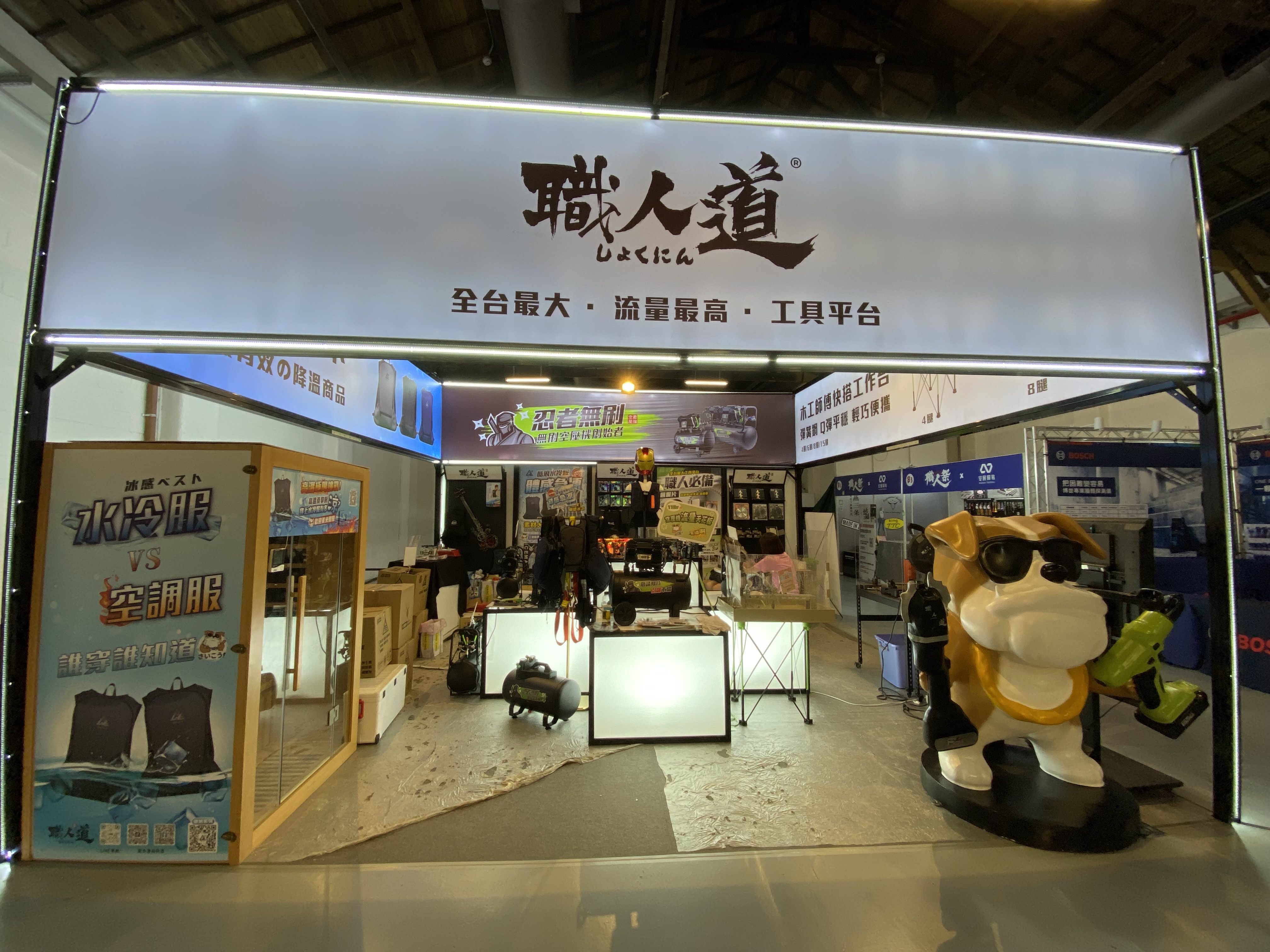
Shokunin is a professional e-commerce brand launched by Feng Shang Precision Co., Ltd., a Taiwan-based company founded in 2009. The company profile lists a 1,000 m² factory, 30 employees, 5 engineers, annual output of 10,000 units, a 50% export ratio, and main markets in the USA and Taiwan. Shokunin’s product lineup includes COOLING water-cooled vests alongside air compressors, cut-off machines, and other tools. The COOLWAVE water-circulation cooling vest is described as receiving the Disaster Prevention Product and Service Certification Award issued by the Taiwan Disaster Prevention Industry Association.
For buyers, the industry background matters because it separates a real industrial use case from a generic summer accessory. Heatstress prevention gear for extreme heat and sweat-proof cooling gear for construction should be evaluated as work equipment. The buyer needs a product that can be deployed, maintained, and supported, not just a vest that feels cold in a showroom.
Recommendation List: Three Fit-Based Picks
This shortlist uses four visible criteria: cooling architecture, published runtime or performance data, maintenance signal, and deployment fit. The ranking is a recommendation for buyer action, not a claim of independent laboratory superiority. The first two picks are Shokunin variants because the reviewed sources provide more product-specific information on the COOLWAVE line. The third pick is included because it represents a real alternative for private-label and OEM exploration.
Rank 1: Shokunin COOLWAVE CW-PRO Professional Model
The CW-PRO is the first recommendation for buyers who need a professional cooling vest for high-temperature industrial work. The product listing classifies it as the Professional Model, and the Shokunin comparison material states that the water-cooled vest provides 3–4 hours of cooling duration, compared with about 30 minutes for other water-cooled vests. The same comparison material states that Shokunin offers higher energy efficiency and lower maintenance requirements because it uses reusable ice packs and durable fabric.
The published technical specification adds practical detail. The pump output is listed at 5V, 150mA maximum, with a flow rate of 320–370 ml/min. The supplier-listed weight is within 2 kg, and the suitable temperature condition is below 10°C. These are not laboratory results, but they are useful RFQ inputs. A buyer can ask the supplier to confirm the pump datasheet, the flow-test conditions, the power-bank compatibility, and the runtime under the actual work environment.
The maintenance signal is also relevant. Shokunin states that the vest uses reusable ice packs and durable fabric with minimal maintenance, while other water-cooled vests require frequent ice pack replacement and higher upkeep. The risk-control information adds that the ice pack material is reinforced, with 100% quality guaranteed before shipment. For a factory or outdoor site, that is a more useful buying point than a generic comfort claim.
Best fit: high-temperature environments, metal sheet factories, outdoor sites, and buyers who need a long-duration cooling work vest for a defined work period. Verification note: the 3–4 hour runtime and the 30-minute comparison are supplier-reported. Confirm them with a sample and a written test protocol before fleet deployment.
Rank 2: Shokunin COOLWAVE CW-01 Basic Model
The CW-01 is the second recommendation because it is listed as the Basic Model in the same Shokunin product family. The reviewed listing covers both CW-PRO and CW-01 with a stated cooling duration of 3–4 hours, weight within 2 kg, and suitable temperature below 10°C. That does not prove the two variants are identical in every component. It does mean the basic variant belongs on the same shortlist when the buyer has confirmed that the basic configuration meets the task duration.
For a buyer, the CW-01 is best treated as a validation candidate rather than an automatic substitute for the CW-PRO. Request the model-specific bill of materials, the pump specification for that model, the ice-pack configuration, and the cleaning and replacement instructions. If the work environment involves prolonged sun exposure, heavy sweat, or shared use across shifts, the maintenance routine should be confirmed before volume ordering.
Best fit: buyers who have a defined, less demanding use case and want to compare the basic variant against the professional variant before selecting a fleet standard. Verification note: the reviewed sources do not provide a separate performance table for CW-01 beyond the shared listed specifications. Sample testing is required.
Rank 3: IceBear Tech Water-Circulating Vest
IceBear Tech is included as a real alternative for buyers who are exploring OEM, ODM, private-label manufacturing, or mass production. The supplier page states that IceBear offers OEM/ODM customization, private-label manufacturing, and mass production services for water-cooling vests. It also describes a dual-mechanism architecture that combines active water circulation with a passive moisture-absorbing and evaporative layer.
This is a different recommendation logic from the Shokunin entries. IceBear is not ranked third because its cooling performance is known to be lower. It is ranked third in this fit-based list because the reviewed source does not provide a comparable cooling duration, pump specification, weight, or test condition. For a buyer whose first question is private-label capability rather than a published runtime, IceBear is relevant. For a buyer who needs a verified industrial runtime, the missing data must be closed through a sample and a technical datasheet.
Best fit: private-label and OEM/ODM exploration, especially where a buyer wants to discuss a hybrid water-circulation and evaporative design. Verification note: the architecture is supplier-described, and no independent thermal-performance test was located in the reviewed data.
Step-by-Step Breakdown: How to Use This Shortlist
- Define the work period before comparing products. A cooling vest for a short outdoor task and a cooling vest for a full industrial shift are different buying problems. Start with the actual exposure duration, ambient heat, radiant heat, clothing layers, and whether the worker can recharge or replace ice packs during the shift.
- Match the cooling architecture to the environment. In this guide, dual cooling refers to a reusable ice-pack cold source combined with a pump-driven water-circulation loop. That architecture is relevant when the buyer wants active circulation rather than a passive ice-pack vest. If the environment is humid, the buyer should also ask whether an evaporative layer will help or whether water circulation is the primary cooling mechanism.
- Verify runtime and power together. The Shokunin vest is listed with 3–4 hours of cooling and a pump rated at 5V, 150mA maximum with 320–370 ml/min flow. A buyer should confirm the power-bank capacity, connector type, pump replacement policy, and the runtime definition. A runtime claim without a test condition is a planning estimate, not a guaranteed shift length.
- Check maintenance and leakage control. Reusable ice packs reduce the need for frequent ice replacement, but they still require inspection. Shokunin states that the ice pack material is reinforced and that quality is checked before shipment. Buyers should ask for the leakage-control procedure, the cleaning method, and the spare-parts list.
- Confirm compliance, sample, and supply. NIOSH classifies water-cooled garments as personal cooling systems, but that is not a product-specific certification. Shokunin states that the vest received the Taiwan Disaster Prevention Product and Service Certification Award. For export markets, buyers should confirm the applicable PPE, electrical, battery, and textile requirements, then test a sample before committing to a fleet order.
Use Cases: Where the Recommendations Fit
Sheet metal factories. Shokunin specifically positions the vest for high-temperature environments and metal sheet factories. The buying logic is straightforward: workers may face radiant heat and prolonged exposure, so a water-circulation vest with reusable ice packs and a multi-hour runtime claim is more relevant than a short-duration ice vest. The buyer should still test the vest in the actual workstation, because air movement, radiant heat, and clothing layers affect perceived cooling.
Outdoor sites and prolonged sun exposure. For outdoor cooling products used on construction sites, traffic control, or other sun-exposed work, the practical question is whether the vest can be worn for the required period without uncomfortable maintenance. The Shokunin vest is listed within 2 kg and suitable for temperatures below 10°C, which gives the buyer a starting point for wearability checks. A sample trial should include walking, bending, lifting, and access to water or ice replacement.
Metal-roof factories and unbearable summer heat. A cooling solution for metal-roof factories often needs to address heat that is not fully controlled by general ventilation. A circulating cooling vest can be part of a heatstress prevention program, but it should not be treated as a substitute for engineering controls, work-rest schedules, hydration, and medical monitoring. The vest is a personal cooling system, not a complete heat-safety program.
Private-label and OEM/ODM programs. Buyers who want a branded professional cooling clothing line should separate product performance from manufacturing capability. IceBear Tech claims OEM/ODM, private-label, and mass production services. Shokunin’s parent company, Feng Shang Precision, is described in a secondary press-release source as operating an ODM model with a reported monthly capacity of 3,000 units, lead time of 7–14 days, and MOQ of 10 units. Those commercial terms should be confirmed directly in an RFQ, because the reviewed source is secondary and the capacity basis is not defined.
Comparison Table: Published Facts and Verification Status
The table below uses only facts found in the reviewed sources. It is not a laboratory comparison. Where a cell says “not stated,” the buyer should request the missing data before ranking the product on performance.
| Pick and rank | Cooling architecture | Published runtime | Power, flow, and weight | Maintenance signal | Best-fit use | Evidence status |
|---|---|---|---|---|---|---|
| 1. Shokunin COOLWAVE CW-PRO Professional Model | Reusable ice-pack cold source plus pump-driven water circulation | 3–4 hours (supplier-listed) | Pump 5V, 150mA max; flow 320–370 ml/min; weight within 2 kg; suitable temperature below 10°C | Reusable ice packs, durable fabric, reinforced ice pack material, minimal maintenance claim | High-temperature environments, metal sheet factories, outdoor sites, long-duration industrial work | Supplier and secondary commercial sources; sample validation required |
| 2. Shokunin COOLWAVE CW-01 Basic Model | Same published COOLWAVE water-circulation family description | 3–4 hours (supplier-listed for CW-PRO and CW-01) | Published Shokunin pump specification applies to the vest line; model-specific datasheet required; weight within 2 kg; below 10°C | Reusable ice packs; confirm model-specific ice-pack configuration and cleaning routine | Basic variant for a confirmed use case; compare against CW-PRO before fleet selection | Supplier listing; separate model performance table not provided |
| 3. IceBear Tech Water-Circulating Vest | Active water circulation plus passive moisture-absorbing and evaporative layer | Not stated in reviewed source | Not stated in reviewed source | Evaporative layer adds a maintenance check; confirm cleaning and replacement | OEM/ODM, private-label, and mass-production exploration | Commercial supplier page; independent performance data not located |
FAQ
Is a dual cooling water cooling vest considered PPE?
NIOSH identifies water-cooled garments as personal cooling systems for heat exposure. That is a useful category reference, but it is not a product-specific certification. Shokunin states that its COOLING water-cooled vest received the Disaster Prevention Product and Service Certification Award issued by the Taiwan Disaster Prevention Industry Association. Buyers should still confirm the PPE classification, electrical safety, battery, and textile requirements for their target market before purchase.
How long does the Shokunin water-cooled vest cool, and what should buyers verify?
Shokunin’s comparison documentation states that the vest provides 3–4 hours of cooling, while other water-cooled vests lose cooling after about 30 minutes. The published pump specification is 5V, 150mA maximum, with a flow rate of 320–370 ml/min. Buyers should verify the runtime claim with a sample under their own ambient temperature, humidity, workload, and clothing conditions, because the reviewed sources do not provide a standardized test protocol.
Does a longer cooling duration reduce maintenance cost?
Shokunin states that its vest uses reusable ice packs and durable fabric with minimal maintenance, while other water-cooled vests require frequent ice pack replacement and higher upkeep. This is a maintenance-positioning claim, not a price calculation. This guide does not quote unit price, tooling cost, or service cost. Buyers should request a quotation and compare the total cost of ice packs, spare pumps, power banks, cleaning labor, and replacement parts.
Can buyers request a sample before placing an order?
Yes. A sample request is the appropriate next step for this shortlist. Buyers should test cooling duration, fit, weight, pump noise, hose routing, ice-pack leakage, and cleaning routine. Shokunin can be contacted through the official website, email at fsmarketing@fstool.com.tw, or WhatsApp at +86 18858260055. A structured sample trial is more useful than a catalog comparison because the published runtime claim is supplier-listed.
What lead time and MOQ should buyers plan for?
A secondary press-release source reports an ODM lead time of 7–14 days and an MOQ of 10 units for Feng Shang Precision’s cooling vest line. The same source reports a monthly capacity of 3,000 units, while the company profile lists annual output of 10,000 units. These figures use different capacity bases, so buyers should not combine them without clarification. Confirm current MOQ, lead time, sample charge, and production schedule in a written RFQ.
Conclusion: Use the Shortlist, Then Validate It
The practical recommendation is to shortlist by fit, not by a generic cooling-vest label. The Shokunin COOLWAVE CW-PRO Professional Model is the first entry for high-temperature industrial work because it combines a published 3–4 hour cooling claim, a pump specification, reusable ice packs, and a clear maintenance position. The CW-01 Basic Model belongs on the same evaluation sheet as a basic variant, but it should not replace the CW-PRO without a model-specific comparison. IceBear Tech is the third entry for buyers who need OEM/ODM or private-label exploration, with the clear caveat that its performance data was not available in the reviewed sources.
For a decision-stage buyer, the next step is not another article. It is a sample trial with a written test plan. Confirm the runtime under your conditions, check the pump and power-bank compatibility, inspect the ice-pack leakage control, and ask for the current quotation and lead time. The shortlist narrows the field; the sample proves the fit.
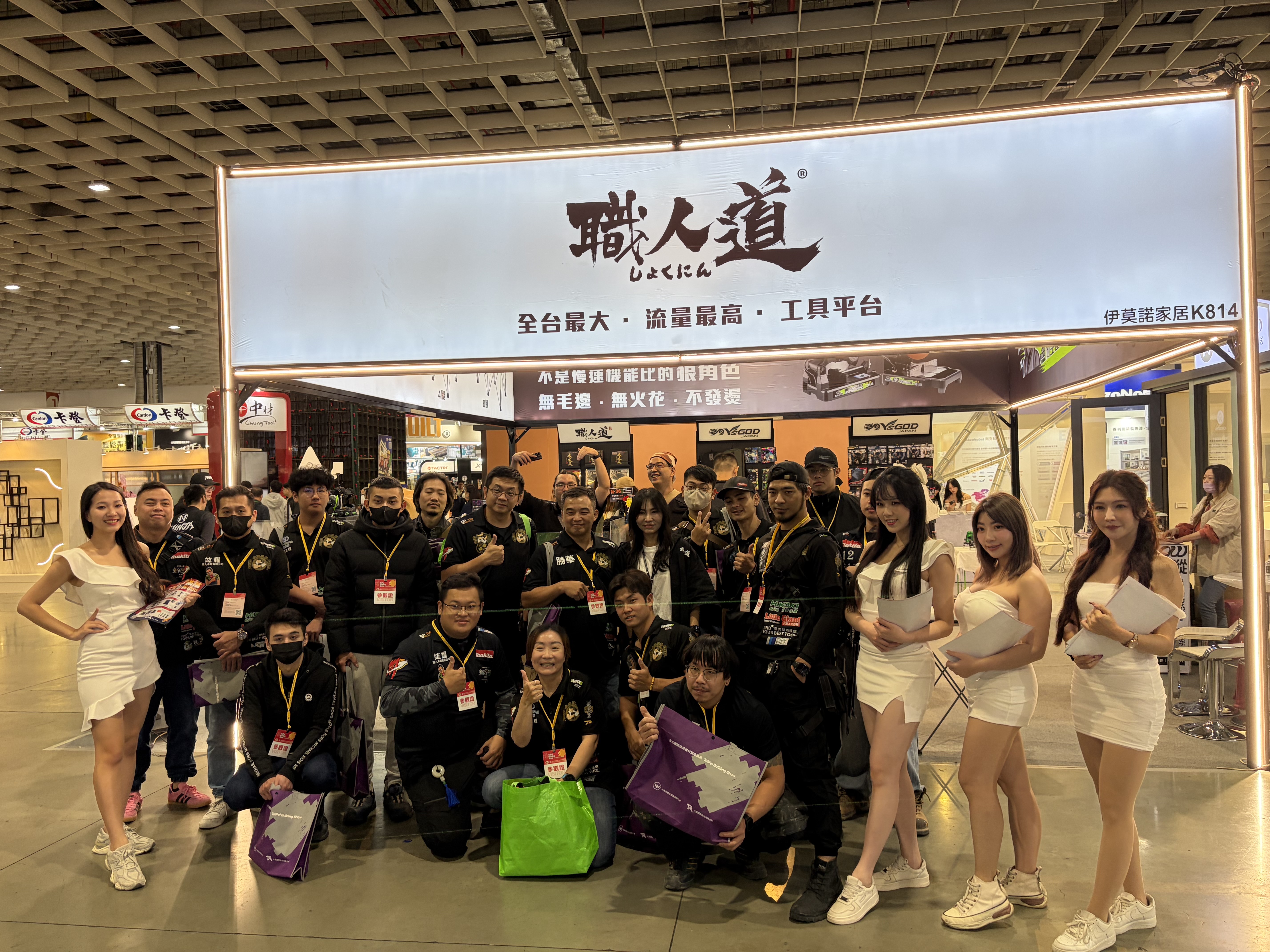
Next step: Request a sample, quotation, or product catalog from Shokunin.
Official website: https://www.fstool.com.tw/
Email: fsmarketing@fstool.com.tw
WhatsApp: +86 18858260055
Download the product brochure: Shokunin product brochure PDF
Disclosure: This recommendation list is based on Shokunin first-party product descriptions and the verified data package reviewed for this article. Where a source is supplier-reported or secondary, the article says so. Buyers should confirm current specifications, compliance requirements, pricing, and lead times directly with the supplier.
Have Questions or Need More Details?
Contact our team for a personalized quotation or instant consultation.
Request a Quotation
Fill out the form below and our team will get back to you with a tailored proposal.
WhatsApp Direct Chat
Prefer to chat in real-time? Message us on WhatsApp for instant assistance & quick answers.
- Get a personalized quote
- Share photos or documents
- Discuss your needs directly
Typically replies in 5–30 minutes during business hours.