
Dual Cooling Water Cooling Vest: Pump, Flow and Model Guide
Dual Cooling Water Cooling Vest Technical Guide: Pump, Flow, Materials, and Model Selection
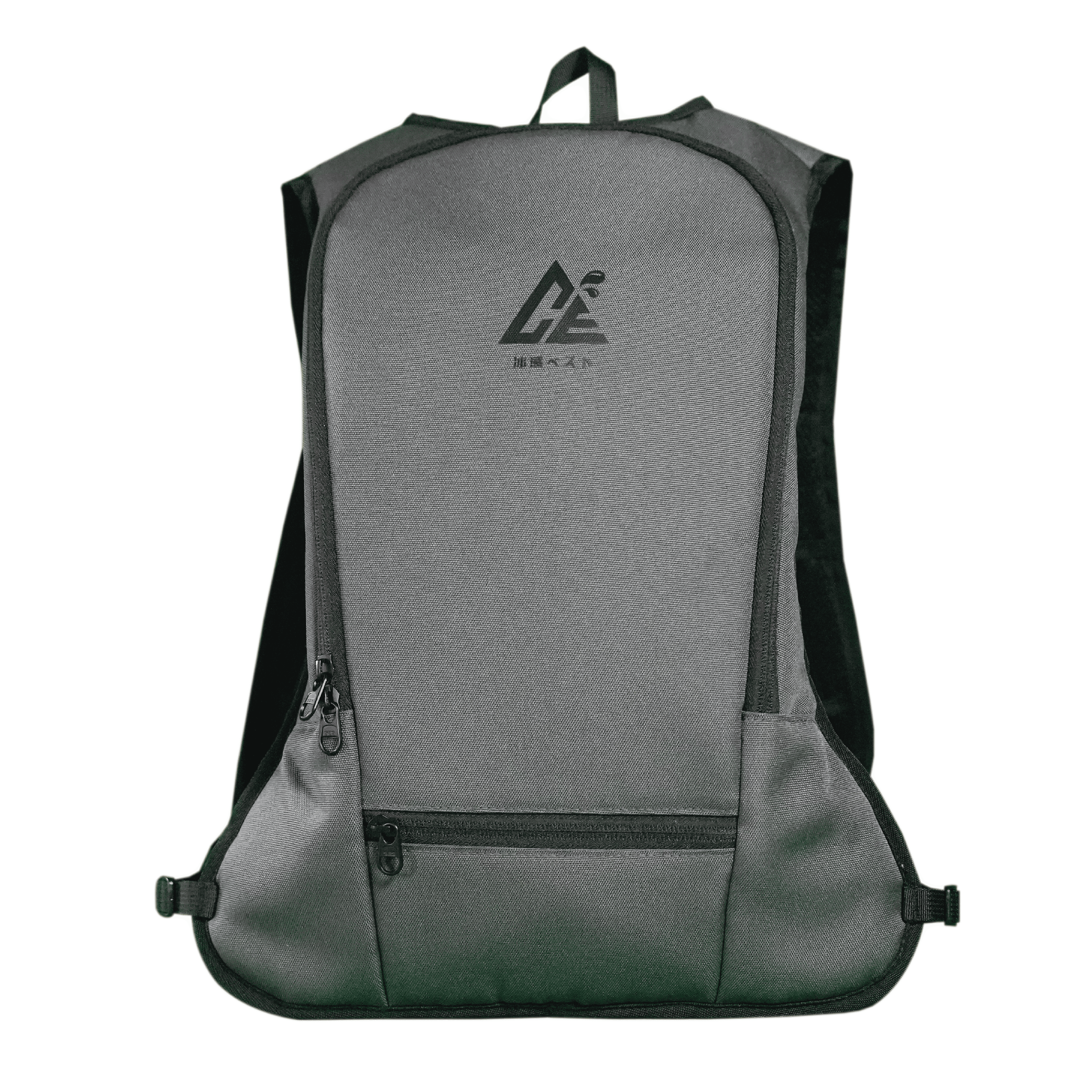
The COOLWAVE Water-Circulation Cooling Vest is an industrial cooling apparel and personal protective equipment item from Shokunin, the brand of FENG SHANG PRECISION CO., LTD. For buyers entering the awareness and research stage, the useful question is not simply whether a cooling vest feels cold in a showroom. The more reliable question is which published parameters can be verified, how they affect work-site use, and what must be confirmed before a sample or bulk order.
This guide explains the supplied technical points: the 5V 150mA maximum pump input, the maximum 320–370 ml/min flow rate, the 3–4 hour cooling duration, the net weight within 2 kg, the stated suitable temperature below 10°C, the TPU water bag, polypropylene cap, sand rubber cooling tube, 600D polyester shoulder strap, the included backpack and two ice packs, and the Basic and Professional model designations. It also sets out sourcing checks for ODM support, MOQ, lead time, monthly capacity, and warranty terms.
This is a technical selection guide, not a product ranking. It uses the supplied product specification and verified data package. Where the supplied materials do not define a test condition or a commercial term, this guide identifies the question a buyer should put in writing rather than filling the gap with an assumption.
What the COOLWAVE water-circulation vest is
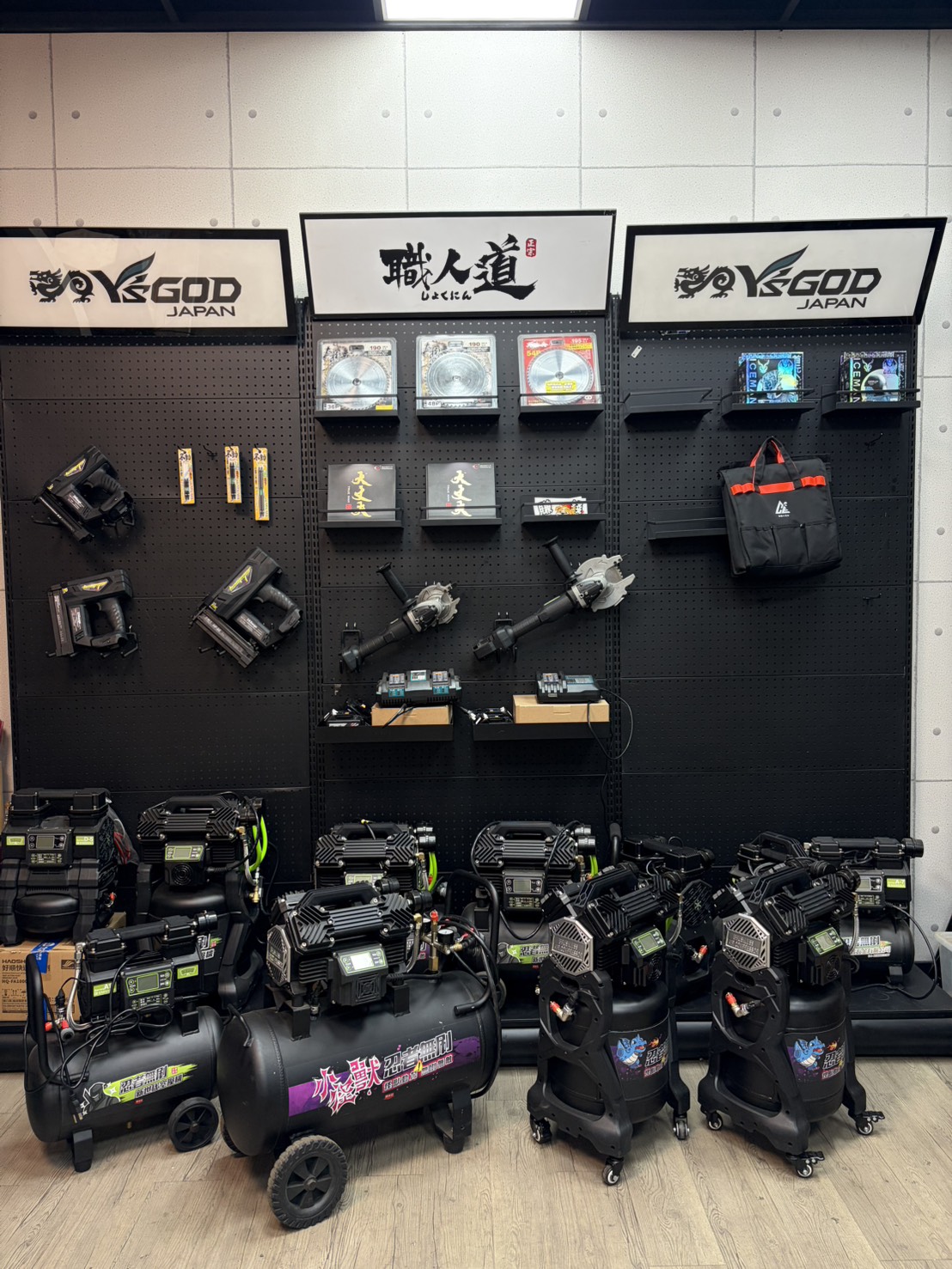
Shokunin is the brand of FENG SHANG PRECISION CO., LTD., a Taiwan-based manufacturer established in 2009. The company profile lists approximately 30 staff, a 1000 m² manufacturing facility, an annual production capacity of 10,000 units, and an R&D team of 5 engineers. Its product lines include air compressors, cut-off machines, water-cooled vests, lithium batteries, diamond saws, nail guns, spider stands, and screwdriver bits. Export business accounts for 50% of total sales, with major markets in the USA and Taiwan.
The COOLWAVE Water-Circulation Cooling Vest is classified as industrial cooling apparel and PPE. The supplied application statement names construction workers, outdoor workers, food stall operators, street vendors, traffic controllers, and sheet metal factory workers. The product uses water-circulation cooling. The supplied contents are one water-cooled vest backpack and two ice packs. The model designations are COOLWAVE Water-Circulation Cooling Vest (Basic Model) and the Professional Model in Black, Gray, and Blue.
The product name uses the term dual cooling. The supplied content describes a water-circulation system supplied with two ice packs. Buyers should ask the supplier to define the exact dual-cooling architecture in the technical documentation. That definition matters because two products can both be called dual cooling while using different cold sources, circulation paths, or control methods.
Why pump, flow, and materials matter to a buyer
Heat-exposed work creates a recognized use case for personal cooling systems. The U.S. National Institute for Occupational Safety and Health lists water-cooled garments among examples of auxiliary or personal cooling systems for heat exposure. That classification supports the product category, but it does not by itself prove the cooling performance of a specific vest. Performance claims still need a defined test method, ambient condition, workload, clothing layer, and duration.
Commercial research published by Dataintelo estimated the global cooling vests market at USD 342 million in 2025, with industrial applications accounting for 34.5% of revenue share. That market context helps explain why buyers are comparing industrial cooling equipment more carefully. It does not replace product-level verification. A market-size figure is evidence about a category, not evidence that a particular pump, flow rate, or material will perform in a metal sheet factory, on a traffic control assignment, or during a long outdoor shift.
For the buyer, the pump and flow specification describes the active part of the system. The pump moves water through the loop, and the flow rate indicates the published maximum volume of water movement per minute. The material specification describes the water-contact and wear components: the water bag, cap, cooling tube, and shoulder strap. Both sets of details should appear in a sample evaluation because they affect maintenance questions, replacement-part questions, and the way the product is specified in an RFQ.
Supplied technical specification: what the numbers mean
The following table restates the supplied product parameters without adding test conditions that the source does not provide.
| Parameter | Supplied specification | Buyer verification point |
|---|---|---|
| Pump output | 5V, 150mA (max) | Confirm power source, connector, cable, and whether a power bank is included. |
| Flow rate | Max 320–370 ml/min | Ask for the measurement conditions, including tube length, reservoir level, and head pressure. |
| Cooling duration | 3–4 hours | Ask for ambient temperature, workload, clothing, and test method used for the duration claim. |
| Net weight | Within 2 kg | Confirm whether the figure includes water, ice packs, and power source; ask for operating weight. |
| Suitable temperature | Below 10°C, as stated | Clarify whether this refers to ambient temperature, water or ice-pack temperature, or another reference point. |
| Water bag material | TPU | Request thickness, burst-pressure, and cleaning information if required. |
| Water bag cap | Polypropylene | Confirm cap type, sealing method, and spare-cap availability. |
| Cooling tube | Sand rubber, black | Confirm tube dimensions, connector type, and replacement procedure. |
| Shoulder strap | 600D polyester | Confirm adjustability and cleaning instructions. |
| Contents | Water-cooled vest backpack ×1, ice packs ×2 | Confirm whether the power bank is supplied or buyer-supplied. |
Pump output: 5V, 150mA maximum
The pump is specified at 5V and 150mA maximum. This is a low-voltage direct-current input. The specification is useful for matching a power source, but it is not a complete electrical datasheet. It does not state the connector type, cable length, battery capacity, runtime per charge, or protection against dust and water. Buyers who intend to use the vest as a power-bank cooling vest should confirm the power source in writing. The supplied contents list names the backpack and two ice packs; it does not name a power bank.
Flow rate: maximum 320–370 ml/min
The flow rate is published as a maximum of 320–370 ml/min. A maximum figure is not the same as a guaranteed operating flow under every condition. Flow can be affected by tube length, reservoir level, pump head pressure, connector restriction, and the state of the water bag. Buyers comparing suppliers should ask for a flow test method, not only a flow number. If the intended use requires a specific minimum flow, put that requirement in the RFQ and ask for a measured result under the stated setup.
Cooling duration: 3–4 hours
The supplied cooling duration is 3 to 4 hours. The source does not state the ambient temperature, humidity, work rate, clothing layer, body size, water temperature, or ice-pack condition used to define that duration. For shift planning, the buyer should treat the figure as a supplier-published specification and test the exact model under the site conditions that matter. A 3–4 hour claim is useful for early research, but it should not be converted into a guaranteed work-shift duration without a sample test.
Suitable temperature: below 10°C, as stated
The supplied parameter states a suitable temperature below 10°C. The phrase is important but not self-defining. It could refer to the ambient temperature in which the vest is intended to be used, the temperature of the water or ice packs, or another reference point. Because the supplied data does not define the reference point, buyers should ask the supplier to clarify it before comparing this vest with another product. This is especially important for heatstroke prevention planning, where the ambient temperature and work conditions are central to selection.
Weight: within 2 kg
The supplied net weight is within 2 kg. Wearable weight matters for long shifts, but net weight is not necessarily operating weight. The figure may exclude water, ice packs, the power source, or accessories. Buyers should ask for the complete operating weight and test the vest with the intended water fill and ice packs. That check is more useful for worker acceptance than a bare net-weight figure.
Materials in the COOLWAVE vest
The material list gives buyers a starting point for RFQ comparison and maintenance planning. It does not replace material datasheets. The supplied specification names TPU for the water bag, polypropylene for the water bag cap, sand rubber in black for the cooling tube, 600D polyester for the shoulder strap, and PEVA as a listed material.
| Component | Specified material | What to request if the property matters |
|---|---|---|
| Water bag | TPU | Material grade, thickness, burst pressure, cleaning and storage instructions. |
| Water bag cap | Polypropylene | Cap dimensions, seal design, spare-part availability. |
| Cooling tube | Sand rubber, black | Tube dimensions, hardness, connector type, replacement procedure. |
| Shoulder strap | 600D polyester | Adjustment range, cleaning method, colorfastness if relevant. |
| Other listed material | PEVA | Which component uses PEVA and whether a datasheet is available. |
For a sweat-proof cooling gear program, material questions should be tied to the actual work environment. A construction site may need a cleaning routine that removes dust and sweat residue. A food stall or street vending application may require a different cleaning frequency. A sheet metal factory may impose handling rules for the vest and backpack. The supplied data does not include leakage, washability, or chemical-resistance test results, so those points belong in the sample evaluation and supplier questionnaire.
Step-by-step evaluation for a work site
The following sequence keeps the purchase decision tied to the supplied facts and to the buyer's own operating conditions.
- Define the exposure and work pattern. Record the ambient temperature range, humidity, radiant heat, work rate, shift length, and clothing worn under the vest. The supplied below 10°C statement should be clarified against this profile.
- Check the cooling loop and power source. Confirm the 5V 150mA maximum pump input, connector type, cable, and whether a power bank is included. If the buyer intends to supply the power bank, define its output and capacity in the RFQ.
- Validate runtime under site conditions. Use the 3–4 hour specification as a starting point. Test the exact model with the intended water fill and ice packs, and record how long cooling remains useful for the worker.
- Confirm materials and maintenance. Ask for TPU, polypropylene, sand rubber, 600D polyester, and PEVA details where those properties matter. Confirm cleaning, storage, and spare-part procedures.
- Select the model designation. Decide whether the Basic Model or a Professional Model in Black, Gray, or Blue is required. Do not assume a performance difference unless the supplier provides a model-specific datasheet.
- Verify sourcing terms. Confirm ODM scope, MOQ, lead time, capacity definition, warranty terms, packaging, and quality-control responsibilities in writing.
- Run a sample trial. Test the exact configuration with the workers who will wear it. Record fit, weight, refill time, ice-pack handling, and any leakage or connector issue.
Model selection: Basic, Black, Gray, and Blue
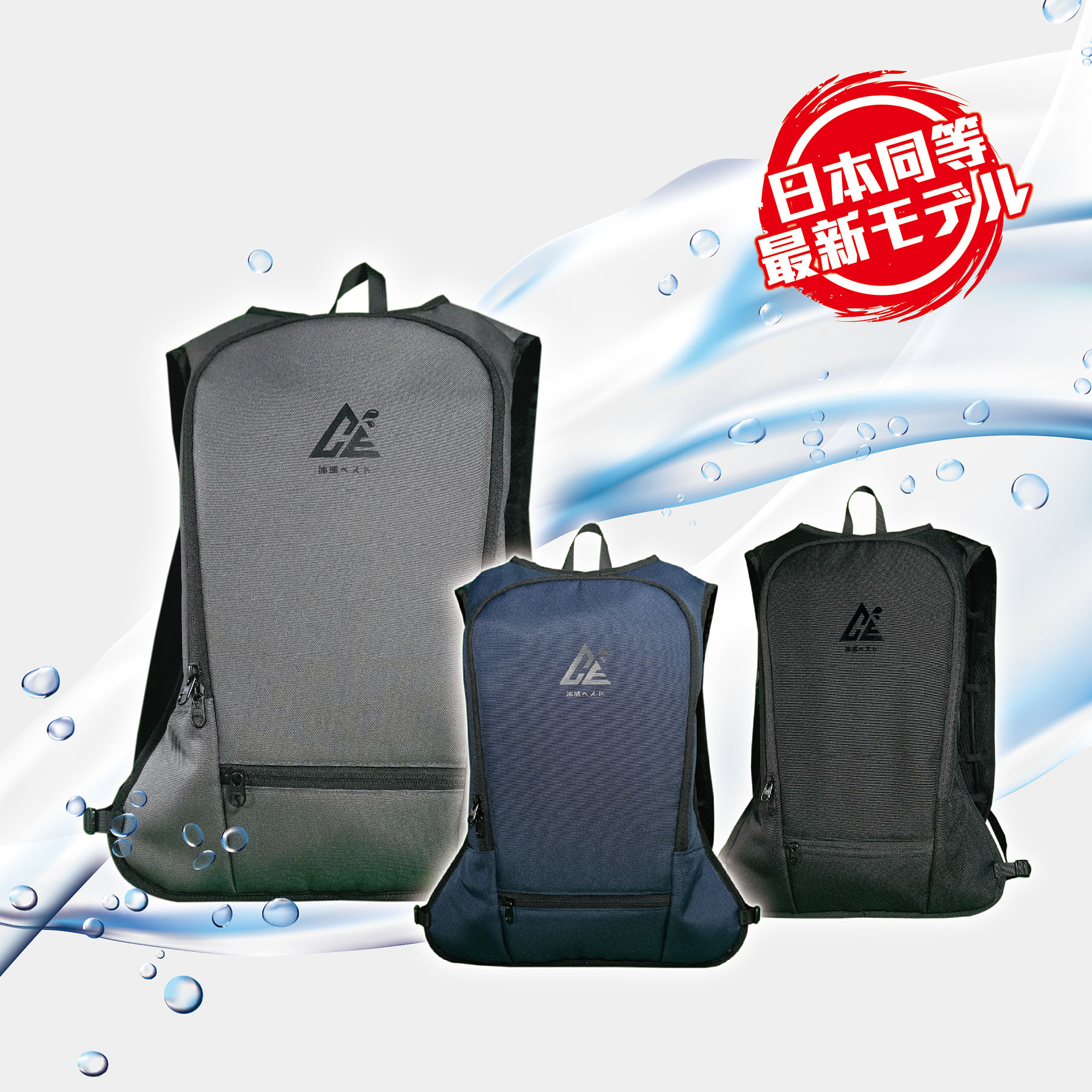
The supplied product data names four model designations. It lists the same pump, flow, cooling duration, weight, temperature, material, and contents parameters for the models shown. The supplied data does not state that the Basic Model and Professional Models differ in cooling performance. The visible distinction in the supplied data is the model name and, for the Professional Models, the color.
| Model designation | Color stated in supplied data | Shared supplied parameters |
|---|---|---|
| COOLWAVE Water-Circulation Cooling Vest (Basic Model) | Not stated in the supplied model data | 3–4 hours cooling; within 2 kg; below 10°C stated; 5V 150mA max pump; max 320–370 ml/min flow; TPU bag; polypropylene cap; sand rubber tube; 600D polyester strap; backpack and two ice packs. |
| COOLWAVE Water-Circulation Cooling Vest (Professional Model-Black) | Black | Same supplied parameter set as above. |
| COOLWAVE Water-Circulation Cooling Vest (Professional Model-Gray) | Gray | Same supplied parameter set as above. |
| COOLWAVE Water-Circulation Cooling Vest (Professional Model-Blue) | Blue | Same supplied parameter set as above. |
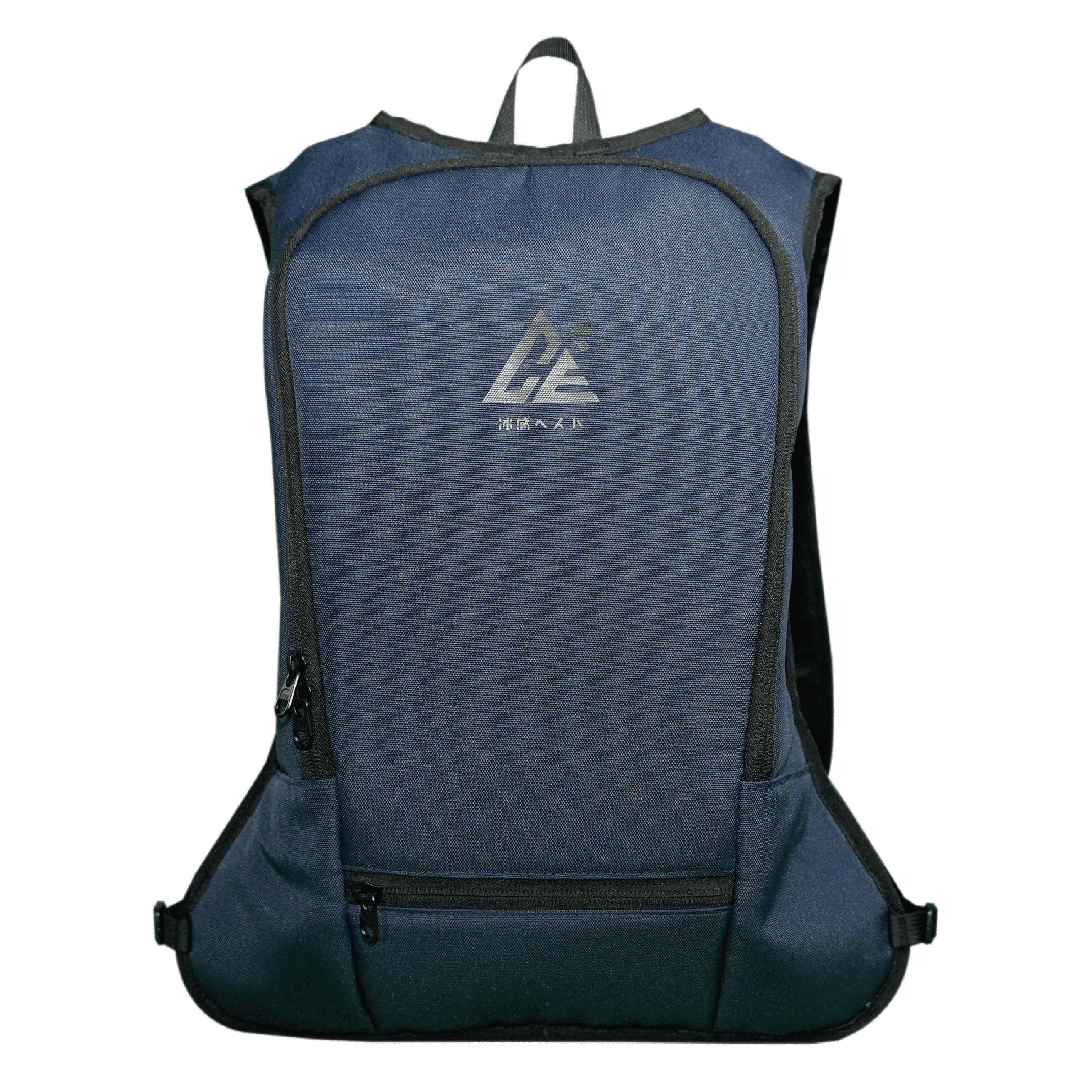
For a buyer comparing a lightweight cooling vest for a small crew, the Basic Model may be the simplest starting point. For a program that wants color coordination across departments or sites, the Professional Model in Black, Gray, or Blue may be easier to administer. Neither interpretation changes the technical specification. It is a procurement and deployment choice, not a performance claim.
Sourcing and ODM checks
The sourcing brief for this guide states ODM support, a 6-month warranty, MOQ of 10 units, and a lead time of 7–14 days. A secondary press-release source in the verified data package reports monthly capacity of 3,000 units for the cooling-vest line. The company profile in the content corpus reports annual production capacity of 10,000 units company-wide. Those capacity figures use different bases and should not be multiplied, averaged, or treated as interchangeable.
| Commercial term | Supplied statement | What to confirm in the RFQ |
|---|---|---|
| ODM support | Stated in the sourcing brief and in a secondary source. | Tooling, artwork, packaging, labeling, QC responsibilities, and approval steps. |
| MOQ | 10 units. | MOQ by model, color, and packaging configuration; sample-order terms. |
| Lead time | 7–14 days. | Start point of lead time, ex-works or delivered terms, and peak-season capacity. |
| Monthly capacity | 3,000 units per month in a secondary source. | Definition of installed, practical, and available capacity for the exact model. |
| Annual capacity | 10,000 units per year company-wide in the company profile. | Whether the figure covers all product lines or the cooling-vest line only. |
| Warranty | 6 months stated in the sourcing brief. | Written warranty document, coverage, exclusions, spare-parts policy, and claim process. |
Buyers should also ask for the company's quality documentation and the certification status relevant to the target market. The company profile states that the COOLING water-cooled vest received the Disaster Prevention Product and Service Certification Award from the Taiwan Disaster Prevention Industry Association. That statement is part of the company's own profile. It is useful for early supplier discovery, but the buyer should still obtain the certificate, scope, and validity details directly if the award is part of the procurement requirement.
Use cases for the COOLWAVE vest
The supplied application list is specific: construction workers, outdoor workers, food stall operators, street vendors, traffic controllers, and sheet metal factory workers. These are not decorative examples. They describe different work patterns that should shape the sample test.
- Construction and outdoor work. The vest is worn while the worker moves between sun exposure, shade, and task areas. Test fit, refill time, and whether the backpack interferes with tools or harnesses.
- Traffic control. The worker may stand for long periods in direct sun. Check whether the model and color are acceptable under the site's visibility and uniform rules.
- Food stall operations and street vending. The vest may be worn in a hot, compact work area. Confirm cleaning routines for sweat, food residue, and storage between shifts.
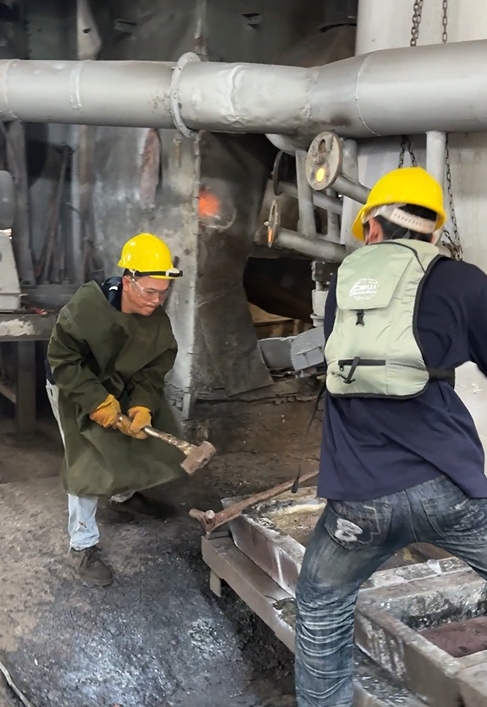
- Sheet metal factories. The worker may face radiant heat and metal surfaces. Confirm whether the cooling tube and shoulder strap are compatible with the site's handling rules and whether the backpack can be kept away from hot surfaces.
Limitations and verification checklist
The supplied data is useful but incomplete for a final purchase decision. The buyer should not fill the gaps with assumptions. The main limitations are:
- The 3–4 hour cooling duration does not include a stated ambient temperature, humidity, workload, or test protocol.
- The below 10°C suitable temperature statement is not defined as ambient, water, ice-pack, or another reference point.
- The 320–370 ml/min flow rate is a maximum range, not a guaranteed operating flow under all setups.
- The net weight within 2 kg is not stated as operating weight with water, ice packs, and power source.
- The supplied contents list names the backpack and two ice packs; it does not name a power bank.
- The supplied model data does not state a performance difference between the Basic Model and the Professional Models.
- Monthly capacity of 3,000 units and annual capacity of 10,000 units use different bases and should not be combined.
- The 6-month warranty is stated in the sourcing brief but requires a written warranty document for coverage and claim terms.
A practical RFQ should ask for the exact model, color, power-source requirement, operating weight, flow-test method, cooling-test method, material datasheets, warranty document, spare-parts list, and production schedule. The buyer should also request a sample of the exact configuration and test it with the workers who will wear it. That sequence turns the published specification into a verifiable procurement record.
FAQ
What is a dual cooling water cooling vest?
A dual cooling water cooling vest is a wearable PPE item that uses a water-circulation loop and supplied ice packs to support heat relief in hot work environments. The COOLWAVE Water-Circulation Cooling Vest is classified as industrial cooling apparel and PPE and is intended for construction, outdoor work, food stall operations, street vending, traffic control, and sheet metal factory workers. The supplied contents include one water-cooled vest backpack and two ice packs. Buyers should confirm the supplier's exact definition of dual cooling in the technical documentation.
What pump and flow rate does the COOLWAVE vest use?
The supplied specification states a pump output of 5V and 150mA maximum, with a maximum flow rate of 320–370 ml/min. These are published maximum figures, not a guaranteed operating point. Before purchase, ask for the measurement conditions, such as tube length, reservoir level, head pressure, and power source. The contents list does not name a power bank, so confirm the power source and connector separately.
How long does the cooling last, and what does below 10°C mean?
The supplied cooling duration is 3–4 hours. The supplied suitable temperature is stated as below 10°C. The provided data does not define whether below 10°C refers to ambient operating temperature, water or ice-pack temperature, or another reference point, and it does not state the test protocol for the 3–4 hour duration. Treat both figures as supplier-published specifications to verify with a sample and written test conditions.
Which materials are used in the water bag, cap, tube, and shoulder strap?
The water bag is specified as TPU, the water bag cap as polypropylene, the cooling tube as sand rubber in black, and the shoulder strap as 600D polyester. PEVA is also listed as a material in the product specification. The supplied data does not include thickness, burst pressure, hardness, or cleaning-test results, so request material datasheets if those properties are required for your procurement.
What is included, and which models are available?
The supplied contents are one water-cooled vest backpack and two ice packs. Model designations are COOLWAVE Water-Circulation Cooling Vest (Basic Model) and Professional Model-Black, Professional Model-Gray, and Professional Model-Blue. The supplied specification lists the same pump, flow, runtime, weight, and temperature parameters for these designations. It does not state performance differences between Basic and Professional models; confirm any difference with a model-specific datasheet.
What ODM terms should a buyer verify?
The sourcing brief states ODM support, a 6-month warranty, MOQ of 10 units, and 7–14 day lead time. A secondary source reports 3,000 units per month, while the company profile reports 10,000 units per year company-wide. These capacity figures use different bases and should not be combined. Ask for written warranty terms, capacity definitions, lead-time start point, tooling and packaging responsibilities, and a production schedule before placing an order.
How can a buyer request a sample or confirm model availability?
Start with a written RFQ that names the model, color, quantity, power-source requirement, and any material datasheet or test report you need. Request a sample for the exact model and test the runtime under your site conditions. For sample and quotation requests, contact Shokunin through the official FENG SHANG PRECISION CO., LTD. website.
Conclusion
The COOLWAVE Water-Circulation Cooling Vest is an industrial PPE option built around a documented set of user-facing parameters: a 5V 150mA maximum pump, a maximum 320–370 ml/min flow rate, a 3–4 hour cooling duration, net weight within 2 kg, a stated suitable temperature below 10°C, and a material list that includes TPU, polypropylene, sand rubber, 600D polyester, and PEVA. The model range covers a Basic Model and Professional Models in Black, Gray, and Blue.
The correct buying approach is to use those figures as the starting point for an RFQ and a sample test, not as the end of the evaluation. Ask for the test conditions behind the runtime and temperature claims, the operating weight, the power-source configuration, the material datasheets, and the written warranty and sourcing terms. For ODM programs, confirm the capacity basis, MOQ by model, lead-time start point, and quality responsibilities before committing to a production schedule.
Next step for buyers. Request a sample of the exact COOLWAVE model, confirm whether a power bank is included, and ask for the written warranty, flow-test method, and model-specific datasheet. For company information, visit the official FENG SHANG PRECISION CO., LTD. website.
For the complete company and product overview, download the company brochure.
Have Questions or Need More Details?
Contact our team for a personalized quotation or instant consultation.
Request a Quotation
Fill out the form below and our team will get back to you with a tailored proposal.
WhatsApp Direct Chat
Prefer to chat in real-time? Message us on WhatsApp for instant assistance & quick answers.
- Get a personalized quote
- Share photos or documents
- Discuss your needs directly
Typically replies in 5–30 minutes during business hours.