
Dual Cooling Water Cooling Vest: Site Application Playbook
A dual cooling water cooling vest is a personal cooling system that combines a reusable ice-pack cold source with pump-driven water circulation. For decision-stage buyers, the practical question is not whether the category exists. The practical question is where a dual cooling water cooling vest fits a specific heat-exposed work pattern, how long it can run, and what site conditions must be checked before deployment.
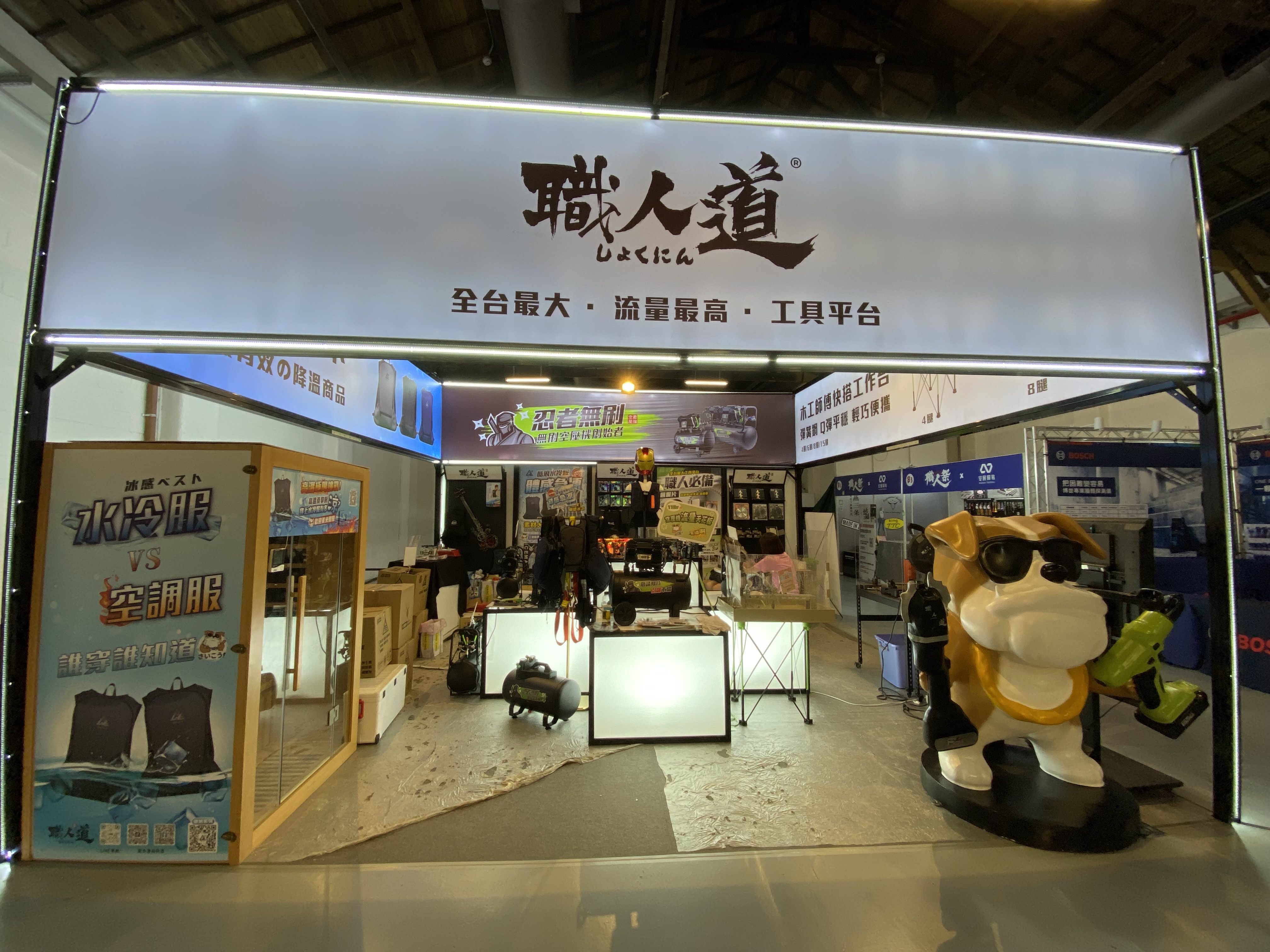
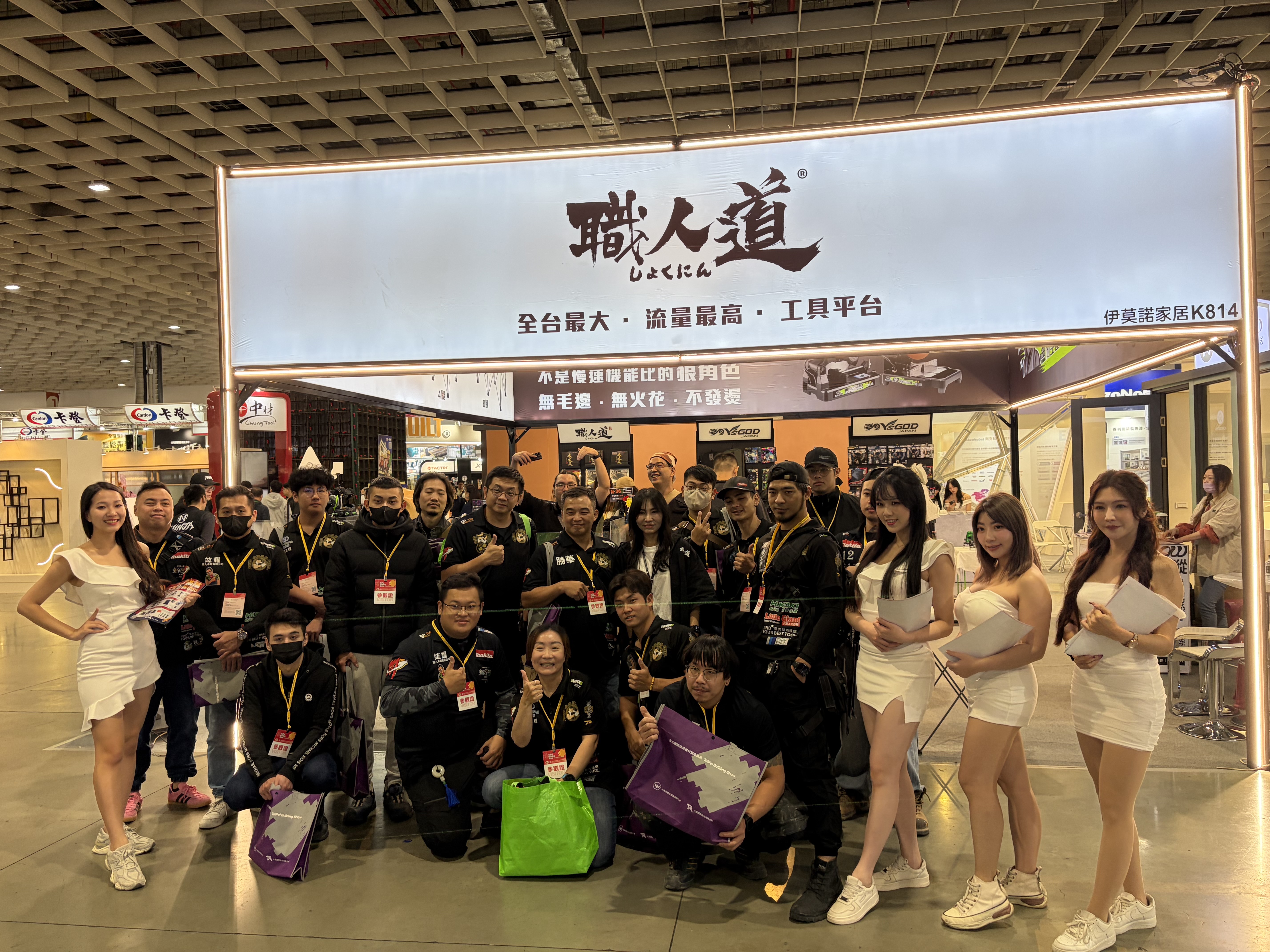
This application playbook translates supplied product facts for Shokunin water-cooled vests into site-selection rules. Shokunin is the professional e-commerce brand of Feng Shang Precision Co., Ltd., a Taiwan-based manufacturer founded in 2009 that produces air compressors, cut-off machines, water-cooled vests, lithium batteries, and other professional tools.
Problem Definition: Cooling That Breaks Before the Shift Does
Heat-exposed work rarely fails at the first minute. It fails when cooling breaks mid-shift. The supplied product comparison states that other water-cooled vests lose their cooling effect after about 30 minutes, while the Shokunin water-cooled vest provides cooling for 3–4 hours. That difference changes the application decision. A 30-minute cooling window can be shorter than the interval between work breaks on a metal sheet factory floor, an outdoor construction site, or a roadside traffic-control post.
The problem is therefore not only product selection. It is deployment planning. A site needs to match the vest's cooling duration to the work-rest cycle, match the power and refill plan to the physical layout, and match maintenance to the number of users. If the cooling cycle is shorter than the work block, supervisors must insert extra breaks or ice-pack changes. If the cooling cycle covers a half-shift, the vest can be planned into the shift routine instead of being treated as an emergency measure.
The supplied comparison lists a 3–4 hour cooling duration per charge/ice-pack cycle for the Shokunin water-cooled vest. For a decision-stage buyer, that is the key application fact: the planning unit moves from minutes to half-shifts. The same comparison lists higher energy efficiency and lower maintenance as advantages of the Shokunin design, based on reusable ice packs and durable fabric. Those points matter for multi-user deployment because they affect refreeze logistics, spares, and daily upkeep.
Industry Background: Personal Cooling Is a Recognized Heat-Control Category
Personal cooling is recognized in occupational safety guidance. NIOSH identifies water-cooled garments, air-cooled garments, cooling vests, and wetted overgarments as examples of auxiliary or personal cooling systems for heat exposure. That classification places a dual cooling water cooling vest in the PPE-adjacent category rather than in consumer leisure wear. For procurement teams, the relevant question is how the vest supports a site heat plan alongside work-rest schedules, hydration, acclimatization, and medical monitoring.
Market data also shows industrial relevance. Dataintelo reported that the global cooling vests market reached $342 million in 2025, and industrial applications accounted for 34.5% of revenue share in the same year. For buyers, those figures support a commercial-investigation view. The application guide should therefore answer deployment questions: which sites fit, which shift length fits, which power source fits, and which maintenance routine fits.
The supplier profile also states that the COOLING water-cooled vest received the Disaster Prevention Product and Service Certification Award issued by the Taiwan Disaster Prevention Industry Association. That award is a supplied company fact. It should be treated as part of the product's recognition record, while the buyer still verifies the local PPE and heat-stress rules that apply to the specific work site.
Detailed Solution: How the Dual Cooling System Fits a Work Site
The supplied product description explains the dual cooling logic in a direct way. Shokunin's COOLWAVE water-circulation cooling vest uses reusable ice packs as the cold source and a pump powered by a power bank to circulate chilled water. The system is therefore not a passive ice-pack vest alone. It combines a cold reservoir with active water circulation. That combination is the basis for the application method in this guide.
For application planning, these facts matter in four ways. First, the 3–4 hour duration can cover a substantial part of a work shift, but it should be treated as a published specification, not a site guarantee. The supplied technical evidence notes that test conditions are not defined, so a sample test under site conditions is the correct verification step. Second, the 5 V, 150 mA maximum pump input makes power-bank compatibility a checklist item. Third, the 320–370 ml/min flow rate is a specification to verify in RFQ, not a claim to compare without measurement conditions. Fourth, reusable ice packs create a refreeze and rotation plan requirement.
The maintenance comparison is also an application fact. The supplied comparison states that Shokunin uses reusable ice packs and durable fabric with minimal upkeep, while other water-cooled vests require frequent ice-pack replacement, higher wear and tear, and more upkeep. On a multi-user site, maintenance is not a back-office detail. It determines how many spare ice-pack sets are needed, how much freezer space is required, and how long the daily changeover takes.
Leakage control is part of the deployment plan. The supplied risk-control measure for the product lists reinforced ice pack material and pre-shipment quality checks. For site use, that translates into a pre-shift inspection routine: check packs for damage, confirm seals, and remove damaged packs from service. The same discipline should apply to tubing, connectors, and the pump pocket.
Supplier capacity is a secondary application consideration. Feng Shang Precision operates a 1,000 m² factory with 30 employees, a 5-engineer R&D team, and a stated annual output of 10,000 units. The company reports a 50% export ratio and main markets in the USA and Taiwan. Those facts do not replace a site trial, but they help a buyer judge whether the supplier can support a planned deployment and spare-parts request.
Step-by-Step Breakdown: Deploying the Vest by Work Cycle
Step 1: Define the heat-exposed task and shift block
List the tasks, radiant heat sources, sun exposure, PPE layers, and break intervals. The supplied comparison identifies high-temperature environments, metal sheet factories, and outdoor sites as suitable applications. Use those as starting categories, then verify the actual task. A worker who stands at a traffic-control post has a different cooling plan from a worker who moves across a construction site or works near a metal sheet line.
Step 2: Convert shift length into cooling cycles
The published cooling duration is 3–4 hours per charge/ice-pack cycle. For an 8-hour shift, plan at least one mid-shift cooling cycle and one backup ice-pack set. Do not assume the 3–4 hour figure applies equally to every ambient condition. The supplied technical evidence notes that measurement conditions are not specified, so the site should validate duration with a sample under its own heat load, clothing layers, and work intensity.
Step 3: Check power-bank compatibility
The pump is rated at 5 V, 150 mA maximum. Match the power bank output and connector to the pump input. Confirm cable retention, pocket placement, and whether the power bank can be carried without interfering with work. The supplied description says the pump is power-bank powered. It does not establish a specific battery runtime. Test runtime with the selected power bank and keep the power source in the daily check.
Step 4: Plan ice-pack logistics
Because the system uses reusable ice packs, the site needs a freeze point, a transport container, and a rotation schedule. A 3–4 hour cooling cycle requires at least one replacement set for multi-shift use. Reinforced ice pack material is listed as the leakage-control measure, and pre-shipment quality checks are part of the supplier's risk control. Inspect packs before each shift and replace damaged packs.
Step 5: Fit the vest to the work motion
The vest is listed within 2 kg. Check reach, lifting, climbing, and PPE layering. A water-circulation vest should not restrict shoulder movement or create pressure points under a harness. Run a task simulation before full deployment. The application test should include the actual tools, gloves, helmet, and any high-visibility clothing used at the site.
Step 6: Set a work-rest and hydration routine
A cooling vest supports heat management, but it does not replace work-rest schedules, hydration, acclimatization, or medical monitoring. Use the vest as one control within the site heat plan. The published duration gives supervisors a practical interval for checking cooling status. If the site uses a buddy system, add a visual check of the pump, tubing, and ice-pack condition at the same interval.
Step 7: Define cleaning, refill, and storage
Use the manufacturer's instructions for water quality, cleaning, and storage. The supplied maintenance comparison says reusable ice packs and durable fabric require minimal upkeep compared with frequent ice-pack replacement and higher wear and tear in other water-cooled vests. Build a daily check and end-of-shift storage routine. Keep spare ice packs and a spare power bank in a labeled deployment kit so supervisors can replace components without hunting for parts.
Use Cases: Matching the Vest to Specific Heat-Exposed Work
Metal-roof and sheet metal factories
Radiant heat and hot work areas are the clearest application pattern. The supplied comparison lists metal sheet factories as a suitable application for the Shokunin water-cooled vest. The application rule is to pair the 3–4 hour cooling cycle with a mid-shift ice-pack change and a shaded break area. Check whether the worker is stationary or moving, because a stationary post allows a cooler and spare packs to be placed nearby, while a moving task requires a carried kit.
Outdoor construction sites
Sun exposure and moving workers make fit and weight important. Use the within-2 kg listed weight as a screening criterion, then test with tool belts and PPE. The published duration should be verified against the actual work-rest cycle. For a site with limited shade, the vest should be combined with a shaded recovery area and a chilled-water refill point, not treated as a standalone control.
Traffic control and roadside posts
Prolonged standing and sun exposure define this application. The decision is not only cooling duration. It is whether the power bank and ice packs can be managed at a fixed post. Plan a cooler and spare ice packs at the post or in a nearby vehicle. Confirm that the vest does not interfere with high-visibility clothing or communication equipment.
Loading docks and warehouse perimeters
Intermittent heat exposure can be managed with a shared deployment model. A dual cooling water cooling vest can be issued for high-heat time windows rather than the full shift. Use the 3–4 hour cycle to define rotation. If several workers share a small number of vests, set a cleaning and refreeze schedule between users.
Maintenance and turnaround work
Confined or hot areas with infrequent breaks require pre-cooling and a clear check interval. Pre-cool before entry, set a check interval based on the published duration, and keep a spare ice-pack set at the staging area. The supplied comparison's 3–4 hour duration is a planning input, while the actual interval should be confirmed by a site trial.
Comparison Table: Application-Relevant Differences
| Application factor | Shokunin water-cooled vest | Other water-cooled vests |
|---|---|---|
| Published cooling duration | 3–4 hours per charge/ice-pack cycle | Loses cooling effect after about 30 minutes |
| Maintenance model | Reusable ice packs and durable fabric; minimal upkeep | Frequent ice-pack replacement; higher wear and tear; more upkeep |
| Energy efficiency | Higher cooling efficiency in the supplied comparison | Comparison baseline in the supplied material |
| Best-fit environments | High-temperature environments, metal sheet factories, outdoor sites | Not specified in the supplied comparison data |
| Leakage control | Reinforced ice pack material and pre-shipment quality checks | Not specified in the supplied comparison data |
Table basis: supplied product comparison, company product profile, and verified product specification data. The table is a category-level application comparison, not a ranking of unlisted brands.
FAQ: Dual Cooling Water Cooling Vest Application Questions
Is the Shokunin water-cooled vest recognized under Taiwan disaster-prevention certification?
Yes. The supplied company profile states that the COOLING water-cooled vest received the Disaster Prevention Product and Service Certification Award issued by the Taiwan Disaster Prevention Industry Association. For a specific site, confirm the local PPE and heat-stress rules that apply to the work.
How long does the dual cooling water cooling vest last?
The supplied comparison states a cooling duration of 3–4 hours per charge/ice-pack cycle for the Shokunin water-cooled vest, compared with about 30 minutes for other water-cooled vests. The supplied technical evidence notes that test conditions are not defined, so validate duration under the site's heat load and work intensity.
What pump and power-bank specification should buyers check?
The pump is rated at 5 V, 150 mA maximum, with a stated flow rate of 320–370 ml/min. Buyers should confirm that the selected power bank matches the pump input and connector, then test runtime with the vest on the actual work cycle. The supplied description does not establish a specific battery runtime.
Which work sites are the best fit for this vest?
The supplied comparison lists high-temperature environments, metal sheet factories, and outdoor sites as suitable applications. The vest is also listed within 2 kg. A site trial should confirm fit with PPE, tool belts, and the actual work motion before full deployment.
How can buyers get the brochure and specification details?
Buyers can download the Shokunin product brochure for specification details and contact the team through the official website to discuss a site trial, deployment plan, or quotation. The brochure link is provided in the next-step section below.
Conclusion: A Deployment Checklist, Not a One-Size Purchase
The application decision for a dual cooling water cooling vest comes down to matching three things: cooling duration, site logistics, and maintenance capacity. The supplied facts support a 3–4 hour cooling duration per charge/ice-pack cycle, a 5 V 150 mA maximum pump, a stated flow rate of 320–370 ml/min, and a listed weight within 2 kg. The comparison against other water-cooled vests that lose cooling after about 30 minutes explains why the product is relevant for half-shift planning in high-temperature environments, metal sheet factories, and outdoor sites.
Before deployment, run a site trial with the actual PPE and work motion. Confirm power-bank compatibility, ice-pack refreeze capacity, and the daily inspection routine. Treat the published duration as a planning input and validate it under site conditions. That approach keeps the decision grounded in evidence and makes the vest part of a workable heat-control plan.
Next Step: Download the Brochure and Plan a Site Trial
Review the product details, then contact Shokunin to discuss application fit, sample validation, or a quotation for your site.
Download the Shokunin product brochure
Official website: https://www.fstool.com.tw/
Email: fsmarketing@fstool.com.tw
Phone: +886 3-312-6606
Have Questions or Need More Details?
Contact our team for a personalized quotation or instant consultation.
Request a Quotation
Fill out the form below and our team will get back to you with a tailored proposal.
WhatsApp Direct Chat
Prefer to chat in real-time? Message us on WhatsApp for instant assistance & quick answers.
- Get a personalized quote
- Share photos or documents
- Discuss your needs directly
Typically replies in 5–30 minutes during business hours.