
Dual Cooling Water Cooling Vest: Technical Specs Explained
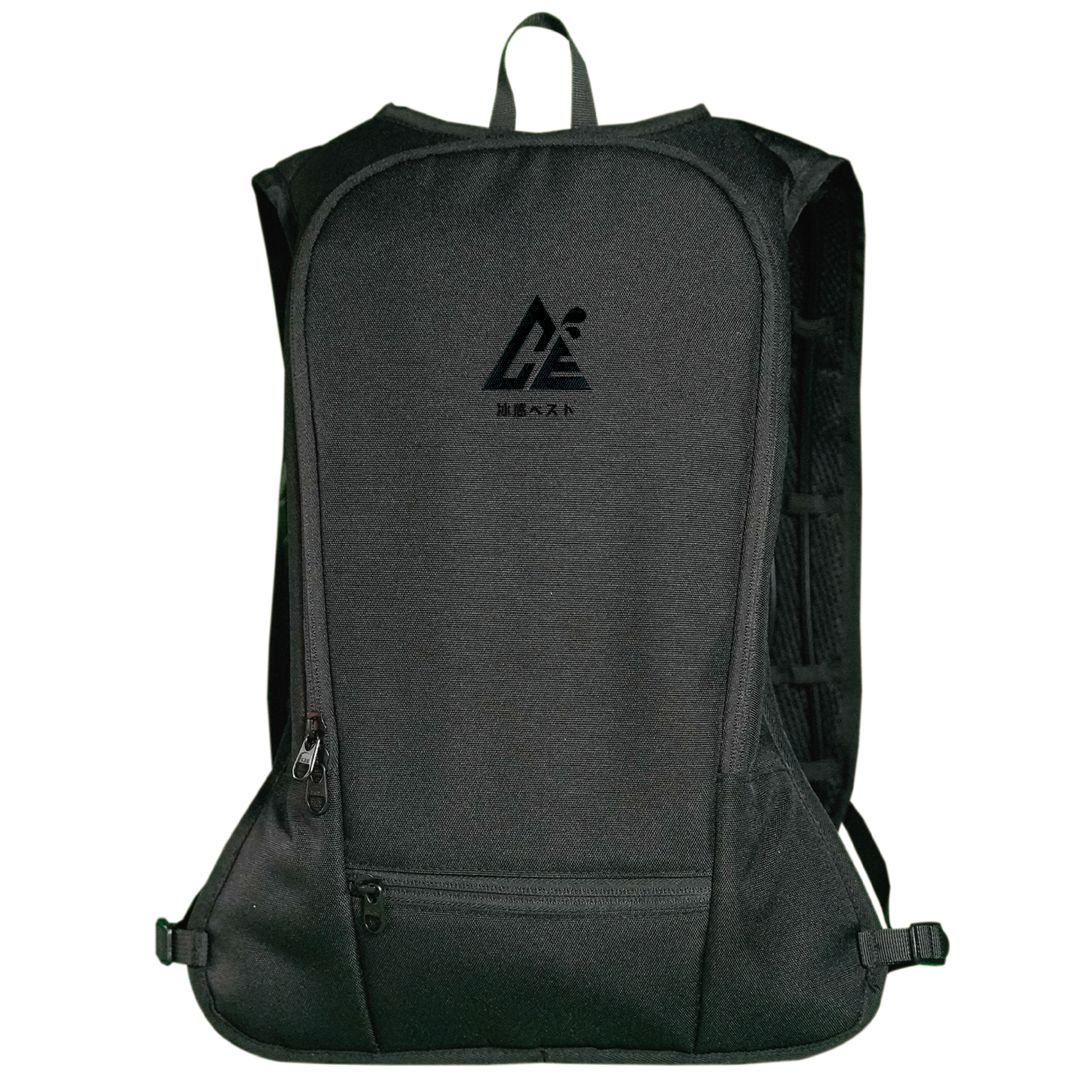
COOLWAVE Water-Circulation Cooling Vest, Professional Model range: ice packs supply the cold, a 5 V pump moves chilled water through the loop.
A dual cooling water cooling vest is a PPE-classified garment that pairs two reusable ice packs with a pump-driven water circuit, so cold is both stored on the body and actively moved around it. The Shokunin COOLWAVE Water-Circulation Cooling Vest, manufactured by FENG SHANG PRECISION CO., LTD. in Taoyuan City, Taiwan, publishes a compact and readable specification set: 3–4 hours of cooling per cycle, vest net weight within 2 kg, a pump rated 5 V at 150 mA (max) delivering 320–370 ml/min, a TPU water bag with a polypropylene cap, black sand-rubber cooling tubing, and 600D polyester shoulder straps. This technical guide explains what each of those numbers controls, where the published listing stops short, and which parameters to test before you commit to a deployment.
What “Dual Cooling” Actually Refers To
The word “dual” in a water cooling vest describes two cooling mechanisms operating together, not two separate products. In the COOLWAVE Water-Circulation Cooling Vest the split is straightforward and documented in the product contents: the package includes a water-cooled vest backpack and two ice packs, and the vest operates through water-circulation cooling.
- Stored cold (passive stage). Two reusable ice packs act as the cold reservoir. They hold chilled mass close to the torso and provide cooling the moment the vest is put on, with no power required.
- Active circulation (powered stage). A small pump moves chilled water from the TPU water bag through black sand-rubber tubing at a listed flow rate of 320–370 ml/min. Moving water carries cold away from the ice packs and distributes it across the torso instead of leaving it concentrated at two contact points.
That combination is the entire technical proposition of a dual cooling water cooling vest, and it also defines the operating boundary. The vest does not generate cold; it stores cold in the ice packs and then transports it. Once the ice packs have absorbed enough body and ambient heat, cooling output falls, which is why the listed 3–4 hour cooling duration is a per-cycle figure rather than a shift-length figure.
Problem Definition: Why Passive Vests Run Out of Capacity
Heat is a recognised occupational exposure, and personal cooling systems are an established response to it. The U.S. National Institute for Occupational Safety and Health (NIOSH) classifies wearable heat-protection equipment as auxiliary cooling systems or personal cooling systems, and its examples of that category include water-cooled garments, air-cooled garments, cooling vests, and wetted overgarments.
Within that category, the practical weakness of a purely passive vest is thermal distribution. An ice pack has fixed contact geometry, so the skin beneath it cools while the surrounding torso does not, and the pack itself warms against the body over time. A circulating design addresses distribution by moving the chilled medium, but it introduces its own constraints that buyers need to evaluate honestly: a pump with electrical requirements, tubing that must be routed without kinks, a water reservoir that must be filled and cleaned, and a finite ice mass that must be re-frozen between cycles. Neither architecture removes the need for hydration, work-rest scheduling, and acclimatisation. A cooling vest reduces heat burden; it does not replace a heat management programme.
Industry Background: Where Cooling PPE Sits
Cooling vests are a small but clearly industrial-weighted part of the protective equipment market. Third-party commercial research published by Dataintelo estimates the global cooling vests market at USD 342 million in 2025, and reports that industrial applications accounted for 34.5% of revenue share in that year. Those are third-party estimates rather than manufacturer data, and they should be read as directional context for category scale rather than as a forecast for any single product line.
For buyers, the useful implication is not the headline figure but the weighting: roughly a third of category revenue coming from industrial applications means the supply base is being judged on durability, documentation, and repeatability, not only on comfort. That is the standard a dual cooling water cooling vest should be assessed against.
The Core Specification Set
The COOLWAVE Water-Circulation Cooling Vest is classified as Industrial Cooling Apparel within the Personal Protective Equipment (PPE) category. Its published parameters are deliberately few, which makes each one easier to evaluate.
| Parameter | Listed value | What it controls in practice |
|---|---|---|
| Cooling duration | 3–4 hours | Working window per ice-pack and charge cycle; sets how many pack sets a shift needs |
| Vest net weight | Within 2 kg | Wearer fatigue, layering over existing PPE, and freight cost per unit |
| Suitable temperature | Below 10°C | Listed as stated; the listing does not define which temperature this refers to (see note below) |
| Pump rated voltage | 5 V | Determines the power source class and the electrical review required |
| Pump current | 150 mA (max) | Current draw ceiling, relevant to cable and connector selection |
| Flow rate | Max 320–370 ml/min | How quickly chilled water is moved through the loop; the key performance checkpoint |
| Contents | Water-cooled vest backpack ×1, ice packs ×2 | Base configuration per unit; drives spares planning |
The same caution applies to the 3–4 hour cooling duration and the 320–370 ml/min flow rate. Both are published specifications, and neither is accompanied by a disclosed test method, ambient condition, humidity level, workload, or clothing layer. Treat them as the manufacturer's stated baseline and verify them under your own conditions before extrapolating to a full shift.
Component and Material Breakdown
For a technical evaluation, the bill of materials is often more informative than the headline cooling claim. Every listed component below touches either water containment, load bearing, or the cooling loop itself.
| Component | Listed material | Technical role |
|---|---|---|
| Water bag | TPU (thermoplastic polyurethane) | Flexible reservoir that is filled, drained, and flexed repeatedly; must hold a seal under movement |
| Water bag cap | Polypropylene | Rigid closure and fill point; the primary user-serviceable seal |
| Cooling tube | Sand rubber (black) | Carries chilled water from bag to vest; routing and kink resistance matter more than length |
| Vest body material | PEVA | Main vest construction layer |
| Shoulder strap | 600D polyester | Woven load-bearing strap; carries the backpack and wet weight |
| Pump | 5 V, 150 mA (max) | Drives circulation at a maximum flow of 320–370 ml/min |
| Cold source | Ice packs ×2 | Reusable stored-cold reservoir, re-frozen between cycles |
Two details in this table deserve attention during evaluation. First, the cap is the part most likely to be opened and closed by the wearer every day, so its thread condition is a genuine durability checkpoint rather than a cosmetic one. Second, the sand-rubber tube is the part most exposed to bending and abrasion in a working environment; a kinked tube restricts flow regardless of how well the pump performs, which is why tube routing should be tested on a real wearer rather than on a bench.
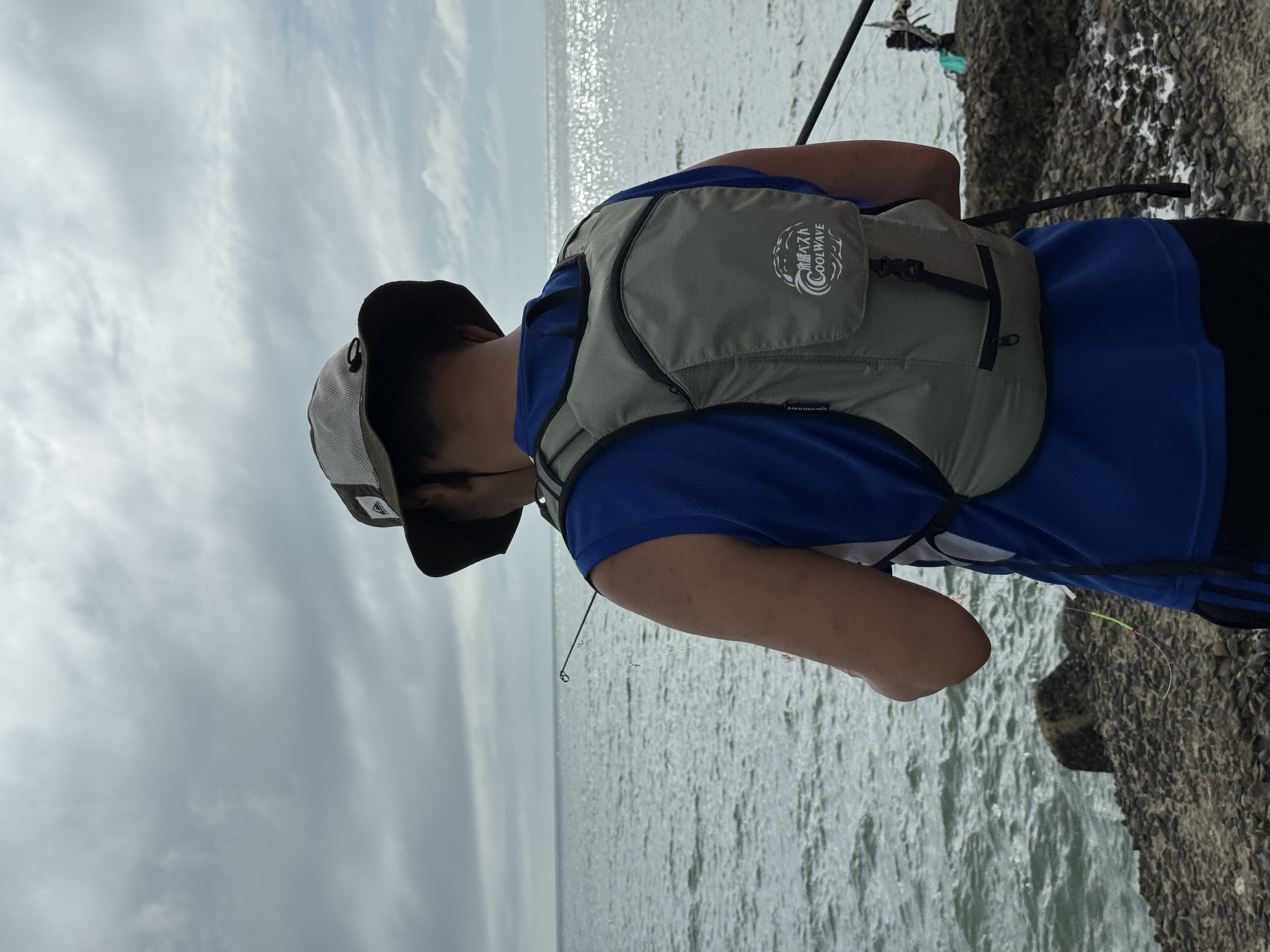
The same circulation loop that serves industrial sites also suits prolonged outdoor sun exposure, where stored cold matters before the pump is even switched on.
Step-by-Step: Setting Up and Running One Cooling Cycle
The sequence below follows the documented product configuration. It is written for a first-time user or a site supervisor issuing vests to a crew.
Step 1 — Pre-chill both ice packs
Each unit ships with two ice packs. Both must be frozen before the vest is issued, because the packs are the only cold source in the system. Plan freezing capacity per worker, not per vest, if vests are shared across shifts.
Step 2 — Fill the TPU water bag
Fill the water bag before donning the vest. Filling while worn is awkward and raises the risk of spillage onto the PEVA vest body and the wearer's clothing.
Step 3 — Seat and check the polypropylene cap
Close the cap fully and invert the bag once over a sink. The cap is the primary user-serviceable seal; a partially seated cap will present as poor cooling performance rather than as an obvious leak.
Step 4 — Route the sand-rubber cooling tube
Lay the tube along its intended path with no sharp bends. Check the full run visually before switching the pump on; a kink here is the most common cause of low flow.
Step 5 — Don the vest and adjust the 600D polyester shoulder straps
The vest is designed as a backpack format with shoulder straps. Set the straps so the water bag weight sits on the shoulders rather than pulling backward, and check clearance over any existing protective clothing.
Step 6 — Connect the 5 V power source
The pump is rated at 5 V and 150 mA maximum. Confirm the cable, connector, and power source supplied with your order at the sample stage, and confirm the same for every reorder, because power-source assumptions are a frequent source of mismatch between sample and production batches.
Step 7 — Verify flow at the start of the cycle
Run the pump and confirm the loop is moving water. The published maximum flow rate is 320–370 ml/min; use it as your reference figure when you run a timed measurement during sampling.
Step 8 — Work within the 3–4 hour window
Plan the work block around the listed 3–4 hour cooling duration. For shifts longer than that, the practical arrangement is a second set of ice packs per worker rather than a larger water bag, since ice mass — not water volume — is the limiting factor.
Step 9 — End-of-cycle care
Drain the water bag, dry the TPU bag and the tubing, inspect the cap thread, and return the ice packs to freezing. Consumable wear in this system concentrates in the cap, the tubing, and the packs, which is why those three items belong on a spares list from day one.
Selection Parameters: What to Specify Before You Buy
A technical evaluation of a dual cooling water cooling vest should produce a written specification, not a preference. The parameters below are the ones this product's published data actually supports.
- Cycle length versus shift length. Listed cooling duration is 3–4 hours per cycle. Specify how many ice-pack sets each worker receives, and whether freezing capacity exists on site.
- Weight budget. The vest is listed within 2 kg net weight. Add the water fill and confirm the loaded weight against your own manual-handling or PPE layering limits.
- Ambient condition definition. Resolve what the listed “below 10°C” suitable temperature refers to before treating it as a site suitability statement.
- Flow verification method. Agree in advance how 320–370 ml/min will be measured — at the outlet, at the start of the cycle, with the bag at a defined fill level.
- Power source specification. Fix the 5 V power source, cable, and connector as part of the purchase specification, not as an afterthought.
- Fit over existing PPE. Confirm the vest works over the base layers, harnesses, and high-visibility clothing your crews actually wear.
- Spares and service items. Water bags, caps, tubing, and additional ice packs should be priced at the same time as the vests.
- Model designation. Decide between the Basic Model and the Professional Model colourways before quoting, since colourway choice affects order configuration.
Use Cases: Where the Loop Earns Its Keep
The manufacturer lists the COOLWAVE Water-Circulation Cooling Vest for construction workers, outdoor workers, food stall operators, street vendors, traffic controllers, and sheet metal factory workers, covering construction, outdoor work, food stall operations, street vending, traffic control, and sheet metal factories.
- Construction sites. Continuous outdoor exposure with limited shade. The backpack format keeps both hands free, and the stored-cold stage delivers cooling before the pump is switched on.
- Traffic control. Long standing periods in direct sun with low physical mobility, where a fixed ice pack alone tends to warm against the body quickly and circulation helps redistribute the cold.
- Metal sheet and metal-roof factories. Radiant heat from above and around the worker. Here the 3–4 hour cycle maps naturally onto a work block followed by a cool-down break.
- Street vendors and food stall operators. Small-footprint operations with no fixed cooling infrastructure, where a self-contained vest is often the only practical option.
- Prolonged outdoor exposure. Fishing, site supervision, and similar long-duration outdoor activity, where the same loop works at a lower workload intensity.
Model Comparison: Basic Model vs Professional Model
The published parameter set is identical across all four listed designations. The documented difference is the model designation and, for the Professional Model, the colourway. That is a useful finding for buyers: specification does not change with colour, so the choice can be made on uniform, visibility, and stock criteria rather than on performance.
| Model designation | Colour | Listed cooling duration | Listed net weight | Pump | Flow rate |
|---|---|---|---|---|---|
| COOLWAVE Water-Circulation Cooling Vest (Basic Model) | Not specified in listing | 3–4 hours | Within 2 kg | 5 V, 150 mA (max) | Max 320–370 ml/min |
| COOLWAVE Water-Circulation Cooling Vest (Professional Model – Black) | Black | 3–4 hours | Within 2 kg | 5 V, 150 mA (max) | Max 320–370 ml/min |
| COOLWAVE Water-Circulation Cooling Vest (Professional Model – Gray) | Gray | 3–4 hours | Within 2 kg | 5 V, 150 mA (max) | Max 320–370 ml/min |
| COOLWAVE Water-Circulation Cooling Vest (Professional Model – Blue) | Blue | 3–4 hours | Within 2 kg | 5 V, 150 mA (max) | Max 320–370 ml/min |
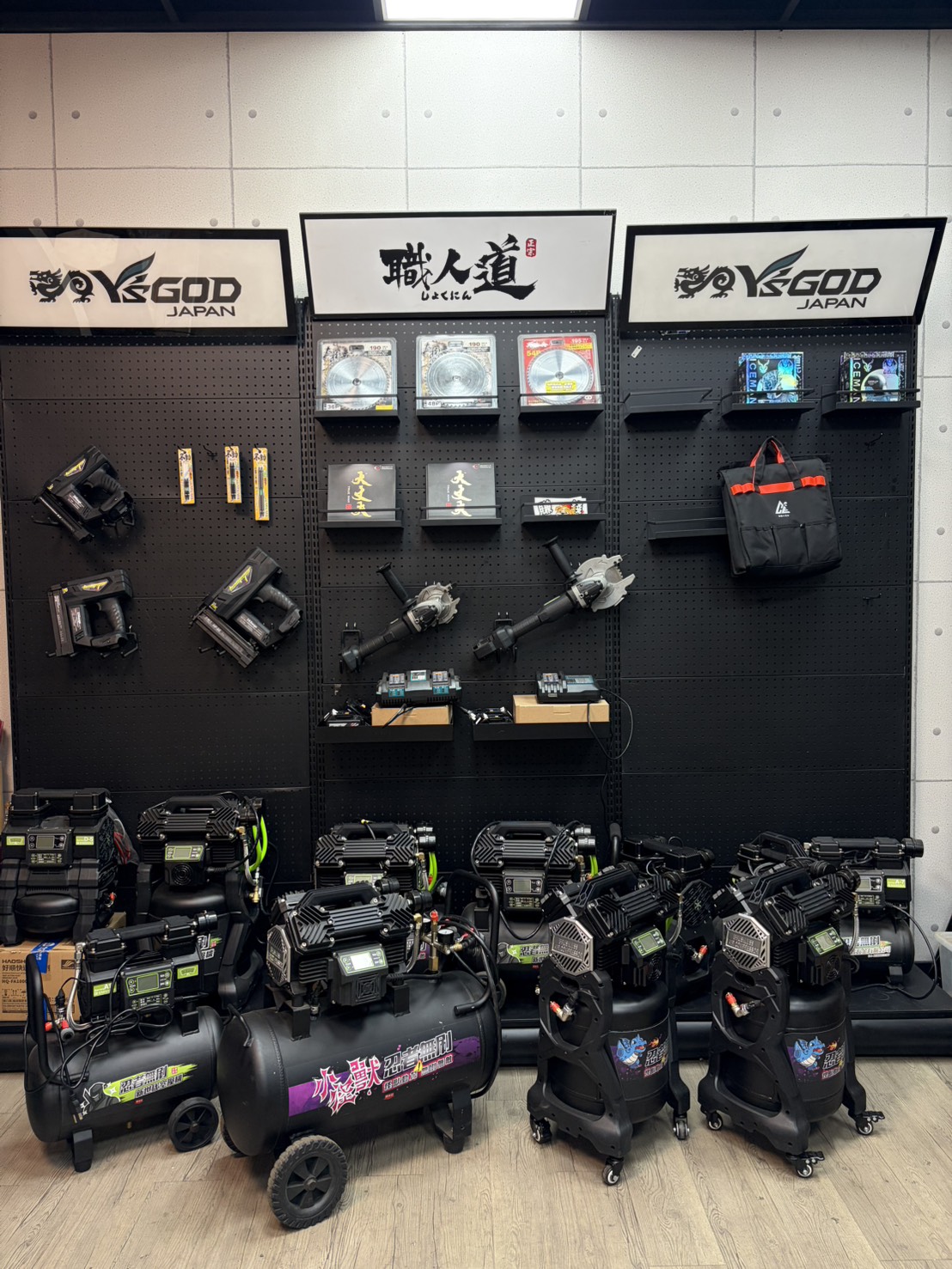
Display area: the listed parameter set is shared across the Basic Model and the three Professional Model colourways.
FAQ: Dual Cooling Water Cooling Vest
1. What PPE classification and certification does the COOLWAVE water-circulation cooling vest carry?
The COOLWAVE Water-Circulation Cooling Vest is classified by its manufacturer as Industrial Cooling Apparel within the Personal Protective Equipment (PPE) category. Shokunin, the brand of FENG SHANG PRECISION CO., LTD., states that the cooling vest received the Disaster Prevention Product and Service Certification Award issued by the Taiwan Disaster Prevention Industry Association. That is a manufacturer-stated credential; it is not a substitute for destination-market conformity assessment. Buyers importing into a regulated market should request the certificate document itself, confirm the scope it covers, and review the pump's electrical characteristics — 5 V, 150 mA maximum — against their own low-voltage equipment rules.
2. What flow rate and cooling duration does the pump-driven loop deliver?
The pump is rated at 5 V and 150 mA (maximum) and delivers a listed flow rate of up to 320–370 ml per minute. The listed cooling duration is 3–4 hours per ice-pack and charge cycle, and the vest net weight is within 2 kg. Those are published specifications; the product information does not disclose the ambient temperature, humidity, workload, or clothing layers used when they were established, so they should be treated as a baseline and confirmed in your own timed trial.
3. What drives cost in a dual cooling vest programme?
Cost is determined by the bill of materials rather than by a single headline figure. Each unit ships with a water-cooled vest backpack and two ice packs; the loop uses a TPU water bag with a polypropylene cap, black sand-rubber cooling tubing, 600D polyester shoulder straps, and a 5 V pump. For a workforce deployment, the main cost variables are the number of ice-pack sets purchased per worker to cover a shift beyond the 3–4 hour cycle, whether you standardise on the Basic Model or a Professional Model colourway, and the depth of your spare-parts holding for bags, caps, and tubing. Ask for a quotation that itemises those elements rather than a single unit price.
4. How should we validate a sample before scaling up?
Run a timed trial under your own site conditions and record six things: the measured flow rate at the start of the cycle against the listed 320–370 ml/min; the actual cooling duration against the listed 3–4 hours in your ambient conditions; the loaded vest weight against the listed net weight within 2 kg; fit over the PPE your crews already wear; the meaning of the listed “below 10°C” suitable temperature, which the product information does not define; and the condition of the bag seams, cap thread, and tube routing after a full day of use. A sample that passes all six is a sample you can write into a purchase specification.
5. What lead time should we plan for, and how do we start?
Lead time depends on the model designation selected — the Basic Model or the Professional Model in Black, Gray, or Blue — on the quantity, and on whether ice packs and spares ship together with the vests. The manufacturer's published capability is a 1000 m² facility in Taoyuan City, Taiwan, with approximately 30 staff and an annual production capacity of 10,000 units across its product lines, so schedule confirmation should come from the supplier in writing at quotation stage rather than from a catalogue estimate. For seasonal programmes, order the ice-pack sets at the same time as the vests. To begin, send your site conditions, expected headcount, and preferred model designation to fsmarketing@fstool.com.tw and request a sample for timed evaluation.
Conclusion
A dual cooling water cooling vest is best evaluated as a small cooling system, not as a garment. The COOLWAVE Water-Circulation Cooling Vest sets out a clear specification: two ice packs as the cold source, a TPU water bag with a polypropylene cap, a 5 V / 150 mA pump moving 320–370 ml/min through black sand-rubber tubing, a listed 3–4 hour cooling duration, and a vest weight within 2 kg. Those figures describe a system that stores cold and then distributes it, which is exactly why cycle planning, ice-pack rotation, power-source definition, and tube routing matter more than any single number on the sheet.
The same discipline applies to the parts of the listing that are silent. The suitable temperature of below 10°C needs a definition, and the 3–4 hour duration needs a stated test condition before it can be mapped onto a shift. Buyers who resolve those two points during sampling, and who price bags, caps, tubing, and additional ice packs alongside the vests, will have a specification that survives contact with an actual worksite.
Next Step: Test It Under Your Own Conditions
Shokunin is the brand of FENG SHANG PRECISION CO., LTD., a Taiwan-based manufacturer established in 2009 with a 1000 m² facility, approximately 30 staff, 5 R&D engineers, and an annual production capacity of 10,000 units across its product lines. Main markets are the USA and Taiwan (ROC), with export business accounting for 50% of total sales.
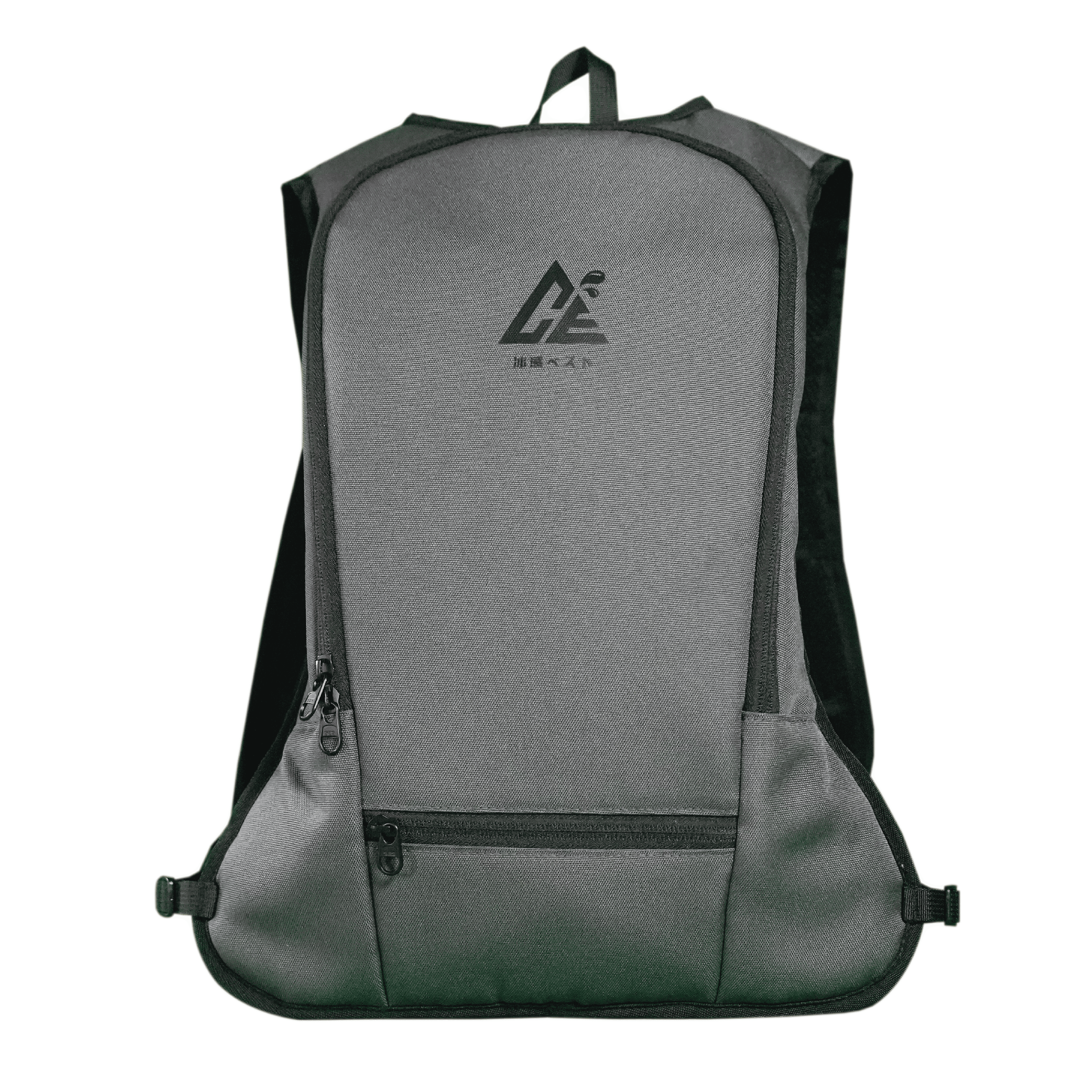
Request a sample of the COOLWAVE Water-Circulation Cooling Vest, or ask for a quotation itemising the vest, ice packs, and spares. Contact us at fsmarketing@fstool.com.tw, by phone at +886 3-312-6606, or through www.fstool.com.tw. The full product brochure is available for download: COOLWAVE product brochure (PDF).
FENG SHANG PRECISION CO., LTD. · No. 155-17, Sec. 2, Nanzhu Rd., Luzhu Dist., Taoyuan City 338454, Taiwan · Business hours: Monday to Friday 8:30 AM – 5:40 PM.
Have Questions or Need More Details?
Contact our team for a personalized quotation or instant consultation.
Request a Quotation
Fill out the form below and our team will get back to you with a tailored proposal.
WhatsApp Direct Chat
Prefer to chat in real-time? Message us on WhatsApp for instant assistance & quick answers.
- Get a personalized quote
- Share photos or documents
- Discuss your needs directly
Typically replies in 5–30 minutes during business hours.