
Dual Cooling Water Cooling Vest: Why 3–4 Hours Matters
For industrial buyers evaluating a dual cooling water cooling vest, the first question is rarely about the pump or the outer shell. It is about endurance. In environments such as metal-roof factories, outdoor construction sites, and other high-temperature workplaces, a cooling garment that stops working after 30 minutes can create more logistical problems than it solves. This article explains how the Shokunin COOLWAVE dual cooling water cooling vest compares with other water-cooled vests, what procurement teams should measure, and when the longer cooling window makes a material difference in an industrial heat stress program.
Problem Definition: 30-Minute Cooling Creates an Operations Gap
Heat stress protection is not a one-time adjustment. It is a shift-long requirement. According to Dataintelo, industrial applications, including construction and manufacturing, held the largest share of the cooling vest market at 34.5% in 2025. The same report projects the global cooling vest market to grow from approximately USD 215 million in 2024 to USD 385 million by 2033. Those numbers reflect a real need, but they also hide a common supply problem: not all cooling vests can hold their temperature long enough for the work schedule.
Other water-cooled vests typically lose their cooling effect after about 30 minutes. On a hot production floor, that means frequent ice pack replacement, extra inventory, and more worker interruptions. A vest that can sustain cooling for 3–4 hours, as the Shokunin water-cooled vest does, changes the operating model from 'keep feeding ice' to 'finish the task window.' That difference matters in heatstroke prevention gear for extreme heat, where the objective is to keep a worker protected through the entire work window, not just for the first part of it.
Industry Background: Cooling Vests Are Moving from Accessory to Standard Issue
Market data from Market Research Future values the global personal cooling device market at USD 25.16 billion in 2024 and projects USD 94.85 billion by 2035. Within that broader category, the specific cooling vest market was valued at roughly USD 215 million in 2024 and is expected to reach USD 385 million by 2033, according to Dataintelo. Asia Pacific is the fastest-growing region for cooling vests, driven by rapid industrialization and a large outdoor work population, according to Spherical Insights.
Sources: Market Research Future, Dataintelo, Spherical Insights.
Technology choices are also shifting. Dataintelo reports that phase change material (PCM) cooling vests captured 28.7% of the market in 2025 and represent the fastest-growing technology segment. At the same time, Strategic Market Research notes that active circulatory mechanisms, including ice water circulation, are increasingly deployed in industrial sectors to mitigate occupational heat stress. For a buyer, this means the market is moving away from single-use or short-duration cooling and toward systems that can be reused, recharged, and matched to longer exposure times.
Among the key global players identified by Spherical Insights are Techniche International, Glacier Tek, Polar Products Inc., and Ergodyne. However, brand recognition alone does not tell a buyer how long a vest will actually cool in a given environment. A dual cooling water cooling vest evaluation should therefore focus on measurable operational criteria: duration, maintenance, leakage control, and supplier capability.
Detailed Solution: The Shokunin COOLWAVE Dual Cooling Water Cooling Vest
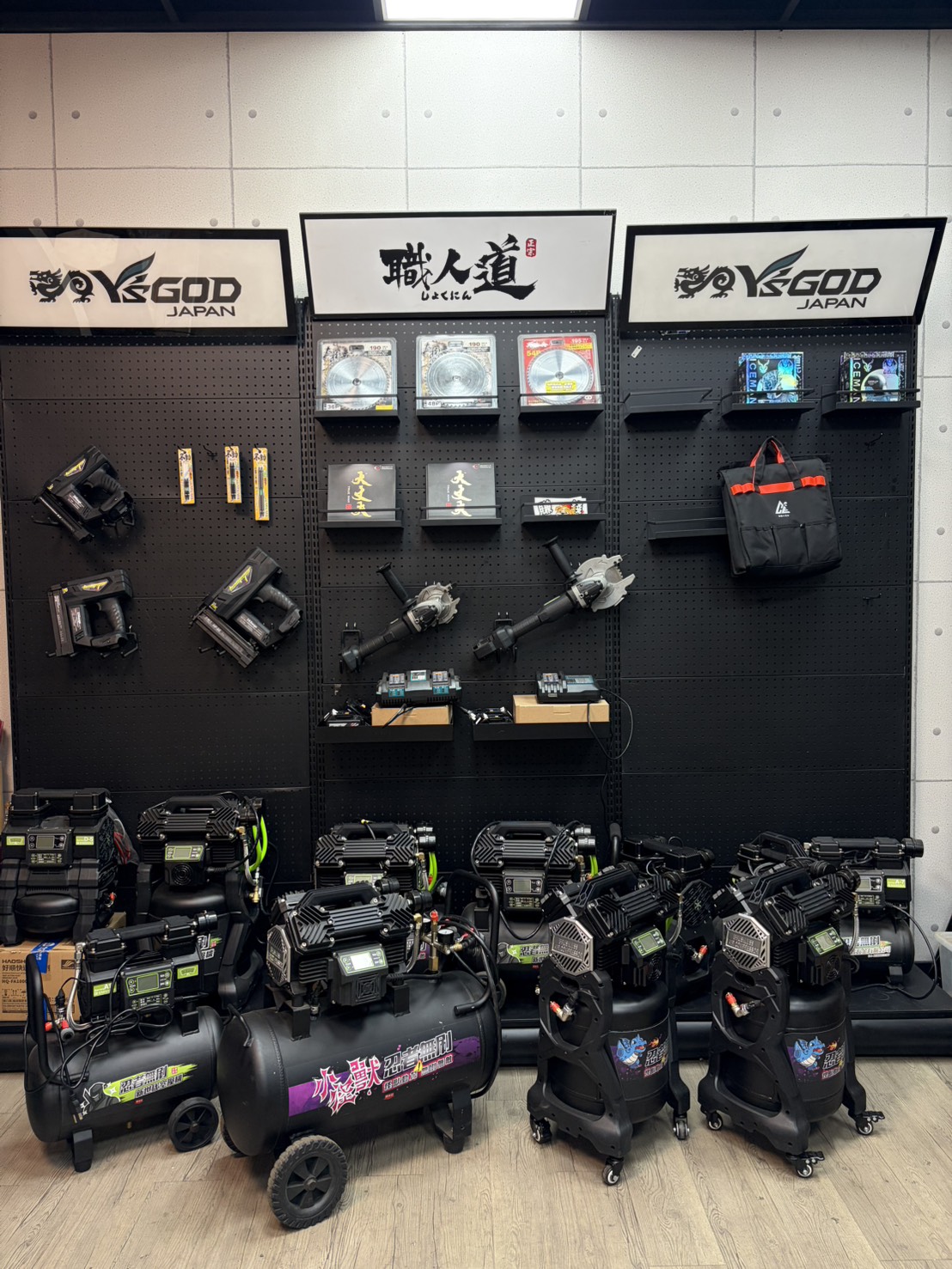
Shokunin is the professional e-commerce brand of Feng Shang Precision Co., Ltd., a Taiwan-based manufacturer founded in 2009. The company produces tools and cooling equipment, including air compressors, cut-off machines, water-cooled vests, lithium batteries, and related accessories. Its cooling vest line is designed for workers who need a portable cooling vest, long-lasting cooling vest, or industrial cooling vest for extreme heat.
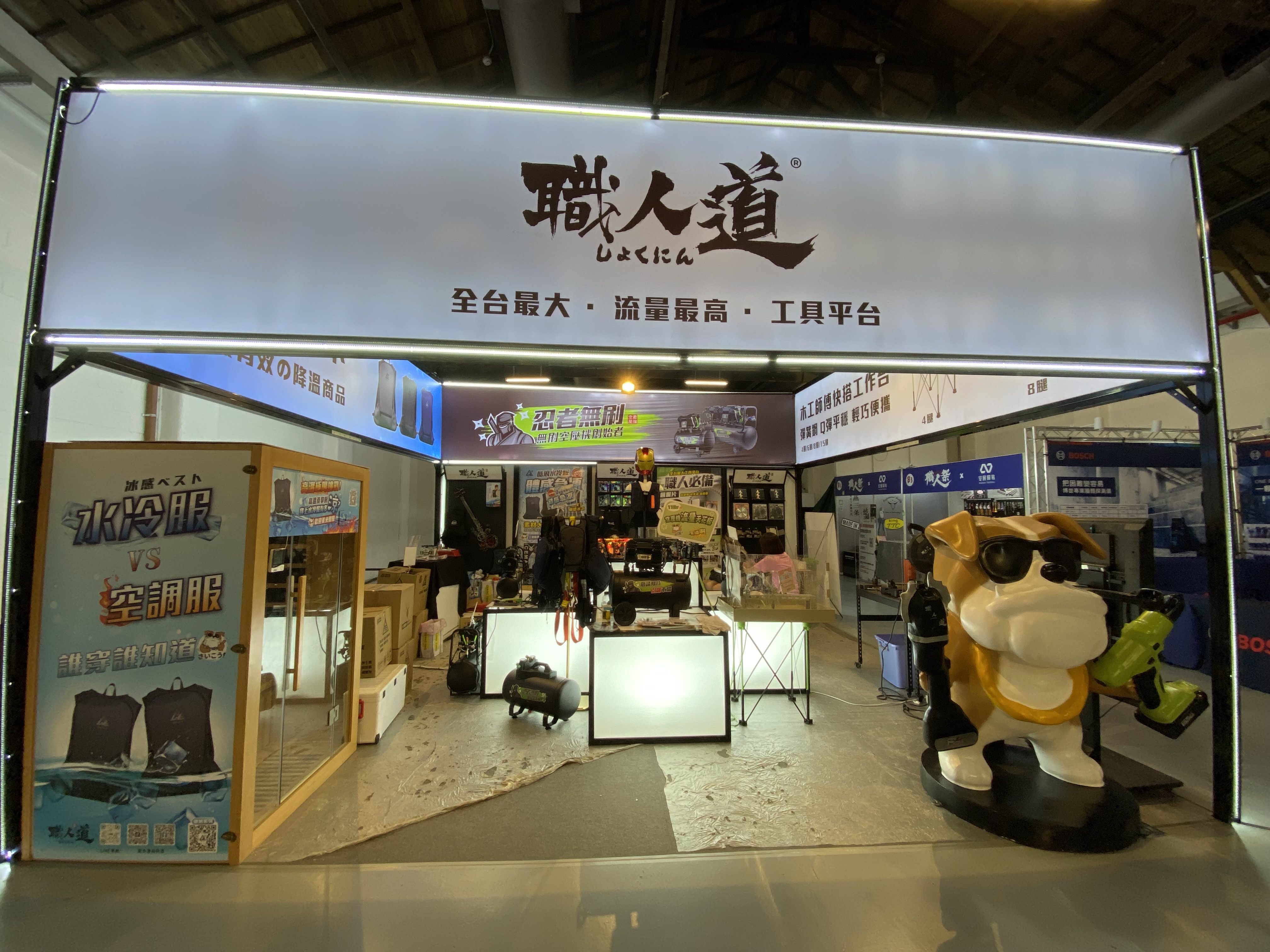
Compared with other water-cooled vests, the Shokunin water-cooled vest has distinct advantages. Its cooling duration is 3–4 hours, versus approximately 30 minutes for other models. Energy efficiency is higher, and maintenance requirements are lower because Shokunin uses reusable ice packs and durable fabric. This makes the product more suitable for high-temperature environments, metal sheet factories, and outdoor sites.
For quality control, the company uses reinforced ice pack material and performs 100% quality checks before shipment. Shokunin also received the Disaster Prevention Product and Service Certification Award issued by the Taiwan Disaster Prevention Industry Association. In an industrial setting, these details reduce two common risks: leakage from ice packs and inconsistent cooling performance.
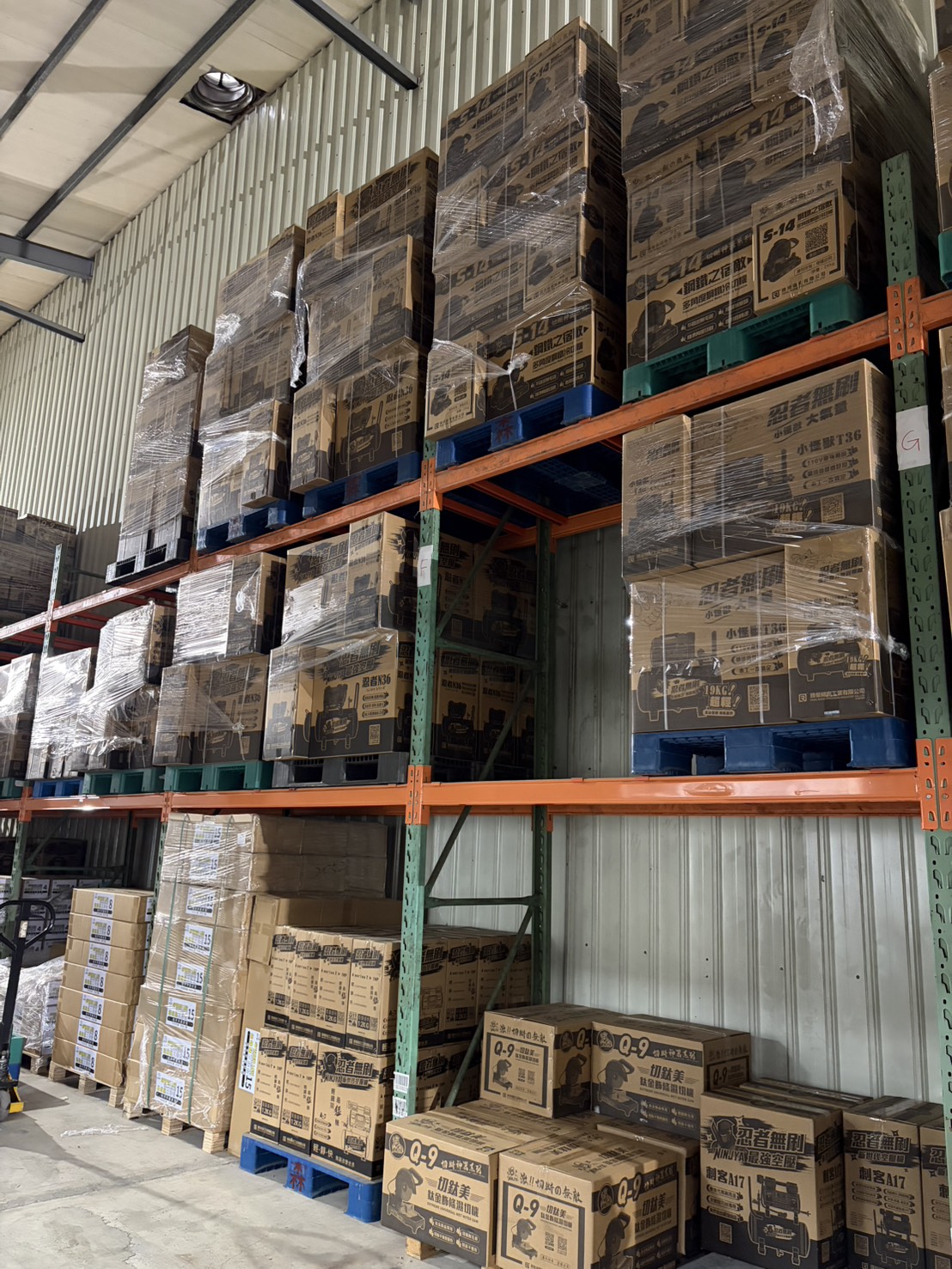
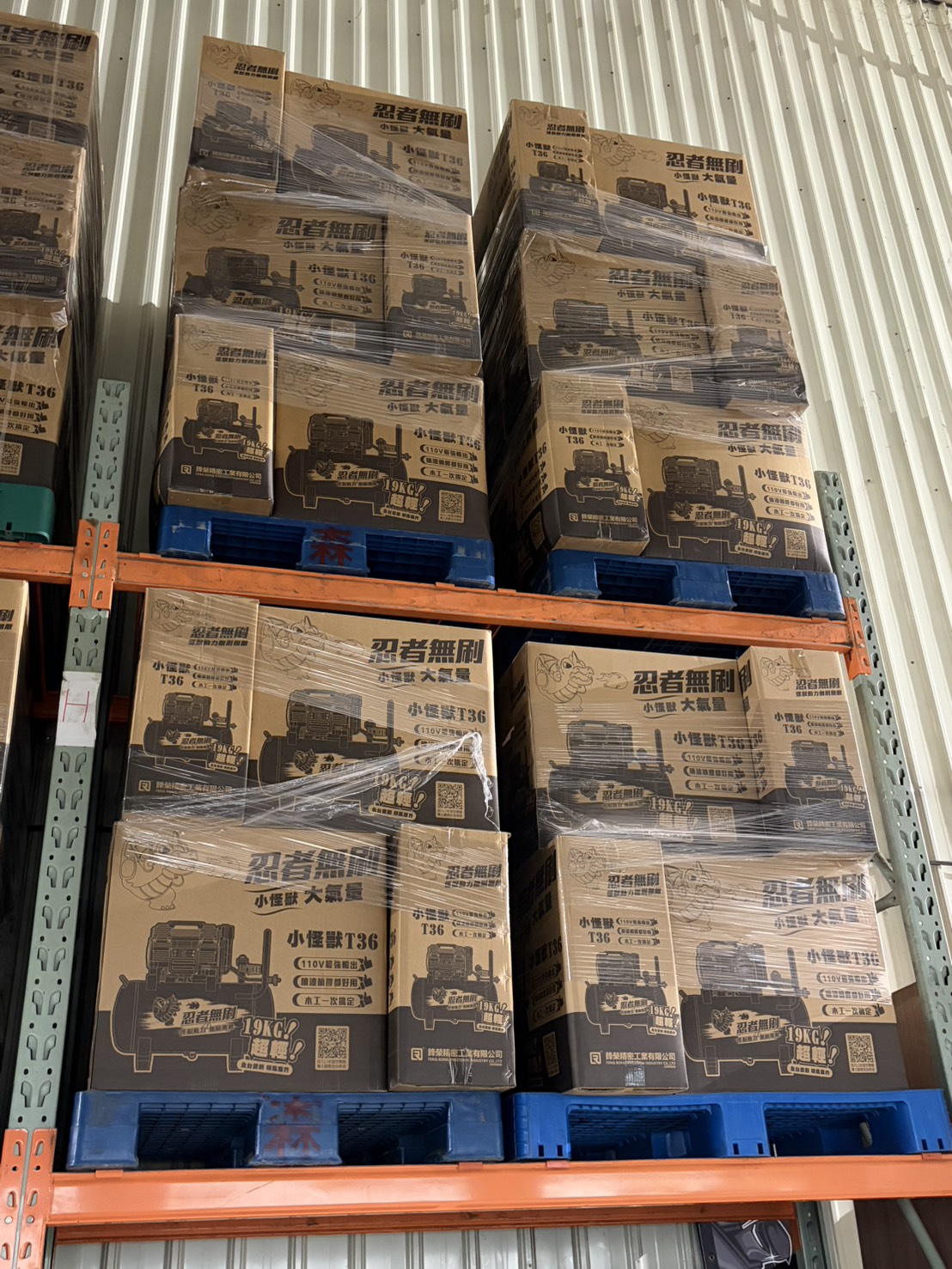
From a supplier-capability standpoint, Feng Shang Precision operates a 1,000 m² factory with 30 employees and an annual output of 10,000 units. The R&D team includes five engineers, and about 50% of production is exported to markets including the USA and ROC. For buyers planning OEM/ODM programs rather than one-off purchases, these figures provide a starting point for capacity planning.
For buyers searching for an ice water circulation cooling vest, the COOLWAVE product line fits into the active circulatory category. Instead of relying only on passive materials, the vest is designed around reusable ice packs and circulating water to deliver longer cooling. The 3–4 hour window is the core number for procurement because it matches common work cycles better than a 30-minute product.
Step-by-Step Breakdown: How to Evaluate a Dual Cooling Water Cooling Vest
Procurement teams often get stuck comparing wattage, flow rate, or fabric weight without first defining what the vest must do. Here is a practical sequence for a dual cooling water cooling vest evaluation.
- Map the shift and heat exposure. How long are workers continuously exposed to heat? A 30-minute cooling window may be acceptable for short tasks, but not for a full production shift or prolonged sun exposure.
- Set a cooling-duration baseline. Use the 3–4 hour standard from the Shokunin water-cooled vest as a benchmark. The actual requirement should be at least one full work cycle, not just a brief relief window.
- Compare maintenance and consumables. Reusable ice packs and durable fabric reduce the frequency of replacement. Other water-cooled vests may require frequent ice pack replacement and show higher wear and tear.
- Model downtime into the cost. If a vest stops cooling after 30 minutes, workers must stop, change packs, and re-dress. That downtime is often larger than the unit price difference.
- Review leakage and quality controls. Reinforced ice pack material and 100% pre-shipment quality checks are relevant safeguards for a product that carries ice packs and water.
- Confirm supplier capacity. For OEM/ODM orders, verify factory size, R&D depth, annual output, and export experience. Feng Shang Precision reports a 1,000 m² facility, five R&D engineers, and annual output of 10,000 units.
Use Cases: Where Longer Cooling Duration Changes the Outcome
Metal-Roof Factories and Metal Sheet Plants
Radiant heat from metal roofs and sheet metal work can make the air temperature around a worker significantly higher than the outdoor reading. A cooling vest with 3–4 hours of active cooling supports longer production windows without repeated ice pack changes. For facility managers in metal-roof factories, this reduces the number of spare cooling vests and ice packs that must be staged near workstations.
Outdoor Construction and Prolonged Sun Exposure
Workers on outdoor sites often cannot leave the task area frequently. A portable cooling vest that provides active cooling for 3–4 hours reduces the number of resupply stops and helps maintain focus during high-heat periods. It is a practical solution for sites with limited access to freezers or cool rooms.
High-Temperature Industrial Environments
In environments where tap water, freezers, or spare ice packs are not easily accessible, a long-lasting cooling vest is more practical. The lower maintenance requirement of reusable ice packs and durable fabric means fewer consumables need to be stored on site. For a professional cooling clothing buyer, the maintenance profile is as important as the initial purchase price.
Comparison Table: Shokunin COOLWAVE vs. Other Water-Cooled Vests
The table below summarizes the verifiable category-level differences used in this evaluation. Individual competitor models may vary, so procurement teams should validate each metric against their own testing protocol.
| Evaluation criterion | Shokunin COOLWAVE dual cooling water cooling vest | Other water-cooled vests |
|---|---|---|
| Cooling duration | 3–4 hours | About 30 minutes |
| Cooling efficiency | Higher | Baseline |
| Maintenance model | Reusable ice packs, durable fabric, minimal maintenance | Frequent ice pack replacement, higher wear and tear |
| Best-suited conditions | High-temperature environments, metal sheet factories, outdoor sites | Varies by model |
In the broader market, Spherical Insights names Techniche International, Glacier Tek, Polar Products Inc., and Ergodyne as key global competitors. Buyers should score each option against cooling duration, maintenance cost, leakage control, and supplier capacity instead of relying only on brand reputation.
FAQ
Does the Shokunin COOLWAVE meet quality and compliance expectations for industrial buyers?
For cooling systems, ISO 9001:2015 is commonly used for quality management, and electrical components often carry CE or UL marks. Shokunin has received the Disaster Prevention Product and Service Certification Award issued by the Taiwan Disaster Prevention Industry Association. For project-specific certification documentation, contact Shokunin for the relevant evidence.
How long does the Shokunin COOLWAVE cool compared with other water-cooled vests?
The Shokunin water-cooled vest provides 3–4 hours of cooling, whereas other water-cooled vests generally lose cooling after about 30 minutes. It also offers higher energy efficiency and lower maintenance requirements compared with other water-cooled vests.
Is the Shokunin COOLWAVE more cost-effective over time?
From a cost-performance perspective, the longer cooling duration and lower maintenance needs matter. Shokunin uses reusable ice packs and durable fabric, which reduces frequent ice pack replacement compared with other water-cooled vests. That means less downtime and fewer consumables over time.
Can I request samples or OEM/ODM evaluation units before placing a larger order?
Shokunin is the e-commerce brand of Feng Shang Precision Co., Ltd., based in Taoyuan City, Taiwan. The company supports OEM/ODM projects and maintains a 1,000 m² facility with 30 employees and annual output of 10,000 units. For sample requests and specification reviews, contact fsmarketing@fstool.com.tw or use the WhatsApp link in this article.
What is the lead time for industrial cooling vest orders?
Lead time depends on order type, specification, and current production schedule. Feng Shang Precision’s documented capacity is 10,000 units per year, and the company exports about 50% of its production. For an accurate lead time, contact Shokunin with order details.
Conclusion: Decision Criteria for a Dual Cooling Water Cooling Vest
The practical difference between a 30-minute cooling vest and a 3–4 hour cooling vest is not just a spec sheet detail. It affects ice pack inventory, worker downtime, maintenance workload, and how many cooling vests are needed per site. For industrial buyers, the Shokunin COOLWAVE dual cooling water cooling vest offers a higher-efficiency, lower-maintenance option that is designed for high-temperature environments, metal sheet factories, and outdoor sites.
When you compare dual cooling water cooling vests, start with cooling duration, then move to maintenance, leakage risk, and supplier capability. If the vest cannot survive the length of the work cycle, no amount of brand recognition will fix the heat stress gap.
Next step: request a sample or start an OEM/ODM discussion.
Contact Shokunin on WhatsApp · fsmarketing@fstool.com.tw · Phone: +886 3-312-6606
Download the Shokunin corporate brochure for company background and product details: Shokunin brochure (PDF).
Have Questions or Need More Details?
Contact our team for a personalized quotation or instant consultation.
Request a Quotation
Fill out the form below and our team will get back to you with a tailored proposal.
WhatsApp Direct Chat
Prefer to chat in real-time? Message us on WhatsApp for instant assistance & quick answers.
- Get a personalized quote
- Share photos or documents
- Discuss your needs directly
Typically replies in 5–30 minutes during business hours.