
Dual Cooling Water Cooling Vests Explained: PPE Concepts for Industrial Heat Stress
A dual cooling water cooling vest is an industrial cooling apparel item classified under Personal Protective Equipment (PPE) in the supplied product data. In practice, the category describes a wearable vest used with a portable water-circulation system and ice packs. The Shokunin COOLWAVE Water-Circulation Cooling Vest is one example: its product records list a water-cooled vest backpack, two ice packs, a 3 to 4 hour cooling duration, a 5V 150mA maximum pump, a 320 to 370 ml/min maximum flow rate, and a net weight within 2 kg. This explainer covers the PPE concept, the basic water-circulation idea, the components buyers should recognize, and the work settings named for the product. It does not treat a product listing as a guarantee of heat-stress prevention.
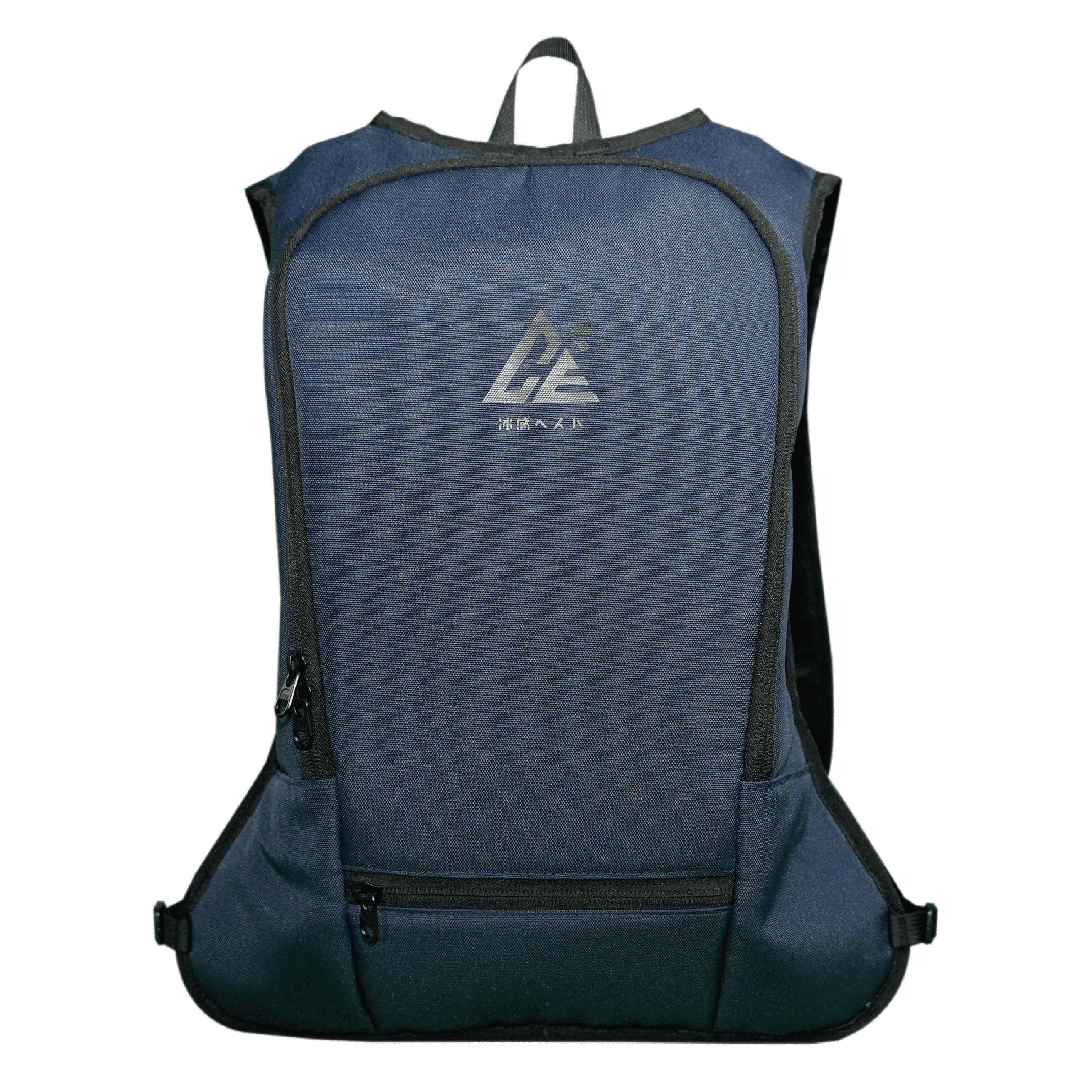
What Does Dual Cooling Mean in This Product Context?
In this product context, dual cooling refers to combining two ice packs with a water-circulation loop rather than relying on one cooling method alone. The supplied product record lists two ice packs, a water bag, a pump, a cooling tube, and a water-circulation cooling mode. A secondary product description describes the ice packs as the cold source and a pump powered by a power bank to circulate chilled water. The exact operating sequence and power-source package should be confirmed in technical documentation because the supplied contents list names the water-cooled vest backpack and two ice packs, but does not name a power bank.
For a first-time buyer, the important point is to separate the architecture from the performance claim. Dual cooling is a description of how the product is put together: an ice-pack cold source plus a circulating water loop. It is not a certified runtime rating. The listed 3 to 4 hour duration and the listed flow rate still need to be matched to the intended site conditions, workload, and user routine.
Answer-first definition: A dual cooling water cooling vest is wearable industrial cooling apparel that uses a water-circulation setup with ice packs to create a portable cooling system. In the COOLWAVE records, the setup includes a water-cooled vest backpack and two ice packs, with a listed 3 to 4 hour cooling duration.
Why PPE Framing Matters for Industrial Heat Stress
Industrial heat stress is a workplace exposure that can affect people working in construction, outdoor operations, food stalls, traffic control, and metal sheet factories. The U.S. National Institute for Occupational Safety and Health (NIOSH) identifies water-cooled garments, air-cooled garments, cooling vests, and wetted overgarments as examples of personal cooling systems for heat exposure. That classification is useful in procurement because it places the vest in a support role rather than a stand-alone safety guarantee.
Personal cooling apparel does not replace engineering controls, shade, rest breaks, hydration, acclimatization, or medical monitoring. It is one layer in a broader heat-stress management program. Buyers should therefore evaluate a water-circulation cooling vest as PPE-adjacent equipment: what it is, what it includes, how long the listed cooling lasts, and which conditions must be verified on site. This is especially relevant for teams comparing portable cooling vests, industrial cooling vests, and professional cooling clothing for outdoor work.
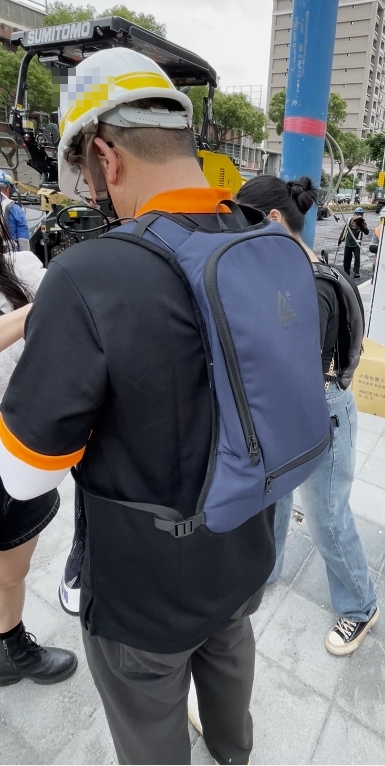
The Water-Circulation Concept in Plain Terms
A water-circulation cooling vest uses a pump to move water through a loop connected to a water bag and cooling tube. The COOLWAVE record lists a 5V, 150mA maximum pump and a maximum flow rate of 320 to 370 ml/min. The water bag is made of TPU, the water bag cap is polypropylene, and the cooling tube is sand rubber. The shoulder strap is 600D polyester. These are component facts, not proof of cooling performance.
The flow-rate figure matters because it tells the buyer what the pump is specified to deliver at maximum. It does not by itself state the heat removal achieved on a worker. Runtime, ambient conditions, workload, clothing layers, water temperature, and ice-pack management all affect what a user experiences. The listed cooling duration is 3 to 4 hours, but the supplied record does not state the test method, ambient temperature, humidity, or workload used to define that duration. That gap belongs in a sample-test plan.
For buyers searching for a circulating cooling vest, an ice water circulation cooling vest, or a portable cooling vest, the practical question is not only whether water moves through the vest. It is whether the supplied pump, water bag, ice packs, and tube set can be maintained and validated for the intended shift. A pump rated at 5V and 150mA maximum also raises a power-source question: the product record lists the pump, but the contents list does not name a power bank. Procurement teams should confirm the required power source and whether it is supplied separately.
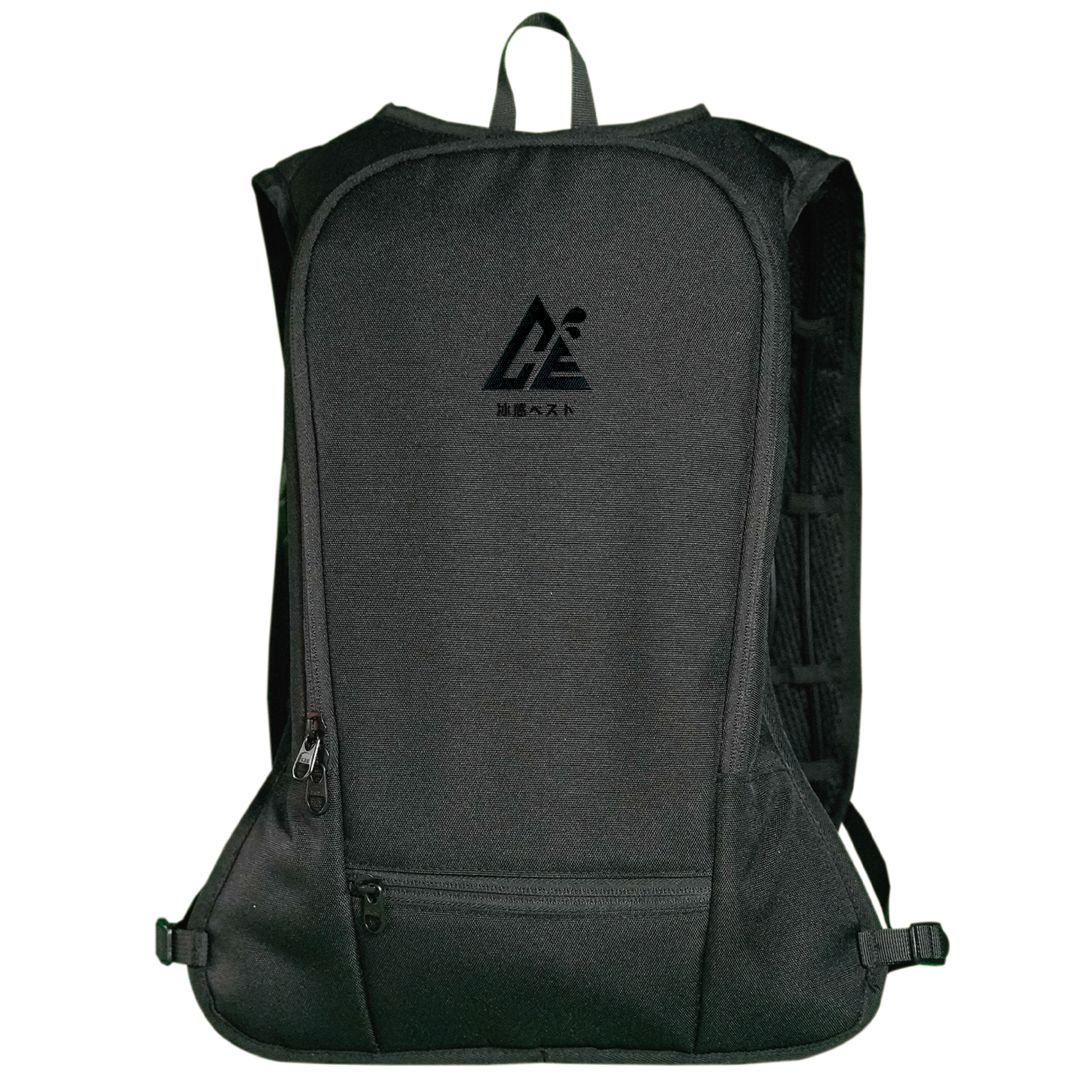
What Is Included With the COOLWAVE Vest?
The supplied contents list for the COOLWAVE Water-Circulation Cooling Vest includes one water-cooled vest backpack and two ice packs. The available model designations are Basic Model and Professional Model in Black, Gray, and Blue. Product records list the same core contents and specifications across these entries; buyers should still confirm the exact configuration on the quotation.
The vest is described as Industrial Cooling Apparel and Personal Protective Equipment (PPE). Its listed net weight is within 2 kg. The listed suitable temperature condition is below 10°C. That temperature condition should be clarified before purchase because the record does not say whether it refers to ambient temperature, water temperature, or storage. Material callouts are TPU for the water bag, polypropylene for the water bag cap, sand rubber for the cooling tube, 600D polyester for the shoulder strap, and PEVA as a listed material. For procurement, these callouts identify the parts to inspect during sampling: bag, cap, tube, strap, and vest construction.
Key Specifications Buyers Should Read Carefully
The specification list is short, so each line deserves attention. The listed cooling duration is 3 to 4 hours. The listed net weight is within 2 kg. The pump is rated at 5V and 150mA maximum. The maximum flow rate is 320 to 370 ml/min. The listed suitable temperature condition is below 10°C. The included contents are one water-cooled vest backpack and two ice packs. The model designations are Basic Model and Professional Model in Black, Gray, and Blue.
These figures help a buyer screen the product, but they do not answer every deployment question. A long-lasting cooling vest claim should be tied to a defined test condition. A lightweight cooling vest claim should be checked with the full worn setup, not only the vest shell. A high-efficiency cooling work vest claim should be supported by a thermal-performance method, not only a pump flow figure. The COOLWAVE record gives the listed inputs; the buyer must verify the outcomes.
Materials and What They Tell a Buyer
The material list is compact but useful for inspection. TPU is listed as the water bag material. Polypropylene is listed for the water bag cap. Sand rubber is listed for the cooling tube. 600D polyester is listed for the shoulder strap. PEVA is also listed as a material in the product record. Buyers should ask which component the PEVA covers and how each material behaves under repeated use, cleaning, and storage.
Material names do not replace testing. They do tell the procurement team what to examine in a sample review. Check the water bag seams and closure, the cap fit, the tube routing and connection points, and the shoulder-strap adjustment. For construction and outdoor work, also check whether the vest can be worn over the intended clothing layer and whether the backpack arrangement suits the task. These checks are more useful than treating a material name as a durability promise.
Step-by-Step Evaluation Before Deployment
Step 1: Define the work exposure. Identify whether the user group works in construction, outdoor operations, food stalls, street vending, traffic control, or metal sheet factories. Note the likely duration of sun exposure and the physical demands of the task.
Step 2: Confirm the model and contents in writing. Ask for the selected designation, such as Basic Model or Professional Model in Black, Gray, or Blue. Confirm that the quotation includes one water-cooled vest backpack and two ice packs.
Step 3: Confirm the power source. The pump is listed at 5V and 150mA maximum. The supplied contents list does not name a power bank, so the buyer should ask how the pump is powered and what power source is required for operation.
Step 4: Request a runtime test under representative conditions. The listed 3 to 4 hour duration should be checked against the intended ambient conditions and workload. Ask for the test method, temperature, humidity, and user activity level used to define runtime.
Step 5: Inspect the water-contact parts. Review the TPU water bag, polypropylene cap, sand rubber tube, and connection points. Confirm cleaning, refilling, and storage instructions.
Step 6: Plan ice-pack rotation and water management. The product uses two ice packs. A site plan should define how packs are frozen, exchanged, and tracked during a shift.
Step 7: Integrate the vest into the heat-stress program. Use the vest as a supplemental cooling measure alongside rest, hydration, acclimatization, and supervision. Do not present the product as a substitute for those controls.
Where the Vest Is Intended to Be Used
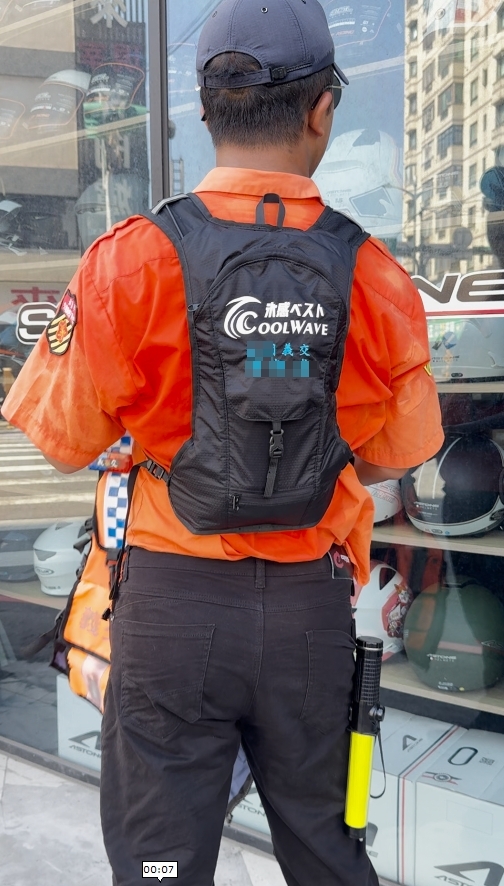
The product is intended for construction workers, outdoor workers, food stall operators, street vendors, traffic controllers, and sheet metal factory workers. The named scenarios are construction, outdoor work, food stall operations, street vending, traffic control, and sheet metal factories.
These settings share a practical need for portable cooling support, but they do not share identical conditions. A traffic controller may face prolonged sun exposure. A food stall operator may work in a hot, crowded space. A metal sheet factory worker may face radiant heat and industrial clothing constraints. A construction crew may need a vest that can be worn over work clothing and managed between tasks. For that reason, the same industrial cooling vest should be evaluated against the actual work routine rather than a single generic claim.
Comparison Table: COOLWAVE Model Designations and Listed Data
The table below compares only the model designations and listed product data supplied in the content units. It is not a ranking and does not claim that one model performs better than another.
| Model designation | Listed variant or color | Listed contents | Listed shared specifications |
|---|---|---|---|
| COOLWAVE Water-Circulation Cooling Vest (Basic Model) | Basic Model | Water-cooled vest backpack x1; ice packs x2 | Cooling duration 3 to 4 hours; net weight within 2 kg; pump 5V, 150mA maximum; flow rate 320 to 370 ml/min maximum; suitable temperature below 10°C |
| COOLWAVE Water-Circulation Cooling Vest (Professional Model - Black) | Black | Water-cooled vest backpack x1; ice packs x2 | Cooling duration 3 to 4 hours; net weight within 2 kg; pump 5V, 150mA maximum; flow rate 320 to 370 ml/min maximum; suitable temperature below 10°C |
| COOLWAVE Water-Circulation Cooling Vest (Professional Model - Gray) | Gray | Water-cooled vest backpack x1; ice packs x2 | Cooling duration 3 to 4 hours; net weight within 2 kg; pump 5V, 150mA maximum; flow rate 320 to 370 ml/min maximum; suitable temperature below 10°C |
| COOLWAVE Water-Circulation Cooling Vest (Professional Model - Blue) | Blue | Water-cooled vest backpack x1; ice packs x2 | Cooling duration 3 to 4 hours; net weight within 2 kg; pump 5V, 150mA maximum; flow rate 320 to 370 ml/min maximum; suitable temperature below 10°C |
The supplied records show the same core contents and performance-related specifications across these designations. Buyers should confirm the final configuration, power-source requirement, and test conditions at quotation because the records do not describe differences beyond the model designation and color.
Limitations and Verification Points Before Purchase
The product data is company-supplied. The supplied verified data package does not include an independent thermal-performance test for this model, and the 3 to 4 hour cooling duration is not accompanied by a stated test method. The flow rate is a maximum pump specification, not a heat-removal measurement. The suitable temperature condition of below 10°C is listed without a definition of whether it refers to ambient temperature, water temperature, or storage. The power bank is not named in the contents list, so the buyer should confirm the power source separately.
PPE classification is not the same as certification to a specific product standard. Buyers should request the technical documentation relevant to their market and application, and they should validate the vest in a representative sample test before wide deployment. The product should be described as personal cooling apparel that supports a heat-stress program, not as a guaranteed heatstroke-prevention device.
Frequently Asked Questions
What is a dual cooling water cooling vest?
A dual cooling water cooling vest is industrial cooling apparel that combines a water-circulation system with ice packs. In the COOLWAVE product record, the setup includes a water-cooled vest backpack and two ice packs, and the vest is classified as Industrial Cooling Apparel and Personal Protective Equipment (PPE). The listed cooling duration is 3 to 4 hours.
What is included with the COOLWAVE vest?
The supplied contents list includes one water-cooled vest backpack and two ice packs. The available model designations are Basic Model and Professional Model in Black, Gray, and Blue. The records list a net weight within 2 kg and a pump rated at 5V and 150mA maximum.
How long does the cooling last, and what should buyers verify?
The listed cooling duration is 3 to 4 hours. Buyers should verify the test method used to define that duration, including ambient temperature, humidity, workload, and clothing layers. The supplied record does not state those conditions, so a representative sample test is the practical way to confirm fit for a specific work site.
What do the 5V and 150mA pump and 320 to 370 ml/min flow rate mean?
The pump is listed at 5V and 150mA maximum, with a maximum flow rate of 320 to 370 ml/min. These are electrical and flow specifications. They do not by themselves prove cooling performance. Buyers should ask for the power-source requirement, pump datasheet, and flow-test conditions before comparing the vest with other circulating cooling vests.
Which materials are listed for the water bag, cap, tube, and strap?
The water bag is listed as TPU, the water bag cap as polypropylene, the cooling tube as sand rubber, and the shoulder strap as 600D polyester. PEVA is also listed as a product material. These callouts help buyers identify the parts to inspect during sampling, but they are not a substitute for durability or cleaning tests.
Who is the vest intended for?
The product is intended for construction workers, outdoor workers, food stall operators, street vendors, traffic controllers, and sheet metal factory workers. It is designed for construction, outdoor work, food stall operations, street vending, traffic control, and sheet metal factory scenarios. Each setting should be evaluated against its own heat exposure and work routine.
How can a procurement team review the product before ordering?
Start by confirming the model designation, contents, power-source requirement, and test conditions in writing. Then review the supplied brochure and inspect a sample against the intended work scenario. The product brochure can be downloaded here: COOLWAVE product brochure. For company details, use the official Shokunin and FENG SHANG PRECISION CO., LTD. website.
Conclusion: A Clear PPE Concept, With Conditions to Verify
The dual cooling water cooling vest is best understood as industrial cooling apparel that pairs a water-circulation system with ice packs. The Shokunin COOLWAVE example lists a water-cooled vest backpack, two ice packs, a 3 to 4 hour cooling duration, a 5V 150mA maximum pump, a 320 to 370 ml/min maximum flow rate, a net weight within 2 kg, and materials including TPU, polypropylene, sand rubber, 600D polyester, and PEVA. Its intended users include construction workers, outdoor workers, food stall operators, street vendors, traffic controllers, and sheet metal factory workers.
The product is marketed under Shokunin, the brand of FENG SHANG PRECISION CO., LTD., a Taiwan-based manufacturer established in 2009. The company lists a 1,000 m² manufacturing facility and an annual production capacity of 10,000 units. For procurement, the next step is not to rely on the category label alone. Confirm the model, contents, power source, and test conditions, then evaluate the vest against the real work environment and the broader heat-stress controls already in place.
Next step: review the product brochure or contact Shokunin through the official company website to confirm model options, contents, power-source requirements, and sample-test conditions.
Have Questions or Need More Details?
Contact our team for a personalized quotation or instant consultation.
Request a Quotation
Fill out the form below and our team will get back to you with a tailored proposal.
WhatsApp Direct Chat
Prefer to chat in real-time? Message us on WhatsApp for instant assistance & quick answers.
- Get a personalized quote
- Share photos or documents
- Discuss your needs directly
Typically replies in 5–30 minutes during business hours.