
Dual Cooling Water Vest vs. Ice-Pack PPE: Crew Fit
For most industrial crews, the choice between the Shokunin COOLWAVE dual cooling water cooling vest and passive ice-pack cooling comes down to shift length, power access and load tolerance. Active water circulation fits multi-hour work in high heat when a worker can carry the sub-2 kg system and a compatible power bank. Passive ice-pack cooling fits no-power sites, short or intermittent tasks, and workers who need the simplest possible vest. Neither method is universally better; each solves a different part of the heat-stress problem.
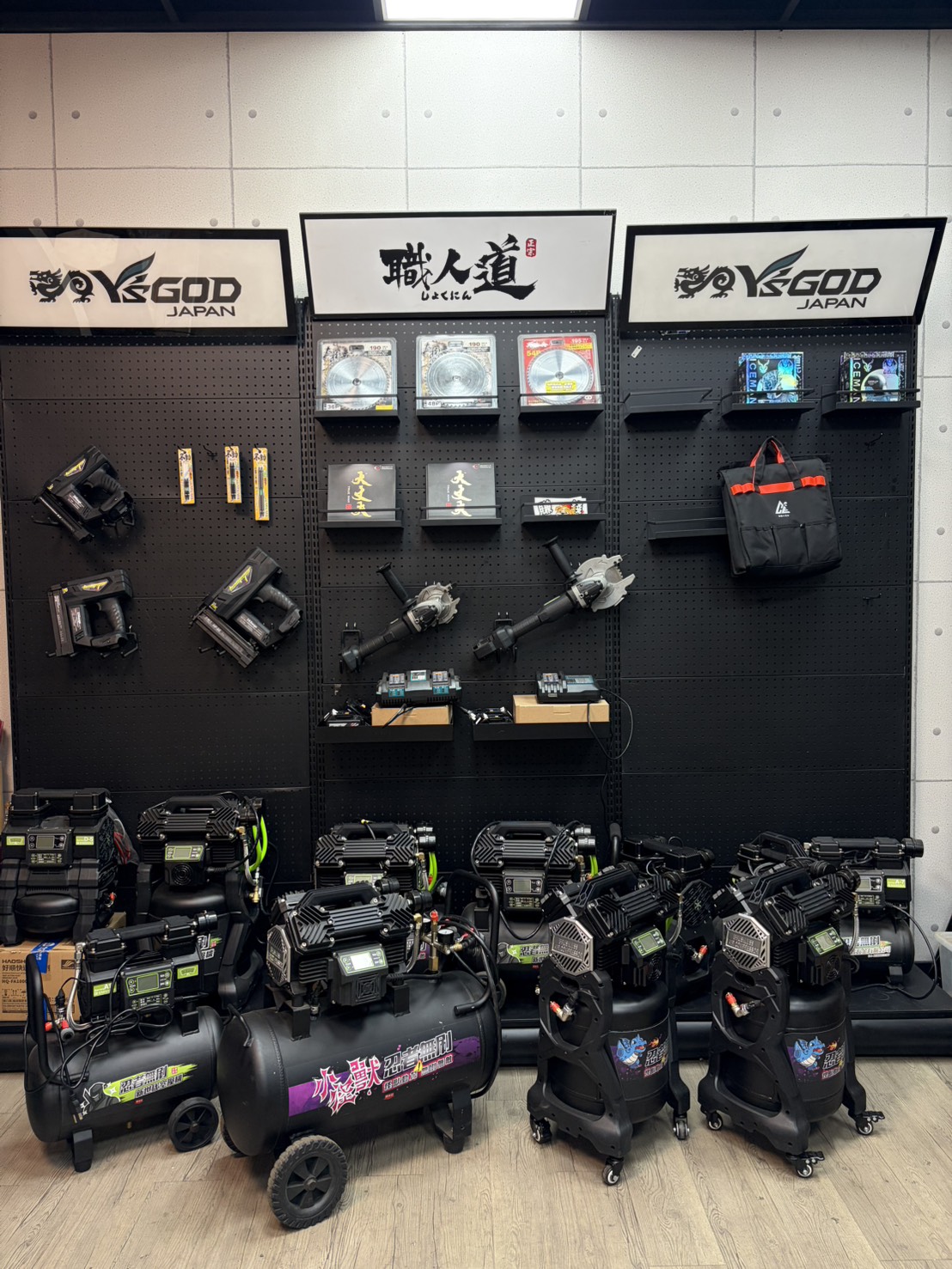
Shokunin is the professional tool brand launched by Feng Shang Precision Co., Ltd., a Taiwan-based manufacturer. The COOLWAVE dual cooling water cooling vest is a powered circulating cooling vest that uses reusable ice packs as the cold source and a pump to move chilled water around the torso. Passive ice-pack cooling uses frozen packs without a pump, battery or circulation loop. Both are industrial cooling equipment, but they place different demands on the worker, the supervisor and the procurement team.
Problem definition: heat exposure versus PPE burden
The core problem is not simply hot weather. It is the combination of heat, workload, clothing and shift duration that raises heat stress for construction crews, outdoor workers, food-stall operators, street vendors, traffic-control staff and sheet-metal factory teams. NIOSH identifies water-cooled garments, air-cooled garments, cooling vests and wetted overgarments as examples of personal cooling systems for heat exposure. That classification is useful because it frames cooling vests as heat-management equipment, not ordinary apparel.
For buyers, the harder question is whether a cooling vest will be worn consistently. A system that is too heavy, needs constant ice changes or requires a power source the crew cannot manage may fail in practice even if its catalogue specification looks strong. A system that is simple but loses cooling too soon may also fail during long shifts. The comparison therefore needs to look at runtime, power, weight, fit, maintenance and certification together.
Market context supports the focus on industrial use. A 2026 Dataintelo report estimates the global cooling-vest market at USD 342 million in 2025, with industrial applications accounting for 34.5% of revenue. That does not prove which product fits a specific crew, but it does show why buyers are asking for documented industrial cooling equipment rather than generic outdoor cooling products.
How the COOLWAVE dual cooling water cooling vest works
The COOLWAVE system is an ice water circulation cooling vest with a dual cooling architecture: reusable ice packs provide the cold source, and a small pump circulates chilled water through the vest. The manufacturer-described set includes a water-cooled vest backpack plus two ice packs. The pump is rated at 5V and 150mA maximum, with a stated flow rate of 320–370 ml/min. A secondary source describes the pump as powered by a power bank, so power-bank compatibility should be confirmed during sampling.
The supplier listing states a cooling duration of 3–4 hours per charge and ice-pack cycle. It also lists a net weight within 2 kg, which places the system in the sub-2 kg class. The same listing states a suitable temperature below 10°C, but it does not define whether that figure refers to ambient air, water temperature or another condition. Treat that number as a specification to clarify in the RFQ rather than an unconditional ambient rating. For a high-temperature site, the practical test is whether the vest delivers useful cooling under the site's actual temperature, humidity, workload and clothing combination.
Within the water-circulation category, Shokunin's comparison material states 3–4 hours of cooling versus about 30 minutes for other water-cooled vests. It also claims higher energy efficiency and lower maintenance because the system uses reusable ice packs and durable fabric, while other water-cooled vests may need frequent ice-pack replacement. Those claims are category-specific: they compare the COOLWAVE line with other water-cooled vests, not with passive ice-pack vests. That distinction matters because passive ice packs use no pump power at all.
For the buyer, the active system's main advantage is sustained circulation during a multi-hour shift. The main obligations are power management, ice-pack logistics, weight tolerance and leak control. The risk-control measure stated for ice packs is reinforced ice-pack material and 100% quality guaranteed before shipment. That is the kind of control to ask for in a sample evaluation, because ice-pack leakage can end a worker's day faster than heat alone.
How passive ice-pack cooling works
Passive ice-pack cooling is defined by what it does not need: no pump, no battery and no water-circulation loop. Frozen packs are placed in the vest, and the worker relies on conduction and the vest's insulation to slow heat gain. This makes passive systems attractive where charging is unreliable, where workers rotate quickly, or where a supervisor wants the lowest possible training burden. Many passive vests are lightweight and portable, and adjustable one-size-fits-all designs are common, though the actual size range should be confirmed for each model.
Passive ice-pack cooling also has a certification angle that buyers should examine carefully. Where the exact passive model already holds the relevant disaster-prevention product certification for the target market, it can be a simpler compliance choice because it avoids pump and power-bank requirements. Certification is model-specific, however. Passive construction alone does not prove that a vest is certified. For comparison, Shokunin's COOLING water-cooled vest is stated to have received the Disaster Prevention Product and Service Certification Award issued by the Taiwan Disaster Prevention Industry Association. A buyer evaluating any passive ice-pack vest should ask for the certificate for the exact model, market and scope rather than relying on a category claim.
The limitation of passive cooling is duration control. The supplied material does not give a passive ice-pack runtime, and runtime will vary with ice mass, insulation, ambient temperature, humidity, workload and how often the vest is opened or adjusted. A passive vest may be excellent for a 60- to 90-minute task and poor for a four-hour shift without spare packs and a change procedure. That is why passive cooling should be tested against the real task, not judged only by the phrase 'ice cooling vest'.
Side-by-side comparison for decision makers
The table below compares only the documented characteristics relevant to crew selection. It does not declare a universal winner. Use it to identify which constraints your crew can accept.
| Decision factor | COOLWAVE dual cooling water circulation vest | Passive ice-pack cooling |
|---|---|---|
| Cooling method | Reusable ice packs plus pump-driven water circulation through the vest. | Frozen ice packs only; no pump or circulating water. |
| Power requirement | 5V, 150mA maximum pump; a secondary source describes power-bank operation. Confirm compatible power-bank capacity and runtime. | No power required for cooling. No battery, pump or charging logistics. |
| Stated cooling duration | 3–4 hours per charge and ice-pack cycle, based on supplier listing. Test conditions are not disclosed. | No numeric runtime is supplied. Duration depends on ice mass, insulation, ambient conditions and workload. |
| Water flow | 320–370 ml/min stated flow rate. Measurement conditions should be confirmed. | Not applicable; no circulation loop. |
| Weight and carry | Supplier-listed net weight within 2 kg, plus power bank and ice-pack logistics. | Generally lightweight and portable; actual weight varies by model and ice load. |
| Temperature specification | Listing states suitable temperature below 10°C, but the measurement point is not defined. Clarify before treating it as an ambient limit. | No supplied numeric temperature rating. Real performance depends on ice and insulation. |
| Included configuration | Water-cooled vest backpack plus two ice packs in the described set. | Configuration varies. Confirm vest, number of ice packs, spare packs and replacement procedure. |
| Certification | Shokunin COOLING water-cooled vest is stated to have the Disaster Prevention Product and Service Certification Award from the Taiwan Disaster Prevention Industry Association. | Ask for model-specific disaster-prevention product certification where required. Do not assume category-wide certification. |
| Maintenance focus | Pump, tubing, water bag, ice packs and power bank. Reusable ice packs and durable fabric are claimed to reduce upkeep. | Ice-pack freezing, replacement, condensation and vest cleaning. More frequent pack changes may be needed. |
| Best-fit conditions | Long hot shifts, high-temperature environments, metal sheet factories and outdoor sites where power and load are manageable. | No-power sites, short or intermittent tasks, rapid worker rotation and simple deployment. |
Step-by-step: choose the right PPE for your crew
1. Map the actual heat exposure, not just the job title
Start with the task sequence. A construction crew may face prolonged sun exposure, radiant heat from materials and limited shade. A food-stall or street-vending worker may face hot equipment, crowded space and frequent movement. Traffic control may involve long standing periods with reflective clothing that adds heat burden. Sheet-metal and metal-roof factory teams may face radiant heat and hot surfaces. For each group, record how long the worker is continuously exposed, how often there is a break, and whether the worker can safely carry a backpack-style system.
2. Check power access and power-bank discipline
Active water circulation only works when the pump has power. The 5V, 150mA pump is a small electrical load, but the crew still needs charged power banks, spare batteries or charging procedures. If a site has no secure charging, passive ice packs remove that failure point. If the site has reliable charging and a supervisor can check power banks at shift start, the power-bank cooling vest becomes practical. The decision should include who owns charging, how many spare power banks are needed and what happens when a bank fails mid-shift.
3. Weigh load, fit and mobility against the task
The COOLWAVE system is listed within 2 kg net weight, but the worker also carries ice packs and a power bank. That may be acceptable for a construction or factory worker who is already wearing PPE, but less acceptable for a vendor who is moving constantly. Passive vests are generally lighter and easier to don, and adjustable one-size-fits-all designs can simplify sizing for mixed crews. Always test fit with the clothing layers the worker will actually wear; a professional cooling vest that restricts arm movement will not be worn consistently.
4. Verify certification and test conditions before purchase
Certification and performance claims must be checked at the model level. For the COOLWAVE vest, the company states that the COOLING water-cooled vest received the Disaster Prevention Product and Service Certification Award from the Taiwan Disaster Prevention Industry Association. For passive ice-pack vests, request the equivalent certificate for the exact model and target market. Also ask for the test conditions behind any runtime claim: ambient temperature, humidity, workload, clothing, water temperature, ice-pack mass and pump flow measurement method. Without those conditions, a 3–4 hour claim and a passive runtime estimate are not directly comparable.
5. Plan ice, maintenance and a sample before rollout
Ice logistics decide whether either system works in daily use. Active systems need frozen packs plus a water reservoir and pump check. Passive systems need enough frozen packs to cover the shift and a clean change procedure. Ask about leak control: reinforced ice-pack material and a pre-shipment quality check are relevant controls for any ice-pack system. Then run a sample with real workers. A sample should cover a full shift, include the actual PPE layers, and record cooling comfort, fit, weight, ice changes, power-bank use and any leakage. This is more useful than a catalogue comparison alone.
Use cases: which setup fits when
Construction and outdoor work
For construction crews and outdoor workers facing prolonged sun exposure, the COOLWAVE water-circulation vest is the stronger fit when shifts run several hours and the worker can carry the backpack and power bank. The stated 3–4 hour cooling duration covers a meaningful part of a shift, and the circulating water provides active cooling rather than static ice contact. Passive ice-pack vests remain useful for short tasks, emergency response, or crews that cannot manage charging. For sweat-proof cooling gear for construction, test fabric, fit and washability rather than relying on a marketing phrase.
Food stalls and street vending
Food-stall operators and street vendors often work in hot, cramped spaces with limited power and frequent movement. Passive ice-pack cooling is often the simpler choice because it needs no power bank and is easy to remove when the worker steps into a customer area. A lightweight cooling vest with adjustable straps can be practical for intermittent heat. The active COOLWAVE system becomes more relevant when the vendor works a long, continuous outdoor shift and has a safe place to charge a power bank. For cooling gear for unbearable summer heat, the decision should follow the work rhythm, not the product category alone.
Traffic control and event staff
Traffic-control staff and event crews need fast don-and-doff, high visibility and minimal fuss. Passive ice-pack vests fit that requirement well because there is no pump, tubing or battery to manage while the worker moves between positions. If the shift is long and the worker can carry a compact power bank, a circulating cooling vest can provide longer active cooling. The trade-off is administrative: someone must charge, issue and check the power banks. For short rotations, passive is usually easier; for long static posts, active circulation may be worth the extra logistics.
Sheet-metal and metal-roof factories
Sheet-metal factories and metal-roof factories combine radiant heat, hot surfaces and often limited airflow. The COOLWAVE vest is specifically positioned for high-temperature environments, metal sheet factories and outdoor sites, which makes it a natural candidate for these crews. The pump-driven flow of 320–370 ml/min is intended to move chilled water around the torso, and the 3–4 hour stated duration supports multi-hour factory shifts. Passive ice-pack vests can still be used for short maintenance tasks or as backup during power-bank charging, but they may need more frequent ice changes in radiant heat.
Mixed crews and rotation pools
Many sites do not need one answer for every worker. A rotation pool can combine active and passive systems: active vests for workers on long, high-heat posts; passive vests for relief staff, visitors, short tasks and no-power areas. This approach also reduces the risk of a single technology failing. The key is to label each vest, document its cooling method and train supervisors on the different checks. A dedicated issue system may suit full-time workers, while a rotation pool may suit mixed shifts, but the choice should follow actual use and maintenance capacity.
Limitations and procurement checks
The active system has clear boundary conditions. It needs a power source, a pump that works, ice packs that are frozen and a worker who accepts the backpack and tubing. The below-10°C suitable temperature statement is not enough on its own because the measurement point is undefined. The 3–4 hour duration is a supplier-listed figure without disclosed test conditions. The 320–370 ml/min flow rate is a stated specification; flow can vary with tubing, head pressure and setup. These are not reasons to reject the product. They are reasons to verify the exact configuration in a sample and to write the test conditions into the purchase specification.
Passive ice-pack cooling has different limits. It removes power and pump complexity, but it does not remove heat by circulation. Runtime depends on ice mass and insulation, and workers may need spare packs. Fit and adjustment matter because a loose vest loses contact and a tight vest restricts movement. Certification must be checked on the exact model. If a buyer needs a documented disaster-prevention credential, the certificate should be reviewed before the order, not after delivery.
Budget comparison should avoid fake precision. The supplied material does not include unit prices, power-bank costs, ice-pack replacement costs or service rates, so a responsible comparison should request quotations. Compare the complete operating package: vest, ice packs, power bank, charger, spare packs, water bag, tubing, cleaning materials and supervisor time. A lower purchase price can be offset by more frequent ice changes or shorter service life. A higher purchase price can be justified by longer cooling duration, but only if the crew actually uses the system correctly.
If your team is choosing between active circulation and passive ice packs, the next step is a controlled sample, not a catalogue guess. Shokunin and Feng Shang Precision can provide product information and a sample discussion through the official company site. The product brochure is available here: COOLWAVE product brochure.
FAQ: dual cooling water vest versus passive ice-pack cooling
Does the COOLWAVE vest have disaster-prevention certification?
Shokunin states that its COOLING water-cooled vest received the Disaster Prevention Product and Service Certification Award issued by the Taiwan Disaster Prevention Industry Association. Buyers should request the certificate for the exact model and market before relying on it in a tender or compliance file. A passive ice-pack vest should be checked separately; passive construction does not automatically mean the model is certified.
What cooling duration and flow rate can the COOLWAVE dual cooling vest deliver?
The supplier listing states 3–4 hours of cooling per charge and ice-pack cycle, with a pump rated at 5V and 150mA maximum and a flow rate of 320–370 ml/min. Those figures should be confirmed under the site's ambient temperature, humidity, workload and clothing conditions. The listing also gives a suitable temperature below 10°C, but the measurement point is not defined, so clarify it in the RFQ.
What should we budget for active versus passive cooling?
No verified unit prices are available in the supplied information, so the budget should be built from quotations. Compare the full package: vest, two ice packs, power bank and charger for the active system, plus spare ice packs and replacement costs for either method. Include supervisor time for charging, freezing, issuing and checking vests. The lowest purchase price is not always the lowest operating cost if ice changes or power-bank management consume labor.
Can we sample both systems before a crew rollout?
Yes. A sample should be run with the actual workers, clothing layers and shift pattern. Record fit, weight, cooling comfort, ice-pack changes, power-bank runtime and any leakage. Use the same task and weather conditions for both systems where possible, and write down the conditions so the comparison is traceable. A sample is also the right time to confirm the included water-cooled vest backpack plus two ice packs and the power-bank specification.
What lead time and order quantity should we plan?
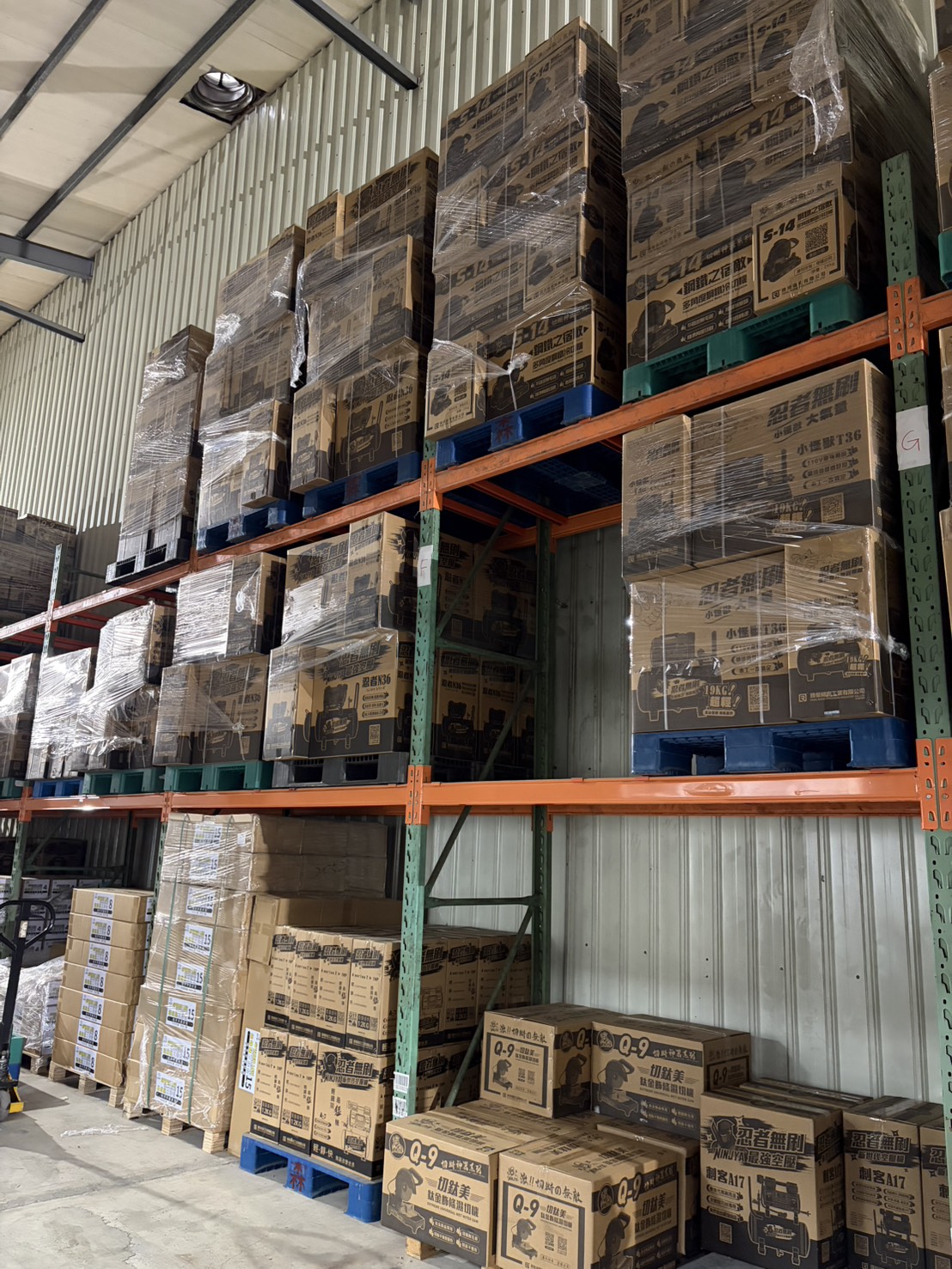
A secondary press-release source reports Feng Shang Precision operating an ODM model with 3,000 units per month, a 7–14 day lead time and a minimum order quantity of 10 units. Treat those figures as planning inputs that require direct confirmation, not as a guarantee. Ask for a written quotation with the exact model, included accessories, warranty terms, spare-parts policy and delivery schedule before committing a crew rollout.
Conclusion
For crews facing long, high-heat shifts with reliable charging and acceptable carry weight, the Shokunin COOLWAVE dual cooling water cooling vest is the active option designed for multi-hour circulation. Its 3–4 hour stated cooling duration, 5V/150mA pump, 320–370 ml/min flow, sub-2 kg listed weight and included backpack plus two ice packs make it a strong candidate for construction, outdoor work, sheet-metal factories and other high-temperature sites. For no-power sites, short tasks, rapid rotation and simple deployment, passive ice-pack cooling remains the practical choice, provided the exact model has the fit and certification the buyer needs.
The decision rule is simple: match the cooling method to the shift, the power situation and the worker's load tolerance. Then verify the claims with a sample, confirm the certificate and write the test conditions into the purchase record. That approach keeps the comparison grounded in facts and gives the crew a better chance of wearing the PPE consistently.
Have Questions or Need More Details?
Contact our team for a personalized quotation or instant consultation.
Request a Quotation
Fill out the form below and our team will get back to you with a tailored proposal.
WhatsApp Direct Chat
Prefer to chat in real-time? Message us on WhatsApp for instant assistance & quick answers.
- Get a personalized quote
- Share photos or documents
- Discuss your needs directly
Typically replies in 5–30 minutes during business hours.