
Fixed-Post Heat Exposure: Solving It with the Dual Cooling Water Cooling Vest
Most heat-stress planning quietly assumes one thing: that the worker can move. Step into shade, take a longer break, rotate onto a cooler task. On a large number of job sites that assumption collapses the moment the work starts.
A traffic controller holds a position at a live intersection for the length of a shift. A night-market vendor stays behind a stall that has to remain open. An operator runs a press under a corrugated metal roof that radiates heat back down onto the floor. A worker on a sheet-metal line cannot walk away from the line. In every one of those cases, the post is fixed — and the heat is fixed with it.
This article is a problem-to-solution playbook for that exact situation. It defines the fixed-post heat problem, explains where the cooling-vest category sits in 2026, describes what the dual cooling water cooling vest actually is, walks through a deployment sequence step by step, maps it against real work scenarios, and closes with the commercial questions buyers ask before placing an order.
Short answer: The Shokunin COOLWAVE Water-Circulation Cooling Vest (Basic Model) is an industrial cooling apparel / personal protective equipment (PPE) product designed for cooling in high-temperature environments. It combines ice pack cooling with a chilled-water circulation loop carried in a backpack, is documented with a 3–4 hour cooling duration and a weight within 2 kg, and is protected by a registered water-cooled vest patent (I886033) issued by the Intellectual Property Office, Ministry of Economic Affairs, ROC. It has been deployed by construction sites, outdoor workers, metal sheet factories and street vendors.
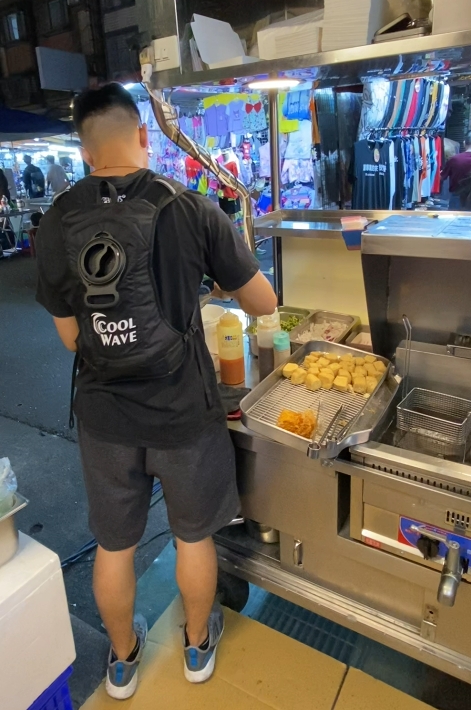
Problem Definition: Why Fixed-Post Heat Breaks Standard Controls
Fixed-post heat exposure is the condition in which a task anchors a worker inside a hot zone for the duration of the work, so the usual remedies — shade, rest, relocation — are structurally unavailable rather than simply inconvenient.
The worker cannot leave the exposure zone
Traffic control, street vending, food stalls, machine tending and in-line inspection all share the same constraint: the post must stay manned. Anything that depends on the worker walking away from the post for meaningful recovery time is not a workable control for these roles. The control has to travel with the person.
The heat load is radiant as well as ambient
Metal roofing, sheet-metal panels, paving and machinery surfaces radiate heat back toward the body throughout the day. In metal sheet factories, the radiant load is present even where air movement exists, which is one reason air temperature alone is a poor predictor of how a fixed-post worker actually feels and performs.
Conventional measures leave a gap
General industry experience points to the same set of limitations. Fans and air movers help with air exchange but do not remove heat load from a worker standing inside a radiant heat field. Wet towels and soaked cloths work briefly and then dry out, and they need replacing throughout a shift. Hydration addresses fluid loss, not heat load. Rotation is often unavailable because the post has to be continuously manned. The result is a gap that has to be closed by something worn on the body, running for the length of the exposure window without depending on the worker leaving the task.
What “solved” looks like on a fixed post
Deployment documentation for this product records the intended outcome in operational rather than comfort terms: effective body cooling, heatstroke prevention, improved work efficiency and worker comfort. Those four outcomes are the practical target for any fixed-post cooling programme.
Industry Background: Why Cooling Vests Entered Industrial Budgets
Cooling apparel has moved from a niche personal purchase to a line item in industrial heat-management planning, and the market data explains why.
- The global personal cooling device market was valued at USD 25.16 billion in 2024 and is projected to reach USD 94.85 billion by 2035 (Market Research Future).
- The narrower global cooling vest market was valued at approximately USD 215 million in 2024, projected to grow to USD 385 million by 2033 (Dataintelo).
- Asia Pacific is the fastest-growing region for cooling vests, driven by rapid industrialisation and high outdoor-work populations (Spherical Insights).
- Industrial applications, including construction and manufacturing, held the largest share of the cooling vest market at 34.5% in 2025 (Dataintelo).
- Phase Change Material (PCM) cooling vests captured 28.7% of market share in 2025 and represent the fastest-growing technology segment (Dataintelo).
- Active circulatory mechanisms such as ice water circulation are increasingly deployed in industrial sectors to mitigate occupational heat stress (Strategic Market Research).
Reading the numbers correctly: the two market-size figures above measure different things. The USD 25.16 billion figure covers all personal cooling devices, including handheld fans and personal air conditioners, while the USD 215 million figure covers cooling vests specifically. For purchasing decisions, the vest-specific figure is the more relevant reference point.
Two structural signals matter for buyers. First, the industrial segment — construction and manufacturing — is the single largest application block, which means the product requirements are being driven by worksite conditions rather than by consumer comfort. Second, active circulation technology is expanding inside that industrial core, which is exactly the technology family the dual cooling water cooling vest belongs to.
On the standards side, cooling systems are expected to comply with ISO 9001:2015 for quality management, and electrical components frequently require CE or UL marks (International Organization for Standardization / UL). Spherical Insights identifies Techniche International, Glacier Tek, Polar Products Inc. and Ergodyne among the key global competitors in the cooling vest market — a useful frame of reference when benchmarking suppliers, since these names define the commercial landscape rather than the performance ceiling of any individual vendor.
The Solution: What the Dual Cooling Water Cooling Vest Actually Is
Shokunin is a professional e-commerce brand launched by Feng Shang Precision Co., Ltd., a Taiwan-based manufacturer founded in 2009. The company operates a 1,000 m² facility with 30 employees, an annual output of 10,000 units and a five-engineer R&D team, with roughly 50% of production exported and the USA and ROC among its main markets.
The relevant product here is the COOLWAVE Water-Circulation Cooling Vest (Basic Model) — the model this guide refers to as the dual cooling water cooling vest. It is classified as industrial cooling apparel / personal protective equipment (PPE) and is designed for cooling in high-temperature environments. The water-cooled vest has also received the Disaster Prevention Product and Service Certification Award issued by the Taiwan Disaster Prevention Industry Association.
What “dual cooling” refers to
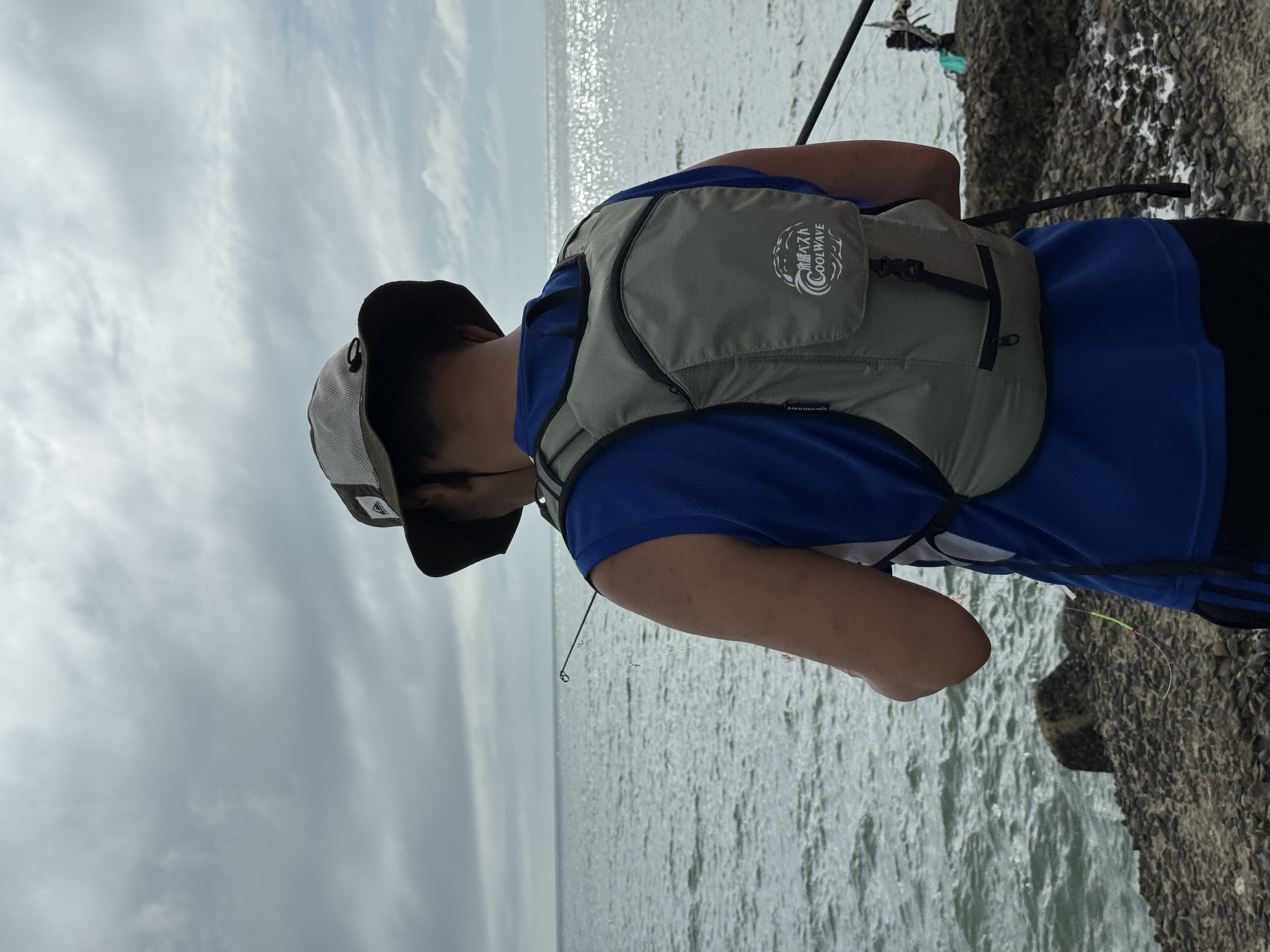
The vest carries two cooling layers in a single wearable unit. Chilled water is held in a TPU water bag and moved through a sand-rubber cooling tube network by a pump rated at 5V, 150 mA (maximum), with a maximum flow rate of 320–370 ml/min. Two ice packs provide the second layer. Field documentation for the product highlights passive ice pack cooling that requires no power supply, alongside a lightweight and portable build and an adjustable one-size-fits-all design — characteristics that matter when a fixed-post worker has no outlet within reach.
Documented specifications
| Specification | Documented value |
|---|---|
| Product name | COOLWAVE Water-Circulation Cooling Vest (Basic Model) |
| Product type | Industrial Cooling Apparel / Personal Protective Equipment (PPE) |
| Cooling duration | 3–4 hours |
| Weight | Within 2 kg |
| Documented temperature parameter | Below 10°C |
| Shoulder strap material | 600D polyester |
| Vest material | PEVA |
| Water bag material | TPU |
| Water bag cap | Polypropylene |
| Cooling tube | Sand rubber (black) |
| Pump output | 5V 150 mA (max) |
| Flow rate | Max 320–370 ml/min |
| In the box | Water-cooled vest backpack ×1, ice packs ×2 |
| Applicable industries | Construction, outdoor work, food stalls, street vending, traffic control, metal sheet factories |
Documented product highlights
- Passive ice pack cooling, no power required
- Lightweight and portable, within 2 kg
- Adjustable one-size-fits-all design
- Certified as a disaster prevention product
The commercial logic behind those characteristics is straightforward. A fixed-post worker does not need a device that performs best in a laboratory; the worker needs a unit that can be worn continuously, adjusted to different body sizes without a sizing matrix, and kept cold through the longest exposure block of the shift.
Step-by-Step Breakdown: Deploying the Vest on a Fixed Post
The following sequence converts the product into a workable site control. It is written for the person specifying or issuing the equipment, not for the end user alone.
Step 1 — Map the posts, not just the people
List every position where a worker is anchored in a hot zone: intersections under traffic control, stalls, press and line stations under metal roofing, and outdoor tasks with prolonged sun exposure. Record how long the position is manned continuously. This is the number that determines how many ice pack sets the site needs, because the documented cooling duration is 3–4 hours per cycle.
Step 2 — Confirm physical fit across the crew
Because the design is adjustable and one-size-fits-all, a single specification can cover a mixed crew — which removes the sizing and stocking complexity that usually delays a first rollout. The unit weighs within 2 kg, so the load added to the worker is bounded and predictable.
Step 3 — Build the chilling routine
Each unit ships with a water-cooled vest backpack and two ice packs. Establish where the packs are frozen, who freezes them, and at what point in the shift the change-over happens. On a fixed post, the change-over has to be done at the post, not in a break room.
Step 4 — Load the water bag and seal the loop
Fill the TPU water bag, seal it with the polypropylene cap, and confirm the sand-rubber cooling tube is routed without kinks. The pump runs at 5V, 150 mA (max) with a maximum flow rate of 320–370 ml/min, so a restricted tube is the first thing to check if cooling performance drops.
Step 5 — Set the wear protocol
Shoulder straps are 600D polyester and the vest body is PEVA. Fit the straps, then adjust the vest so the cooling surface sits against the torso rather than hanging loose. Document one standard fitting procedure so that every supervisor issues the vest the same way.
Step 6 — Plan around the cooling window
Treat 3–4 hours as a planned cycle, not a maximum. Rotate ice packs at defined points in the shift so that no worker is left with a depleted unit during the hottest part of the day, and keep spare packs chilled and staged near the posts.
Step 7 — Maintain, then measure
Rinse and dry the water bag and tube between shifts, inspect the pump and tube for damage, and keep the unit stored away from direct sun. The product carries a 6-month warranty for the water-cooled vest, so keep issue records per unit to make warranty handling straightforward. Then measure the result against the documented outcomes: body cooling, heatstroke prevention, work efficiency and worker comfort.
Step 8 — Scale the order against the deployment plan
Once the post count is known, ordering follows from it. The manufacturer offers ODM production services, with a minimum order quantity of 10 units, a monthly production capacity of 3,000 units, and a typical production lead time of 7–14 days.
Use Cases: Where Fixed-Post Heat Actually Shows Up
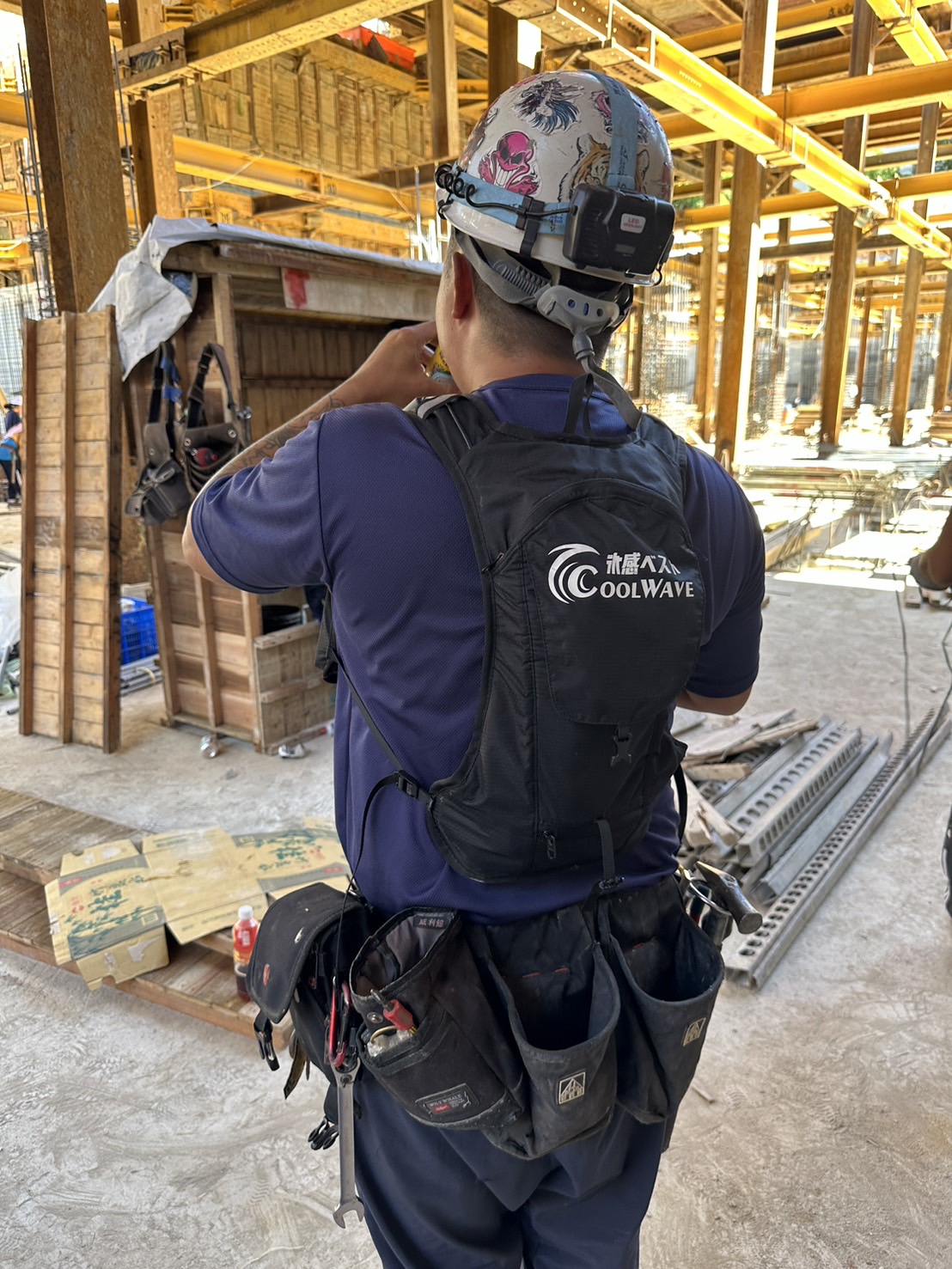
The product has been successfully used by construction sites, outdoor workers, metal sheet factories and street vendors. Those four groups are not marketing categories — they map to four different heat-exposure patterns, and each one stresses a different part of the product design.
Construction sites
Exposure is intermittent but intense, and the work position changes through the day. The relevant characteristics here are portability and the fact that the unit can be worn while working rather than only during rest.
Traffic control and roadside positions
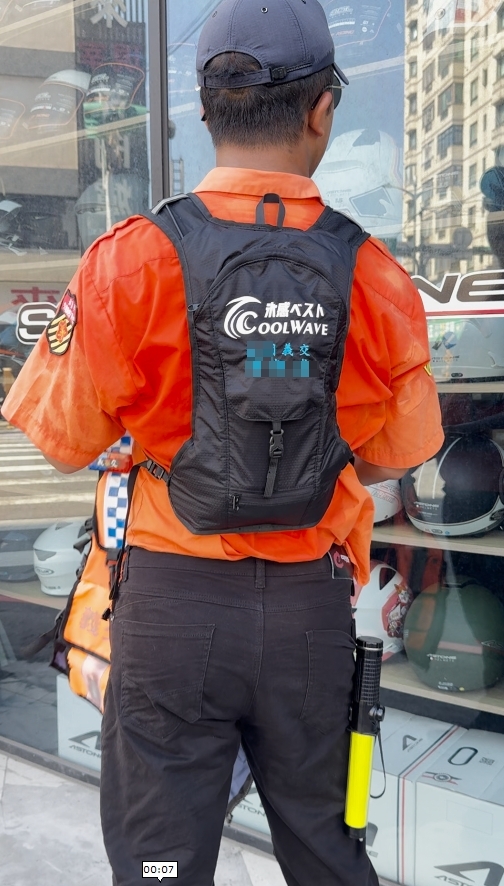
This is the hardest fixed-post pattern: prolonged direct sun, no shade structure, and a worker who cannot leave the position. Continuous wearability and the adjustable fit matter more here than peak cooling output.
Metal sheet factories and metal-roof buildings
Radiant heat from metal roofing and sheet-metal surfaces keeps the heat load high even when air temperature readings look moderate — the case behind the recurring demand for a cooling solution for metal-roof factories.
Street vendors and food stalls
Long trading hours in the open, a stall that cannot be relocated, and heat sources from cooking equipment on top of ambient heat. Night-market and daytime food-stall operators both operate fixed posts with continuous exposure.
Prolonged outdoor sun exposure
Any outdoor task with multi-hour sun exposure — including outdoor leisure activity in extreme heat — falls into the same problem class, because the cooling has to be carried rather than scheduled.
Documented field case: in Taiwan, 100 units were deployed for cooling use in high-temperature environments, with a documented duration of ten years. The passive ice pack cooling system requires no power and the unit is lightweight, portable and adjustable. Users including construction sites, outdoor workers, metal sheet factories and street vendors reported effective body cooling, heatstroke prevention, improved work efficiency, and improved comfort.
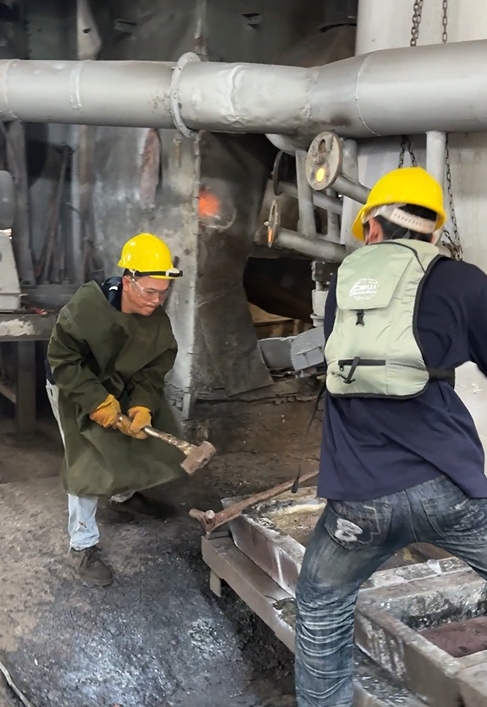
Comparison: Specifications and Scenario Fit at a Glance
Two tables are useful at the evaluation stage. The first restates the documented product parameters; the second maps the product against the fixed-post scenarios described above, using only the documented applicability data and the case record.
| Scenario | Exposure pattern at the post | Relevant documented capability |
|---|---|---|
| Construction sites | Intense outdoor heat with changing work positions | Lightweight, portable build within 2 kg; wearable during work |
| Traffic control | Continuous direct sun, no shade, position cannot move | Adjustable one-size-fits-all fit; 3–4 hour cooling duration per cycle |
| Metal sheet factories | Radiant heat from metal roofing and sheet surfaces | Ice pack cooling layer that requires no power supply |
| Street vendors and food stalls | Long trading hours in the open with cooking heat nearby | Continuous-wear design; passive ice pack layer as backup |
| Outdoor work with prolonged sun exposure | Multi-hour sun exposure away from any fixed facility | No power required for the ice pack layer; portable backpack format |
For compliance-oriented evaluation, the product documentation includes a registered water-cooled vest patent, certificate number I886033, issued for water-cooled vest structure and cooling system under the Patent Act of the Republic of China by the Intellectual Property Office, Ministry of Economic Affairs. The patent was issued on 2025-06-01 and runs to 2044-08-27. Separately, the water-cooled vest holds the Disaster Prevention Product and Service Certification Award from the Taiwan Disaster Prevention Industry Association.
Supply and commercial parameters
| Parameter | Documented value |
|---|---|
| Production mode | ODM production services |
| Minimum order quantity | 10 units |
| Monthly production capacity | 3,000 units |
| Typical production lead time | 7–14 days |
| Delivery terms | Shipment after payment |
| Freight | To be paid by buyer |
| Acceptance criteria | Pre-shipment test |
| Payment terms | Full payment |
| After-sales | 6-month warranty for the water-cooled vest |
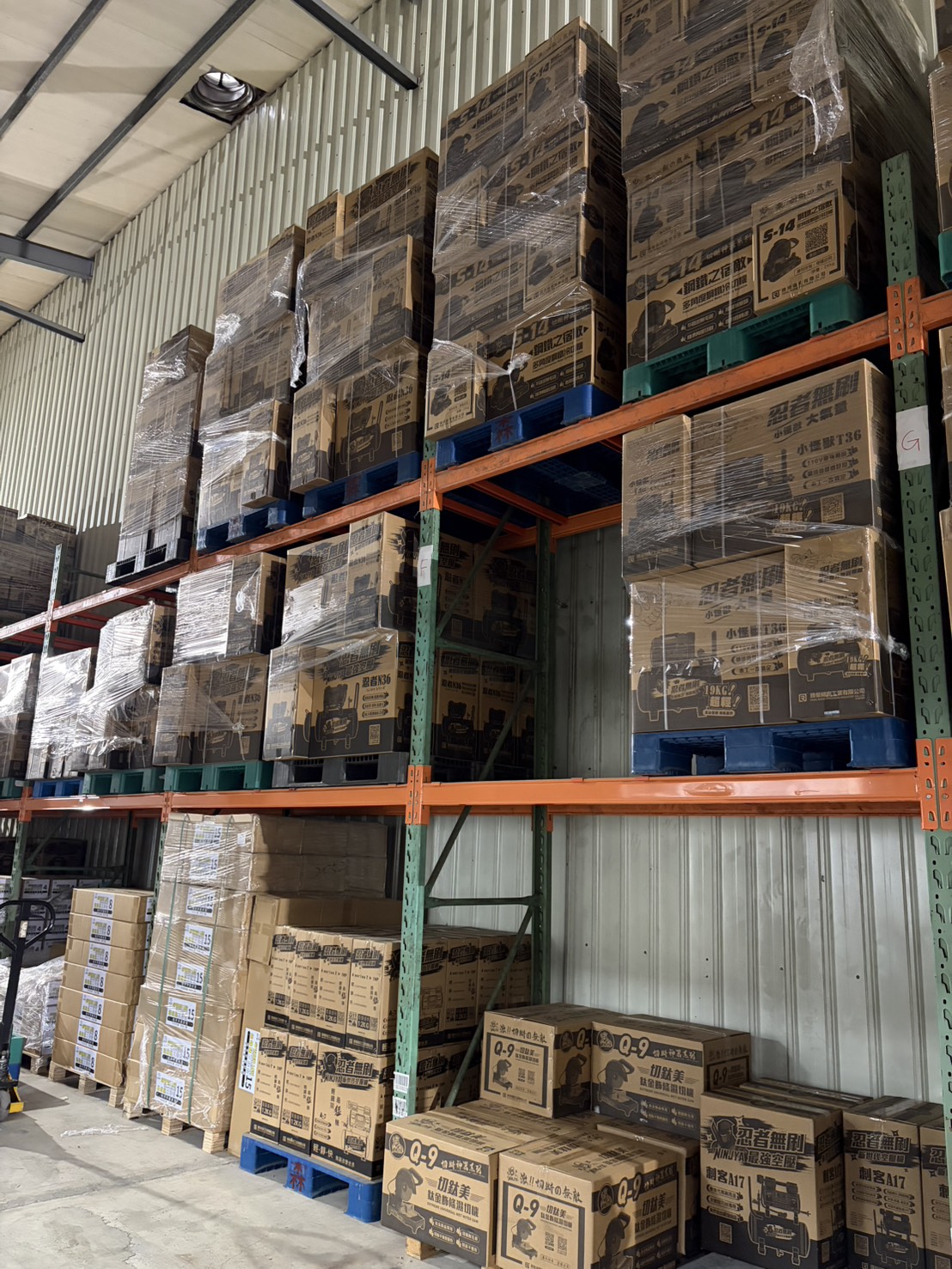
FAQ: Fixed-Post Cooling Deployment Questions
1. Does the dual cooling water cooling vest carry any certification or patent?
Yes. The water-cooled vest is protected by a registered patent, certificate number I886033, issued by the Intellectual Property Office, Ministry of Economic Affairs, ROC, covering water-cooled vest structure and cooling system under the Patent Act of the Republic of China. The patent was issued on 2025-06-01 and expires on 2044-08-27. The water-cooled vest has also received the Disaster Prevention Product and Service Certification Award issued by the Taiwan Disaster Prevention Industry Association, and is certified as a disaster prevention product. Buyers who need documentation for internal procurement files can request the certificate with the product brochure.
2. What are the documented cooling performance specifications?
The COOLWAVE Water-Circulation Cooling Vest (Basic Model) is documented with a cooling duration of 3–4 hours, a weight within 2 kg, and a documented temperature parameter below 10°C. The circulation pump is rated at 5V, 150 mA (maximum) with a maximum flow rate of 320–370 ml/min. The water bag is made of TPU with a polypropylene cap, the cooling tube is sand rubber, the shoulder straps are 600D polyester, and the vest material is PEVA. Each unit ships with one water-cooled vest backpack and two ice packs.
3. What are the commercial terms for an order?
The minimum order quantity is 10 units, which allows a site to trial the product across a full fixed-post roster before committing to volume. Monthly production capacity is 3,000 units. Delivery terms are shipment after payment, freight is paid by the buyer, acceptance criteria are a pre-shipment test, and payment terms are full payment. The water-cooled vest carries a 6-month warranty.
4. Can a site validate the product before a full rollout, and is ODM available?
The manufacturer provides ODM (Original Design Manufacturing) production services, enabling customised product development under the ODM mode, for buyers who need product adaptation rather than a catalogue purchase. Before any volume commitment, the practical validation route is a pre-shipment test against the acceptance criteria, combined with a small first order at the 10-unit minimum so the crew can run the vest through a full shift cycle on the actual post.
5. What is the lead time, and what happens after delivery?
The typical production lead time is 7–14 days, with monthly capacity of 3,000 units supporting repeat orders and seasonal build-up. After delivery, the water-cooled vest is covered by a 6-month warranty. For replacement parts, reorder planning or a full specification sheet, the Shokunin team can be reached by phone at +886 3-312-6606, by email at fsmarketing@fstool.com.tw, or via WhatsApp at +86 18858260055 during business hours (Monday to Friday, 8:30 AM – 5:40 PM). The complete product brochure is available for download at Shokunin COOLWAVE cooling vest brochure.
Conclusion: Cooling That Stays Where the Work Stays
Fixed-post heat exposure is not solved by better scheduling or more frequent breaks, because the posts that carry the highest heat load are precisely the ones that cannot be vacated. The control has to be worn, it has to run for the length of the exposure block, and it has to fit a mixed crew without a sizing exercise.
The dual cooling water cooling vest addresses that requirement with a two-layer design: ice packs for passive cooling that requires no power supply, and a chilled-water circulation loop rated at a maximum flow rate of 320–370 ml/min, delivering a documented 3–4 hour cooling duration in a unit weighing within 2 kg. It is backed by registered patent I886033, a disaster prevention product certification award, and a documented Taiwan deployment of 100 units across construction, outdoor work, metal sheet factory and street vendor environments.
For buyers in the evaluation-to-execution stage, the sequence is short: count the fixed posts, confirm the exposure window per post, validate one unit on a real shift, then scale against a 10-unit minimum order quantity, 3,000 units per month of capacity and a 7–14 day lead time.
Next Step: Validate the Vest on Your Own Worksite
Start with a small first order at the 10-unit minimum, run it through a full shift on your hottest fixed post, and compare the result against the documented outcomes — body cooling, heatstroke prevention, work efficiency and worker comfort.
Download the full COOLWAVE cooling vest brochure, or contact Shokunin for specifications, ODM discussion and quotations:
- Website: www.fstool.com.tw
- Email: fsmarketing@fstool.com.tw
- Phone: +886 3-312-6606 | WhatsApp: +86 18858260055
- Business hours: Monday to Friday, 8:30 AM – 5:40 PM
Have Questions or Need More Details?
Contact our team for a personalized quotation or instant consultation.
Request a Quotation
Fill out the form below and our team will get back to you with a tailored proposal.
WhatsApp Direct Chat
Prefer to chat in real-time? Message us on WhatsApp for instant assistance & quick answers.
- Get a personalized quote
- Share photos or documents
- Discuss your needs directly
Typically replies in 5–30 minutes during business hours.