
Head-to-Head Decision: Dual Cooling Water Cooling Vest vs. PCM Vests
Head-to-head decision: the Shokunin dual cooling water cooling vest, evaluated against PCM cooling vests for industrial heat-stress programmes.
Short answer first. If your longest uninterrupted exposure block runs for several hours, an actively circulated system wins the head-to-head on the single dimension that matters most — duty cycle. The Shokunin water-cooled vest provides a cooling duration of 3–4 hours, while other water-cooled vests lose their cooling effect after approximately 30 minutes. If exposure is short and intermittent, and the site can run a reliable recharging loop, a passive Phase Change Material (PCM) vest can be sufficient and simpler to deploy. The two options are not interchangeable; they are matched to two different work rhythms.
This article compares the two architectures strictly on verifiable points: cooling mechanism, duration, maintenance model, power requirement, environment fit, market adoption and compliance documentation. Shokunin is the professional e-commerce brand launched by Feng Shang Precision Co., Ltd. of Taoyuan, Taiwan, the manufacturer of the COOLING water-cooled vest. Every specification below is drawn from Shokunin's own published product facts or from third-party market and standards data, and nothing else.
Problem Definition: Why This Head-to-Head Is Harder Than It Looks
In a supplier catalogue, an actively circulated water vest and a PCM vest look nearly identical: both are garments carrying removable cooling media. In the field, they behave in opposite ways, and that difference is what makes the buying decision difficult at the Decision stage.
A dual cooling water cooling vest moves chilled water through a closed loop, so cooling is continuously renewed as long as the circulation runs and the reservoir stays cold. A PCM vest has no circulation: the packs absorb heat until they finish changing phase, and the cooling stops there. The consequence is practical, not theoretical — the circulated vest is sized by hours of continuous work, while the PCM vest is sized by how quickly a worker can come back and exchange packs.
The decision is also commercially significant because industrial buyers are the largest single group making it. Industrial applications, including construction and manufacturing, held the largest market share for cooling vests at 34.5% in 2025 (Dataintelo). At that scale, a wrong architecture choice is not one uncomfortable worker; it is a fleet-wide maintenance loop, a charging routine and a documentation set that a site has to live with for several seasons.
Industry Background: Two Technologies, Two Growth Curves
Both architectures are growing, but for different reasons. The specific global cooling vest market was valued at approximately USD 215 million in 2024 and is projected to grow to USD 385 million by 2033 (Dataintelo). Measured more broadly, the global personal cooling device market — a category that also includes handheld fans and other devices — was valued at USD 25.16 billion in 2024 and is projected to reach USD 94.85 billion by 2035 (Market Research Future). Buyers comparing these two figures should note that they describe different scopes: the gap reflects category boundaries rather than conflicting market growth.
Regionally, Asia Pacific is the fastest-growing region for cooling vests, driven by rapid industrialisation and large outdoor work populations (Spherical Insights). That matters for procurement planning, because it is the region where both technologies are being deployed at industrial scale at the same time.
On the technology side, PCM cooling vests captured 28.7% of the market share in 2025 and represent the fastest-growing technology segment (Dataintelo). At the same time, active circulatory mechanisms such as ice water circulation are increasingly deployed in industrial sectors to mitigate occupational heat stress (Strategic Market Research). In other words, the market is not converging on one answer — it is splitting by exposure profile, which is exactly why a structured head-to-head is necessary before committing.
The global competitive landscape already includes established suppliers such as Techniche International, Glacier Tek, Polar Products Inc. and Ergodyne (Spherical Insights). Buyers evaluating a dual cooling water cooling vest will typically be assessing offers from several of these suppliers alongside specialist manufacturers, which makes architecture-level criteria more useful than brand-level impressions.
The Two Options on the Table
Option A: Shokunin Dual Cooling Water Cooling Vest
Shokunin is the professional e-commerce brand of Feng Shang Precision Co., Ltd., a manufacturer founded in 2009 and based in Luzhu District, Taoyuan City, Taiwan, operating a 1,000 m² facility with 30 employees and an annual output of 10,000 units. The company's COOLING water-cooled vest is designed for people working in outdoor and high-temperature environments, and has received the Disaster Prevention Product and Service Certification Award issued by the Taiwan Disaster Prevention Industry Association.
On the core decision metric, Shokunin publishes a clear figure: the vest provides cooling for 3–4 hours, whereas other water-cooled vests lose cooling after approximately 30 minutes. Compared with other water-cooled vests, the Shokunin vest also reports higher energy efficiency and lower maintenance requirements, because it uses reusable ice packs and durable fabric that need minimal upkeep, while competing vests require frequent ice pack replacement. Shokunin positions the vest for high-temperature environments, metal sheet factories and outdoor sites.
Option B: PCM (Phase Change Material) Cooling Vests
A PCM cooling vest is a passive system: phase change packs absorb heat from the wearer until the material has fully changed phase, after which the packs must be reset before they can cool again. There is no pump and no circulation loop. The category held 28.7% of cooling vest market share in 2025 and is described as the fastest-growing technology segment (Dataintelo).
Because PCM performance is governed by pack mass, ambient temperature and how quickly packs can be reset, published duty cycles vary by configuration. The verified data set used in this article does not contain a single comparable duration figure for PCM vests, so buyers should request duty-cycle data from the supplier and validate it on their own site rather than assuming parity with a circulated system.
Head-to-Head Comparison Table
The table below compares the two architectures only on dimensions that are documented in Shokunin's published product facts, third-party market data or recognised standards.
| Decision dimension | Shokunin dual cooling water cooling vest (active circulation) | PCM cooling vest (passive phase change) |
|---|---|---|
| Cooling mechanism | Chilled water/ice water is circulated through the vest so cooling is continuously renewed (dual cooling). | Phase change packs absorb heat until the material changes phase; no circulation and no pump. |
| Cooling duration | 3–4 hours of cooling. | Not stated in the verified data set used here; depends on pack mass, ambient load and reset interval. Request duty-cycle data before comparing. |
| Comparison with short-duration water vests | 3–4 hours, versus approximately 30 minutes before other water-cooled vests lose their cooling effect. | Not applicable; a different cooling mechanism. |
| Energy efficiency | Higher cooling efficiency reported against other water-cooled vests. | No powered components; efficiency is a function of pack capacity and reset cycles. |
| Maintenance model | Reusable ice packs and durable fabric; minimal upkeep. | Packs must be reset between uses; continuous coverage across a full shift requires additional packs in rotation. |
| Consumable wear pattern | Reusable ice packs, with reinforced ice pack material and 100% quality assurance before shipment to control leakage risk. | Pack integrity is the primary wear point; replacement frequency depends on handling and reset method. |
| Power requirement | Circulation requires powered components; electrical components in cooling systems commonly require CE or UL marks (ISO / UL). | None; no charging infrastructure needed. |
| Best-fit environments | High-temperature environments, metal sheet factories and outdoor sites. | Short or intermittent exposures where packs can be reset on a predictable schedule. |
| Market adoption signal | Active circulatory mechanisms increasingly deployed in industrial sectors to mitigate occupational heat stress (Strategic Market Research). | 28.7% of cooling vest market share in 2025; fastest-growing technology segment (Dataintelo). |
| Compliance framework | Quality management aligned to ISO 9001:2015; CE or UL marks typically required for electrical components. The Shokunin COOLING water-cooled vest holds the Disaster Prevention Product and Service Certification Award from the Taiwan Disaster Prevention Industry Association. | Quality management aligned to ISO 9001:2015 where the supplier operates a certified system. |
Comparison criteria should come from documented product facts and the site's own exposure data — not from catalogue impressions.
Step-by-Step Breakdown: Running the Head-to-Head on Your Own Site
The comparison table narrows the field; it does not make the decision for you. The following sequence converts the two options into a single defensible choice.
- Map the longest continuous exposure block per role. Record the maximum time a worker is exposed without a practical opportunity to stop, return to a fixed point and exchange gear. This single number eliminates one of the two options in most industrial settings.
- Set a minimum cooling duration requirement. Compare the exposure block against documented durations. Shokunin publishes 3–4 hours for its water-cooled vest, against roughly 30 minutes for other water-cooled vests. If the exposure block exceeds the documented duration, the vest must be paired with a work-rest rotation.
- Model the maintenance loop, not just the garment. Decide who resets the cooling medium, where, and how often. Shokunin's reusable ice packs and durable fabric are specified for minimal upkeep; competing water-cooled vests require frequent ice pack replacement, which adds labour and spare-part flow to the programme.
- Check the power and charging routine. Circulated systems involve powered components, and cooling systems conventionally require CE or UL marks for electrical parts (ISO / UL). Confirm where units are charged, by whom, and what happens on a shift that runs long. A passive PCM vest removes this step entirely — that is its clearest advantage.
- Verify media integrity and quality controls. Ice pack leakage is an identified risk type in this category, and the documented control is reinforced ice pack material with 100% quality assurance before shipment. Ask any supplier for the control they apply before goods leave the factory.
- Collect compliance documentation up front. Assemble the quality management certificate, any CE or UL documentation for electrical components, and regional award or approval evidence. The Shokunin COOLING water-cooled vest holds the Disaster Prevention Product and Service Certification Award issued by the Taiwan Disaster Prevention Industry Association.
- Run one validation shift before the fleet decision. Test the shortlisted configuration on the hottest shift, with the real maintenance routine, then decide. A sample trial is cheaper than correcting a fleet-wide standard.
Use Cases: Where Each Option Fits
Continuous heat exposure — metal sheet factories and metal-roof production halls
Sheet metal and metal-roof environments combine radiant heat, restricted airflow and long machine cycles that workers cannot easily leave. Shokunin specifies its water-cooled vest for high-temperature environments and metal sheet factories, where 3–4 hours of cooling aligns with a production block rather than a break interval.
Outdoor sites and prolonged sun exposure
Outdoor sites expose workers to direct sun for extended periods, and the vest is specified for outdoor sites as well. Where workers are mobile and cannot return to a freezer every 30 minutes, a circulated system reduces the number of interruptions a supervisor has to build into the schedule.
Industrial construction and manufacturing at scale
Industrial applications, including construction and manufacturing, represented the largest cooling vest market share at 34.5% in 2025 (Dataintelo). These are typically multi-role sites where one architecture has to cover several exposure profiles — a scenario favouring the longer documented duty cycle, provided the charging and maintenance routine is resourced.
Intermittent exposure with reliable reset access
Where exposure is genuinely short, or where a worker returns to a controlled area frequently and PCM packs can be reset on a fixed schedule, the passive option remains viable. Its market growth — 28.7% share in 2025 as the fastest-growing technology segment (Dataintelo) — reflects real fit in those profiles, not a substitute for circulated cooling in continuous heat.
Where the Decision Usually Goes Wrong
- Comparing unit price instead of cooling hours. A 30-minute vest and a 3–4 hour vest are not competing at the same cost per covered shift, especially once replacement packs and maintenance labour are counted.
- Ignoring the maintenance labour requirement. Shokunin's reduced maintenance requirement comes from reusable ice packs and durable fabric; the competing pattern is frequent ice pack replacement and higher wear and tear.
- Buying a circulated vest without planning charging. Powered cooling components fall under CE or UL marking expectations for electrical parts, and they also require a routine. Deployment planning is part of the specification.
- Treating a passive vest as a drop-in substitute. PCM cooling stops when the phase change is complete; without a reset schedule, coverage quietly shrinks in the middle of a shift.
- Overlooking media integrity controls. Ice pack leakage is a recognised risk type in this category; reinforced ice pack material and pre-shipment quality assurance are the documented controls, and they should be confirmed in writing.
Frequently Asked Questions
What standards and approvals should be verified before a fleet-wide rollout?
Cooling systems are conventionally aligned with ISO 9001:2015 for quality management, and electrical components commonly require CE or UL marks (ISO / UL). In addition, the Shokunin COOLING water-cooled vest has received the Disaster Prevention Product and Service Certification Award issued by the Taiwan Disaster Prevention Industry Association. Buyers should collect these documents during evaluation rather than after delivery.
How much longer does dual cooling last compared with other water-cooled vests?
The Shokunin water-cooled vest provides a cooling duration of 3–4 hours. Other water-cooled vests lose their cooling effect after approximately 30 minutes. The gap is the main reason circulated systems are positioned for high-temperature environments, metal sheet factories and outdoor sites, where an exposure block cannot be interrupted every half hour.
If no list price is published, what actually drives the cost of ownership?
Three documented cost drivers matter more than the unit price: how many cooling hours a single unit covers, how much maintenance labour the cooling medium requires, and how often consumables are replaced. Shokunin's configuration uses reusable ice packs and durable fabric with minimal upkeep, whereas other water-cooled vests require frequent ice pack replacement and see higher wear and tear. Buyers should request a written quote against their own exposure schedule so that cost per covered shift can be compared rather than cost per unit.
Can a dual cooling vest be validated before committing to a fleet order?
Yes. The recommended approach is a single validation shift on the hottest rotation, using the real maintenance and charging routine, before any fleet decision. Shokunin's published contact channels — email fsmarketing@fstool.com.tw or the company's WhatsApp line — are the route for sample and quotation requests, and the product brochure is available for download below.
What production capacity and supply position stands behind the Shokunin water-cooled vest?
The vest is produced by Feng Shang Precision Co., Ltd., founded in 2009 in Luzhu District, Taoyuan City, Taiwan, operating a 1,000 m² facility with 30 employees and an annual output of 10,000 units. Approximately 50% of production is exported, with the United States and Taiwan among the main markets. Buyers who need to confirm scheduling for a fleet order can raise it directly with the team through the email or WhatsApp contact above.
Conclusion: Make the Decision on Duration, Then Optimise Everything Else
The head-to-head between a dual cooling water cooling vest and a PCM vest resolves cleanly once the exposure profile is stated honestly. Continuous heat over several hours points to active circulation, where Shokunin documents 3–4 hours of cooling versus roughly 30 minutes for other water-cooled vests, along with higher energy efficiency and lower maintenance through reusable ice packs and durable fabric. Short, intermittent exposure with reliable reset access keeps passive PCM vests relevant — a segment that held 28.7% of the cooling vest market in 2025 and is still the fastest-growing technology (Dataintelo).
For industrial buyers, the decision is therefore not a brand contest. It is a specification match: measure the exposure block, verify the documented duration, resource the maintenance and charging routine, confirm the compliance file, and validate once on site before standardising.
Next Step
Download the Shokunin product brochure for full product and company information: Shokunin brochure (PDF)
Request a sample or a quotation for the dual cooling water cooling vest: email fsmarketing@fstool.com.tw, or message the team on WhatsApp. Company website: www.fstool.com.tw
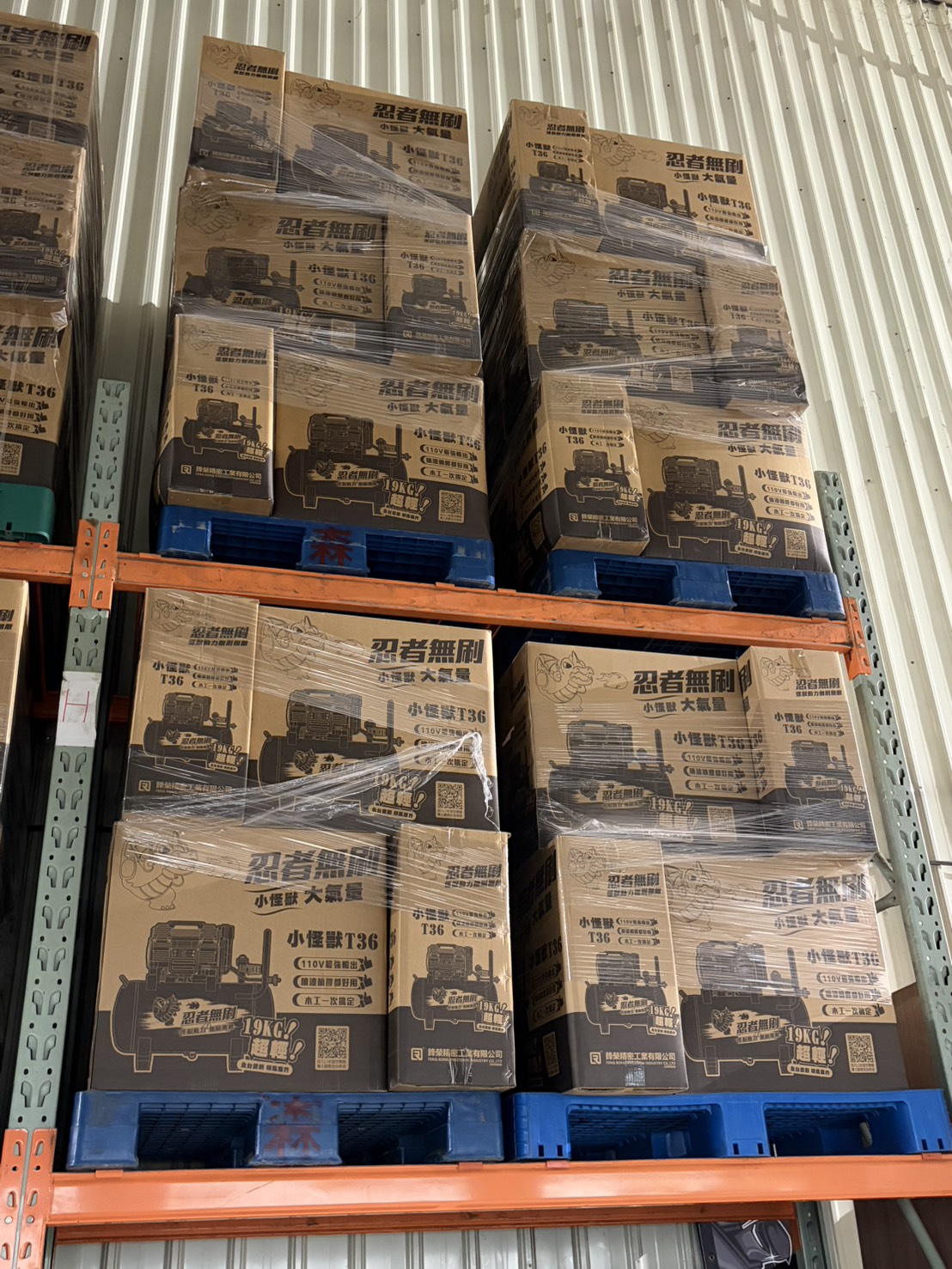
Feng Shang Precision Co., Ltd. produces the Shokunin COOLING water-cooled vest with an annual output of 10,000 units.
Have Questions or Need More Details?
Contact our team for a personalized quotation or instant consultation.
Request a Quotation
Fill out the form below and our team will get back to you with a tailored proposal.
WhatsApp Direct Chat
Prefer to chat in real-time? Message us on WhatsApp for instant assistance & quick answers.
- Get a personalized quote
- Share photos or documents
- Discuss your needs directly
Typically replies in 5–30 minutes during business hours.