
How Shokunin Construction Cooling Vests Compare With 30-Minute Water-Cooled Alternatives
For construction buyers choosing a cooling vest for summer site work, the decision often comes down to one practical question: how long will it actually keep a worker cool? The answer separates a construction cooling vest that supports a full shift from one that stops working after half an hour.
This article compares the Shokunin water-cooled vest with generic water-cooled vests on cooling duration, maintenance, and suitability for high-temperature construction sites. It is written for procurement professionals, safety officers, and construction site managers who need a decision framework rather than a product pitch.
What Buyers Actually Face on a High-Heat Construction Site
Heat stress is a recognized hazard in high-temperature construction. OSHA's General Duty Clause (Section 5(a)(1) of the OSH Act) requires employers to provide a workplace free from recognized hazards, which includes heat stress in high-temperature construction sites. That means choosing heat illness prevention gear is not just a comfort issue; it is a workplace safety obligation.
On real construction sites, the problem is rarely a single hot hour. Workers on metal roofs, concrete pours, roadworks, and outdoor finishing tasks are exposed to continuous heat and humidity for 3 to 4 hours or longer between breaks. In these conditions, a cooling vest that loses its effect after about 30 minutes creates a false sense of protection.
The decision, therefore, is not simply “water-cooled vest vs. no vest.” It is: which water-cooled vest design can sustain cooling long enough to match the actual work shift?
Why the 30-Minute Benchmark Matters
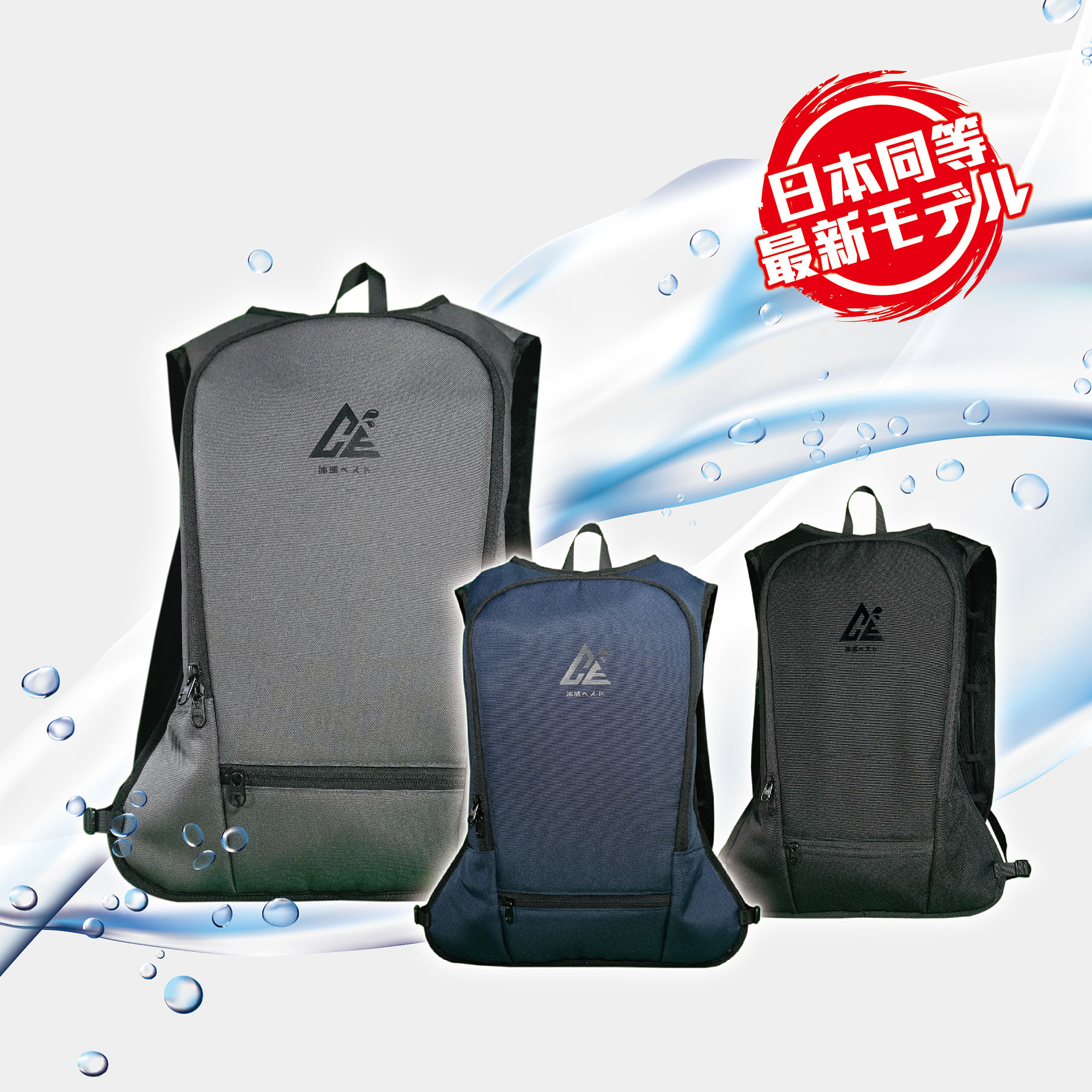
Many water-cooled vests on the market rely on small coolant packs that absorb heat quickly but are exhausted within a short window. In practice, those vests lose their measurable cooling effect after approximately 30 minutes. For a worker in a metal-sheet factory or on an outdoor site with prolonged sun exposure, that is often less than the time needed to complete one task cycle.
When a vest stops cooling mid-task, the worker carries extra weight and restricted mobility without the intended heat relief. In procurement terms, a 30-minute vest may appear cheaper on the unit price but delivers only a fraction of the protective value per shift.
Shokunin vs. Other Water-Cooled Vests: Head-to-Head Comparison
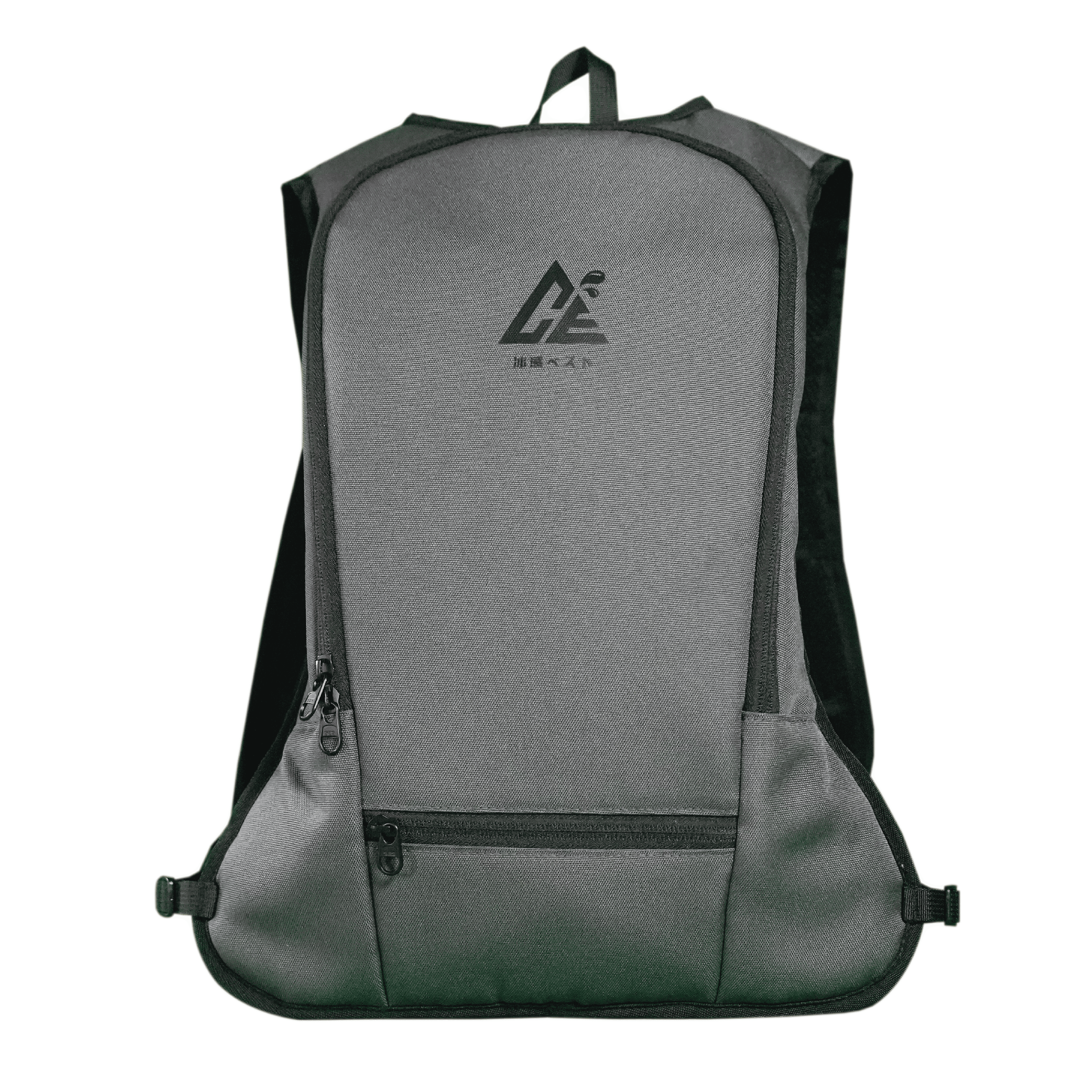
The Shokunin water-cooled vest provides a cooling duration of 3–4 hours. Compared to alternative water-cooled vests that lose cooling effect after approximately 30 minutes, that represents a 6 to 8 times improvement in cooling duration.
The comparison table below summarizes the key differences that matter to industrial buyers.
| Comparison Point | Shokunin Water-Cooled Vest | Other Water-Cooled Vests |
|---|---|---|
| Cooling duration | 3–4 hours | Approximately 30 minutes before losing cooling effect |
| Cooling efficiency | Higher cooling efficiency | Lower sustained cooling efficiency |
| Maintenance | Reusable ice packs, durable fabric, minimal maintenance | Frequent ice pack replacement, higher wear and tear, more upkeep |
| Best fit | High-temperature environments, metal sheet factories, outdoor sites | Short-duration tasks or intermittent use |
These differences are not cosmetic. Longer duration and lower maintenance directly affect cost per protected work-hour and the practical reliability of the equipment on site.
What “6–8 Times Longer” Means for a Work Shift
To make the comparison concrete, consider a typical high-heat workflow.
- Site preparation and setup — 30 to 45 minutes of moving materials, setting ladders, and positioning equipment in full sun.
- Active installation or finishing work — 2 to 3 hours of continuous physical work on a metal roof, scaffold, or open slab.
- Inspection and adjustment — 30 to 60 minutes of checking, rework, or coordination across the site.
With a 30-minute cooling vest, the worker receives cooling only during the early part of the most demanding phase. With the Shokunin vest, cooling coverage can be maintained across the entire active work window of 3–4 hours. That is the operational difference between a vest that complements the shift and one that becomes inactive just as the workload peaks.
For safety officers, the calculation is equally direct: heat stress risk is highest during prolonged continuous exposure, and that is precisely when most short-duration vests stop delivering measurable cooling.
Maintenance Cost Comparison: Reusable Ice Packs vs. Frequent Replacement
Total cost of ownership depends heavily on maintenance. Shokunin's design uses reusable ice packs and durable fabric, which keeps upkeep low. Other water-cooled vests, by contrast, often require frequent ice pack replacement, show higher wear and tear, and demand noticeably more ongoing maintenance.
For a construction company equipping multiple crews, maintenance hours and replacement parts should be part of the sourcing decision. A vest that requires less maintenance and lasts longer in rough site conditions reduces both operating cost and the administrative burden on the site supervisor.
Where the Shokunin Vest Fits Best
The performance profile of the Shokunin water-cooled vest makes it most suitable for:
- High-temperature environments where ambient heat stays elevated throughout the shift;
- Metal sheet factories where the working area absorbs and radiates heat like an oven;
- Outdoor construction sites with direct sun exposure for multiple consecutive hours.
For shorter tasks, an intermittent-use vest may be sufficient. But as soon as the job involves sustained heat exposure, cooling duration becomes the dominant selection criterion. The Shokunin vest is designed for that sustained exposure, not for a quick cool-down between breaks.
Product Safety and Quality Control Considerations
Procurement teams should also evaluate failure risks. One common failure mode for water-cooled vests is ice pack leakage. Shokunin addresses this with reinforced ice pack material, and the company states that 100% quality is guaranteed before shipment.
This matters on a construction site because a leaking ice pack can wet clothing, cause discomfort, and take a worker out of the cooling system entirely. A reinforced pack is a small detail with a direct impact on field reliability.
Buyer Decision Checklist
Use the following checklist when comparing construction cooling vest options:
- How long does the vest maintain measurable cooling under working conditions?
- How many work hours can one shift of use cover?
- What is the cost per protected work-hour, including maintenance?
- What is the maintenance burden — reusable packs or frequent replacements?
- Is the fabric durable enough for construction-site wear and tear?
- Is the ice pack protected against leakage in real use?
- Does the vest match the site's specific heat exposure pattern?
These questions align the purchase decision with actual site conditions rather than sticker price alone.
Comparison With Other Product Types on the Market
Water-cooled vests are one option within a broader field of industrial cooling products. The market also includes fan-based vests; the specialized market for cooling vests with fans reached USD 1.32 billion globally in 2024, reflecting significant demand for active cooling in construction and mining. However, fan-based systems depend on battery life, airflow, and device maintenance, which creates a different set of operational considerations.
By contrast, a passive water-circulation design such as the Shokunin vest avoids reliance on fans and batteries. For buyers evaluating high-temperature operation cooling equipment, the decision should be based on which system best fits their shift length, site environment, and maintenance capacity.
FAQ
Does the Shokunin construction cooling vest meet workplace heat-stress safety requirements?
In the United States, OSHA's General Duty Clause (Section 5(a)(1) of the OSH Act) requires employers to provide a workplace free from recognized hazards, which includes heat stress in high-temperature construction sites. A cooling vest is one control measure used as part of a heat illness prevention program. Buyers should confirm that any vest they source fits their site-specific heat-stress management plan and relevant local requirements.
How long does the Shokunin cooling vest actually cool compared with other water-cooled vests?
The Shokunin water-cooled vest provides cooling for 3–4 hours. Other water-cooled vests typically lose their cooling effect after approximately 30 minutes. This represents a 6 to 8 times improvement in cooling duration, which is the central difference for full-shift outdoor work.
What maintenance does the Shokunin vest require?
The Shokunin vest uses reusable ice packs and durable fabric, which results in minimal maintenance. Other water-cooled vests often require frequent ice pack replacement, show higher wear and tear, and need more upkeep. This lower maintenance burden is relevant to total cost of ownership for construction companies.
Is the Shokunin cooling vest suitable for metal-roof and long-sun-exposure jobs?
Yes. The vest is designed for high-temperature environments such as metal sheet factories and outdoor sites, including jobs with long sun exposure. Its 3–4 hour cooling duration is intended to cover sustained exposure, which is the typical condition for these workplaces.
How does Shokunin prevent ice pack leakage?
Shokunin uses reinforced ice pack material for the water-cooled vest, and the company states that 100% quality is guaranteed before shipment. This reduces the risk of leaks that can affect comfort and usability on site.
Need a longer-duration cooling solution for your construction site?
Download the Shokunin company brochure for product and capability details: Download brochure (PDF)
Have Questions or Need More Details?
Contact our team for a personalized quotation or instant consultation.
Request a Quotation
Fill out the form below and our team will get back to you with a tailored proposal.
WhatsApp Direct Chat
Prefer to chat in real-time? Message us on WhatsApp for instant assistance & quick answers.
- Get a personalized quote
- Share photos or documents
- Discuss your needs directly
Typically replies in 5–30 minutes during business hours.