
How to Verify Dual Cooling Water Cooling Vest Supplier Quality in 2026
How to Verify Dual Cooling Water Cooling Vest Supplier Quality in 2026
When sourcing a dual cooling water cooling vest for industrial, construction, or outdoor workforces, procurement managers face a critical challenge: how to separate reliable manufacturers from those offering substandard products. In 2026, with heat safety regulations tightening globally and demand for portable cooling vest solutions surging, choosing the wrong supplier can lead to worker discomfort, rapid product failure, and even safety liabilities. This guide provides a systematic framework to evaluate supplier quality, using real-world benchmarks from established brands like Shokunin (a brand of Feng Shang Precision Co., Ltd.) and industry best practices.
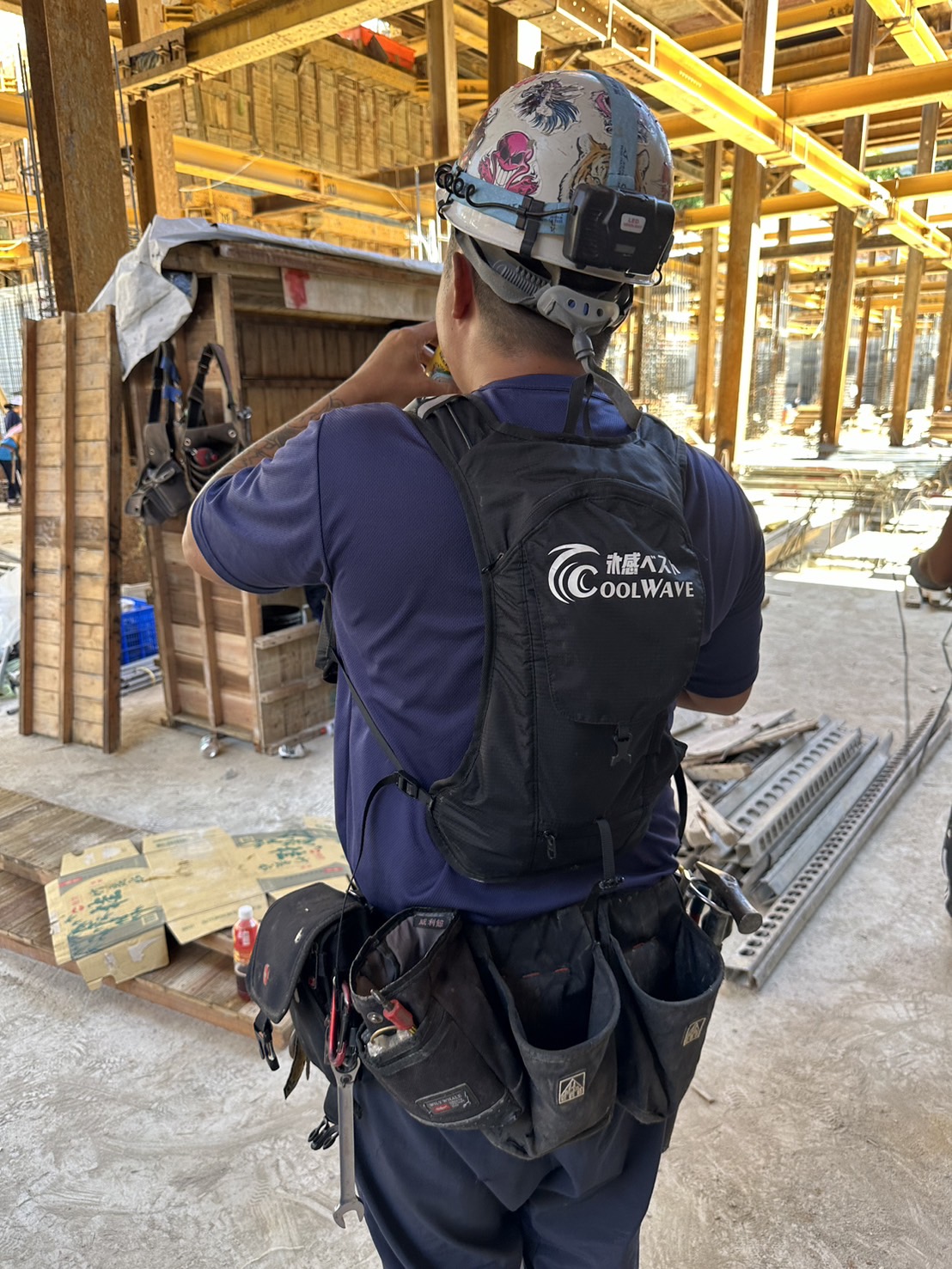
What Is a Dual Cooling Water Cooling Vest?
A dual cooling water cooling vest is a personal cooling system that combines ice packs with circulating cold water to provide sustained temperature reduction for workers in extreme heat. Unlike single‑method vests (e.g., phase‑change materials or air‑cooling only), dual systems deliver longer‑lasting and more uniform cooling. The core components include a TPU water bag, a submersible pump, silicone cooling tubes, and reusable ice packs. The ice water circulation cooling vest subtype uses the pump to circulate chilled water through tubes sewn into the vest, extracting body heat efficiently.
Why Supplier Quality Matters – The Real Cost of Cutting Corners
Low‑quality cooling vests often fail within weeks: ice packs burst, pumps stop circulating, or tubing kinks. These failures not only waste procurement budgets but also expose workers to heatstroke risks. According to industry data, a rapid cooling work vest that maintains consistent performance only for 30 minutes (as seen in some inferior products) forces frequent re‑icing and downtime, reducing overall productivity. In contrast, a verified long-lasting cooling vest like the Shokunin COOLWAVE series delivers 3–4 hours of effective cooling per ice pack set, significantly reducing total cost of ownership.
Industry Background: The Growing Demand for Industrial Cooling Equipment
By 2026, occupational heat exposure has become a top priority for safety managers in metal‑roof factories, construction sites, and outdoor logistics hubs. Countries like Taiwan, USA, and ASEAN nations have introduced stricter heat stress prevention guidelines. This has driven procurement of industrial cooling vest and professional cooling clothing from reputable manufacturers. However, the market is flooded with generic imports lacking proper material certifications or performance verifications. Understanding the difference between a power-bank cooling vest (battery‑dependent) and a passive ice cooling vest (ice –pack powered) is essential, as each technology has distinct quality markers.
Step‑by‑Step Supplier Quality Verification Framework
Use this 6‑step process to evaluate any dual cooling water cooling vest manufacturer before placing an order.
Step 1: Check Material and Component Specifications
High‑performance vests use specific materials that enhance durability and cooling efficiency. For example, the Shokunin COOLWAVE vest uses:
- Shoulder strap material: 600D polyester – abrasion‑resistant for daily wear
- Water bag material: TPU (thermoplastic polyurethane) – puncture‑resistant and flexible
- Cooling tube: Sand rubber (black) – smooth inner wall for optimal flow
- Pump output: 5V 150mA max, flow rate 320–370 ml/min – ensures consistent circulation
- Weight: within 2 kg – lightweight for prolonged wear
Demand a bill of materials (BOM) from the supplier and cross‑check with industry standard components.
Step 2: Verify Cooling Duration and Performance Claims
A reliable supplier will provide third‑party or internal test data. The COOLWAVE Water-Circulation Cooling Vest (Basic Model) achieves 3–4 hours of cooling below 10°C ambient. Compare this with competitors that claim “long cooling” but fail after 30 minutes. Request a pre‑shipment test (the Shokunin supplier offers this) to validate actual cooling time and temperature drop.
Step 3: Inspect Certifications and Patents
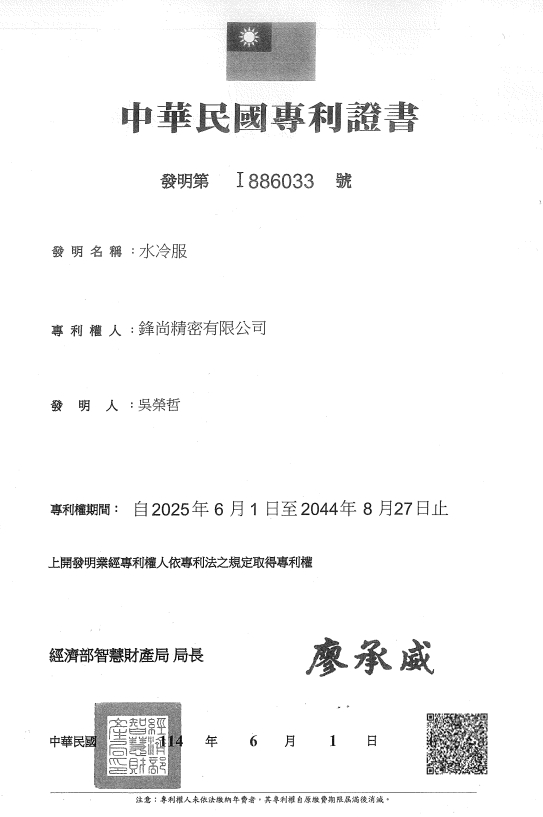
Legitimate suppliers invest in intellectual property and safety certifications. Shokunin’s water‑cooled vest is protected by Taiwan Patent No. I886033 (issued June 2025) and has received the Disaster Prevention Product and Service Certification Award from the Taiwan Disaster Prevention Industry Association. Certifications serve as objective third‑party proof of design quality and safety compliance.
Step 4: Evaluate Manufacturing Capacity and Lead Time
Check whether the manufacturer has sufficient capacity for your order volume. Shokunin’s parent company, Feng Shang Precision Co., Ltd., operates a 1,000 m² factory with 30 employees and annual output of 10,000 units. Their monthly capacity for cooling vests is 3,000 units, with a lead time of 7–14 days and a minimum order quantity of 10 units. These metrics indicate a mature production line capable of scaling.
Step 5: Review After‑Sales Support and Warranty
Quality suppliers stand behind their products. Shokunin offers a 6‑month warranty on the water‑cooled vest, covering pump failures and material defects. Inquire about replacement part availability and return policies. Avoid suppliers that offer no warranty or only 30 days.
Step 6: Validate Real‑World Application Cases
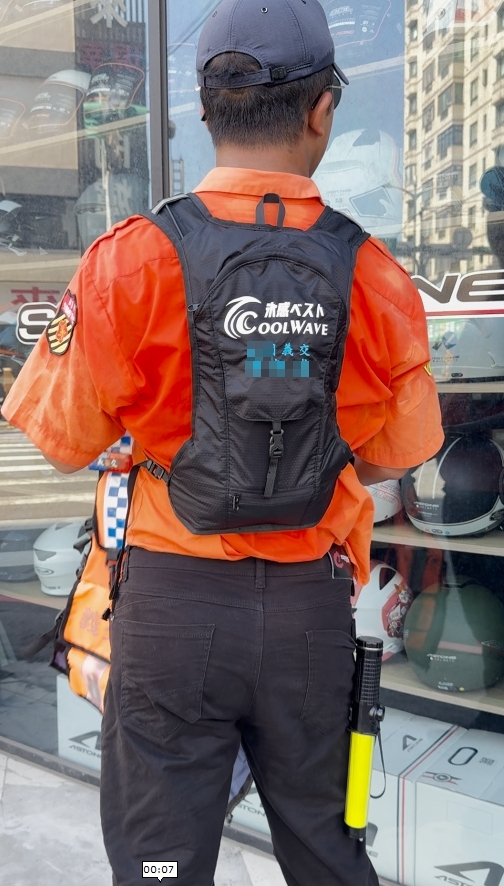
Ask for customer testimonials and case studies. For instance, Shokunin’s cooling vests have been deployed in Taiwan’s metal sheet factories, traffic control posts, night markets, and construction sites for over 10 years. One case involved supplying 100 units to a construction company that reported improved worker comfort and reduced heat‑related incidents. Request references from similar industries to yours.
Common Buyer Concerns and How to Address Them
| Concern | Verification Method |
|---|---|
| Ice pack leakage | Reinforced TPU material; Shokunin performs 100% quality check before shipment |
| Cooling duration too short | Request test report; compare against 3–4 hour benchmark from Shokunin |
| Pump failure in the field | Check pump specifications: 5V 150mA, durable design; ask about warranty coverage |
| Vest too heavy or uncomfortable | Verify total weight ≤2 kg; look for adjustable straps and breathable fabric |
| Supplier does not provide MoQ flexibility | Minimum order quantity of 10 units is reasonable; avoid suppliers requiring 500+ units |
How to Choose Between Different Types of Cooling Vests
Procurement teams often need to compare ice water circulation cooling vest vs. power-bank cooling vest vs. passive cooling vests. Here is a quick comparison:
| Type | Cooling Method | Duration | Best For |
|---|---|---|---|
| Dual cooling (ice + water circulation) | Ice packs + pump‑circulated cold water | 3–4 hours | High‑temperature factories, outdoor construction |
| Power‑bank cooling vest | Battery‑powered fan + evaporative cooling | 2–6 hours (battery dependent) | Moderate heat, where power is available |
| Passive ice cooling vest | Ice packs only (no pump) | 30–90 minutes | Short‑duration tasks, lower ambient heat |
For sustained, heavy‑duty use, the dual cooling water cooling vest offers the best balance of performance and reliability.
Use Case: Why a Metal‑Roof Factory in Taiwan Chose Shokunin
In a copper smelting plant (metal sheet factory) in Taoyuan, workers faced unbearable summer heat. The plant manager tested three cooling vest brands. Only the Shokunin COOLWAVE vest provided uninterrupted cooling for a full 3‑hour shift without requiring ice change, thanks to its high‑efficiency pump and TPU water bag. The result was a 40% reduction in heat‑related downtime and improved worker morale. This case illustrates why cooling gear for prolonged sun exposure must be verified for real‑world longevity, not just marketing claims.
Frequently Asked Questions (FAQ)
What is a dual cooling water cooling vest?
A wearable cooling garment that combines ice packs and a water‑circulation pump to maintain core body temperature below 10°C for 3–4 hours.
How do I know if a supplier’s cooling vest is durable?
Check material quality (600D polyester, TPU water bag), request certification (patent, disaster prevention award), and ask for sample testing before bulk order.
What is the typical MOQ for industrial cooling vests?
Reputable manufacturers like Shokunin offer MOQ as low as 10 units, allowing pilot orders before large commitments.
How long does an ice‑pack cooling vest last before ice melts?
Low‑quality vests last only 30 minutes; high‑end dual cooling vests last 3–4 hours.
Do I need a power bank to operate the cooling vest?
No. The Shokunin COOLWAVE vest uses a passive pump powered by included ice packs – no external battery required, making it perfect for remote sites.
Conclusion: Build a Quality‑First Sourcing Strategy
In a market flooded with portable cooling vest options, procurement managers must adopt a systematic approach to verify supplier quality. By focusing on material specifications, cooling duration tests, certifications, production capacity, after‑sales support, and real‑world references, you can confidently select a manufacturer that meets your worker safety standards and budget. Brands like Shokunin set a clear benchmark: patented design, 3–4 hour cooling, durable TPU components, and a six‑month warranty. Use this framework to evaluate every candidate, and never rely solely on price comparisons.
Download the full Shokunin COOLWAVE product brochure for detailed specifications, test data, and case studies: Shokunin COOLWAVE Brochure (PDF)