
Metal-Roof Factory Heat: Solving It With a Dual Cooling Vest
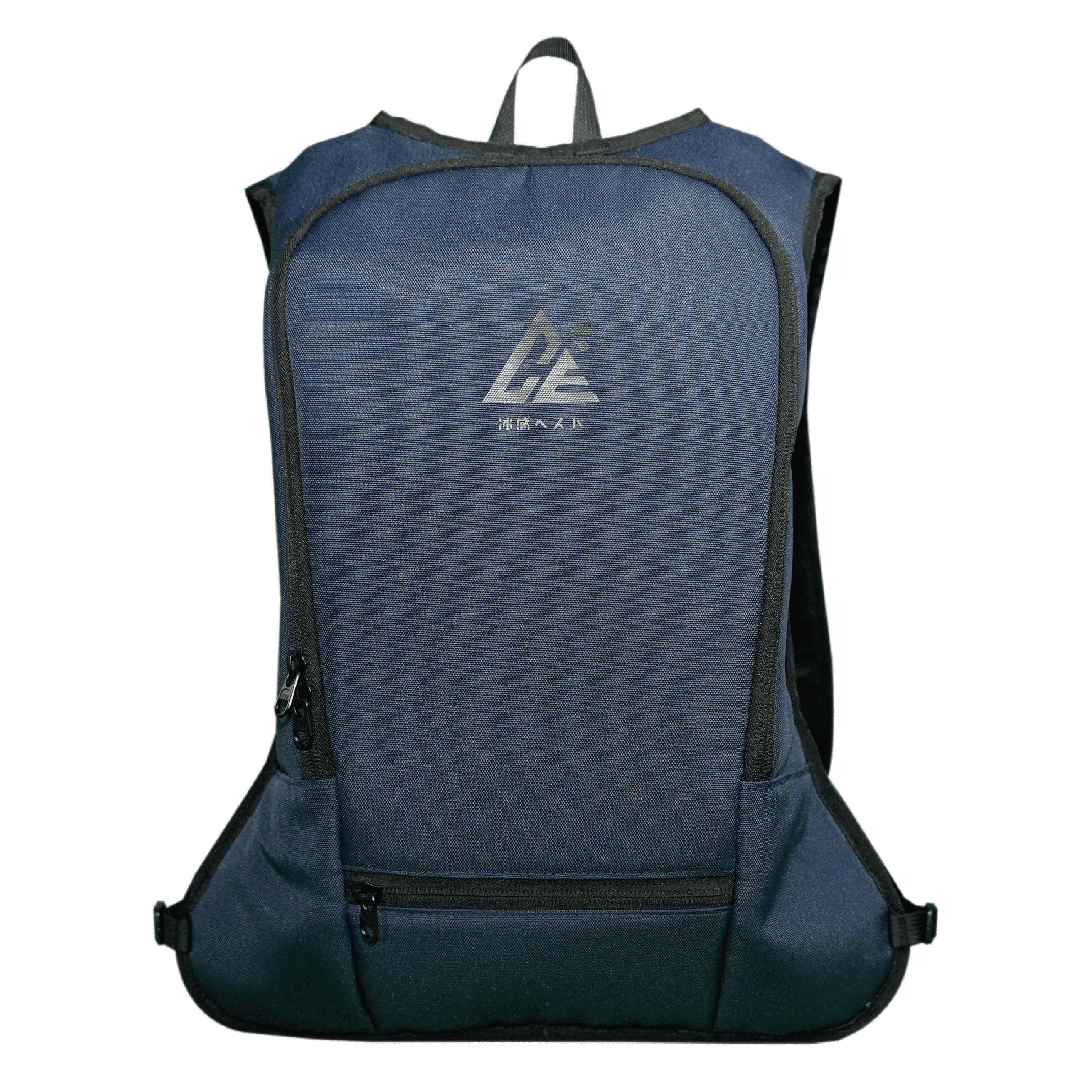
COOLWAVE Water-Circulation Cooling Vest, Professional Model — Shokunin / Feng Shang Precision Co., Ltd.
The answer in one paragraph: a metal-roof factory overheats because its steel or corrugated roof absorbs solar energy, holds it, and radiates it downward onto the work floor, while permanent air conditioning is often impractical in large, open industrial bays. A dual cooling water cooling vest attacks the problem at the level of the person doing the work: a reusable ice-pack cold source is combined with a small battery-driven pump that circulates chilled water through tubing around the torso. The Shokunin COOLWAVE Water-Circulation Cooling Vest is one such product, listed with a 3–4 hour cooling duration per cycle and a weight within 2 kg.
This article is written for buyers in the research-to-evaluation stage — safety officers, plant managers, and procurement leads — who must decide whether wearable cooling fits one specific hot workplace. It is organised as a problem-solution: first the conditions that make a metal-roof factory hot, then how the vest addresses them, then where it stops and what to verify before ordering. Scenario fitDual coolingIndustrial heat
The Problem: When the Building Itself Becomes the Heat Source
In a metal-clad factory, heat arrives from several directions at once, and the building is usually part of the cause rather than part of the cure.
- Solar gain through the roof. A metal roof has low thermal mass and high solar absorptance; it heats quickly in direct sun and radiates that stored heat downward onto the people below.
- Limited insulation and ventilation. Many light-industrial buildings were not designed with thermal barriers or generous cross-ventilation, so hot air accumulates at the working level rather than escaping.
- Machinery and process heat. Motors, presses, furnaces, and other equipment add to the internal heat load throughout the shift.
- Metabolic heat. Physical work raises the body's core temperature, so environmental heat and exertion compound one another.
Fans move air but do not lower its temperature. Air conditioning is frequently ruled out by the sheer volume of the space, the open loading bays, and the cost of cooling a building that is effectively open to the outdoors. The result is a workplace whose temperature cannot be fixed economically — which means the practical solution has to travel with the worker rather than depend on the building.
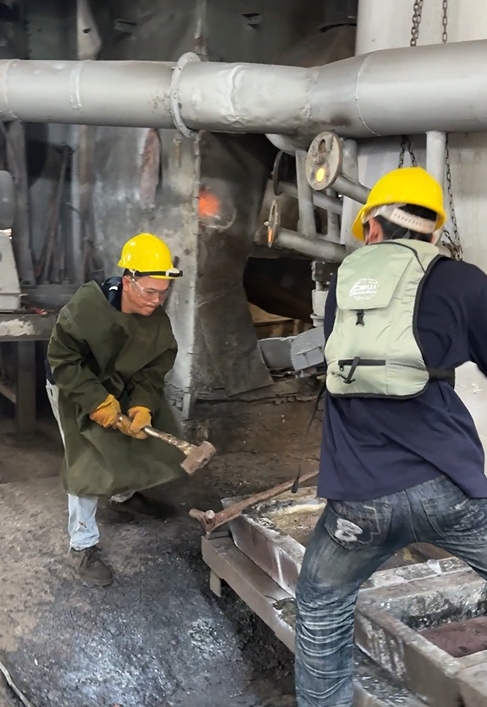
A metal factory interior — the type of environment where radiant and trapped heat combine with physical work.
Industry Background: Heat Exposure and Personal Cooling Systems
Heat exposure at work is a recognised occupational-safety concern, and wearable cooling is an established response to it. The U.S. National Institute for Occupational Safety and Health (NIOSH) places water-cooled garments, air-cooled garments, cooling vests, and wetted overgarments within the category of personal cooling systems — auxiliary equipment used to reduce the heat burden on the body. That framing matters for buyers: a cooling vest is a personal control measure that works alongside shade, rest, hydration, and scheduling, not a replacement for them.
The commercial side of the category is also established. A 2026 Dataintelo report on the cooling-vests market sizes the global market at USD 342 million in 2025 and reports that industrial applications accounted for 34.5% of revenue that year. In plain terms, industrial and occupational use is a core part of demand, not a fringe application. For a factory buyer the useful question is therefore not whether cooling vests are a real product category, but whether a particular vest matches a particular site and shift — which is where verified specifications matter most.
The Solution: How a Dual Cooling Water Cooling Vest Works
Shokunin is the professional tool brand of Feng Shang Precision Co., Ltd., a manufacturer founded in 2009 and based in Taoyuan City, Taiwan, producing air compressors, cut-off machines, and the COOLWAVE cooling-vest line. The COOLWAVE Water-Circulation Cooling Vest is the product discussed here.
'Dual cooling' describes two mechanisms working together rather than one:
- A passive cold source. Two reusable ice packs supply the initial cold to the system.
- Active circulation. A small pump, rated at 5 V and 150 mA (max), pushes chilled water through a tube network at a listed flow rate of 320–370 ml/min, spreading cold around the torso instead of concentrating it at the back.
The published performance and build facts are as follows:
- Cooling duration: 3–4 hours per ice-pack cycle
- Weight: within 2 kg
- Listed suitable temperature: below 10 °C (as published; test conditions not disclosed)
- Shoulder strap material: 600D polyester
- Body material: PEVA
- Water bag material: TPU; water bag cap: polypropylene
- Cooling tube: sand rubber (black)
- In the box: water-cooled vest backpack ×1, ice packs ×2
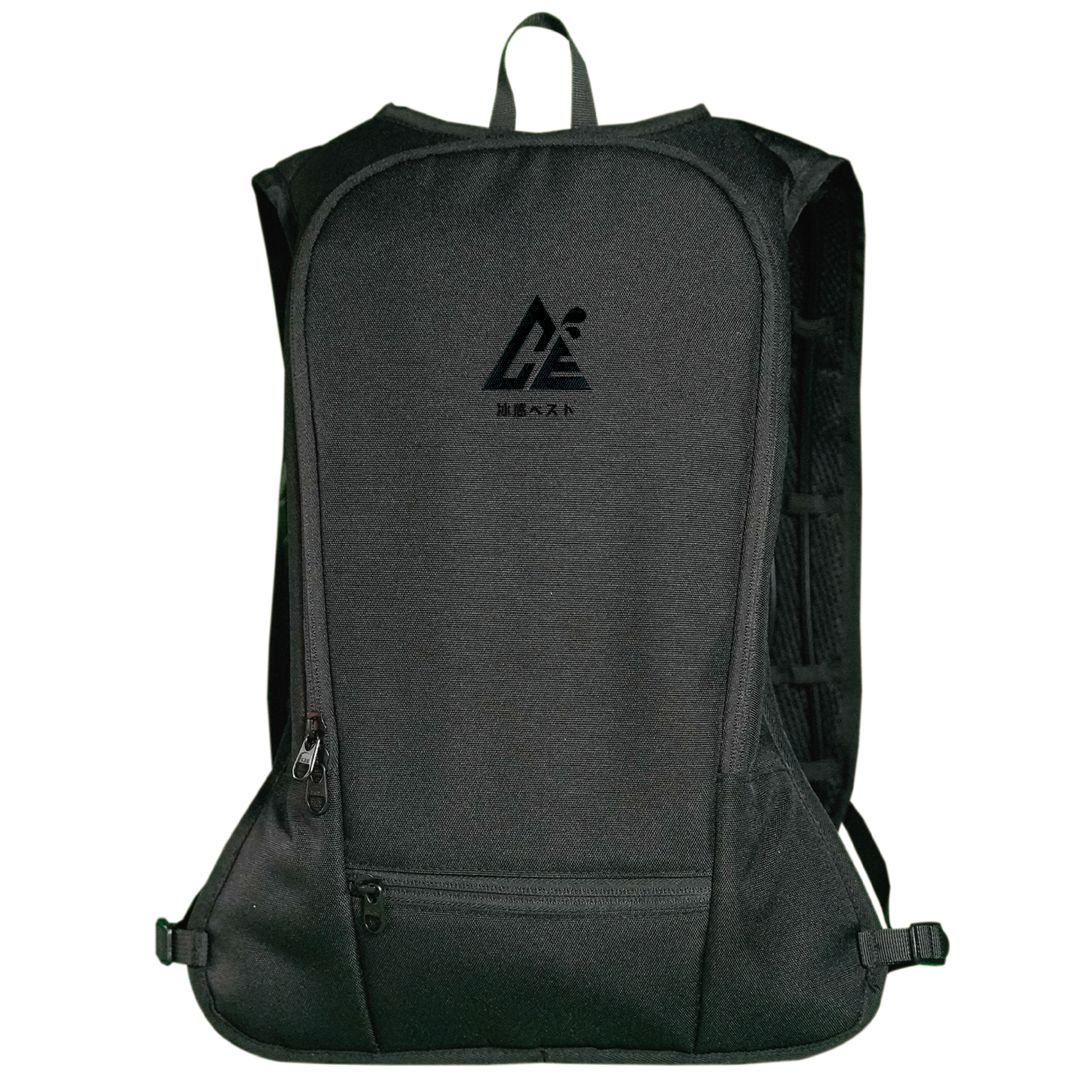
The vest carries a pump and tubing on the body; the listed pump draw is 5 V, 150 mA (max).
On a factory floor, the combination matters more than either part alone. Ice packs on their own cool only where they touch the body and lose effect as they warm. Circulation keeps chilled water moving, so cooling is distributed across the torso and sustained through the listed cycle. The sub-2 kg weight is light enough for the vest to be worn while moving, lifting, and working at height — provided the wearer is not also carrying heavy loads.
Step-by-Step: Using the Vest Through a Factory Shift
- Pre-shift preparation. Freeze both ice packs fully and charge the pump's 5 V power source. Confirm the power source can deliver the pump's rated draw before relying on it for a full cycle.
- Fit the vest. Put on the vest backpack and adjust the 600D polyester shoulder straps so the tubing sits against the torso without restricting movement.
- Load the cold source. Insert the two ice packs and connect the TPU water bag with its polypropylene cap.
- Start circulation. Switch on the pump; water moves through the sand-rubber tube at the listed 320–370 ml/min.
- Work the cycle. Expect 3–4 hours of listed cooling. Schedule the cycle around the hottest, most physical block of the shift rather than switching it on at the start and losing it mid-task.
- Swap on breaks. Because two ice packs are supplied, a second frozen pack allows a rotation so that a longer shift can be covered in blocks.
- End-of-shift care. Empty and dry the water bag and tubing, and clean them according to the supplier's maintenance instructions to preserve flow and hygiene.
Where It Fits: Beyond the Metal Roof
The metal-roof factory is the sharpest case, but the same 'cannot air-condition it' constraint appears elsewhere. Shokunin lists construction workers, outdoor workers, food-stall operators, street vendors, traffic controllers, and metal sheet factories among the applicable industries for the COOLWAVE vest, and a documented case describes delivery of 100 units used in high-temperature environments, with reported results of body cooling and heatstroke prevention.
- Construction and outdoor work — direct sun, physical effort, and no fixed shade.
- Traffic control — prolonged standing in heat with limited mobility and no shelter.
- Metal sheet and metal-working plants — radiant and process heat combined.
- Street vendors and night-market operators — small, hot, open-fronted stalls that are impractical to air-condition.
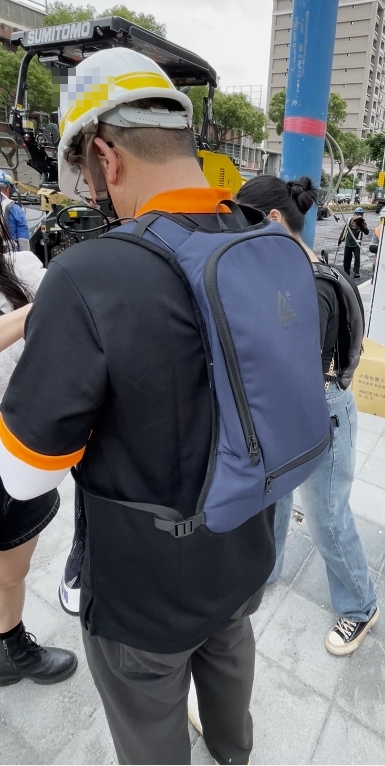
Construction and outdoor work share the metal-roof factory's core constraint: cooling cannot come from the building.
Across all of these, the vest's job is the same: put a controllable cold source on the worker where building-level cooling is not an option.
Specification Snapshot: Matching the Vest to Site Conditions
Use this table during evaluation to check the published specifications against the real shift and environment.
| Parameter | Published value | What it means on site |
|---|---|---|
| Cooling duration | 3–4 hours per cycle | Plan one cycle around the hottest block; rotate ice packs for longer shifts. |
| Weight | Within 2 kg | Light enough for mobile work; confirm comfort with tools carried. |
| Pump input | 5 V, 150 mA (max) | Low draw; confirm your power source meets the rated requirement. |
| Flow rate | 320–370 ml/min (max) | Circulates chilled water around the torso. |
| Water bag material | TPU | Flexible, reusable reservoir. |
| Body material | PEVA | Outer vest body. |
| Strap material | 600D polyester | Adjustable, durable shoulder straps. |
| In the box | Vest backpack ×1, ice packs ×2 | Two packs enable in-shift rotation. |
| Listed suitable temperature | Below 10 °C (published) | Confirm test conditions with the supplier before relying on it. |
| Warranty | 6 months (water-cooled vest) | Covers the vest per supplier terms. |
What It Does and Does Not Solve
Clear limits are part of a fair evaluation.
- Cycle length. 3–4 hours is one cycle, not a full shift. Longer shifts need a second frozen pack and a rotation plan.
- Cold and power dependence. Performance depends on fully frozen packs and a charged 5 V source; neither is unlimited.
- Not an engineering control. The vest reduces heat load on the wearer; it does not lower room temperature. Pair it with rest breaks, hydration, and scheduling.
- Verify before scale. Published specifications do not disclose ambient temperature, humidity, or workload during testing. Ask the supplier for test conditions and run a sample trial in your own environment.
- Electrical and battery rules. Confirm the pump and power source meet your site's electrical and battery rules, and any local personal-protective-equipment requirements.
Frequently Asked Questions
Is the COOLWAVE vest a certified product for heat-exposure work?
Shokunin lists the vest as carrying the Disaster Prevention Product and Service Certification Award from the Taiwan Disaster Prevention Industry Association, and NIOSH places cooling vests within the broader category of personal cooling systems. Note that this is a Taiwan disaster-prevention recognition, not an EU or US PPE conformity mark; buyers should confirm the certification details and any local electrical-safety requirements for the powered pump with the supplier and their own compliance team.
How long does one cooling cycle last, and can it cover a full shift?
The published cooling duration is 3–4 hours per ice-pack cycle, and the vest is supplied with two ice packs. A standard shift is longer than one cycle, so plan a rotation: run one pack during the hottest block and swap to the second frozen pack on a break. The vest weighs within 2 kg.
What is the minimum order, and how is pricing handled?
The minimum order is 10 units, and production is described as an ODM model. Pricing is provided by quote rather than published, because cost depends on quantity, configuration, and delivery terms. Request a quote with your required quantity and destination.
Can I test a sample before committing to a larger order?
Yes. Samples can be requested through the supplier, and the 10-unit minimum makes a small trial feasible. Testing in your own environment is the reliable way to confirm the 3–4 hour cycle against your shift and heat conditions, since published specifications do not state the ambient temperature, humidity, or workload used in testing.
What lead time and warranty apply?
Lead time is stated as 7–14 days, and the water-cooled vest carries a 6-month warranty. Confirm both against your order schedule and review the warranty terms. To move forward, request a sample or quote and download the product brochure for the full specification sheet.
Conclusion
A metal-roof factory is hot for structural reasons that are expensive to fix. A dual cooling water cooling vest does not try to fix the building; it gives the worker a portable, circulating cold source with a listed 3–4 hour cycle and a sub-2 kg weight, backed by a manufacturer that has supplied the category from Taiwan since 2009. For buyers, the decision comes down to matching the published specifications to your shift and environment, confirming the details that are not published, and testing a sample before scaling.
Evaluate the COOLWAVE vest for your site
Request a sample or a quote to test the dual cooling water cooling vest against your own heat conditions.
Email: fsmarketing@fstool.com.tw | Phone: +886 3-312-6606 | WhatsApp: +86 18858260055
Download the product brochure (PDF): COOLWAVE catalog | Website: fstool.com.tw
Have Questions or Need More Details?
Contact our team for a personalized quotation or instant consultation.
Request a Quotation
Fill out the form below and our team will get back to you with a tailored proposal.
WhatsApp Direct Chat
Prefer to chat in real-time? Message us on WhatsApp for instant assistance & quick answers.
- Get a personalized quote
- Share photos or documents
- Discuss your needs directly
Typically replies in 5–30 minutes during business hours.