Navigating PPE Standards for Cooling Apparel in Taiwan: A Compliance Guide
Navigating PPE Standards for Cooling Apparel in Taiwan: A Compliance Guide
Cooling apparel does not become personal protective equipment because a supplier describes it as protective. In Taiwan, a cooling vest enters a heat-management programme as a documented item only when two questions can be answered: what is the product declared to be, and what evidence supports that declaration?
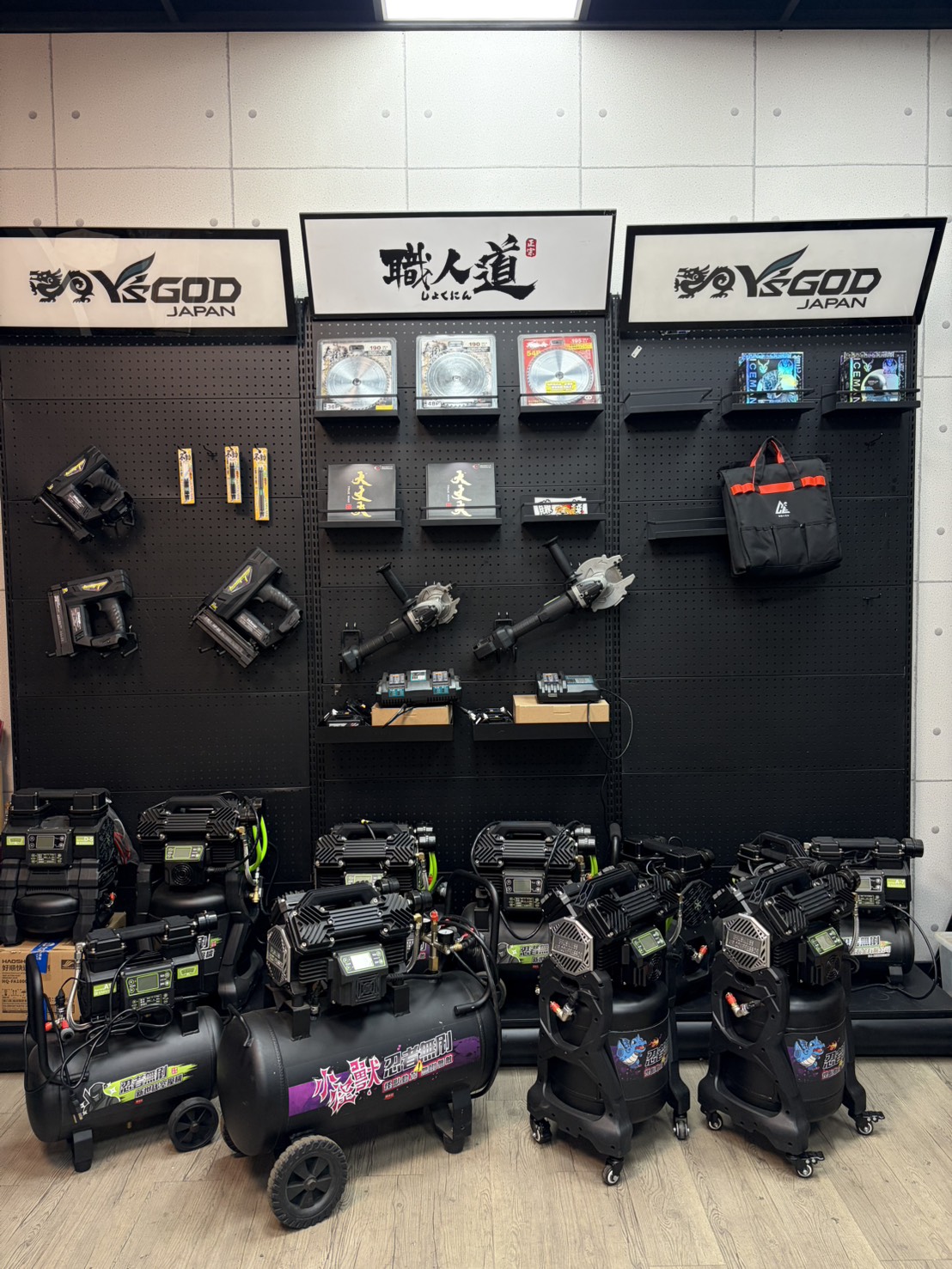
COOLWAVE Water-Circulation Cooling Vest — manufactured by FENG SHANG PRECISION CO., LTD. and sold under the Shokunin brand — answers both questions from the manufacturer's side. The product is classified as Industrial Cooling Apparel / Personal Protective Equipment (PPE), and the water-cooled vest has received the Disaster Prevention Product and Service Certification Award issued by the Taiwan Disaster Prevention Industry Association.
This guide deals with the compliance layer rather than the comfort layer. It explains how the PPE classification is used in a purchase file, what the disaster-prevention certification represents, which declared specifications belong in the record, where the supplier's documentation stops, and which points a buyer must still verify directly before signing.
The Compliance Question Behind a Cooling Vest Purchase
A cooling vest becomes a compliance item the moment it is bought to control heat exposure for employees, rather than bought by an individual for personal comfort. From that point on, the vest is part of a hazard-control record, and that record has to survive an audit, an insurance review, or a client's site inspection.
Three ambiguities cause most of the friction.
Category ambiguity. The phrase cooling vest describes at least three different constructions: ice-pack-only garments, phase-change-material garments, and pump-driven water-circulation garments. Components, power requirements, replacement parts and paperwork differ between them. A purchase file that says only cooling vest is not specific enough to defend.
Certification ambiguity. A supplier's own statement is not third-party evidence. What a buyer needs is an identifiable certification issued by an identifiable body, with a scope that matches the product actually being delivered.
Specification ambiguity. Cooling duration, weight, operating temperature and included components are declared values. If they are not written down at the purchasing stage, there is nothing to check against at delivery.
The practical fix is not a longer brochure. It is a short document set: a classification statement, a certification reference, a declared specification sheet, and commercial terms including warranty. Every item should come from the manufacturer; none of it should be reconstructed from memory after the order is placed.
Market Context and the Standards Layer in Cooling Apparel
The market is expanding, and industrial buyers are the core segment
The wider personal cooling device market was valued at USD 25.16 billion in 2024 and is projected to reach USD 94.85 billion by 2035, according to Market Research Future. That figure covers more than vests — handheld fans and personal air conditioners are included — which is why the narrower cooling vest segment looks much smaller. Dataintelo values the cooling vest market at approximately USD 215 million in 2024, projected to grow to USD 385 million by 2033. The two numbers do not contradict each other; they measure different product boundaries, and buyers comparing market reports should check which boundary a figure uses.
Two structural signals matter for procurement planning. Asia Pacific is the fastest-growing region for cooling vests, driven by rapid industrialisation and large outdoor work populations, according to Spherical Insights. And industrial applications, including construction and manufacturing, held the largest share of the cooling vest market at 34.5% in 2025, according to Dataintelo. In other words, this is not primarily a consumer category — it is a workplace category.
On the technology side, Dataintelo reports that phase-change-material cooling vests captured 28.7% of market share in 2025 as the fastest-growing technology segment, while Strategic Market Research notes that active circulatory mechanisms — the water-circulation approach used in pump-driven vests — are increasingly deployed in industrial sectors to mitigate occupational heat stress. That trend is directly relevant to a Taiwan buyer, because it shifts the purchasing question from whether to wear something to which cooling mechanism the site can actually support.
The category also has established international suppliers, among them Techniche International, Glacier Tek, Polar Products Inc. and Ergodyne, as identified by Spherical Insights. Their presence is useful context: a buyer evaluating a new vendor is not evaluating an untested niche, but comparing against a market that has been served for years.
The standards layer a buyer actually has to check
Three layers apply to cooling apparel, and they are frequently confused with one another.
The quality-management layer. Cooling systems are generally expected to comply with ISO 9001:2015 for quality management, according to the International Organization for Standardization. This is a system-level standard: it describes how a manufacturer manages quality, not a property of a single garment. Buyers should ask a supplier to confirm which quality-management standard applies to a specific model and production site rather than assuming it.
The electrical-component layer. Cooling systems often require CE or UL marks for electrical components, per ISO and UL guidance. A pump-driven vest contains an electrical pump, so the mark question is genuine and should be settled at specification stage, not at delivery.
The Taiwan-facing layer. For products positioned as disaster-prevention items in Taiwan, the credential that appears in this product's documentation is the Disaster Prevention Product and Service Certification issued by the Taiwan Disaster Prevention Industry Association. Buyers should still confirm current site-level and regulatory requirements with the relevant local authorities, because workplace obligations depend on the employer, the site and the work being performed.
How COOLWAVE and FENG SHANG PRECISION CO., LTD. Align with These Requirements
1. The product is declared as PPE, not as a comfort accessory
The manufacturer's product record lists the COOLWAVE Water-Circulation Cooling Vest under the type Industrial Cooling Apparel / Personal Protective Equipment (PPE). The classification matters because it determines how the item is filed: as a protective item issued to a worker, or as a discretionary comfort product. Only the first can be referenced in a heat-management or heatstroke-prevention record.
The company behind the product, FENG SHANG PRECISION CO., LTD., is a Taiwan-based manufacturer founded in 2009. It operates a 1,000 m² facility with 30 employees and a five-engineer R&D team, and its Shokunin brand covers air compressors, cut-off machines, water-cooled vests, lithium batteries, diamond saws, nail guns, spider stands and screwdriver bits. The company records a 50% export ratio, with the United States and Taiwan (ROC) as its main markets.
2. The disaster-prevention certification is the Taiwan-facing credential
The COOLWAVE water-cooled vest has received the Disaster Prevention Product and Service Certification Award issued by the Taiwan Disaster Prevention Industry Association. For a Taiwan buyer, this is the certification reference that belongs in the file: a named product category, a named issuing association, and a disaster-prevention framing consistent with heat-hazard control.
It is worth being precise about what this does and does not do. It establishes that the product has been recognised within a Taiwan disaster-prevention certification framework. It does not replace the employer's own risk assessment, and it does not by itself satisfy site-specific requirements that depend on the work being performed, the clothing worn underneath, or the duration of exposure.
3. The declared specification is detailed enough to write into a file
A compliance file is only useful if it contains values that can be checked. The declared specification for the COOLWAVE vest includes:
- Cooling duration: 3–4 hours
- Weight: within 2 kg
- Suitable temperature: below 10 °C (as declared by the manufacturer)
- Shoulder strap material: 600D polyester
- Body material: PEVA
- Water bag material: TPU
- Water bag cap: polypropylene
- Cooling tube: sand rubber (black)
- Pump output: 5V 150 mA (max)
- Flow rate: max 320–370 ml/min
- Contents: water-cooled vest backpack × 1, ice packs × 2
Each line is a checkpoint rather than a marketing claim. Cooling duration defines how a shift has to be broken up around re-charging. Weight defines wearability for the crew the vest is issued to. Materials define cleaning and durability expectations. Pump output and flow rate define the power source the site has to provide. Contents define what must be counted at goods-in.
4. Production and commercial facts that support a programme
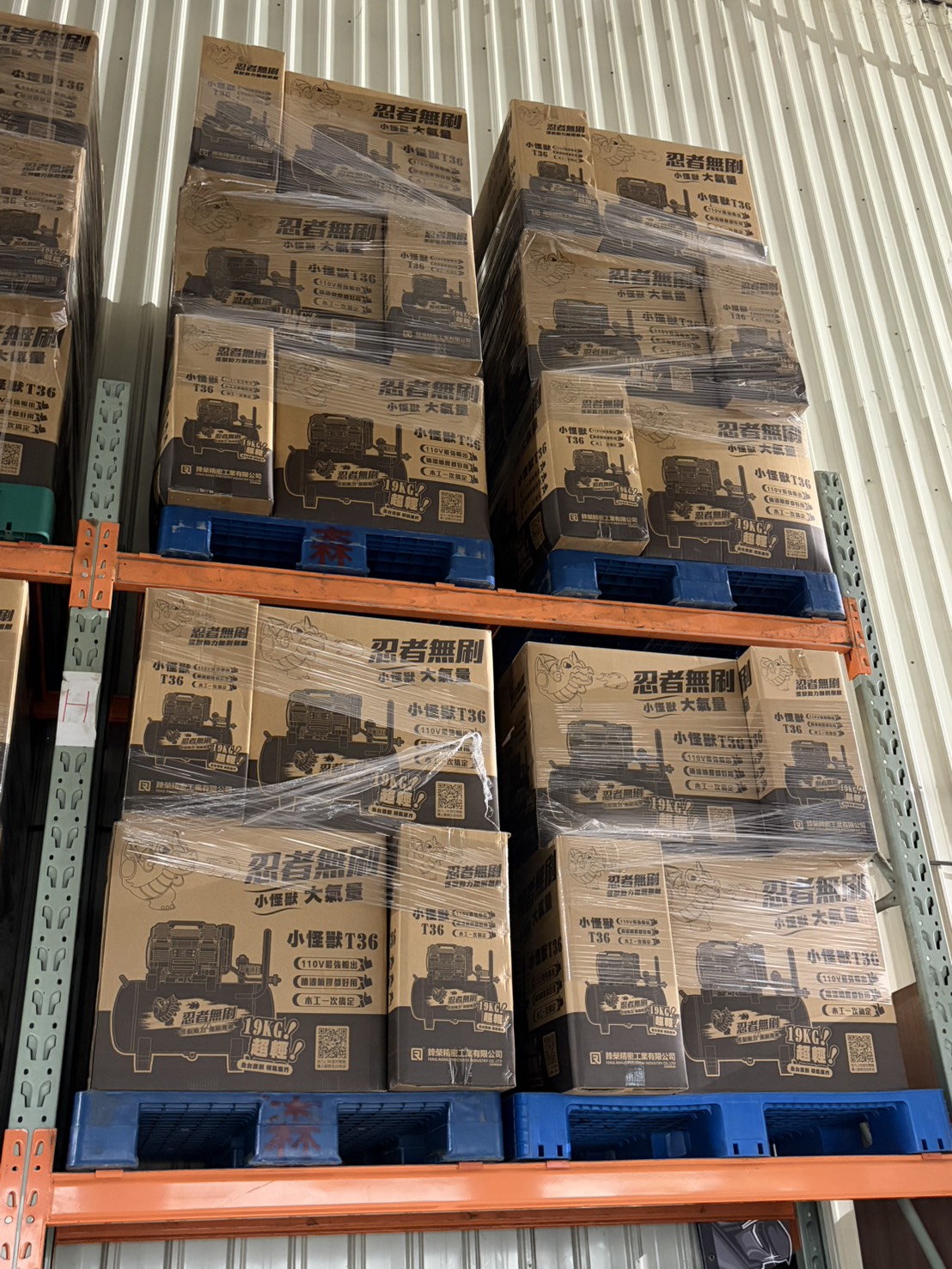
Programme buyers — distributors, contractors, and companies issuing vests to crews — need production facts as much as product facts. The recorded capability for this product line is an ODM production mode, a monthly capacity of 3,000 units, a lead time of 7–14 days, a minimum order quantity of 10 units, global export markets, and a 6-month warranty on the water-cooled vest. Annual output across the company is recorded at 10,000 units.
Two of those figures shape planning more than the rest. A monthly capacity of 3,000 units sets the ceiling for seasonal ramp-up, which matters because demand for cooling apparel is concentrated in the hottest months. A lead time of 7–14 days is short enough that a replenishment order can follow a heat wave rather than precede it by a quarter.
5. Where the supplier's documentation stops — and what the buyer must verify
Being accurate about the boundary is part of compliance. The manufacturer's documentation for this product covers classification, declared specification, the disaster-prevention certification, and after-sales terms. Three points still require the buyer to ask directly:
- Quality-management coverage. Confirm which quality-management standard applies to the specific model and production site, since ISO 9001:2015 is a system-level expectation rather than a per-garment label.
- Electrical marks. Confirm whether CE or UL marking applies to the electrical components of the specific model being ordered, and obtain the reference if it does.
- Power-supply fit. The pump is rated at 5V 150 mA (max). Confirm the intended power source for the work site and how the crew will keep it charged across a full shift.
A buyer who asks these three questions before signing receives a complete file. A buyer who does not will discover the gaps at the first site inspection.
Step-by-Step: Building a Cooling Apparel Compliance File
The sequence below is a practical build order for a Taiwan-facing purchase of cooling apparel.
Step 1 — Define the hazard and the control. State what the vest is controlling: heat exposure in high-temperature outdoor or semi-enclosed work. The recorded application for this product is personal heat stress relief under high-temperature conditions, in construction sites, outdoor work, metal sheet factories and street vending.
Step 2 — Confirm the product classification in writing. Obtain the manufacturer's classification statement. For COOLWAVE, the recorded type is Industrial Cooling Apparel / Personal Protective Equipment (PPE).
Step 3 — Attach the certification reference. Record the Disaster Prevention Product and Service Certification Award issued by the Taiwan Disaster Prevention Industry Association as the manufacturer's recorded credential for the water-cooled vest, together with the product it applies to.
Step 4 — Transcribe the declared specification without editing. Copy cooling duration (3–4 hours), weight (within 2 kg), declared suitable temperature (below 10 °C), materials, pump output (5V 150 mA max), flow rate (max 320–370 ml/min) and contents (backpack × 1, ice packs × 2) into the file as declared.
Step 5 — Resolve the electrical and power questions. Confirm the mark status of the electrical components, and confirm the power source the site will use for the pump. The recorded pump rating of 5V 150 mA (max) is the value the power-supply check should be made against.
Step 6 — Set acceptance criteria for delivery. Turn the specification into a goods-in checklist: count the backpack and the two ice packs, confirm the water bag and cooling tube are present and intact, and check total weight against the declared ceiling of 2 kg.
Step 7 — Record commercial terms and after-sales. Log the minimum order quantity (10 units), lead time (7–14 days), monthly capacity (3,000 units) and the 6-month warranty on the water-cooled vest. These are the terms that determine whether the control can be sustained across a season, not just installed once.
Practical note: steps 4 and 6 should use the same wording. If the specification is transcribed once and reused as the acceptance checklist, the buyer never has to argue about what was promised.
Use Cases: Where a Documented Cooling Vest Fits
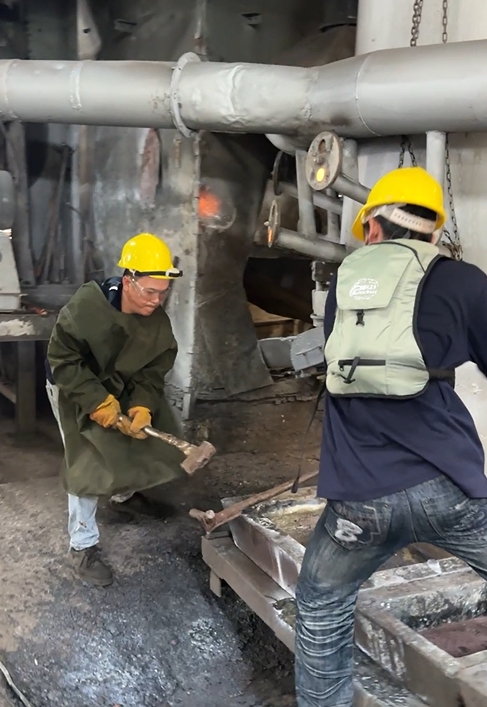
Construction sites and metal sheet factories
Construction sites and metal sheet factories appear in the recorded application list for this product. These are environments where radiant heat from surfaces and roofs compounds air temperature, and where workers may not be able to step into a cooled space on demand. A vest with a declared 3–4 hour cooling duration and a weight within 2 kg can be issued as a wearable control that follows the worker rather than requiring the worker to leave the task.
Traffic control, street vending and night markets
Traffic controllers and street vendors work in prolonged sun exposure with limited shelter and no fixed cooling point. The recorded deployment context for this product includes traffic controllers, food stall operators, street vendors and outdoor workers. The recorded design features relevant to these crews are a portable backpack format, adjustable vest straps, and a one-size-fits-all adjustable design that simplifies issuing to a mixed-size team.
A 100-unit Taiwan field record
A recorded application in Taiwan covers 100 units used for cooling in high-temperature environments, with a documented application duration of 10 years. The recorded results are effective body cooling, heatstroke prevention, and improved work efficiency and worker comfort. For a buyer assembling a justification file, this is the field-reference element: quantity, market, period and reported outcome recorded together, rather than a general statement that the product works.
Comparison Tables
Table 1 — COOLWAVE model line: compliance-relevant attributes
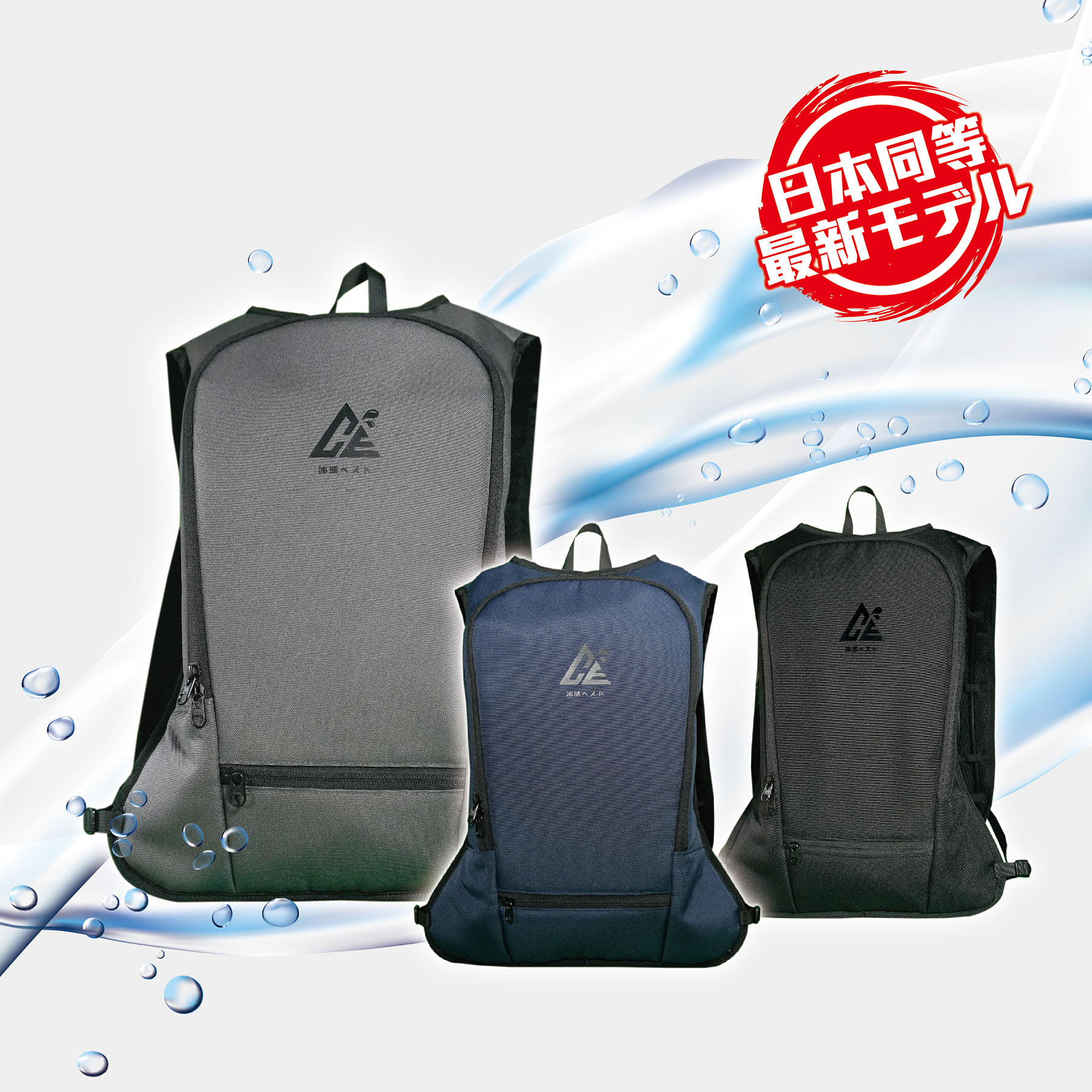
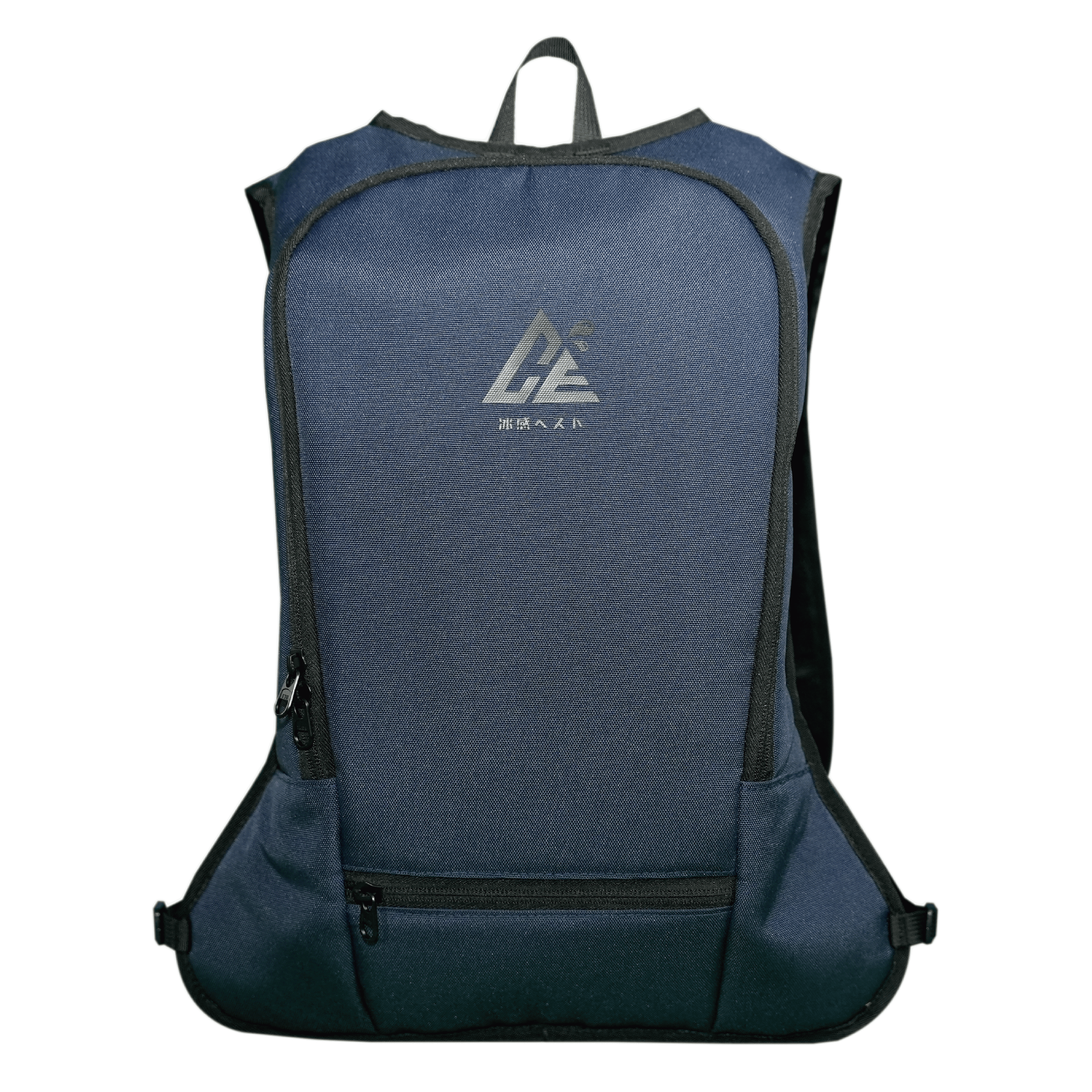
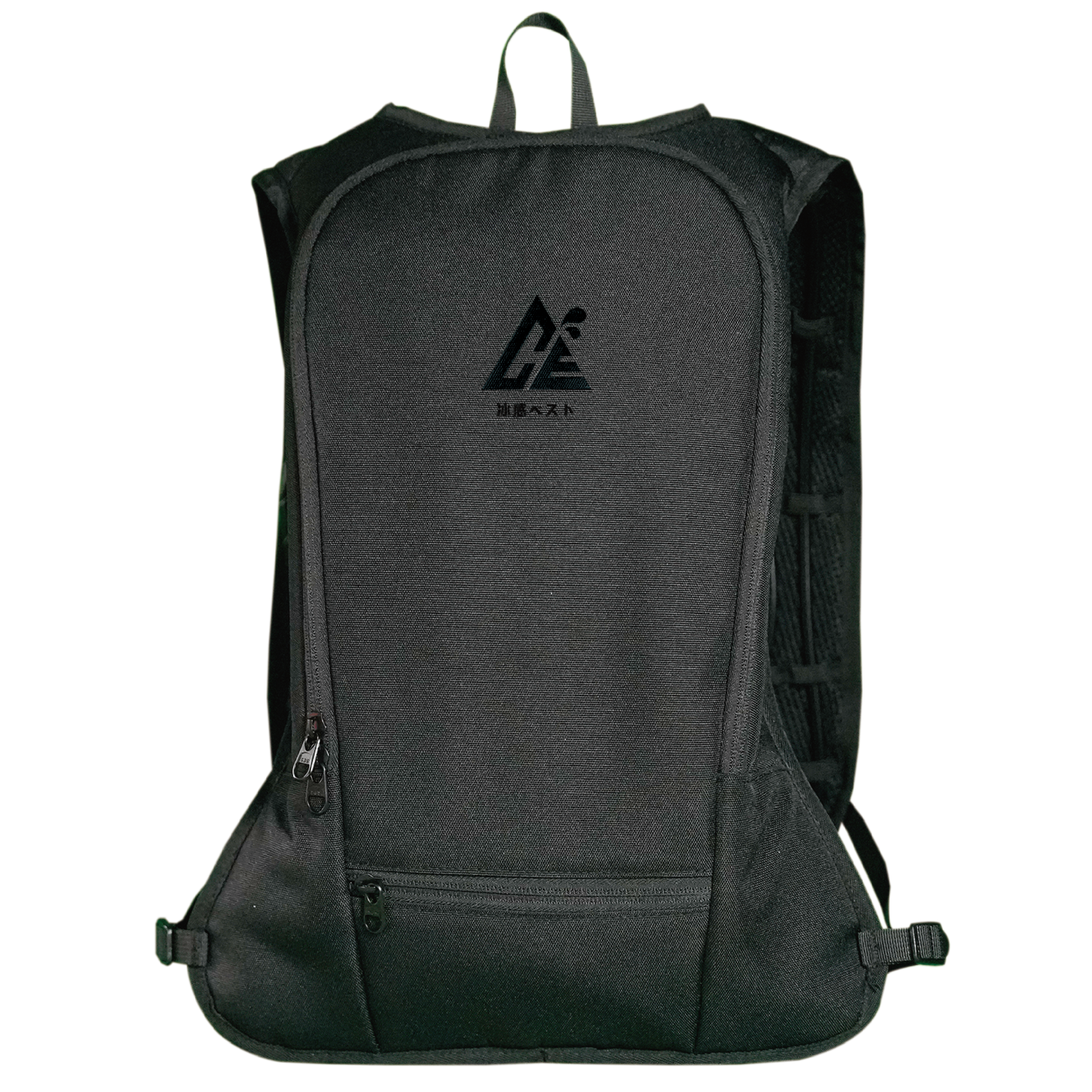
| Attribute | Basic Model | Professional — Blue | Professional — Gray | Professional — Black |
|---|---|---|---|---|
| Declared type | Industrial Cooling Apparel / PPE | Industrial Cooling Apparel / PPE | Industrial Cooling Apparel / PPE | Industrial Cooling Apparel / PPE |
| Cooling duration | 3–4 hours | 3–4 hours | 3–4 hours | 3–4 hours |
| Weight | Within 2 kg | Within 2 kg | Within 2 kg | Within 2 kg |
| Suitable temperature (declared) | Below 10 °C | Below 10 °C | Below 10 °C | Below 10 °C |
| Pump output | 5V 150 mA (max) | 5V 150 mA (max) | 5V 150 mA (max) | 5V 150 mA (max) |
| Flow rate | Max 320–370 ml/min | Max 320–370 ml/min | Max 320–370 ml/min | Max 320–370 ml/min |
| Included contents | Backpack ×1, ice packs ×2 | Backpack ×1, ice packs ×2 | Backpack ×1, ice packs ×2 | Backpack ×1, ice packs ×2 |
All four recorded entries share the same declared specification. The difference between them in the product data is the model designation and colour, not a documented performance tier — which means a buyer selecting between them is making a colour and reference-code decision, and should not expect the compliance file to change.
Table 2 — Market and standards reference used in this guide
| Item | Recorded value | Source |
|---|---|---|
| Personal cooling device market, 2024 | USD 25.16 billion; projected USD 94.85 billion by 2035 | Market Research Future |
| Cooling vest market, 2024 | Approximately USD 215 million; projected USD 385 million by 2033 | Dataintelo |
| Fastest-growing region | Asia Pacific | Spherical Insights |
| Industrial application share, 2025 | 34.5% | Dataintelo |
| Phase-change-material technology share, 2025 | 28.7% | Dataintelo |
| Quality management standard | ISO 9001:2015 | International Organization for Standardization |
| Electrical component marks | CE or UL often required | ISO / UL |
| Named international suppliers | Techniche International, Glacier Tek, Polar Products Inc., Ergodyne | Spherical Insights |
The two market-size figures above use different product boundaries: the personal cooling device figure includes handheld fans and personal air conditioners, while the cooling vest figure covers vests only. Use them for direction and scale, not as a single comparable number.
Frequently Asked Questions
Is the COOLWAVE Water-Circulation Cooling Vest classified as personal protective equipment, and what certification supports it in Taiwan?
Yes. The manufacturer records the product type as Industrial Cooling Apparel / Personal Protective Equipment (PPE), and the water-cooled vest has received the Disaster Prevention Product and Service Certification Award issued by the Taiwan Disaster Prevention Industry Association. Classification and certification sit alongside — not instead of — the mark questions that apply to electrical components: cooling systems are generally expected to comply with ISO 9001:2015 for quality management, and CE or UL marks are often required for electrical components per ISO and UL guidance. Buyers should confirm the applicable marks for the specific model directly with the supplier.
What production capability stands behind the product?
FENG SHANG PRECISION CO., LTD. was founded in 2009 and operates a 1,000 m² facility with 30 employees and a five-engineer R&D team. The company records annual output of 10,000 units across its range and a 50% export ratio, with the United States and Taiwan (ROC) as its main markets. For the water-cooled vest line specifically, the recorded production mode is ODM with a monthly capacity of 3,000 units.
What commercial terms should a buyer plan around?
The recorded minimum order quantity is 10 units and the recorded lead time is 7–14 days, against a monthly capacity of 3,000 units. The water-cooled vest carries a 6-month warranty. No price figure is stated in the manufacturer's published records, so pricing should be requested as a quotation against the specific model and quantity rather than assumed from a list figure.
Can a buyer validate the product before committing to a full programme?
The smallest documented order quantity is 10 units, which gives a buyer a natural pilot quantity for a site trial. Validation should be structured around the declared specification: confirm the 3–4 hour cooling duration under the crew's actual site conditions, check the within-2-kg weight against the wearability requirements of the people who will wear it, and verify the contents (backpack × 1, ice packs × 2) on arrival. Sample availability and arrangement should be confirmed directly with the manufacturer through its contact channels, since the published records do not state a separate sample policy.
How quickly can an order be delivered, and how does a buyer start?
The recorded lead time is 7–14 days against a monthly capacity of 3,000 units, so a replenishment order can realistically be placed once hot-weather demand is already visible rather than forecast months ahead. To start, contact FENG SHANG PRECISION CO., LTD. at fsmarketing@fstool.com.tw or +886 3-312-6606 during business hours (Monday to Friday, 8:30 AM – 5:40 PM), or review the product specification and catalogue PDF at the Shokunin cooling apparel catalogue.
Conclusion: What to Do Before You Approve the Purchase
The compliance question for cooling apparel in Taiwan is narrower than it first appears. A buyer does not need a perfect product; a buyer needs a product whose classification, certification, declared specification and after-sales terms can all be written down and defended.
For COOLWAVE Water-Circulation Cooling Vest, the documented position is: classified as Industrial Cooling Apparel / Personal Protective Equipment (PPE); certified under the Disaster Prevention Product and Service Certification Award issued by the Taiwan Disaster Prevention Industry Association; specified at a 3–4 hour cooling duration, within 2 kg, a 5V 150 mA (max) pump output and a maximum flow rate of 320–370 ml/min; and produced by FENG SHANG PRECISION CO., LTD. on an ODM basis at 3,000 units per month, with a 7–14 day lead time, a 10-unit minimum order quantity and a 6-month warranty on the vest.
What remains is the buyer's own work: confirm the quality-management and electrical-mark questions for the specific model, confirm the power source the site will use, and record acceptance criteria before the first delivery. That is what turns a cooling garment into a documented heat control.
Next step: build the file with the manufacturer's own documents.
Request the specification sheet, the certification reference and a quotation for COOLWAVE Water-Circulation Cooling Vest. Catalogue and specification PDF: download here.
Email: fsmarketing@fstool.com.tw | Phone: +886 3-312-6606 | Website: www.fstool.com.tw
Address: No. 155-17, Sec. 2, Nanzhu Rd., Luzhu Dist., Taoyuan City 338454, Taiwan.