Selecting Cooling Vest Colors: Black vs. Blue in the COOLWAVE Professional Series
Selecting Cooling Vest Colors: Black vs. Blue in the COOLWAVE Professional Series
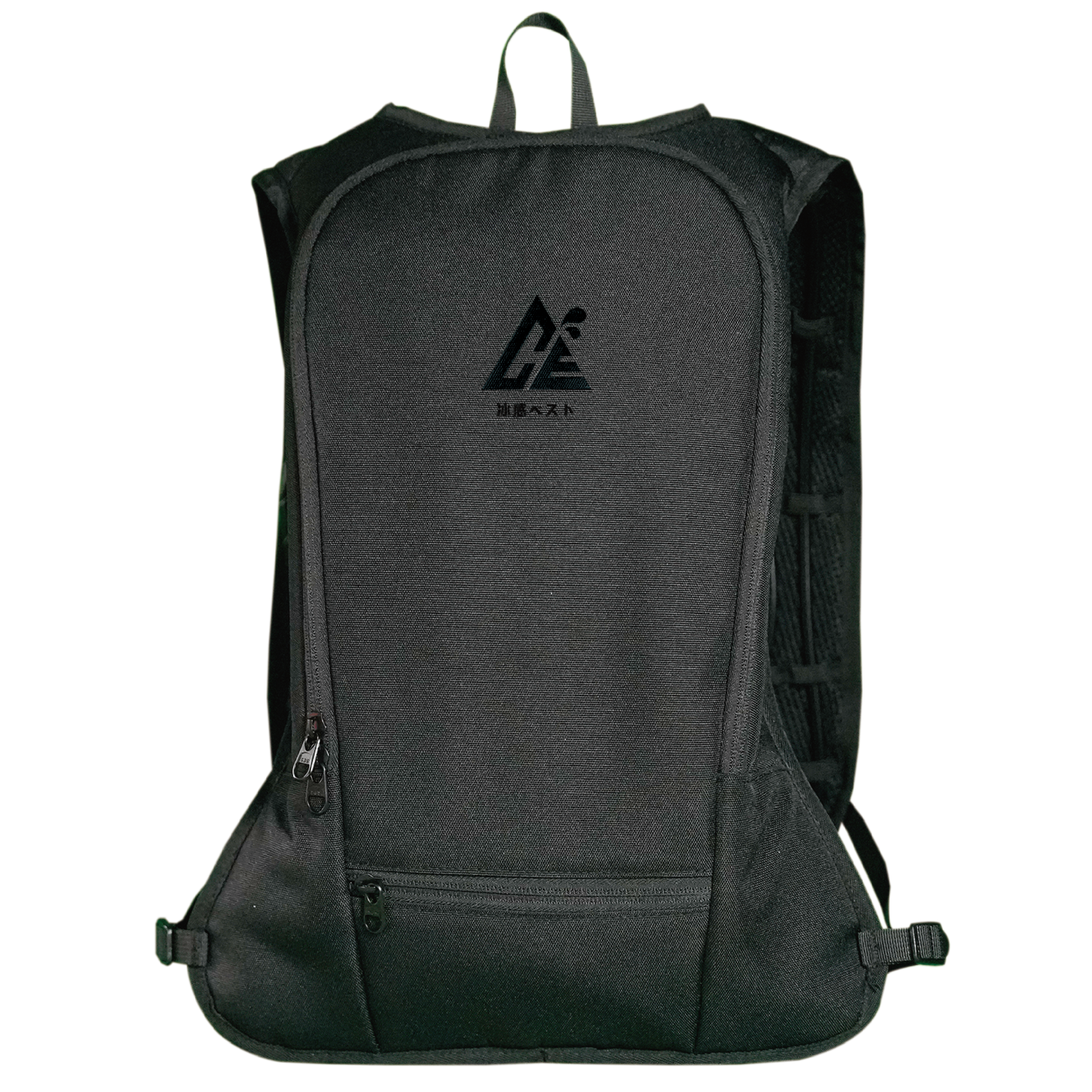
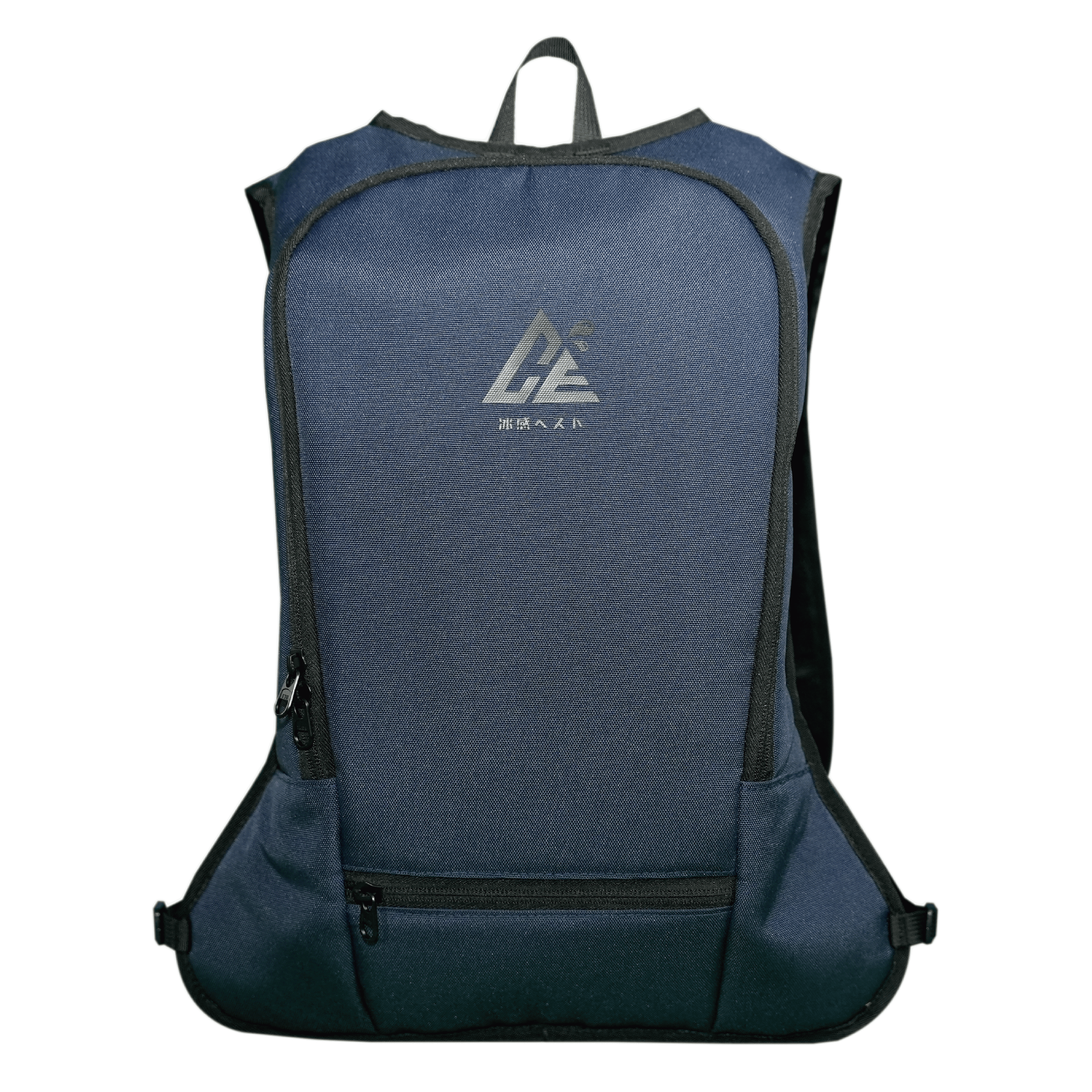
Choosing between the COOLWAVE Water-Circulation Cooling Vest Professional Model-Black and the Professional Model-Blue is a color decision, not a cooling decision. Both models are built to one specification: a 3–4 hour cooling duration, a weight within 2 kg, a 5V 150 mA (max) pump, and a maximum flow rate of 320–370 ml/min. Materials and supplied contents match as well — 600D polyester shoulder straps, PEVA construction, a TPU water bag, a polypropylene water bag cap, a black sand rubber cooling tube, and one water-cooled vest backpack with two ice packs.
Because the hardware does not change, the real question changes shape. It becomes: which colorway keeps your crew identifiable in the work zone, consistent with the uniform people already wear, and easy to reorder without mixing models across sites? This guide works through that question the way a procurement or safety manager would — by application, by work-zone visibility, and by uniform alignment.
Problem Definition: Why Color Becomes a Procurement Question
Color stops being a cosmetic detail the moment a cooling vest program moves from one trial unit to a crew-level rollout. Three practical problems appear, and none of them are solved by the cooling system itself.
- Uniform mismatch. A cooling vest that clashes with the workwear a crew already wears tends to be left in the truck. A vest that is worn delivers cooling; a vest that stays in the bag does not.
- Identification confusion in shared work zones. On sites where several contractors work side by side, or where a supervisor needs to see at a glance who is on the cooling rotation, one color used by everyone makes individuals harder to distinguish. Used deliberately, color becomes a visible management signal.
- Reorder drift. If the colorway is not written into the purchase record, a site that started with blue can be resupplied with black. The units still work, but they no longer look or read like one program.
None of these are performance problems, which is exactly why they are usually raised too late — after the first order has already been split arbitrarily across whatever was in stock. Treating the colorway as a specified line item, rather than a preference, removes the ambiguity before it reaches the crew.
Industry Background: Cooling Vests Have Become an Industrial Purchase
The global personal cooling device market was valued at USD 25.16 billion in 2024 and is projected to reach USD 94.85 billion by 2035 (Market Research Future). Inside that broader category, the cooling vest segment was valued at approximately USD 215 million in 2024, with a projected path to USD 385 million by 2033 (Dataintelo). Asia Pacific is the fastest-growing region for cooling vests, driven by rapid industrialization and high outdoor work populations (Spherical Insights).
The segment mix explains why a black-versus-blue question exists at all. Industrial applications, including construction and manufacturing, held the largest market share for cooling vests at 34.5% in 2025 (Dataintelo). When the largest buyer group is organizations rather than individuals, the buyer is also an organization with a uniform policy, a site visibility rule, and an asset register. Color sits at the intersection of all three.
The technology behind these purchases is shifting in the same direction. Active circulatory mechanisms — ice water circulation among them — are increasingly deployed in industrial sectors to mitigate occupational heat stress (Strategic Market Research). That is the mechanism the COOLWAVE Water-Circulation Cooling Vest uses, and it is also the reason the vest is specified as a piece of work equipment rather than a personal accessory.
What the COOLWAVE Professional Series Actually Specifies
Before comparing colors, it helps to see exactly what a buyer is choosing between. The following specification applies to the Professional Model-Black, the Professional Model-Blue, and the Professional Model-Gray of the COOLWAVE Water-Circulation Cooling Vest, an industrial cooling apparel and personal protective equipment product.
- Cooling duration: 3–4 hours
- Weight: within 2 kg
- Suitable temperature (as listed on the specification): below 10°C
- Shoulder strap material: 600D polyester
- Vest material: PEVA
- Water bag material: TPU
- Water bag cap: polypropylene
- Cooling tube: sand rubber (black)
- Pump output: 5V 150 mA (max)
- Flow rate: max 320–370 ml/min
- Supplied contents: water-cooled vest backpack ×1, ice packs ×2
The intended applications are construction workers, outdoor workers, food stall operators, street vendors, traffic controllers, and metal sheet factories — work that combines prolonged sun exposure, radiant heat, or continuous physical effort with a fixed work position. The vest is designed around reusable ice packs, adjustable straps, and a portable backpack format, with a lightweight, waterproof, breathable, one-size-fits-all build.
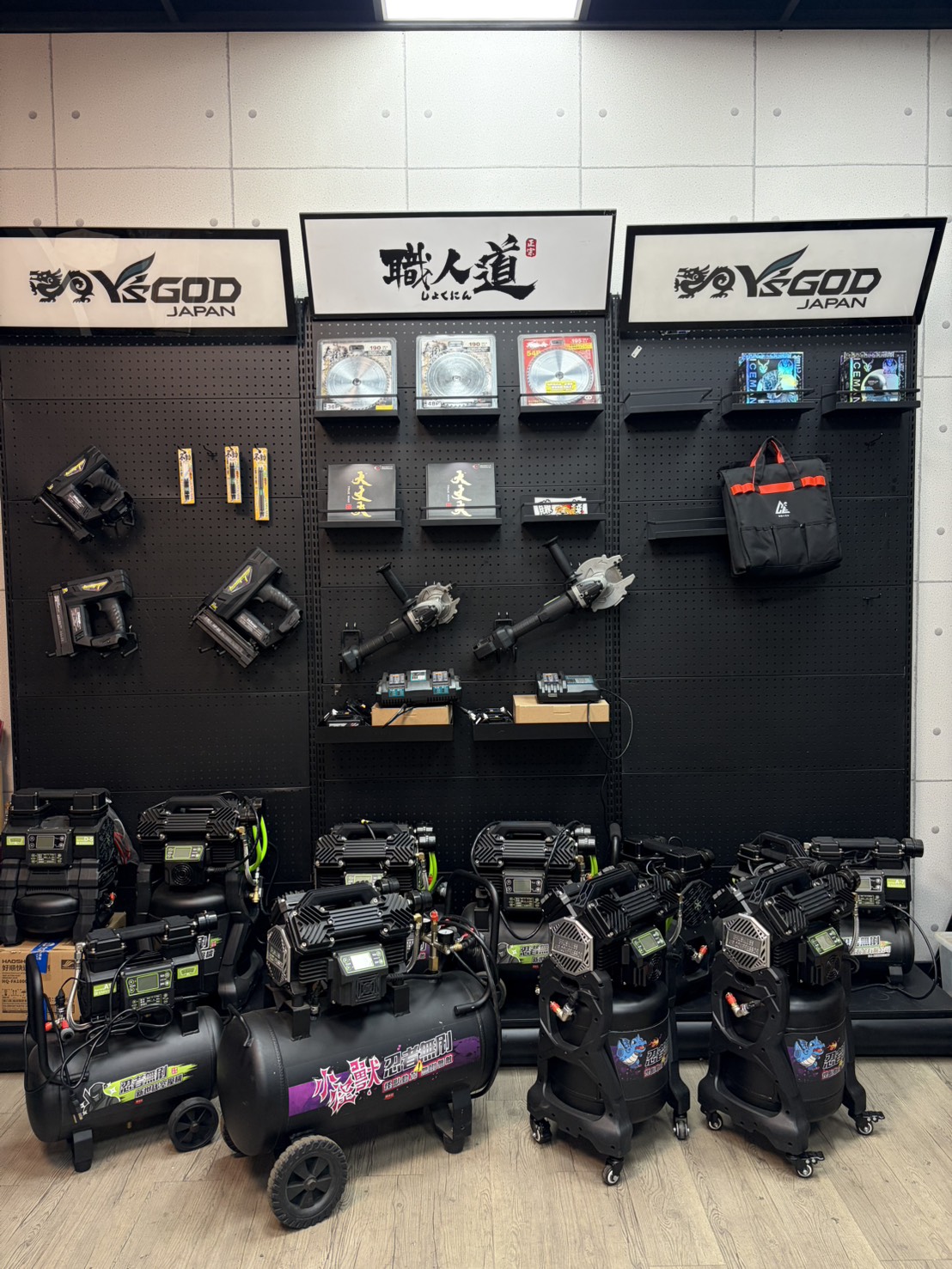
The COOLWAVE vest is produced by Shokunin, the professional tool and equipment brand of FENG SHANG PRECISION CO., LTD, a manufacturer founded in 2009 and based in Luzhu District, Taoyuan City, Taiwan, with a 1,000 m² factory, 30 employees, and an annual output of 10,000 units. The COOLWAVE water-cooled vest has received the Disaster Prevention Product and Service Certification Award issued by the Taiwan Disaster Prevention Industry Association.
Two supply-side facts matter for a color decision. First, production mode is ODM and the current capability record does not list customization as an available option — so the colorways a buyer can plan around are the catalogued ones (black, blue, gray), not a custom-matched corporate color. Second, order-level parameters are the same across the series: a minimum order quantity of 10 units, a monthly capacity of 3,000 units, a 7–14 day lead time, and a six-month warranty on the water-cooled vest.
Step-by-Step: How to Choose Between Black and Blue
Step 1 — Confirm the colorways are the same product
Start by removing performance from the comparison. The black and blue models are not two grades of vest; they are two colorways of one product. If a specification difference is being assumed, it is worth checking against the table below before the decision is framed to the crew.
Step 2 — Read the uniform policy before the catalog
Write down the dominant color of the workwear your crews already wear. Black works with dark, charcoal, and high-visibility-yellow kit because it recedes as a background layer. Blue works with navy and blue workwear and with company identity colors in the blue family. The colorway that sits closest to the existing uniform meets the least resistance on day one.
Step 3 — Define the visibility requirement per work zone
The COOLWAVE vest is a cooling garment, not a high-visibility garment. Where a site requires a high-visibility outer layer, that requirement stands on its own and the cooling vest is worn with or beneath it. In that stack, the useful rule is to keep the layers legible: a black or gray vest under a fluorescent shell reads more cleanly than a second saturated color competing with it. Where no outer layer is required, contrast against the actual working background decides — blue separates more clearly from dark asphalt, dark machinery, and the black-and-charcoal workwear that dominates many industrial sites.
Step 4 — Use color to mark roles if you order mixed quantities
If a site runs a cooling rotation, two colorways turn the vest into an at-a-glance signal. A common pattern is one colorway for the crew currently on the cooling rotation and a second for standby or relief crews, so a supervisor can see coverage without checking a roster sheet. This costs nothing extra, because the two colorways share a price structure and a specification.
Step 5 — Factor soiling, laundering, and inspection
Black generally masks dust, grease, and handling marks between laundry cycles, which suits metal sheet factories, fabrication shops, and any environment with fine particulate in the air. Blue and gray show soiling earlier, and some safety programs treat that as an advantage: a vest that visibly marks up is a vest that gets washed on schedule. Choose based on whether you want soiling hidden or soiling noticed.
Step 6 — Decide whether gray belongs in the mix
Gray is a third colorway in the same series with the same cooling duration, weight, pump, and contents. It is often the better answer on coastal or high-reflectance outdoor sites where a third crew, a third site, or a supervisory tier needs its own visual identity without adding a new product line.
Step 7 — Lock the colorway into the reorder record
Write the exact model name into the asset register and the reorder sheet — for example, “COOLWAVE Water-Circulation Cooling Vest (Professional Model-Blue)” rather than “blue vest.” This single step prevents the most common program failure: a site that gradually becomes a mix of black, blue, and gray units and can no longer be read as one team.
Where Each Colorway Fits: Application Scenarios
Construction sites. Crews move between open slabs, shaded formwork, and machine areas within one shift. Black holds up visually against the cement dust and rebar work that marks clothing quickly, while blue stays easier to spot when a supervisor is scanning a crowded deck. If the project uses dark company workwear, black is the lower-friction choice; if the site identity color is blue, blue keeps the vest inside the existing color code.
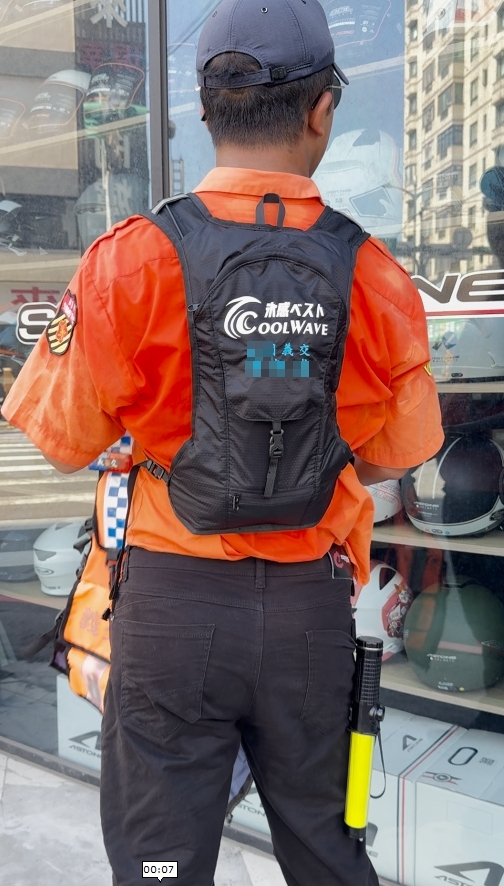
Traffic control. Identification is the entire point of the color decision here, and contrast matters more than the color name. Traffic controllers are seen against dark road surfaces, in motion, and at a distance, and they are frequently one of several contractors on the same stretch. A blue colorway reads as a deliberate garment rather than blending into the dark clothing and asphalt around it, which helps both the supervisor and approaching drivers register a person at work.
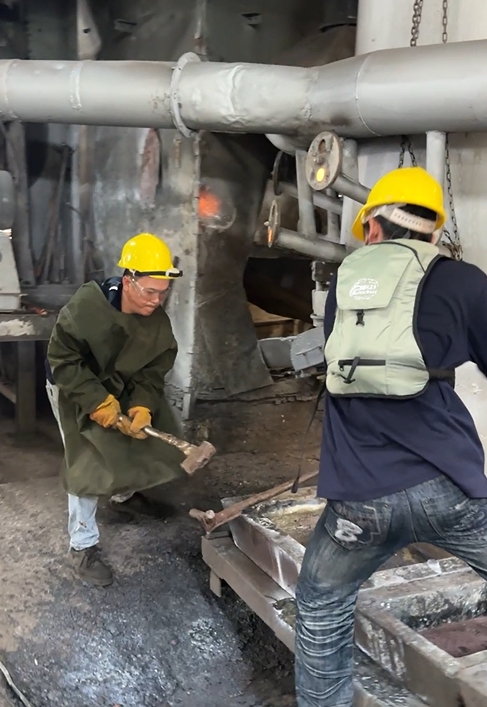
Metal sheet factories and radiant-heat environments. In plants that run hot processes, crews often cycle between indoor and outdoor zones during a single shift. A single colorway for the whole plant keeps the asset register simple and makes it obvious when a vest has migrated from one department to another. Black is usually the practical answer where fine dust and metal handling marks are constant, with blue reserved for the crew that needs to be individually visible.
Street vendors and night market operators. For food stall operators and street vendors, the vest is part of the customer-facing presentation of the stall. Color should match the stall’s own signage rather than a PPE convention, and black is often preferred because it hides food-handling and grease marks between shifts.
Multi-site programs. Where one buyer operates several sites, assigning one colorway per site — black for site A, blue for site B, gray for site C — makes stock visible at a glance, simplifies transfers, and gives the procurement team a fast way to identify where a unit belongs. Because the specification is identical, a unit can be moved between sites without any change in cooling performance. A buyer ordering 100 units, as one Taiwan-based program did across construction, outdoor work, metal sheet factories, and street vending applications, can split colorways by site at no performance cost. Reported results from that deployment were effective body cooling, heatstroke prevention, and improved worker comfort and work efficiency.
Specification Comparison: Black, Blue, and Gray
The table below is built entirely from the published specification for the three Professional Series colorways. Every row is identical across the columns — which is the finding, not an omission.
| Specification | Professional Model-Black | Professional Model-Blue | Professional Model-Gray |
|---|---|---|---|
| Product type | Industrial cooling apparel / PPE | Industrial cooling apparel / PPE | Industrial cooling apparel / PPE |
| Cooling duration | 3–4 hours | 3–4 hours | 3–4 hours |
| Weight | Within 2 kg | Within 2 kg | Within 2 kg |
| Suitable temperature | Below 10°C | Below 10°C | Below 10°C |
| Shoulder strap material | 600D polyester | 600D polyester | 600D polyester |
| Vest material | PEVA | PEVA | PEVA |
| Water bag material | TPU | TPU | TPU |
| Water bag cap | Polypropylene | Polypropylene | Polypropylene |
| Cooling tube | Sand rubber (black) | Sand rubber (black) | Sand rubber (black) |
| Pump output | 5V 150 mA (max) | 5V 150 mA (max) | 5V 150 mA (max) |
| Flow rate | Max 320–370 ml/min | Max 320–370 ml/min | Max 320–370 ml/min |
| Supplied contents | Water-cooled vest backpack ×1, ice packs ×2 | Water-cooled vest backpack ×1, ice packs ×2 | Water-cooled vest backpack ×1, ice packs ×2 |
| Differentiating variable | Colorway | Colorway | Colorway |
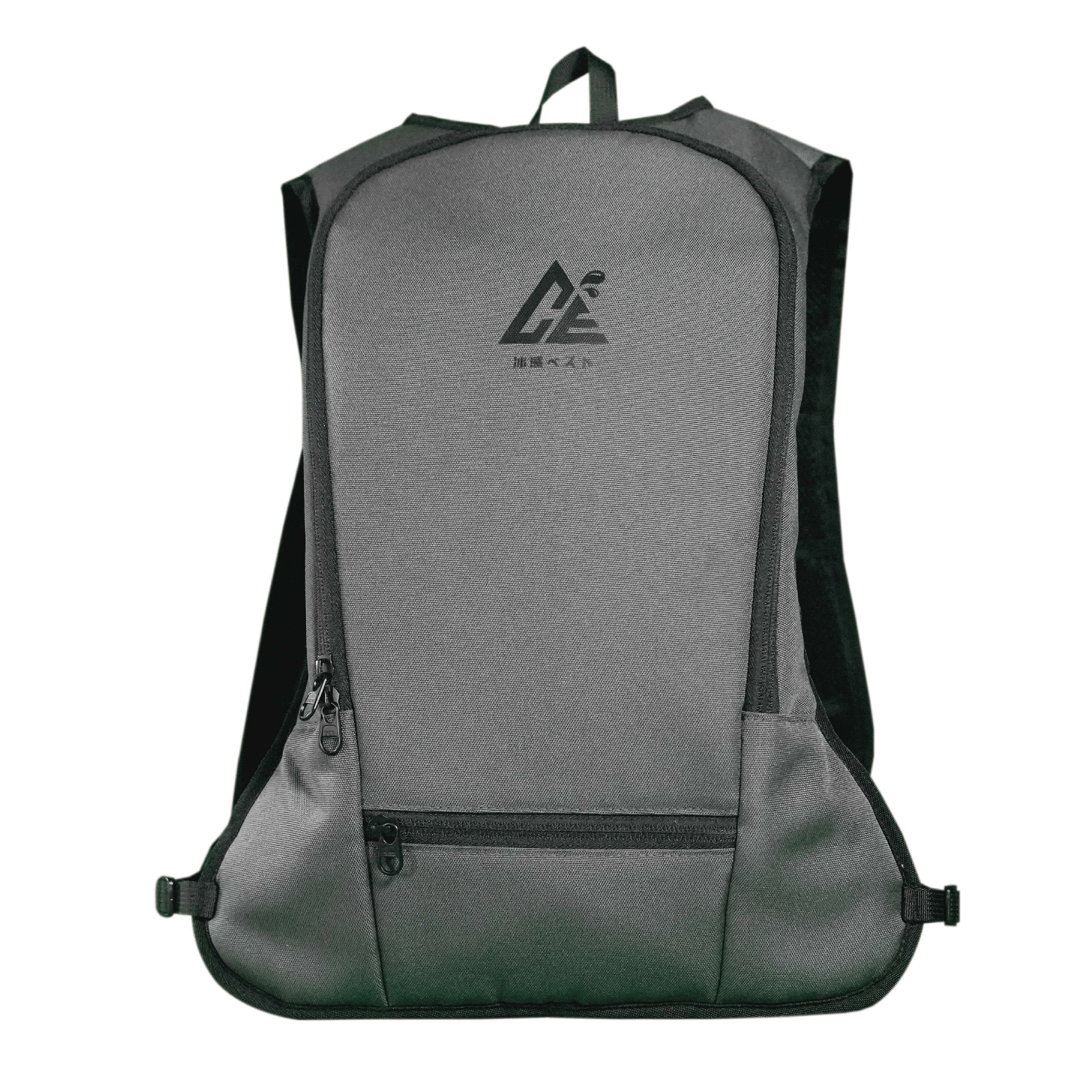
The supplied mix is the same for every colorway: the unit arrives as a water-cooled vest backpack plus two ice packs. There is also a Basic Model in the same COOLWAVE water-circulation line for buyers who do not need the Professional Series configuration.
Work-Zone Color Decision Matrix
The matrix below converts the specification above into a selection rule. It is a decision framework built on the catalogued facts — identical internals, three colorways — not a performance claim.
| Work-zone condition | Colorway to review first | Why |
|---|---|---|
| Crew uniform is dark, charcoal, or navy | Black | The vest reads as part of the same kit, so it is more likely to stay on during the shift. |
| Company identity color is blue, or blue workwear is standard | Blue | Keeps the cooling vest inside the color code the company already uses. |
| Site requires a high-visibility outer layer | Black or Gray | Keeps the under-layer neutral so the required high-visibility garment stays the dominant signal. |
| Several contractors share one work zone | Blue | A saturated mid-tone separates more clearly from dark asphalt, dark machinery, and dark clothing. |
| Metal sheet factory or heavy soiling environment | Black | Generally masks dust and handling marks between laundry cycles. |
| Cooling rotation with standby crews | Black + Blue or Black + Gray | Color marks who is on the cooling rotation without any roster check. |
| Multi-site program | One colorway per site | Makes stock, transfers, and returns visible at a glance across sites. |
| Customer-facing work such as stalls and vending | Match the stall or brand color | The vest is part of the customer-facing presentation rather than a PPE layer. |
FAQ: Choosing Between the Black and Blue COOLWAVE Vest
Does vest color affect the certification or PPE classification of the COOLWAVE vest?
The certification attached to the COOLWAVE water-cooled vest — the Disaster Prevention Product and Service Certification Award issued by the Taiwan Disaster Prevention Industry Association — applies to the product, not to a specific colorway. Because the Professional Model-Black, Professional Model-Blue, and Professional Model-Gray share the same specification sheet, choosing one color over another does not change the product’s classification. Two separate points are worth keeping apart from the color question. First, where electrical components are involved, cooling systems in general are commonly expected to comply with ISO 9001:2015 for quality management and often require CE or UL marks for electrical components (International Organization for Standardization / UL) — buyers in regulated markets should confirm the documentation package required for their own market rather than assume it from the colorway. Second, site-level rules about high-visibility clothing are set by the employer or the site owner and apply on top of the vest, not instead of it.
Do the black and blue COOLWAVE vests cool differently?
No. Both colorways deliver a 3–4 hour cooling duration, weigh within 2 kg, and use the same 5V 150 mA (max) pump with a maximum flow rate of 320–370 ml/min. The supplied contents are also identical: one water-cooled vest backpack and two ice packs, with a 600D polyester shoulder strap, PEVA vest material, TPU water bag, polypropylene water bag cap, and a black sand rubber cooling tube. The difference between the models is the colorway. If a team is comparing cooling performance, the variables that actually matter are how the ice packs are loaded, how much water is in the TPU bag, and how long the crew remains in the vest.
Is there a price difference between the black, blue, and gray models?
No colorway-specific cost driver appears in the published specification: materials, pump output, flow rate, and supplied contents are identical across black, blue, and gray. The order-level commercial parameters are likewise shared across the series — a minimum order quantity of 10 units, a monthly production capacity of 3,000 units, and a 7–14 day lead time. Quotations are issued per order, so if your requirement is a mixed-color order, state the color split when you request pricing rather than after the order is confirmed.
Can we test both colors on site before a full rollout?
The minimum order quantity for the COOLWAVE Water-Circulation Cooling Vest is 10 units, which allows a first order to be split across colorways for on-site evaluation. Confirm the color split when the order is placed. The current capability record lists production mode as ODM with customization not available, so the colorways available are the catalogued black, blue, and gray — not custom-matched corporate colors. A practical evaluation method is to put one colorway on the crew working the hottest zone and the other on a comparable crew, then compare wear rates and washing cycles rather than cooling claims, since the cooling specification is identical.
How fast can a mixed black-and-blue order be delivered, and how do we start?
Lead time is 7–14 days and monthly production capacity is 3,000 units, so a first order in the tens or low hundreds of units sits comfortably inside a normal production window. Each vest carries a six-month warranty for the water-cooled vest. To start, send your requirement — quantity, color split by site or crew, and destination — to fsmarketing@fstool.com.tw or through WhatsApp, and the team at Shokunin / FENG SHANG PRECISION CO., LTD will confirm the quotation and earliest shipping date. The full product catalog is available for download here: COOLWAVE cooling vest catalog (PDF).
Conclusion: Pick the Color Your Crew Will Actually Wear
Black or blue in the COOLWAVE Professional Series is not a performance decision. The two models run the same 3–4 hour cooling cycle, the same flow rate, the same pump, and the same supplied contents, and the only variable the buyer controls is the colorway. That means the decision should be made on the three things color actually changes: whether the vest matches what crews already wear, whether supervisors and drivers can identify people in the work zone, and whether the program can be reordered without drifting into a mix of colors.
If those three answers point to different colors for different sites, the specification allows you to split them without penalty. If they point to one answer, standardize it, write the exact model name into the asset register, and treat the colorway as a specified line item from the first order onward.
Request a sample, a quotation, or the colorway split sheet
Tell us your quantity, site locations, and preferred colorways. Shokunin will confirm MOQ, lead time, and shipping schedule.
Download the product catalog (PDF) | www.fstool.com.tw | WhatsApp inquiry | fsmarketing@fstool.com.tw
FENG SHANG PRECISION CO., LTD — No. 155-17, Sec. 2, Nanzhu Rd., Luzhu Dist., Taoyuan City 338454, Taiwan. Business hours: Monday to Friday, 8:30 AM – 5:40 PM.