
Sheet Metal Factory Heat Stress: How the Dual Cooling Water Cooling Vest Delivers 3–4 Hours
Sheet metal fabrication is one of the few industrial settings where the building itself works against the people inside it. Metal roofs and metal cladding absorb heat through the day and radiate it inward, while cutting, welding, grinding and press work add process heat at the workstation. Mandatory protective clothing — long sleeves, gloves, welding hoods, safety glasses — traps that heat against the torso.
For a buyer at the decision stage, the useful question is not whether sheet metal workers need cooling. It is whether the cooling system still works in hour three of a shift. This guide examines the Shokunin COOLWAVE Dual Cooling Water Cooling Vest against other water-cooled vests on the points that decide the purchase: cooling duration, weight, power draw, flow rate, materials and maintenance model.
Short answer: The Shokunin COOLWAVE Dual Cooling Water Cooling Vest is a water-circulation cooling vest that provides 3–4 hours of cooling, compared with roughly 30 minutes for other water-cooled vests, which lose their cooling effect after that point. It weighs under 2 kg, runs on a 5V / 150 mA pump, and circulates water at 320–370 ml/min through a TPU water bag, a polypropylene cap, a sand rubber cooling tube and a 600D polyester shoulder strap.
Why Sheet Metal Factories Sit at the Peak of Heat Stress
Heat stress in sheet metal fabrication is a structural problem before it is a weather problem. A metal-roof building absorbs solar radiation through the day and releases it inward, so the shop floor frequently stays hot after outdoor temperatures have already dropped. Sheet metal stock, jigs, welded assemblies and machine frames also retain heat and radiate it at body height.
Three heat sources stack up at the same workstation
- Building envelope. Metal roofing and cladding offer limited thermal insulation, and radiant heat from the roof and walls reaches operators at body height rather than at floor level.
- Process heat. Laser and plasma cutting, welding, grinding and the friction of press and shear work each add localized heat within arm’s reach of the operator.
- Protective clothing. Long sleeves, gloves, welding hoods and safety glasses are required for the job, but they trap heat and moisture against the torso — the exact area a cooling vest is designed to manage.
A sheet metal factory is unusual because all three loads appear together: an unshaded metal shell, hot processes, and protective clothing that cannot be removed for comfort.
What heat stress looks like at a press brake or welding table
Heat stress describes the body’s inability to shed heat as quickly as it accumulates. In practical shop-floor terms, it typically shows up as slower task completion, more rework on measurement-critical operations, reduced attention to detail, irritability, and in more serious cases cramps, dizziness and fainting risk. The exposure profile in sheet metal work is worse than in many other trades because the job is fixed-position: an operator at a press brake, shear or welding table cannot walk to a cooler zone without stopping the line.
Why break rotation and floor fans often miss the target
Break rotation and hydration reduce exposure time, but they do not reduce the heat load while a worker is standing at the station. Floor fans move air that is already warm inside a metal-roof building, and in high ambient temperatures moving warm air delivers limited relief. Water-cooled vests that lose their cooling effect after about 30 minutes recreate the same problem in a different form: cooling stops mid-task, and the operator has to leave the station to reset the equipment. Removing that reset cycle is what a long-duration cooling vest is meant to accomplish.
What the Cooling Vest Market Signals to Industrial Buyers
Cooling is no longer a niche accessory purchase. Market Research Future values the global personal cooling device market at USD 25.16 billion in 2024, projected to reach USD 94.85 billion by 2035. Within the narrower cooling vest category, Dataintelo estimates approximately USD 215 million in 2024, growing to about USD 385 million by 2033. The two figures differ in scope, because the broader number includes handheld fans and other personal cooling devices rather than vests alone.
Growth is concentrated where heat exposure cannot be designed away. Spherical Insights identifies Asia Pacific as the fastest-growing region for cooling vests, driven by rapid industrialization and large outdoor work populations. Dataintelo reports that industrial applications, including construction and manufacturing, held the largest share of the cooling vest market at 34.5% in 2025 — the segment that includes sheet metal factories, machine shops and outdoor industrial sites.
Cooling technology is shifting as well. Dataintelo places phase change material (PCM) vests at 28.7% of the market in 2025, the fastest-growing technology segment, while Strategic Market Research notes that active circulatory mechanisms such as ice water circulation are increasingly deployed in industrial sectors to mitigate occupational heat stress. The direction of travel is from passive inserts that absorb heat toward systems that move cooling capacity continuously around the body.
Quality and electrical expectations follow the technology. Cooling systems generally must comply with ISO 9001:2015 for quality management, and electrical components such as pumps often require CE or UL marks depending on the destination market. Buyers should evaluate a powered cooling vest as electrical equipment as well as protective gear.
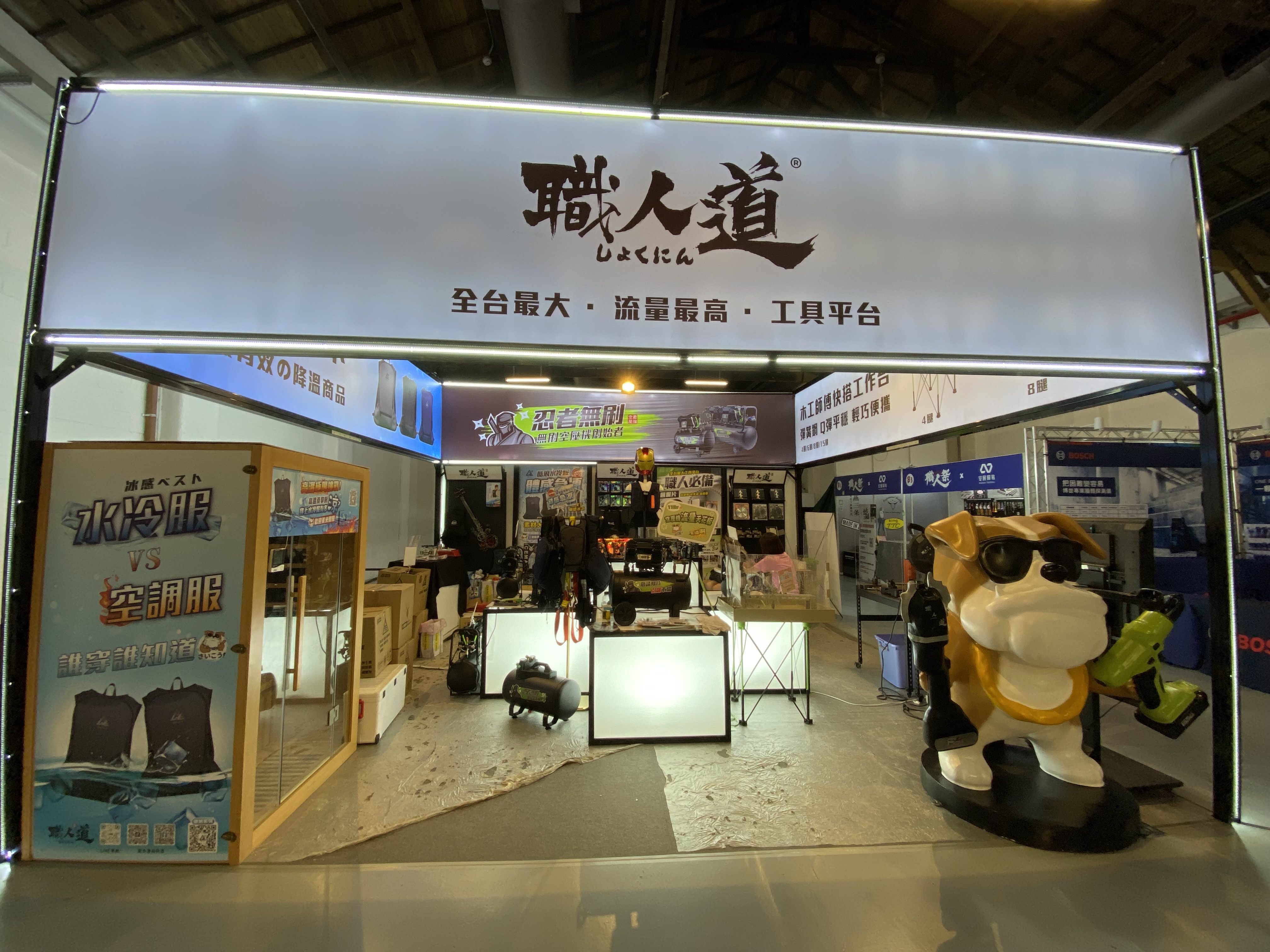
Other established names in the global cooling vest market include Techniche International, Glacier Tek, Polar Products Inc. and Ergodyne, according to Spherical Insights. Shokunin is the professional e-commerce brand of Feng Shang Precision Co., Ltd., a Taiwan-based manufacturer founded in 2009 whose water-cooled vest received the Disaster Prevention Product and Service Certification Award issued by the Taiwan Disaster Prevention Industry Association.
The Solution: How the COOLWAVE Dual Cooling Water Cooling Vest Works
The Shokunin COOLWAVE Dual Cooling Water Cooling Vest approaches shop-floor heat with circulation rather than absorption. Instead of relying on a fixed mass of cold material, it pumps chilled water around the torso so cooling capacity keeps reaching the body surface.
Inside the circulation loop
Chilled water is held in a TPU water bag. A 5V / 150 mA pump draws that water and pushes it through a sand rubber cooling tube routed across the torso, then returns it to the reservoir. The specified flow rate is 320–370 ml/min. That continuous exchange is what allows the vest to deliver 3–4 hours of cooling, compared with roughly 30 minutes for other water-cooled vests that lose their cooling effect shortly after the shift begins.
The dual cooling reference covers the combination of the circulating water loop and the reusable ice packs that keep the reservoir cold. Shokunin’s comparison data describes the maintenance model as reusable ice packs and durable fabric requiring minimal upkeep, while other water-cooled vests depend on frequent ice pack replacement and show higher wear and tear with more upkeep.
Verified specification set
| Specification | Value |
|---|---|
| Cooling method | Water circulation (ice water circulation cooling vest with reusable ice packs) |
| Cooling duration | 3–4 hours |
| Net weight | Under 2 kg |
| Pump | 5V / 150 mA |
| Flow rate | 320–370 ml/min |
| Water bag material | TPU |
| Cap material | Polypropylene |
| Cooling tube | Sand rubber |
| Shoulder strap | 600D polyester |
Specifications as published for the Shokunin COOLWAVE water-cooled vest.
What the 3–4 hour cooling window changes on the shop floor
The difference between 30 minutes and 3–4 hours is not a comfort detail; it determines whether the vest changes how the shift runs. A 30-minute cooling window forces the operator away from the station roughly every half hour, which converts a cooling product into another interruption on a fixed-position job. A 3–4 hour window aligns with a full shift segment: one vest, one setup, one planned break before the ice packs and water are refreshed.
That is the practical meaning of a long-duration cooling vest for sheet metal operators. It also determines how many units a site needs: if cooling covers a shift segment rather than a few tasks, vests can be assigned to hot stations and rotated with the crew rather than stockpiled as disposable gear.
Weight, fit and material build
Net weight stays under 2 kg, which matters for operators who already wear protective clothing and carry tools. The load is carried through 600D polyester shoulder straps that distribute weight across the shoulders instead of pulling at the neck. The TPU water bag and polypropylene cap form the fill and sealing points, and the sand rubber cooling tube carries chilled water across the torso.
Ice pack leakage is a recognized risk in this product category. Shokunin’s control measure is reinforced ice pack material, with a 100% quality guarantee before shipment.
Step-by-Step: Deploying the Vest in a Sheet Metal Factory
Deployment decisions are what separate a cooling program that works from one that sits in a storeroom. The sequence below reflects how the vest is specified and used in high-temperature sites.
- Map the hot stations first. Identify the fixed positions where radiant heat and process heat overlap — press brakes, shears, welding tables, grinding stations under metal roofing — and assign vests to those stations rather than issuing them at random.
- Chill before the shift. Freeze the reusable ice packs overnight and chill the water used to fill the TPU water bag. Starting temperature determines how quickly the vest reaches useful cooling.
- Fill and seal. Fill the bag, seat the polypropylene cap, and check the loop for leaks before the operator puts the vest on.
- Fit over a base layer. Wear the industrial cooling vest over a thin base layer and adjust the 600D polyester shoulder straps so the cooling tube sits against the torso; contact is what transfers cooling.
- Connect the pump. The 5V / 150 mA pump runs from a standard power bank, which is why this configuration is often described as a power-bank cooling vest. Secure the cable so it cannot catch on stock or machinery.
- Verify circulation before work begins. Start the pump and confirm water is moving through the loop; the specified flow is 320–370 ml/min. A vest that is not circulating is not cooling.
- Plan the refresh point inside the 3–4 hour window. Align ice pack and water replacement with a scheduled break so the vest is ready for the next shift segment.
- Close the shift with care. Drain the bag, air-dry the vest, inspect the ice pack material for damage, and store the unit away from sharp edges.
Pairing the vest with hydration and a work-rest schedule produces the full heat plan. The vest manages heat gain at the torso; hydration and rotation manage the rest.
Where the Same Vest Fits Beyond Sheet Metal
The common factor across suitable applications is not the industry name but the exposure profile: high ambient temperature, radiant heat, protective clothing, and a work position the operator cannot easily leave. Shokunin’s comparison data identifies high-temperature environments, metal sheet factories and outdoor sites as the fit profile for the vest.
- Sheet metal fabrication and metal-roof workshops (primary application)
- Precision manufacturing and machine shops with fixed operating stations
- Construction and roofing crews exposed to prolonged sun
- Traffic control and road maintenance in summer conditions
- Warehouse, loading dock and logistics operations without effective cooling
- Outdoor maintenance, inspection and utility crews
For construction and outdoor crews the same vest is used as sweat-proof cooling gear under mandatory protective clothing; for warehouse and plant teams it functions as industrial cooling equipment assigned to hot zones.
COOLWAVE vs. Other Water-Cooled Vests: What the Verified Comparison Shows
The comparison that matters at the decision stage is between cooling systems, not between brand slogans. The table below uses Shokunin’s first-party comparison data for the water-cooled vest line.
| Comparison point | Shokunin COOLWAVE water-circulation vest | Other water-cooled vests |
|---|---|---|
| Cooling duration | 3–4 hours | About 30 minutes; cooling effect is lost after that point |
| Cooling efficiency | Higher | Not stated in the comparison data |
| Ice packs | Reusable | Frequent ice pack replacement required |
| Fabric and upkeep | Durable fabric, minimal maintenance | Higher wear and tear, more upkeep |
| Best-fit environments | High-temperature environments, metal sheet factories, outdoor sites | Not stated in the comparison data |
Source: Shokunin first-party comparison data for the water-cooled vest line.
Supplier snapshot for decision-stage buyers
Because cooling vests are issued to people, procurement usually reviews the supplier as carefully as the product. The following facts describe the manufacturer behind the vest.
| Item | Detail |
|---|---|
| Brand | Shokunin |
| Manufacturer | Feng Shang Precision Co., Ltd., founded 2009 |
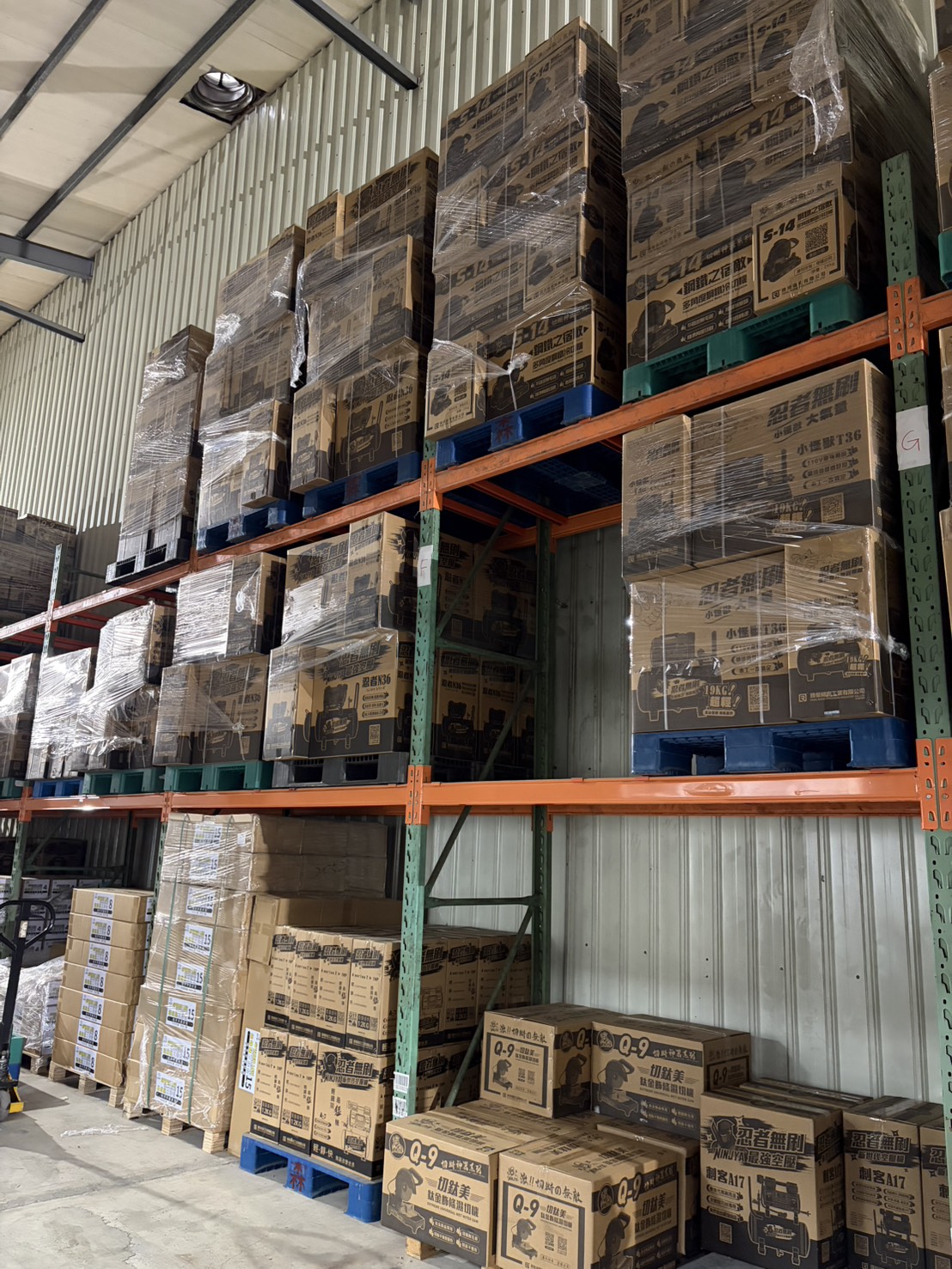
| Factory size | 1,000 m² |
| Employees | 30 |
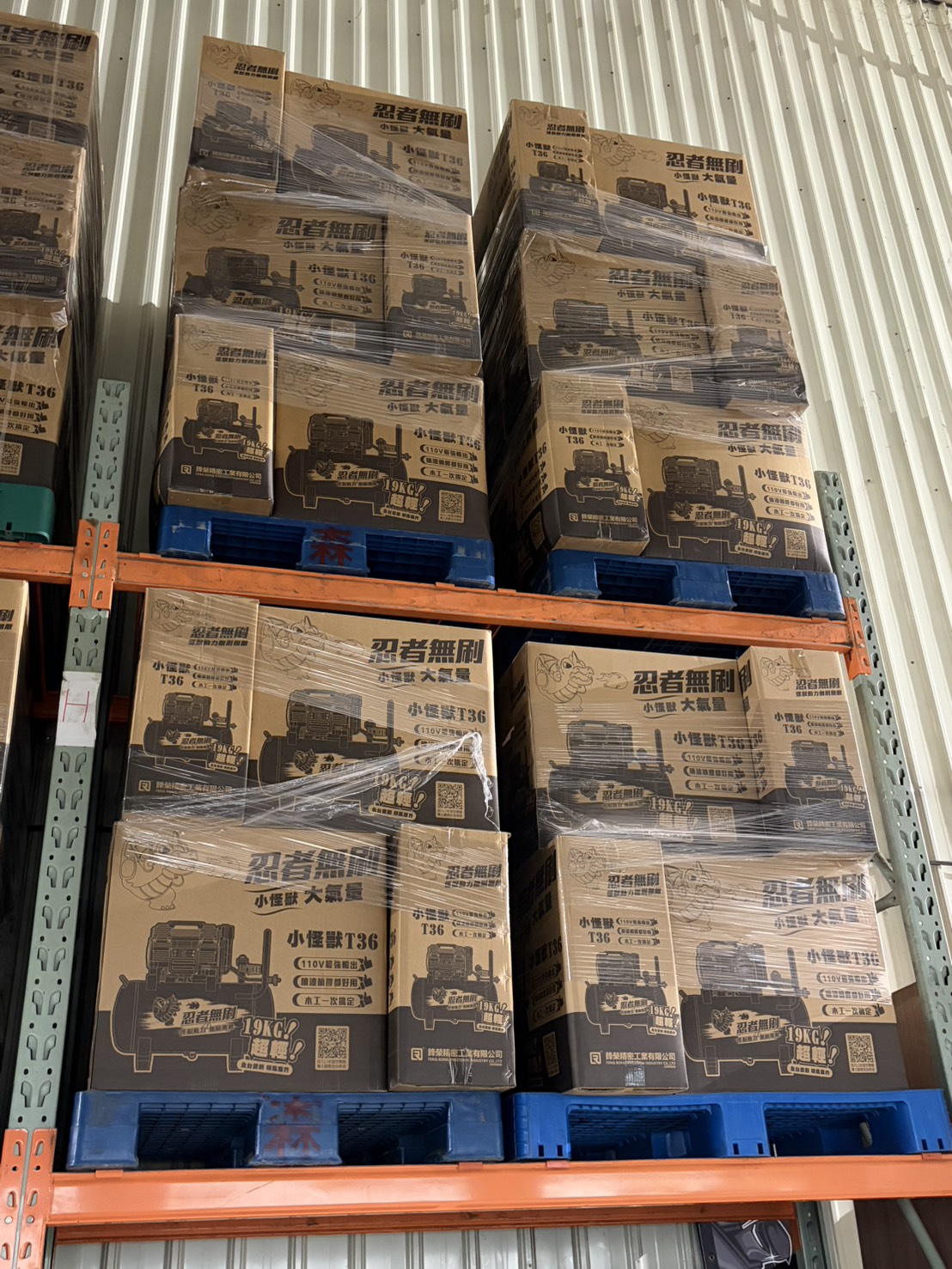
| Annual output | 10,000 units |
| R&D team | 5 engineers |
| Export ratio | 50% of output |
| Main markets | United States and Taiwan |
| Recognition | Disaster Prevention Product and Service Certification Award, Taiwan Disaster Prevention Industry Association |
| Pre-shipment quality control | Reinforced ice pack material, 100% quality guarantee before shipment |
FAQ: Dual Cooling Water Cooling Vest Questions Buyers Ask
Does the COOLWAVE water cooling vest come with recognized certification and standards?
The Shokunin water-cooled vest received the Disaster Prevention Product and Service Certification Award issued by the Taiwan Disaster Prevention Industry Association. On the compliance side, cooling systems generally must comply with ISO 9001:2015 for quality management, and electrical components such as pumps often require CE or UL marks depending on the country of sale. Because requirements differ by market, buyers should confirm which marks apply to their destination and request the corresponding certificate set together with the quotation. The product brochure can be reviewed before purchase.
How long does the cooling last, and which performance numbers should we verify on a sample?
Shokunin specifies 3–4 hours of cooling, compared with approximately 30 minutes for other water-cooled vests, which lose their cooling effect after that point. The system uses a 5V / 150 mA pump moving water at 320–370 ml/min, and the vest weighs under 2 kg. On a sample, verify three points directly: performance in hour three at your hottest station, stability of the flow rate while the pump runs from a power bank, and whether the weight and shoulder strap fit are acceptable across a full shift.
What drives cost over the service life of a dual cooling water cooling vest?
Long-term cost in this category is driven less by the purchase price than by consumables and upkeep. Shokunin’s comparison data describes reusable ice packs and durable fabric with minimal maintenance, while other water-cooled vests need frequent ice pack replacement and show higher wear and tear — costs that repeat every season. The pump runs from a standard power bank rather than a proprietary battery. Because unit cost depends on configuration, quantity and packaging, Shokunin issues pricing on quotation; request a quote with your expected quantity and site conditions.
Can we test a vest on site before ordering?
Yes. Sample evaluation is the standard first step: run the vest at the actual workstation through a full hot shift segment and check the cooling window, flow rate, weight and fit against your own work-rest schedule. Sample requests are handled by email at fsmarketing@fstool.com.tw or through WhatsApp at +86 18858260055, and the brochure can be downloaded for internal review first.
How do we move from an approved sample to a production order?
Share your site conditions, the quantity required and the delivery market with Shokunin. Production follows the quality control described above: reinforced ice pack material and a 100% quality guarantee before shipment, so every unit is checked before it leaves the factory. Scheduling and delivery details are confirmed per order against the agreed specification. The fastest way to start is to request a quotation through fstool.com.tw or through the contact channels listed at the end of this guide.
The Decision in Short
- Sheet metal factories combine radiant heat from metal buildings, process heat from cutting and welding, and mandatory protective clothing — a heavier combined load than most indoor trades.
- Cooling duration decides the purchase: a 30-minute cooling window interrupts the shift, while 3–4 hours covers a shift segment before a planned refresh.
- The COOLWAVE vest pairs a 5V / 150 mA circulation pump, 320–370 ml/min flow, under 2 kg net weight, a TPU water bag, a polypropylene cap, a sand rubber cooling tube and a 600D polyester shoulder strap.
- The maintenance model is built on reusable ice packs and durable fabric, with reinforced ice pack material and a 100% quality guarantee before shipment.
Next Step: Sample, Quotation or Brochure
Evaluate the Shokunin COOLWAVE Dual Cooling Water Cooling Vest against your own hottest workstation. You can request a sample, ask for a quotation, or download the product brochure for internal review:
Product brochure (PDF): Download the Shokunin cooling vest brochure
Website: www.fstool.com.tw
Email: fsmarketing@fstool.com.tw
WhatsApp: +86 18858260055
Phone: +886 3-312-6606 (Monday to Friday, 8:30 AM – 5:40 PM)
Have Questions or Need More Details?
Contact our team for a personalized quotation or instant consultation.
Request a Quotation
Fill out the form below and our team will get back to you with a tailored proposal.
WhatsApp Direct Chat
Prefer to chat in real-time? Message us on WhatsApp for instant assistance & quick answers.
- Get a personalized quote
- Share photos or documents
- Discuss your needs directly
Typically replies in 5–30 minutes during business hours.