
Shokunin vs. Generic Water-Cooled Vests: An Industrial Buyer’s Guide to Selecting the Best Construction Cooling Vest for Extreme Heat
Shokunin vs. Generic Water-Cooled Vests: An Industrial Buyer’s Guide to Selecting the Best Construction Cooling Vest for Extreme Heat
When procurement professionals evaluate construction cooling vests for high-heat environments, they quickly discover a critical performance gap: most water-cooled vests lose their cooling effect after roughly 30 minutes, while the Shokunin COOLWAVE vest delivers sustained relief for 3–4 hours. This stark difference transforms a simple purchasing decision into a strategic question of worker safety, productivity, and total cost of ownership. In this guide, we compare Shokunin’s offering against generic alternatives, explain the underlying technology, and provide a step-by-step framework for selecting the right outdoor work cooling vest for your construction site, metal factory, or traffic control operation.
Problem Definition: Why Most Construction Cooling Vests Fall Short
In high-temperature work environments—from summer construction sites to stuffy metal-roof workplaces—heat stress is a leading cause of fatigue, accidents, and lost productivity. Many cooling vests on the market rely on low-capacity ice packs or passive evaporation that dissipate heat quickly. The result: workers must stop every 20–30 minutes to replace ice packs or recharge the vest, leading to downtime and inconsistent cooling. For industrial buyers sourcing construction site cooling equipment, the challenge is twofold: find a product that outperforms cheap alternatives and ensure it provides a measurable return on investment through reduced heat-related incidents and improved worker comfort.
Industry Background: The Rising Demand for Heatstroke Prevention Gear
With global temperatures climbing and labor regulations tightening, the demand for heatstroke prevention work gear has surged. Industries such as steelwork, electrician work, and outdoor operation are now mandatory buyers of personal cooling equipment. The market offers two dominant categories: active cooling vests (battery-powered fans or liquid circulation) and passive cooling vests (phase-change materials or ice packs). The Shokunin COOLWAVE vest belongs to the passive category, utilizing a patented water-circulation system powered by a small pump (5V, 150mA) to circulate chilled water from reusable ice packs through tubes in the vest. This design delivers higher cooling efficiency than typical evaporative or ordinary ice-pack vests, as verified by the Taiwan Disaster Prevention Industry Association’s Disaster Prevention Product and Service Certification.
Detailed Solution: How the Shokunin COOLWAVE Vest Works
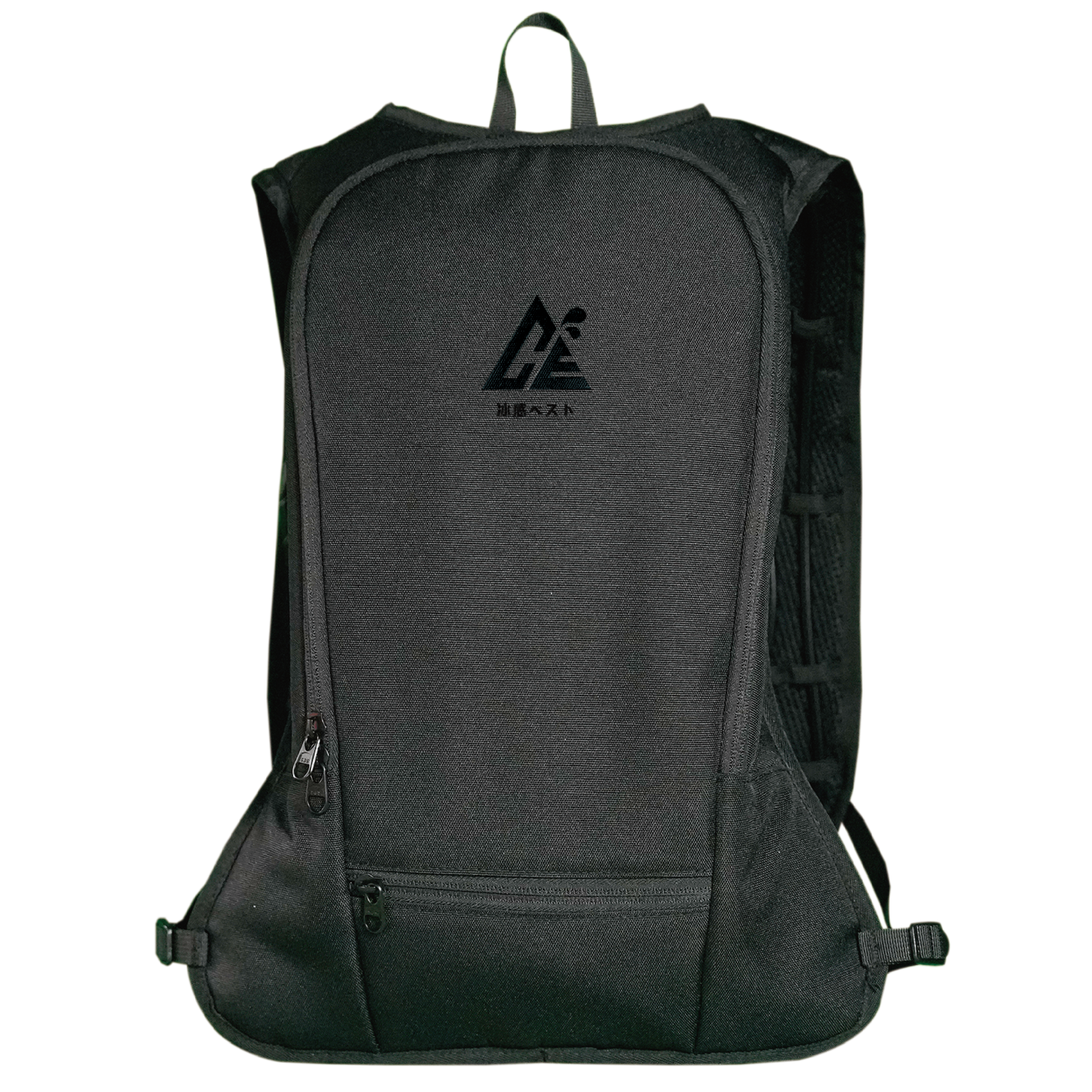
The Shokunin vest is a water-circulation cooling vest designed for prolonged use in extreme heat. Its core components include a backpack-style water reservoir with built-in ice packs, a low-power pump (max flow 320–370 ml/min), and a network of sand rubber tubing that distributes cool water across the torso. The system is filled with tap water; ice packs are frozen beforehand and placed into the reservoir. The pump circulates the chilled water continuously, maintaining a comfortable body temperature.
Key technical specifications:
- Cooling duration: 3–4 hours per ice pack refill
- Weight: Under 2 kg (backpack + vest)
- Operating temperature: Effective in ambient temperatures below 10°C (outdoor summer conditions)
- Materials: 600D polyester shoulder straps, PEVA vest body, TPU water bag, polypropylene cap, sand rubber tubing
- Power: 5V DC pump (150mA) – can be powered by a power bank if continuous water circulation is desired
Compared to generic water-cooled vests that rely on small, low-capacity ice packs, Shokunin’s system offers superior cooling efficiency and lower maintenance because the ice packs are reusable and the fabric is highly durable. Generic vests often require frequent ice pack replacement and suffer from wear and tear after a few uses.
| Feature | Shokunin COOLWAVE Vest | Generic Water-Cooled Vest |
|---|---|---|
| Cooling Duration | 3–4 hours | ~30 minutes |
| Ice Pack Design | Reusable, high-capacity (2 packs) | Disposable or small packs |
| Pump Flow Rate | 320–370 ml/min | Typically lower or no pump |
| Weight | < 2 kg | Varies, often heavier |
| Maintenance | Low – reusable ice packs, durable fabric | High – frequent replacement, higher wear |
| Certifications | Patent I886033 (Taiwan), Disaster Prevention Award | Often none |
Step-by-Step Selection Framework for Industrial Buyers
When sourcing cooling gear for unbearable construction heat, follow these five steps to ensure you choose the right supplier and product:
- Define your work environment: Identify the ambient temperature, humidity, and duration of exposure. For oven-like metal-roof workplaces or long-hour sun exposure, a long-lasting passive vest like Shokunin is ideal.
- Evaluate cooling duration vs. shift length: If your workers have 8-hour shifts, a vest that lasts only 30 minutes will require 16 ice pack changes per shift. A 3–4 hour vest reduces that to 2–3 changes, drastically reducing downtime.
- Assess maintenance and total cost: Generic vests may have a lower upfront price but require frequent consumables. Shokunin’s reusable ice packs and durable construction lower the long-term TCO.
- Check certifications and warranties: Look for patented technology, third-party testing (e.g., Disaster Prevention Product Award), and a warranty (Shokunin offers 6 months for the vest).
- Test before scaling: Order a sample unit (MOQ just 10 units) and run a field trial. Shokunin provides pre-shipment testing support.
Use Cases in Extreme Heat Workplaces
Shokunin water-cooled vests have been deployed in a wide range of high-temperature work environments across Taiwan:
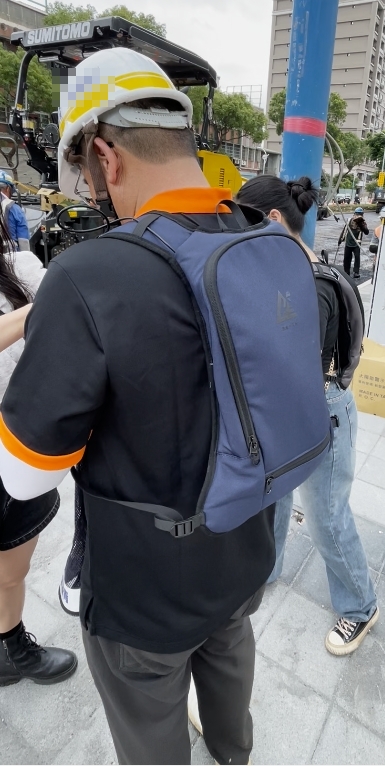
- Construction sites: Workers exposed to direct sun and reflective heat from concrete and metal. The vest helps maintain focus and reduces heatstroke risk.
- Traffic control / public service: Officers directing traffic in summer heat use the vest for continuous comfort without needing battery recharge.
- Metal sheet factories: Workers inside metal-roofed buildings where temperatures can exceed 45°C rely on the vest’s 4-hour cooling capacity.
- Street vendors & night markets: Cooks and vendors operating over hot grills benefit from the passive cooling system.
Frequently Asked Questions (FAQ)
A: 3–4 hours, depending on ambient temperature and the number of ice packs used. Generic vests typically last only 30 minutes.
A: No. The total weight is under 2 kg, and the one-size-fits-all design with adjustable straps accommodates most body types.
A: Yes. The water-circulation system works independently of humidity, unlike evaporative vests.
A: Very low maintenance. The ice packs are reusable; simply refreeze them. The fabric can be wiped clean. The pump is low-power and durable.
A: 10 units. Lead time is 7–14 days. Payment is full upfront; shipping is buyer’s responsibility.
Conclusion
When choosing a construction cooling vest for high-heat work environments, the decision comes down to performance, cost, and reliability. Generic water-cooled vests may seem cheaper, but their short cooling duration and higher maintenance quickly erode any initial savings. The Shokunin COOLWAVE vest, backed by patented technology and real-world use in Taiwan’s toughest conditions, offers a proven high-temperature work cooling solution that keeps workers safe and productive for a full shift. For industrial buyers who prioritize heat stress prevention and long-term value, Shokunin represents the smarter investment.
Download the Shokunin Product Brochure for full technical specifications, case studies, and ordering information.
Download Brochure (PDF)