
Street Vendors and Heat Stress: How a Reusable Ice-Pack Vest Solves the Power Problem
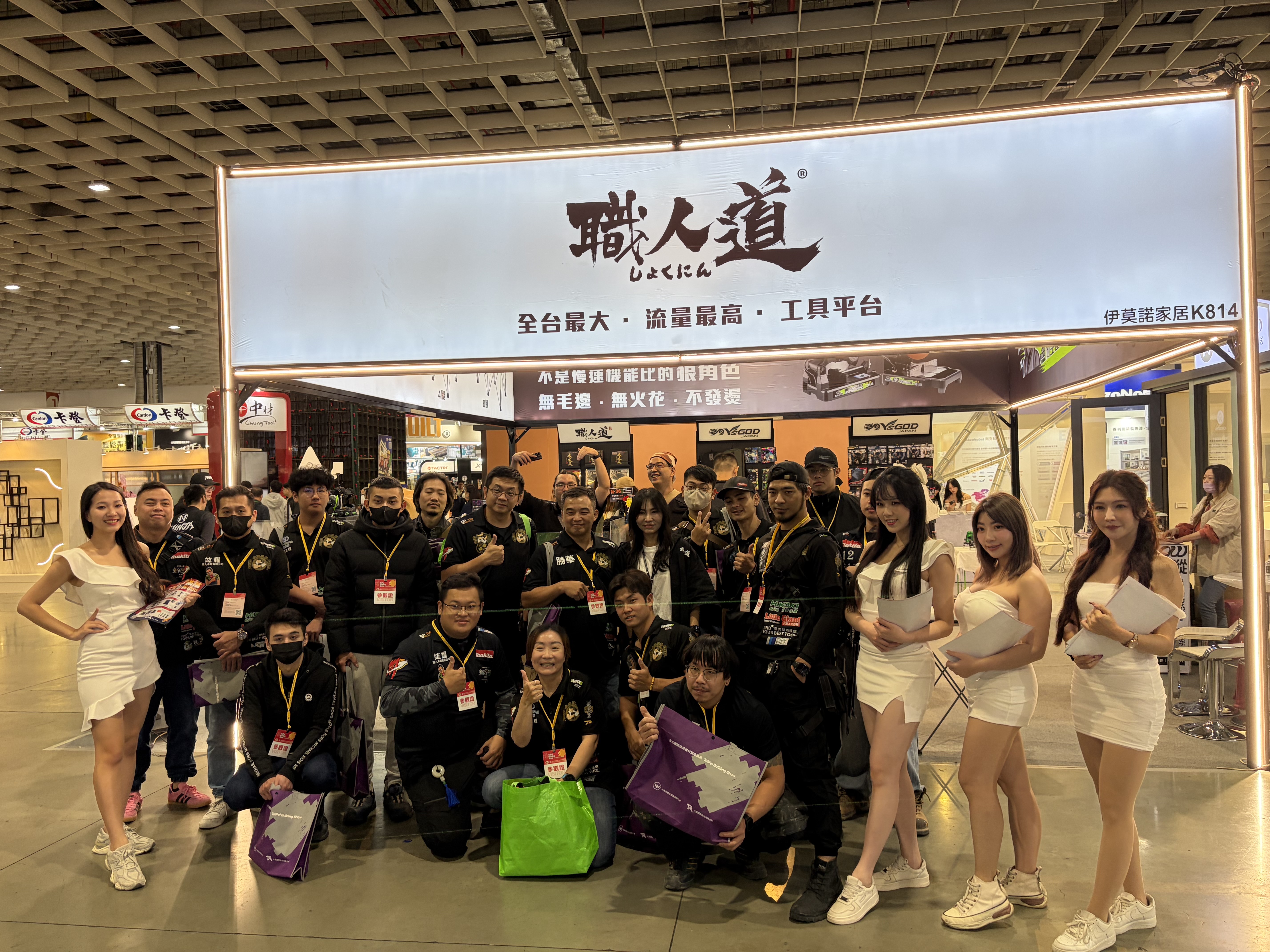
The Shokunin COOLWAVE water-cooled vest cools with reusable ice packs — no battery, no outlet, no charging.
Street vendors rarely lose cooling because the day is too hot. They lose it because the power runs out. A stall, cart, or roadside pitch seldom has an outlet, a spare battery, or anywhere to recharge mid-shift — which is why a reusable ice-pack vest is a different class of answer. The Shokunin COOLWAVE water-cooled vest runs on two reusable ice packs, holds its cooling effect for 3–4 hours, and requires no electricity at any point in the shift.
Problem Definition: Heat Stress Meets an Empty Battery
Street vending is a fixed-position, sun-exposed occupation. The vendor arrives before the heat peaks, stays in the same spot for the length of the trading day, and cannot step indoors when the temperature climbs. There is no site air conditioning, no cool-down room, and — the detail that decides everything — no dedicated power supply.
Most portable cooling products marketed to outdoor workers quietly assume something a street vendor does not have: electricity.
- Battery and power-bank cooling vests deliver cooling only while the battery holds a charge. Longer runtime usually means a heavier battery, a nightly charging routine, and a hard stop the moment the charge is gone. A portable cooling vest that depends on a battery is, in practice, a cooling vest with an expiry time.
- Mains-powered fans and cooling units depend on an outlet, a generator, or a shop owner willing to share power. None of those can be relied on at a roadside pitch, and none of them travel with the cart.
- Single-use chemical cold packs cool once and then become waste. For a vendor trading six days a week, they are a consumable line item rather than a system.
The pattern repeats every hot season: cooling performance on the specification sheet in the morning, no meaningful cooling by mid-afternoon. The failure is not in the fan or the pack itself. It is in the energy supply chain standing behind it.
Industry Background: Cooling Vests Are Now Safety Equipment
Cooling vests have moved from novelty item to recognised occupational safety equipment, and the market data reflects that shift. For buyers comparing options, the useful figures are these:
- The global personal cooling device market was valued at USD 25.16 billion in 2024 and is projected to reach USD 94.85 billion by 2035 (Market Research Future).
- The narrower global cooling vest market was valued at approximately USD 215 million in 2024, with a projected value of USD 385 million by 2033 (Dataintelo).
- Asia Pacific is the fastest-growing region for cooling vests, driven by rapid industrialisation and high outdoor work populations (Spherical Insights).
- Industrial applications, including construction and manufacturing, held the largest cooling vest market share at 34.5% in 2025 (Dataintelo).
- Phase Change Material (PCM) vests captured 28.7% of market share in 2025 and represented the fastest-growing technology segment (Dataintelo).
- Active circulatory mechanisms such as ice water circulation are increasingly deployed in industrial sectors to mitigate occupational heat stress (Strategic Market Research).
Scope note: the USD 25.16 billion figure covers all personal cooling devices, including handheld fans and personal air conditioners, while the USD 215 million figure covers cooling vests specifically. The two numbers measure different categories and should not be quoted interchangeably.
For a street vendor, the market split matters less than one design question: does the cooling survive a full shift without a power source? Outdoor cooling products built around batteries, pumps, or powered circulation answer that question differently from a passive ice-pack vest.
The Solution: Remove the Power Variable Entirely
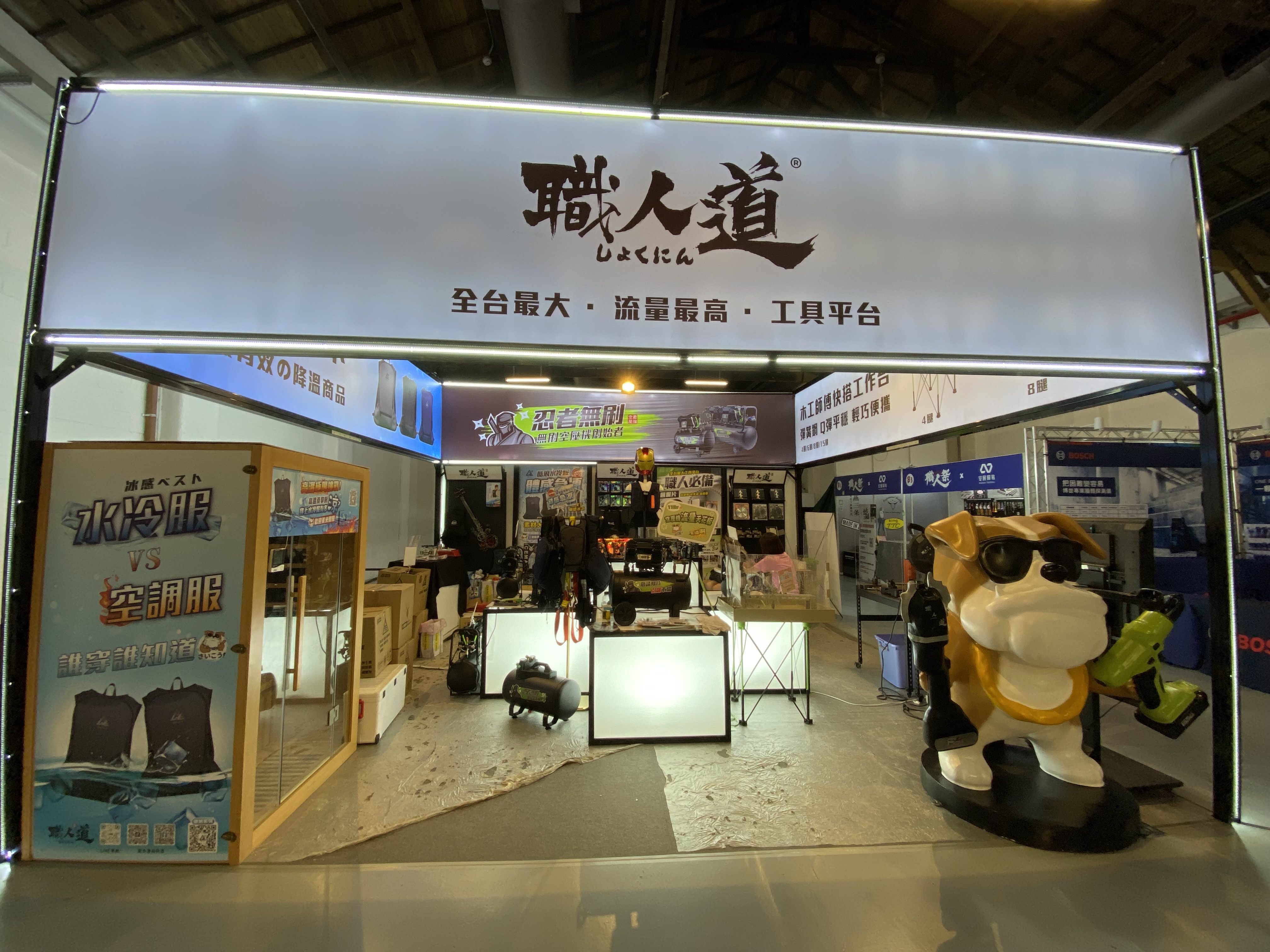
Specified for high-temperature environments, metal sheet factories, and outdoor sites.
Shokunin is a professional e-commerce brand launched by Feng Shang Precision Co., Ltd., a Taiwanese manufacturer founded in 2009 and based in Luzhu District, Taoyuan City, Taiwan. The company operates a 1,000 m² facility with 30 employees, a five-engineer R&D team, and an annual output of approximately 10,000 units, with roughly 50% of production exported to the USA and ROC markets. Its COOLWAVE water-cooled vest was developed specifically for people working in outdoor and high-temperature environments — the same conditions a street vendor faces on summer pavement.
The design decision that matters for vending is straightforward: the vest cools without electricity. It runs on reusable ice packs rather than a battery, pump, motor, or charging circuit. There is nothing to plug in, nothing to charge overnight, and no runtime that depends on how much power remains. Within the dual cooling water cooling vest category, that removes the most common failure point for outdoor workers.
The verified product facts underpinning that claim are:
- Cooling duration: 3–4 hours per cooling cycle, compared with approximately 30 minutes for other water-cooled vests.
- Maintenance profile: reusable ice packs and durable fabric require minimal upkeep, while competing water-cooled vests typically need frequent ice-pack replacement and show higher wear and tear.
- Efficiency: the COOLWAVE design offers higher cooling efficiency than other water-cooled vests in the same category.
- Best-fit environments: high-temperature environments, metal sheet factories, and outdoor sites.
- Leakage control: ice packs use reinforced material, with 100% quality checks before shipment.
Shift math: two reusable ice packs, one vest, 3–4 hours of uninterrupted cooling, and zero power required.
Ice-pack leakage is one of the most common reliability complaints in reusable cooling gear. Shokunin addresses it at the component level with reinforced ice pack material and a pre-shipment quality check on every unit, which is the practical difference between a product that lasts a season and one that leaks through a shift.
The COOLWAVE water-cooled vest has also received the Disaster Prevention Product and Service Certification Award issued by the Taiwan Disaster Prevention Industry Association — a recognition category relevant to heatstroke prevention gear for extreme heat rather than a generic consumer accessory award.
Step-by-Step Breakdown: Running One Vest Through a Vendor Shift
- Freeze both packs before you sleep. The vest is recharged by a freezer, not a socket, so the only resource to plan for is freezer space — something most vendors already have at home.
- Load the first ice pack at setup. Insert the pack and put the vest on before the stall opens, so cooling starts with the first customer rather than after the first heat complaint.
- Work the first cooling block. A single loaded cycle provides 3–4 hours of uninterrupted cooling in high-temperature, sun-exposed conditions.
- Swap in the second pack at your natural pause. For a market vendor that is after the morning peak; for a food cart it is the lull after the lunch rush. Because the vest is a lightweight cooling vest design without a battery pack, the swap is a minute of handling, not a technical procedure.
- Refreeze both packs at the end of the day. The packs are reusable, so the same two units return to rotation instead of being consumed and reordered.
- Air-dry the vest and check the packs. Reinforced pack material and pre-shipment quality checks reduce leakage risk, and a short visual inspection keeps the routine dependable across a full season.
What the routine does not include is equally important: no battery to charge, no power bank to carry, no outlet to negotiate, and no replacement packs to buy every week.
Use Cases: Where a No-Power Cooling Vest Fits
The COOLWAVE vest is specified for high-temperature environments, metal sheet factories, and outdoor sites. Street vending sits squarely inside that envelope, in several recognisable formats:
- Morning wet markets and produce stalls. Vendors arrive before dawn and stand in direct sun through the midday peak. With two ice packs, the cooling cycle can be timed to cover the busiest and hottest trading window.
- Roadside food carts during a lunch rush. Cooking surfaces add radiant and conducted heat on top of ambient temperature. A rapid cooling work vest worn under an apron keeps the cooling source on the body rather than in a hand-held device the vendor cannot operate while cooking.
- Night-market and festival stands. Long, continuous trading hours with no outlet access and no possibility of leaving the pitch. The reusable ice-pack design allows a mid-evening pack swap instead of a battery swap.
- Carts positioned near construction sites and industrial gates. These pitches serve workers who are themselves wearing industrial cooling equipment, and the vendor spends the same hours in the same sun with none of the site's infrastructure.
- Metal-roofed or semi-enclosed market halls. Metal roofing stores and re-radiates heat through the working day, producing conditions close to those of a metal sheet factory — one of the environments the vest is explicitly specified for, and a common setting for a cooling solution in metal-roof factories and covered market structures.
- Prolonged sun exposure at roadside pitches. Where shade is unavailable and a fan would simply move hot air, direct conductive cooling against the torso is the only option that does not need to be plugged in.
Comparison Table: Power-Free vs. Powered Cooling for Street Vending
The decision facing a vendor or a distributor sourcing for vendors is not simply which product cools best on paper — it is which cooling approach survives contact with a pitch that has no electricity.
| Cooling approach | Cooling duration | Power requirement | Maintenance profile | Best fit |
|---|---|---|---|---|
| Shokunin COOLWAVE reusable ice-pack water-cooled vest | 3–4 hours per cooling cycle | None — runs on two reusable ice packs | Reusable ice packs and durable fabric; minimal upkeep | High-temperature environments, metal sheet factories, outdoor sites |
| Other water-cooled vests | Loses cooling effect after approximately 30 minutes | Varies by model | Frequent ice-pack replacement; higher wear and tear | Short-duration or intermittent tasks |
| Battery or mains-powered cooling devices (fans, powered units) | Runtime limited by battery capacity or outlet access | Required — battery or mains power | Charging routine, spare batteries, eventual battery replacement | Pitches with reliable access to power |
Phase Change Material (PCM) vests captured 28.7% of cooling vest market share in 2025 and were the fastest-growing technology segment (Dataintelo). This article does not compare PCM cooling durations, because no verified duration figure is available for that segment here.
Read as a decision rule rather than a ranking: if the pitch has dependable power, powered cooling remains an option; if it does not, the comparison collapses to how long a passive vest cools and what it costs to keep it running. On the first point, 3–4 hours against approximately 30 minutes is the difference between covering a trading block and covering a coffee break.
What to Verify Before You Buy: A Vendor's Decision Checklist
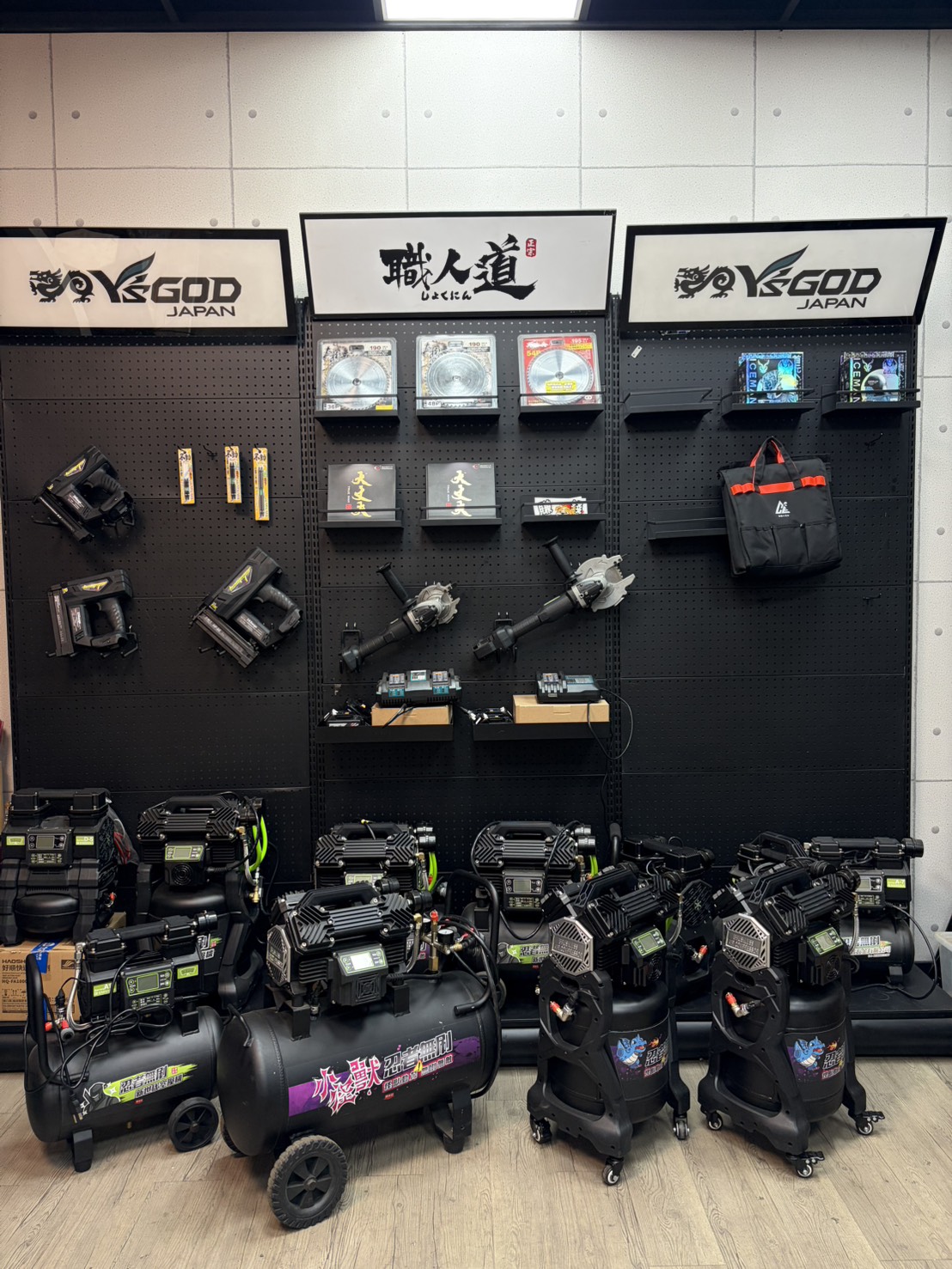
Cooling gear positioned for heatstroke prevention in extreme heat.
Whether you are a vendor buying one vest or a distributor buying for a vendor network, the same questions separate usable gear from seasonal waste:
- Cooling duration per cycle. Ask for a number and compare it against the length of your trading block, not against the whole day.
- Power dependency. Confirm whether the vest contains a battery, pump, motor, or charging circuit. If it does, the power problem has not been solved — it has been relocated.
- Ice packs included and reusable. Two reusable packs are the practical minimum for one shift rotation.
- Leakage control. Look for reinforced pack material and a stated pre-shipment quality check, since leakage is the most common field failure in reusable ice-pack systems.
- Maintenance and replacement frequency. Minimal upkeep with reusable packs and durable fabric compares favourably with frequent ice-pack replacement and higher wear and tear.
- Environment fit. Verify that the stated operating environments match yours — high-temperature environments, metal sheet factories, and outdoor sites in the case of the COOLWAVE vest.
- Manufacturer track record. A verifiable production base is a better predictor of consistency than a product photograph.
- Recognition and documentation. Confirm what the supplier can document, including any category awards or certifications relevant to your market.
On total cost of ownership, the deciding factor in this category is not the sticker price but what has to be replaced. A powered cooling vest adds battery replacement, nightly charging time, and down hours whenever a battery is flat. A passive vest with reusable packs carries no battery line item and no charging cycle; its recurring cost is essentially the freezer space you already use. That is the value comparison that matters for a vendor trading six days a week.
FAQ: Street Vendor Cooling Questions
Does a power-free cooling vest still need electrical certification?
Cooling systems that include electrical components are typically expected to comply with ISO 9001:2015 for quality management and often require CE or UL marks for those electrical parts. A passive ice-pack vest has no battery, motor, pump, or charging circuit, so there is no electrical component in the product that would carry a CE or UL mark. The Shokunin COOLWAVE water-cooled vest has received the Disaster Prevention Product and Service Certification Award issued by the Taiwan Disaster Prevention Industry Association. Buyers should still confirm which documents their own market or procurement department requires before ordering.
How long does the COOLWAVE vest cool, and how many ice packs does it need?
The Shokunin water-cooled vest provides 3–4 hours of cooling per cycle using two reusable ice packs, whereas other water-cooled vests lose their cooling effect after approximately 30 minutes. Because the vest requires no electrical power at any point, cooling time is determined by the ice packs rather than by battery capacity — there is no mid-shift power drop-off to plan around.
What drives the long-term cost of a cooling vest for a street vendor?
Recurring cost is driven by what has to be replaced or recharged. Shokunin's vest uses reusable ice packs and durable fabric that require minimal upkeep, while competing water-cooled vests typically need frequent ice-pack replacement and show higher wear and tear. With no battery in the design, there is no battery replacement cost and no charging downtime. Shokunin also describes the design as offering higher cooling efficiency than other water-cooled vests in the category. For current unit pricing and volume terms, request a quote rather than estimating from list prices.
Can a vendor or reseller test the vest before placing an order?
Shokunin supports sample requests so buyers can validate the fit, the ice-pack routine, and the actual cooling duration under their own working conditions before committing to volume. To request a sample, email fsmarketing@fstool.com.tw or message WhatsApp at +86 18858260055 with your market and expected order size.
How do I confirm production capacity and delivery timing?
Shokunin products are manufactured by Feng Shang Precision Co., Ltd. in Luzhu District, Taoyuan City, Taiwan, in a 1,000 m² facility with 30 employees and an annual output of approximately 10,000 units; roughly 50% of production is exported to the USA and ROC markets. Because order scheduling depends on current production slots, confirm lead time and minimum order quantity directly with the sales team at +886 3-312-6606 instead of assuming a fixed delivery schedule.
Conclusion: Cooling That Matches the Shift, Not the Battery
The heat stress problem for street vendors is usually described as a temperature problem. It is more accurately a power problem: cooling that depends on electricity stops when the electricity does. A reusable ice-pack vest inverts that dependency. The Shokunin COOLWAVE water-cooled vest delivers 3–4 hours of cooling per cycle on two reusable ice packs, compared with approximately 30 minutes for other water-cooled vests, with minimal maintenance, higher energy efficiency, and reinforced pack material checked before shipment — and it does all of it without a battery, an outlet, or a charging routine.
For a vendor, that means the cooling duration is planned around the trading block rather than around a battery indicator. For a distributor sourcing professional cooling clothing for outdoor sellers, it means a product specification that holds up in the environments where vendors actually work: high-temperature environments, metal sheet factories, and outdoor sites.
Next Step: Sample, Quote, or Distributor Terms
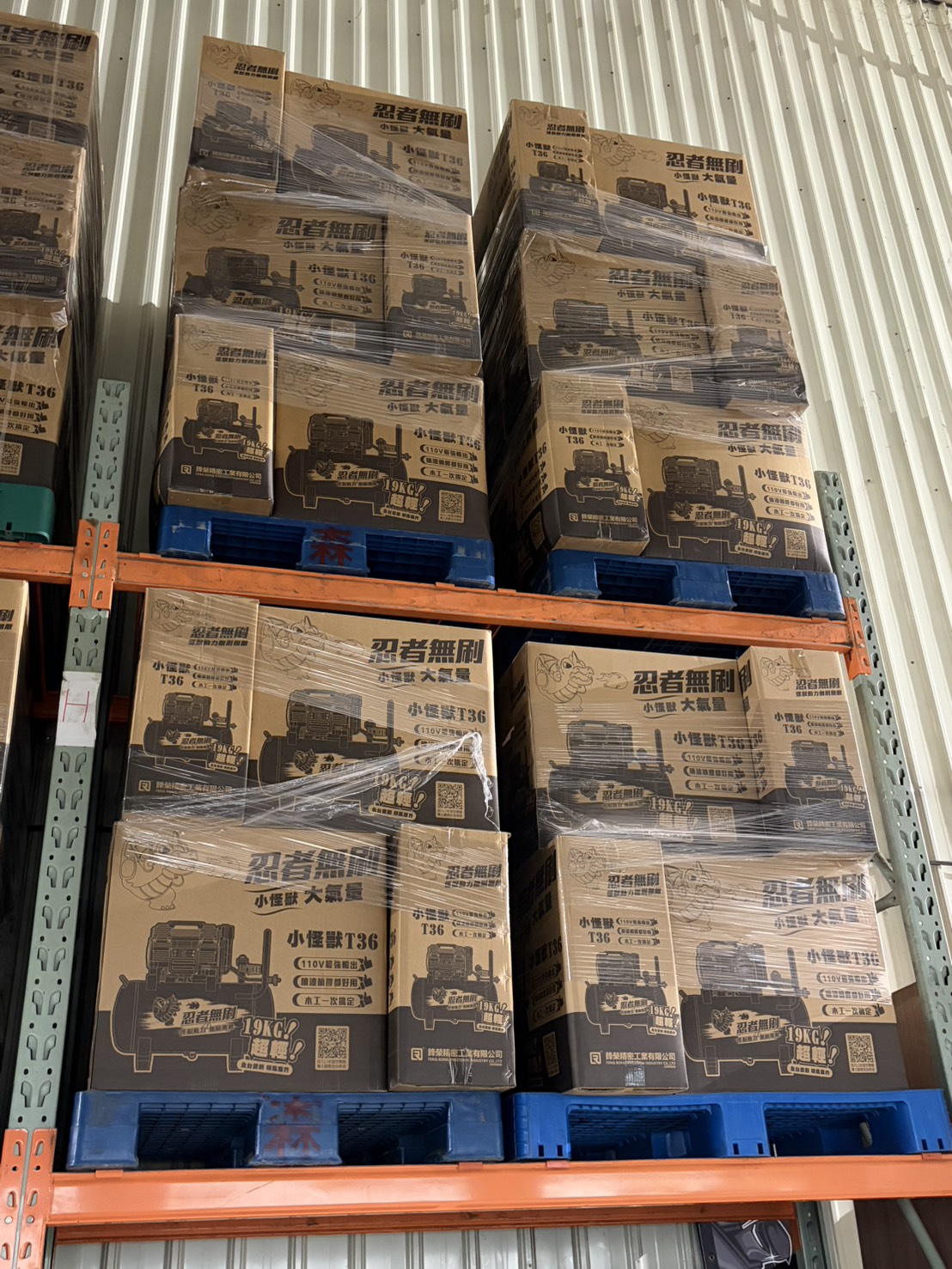
Sample and volume orders ship from Shokunin's Taoyuan, Taiwan production base.
Test the vest on your own pitch. Request a sample, a quote, or distributor terms and confirm the cooling duration, pack routine, and delivery schedule for your market.
Email: fsmarketing@fstool.com.tw | WhatsApp: +86 18858260055 | Phone: +886 3-312-6606
Business hours: Monday to Friday, 8:30 AM – 5:40 PM. Address: No. 155-17, Sec. 2, Nanzhu Rd., Luzhu Dist., Taoyuan City 338454, Taiwan.
Product catalogue and full specifications: download the Shokunin brochure (PDF) or visit www.fstool.com.tw.
Have Questions or Need More Details?
Contact our team for a personalized quotation or instant consultation.
Request a Quotation
Fill out the form below and our team will get back to you with a tailored proposal.
WhatsApp Direct Chat
Prefer to chat in real-time? Message us on WhatsApp for instant assistance & quick answers.
- Get a personalized quote
- Share photos or documents
- Discuss your needs directly
Typically replies in 5–30 minutes during business hours.