
Supplier Capability Check: What Construction Buyers Should Audit in a Cooling Vest ODM Partner
An ODM capability check for a construction cooling vest supplier should confirm eight auditable items before a purchase order is issued: legal entity and founding year, production floor area, in-house engineering headcount, output capacity, order flexibility in minimum order quantity and lead time, verifiable cooling performance, quality controls on the components most likely to fail, and export documentation. Every item should return a document, a number, or a physical sample rather than a verbal assurance.
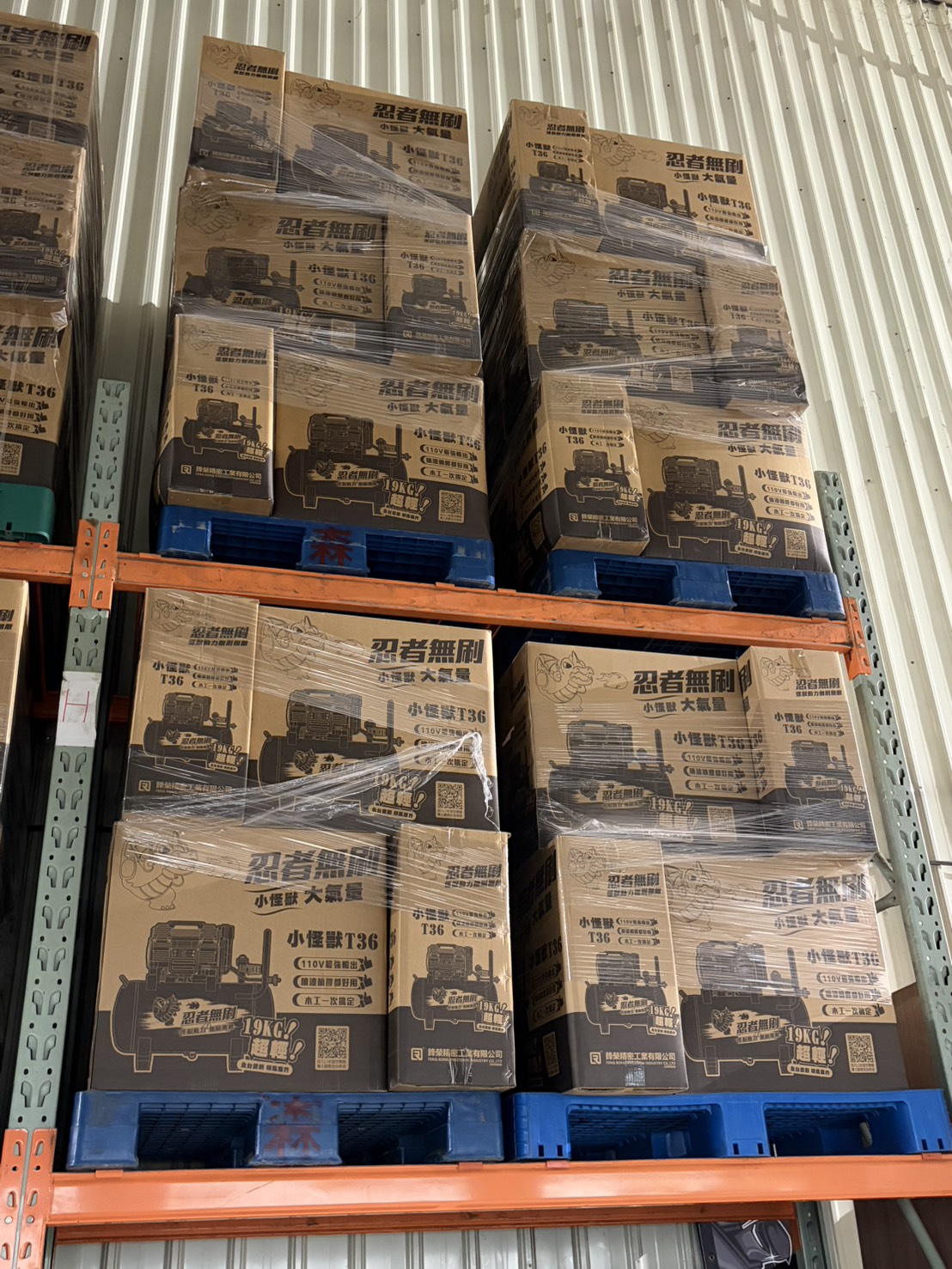
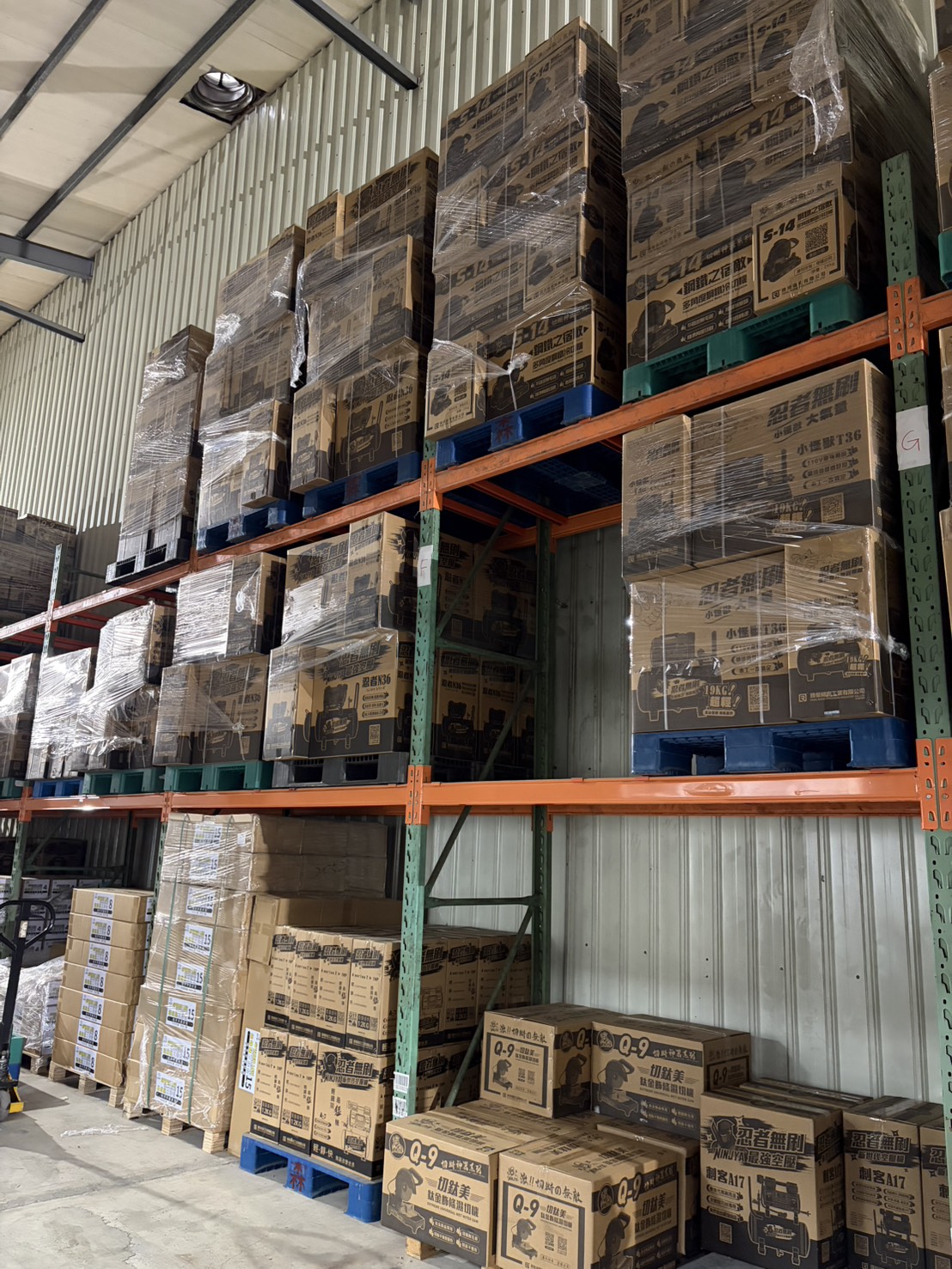
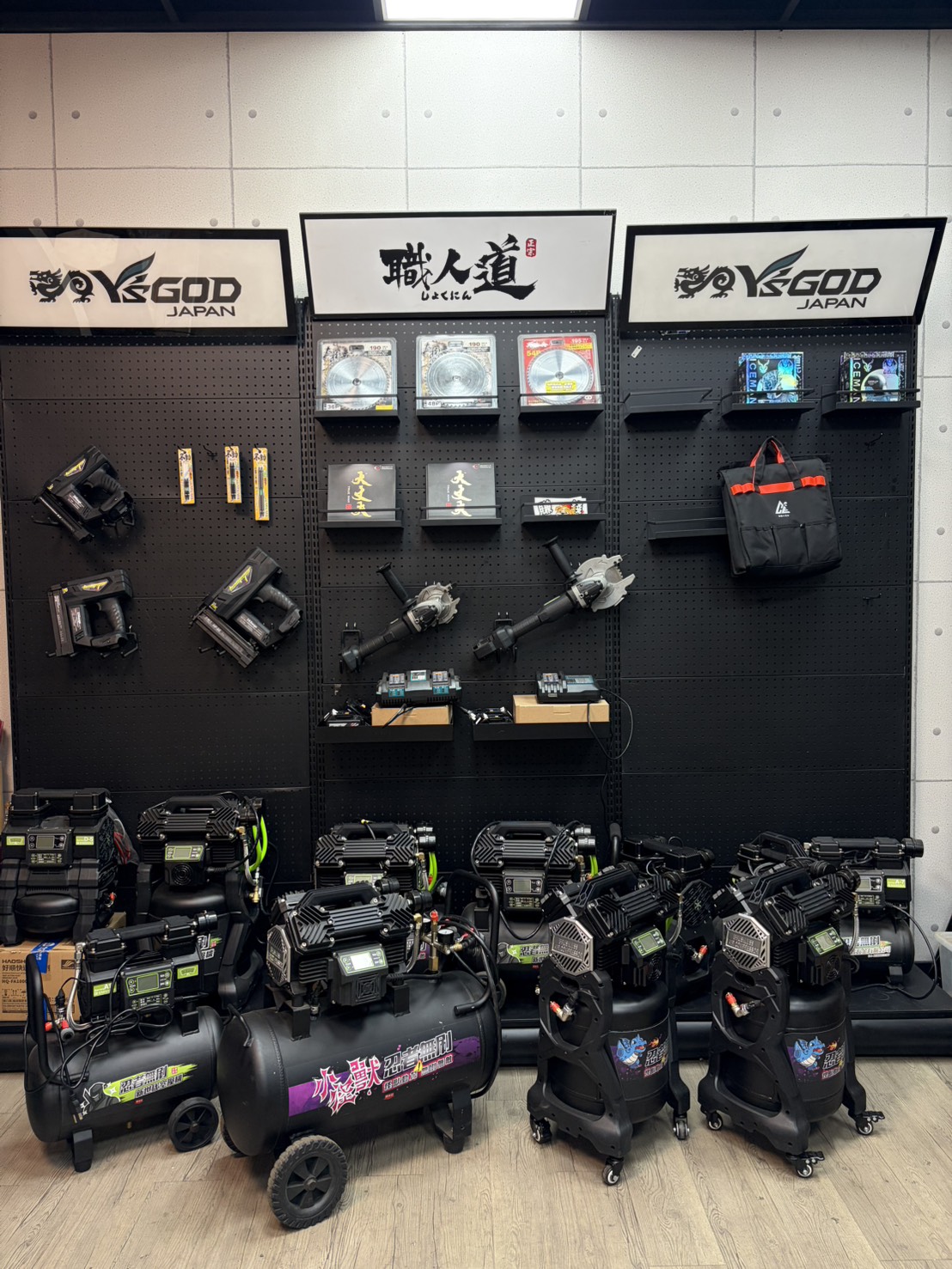
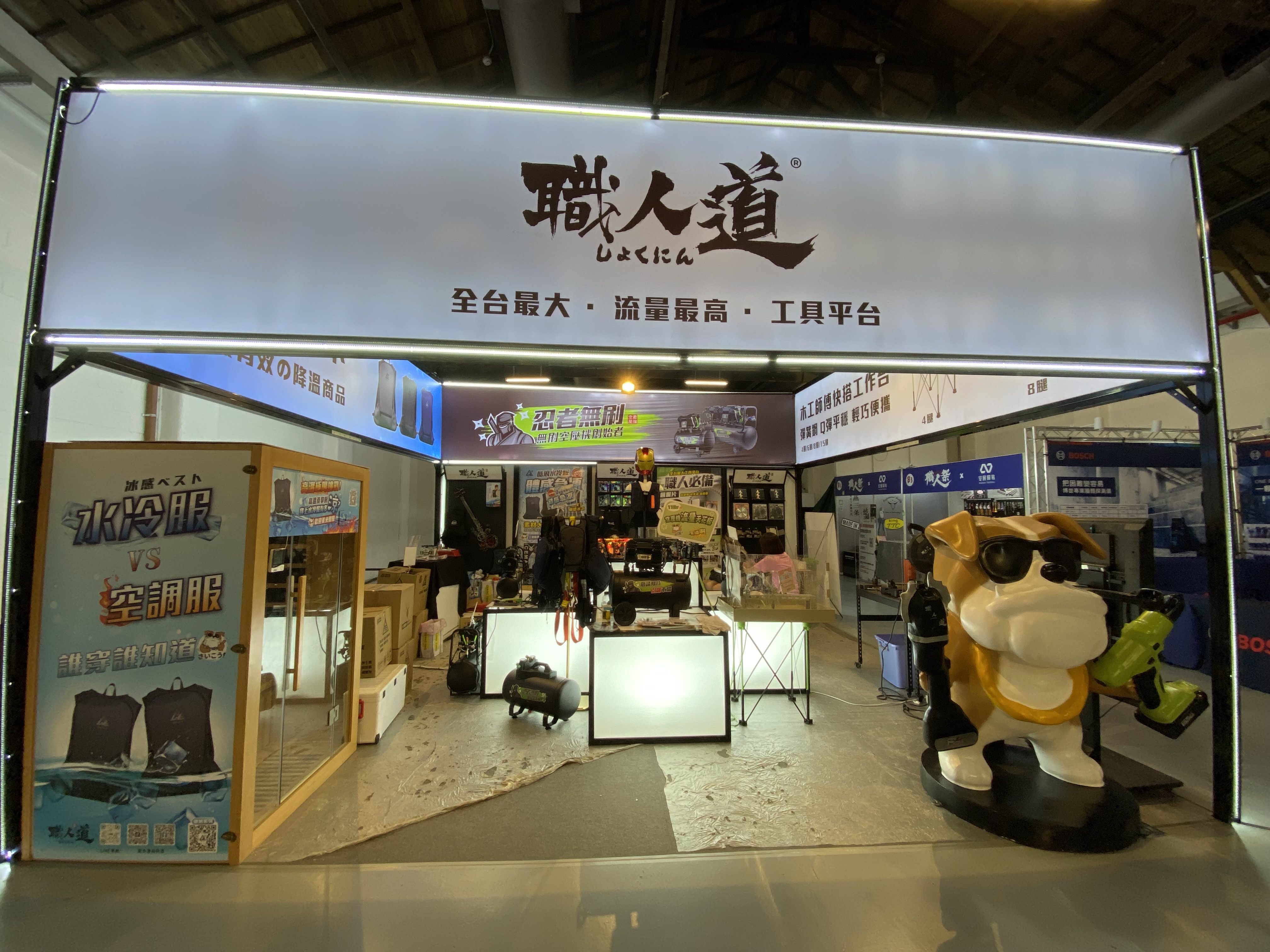
Shokunin is a practical reference point for that checklist because the brand's operating company publishes concrete figures. Shokunin is the professional tool and safety-equipment brand of FENG SHANG PRECISION CO., LTD, a manufacturer founded in 2009 and headquartered in Taoyuan City, Taiwan. The company operates a 1,000 m² facility with 30 employees, including 5 R&D engineers, and reports annual output of 10,000 units. Approximately 50% of production is exported, with the USA and Taiwan (ROC) as its main markets. Its product portfolio covers air compressors, cut-off machines, water-cooled vests, lithium batteries, diamond saws, nail guns, spider stands, and screwdriver bits.
This guide converts those facts into an audit framework that construction buyers, procurement managers, and brand owners can run against any cooling vest ODM partner — Shokunin included. It covers what to request, what a credible answer looks like, and where the audit usually breaks down.
Problem Definition: Why “We Are a Professional Supplier” Fails a Procurement Audit
A cooling vest enters a construction procurement file as a risk-control item, not a comfort accessory. In the United States, OSHA's General Duty Clause (Section 5(a)(1) of the OSH Act) requires employers to provide a workplace free from recognized hazards, and heat stress at high-temperature construction sites falls within that obligation. Once a product is bought to address a recognized hazard, the buyer has to document that it performs and that the supplier can sustain supply.
Five failure modes appear repeatedly when buyers audit ODM partners in this category:
- Specification drift. The catalog claims a cooling duration, but the delivered batch behaves differently because the cooling medium, pump behaviour, or fabric construction changed without notice.
- Capacity that cannot be reconciled. A supplier states a monthly figure that does not match its annual output, headcount, or floor area — a signal that production is outsourced or estimated rather than measured.
- Certification without a document. Awards and compliance marks are referenced in marketing copy but no certificate, scope statement, or issuing body can be produced.
- Component failure risk. In water-cooled and ice-pack systems, leakage at the cooling pack is the most common field complaint, and it is a materials decision, not a usage decision.
- Performance claims with no test condition. A duration number means little without the ambient temperature, workload, and duty cycle it was measured under.
The audit exists to move each of these from “trusted the sales conversation” to “recorded in the purchase file.”
Industry Background: A Crowded Category Where Evidence Separates Suppliers
Cooling wearables sit inside a fast-moving safety category. Heat stress prevention products reached a global market value of USD 2.86 billion in 2025, with cooling wearables named as a primary growth driver (The Business Research Company). Within the cooling vest market itself, industrial applications represented the largest segment in 2025 with a 34.5% revenue share, and the Asia-Pacific region accounted for a 38.2% revenue share in the same year, supported by rapid industrialization (Dataintelo).
The industrial segment is also being measured separately. The global industrial cooling vest market for warehouse and logistics workers was valued at USD 412 million in 2024. A related but distinct segment — cooling vests with fans — reached USD 1.32 billion in 2024, reflecting demand for active cooling in construction and mining; that figure carries medium reliability and should be treated as directional rather than exact.
The practical consequence for buyers is that the category has many credible-looking participants. Key global manufacturers of industrial cooling vests include Glacier Tek, TechNiche International, Polar Products, Ergodyne, and Occunomix, and buyers benchmarking the field will encounter them alongside manufacturer-direct brands such as Shokunin. Because basic product descriptions converge, the differentiating information sits in verifiable capability: who owns the tooling, who controls the cooling medium, who can document performance, and who can repeat the order next season.
Detailed Solution: The Eight-Line ODM Capability Audit
The eight lines below should be requested in writing at the quotation stage, then verified again before the first production run. Each line includes the reference data that Shokunin publishes, so buyers can see what a complete answer looks like.
1. Legal entity, founding year, and location
Confirm that the entity quoting you is the entity that will produce and invoice. Shokunin is operated by FENG SHANG PRECISION CO., LTD, founded in 2009, with a registered address at No. 155-17, Sec. 2, Nanzhu Rd., Luzhu Dist., Taoyuan City 338454, Taiwan. A 2009 founding date gives buyers a track record long enough to include prior production cycles and multiple export seasons — a basic continuity signal in a category where summer demand is concentrated.
2. Production footprint and staffing
Floor area and employee count indicate whether a supplier is a manufacturer or an intermediary. The Shokunin facility measures 1,000 m² and employs 30 people. For an ODM program, ask how much of that area is dedicated to the vest line versus other product families — the company also produces air compressors, cut-off machines, lithium batteries, diamond saws, nail guns, spider stands, and screwdriver bits, so shared capacity is a legitimate question rather than a red flag.
3. In-house engineering depth
ODM work is engineering work. If a supplier only rebrands finished goods, customization requests are subcontracted and timelines slip. Shokunin maintains an in-house R&D team of 5 engineers. Buyers should ask three follow-up questions: which engineer owns the cooling system, what has changed in the vest design over the last production cycle, and how a custom request (labeling, sizing, packaging, cooling pack configuration) is documented before tooling or cutting begins.
4. Output capacity, stated in reconciled units
Capacity claims should be requested twice — once annually and once monthly — and the two figures should be arithmetically consistent with each other and with headcount and floor area. Shokunin reports annual output of 10,000 units. A buyer who receives a monthly figure that implies several times the stated annual output, without an explanation such as added shifts or a second line, has found an inconsistency worth resolving before placing a seasonal order.
5. Order flexibility: MOQ and lead time
MOQ and lead time decide whether a supplier can support a pilot order and a follow-up scale-up. Shokunin's ODM program starts at a minimum order quantity of 10 units, with quoted lead times of 7–14 days. For construction buyers, that combination matters in two situations: piloting a vest program on one site before rolling it across crews, and replenishing mid-season after heat-related incidents or unusually hot weeks.
6. Verifiable product performance and weight
Cooling duration is the specification buyers rely on most, and it should be paired with the conditions it was measured under. The Shokunin water-cooled vest provides a cooling duration of 3–4 hours, compared with alternative water-cooled vests that typically lose cooling effect after approximately 30 minutes — a 6 to 8 times improvement. The company states its technical advantage as higher cooling efficiency than other water-cooled vests, describes reusable ice packs and durable fabric, and positions the vest for high-temperature environments such as metal sheet factories and outdoor sites. The vest system is specified within 2 kg, which is relevant for crews working at height or on long shifts.
7. Quality controls on the failure-prone component
Ask which component generates the most warranty contact, then ask what the supplier changed. In water-cooled and ice-pack systems, ice pack leakage is the primary risk type, and the control method is a materials decision: reinforced ice pack material. Shokunin's stated enterprise measure is reinforced ice pack material with 100% quality guaranteed before shipment. For an audit file, request the pre-shipment inspection criteria and the sample size used per batch.
8. Certification, documentation, and export record
Documentation should be requested as documents. Shokunin's COOLING water-cooled vest received the Disaster Prevention Product and Service Certification Award issued by the Taiwan Disaster Prevention Industry Association. The company exports approximately 50% of its output, with the USA and Taiwan (ROC) as main markets — a relevant detail because export volume tends to correlate with tolerating international documentation and packaging requirements. Buyers in the United States should also confirm how a cooling vest is layered with high-visibility garments, since high-visibility safety vests used in construction must comply with ANSI/ISEA 107-2020 for reflective material and contrast fabric across Class 1, 2, and 3.
Step-by-Step Breakdown: Running the Audit in Six Steps
The sequence below is designed to be run before a seasonal commitment, and again in abbreviated form before each repeat order.
- Define the requirement set. Write down the site conditions first: ambient temperature band, shift length, whether workers are on metal roofs, at ground level, or in traffic-control roles, and whether the vest is worn over or under other PPE. The requirement set decides which model configuration applies.
- Request the documentation pack. Ask for entity registration details, founding year, facility size, employee and engineering headcount, annual output, MOQ, lead time, product specification sheet, quality-control protocol, and certification document. Compare what arrives against the eight audit lines above.
- Reconcile capacity numbers. Check annual output against monthly output, headcount, and floor area. Flag any figure that cannot be explained in one sentence.
- Validate with a physical sample. Order a sample at the stated MOQ threshold and run it on site. Record cooling duration under real conditions, weigh the vest, inspect the ice pack seams, and check the fabric after repeated freeze-thaw cycles.
- Reconcile commercial and support terms. Confirm the MOQ for repeat orders, the lead time for scale-up quantities, and request the warranty term per model in writing. Warranty scope should state which components are covered — cooling packs, pump assembly, or fabric — and what the buyer must document to make a claim.
- Lock the specification before production. Convert the approved sample into a written specification: cooling duration, weight, materials, labeling, packaging, and inspection criteria. This document is what protects the buyer if a later batch differs from the approved sample.
Use Cases: Which Audit Lines Matter Most by Construction Scenario
Different construction roles stress different parts of the audit. The list below shows where buyers should concentrate their verification effort.
- Steelworkers and metal sheet factory crews. Radiant heat from metal surfaces makes cooling duration the decisive specification. Verify the 3–4 hour performance window against the actual shift structure, and confirm whether a single vest covers a full rotation or requires a second cooling pack set.
- Outdoor ground crews on long shifts. Here, weight and wear comfort matter as much as duration. Confirm the sub-2 kg specification and how the vest behaves during lifting and bending.
- Roofing and elevated work. Weight and fit dominate, and any cooling line or pack that could snag is an issue. Ask the engineering team directly how the vest is configured for harness compatibility.
- Electricians and maintenance work. Intermittent, high-intensity work cycles put more stress on the cooling pack and pump than on the fabric. The ice pack leakage control — reinforced ice pack material with pre-shipment quality verification — is the audit line to test with a sample.
- Traffic control and roadside crews. Continuous sun exposure without shade makes duration and reusability the main cost drivers. Confirm how many ice pack sets are needed per worker per shift and what the replenishment cycle looks like.
For buyers configuring a program across several of these groups, Shokunin offers COOLWAVE model tiers, including COOLWAVE Basic and COOLWAVE Professional configurations. Because site conditions differ, buyers should ask the supplier to map each configuration to a specific scenario rather than treating the tiers as interchangeable.
Comparison Tables: Cooling Performance and Audit Evidence
The first table converts the audit into a request-and-verify format. The second compares cooling performance against the alternative water-cooled vest benchmark, using the figures the supplier publishes.
| Audit line | What to request | Reference data point (Shokunin) |
|---|---|---|
| Legal entity | Registration name, founding year, address | FENG SHANG PRECISION CO., LTD, founded 2009, Taoyuan City, Taiwan |
| Production footprint | Facility size, staffing, line allocation | 1,000 m² facility, 30 employees |
| Engineering depth | Number of in-house R&D engineers, design ownership | 5 R&D engineers |
| Output capacity | Annual and monthly output figures | Annual output of 10,000 units |
| Order flexibility | MOQ and quoted lead time | ODM MOQ from 10 units, 7–14 day lead times |
| Product performance | Cooling duration, weight, test conditions | 3–4 hours cooling, vest system within 2 kg |
| Quality control | Failure-mode list, control method, pre-shipment criteria | Reinforced ice pack material; 100% quality guaranteed before shipment |
| Certification and export | Certificate document, export record | Disaster Prevention Product and Service Certification Award (Taiwan Disaster Prevention Industry Association); approx. 50% export ratio, main markets USA and ROC |
| Comparison dimension | Shokunin water-cooled vest | Alternative water-cooled vests |
|---|---|---|
| Cooling duration | 3–4 hours | Loses cooling effect after approximately 30 minutes |
| Relative duration improvement | 6 to 8 times longer | Baseline |
| Cooling efficiency | Higher cooling efficiency than other water-cooled vests | Lower efficiency |
| Maintenance profile | Reusable ice packs, durable fabric, minimal maintenance | Frequent ice pack replacement, higher wear and tear, more upkeep |
| Suitable environments | High-temperature environments, metal sheet factories, outdoor sites | Not specified in the same terms |
Read the second table as a specification benchmark, not as a blanket ranking. Competitors such as Glacier Tek, TechNiche International, Polar Products, Ergodyne, and Occunomix serve this category with their own approaches, and buyers should run the same eight-line audit against every supplier on their shortlist.
FAQ
1. What compliance documentation should I request before approving a cooling vest ODM partner?
Request documents that state who the manufacturer is and what has been certified. At minimum, collect the registered company name, founding year, and address; the certificate or award document rather than a marketing reference to it; and the export record. Shokunin's COOLING water-cooled vest received the Disaster Prevention Product and Service Certification Award issued by the Taiwan Disaster Prevention Industry Association, and the company operates as FENG SHANG PRECISION CO., LTD, founded in 2009 in Taoyuan City, Taiwan. Buyers whose workers also wear high-visibility garments should separately confirm compliance with ANSI/ISEA 107-2020 for reflective material and contrast fabric.
2. How much engineering capability and production space should an ODM partner actually have?
Enough to own the design changes you are asking for. An ODM partner that cannot show in-house engineering will subcontract customization, which lengthens timelines and weakens change control. As a reference point, Shokunin maintains 5 R&D engineers inside a 1,000 m² facility staffed by 30 employees, with annual output of 10,000 units. The relevant question is not whether a supplier is large, but whether the engineering headcount and floor area are consistent with the output it claims.
3. What drives the cost of a construction cooling vest ODM order?
Four factors dominate: order quantity against the supplier's minimum order quantity, the model configuration selected, the cooling pack and fabric materials, and the scope of customization such as labeling and packaging. Shokunin's ODM program starts from a minimum order quantity of 10 units, which allows a buyer to pilot one configuration before committing to a larger seasonal volume. Because published price lists rarely survive a customization request, buyers should compare suppliers on total delivered configuration — including the number of reusable ice pack sets required per worker per shift — rather than on unit price alone.
4. How do I validate performance before placing a production order?
Order a sample at the stated MOQ threshold and test it under your own site conditions. Verify three things: cooling duration, system weight, and pack integrity. Shokunin specifies 3–4 hours of cooling, a vest system within 2 kg, and reinforced ice pack material with 100% quality guaranteed before shipment. Compare the duration you measure against the alternative water-cooled vest benchmark of approximately 30 minutes, and document the result alongside the approved sample so that later batches can be checked against it.
5. How quickly can an ODM order be produced and shipped?
Lead time should be quoted in writing with the MOQ, because the two are linked. Shokunin's ODM terms list minimum order quantities from 10 units with lead times of 7–14 days, which supports both pilot orders and mid-season replenishment. For repeat orders, confirm whether the lead time is calculated from order confirmation or from artwork and specification approval — the difference matters when a heat wave arrives earlier than the construction schedule.
Conclusion: Turn Supplier Claims Into an Audit File
A cooling vest ODM partnership succeeds or fails on evidence. The eight-line audit — entity and founding year, facility and staffing, engineering headcount, reconciled output capacity, MOQ and lead time, product performance and weight, quality controls on failure-prone components, and certification and export records — converts a sales conversation into a procurement file that can be reviewed, repeated, and defended.
Shokunin's published figures provide a usable benchmark for that framework: founded 2009 in Taoyuan City, Taiwan; a 1,000 m² facility with 30 employees and 5 R&D engineers; annual output of 10,000 units; an export ratio of approximately 50% to the USA and Taiwan; ODM minimum order quantities from 10 units with 7–14 day lead times; and a water-cooled vest specified at 3–4 hours of cooling, within 2 kg, with reinforced ice pack material verified before shipment. Run the same eight checks against every supplier on your shortlist, then decide.
Next Step for Construction Buyers
Request a sample, a quotation, or the technical documentation pack for the COOLWAVE water-cooled vest ODM program. The full product brochure with specifications and model configurations is available here: Download the Shokunin product brochure (PDF).
Contact the team directly: email fsmarketing@fstool.com.tw · phone +886 3-312-6606 · WhatsApp +86 18858260055 · business hours Monday to Friday, 8:30 AM – 5:40 PM. Company site: https://www.fstool.com.tw/
Have Questions or Need More Details?
Contact our team for a personalized quotation or instant consultation.
Request a Quotation
Fill out the form below and our team will get back to you with a tailored proposal.
WhatsApp Direct Chat
Prefer to chat in real-time? Message us on WhatsApp for instant assistance & quick answers.
- Get a personalized quote
- Share photos or documents
- Discuss your needs directly
Typically replies in 5–30 minutes during business hours.