Top 5 COOLWAVE Cooling Vest Models for Security Personnel in 2026
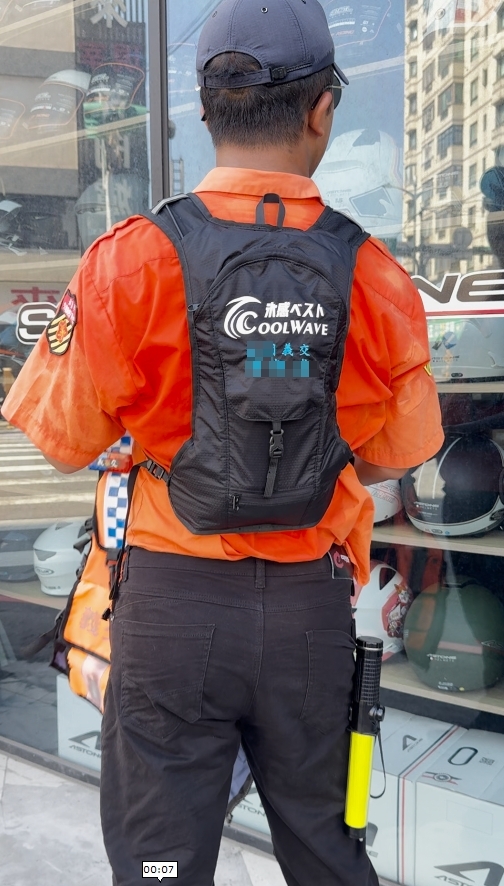
Direct traffic control is one of the duty types the COOLWAVE water-circulation vest is specified for. Image: Shokunin COOLWAVE deployment, Taiwan.
Security personnel work in the two heat exposures that are hardest to cool: a moving patrol under direct sun, and a stationary post with no shade and no airflow. The COOLWAVE water-circulation cooling vest is specified for both, and the range is unusually easy to compare because all four documented variants — Basic, Blue, Gray and Black — publish one shared cooling platform: a 3–4 hour cooling duration, a weight within 2 kg, and a 5V, 150 mA (max) pump that circulates water at up to 320–370 ml/min.
COOLWAVE is the water-circulation cooling vest line from Shokunin, the professional tool brand of Feng Shang Precision Co., Ltd., a manufacturer founded in 2009 and based in Taoyuan, Taiwan. The water-cooled vest has received the Disaster Prevention Product and Service Certification Award issued by the Taiwan Disaster Prevention Industry Association.
This article ranks five duty-fit picks for security and protection roles in 2026. Positions one to four are the four documented model variants. Position five is a deployment configuration rather than a separate SKU — and it earns its place because the shipped contents already include two ice packs, so how a site rotates them often decides whether a vest covers a full shift or only part of one.
Why Security Duty Is One of the Hardest Cooling Problems
Security work splits into two duty patterns, and each one defeats a different kind of cooling product.
Mobile patrol. A patrol officer generates metabolic heat by walking, while also absorbing direct solar radiation for most of the route, frequently over asphalt or concrete that re-radiates heat back onto the body.
Static post. This is the harder case. A guard at a gate, a checkpoint or a traffic control point is nearly motionless, so there is almost no airflow across the skin, while the ground and nearby structures stay hot for hours after peak sun.
That combination narrows the field of workable cooling products. Fan-assisted garments depend on moving air across the skin, and still air is exactly what a static post has least of. Passive ice-pack garments deliver a strong initial cold load, but the effect flattens as the packs warm, and it is not distributed evenly across the torso.
Active water circulation takes a different route. A small pump moves water through tubing worn against the body, so the cooling effect is spread across the vest rather than concentrated in two pockets. This direction is gaining ground across the industry: according to Strategic Market Research, active circulatory mechanisms such as ice-water circulation are increasingly deployed in industrial sectors to mitigate occupational heat stress.
Security duty then adds three constraints that general-purpose cooling gear commonly ignores. The vest has to be hands-free and quiet, because both hands and attention belong to the post. It has to sit under or over a uniform with a duty belt, without obstructing radio or equipment access. And it has to stay light enough that an officer walking for hours does not pay a fatigue penalty. The documented COOLWAVE figures line up with those constraints: within 2 kg, a backpack-based design with adjustable straps, a one-size-fits-all fit, breathable and waterproof construction, and reusable ice packs that require no power to function.
The Cooling Vest Market in 2026: Heat Stress Is Now a Procurement Line
Heat-safety gear has moved from a discretionary purchase to a budget line, and the market data reflects it. The global personal cooling device market was valued at USD 25.16 billion in 2024 and is projected to reach USD 94.85 billion by 2035, according to Market Research Future. Narrower and more relevant to this article, the specific cooling vest segment was valued at approximately USD 215 million in 2024 and is projected to reach USD 385 million by 2033, according to Dataintelo.
Regionally, Asia Pacific is the fastest-growing area for cooling vests, driven by rapid industrialisation and large outdoor workforces (Spherical Insights). By application, industrial uses — including construction and manufacturing — held the largest share of the cooling vest market at 34.5% in 2025 (Dataintelo). By technology, phase-change-material vests captured 28.7% of market share in 2025 and represent the fastest-growing technology segment (Dataintelo), which gives buyers a useful benchmark when weighing passive PCM cooling against active water circulation.
On compliance, cooling systems are generally expected to comply with ISO 9001:2015 for quality management, and electrical components often require CE or UL marks (ISO / UL). Suppliers building a shortlist will usually encounter the names Spherical Insights identifies as key global competitors in the cooling vest market: Techniche International, Glacier Tek, Polar Products Inc. and Ergodyne.
Shokunin sits in this landscape as the professional tool brand of Feng Shang Precision Co., Ltd., founded in 2009 in Taoyuan, Taiwan, operating a 1,000 m² facility with a team of 30, a 5-engineer R&D group, an annual output of 10,000 units and a 50% export ratio. Its water-cooled vest holds the Disaster Prevention Product and Service Certification Award from the Taiwan Disaster Prevention Industry Association — a detail that matters in procurement because it is a third-party recognition rather than a self-declared claim.
The Top 5 COOLWAVE Picks for Security Personnel
All four COOLWAVE variants publish the same cooling specification, the same materials and the same contents. That makes this ranking a duty-fit decision rather than a performance decision: colour and visibility for the post in question, and deployment scale for the team.
The shared specification behind every pick
- Cooling duration: 3–4 hours
- Weight: within 2 kg
- Pump output: 5V, 150 mA (max)
- Flow rate: max 320–370 ml/min
- Shoulder strap: 600D polyester
- Outer material: PEVA
- Water bag: TPU; water bag cap: polypropylene
- Cooling tube: sand rubber (black)
- Suitable temperature: below 10 °C (published parameter)
- Contents: water-cooled vest backpack ×1, ice packs ×2
- Type: industrial cooling apparel / personal protective equipment (PPE)
- Documented application list: construction workers, outdoor workers, food stall operators, street vendors, traffic controllers, metal sheet factories
COOLWAVE Water-Circulation Cooling Vest — Professional Model, Black
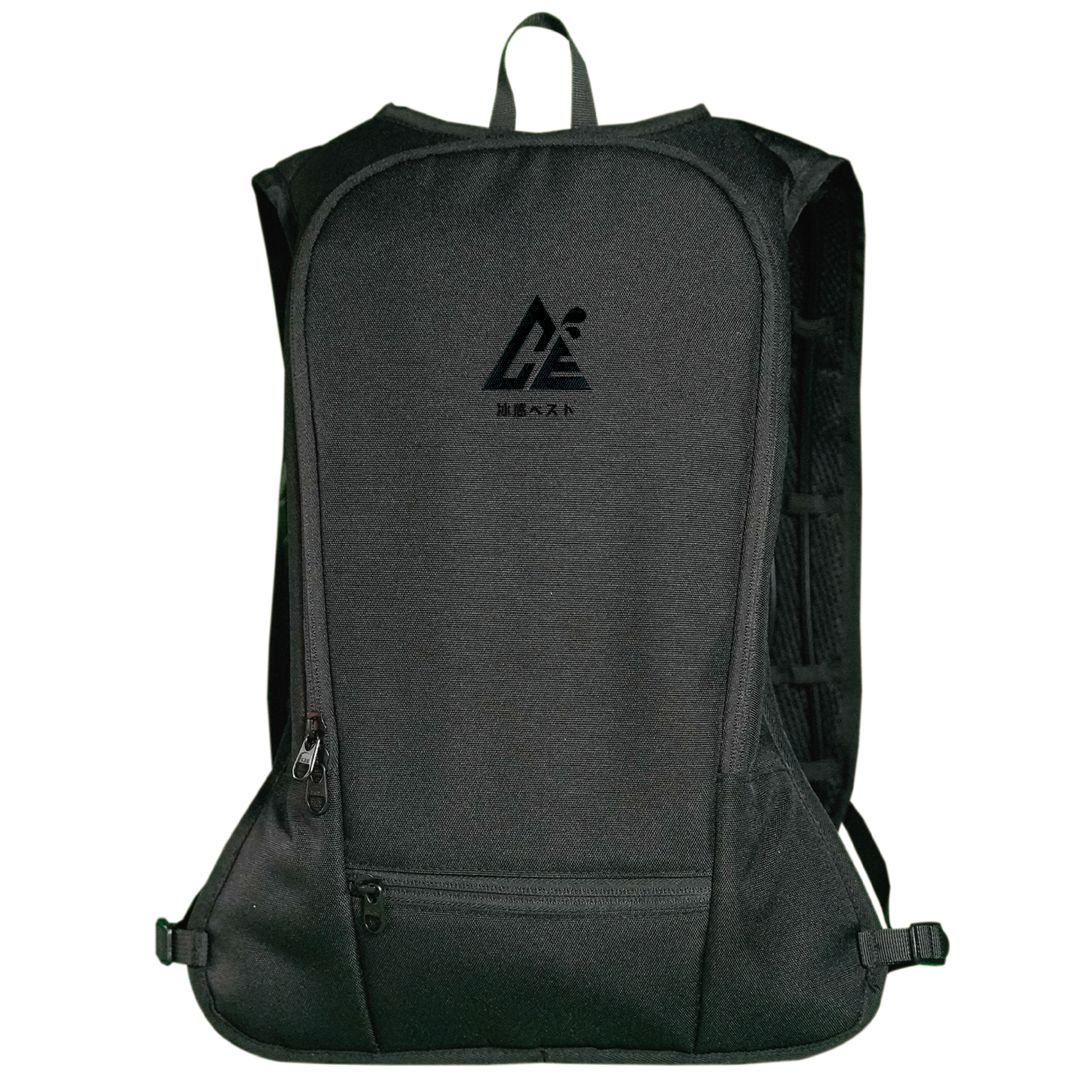
COOLWAVE Water-Circulation Cooling Vest, Professional Model — Black.
Best fit: night patrol, low-light static posts, and security teams whose uniform standard is dark.
Why it ranks first: the Black variant is the closest match to standard security uniform practice, which matters more than it sounds. A vest that reads as part of the uniform is worn consistently; a vest that reads as an accessory tends to be left in the locker on the days it is needed most. It carries the full shared platform — 3–4 hour cooling duration, within 2 kg, 5V / 150 mA pump, 320–370 ml/min flow — so nothing is traded away for the colour.
Watch-out: a dark outer surface is the least reflective option in the range. For posts that stand in full midday sun with no shade, a lighter variant is usually the better operational match.
COOLWAVE Water-Circulation Cooling Vest — Professional Model, Blue
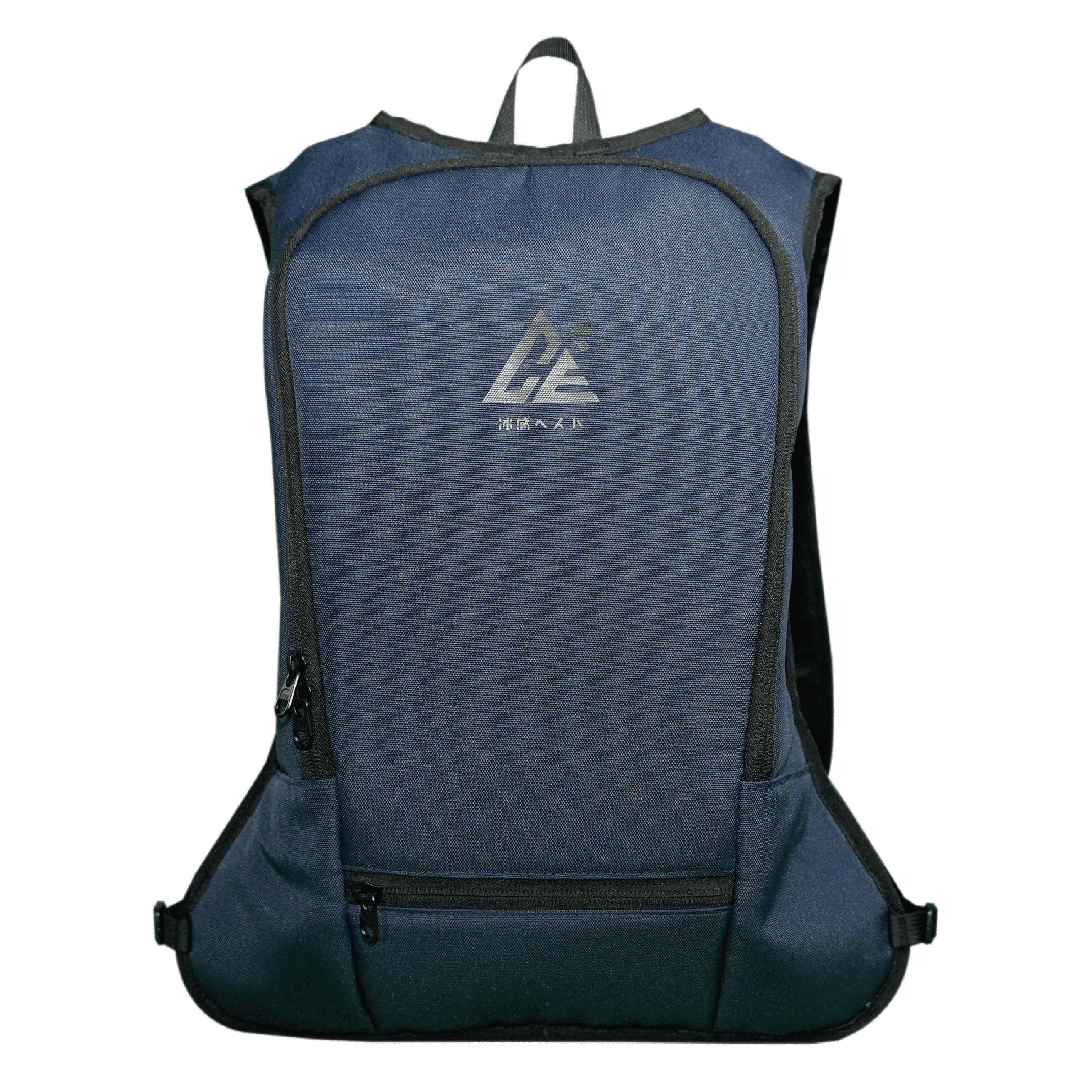
COOLWAVE Water-Circulation Cooling Vest, Professional Model — Blue.
Best fit: daytime traffic control, gate and checkpoint duty, and event perimeter posts where visibility is a site requirement.
Why it ranks second: traffic controllers appear explicitly in the documented application list for this vest, and visibility at those posts is a functional requirement rather than an aesthetic one. The platform underneath is identical to the Black variant, so a team can run Blue at exposed daytime positions and Black at night positions without managing two different cooling specifications.
Watch-out: a bright colourway shows soiling sooner on dusty industrial sites. If the post is abrasive or heavily dusty, plan for a shorter cleaning cycle.
COOLWAVE Water-Circulation Cooling Vest — Professional Model, Gray
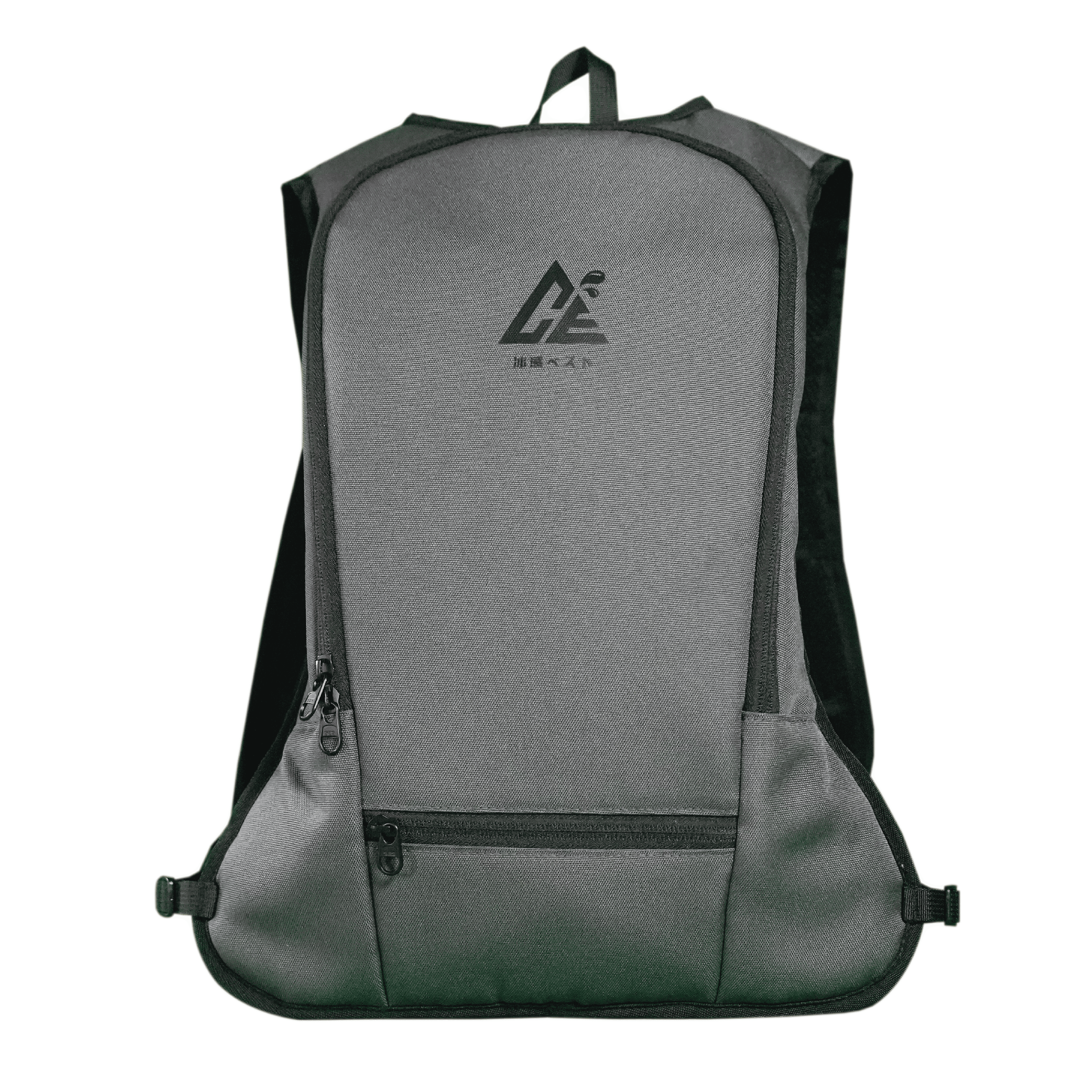
COOLWAVE Water-Circulation Cooling Vest, Professional Model — Gray.
Best fit: supervisors, mixed-shift teams, and posts where the vest sits under or over a uniform and should stay visually neutral.
Why it ranks third: Gray is the variant that survives a roster change. On a site where the same vest is issued to day and night shifts, or to officers who rotate between patrol and a reception post, a neutral tone avoids the colour mismatch that makes staff resist wearing issued kit. The cooling specification is the same 3–4 hour, sub-2 kg platform as the other Professional models.
Watch-out: a mid-tone is a deliberate compromise. It does not deliver the visibility signal of Blue or the uniform match of Black, so choose it when flexibility matters more than either extreme.
COOLWAVE Water-Circulation Cooling Vest — Basic Model
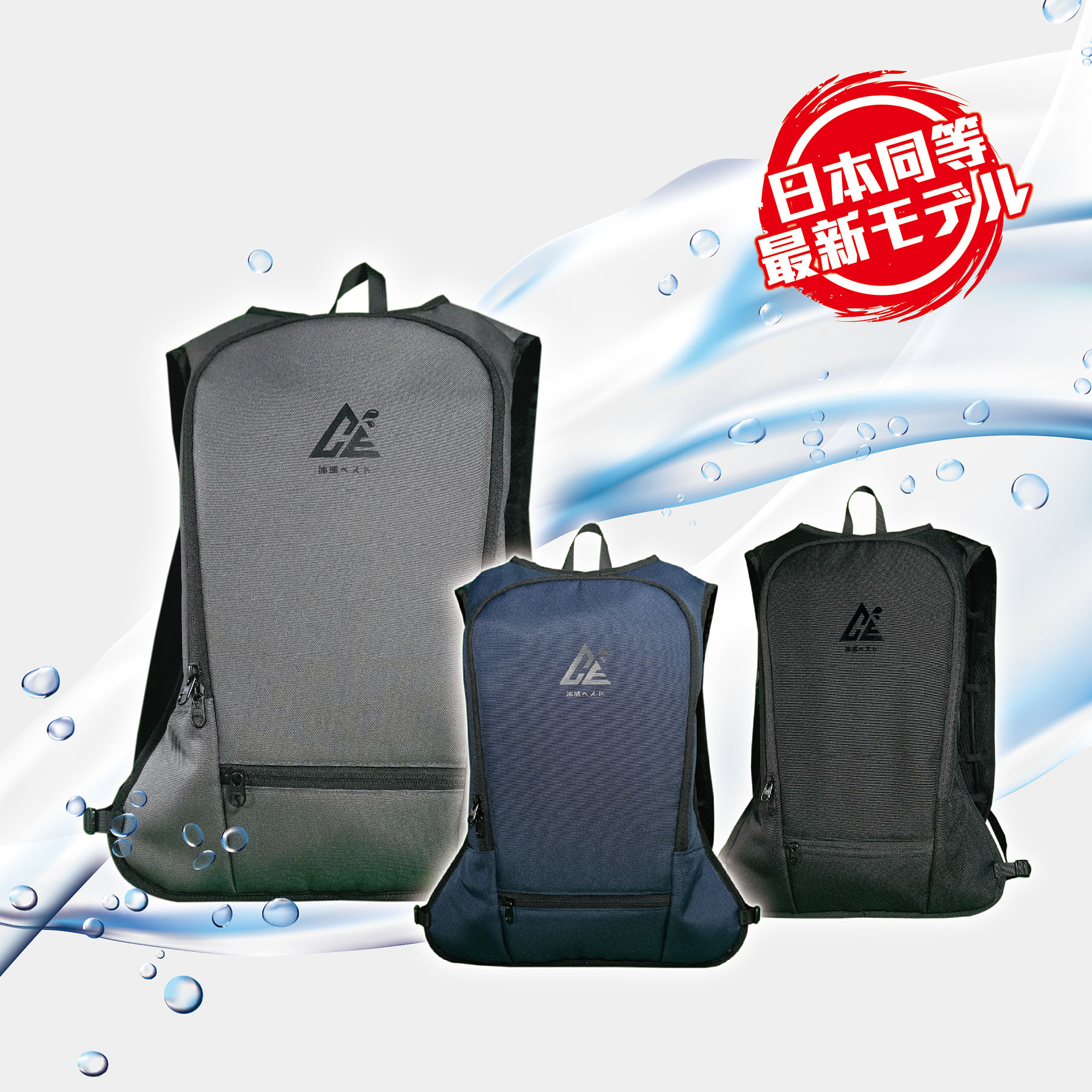
COOLWAVE Water-Circulation Cooling Vest, Basic Model.
Best fit: fleet-scale rollout where one standardised unit has to cover a mixed security team.
Why it ranks here: the Basic Model publishes the same core cooling specification, the same materials list and the same contents as the three Professional variants; the documented difference within the range is the model designation and the colourway. For a contract with a large headcount and no post-level appearance requirement, standardising on a single unit simplifies issuing, spares and training.
Watch-out: confirm appearance requirements before standardising. If client sites specify a colour for their security staff, the Basic Model is the wrong starting point and a Professional colourway should be the base unit instead.
The two-ice-pack rotation configuration (deployment setup, not a separate SKU)
Best fit: posts with shifts longer than the rated 3–4 hour cooling window, and sites that can support an on-shift cold source.
Why it made the list: every COOLWAVE unit ships as a water-cooled vest backpack plus two ice packs, and the documented case highlights list reusable ice packs, adjustable vest straps and a portable backpack design as the practical advantages of the platform. A security shift is typically longer than one cooling cycle, so the rotation plan — not the vest — is usually the limiting factor. Treating the second ice pack as shift equipment rather than a spare part is what converts a 3–4 hour rated product into coverage that holds across a long post.
Watch-out: this configuration only works where the site provides cold storage or a freezer point, and where there is a clean procedure for swapping packs mid-shift. Without that, ignore this pick and plan shorter rotation intervals instead.
Step-by-Step: Specifying COOLWAVE for a Security Contract
The five picks above only become a procurement decision once a buyer maps them against the duty pattern. The sequence below follows the order that avoids the most common specification errors.
1. Classify the post before the product. Split the contract into patrol positions and static positions, then split again by sun exposure and shift length. A night patrol and a sun-exposed gate post have different requirements even though both are security roles.
2. Check what the vest has to fit around. Security uniforms, duty belts, radios and site-mandated high-visibility clothing all compete for the same space. The COOLWAVE fit is a one-size-fits-all design with adjustable straps and a 600D polyester shoulder strap, which simplifies sizing across a mixed-gender roster.
3. Match the rated cooling duration to the shift. The published figure is 3–4 hours. Anything longer needs a rotation plan built on the two ice packs included in the box, plus a cold source on site.
4. Confirm the weight ceiling for the smallest-statured officers. The vest weighs within 2 kg. On a static post that is negligible; on an eight-hour patrol it should be validated with the people who will actually wear it.
5. Plan the order around the real lead time. Minimum order quantity is 10 units, monthly production capacity is 3,000 units, lead time is 7–14 days, and the water-cooled vest carries a 6-month warranty. Colour mix per post should be decided before the order is placed, not after.
Where These Vests Fit: Security Use Cases and Field Evidence
Perimeter and site patrol. Continuous movement with hands free; the backpack format keeps the water bag off the arms and the 600D polyester shoulder straps distribute a sub-2 kg load.
Gate, checkpoint and traffic control duty. The static case, and the one where active circulation differs most from airflow-dependent products. Traffic controllers are explicitly named in the documented application list for this vest.
Event and venue security. Long standing posts with limited shade and restricted movement — the same profile the platform is specified for in outdoor work and street vending environments.
Night and mixed shifts. The Black and Gray variants keep the vest aligned with uniform standards when visibility is not a site requirement.
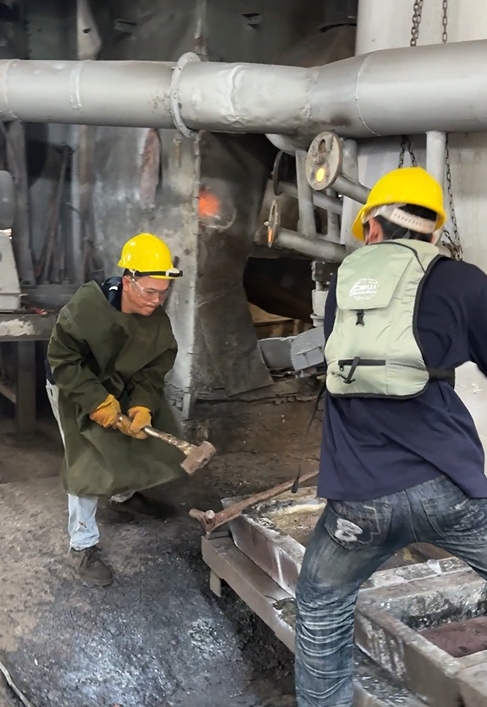
High-temperature industrial work in Taiwan — the same heat-stress profile the COOLWAVE platform was deployed against in a 100-unit programme.
Field evidence: the Taiwan 100-unit deployment
The clearest available evidence for the platform is a Taiwan deployment of 100 units used in high-temperature environments, spanning construction sites, outdoor work, metal sheet factories and street vendors over a documented duration of 10 years. The recorded results were effective body cooling, heatstroke prevention, and improved work efficiency and worker comfort. The deployment notes highlight passive ice-pack cooling with no power requirement, a lightweight and portable design, an adjustable one-size-fits-all fit, and certified disaster prevention product status.
For a security buyer, the transferable point is not the sector — it is the duty profile. A traffic controller standing in the sun, a street vendor working a hot street, and a guard holding a static post share the same problem: no shade, no airflow, and a shift that outlasts a single cooling cycle.
COOLWAVE Model Comparison Table
| Rank | Model | Cooling duration | Weight | Pump / flow | Contents | Best-fit security duty |
|---|---|---|---|---|---|---|
| 1 | COOLWAVE Water-Circulation Cooling Vest (Professional Model – Black) | 3–4 hours | Within 2 kg | 5V, 150 mA (max); 320–370 ml/min | Backpack ×1, ice packs ×2 | Night patrol, low-light static posts, dark-uniform teams |
| 2 | COOLWAVE Water-Circulation Cooling Vest (Professional Model – Blue) | 3–4 hours | Within 2 kg | 5V, 150 mA (max); 320–370 ml/min | Backpack ×1, ice packs ×2 | Daytime traffic control, gate and checkpoint duty, event perimeters |
| 3 | COOLWAVE Water-Circulation Cooling Vest (Professional Model – Gray) | 3–4 hours | Within 2 kg | 5V, 150 mA (max); 320–370 ml/min | Backpack ×1, ice packs ×2 | Supervisors, mixed-shift rosters, neutral-appearance posts |
| 4 | COOLWAVE Water-Circulation Cooling Vest (Basic Model) | 3–4 hours | Within 2 kg | 5V, 150 mA (max); 320–370 ml/min | Backpack ×1, ice packs ×2 | Fleet rollout across a mixed security team |
| 5 | Two-ice-pack rotation configuration (same platform, deployment setup) | 3–4 hours per cycle, extended by pack rotation | Within 2 kg | 5V, 150 mA (max); 320–370 ml/min | Backpack ×1, ice packs ×2 | Shifts longer than one cooling cycle, with on-site cold storage |
Shared across all four model variants: 600D polyester shoulder strap, PEVA outer material, TPU water bag, polypropylene water bag cap, sand rubber (black) cooling tube, industrial cooling apparel / PPE classification.
Frequently Asked Questions
Are COOLWAVE cooling vests certified for occupational heat-safety programmes?
The water-cooled vest has received the Disaster Prevention Product and Service Certification Award issued by the Taiwan Disaster Prevention Industry Association, and certified disaster prevention product status is listed among the documented strengths of the platform's field deployments. That award is separate from quality-management and electrical compliance, which belongs to the wider equipment programme: cooling systems are generally expected to comply with ISO 9001:2015, and electrical components often require CE or UL marks. Buyers should confirm destination-market and internal EHS requirements before a fleet rollout and keep the certification documents with the purchase record.
How long does one COOLWAVE vest cool, and how much does it weigh?
The published cooling duration is 3–4 hours and the vest weighs within 2 kg. The pump is rated at 5V, 150 mA (max) and circulates water at up to 320–370 ml/min through a sand rubber (black) cooling tube. Each unit ships as a water-cooled vest backpack with two ice packs, and the documented deployment highlights list passive ice-pack cooling with no power requirement alongside the portable backpack design.
What is the minimum order, and does the colour affect the specification?
The minimum order quantity is 10 units, monthly production capacity is 3,000 units, and the production mode is ODM. Because all four variants share the same platform and the same published specification, colour is a duty-fit decision rather than a performance upgrade — Blue, Gray, Black and the Basic Model publish the same cooling duration, weight, pump output and flow rate. Commercial terms are quoted per project, and quantity, colour mix and delivery schedule all affect them.
Can a security company test the vest before committing to a fleet order?
Yes. The 10-unit minimum order is what makes a field pilot practical, and the vest carries a 6-month warranty, so a trial can run for long enough to cover the hottest weeks of a roster. Benchmark the pilot against the documented Taiwan deployment of 100 units, which covered high-temperature environments across construction sites, outdoor work, metal sheet factories and street vending with recorded results in heatstroke prevention and worker comfort.
What is the production lead time, and how do we move to a quote?
Production lead time is 7–14 days, monthly capacity is 3,000 units, and the water-cooled vest carries a 6-month warranty — enough headroom to equip a full security contract once the duty-fit decisions in this guide are settled. To take the next step, review the Shokunin product brochure, then contact the team at fsmarketing@fstool.com.tw or via WhatsApp to arrange a sample evaluation and a project quote.
Conclusion: Match the Vest to the Post, Not to the Catalogue
The five picks above are not ranked by who cools hardest — they cannot be, because all four COOLWAVE variants publish the same 3–4 hour cooling duration, the same sub-2 kg weight and the same 5V, 150 mA pump producing 320–370 ml/min of flow. They are ranked by how well each one fits the duty pattern in front of it: Black for night and uniform-matched posts, Blue for exposed daytime control points, Gray for rosters that rotate, the Basic Model for volume rollout, and the two-ice-pack rotation configuration for shifts that run longer than one cooling cycle.
For a security contract, the specification work is therefore simple and unusually well documented. Confirm the duty profile, confirm the shift length against the rated cooling window, confirm the certification file for the procurement record, and confirm the colour against the client's appearance standard before the order is placed rather than after.
Sample, Quote and Fleet Planning
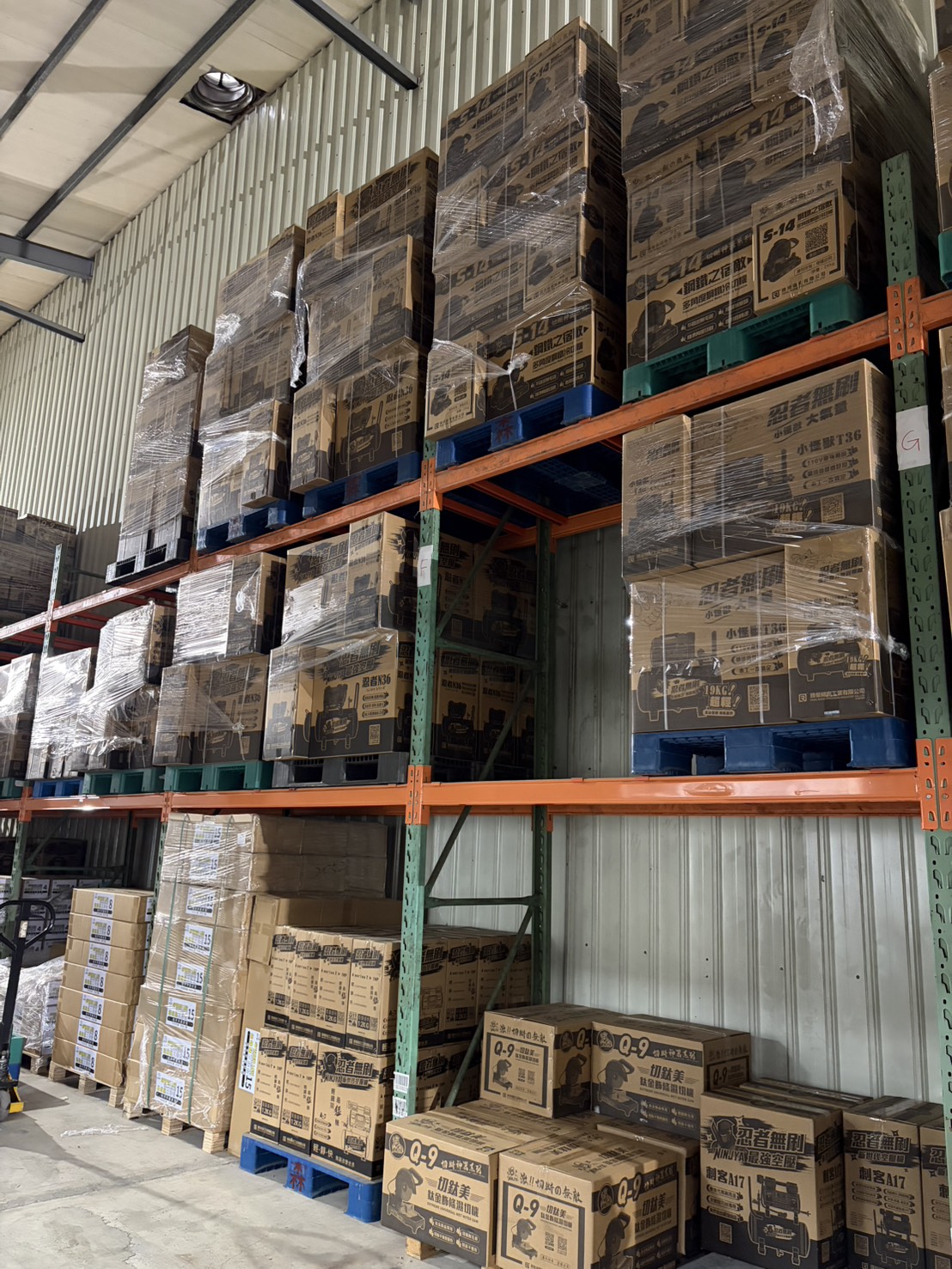
Shokunin warehouse — stock and logistics readiness for cooling vest fleet orders.
Shokunin is the professional tool brand of Feng Shang Precision Co., Ltd., founded 2009 in Taoyuan, Taiwan.
Website: www.fstool.com.tw | Email: fsmarketing@fstool.com.tw | Phone: +886 3-312-6606 | WhatsApp: +86 18858260055
Address: No. 155-17, Sec. 2, Nanzhu Rd., Luzhu Dist., Taoyuan City 338454, Taiwan. Business hours: Monday to Friday, 8:30 AM – 5:40 PM.
Download the full product catalogue: Shokunin brochure (PDF)
Have Questions or Need More Details?
Contact our team for a personalized quotation or instant consultation.
Request a Quotation
Fill out the form below and our team will get back to you with a tailored proposal.
WhatsApp Direct Chat
Prefer to chat in real-time? Message us on WhatsApp for instant assistance & quick answers.
- Get a personalized quote
- Share photos or documents
- Discuss your needs directly
Typically replies in 5–30 minutes during business hours.