
Vetting Dual Cooling Vest Suppliers: ODM, Warranty, Delivery
A dual cooling water cooling vest should be judged on four supplier facts rather than on one catalogue headline: whether the factory owns real ODM engineering, whether cooling duration holds up in the field, what the warranty actually covers, and whether production capacity can absorb reorders without slipping. For a procurement team at the decision stage, those four answers determine whether a cooling programme survives its first summer.
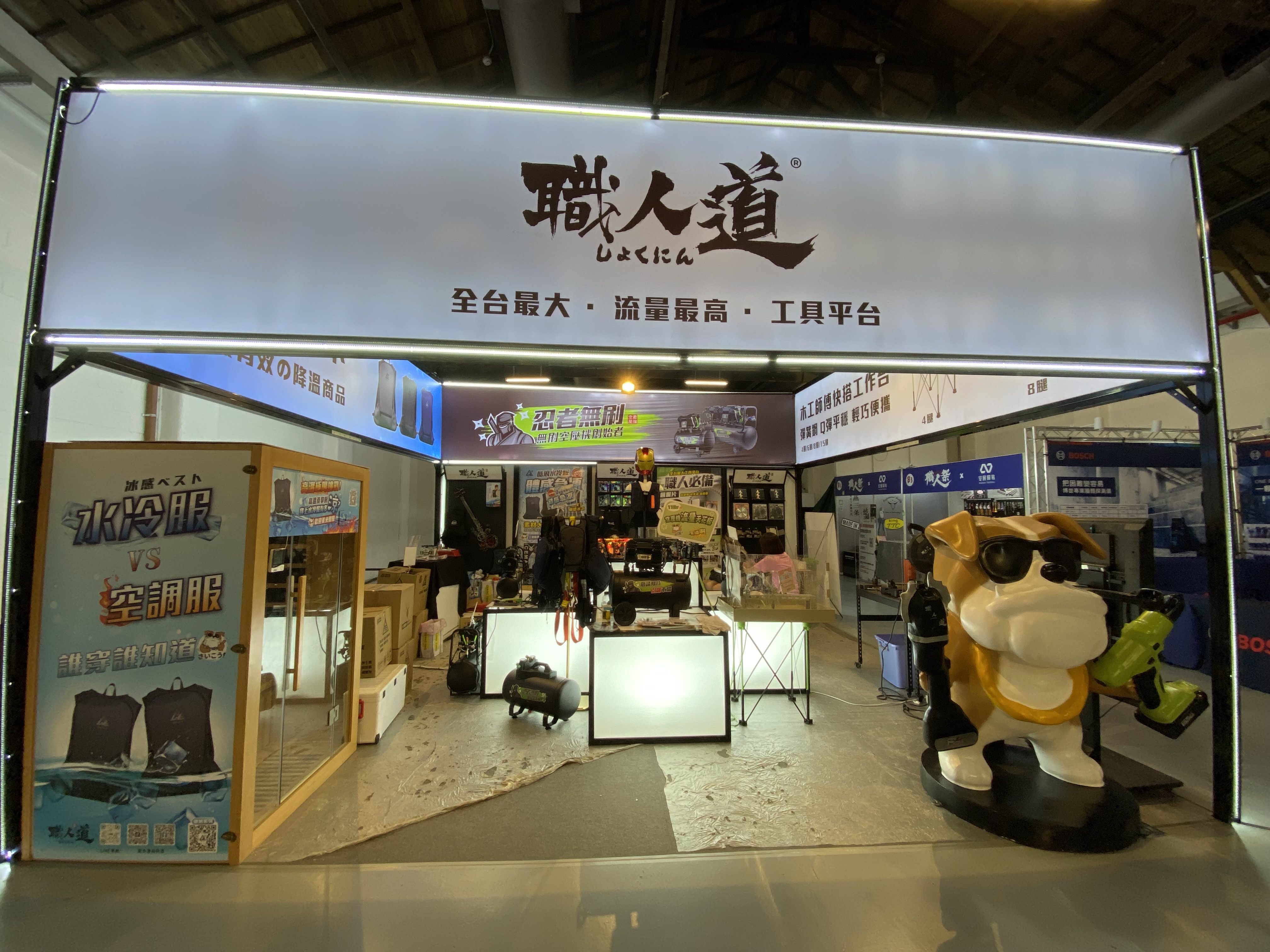
Shokunin is the professional tool and cooling-apparel brand of Feng Shang Precision Co., Ltd., a manufacturer founded in 2009 in Taoyuan, Taiwan. The company operates a 1,000 m² production facility staffed by 30 employees, employs a five-engineer R&D team, and runs an annual output of 10,000 units, with roughly 50% of production exported to the United States and Taiwan. Those are exactly the kind of verifiable supplier data points this guide teaches buyers to collect, and they are used here as a worked example rather than as a sales claim.
What follows is a practical supplier evaluation framework: what to verify at each stage, how to compare cooling performance fairly across candidate suppliers, and which warranty and delivery questions must be answered in writing before a purchase order is issued.
The Real Problem: A Cooling Vest Is Only as Good as Its Supply Chain
Cooling vests fail in the field for unglamorous reasons. An ice pack leaks and soaks a worker's shirt. A vest that holds its cooling effect for around 30 minutes forces repeated pack swaps in the middle of a shift. Fabric and seams wear out after a short service life. A warranty claim goes unanswered because the contract never defined what "covered" meant.
None of these failure modes appear in a product photo, and none of them are solved by selecting the vest with the loudest specification sheet. That is why procurement teams are, in practice, evaluating two things at the same time: a product (does it cool long enough for the duty cycle?) and a supplier (can it deliver the same product, at the same quality, on every reorder?).
This second question is where most sourcing risk sits. Two suppliers can list an apparently identical industrial cooling vest and still differ completely on original design manufacturing (ODM) capability, documented after-sales terms, and production capacity. A supplier with no in-house engineering cannot customise, cannot correct a design fault quickly, and cannot absorb a mid-season volume change.
Evaluation principle: score the product and the supplier separately. A strong product from a weak supplier is still a supply risk, and a weak product from a strong supplier is still a deployment problem.
Industry Background: Reading the Cooling Vest Market Correctly
Demand for personal cooling equipment is expanding, but published market figures use different definitions, and buyers should read them with that in mind before using any of them in a business case.
- The global personal cooling device market was valued at USD 25.16 billion in 2024 and is projected to reach USD 94.85 billion by 2035 (Market Research Future). This is the broadest definition and includes handheld fans and personal air conditioners.
- The cooling vest segment specifically was valued at approximately USD 215 million in 2024 and is projected to reach USD 385 million by 2033 (Dataintelo).
- Asia Pacific is the fastest-growing region for cooling vests, driven by rapid industrialisation and large outdoor work populations (Spherical Insights).
- Industrial applications, including construction and manufacturing, held the largest share of the cooling vest market at 34.5% in 2025 (Dataintelo).
- Phase Change Material (PCM) vests captured 28.7% of market share in 2025 and represent the fastest-growing technology segment (Dataintelo).
- Active circulatory mechanisms — the ice water circulation approach used by dual cooling vests — are increasingly deployed in industrial sectors to mitigate occupational heat stress (Strategic Market Research).
The gap between the two headline figures is a definition problem rather than a contradiction: the personal cooling device category spans many product types, while the cooling vest segment covers garments only. For a buyer sourcing vests, the segment figure and the 34.5% industrial share are the more useful planning inputs.
Compliance expectations run alongside the demand story. Cooling systems are expected to comply with ISO 9001:2015 for quality management, and electrical components often require CE or UL marks depending on the destination market. Named competitors in the category include Techniche International, Glacier Tek, Polar Products Inc. and Ergodyne; these names are useful reference points when benchmarking supplier claims, though specification details should always be verified directly with each supplier rather than assumed.
A Five-Dimension Supplier Scorecard for Dual Cooling Water Cooling Vests
1. ODM Capability: Verify Engineering, Not the Word "Customisable"
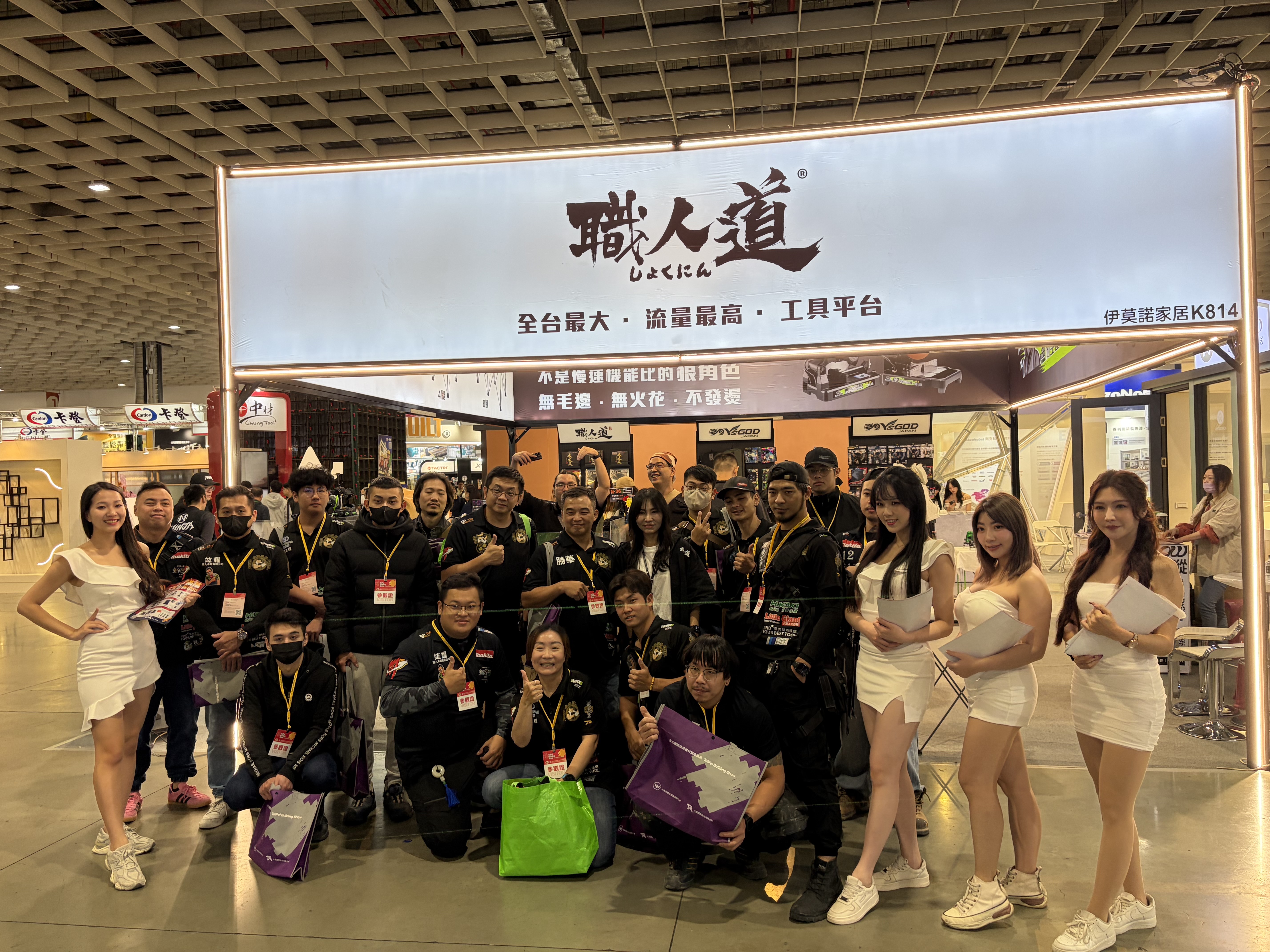
ODM capability is measurable rather than rhetorical. A genuine ODM supplier employs designers and engineers, owns or controls tooling, and can demonstrate how a specification change moves through design, sampling and production. Feng Shang Precision, the manufacturer behind Shokunin, maintains an in-house R&D team of five engineers and runs its own branded product lines — a structural signal that design work happens inside the company rather than being outsourced to a third party.
Questions that separate a design owner from a trading intermediary:
- Who owns the design file, and can it be handed over or amended on request?
- How many engineers work on the cooling product line, and what is the documented change-control process?
- What is the turnaround on a revised sample, and what is the minimum order quantity for custom colours or branding?
- Has the supplier launched products under its own brand — evidence that it has carried a design all the way to market?
2. Cooling Performance: Compare Like With Like
Cooling duration is the single most comparable performance metric in this category, and it should be tested under one protocol across all candidate suppliers. The Shokunin water-cooled vest provides 3–4 hours of cooling, compared with approximately 30 minutes for other water-cooled vests, which lose their cooling effect after that window.
Two secondary differences follow from the same comparison. Shokunin's vest delivers higher cooling efficiency, and its maintenance requirements are lower because it uses reusable ice packs and durable fabric that need minimal upkeep — whereas other water-cooled vests require frequent ice pack replacement and show higher wear and tear. Shokunin positions the product for high-temperature environments, metal sheet factories and outdoor sites.
Benchmark rule: record cooling duration, ambient temperature, worker activity level and pack-change frequency in the same table. A duration figure without its surrounding conditions is not comparable.
3. Warranty and After-Sales: Define "Covered" Before You Order
Warranty language is where cooling vest procurement most often goes wrong, because the vest contains both durable components and consumable wear parts. A written agreement should state the warranty period, the components in scope, whether ice packs are treated as consumables, how a claim is filed, and the expected claim turnaround.
Quality control evidence supports the warranty conversation. Feng Shang Precision addresses ice pack leakage — a common failure point in water-cooled vests — with reinforced ice pack material and a 100% quality check before shipment, so buyers can request the inspection record rather than accepting a general assurance. That distinction matters at claim time: documented pre-shipment inspection is the difference between a warranty clause and a warranty process.
4. Delivery Assurance: Match Capacity to Your Order Rhythm
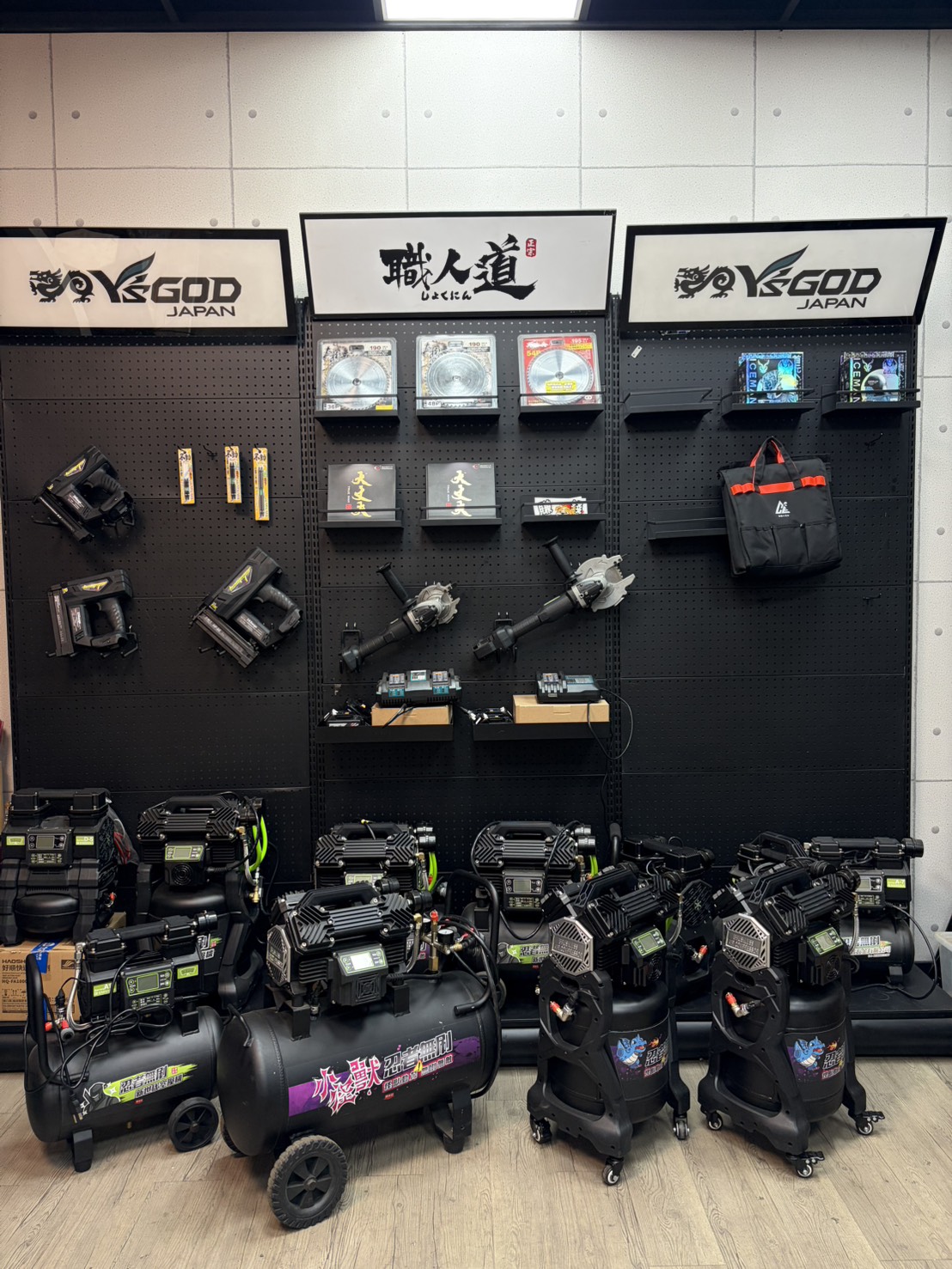
Delivery reliability can be assessed before the first order, using figures a supplier should be willing to confirm. Feng Shang Precision operates a 1,000 m² facility with 30 employees and an annual production capacity of 10,000 units, with roughly 50% of output exported to the United States and Taiwan — export activity that implies working familiarity with documentation and freight handling rather than one-off domestic shipping.
If a buyer's annual demand represents a large share of a supplier's total capacity, that supplier becomes a concentrated dependency and peak-season scheduling turns into the primary risk. If annual demand is small relative to capacity, the more relevant questions become minimum order quantity, reorder lead time, and whether finished stock can be held. Both scenarios require written commitments on lead time, shipping terms and reorder cadence.
5. Compliance and Third-Party Recognition
Standards set the floor for this category. Cooling systems are expected to comply with ISO 9001:2015 for quality management, and electrical elements typically require CE or UL marks depending on the destination market. Beyond baseline standards, independent recognition is a useful tiebreaker between otherwise similar suppliers: the Shokunin cooling vest has received the Disaster Prevention Product and Service Certification Award issued by the Taiwan Disaster Prevention Industry Association. Awards of this type are issued by a third party, which makes them harder to self-declare than internal quality statements.
Step-by-Step: Running a Dual Cooling Vest Supplier Evaluation
- Confirm the supplier is a manufacturer. Check the registered entity, founding year, facility size and headcount. Feng Shang Precision Co., Ltd. was founded in 2009 and operates a 1,000 m² facility with 30 employees in Taoyuan, Taiwan — a testable profile rather than a marketing claim.
- Audit design ownership. Confirm the size of the R&D team (five engineers at Feng Shang Precision) and ask to see a documented change-control process for customer-specific revisions.
- Benchmark cooling duration on one protocol. Test the candidate vest and the incumbent vest at the same ambient temperature and activity level. The reference point in this category is 3–4 hours for the Shokunin vest versus approximately 30 minutes for other water-cooled vests.
- Inspect construction and leakage controls. Ask for the pre-shipment inspection record covering ice pack integrity; reinforced ice pack material plus a 100% quality check before shipment is the control to look for.
- Fix warranty terms in writing. Specify the period, the components in scope, the treatment of ice packs, the claim process and the expected turnaround.
- Stress-test the delivery plan. Compare the supplier's annual capacity (10,000 units per year for Feng Shang Precision) with your annual volume, then confirm minimum order quantity, peak-season lead time and shipping terms in writing.
- Score a sample against your own duty cycle. Rate cooling duration, fit, weight, leakage and wash durability before releasing a production order.
Where These Criteria Matter Most
The criteria stay constant, but their weighting shifts with the worksite — which is why the same vest can be the right answer for one site and the wrong answer for another.
- Construction and outdoor sites. Long continuous exposure makes cooling duration the dominant criterion. A 30-minute cooling window is impractical when crews cannot leave the work face to swap packs.
- Metal sheet and metal-roof factories. Radiant heat from sheet metal and roofing raises effective ambient temperature. The Shokunin vest is explicitly positioned for metal sheet factories and high-temperature environments, which is where active ice water circulation cooling earns its place over passive designs.
- Traffic control and street vending. Self-contained, long-duration cooling matters more than fixed infrastructure. A lightweight, portable cooling vest that does not depend on a worksite power supply fits this duty cycle better than equipment-heavy alternatives.
- Warehouses and logistics in un-airconditioned buildings. Repetitive picking and loading means maintenance burden and pack-replacement frequency translate directly into lost labour time, so the maintenance profile carries more weight than the headline duration figure.
Comparison Tables
Table 1 — Cooling performance: Shokunin versus other water-cooled vests
| Parameter | Shokunin Dual Cooling Water Cooling Vest | Other water-cooled vests |
|---|---|---|
| Cooling duration | 3–4 hours | Approximately 30 minutes, after which the cooling effect is lost |
| Cooling efficiency | Higher | Baseline |
| Maintenance profile | Reusable ice packs and durable fabric; minimal upkeep | Frequent ice pack replacement; higher wear and tear; more upkeep |
| Ice pack leakage control | Reinforced ice pack material; 100% quality check before shipment | Not specified in the source comparison |
| Best-fit environments | High-temperature environments, metal sheet factories, outdoor sites | Not specified in the source comparison |
Table 2 — Supplier capability: criteria mapped to verified data points
| Evaluation criterion | What buyers should verify | Verified data point (Feng Shang Precision / Shokunin) |
|---|---|---|
| Manufacturing base | Own production facility rather than a trading office | 1,000 m² facility in Taoyuan, Taiwan |
| Operating history | Years in business and continuity of operation | Founded 2009 |
| Workforce | Headcount supporting actual production | 30 employees |
| Engineering | In-house R&D headcount | 5 engineers |
| Annual capacity | Output versus your own annual demand | 10,000 units per year |
| Export experience | Export share and destination markets | Approximately 50% export ratio; USA and Taiwan |
| Quality control | Pre-shipment inspection of wear parts | Reinforced ice pack material; 100% quality check before shipment |
| Performance evidence | Comparable cooling duration data | 3–4 hours, versus approximately 30 minutes for other water-cooled vests |
| Category standards | Quality management and electrical marks | ISO 9001:2015; CE or UL marks for electrical components |
| Third-party recognition | Independent award or certification | Disaster Prevention Product and Service Certification Award, Taiwan Disaster Prevention Industry Association |
FAQ: Dual Cooling Vest Supplier Evaluation
What certifications and standards should a dual cooling vest supplier meet?
Cooling systems are expected to comply with ISO 9001:2015 for quality management, and electrical components — such as any pump, fan or battery module — often require CE or UL marks, depending on the destination market. Regional PPE rules apply on top of those baseline standards and should be checked for each country of deployment. As verifiable third-party recognition, the Shokunin cooling vest has received the Disaster Prevention Product and Service Certification Award issued by the Taiwan Disaster Prevention Industry Association. Buyers should request the actual documentation rather than accepting a compliance statement on a quotation.
How do I confirm a supplier really offers ODM rather than simply reselling?
Look for design ownership rather than the word "custom" on a website. Three checks separate the two: an in-house engineering team, a product brand of the supplier's own, and a documented change-control process for customer revisions. Feng Shang Precision, the manufacturer behind Shokunin, runs a five-engineer R&D team and operates a 1,000 m² production facility in Taoyuan, Taiwan, and has been in operation since 2009. Before committing, ask for the design file structure, the change-control procedure and a sample revision log — a trading intermediary cannot produce them.
What drives the unit cost of a dual cooling water cooling vest?
The main cost drivers are the circulation hardware, the ice pack construction, the durability of fabric and seams, and the degree of customisation requested. Reusable ice packs and durable fabric reduce ongoing consumable spend because they require minimal upkeep, while water-cooled vests that need frequent ice pack replacement carry a higher total cost of ownership across a working season. Buyers should therefore evaluate cost per season of use rather than only comparing unit prices at the quotation stage, and should treat minimum order quantity, customisation scope and shipping terms as part of the same commercial package.
Should we order a sample before placing a production order?
Yes. A sample is the only practical way to test a cooling duration claim against real duty cycles and to check leakage control, fit, weight and fabric feel. The Shokunin vest is positioned for high-temperature environments, metal sheet factories and outdoor sites, so a sample should be evaluated in the environment where it will actually be deployed rather than in an air-conditioned office. Score the sample against the same criteria used to score suppliers — duration, leakage, maintenance burden and comfort — and record the results so they can be compared against a second supplier's sample on equal terms.
How do we assess delivery assurance and lead time risk?
Compare the supplier's stated annual capacity with your own annual demand, then request lead time commitments in writing for your peak months. Feng Shang Precision produces 10,000 units per year at a 1,000 m² facility staffed by 30 employees, with roughly 50% of output exported to the United States and Taiwan — a track record buyers can use to sanity-check delivery claims rather than relying on verbal assurances. Because order size, customisation scope and seasonal demand all affect scheduling, minimum order quantity, lead time and shipping terms should be confirmed directly with the supplier before a contract is signed. You can begin that verification by requesting a sample and quotation from Shokunin, or by downloading the product catalogue first.
Conclusion: Score the Supplier, Then Place the Order
Supplier evaluation for dual cooling vests is not a paperwork exercise. The four dimensions that decide outcomes are ODM capability, verified cooling performance, written warranty terms, and delivery capacity that matches your order rhythm. Each one can be checked against evidence before a purchase order exists: an R&D team of five engineers and a 1,000 m² facility demonstrate design ownership; 3–4 hours of cooling against approximately 30 minutes for other water-cooled vests quantifies performance; reinforced ice pack material plus a 100% quality check before shipment supports the warranty conversation; and an annual output of 10,000 units with roughly 50% export to the United States and Taiwan gives buyers a capacity baseline.
Run the seven-step process, score each supplier on the same table, and validate the winner with a sample under real working conditions. Suppliers that can answer every question with documentation — rather than reassurance — are the ones that will still be shipping on schedule in year three.
Next Step: Sample, Quote, and Catalogue
Shokunin is the professional tool and cooling-apparel brand of Feng Shang Precision Co., Ltd., founded in 2009 and based at No. 155-17, Sec. 2, Nanzhu Rd., Luzhu Dist., Taoyuan City 338454, Taiwan.
Request a sample or a quotation so the criteria in this guide can be tested on your own worksite:
• Website: www.fstool.com.tw
• Product catalogue (PDF): Download the Shokunin catalogue
• Email: fsmarketing@fstool.com.tw
• WhatsApp: +86 18858260055
• Phone: +886 3-312-6606 (Monday to Friday, 8:30 AM – 5:40 PM)
Have Questions or Need More Details?
Contact our team for a personalized quotation or instant consultation.
Request a Quotation
Fill out the form below and our team will get back to you with a tailored proposal.
WhatsApp Direct Chat
Prefer to chat in real-time? Message us on WhatsApp for instant assistance & quick answers.
- Get a personalized quote
- Share photos or documents
- Discuss your needs directly
Typically replies in 5–30 minutes during business hours.