
Water-Circulation Cooling Vest Specs for Heat Safety Officers
Heat safety officers rarely buy a single cooling vest. They approve a specification that has to survive a full season, several sites, and an EHS or procurement review. That is why the numbers on the data sheet of a Dual Cooling Water Cooling Vest matter more than the headline on the packaging. This guide breaks down the published parameters of the COOLWAVE Dual Cooling Water Cooling Vest — pump rating, flow rate, cooling duration and build materials — and translates each figure into deployment language: what it means for shift planning, how the hardware behaves in its second and third season, and what to confirm with the supplier before you standardise.
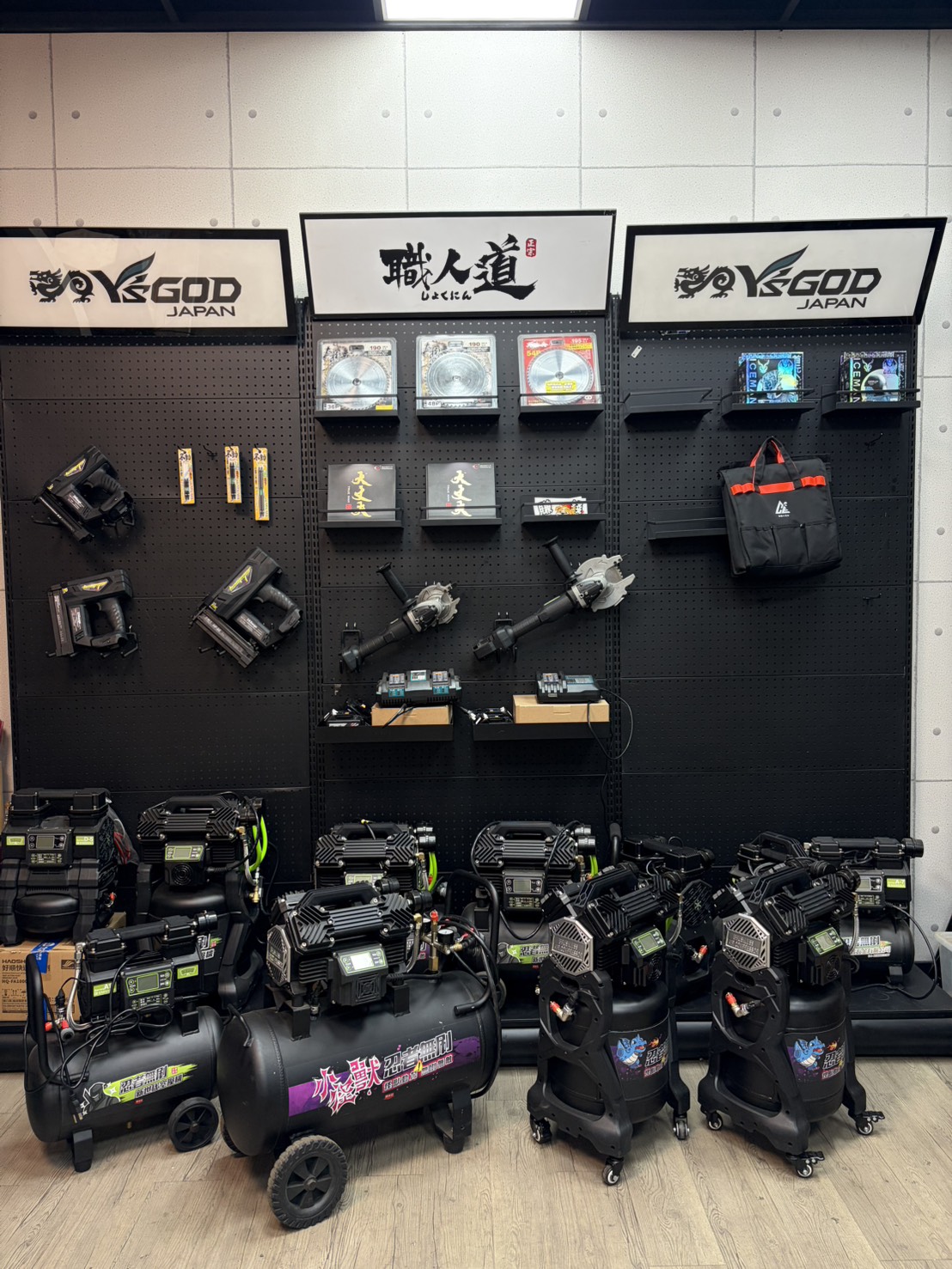
Shokunin COOLWAVE Dual Cooling Water Cooling Vest — product display area
Why a Specification-Level Guide Beats a Product Brochure
A heat programme fails quietly. Crews keep wearing the vest, ice packs get swapped more often than planned, and by mid-season the equipment is sitting in a locker. The cause is usually a specification nobody verified. Three parameters carry most of that weight: the electrical rating of the pump, the circulation flow rate, and the cooling duration delivered by a single ice pack setup.
Everything else in the build — bladder, cap, tubing, webbing — decides how long the unit stays in service rather than how well it cools on day one.
For an officer writing a standard operating procedure, the data sheet is also a governance document. It becomes the reference for training, spare-part planning and post-incident review. A vague sheet forces every site to improvise; a precise one lets procurement, EHS and maintenance work from the same numbers.
Three questions a heat safety officer has to answer before standardising
- Power. Is the pump rated voltage and rated current documented, and does it match the power policy your sites already run?
- Performance. Is flow rate published as a working band, and how long does the vest actually cool on one ice pack setup?
- Continuity. Are the wetted and load-bearing materials named, and can the supplier repeat the same build in six months?
Vague answers to any of those three questions move cost out of the capital budget and into operating friction: more swaps, more replacements, more improvisation.
Industry Background: Water-Circulation Cooling Is Becoming Industrial Infrastructure
The cooling vest category is no longer a niche. The specific global cooling vest market was valued at approximately USD 215 million in 2024 and is projected to reach USD 385 million by 2033 (Dataintelo). The broader personal cooling device market, which includes handheld and wearable coolers alongside vests, was valued at USD 25.16 billion in 2024 with a projected path to USD 94.85 billion by 2035 (Market Research Future).
Growth is concentrated where heat exposure is hardest to engineer away. Industrial application segments including construction and manufacturing held the largest share of the cooling vest market at 34.5% in 2025 (Dataintelo), and Asia Pacific is the fastest-growing region, driven by rapid industrialisation and large outdoor work populations (Spherical Insights).
Technology choice is shifting as well. Phase change material (PCM) vests captured 28.7% of market share in 2025 and represent the fastest-growing technology segment (Dataintelo), while active circulatory mechanisms such as ice water circulation are increasingly deployed in industrial sectors to mitigate occupational heat stress (Strategic Market Research).
Two practical consequences follow for buyers. First, cooling technologies are now compared on measured parameters rather than on category novelty. Second, documentation is becoming part of procurement: cooling systems are generally expected to comply with ISO 9001:2015 for quality management, and electrical components such as pumps often require CE or UL marks (International Organization for Standardization / UL).
Public market research identifies Techniche International, Glacier Tek, Polar Products Inc. and Ergodyne among the key global competitors in the cooling vest market (Spherical Insights). That list is useful context: the water-circulation segment competes on published numbers.
The COOLWAVE Specification Set at a Glance
Shokunin is the professional e-commerce brand of Feng Shang Precision Co., Ltd., a Taiwanese manufacturer founded in 2009 that produces air compressors, cut-off machines, battery packs, cutting tools and water-cooled vests from a 1,000 m² facility with 30 employees, five engineers and an annual output of around 10,000 units. Roughly 50% of output is exported, with the United States and Taiwan as main markets. The COOLWAVE Dual Cooling Water Cooling Vest has received the Disaster Prevention Product and Service Certification Award from the Taiwan Disaster Prevention Industry Association.
The table below lists the parameters covered in the rest of this guide, together with what each one controls on site.
| Parameter | Specified value | What it controls |
|---|---|---|
| Pump rated voltage | 5 V | Power-source class; low-voltage DC rather than mains supply |
| Pump rated current | 150 mA | Current draw per vest; power budget planning |
| Flow rate | 320–370 ml/min | Circulation speed and cooling evenness |
| Cooling duration | 3–4 hours on a single ice pack setup | Coverage per charge; ice pack swap frequency |
| Water bag material | TPU | Bladder flexibility and abrasion resistance |
| Cap material | Polypropylene | Lightweight, moisture- and chemical-resistant closure |
| Tube material | Sand rubber | Kink-resistant, flexible circulation line |
| Strap material | 600D polyester | Load-bearing webbing and abrasion resistance |
| Reference condition | Daily industrial use under 10 °C ambient | Boundary within which the stated figures apply |
| Minimum order quantity | 10 units | Pilot order size for a single site |
| Monthly production capacity | 3,000 units | Rollout ceiling per month |
| Typical production lead time | 7–14 days | Planning window between order and shipment |
| Acceptance criteria | Pre-shipment test | Verification gate before goods leave the factory |
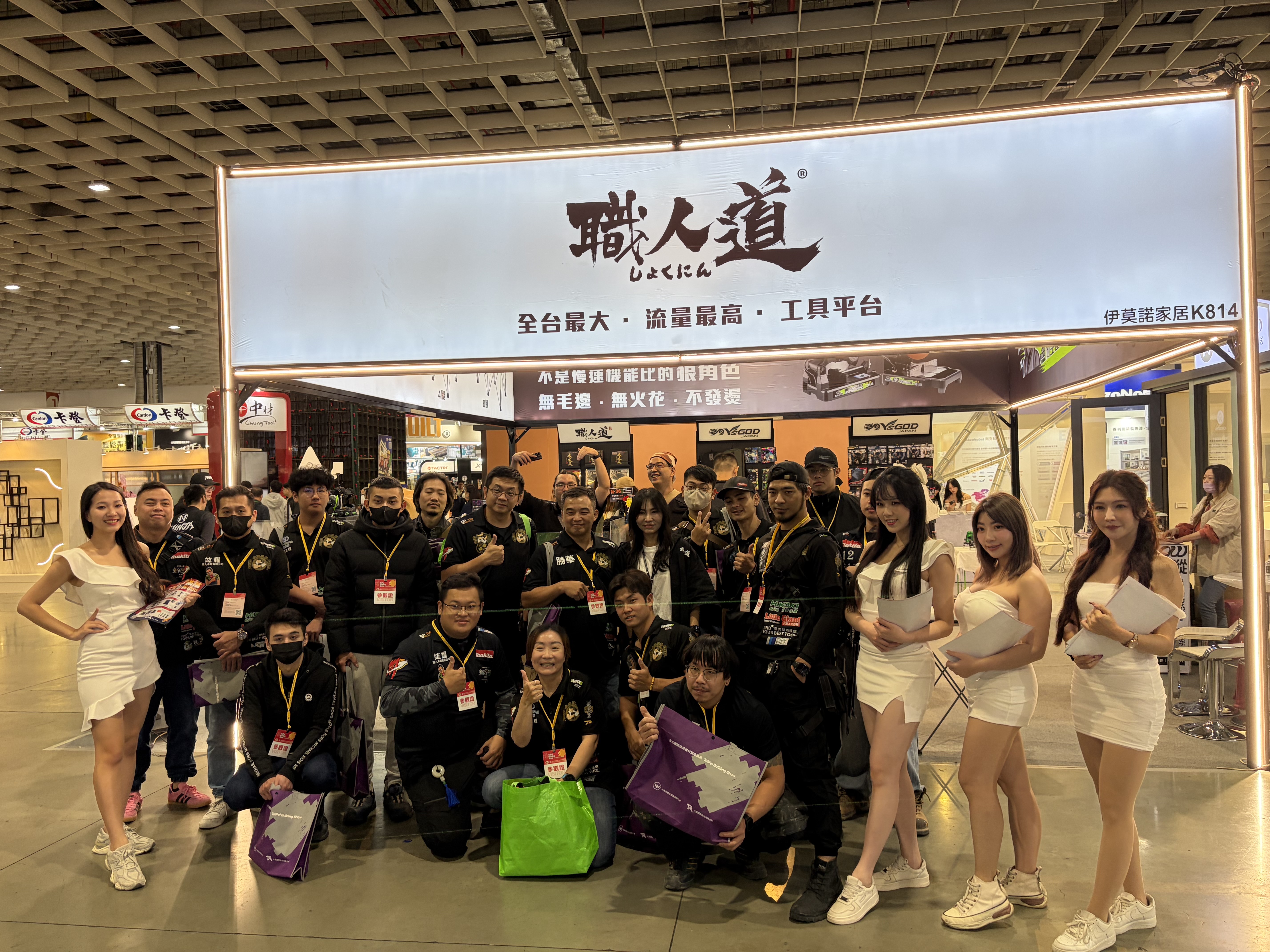
Shokunin
Pump Rating: What 5 V and 150 mA Mean on a Job Site
The pump is the only active electrical component in the vest, so its rating answers both the performance question and the safety question. The COOLWAVE Dual Cooling Water Cooling Vest states a rated voltage of 5 V and a rated current of 150 mA.
Multiplying the two figures gives a pump power draw of roughly 0.75 W — a figure worth knowing when you allocate power sources across a crew.
Power-source class
A 5 V rating places the pump in the same voltage class as widely used USB power sources, which is what makes a power-bank configuration practical for shift work. A heat safety officer can standardise one power-source type across a site instead of managing several incompatible adapters.
Electrical review and safety profile
Low-voltage DC at low current keeps the vest out of higher-risk electrical categories and shortens the internal safety review. Category practice, however, is that electrical components on cooling systems are often expected to carry CE or UL marks (International Organization for Standardization / UL). Mark status should be confirmed for the specific pump assembly you will receive rather than assumed for the whole product family.
Power budgeting
At approximately 0.75 W the pump is a small fraction of a portable power budget. In practice the limiting consumable in a shift is the ice pack, not the battery — which is exactly why cooling duration deserves more attention than battery capacity in the specification review.
Ask for the rating in writing, with units. A sheet that states 5 V and 150 mA is verifiable; a sheet that states low power is not.
Flow Rate 320–370 ml/min: Cooling Evenness and the Endurance Trade-off
Flow rate describes how much chilled water the pump moves through the loop per minute. The COOLWAVE specification is 320–370 ml/min.
Why a band rather than a single figure? Pump-driven loops are specified with tolerance windows because output shifts slightly with tube routing, water temperature and the state of the ice pack. A 320–370 ml/min window describes what the pump delivers in service rather than a single best-case number.
What circulation buys
- Evenness. Circulating water continuously replaces warmed water at the contact surface, so no patch of the wearer torso sits against a locally warmed layer for long.
- Loop stability. Continuous circulation keeps the loop from stagnating during long periods in a fixed posture, such as a machine station or a fixed outdoor post.
The trade-off officers should understand
Moving more water per minute draws more cooling capacity from the ice pack reservoir. Flow rate and cooling duration are therefore specified as a pair: 320–370 ml/min alongside a 3–4 hour duration represents a balance point, not a maximum. A specification that pushes flow far higher without extending ice pack capacity simply moves the swap interval earlier.
During evaluation, measure flow at the return line at the start and the end of a shift and confirm it stays inside the stated band. If a supplier cannot explain how flow was measured, treat the figure as unverified.
Cooling Duration: 3–4 Hours on a Single Ice Pack Setup
Cooling duration decides how a heat programme is actually run. The COOLWAVE specification is 3–4 hours on a single ice pack setup, against a common water-cooled vest that loses its cooling effect after about 30 minutes according to the manufacturer category comparison.
That gap changes shift logistics. A 3–4 hour window covers a substantial block of a working shift, which means one setup per worker per block instead of continuous ice pack rotation. Fewer swaps mean fewer interruptions, less handling of frozen consumables, and a programme that is easier to audit.
Duration is a specification, not a guarantee for every site. Ambient temperature, workload, clothing layers and how the vest is worn all influence how long the effect is felt. The stated reference condition for these figures is daily industrial use under 10 °C ambient, so officers should validate duration against their own site conditions before writing it into a standard operating procedure.
Materials and Build: TPU, Polypropylene, Sand Rubber and 600D Polyester
An officer defending the same purchase in year three is buying materials, not cooling curves. Four components carry that argument.
- TPU water bag. Thermoplastic polyurethane stays flexible and resists abrasion, so the bladder tolerates repeated filling, chilling and folding instead of cracking at the seams.
- Polypropylene cap. The closure is lightweight and resists moisture and common chemicals, keeping the fill point sealed through daily handling.
- Sand rubber tube. The circulation line stays flexible and resists kinking — and a kinked tube is the most common reason a vest suddenly appears to stop cooling.
- 600D polyester strap. Denier measures yarn thickness in woven fabric; 600D webbing is a high-denier construction selected for load-bearing strength and abrasion resistance, so the vest stays positioned through a full shift.
Leakage is the failure mode these materials are specified against. Shokunin addresses that risk directly with reinforced ice pack material and 100% quality guaranteed before shipment. Ice packs are reusable, the fabric is durable and maintenance is minimal, whereas the common water-cooled vest requires frequent ice pack replacement and carries higher wear and tear.
Maintenance planning implication: with reusable ice packs and a simple wipe-down regime, consumable cost per worker per season stays low and the programme does not depend on a continuous supply of disposable inserts.
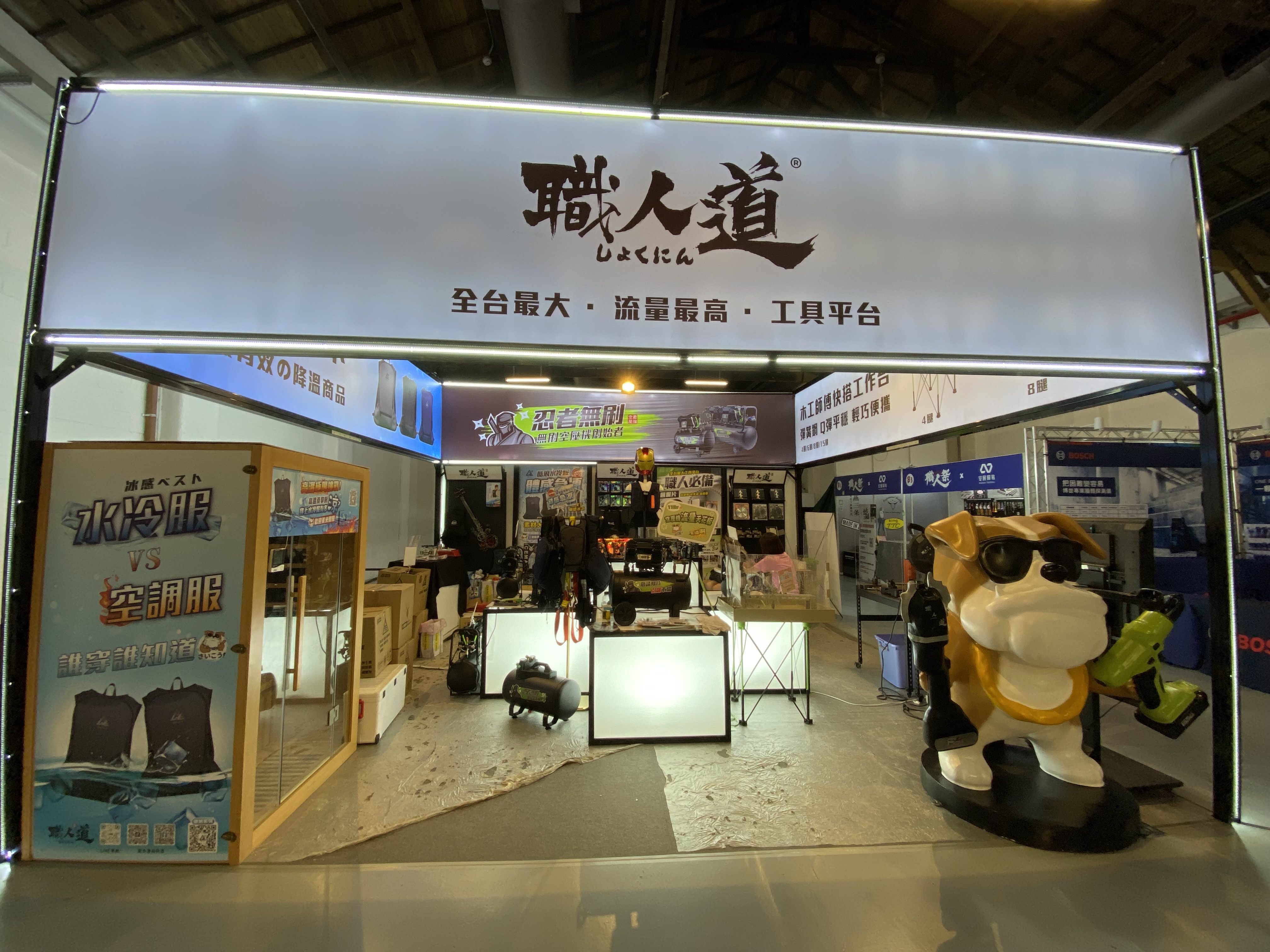
Shokunin
Step-by-Step: Verifying These Specifications During Your Own Evaluation
- Request the data sheet and confirm the electrical rating in writing. Look for rated voltage and rated current with units — 5 V and 150 mA — plus any CE or UL mark status on the pump assembly.
- Match the rating to your power policy. Confirm that a 5 V DC pump can be standardised on the power source your sites already issue.
- Measure flow in service. Verify 320–370 ml/min at the return line at the start and the end of a shift.
- Run a duration test on one ice pack. Compare actual coverage with the 3–4 hour specification under your own ambient and workload conditions.
- Inspect materials against the specification. Check the TPU water bag, polypropylene cap, sand rubber tube and 600D polyester strap on the physical unit, and confirm the reinforced ice pack material.
- Lock commercial and quality terms. Confirm minimum order quantity, acceptance criteria, payment and freight terms, monthly capacity and lead time before committing to a multi-site schedule.
Use Cases: Where This Specification Set Fits
High-temperature environments, metal sheet factories and outdoor sites are the stated best-fit environments for the COOLWAVE Dual Cooling Water Cooling Vest. In deployment planning, four profiles match the parameter set most closely.
- Metal sheet and metal-roof factories. Radiant heat from panels and roofs is continuous rather than intermittent, which rewards a vest that circulates chilled water instead of relying on a static cold pack.
- Outdoor fixed posts with prolonged sun exposure. Workers who cannot step into shade benefit most from the 3–4 hour duration window, because it removes the mid-block return trip for a fresh ice pack.
- Construction and site-support crews. Mixed task profiles mean the vest has to stay positioned during lifting and reaching, which is what the 600D polyester webbing is specified for.
- Production floors with heat-generating processes. Where heat stress accumulates across a full shift, a low-voltage pump and a declared flow band keep the cooling effect predictable rather than dependent on how a worker happens to move.
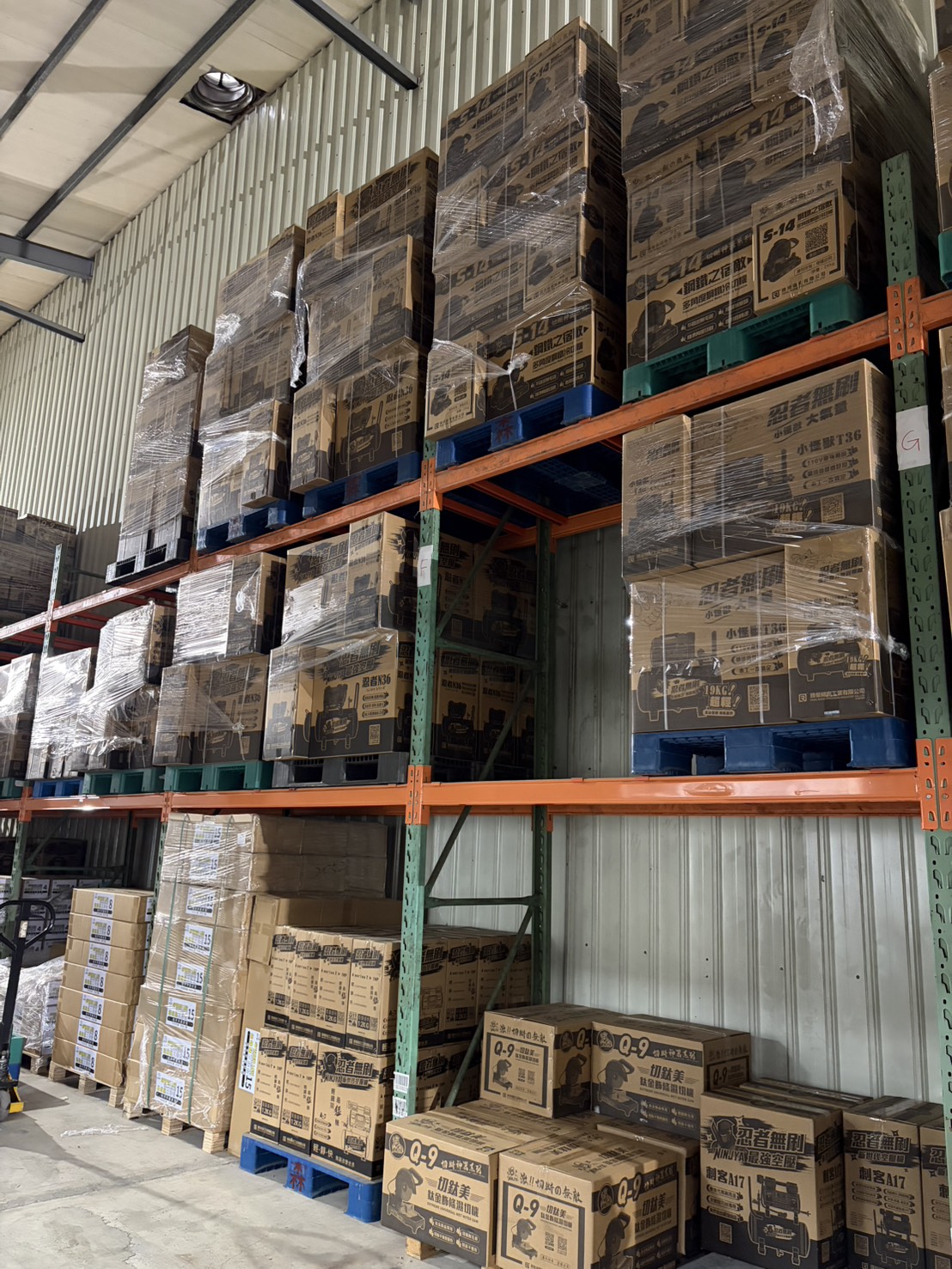
Shokunin warehouse stock — rollout and repeat-order continuity
Comparison Table: COOLWAVE Dual Cooling vs. Other Water-Cooled Vests
Table 2 summarises the manufacturer published comparison between the COOLWAVE Dual Cooling Water Cooling Vest and other water-cooled vests as a category.
| Comparison dimension | COOLWAVE Dual Cooling Water Cooling Vest | Other water-cooled vests |
|---|---|---|
| Cooling duration per setup | 3–4 hours | Loses cooling effect after about 30 minutes |
| Cooling efficiency | Higher cooling efficiency | Not specified in the published comparison |
| Maintenance profile | Reusable ice packs, durable fabric, minimal maintenance | Frequent ice pack replacement, higher wear and tear, more upkeep |
| Ice pack construction | Reinforced ice pack material, 100% quality guaranteed before shipment | Not specified in the published comparison |
| Best-fit environments | High-temperature environments, metal sheet factories, outdoor sites | Not specified in the published comparison |
The comparison above reflects the manufacturer stated category comparison rather than an independent laboratory test. Officers running a formal tender should combine it with their own duration and flow measurements.
Long-Term Supply: MOQ, Monthly Capacity and Lead Time
Specifications decide whether a vest works. Supply terms decide whether the programme survives its second season, which is why they belong in the same review.
- Minimum order quantity: 10 units. Low enough to run a genuine single-site pilot before committing to a fleet standard.
- Monthly production capacity: 3,000 units. High enough to support phased rollout across multiple sites once the pilot specification is confirmed.
- Typical production lead time: 7–14 days. Predictable enough to schedule seasonal deployment ahead of peak heat months.
- Delivery and payment terms: shipment after payment, freight paid by the buyer, and full payment terms.
- Acceptance criteria: pre-shipment test, giving a documented quality gate before goods leave the factory.
The combination is deliberate for long-horizon buyers. A low entry quantity and a high monthly ceiling let a distributor or a multi-site safety team grow volume without renegotiating the specification, and the pre-shipment test keeps the build consistent as volume rises.
Behind those terms is Feng Shang Precision Co., Ltd., founded in 2009, operating a 1,000 m² facility with 30 employees, five engineers and an annual output of around 10,000 units, exporting roughly 50% of production to the United States and Taiwan. The Disaster Prevention Product and Service Certification Award from the Taiwan Disaster Prevention Industry Association is the product-level credential attached to the COOLWAVE water-cooled vest.
FAQ: Water-Circulation Cooling Vest Specifications
Which standards and certifications should be verified for a water-circulation cooling vest?
Cooling systems are generally expected to comply with ISO 9001:2015 for quality management, and electrical components such as pumps often require CE or UL marks (International Organization for Standardization / UL). On the product side, the COOLWAVE Dual Cooling Water Cooling Vest has received the Disaster Prevention Product and Service Certification Award from the Taiwan Disaster Prevention Industry Association. Its pump is rated at 5 V and 150 mA, which keeps the electrical profile in the low-voltage DC class and simplifies internal safety review. Mark status should be confirmed directly for the specific pump assembly delivered.
What do the 5 V / 150 mA rating and the 320–370 ml/min flow rate actually change on site?
The rating sets the power class: 5 V at 150 mA corresponds to roughly 0.75 W, so the vest can run from a 5 V USB-class power source and the pump is not the limiting factor in a shift power budget. The flow rate sets cooling evenness: 320–370 ml/min of circulating water continuously replaces warmed water at the contact surface. Together with the 3–4 hour cooling duration on a single ice pack setup, these three parameters determine how a work block is structured.
What are the purchasing terms and acceptance criteria?
Minimum order quantity is 10 units. Delivery terms are shipment after payment, with freight paid by the buyer. Acceptance criteria are a pre-shipment test, and payment terms are full payment. Monthly production capacity is 3,000 units and the typical production lead time is 7–14 days.
Can we validate the vest before committing to a fleet rollout?
Yes. The 10-unit minimum order quantity supports a small pilot at one site. Validation should cover three things: a shift-length duration test on a single ice pack setup against the 3–4 hour specification, a flow check at the return line within the 320–370 ml/min band, and a physical materials inspection covering the TPU water bag, polypropylene cap, sand rubber tube and 600D polyester strap. The pre-shipment test criterion provides a documented quality gate before goods leave the factory.
What lead time and capacity should we plan for a multi-site rollout?
Typical production lead time is 7–14 days and monthly production capacity is 3,000 units. For multi-site programmes the practical approach is to phase deployment: pilot one site with a minimum order of 10 units, then scale against monthly capacity once the specification is confirmed. The full parameter set, company profile and contact details are in the Shokunin catalogue, available to download at https://cdn.socialarks.com/sbsp//common/2026/0407/69d4a27ea7fcb.pdf — sample and quotation requests can be sent to fsmarketing@fstool.com.tw.
Conclusion: Turning Parameters Into a Defensible Standard
A heat safety officer does not need a longer feature list; the job needs four verifiable numbers and one supply commitment. On the COOLWAVE Dual Cooling Water Cooling Vest those are a 5 V / 150 mA pump rating, a 320–370 ml/min flow rate, 3–4 hours of cooling on a single ice pack setup, and a materials set — TPU water bag, polypropylene cap, sand rubber tube, 600D polyester strap — chosen for repeated industrial use. The supply commitment behind them is a 10-unit minimum order, 3,000 units of monthly capacity and a 7–14 day typical production lead time.
Reviewed together, the parameters answer the three questions that decide whether a cooling programme lasts: it can be powered safely and consistently on site, it cools long enough to cover a work block, and it can be reordered in the same build next season.
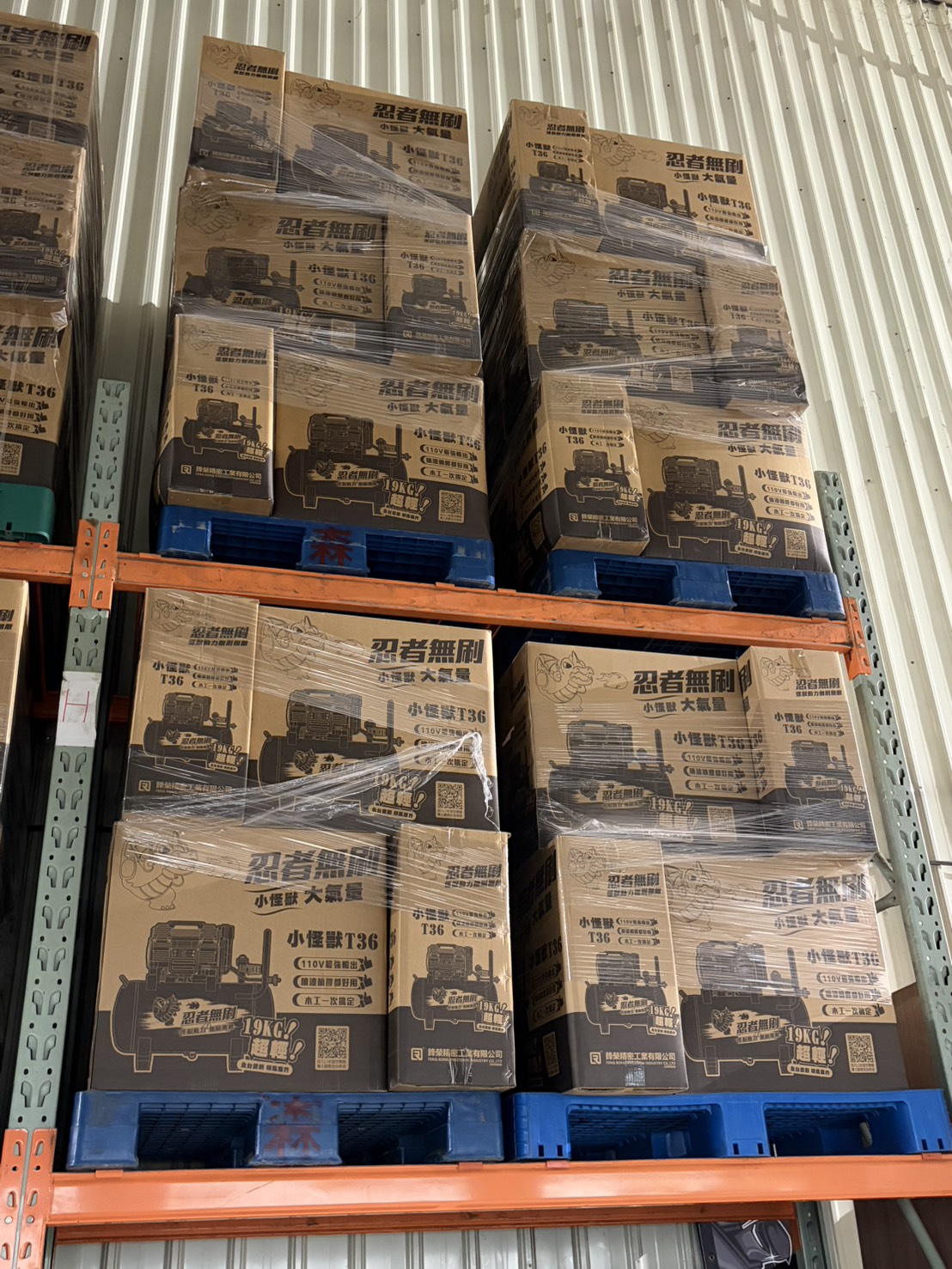
Shokunin warehouse — supply and repeat-order continuity for multi-site programmes
Next step for heat safety officers
Download the Shokunin catalogue for the full parameter set, company profile and contact details: Shokunin product catalogue (PDF). Sample and quotation requests: fsmarketing@fstool.com.tw | Phone +886 3-312-6606 | WhatsApp +86 18858260055 | www.fstool.com.tw
Have Questions or Need More Details?
Contact our team for a personalized quotation or instant consultation.
Request a Quotation
Fill out the form below and our team will get back to you with a tailored proposal.
WhatsApp Direct Chat
Prefer to chat in real-time? Message us on WhatsApp for instant assistance & quick answers.
- Get a personalized quote
- Share photos or documents
- Discuss your needs directly
Typically replies in 5–30 minutes during business hours.