
Why Cooling Vests Are PPE: Understanding Safety Equipment Categories
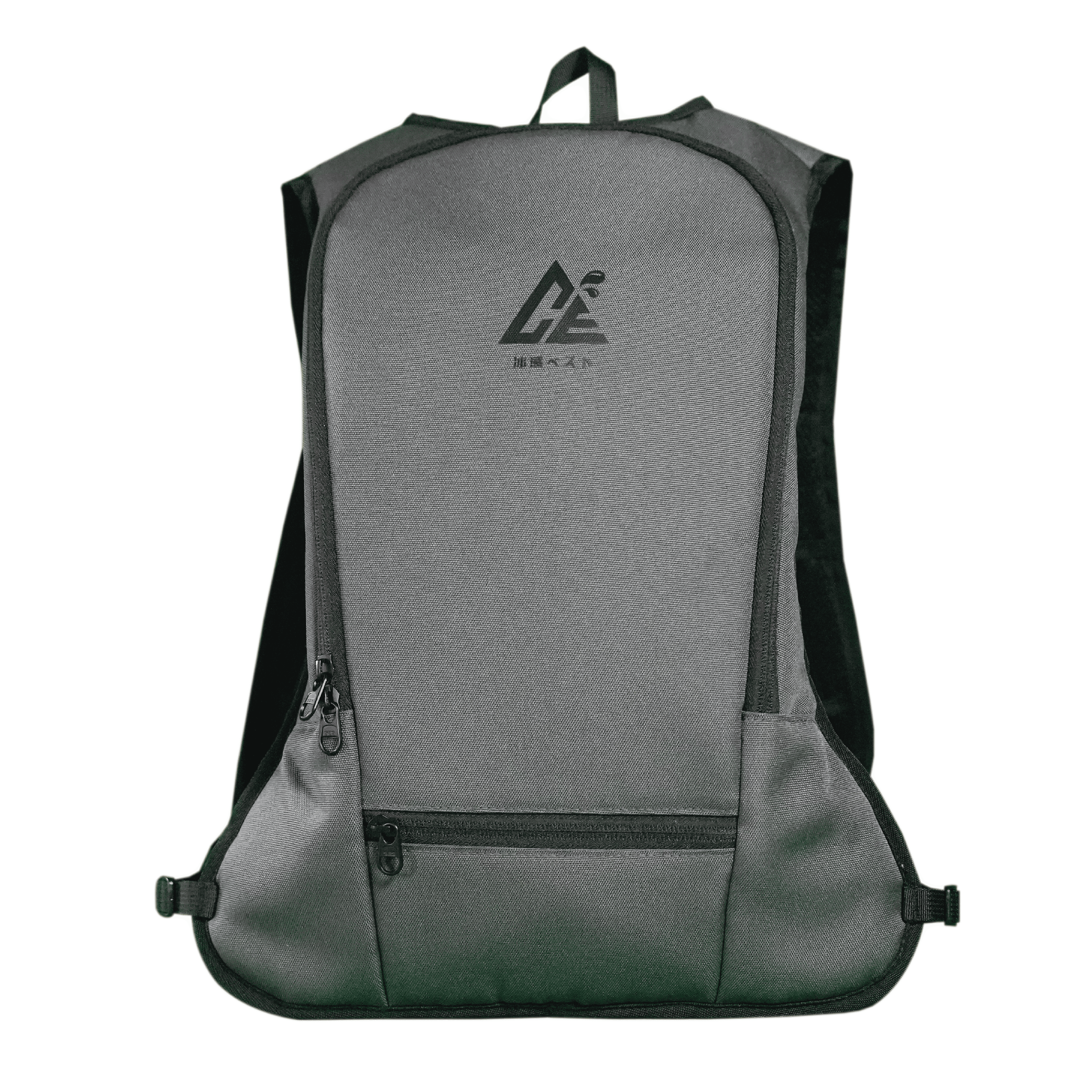
The short answer: a cooling vest is personal protective equipment (PPE) when it is worn by a worker to protect against a recognised occupational hazard and when the manufacturer declares and documents it as such. The COOLWAVE Water-Circulation Cooling Vest — Shokunin's industrial cooling vest, also referred to in buyer searches as a dual cooling water cooling vest — is declared with the product type Industrial Cooling Apparel / Personal Protective Equipment (PPE), and it is specified for construction workers, outdoor workers, food stall operators, street vendors, traffic controllers and metal sheet factory personnel.
That single line of product data changes almost everything a safety manager does with the item. A cooling vest bought as a comfort accessory is a summer expense that nobody audits. The same vest bought as PPE sits inside the hazard assessment, the issue-and-return register, the training record, the maintenance schedule and the replacement plan. The difference is not the fabric. It is the category.
This article explains how the COOLWAVE vest fits into safety equipment categories, which verified design facts support that classification, and how the classification should change procurement decisions on construction sites, in metal sheet factories and on any outdoor post with prolonged sun exposure.
Problem Definition: A Cooling Vest Is a Product, Not a Category
Open an industrial supplies catalogue and search for a cooling vest. You will find the same physical object filed under three different headings: a comfort item, a tool, or PPE. Only one of those headings pulls the item into the occupational safety system — and the choice is usually made by whoever writes the purchase requisition, not by the person who manages heat risk.
Three predictable failures follow from that ambiguity:
- The budget line is wrong. Vests bought as general workwear or welfare items rarely appear in the hazard assessment, so nothing links the control to the risk it was bought to reduce.
- Issuance becomes informal. Without an issue register, no one knows which worker received which vest, when it was replaced, or whether the reusable ice packs were still serviceable.
- Maintenance and replacement disappear. Cooling performance depends on consumable parts — reusable ice packs, water bags, straps. In a comfort purchase, none of those parts has an owner.
There is also a jurisdictional layer that no manufacturer can remove for you. A declared product type describes what a product is designed and documented as. Which safety equipment category that declaration falls into — and which duties it triggers — depends on the rules where the work happens. The practical job for a safety manager is therefore two-step: confirm the declared type, then map it locally.
Industry Background: Heat Protection Is Being Formalised as Safety Equipment
Heat is not a new hazard, but the way industry buys protection against it has changed. Cooling apparel is increasingly treated as equipment that belongs to a documented heat-stress programme rather than as a seasonal benefit. The market data reflects that shift.
- The global cooling vest market was valued at approximately USD 215 million in 2024, with a projection of USD 385 million by 2033 (Dataintelo).
- Broader definitions that include handheld fans and personal air conditioners put the personal cooling device market at USD 25.16 billion in 2024, rising toward USD 94.85 billion by 2035 (Market Research Future). The gap between the two figures is a reminder that category definitions change the numbers — which is exactly why classification discipline matters at the buyer level.
- Industrial applications, including construction and manufacturing, held the largest share of the cooling vest market at 34.5% in 2025 (Dataintelo).
- Phase Change Material (PCM) vests captured 28.7% of market share in 2025 and are described as the fastest-growing technology segment (Dataintelo).
- Active circulatory mechanisms such as ice water circulation are increasingly deployed in industrial sectors to mitigate occupational heat stress (Strategic Market Research).
- Asia Pacific is identified as the fastest-growing region for cooling vests, driven by rapid industrialisation and high outdoor work populations (Spherical Insights).
Public market coverage of the category names Techniche International, Glacier Tek, Polar Products Inc. and Ergodyne among global participants (Spherical Insights). Institutional buying at this scale is what turns a comfort product into a classified item.
Where cooling apparel sits in the safety equipment hierarchy
The hierarchy of controls is the framework most safety programmes use to justify what they buy. Cooling apparel sits at the last level, which is precisely why it is documented differently from a welfare purchase.
| Control level | Typical measure | How cooling apparel relates |
|---|---|---|
| Elimination | Remove the heat source or the exposure | Not available for fixed outdoor work or hot-process environments |
| Substitution | Change the task, schedule or process | Shifting work to cooler hours; not always possible on continuous sites |
| Engineering controls | Change the physical environment | Shade, ventilation and cooled rest areas |
| Administrative controls | Change how work is organised | Work/rest cycles, hydration schedules, acclimatisation |
| PPE | Protect the individual worker | Worn cooling apparel such as the COOLWAVE Water-Circulation Cooling Vest |
PPE is the final barrier: worn on the body, issued to an individual, and dependent on that individual's behaviour. Everything a safety manager does with PPE — sizing, training, inspection, replacement — exists because the control is personal. Cooling apparel is no exception.
Why the COOLWAVE Vest Is Classified as Industrial Cooling Apparel / PPE
Four evidence groups support the classification: a declared product type, a defined user population, a wearable protective architecture, and a documented credential.
A declared product type, not a marketing claim
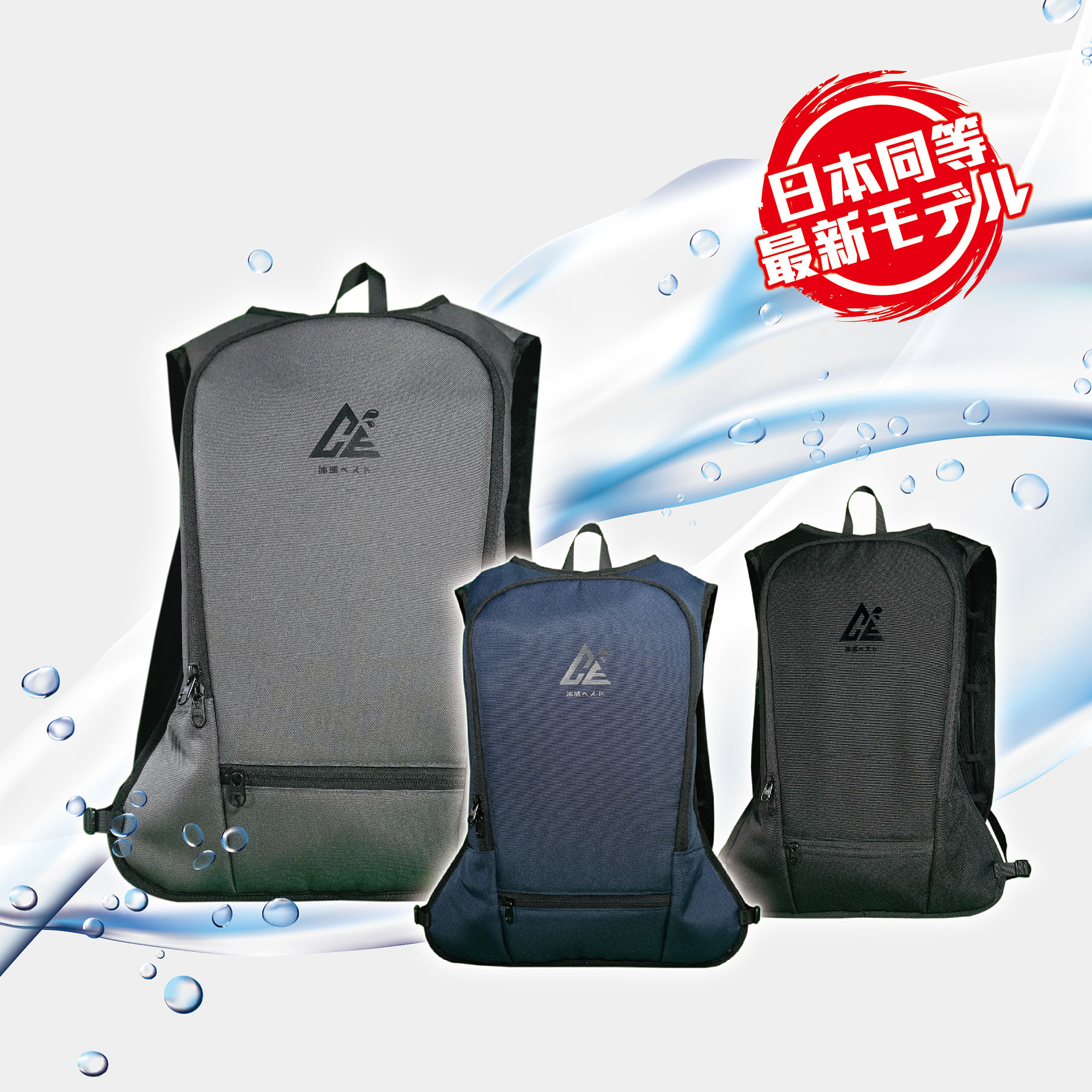
Every COOLWAVE model — the Basic Model and the Professional Model in blue, gray and black — carries the same declared type in its product data: Industrial Cooling Apparel / Personal Protective Equipment (PPE). A declared type is the manufacturer's formal statement of what the product is. It is the line a safety manager attaches to the hazard assessment, and it is what separates this vest from a general-purpose cooling towel or a desk fan.
A defined user population
The vest is specified for construction workers, outdoor workers, food stall operators, street vendors, traffic controllers and metal sheet factories. That list has a common thread: the worker cannot switch off the heat source. A process can sometimes be re-engineered; a traffic controller standing in direct sun, or a worker on a metal roof in summer, cannot step out of the exposure. Where exposure is environmental and fixed, wearable protection becomes the control that actually stays with the person.
A wearable protective architecture
Cooling delivered on the body is what makes the item PPE rather than an appliance. The COOLWAVE system is a water-circulation loop carried in a backpack: reusable ice packs provide the cold, and a pump moves water through a rubber cooling tube over the torso. In other words, the cold source is passive ice-pack activation rather than compressor refrigeration, and the powered element is the circulation pump, rated at 5 V / 150 mA (max).
The recorded technical envelope matters for procurement, because a shift plan has to fit inside it.
| Specification / classification field | Recorded value |
|---|---|
| Declared product type | Industrial Cooling Apparel / Personal Protective Equipment (PPE) |
| Models | COOLWAVE Water-Circulation Cooling Vest (Basic Model); Professional Model in blue, gray and black |
| Cooling duration | 3–4 hours |
| Weight | Within 2 kg |
| Suitable temperature | Below 10 °C |
| Flow rate | Max 320–370 ml/min |
| Pump output | 5 V 150 mA (max) |
| Materials | 600D polyester shoulder strap; PEVA body; TPU water bag; polypropylene water bag cap; sand rubber cooling tube (black) |
| Included contents | Water-cooled vest backpack ×1; ice packs ×2 |
| Applicable industries | Construction workers, outdoor workers, food stall operators, street vendors, traffic controllers, metal sheet factories |
| Field design requirement | Lightweight, waterproof, breathable, one-size-fits-all adjustable design |
| Credential | Disaster Prevention Product and Service Certification Award, Taiwan Disaster Prevention Industry Association |
A documented credential and a standards context
The COOLWAVE water-cooled vest has received the Disaster Prevention Product and Service Certification Award issued by the Taiwan Disaster Prevention Industry Association. In the wider category, cooling systems must comply with ISO 9001:2015 for quality management, and electrical components often require CE or UL marks (International Organization for Standardization / UL). Because the COOLWAVE vest includes a powered pump, the electrical-component question belongs in the compliance checklist alongside the apparel classification.
Who stands behind the declaration
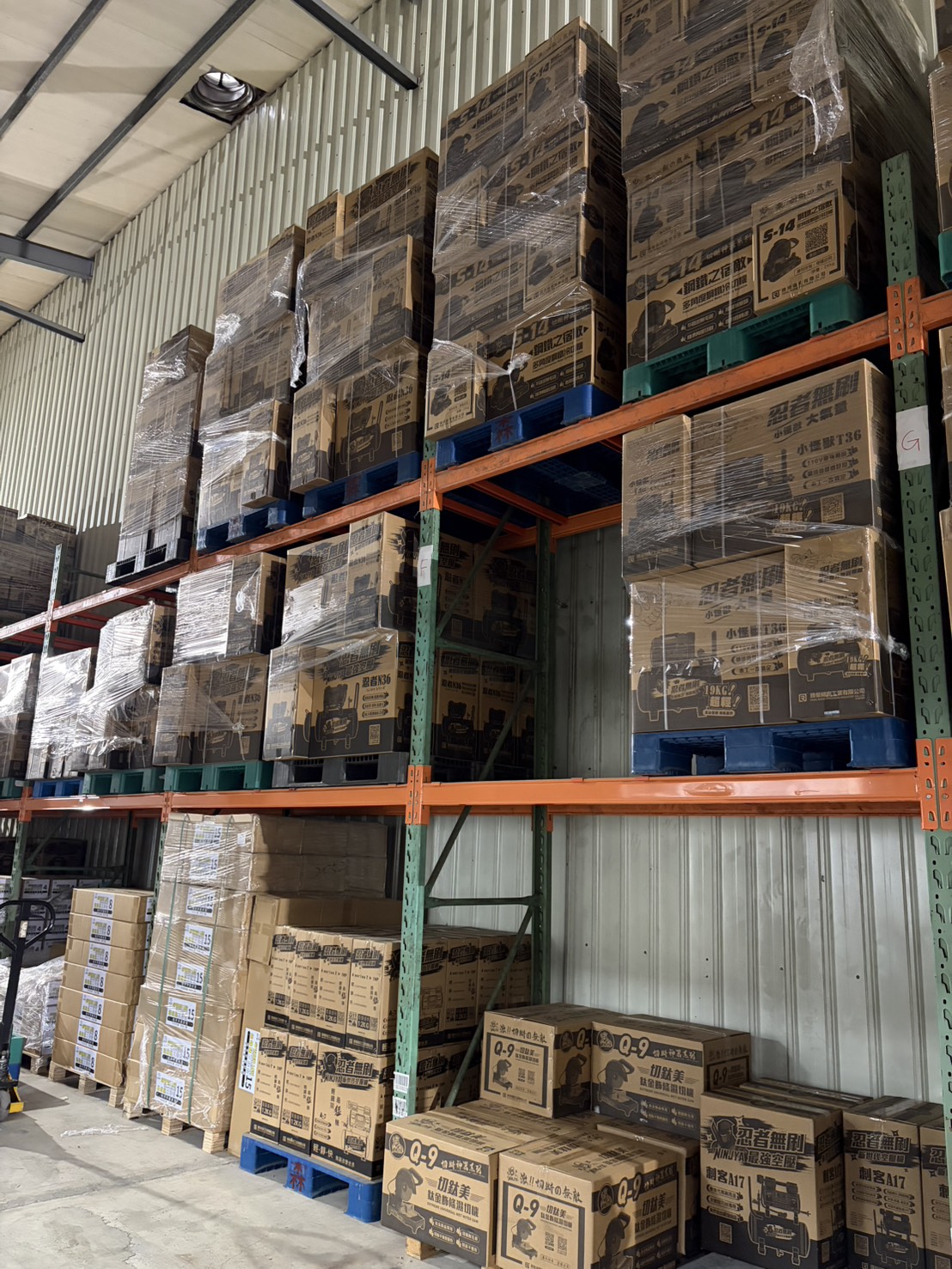
Shokunin is the professional e-commerce brand of Feng Shang Precision Co., Ltd., a manufacturer founded in 2009 and based in Luzhu District, Taoyuan City, Taiwan. The company operates a 1,000 m² factory with 30 employees, a five-engineer R&D team and an annual output of 10,000 units. Around 50% of production is exported, with the USA and Taiwan among its main markets. The product line includes air compressors, cut-off machines, water-cooled vests, lithium batteries, diamond saws, nail guns, spider stands and screwdriver bits — which is why the cooling vest is documented as engineered hardware rather than a promotional giveaway.
Step-by-Step: Validating PPE Classification Before a Site Rollout
Classification is a decision with a paper trail. The sequence below keeps a cooling vest inside the safety system from the first enquiry to the first replacement order.
- Start from the hazard, not the product. Document heat exposure for the specific task — a construction site, a metal sheet factory floor, a fixed traffic control post, a night market stall, or prolonged outdoor work in direct sun. The vest only functions as PPE if there is a hazard it is protecting against.
- Request the declared product type in writing. Keep the manufacturer's declared type — Industrial Cooling Apparel / Personal Protective Equipment (PPE) — in the purchase file, next to the hazard assessment.
- Map the declaration to your local scheme. The manufacturer states what the product is; the site determines which category and which duties apply locally. Record the outcome of that mapping, including who made the call.
- Match the performance envelope to the shift. With 3–4 hours of cooling duration per charge, shifts longer than that need a planned ice-pack rotation. Confirm the flow rate (max 320–370 ml/min), the pump rating (5 V / 150 mA max) and the weight (within 2 kg) against what workers will actually carry.
- Close the electrical-component question. Because the loop is pump-driven, confirm whether CE or UL marking for electrical components is expected in your market (ISO / UL).
- Validate fit and issue mechanics. The vest uses a one-size-fits-all design with adjustable vest straps and a portable backpack format, and is specified as lightweight, waterproof and breathable — the properties that decide whether workers keep it on after the first hour.
- Plan consumables, storage and warranty. Each unit ships as a water-cooled vest backpack ×1 with ice packs ×2. Reusable ice packs, freezer access and strap condition need named owners, and the water-cooled vest carries a 6-month warranty.
- Confirm supply before committing headcount. Minimum order quantity is 10 units, monthly capacity is 3,000 units, and lead time is 7–14 days. Production runs on ODM mode and customisation is not offered, so model planning stays within the standard range.
- Run a sample validation on site. Place a small group of workers, one shift pattern and one supervisor, and record whether the vest is worn for the full shift before scaling the order.
Use Cases: Where the Classification Applies in Practice
Construction sites and high-temperature outdoor work
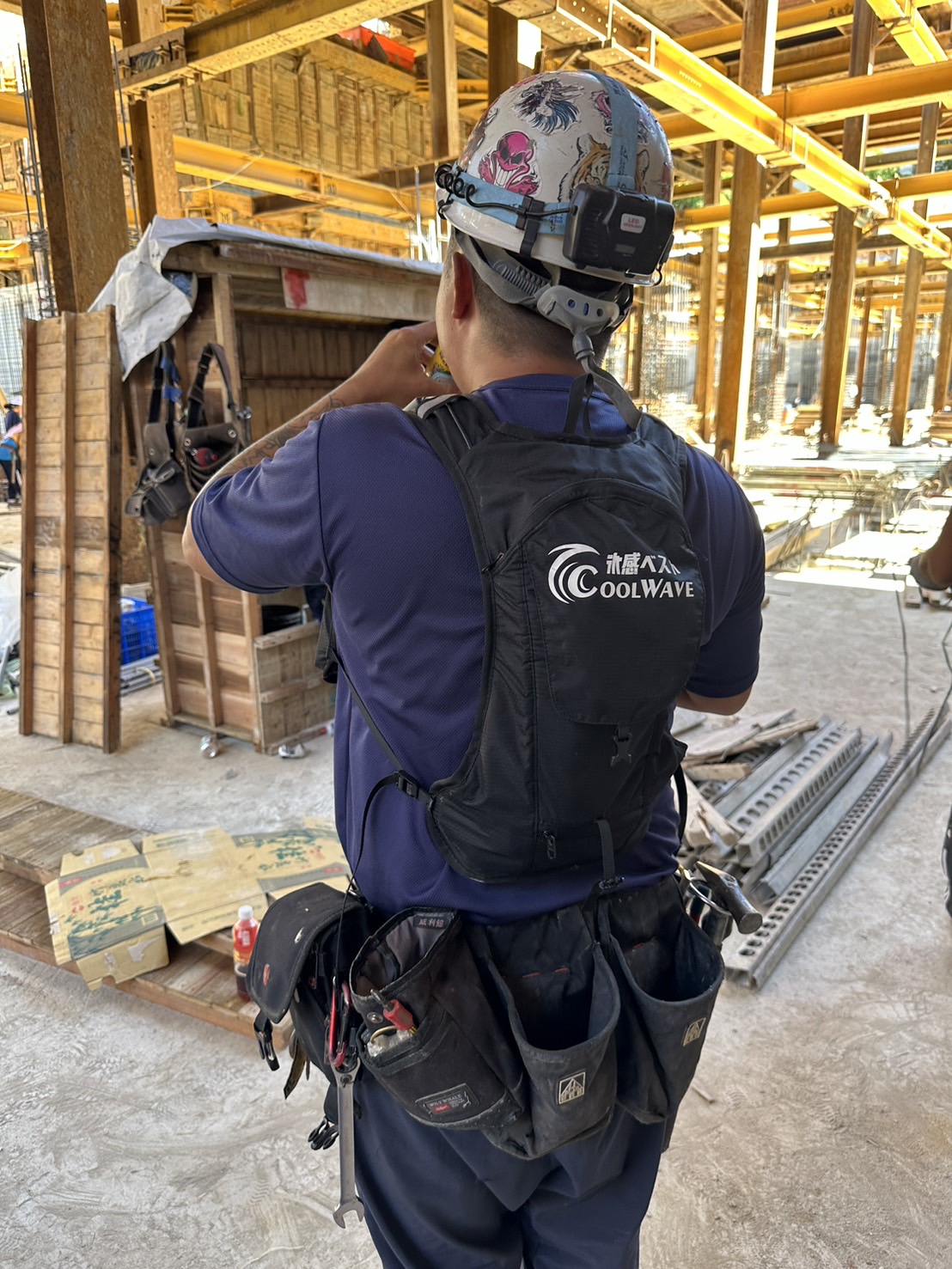
On a construction site the hazard is environmental and continuous, so cooling apparel is the control that moves with the worker between zones. Shokunin's application record for the vest lists high-temperature working conditions in Taiwan, personal heat stress relief and effective body cooling, using reusable ice packs, adjustable vest straps and a portable backpack design.
Metal sheet factories and metal-roof industrial buildings
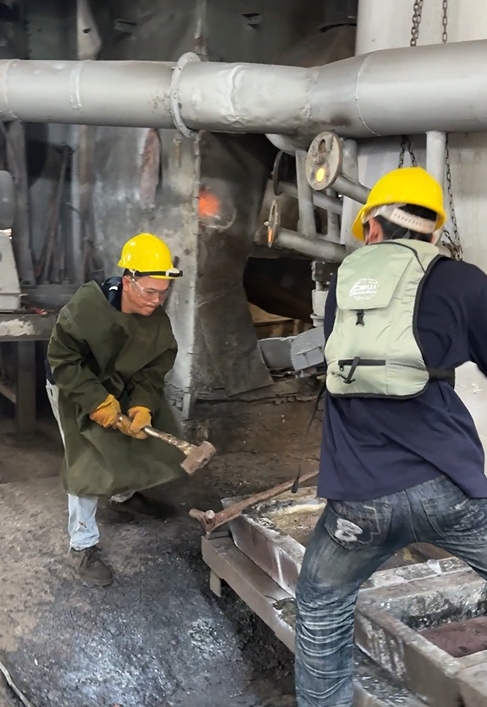
Metal sheet factories combine radiant heat with limited air movement — the condition buyers often describe as a metal-roof factory cooling problem. Metal sheet factory personnel are explicitly listed among the vest's applicable industries. Because the cooling loop is carried rather than plumbed, the vest does not depend on building ventilation or an installed cooling line.
Traffic control, street vendors and food stalls
Traffic controllers, street vendors and food stall operators share a working condition that no engineering control easily fixes: a fixed position in direct sun for hours. These groups are named in both the applicable-industry list and the recorded application data for the vest, alongside a documented case of 100 units deployed in Taiwan for cooling use in high-temperature environments, with a recorded duration of ten years and reported outcomes of heatstroke prevention, improved work efficiency and worker comfort.
Prolonged sun exposure in outdoor work
Outdoor workers are listed among the primary users. For any post with prolonged sun exposure and no practical way to leave the exposure, a worn cooling vest is the level of the control hierarchy that remains available. The recorded highlights for field use are passive ice-pack cooling, a lightweight and portable format, an adjustable one-size-fits-all design and certified disaster prevention product status.
Comparison Table: What Changes When the Vest Is PPE
The same product handled as general workwear and handled as PPE produces two very different procurement records. That difference is the practical output of the classification decision, and it is where safety managers and procurement teams need to agree before the first purchase order.
| Decision area | Handled as general workwear | Handled as PPE |
|---|---|---|
| Hazard assessment | Not linked to a documented heat hazard | Recorded against the specific task and exposure |
| Budget line | Welfare or general supplies | Safety equipment, with consumables and spares planned |
| Sizing and issue | Handed out informally | Issued per worker against a register |
| Training | None assumed | Correct wear, ice-pack change and usage limits explained |
| Maintenance and inspection | Left entirely to the user | Straps, water bag and reusable ice packs checked on a cycle |
| Replacement planning | When it stops working | Scheduled in advance, with warranty terms recorded (6-month warranty on the water-cooled vest) |
| Audit evidence | Purchase receipt only | Declaration, issue records, training and replacement log |
Frequently Asked Questions
Is a cooling vest classified as PPE?
A cooling vest is classified as PPE when the manufacturer declares it as such and it is issued to protect a worker against a recognised hazard. The COOLWAVE Water-Circulation Cooling Vest is declared as Industrial Cooling Apparel / Personal Protective Equipment (PPE) and is specified for construction workers, outdoor workers, food stall operators, street vendors, traffic controllers and metal sheet factories. The manufacturer's declaration is the starting point; the safety manager maps it onto the local safety equipment scheme. In the wider category, cooling systems must comply with ISO 9001:2015 for quality management, and electrical components often require CE or UL marks.
What design features make the COOLWAVE vest suitable for construction and outdoor work?
It delivers cooling on the body rather than conditioning the air around the worker. The system is a backpack-carried water-circulation loop with reusable ice packs as the cooling source and a pump rated at 5 V / 150 mA (max) moving water at up to 320–370 ml/min through a sand rubber cooling tube. Cooling duration is 3–4 hours and weight is within 2 kg. The body uses PEVA with a TPU water bag and a polypropylene cap, and the shoulder straps are 600D polyester. The stated design requirement is lightweight, waterproof, breathable and one-size-fits-all with adjustable straps.
What drives the cost of a PPE-classified cooling vest programme?
Cost is driven by how the cooling envelope fits the shift, not by the garment alone. A 3–4 hour cooling duration means that shifts beyond that length require a planned ice-pack rotation, which in turn sets how many reusable packs a site holds and how much freezer capacity it needs. Each unit ships as a water-cooled vest backpack ×1 with ice packs ×2. Order quantity, storage, strap and water-bag maintenance, and the 6-month warranty on the water-cooled vest all belong in the same budget line. Teams should confirm current commercial terms with the supplier rather than budgeting from a generic per-unit figure.
Can a site evaluate a sample before a full rollout?
Yes. Minimum order quantity is 10 units with a 7–14 day lead time, which allows a controlled trial on a single shift before scaling. Sample and quotation requests can be sent through the Shokunin website at www.fstool.com.tw, by email to fsmarketing@fstool.com.tw, or by WhatsApp at +86 18858260055. The product brochure is available for download here: Shokunin product brochure (PDF).
What lead time and production capacity should procurement plan for?
Production runs on ODM mode with a monthly capacity of 3,000 units, a minimum order quantity of 10 units and a lead time of 7–14 days. Customisation is not offered, so model planning stays within the standard range — the COOLWAVE Water-Circulation Cooling Vest Basic Model, or the Professional Model in blue, gray or black. The water-cooled vest carries a 6-month warranty. To align delivery dates with a specific rollout schedule, request a quotation with your site count and required date.
Conclusion: The Label Decides the Process
Cooling vests are not PPE because they look like equipment. They are PPE because a manufacturer declares them as Industrial Cooling Apparel / Personal Protective Equipment (PPE), because they are specified for defined worker populations, because they deliver protection on a worker's body, and because a credential exists to document the claim. The COOLWAVE Water-Circulation Cooling Vest meets all four conditions: a declared PPE product type, an applicable-industry list covering construction workers, outdoor workers, food stall operators, street vendors, traffic controllers and metal sheet factories, a backpack-carried water-circulation loop rated for 3–4 hours of cooling at up to 320–370 ml/min, and the Disaster Prevention Product and Service Certification Award from the Taiwan Disaster Prevention Industry Association.
For the safety manager, the classification is a checklist rather than a slogan: document the hazard first, keep the declared product type in the file, map it to local rules, match the cooling envelope to the shift, plan the ice packs and replacement cycle, and verify supply before headcount is committed. Do that, and the vest stops being a summer purchase and becomes part of the heat-stress control that an auditor can actually follow.
Next Step: Sample or Quotation
Shokunin supplies the COOLWAVE Water-Circulation Cooling Vest to industrial buyers through Feng Shang Precision Co., Ltd. Start with a 10-unit evaluation, or request a quotation for a multi-site rollout.
www.fstool.com.tw · WhatsApp +86 18858260055 · fsmarketing@fstool.com.tw · +886 3-312-6606
Business hours: Monday to Friday, 8:30 AM – 5:40 PM. Address: No. 155-17, Sec. 2, Nanzhu Rd., Luzhu Dist., Taoyuan City 338454, Taiwan.
Have Questions or Need More Details?
Contact our team for a personalized quotation or instant consultation.
Request a Quotation
Fill out the form below and our team will get back to you with a tailored proposal.
WhatsApp Direct Chat
Prefer to chat in real-time? Message us on WhatsApp for instant assistance & quick answers.
- Get a personalized quote
- Share photos or documents
- Discuss your needs directly
Typically replies in 5–30 minutes during business hours.