
Application Guide: Streamlining E-Commerce Fulfillment from China to the Philippines and Thailand
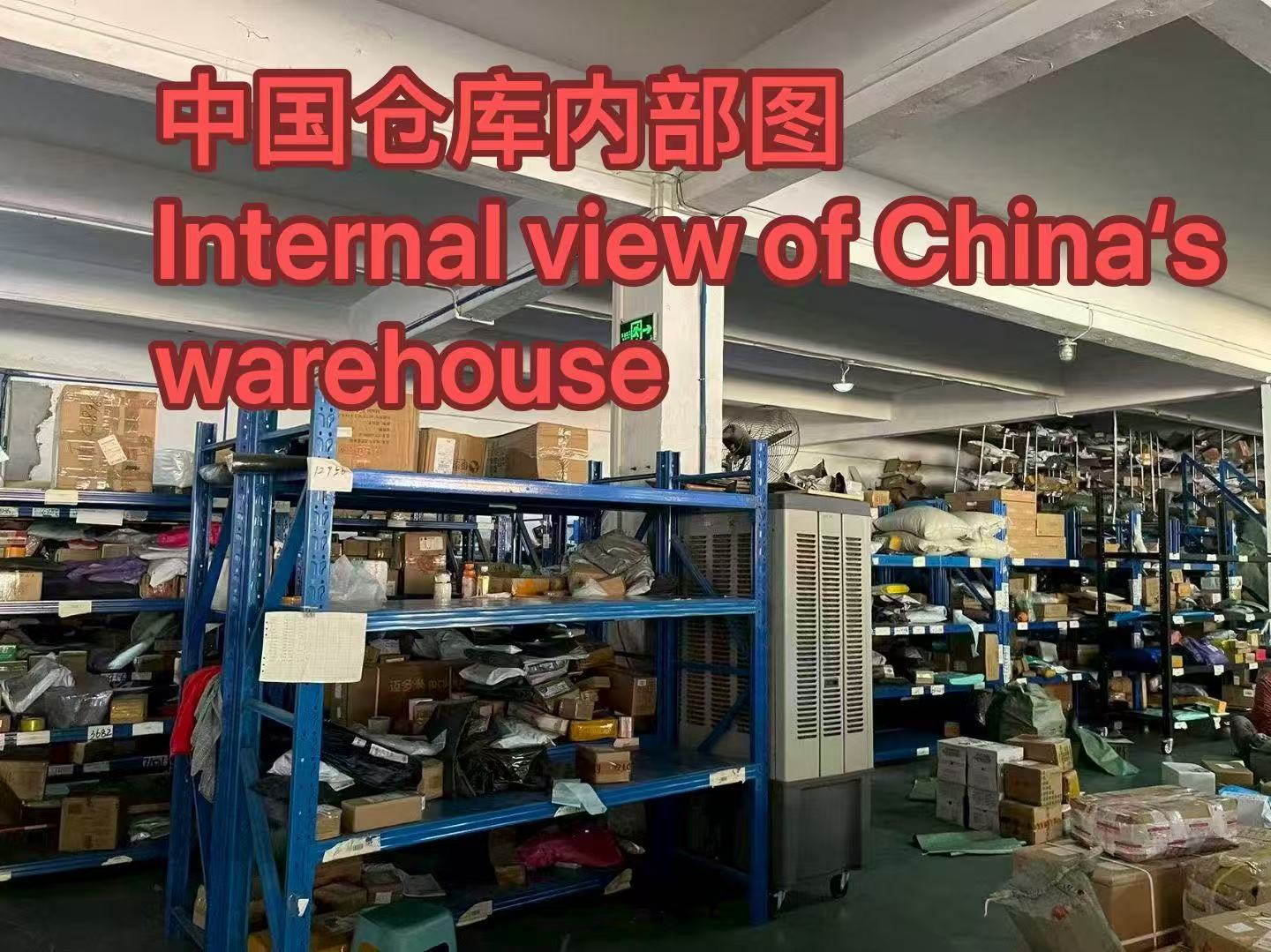
Consolidation warehouse in China: inbound e-commerce stock is received, sorted, and prepared for outbound freight to the Philippines and Thailand.
E-commerce fulfillment from China to the Philippines and Thailand becomes faster and more predictable when the last mile is already positioned before the order is placed. In practice, that means pairing China-side consolidation with Southeast Asian overseas warehousing, then moving the goods on a door-to-door sea, land, or air service under a single contract. Guangzhou Shunhang International Freight Forwarding Co., Ltd. — a Guangzhou-based international freight forwarder founded in 2020 — runs this model with more than 3,000 square meters of overseas warehouse space across Southeast Asia and a one-stop door-to-door scope covering booking, stowage, customs declaration, warehousing, pickup and delivery, and cargo insurance.
The Problem: Fulfillment Usually Breaks at the Border, Not at the Warehouse
Cross-border e-commerce fulfillment from China to the Philippines and Thailand rarely fails because a seller cannot find a carrier. It fails because the shipment passes through too many hands. A fragmented setup typically looks like this: a factory or supplier delivers to a Chinese freight agent, that agent hands the cargo to a customs broker, the broker releases it to an overseas agent, and the overseas agent finally arranges local delivery. Each handoff introduces its own schedule, its own documentation standard, and its own point of failure.
For sellers on these two routes, that fragmentation surfaces in five recurring ways:
- Unpredictable transit time. Delivery dates are promised to customers before the shipment even leaves China, yet no single party controls the full journey.
- Cargo risk on higher-value items. Consumer electronics and other sensitive goods are exposed to handling and storage risk at multiple transfer points.
- Customs friction. Documentation gaps at the China end surface as clearance delays at the destination.
- Expensive returns and after-sales. Managing a return from the Philippines or Thailand back to China is slow and costly when there is no regional stock position.
- No single point of accountability. When something goes wrong, responsibility is spread across vendors and resolution slows down.
The fix is structural rather than incremental. Adding another vendor to a fragmented chain usually adds another handoff. The one-stop door-to-door model instead treats China-to-Southeast-Asia e-commerce as one controlled flow: one contract, one document set, one tracking view, and a warehouse positioned near the buyer.
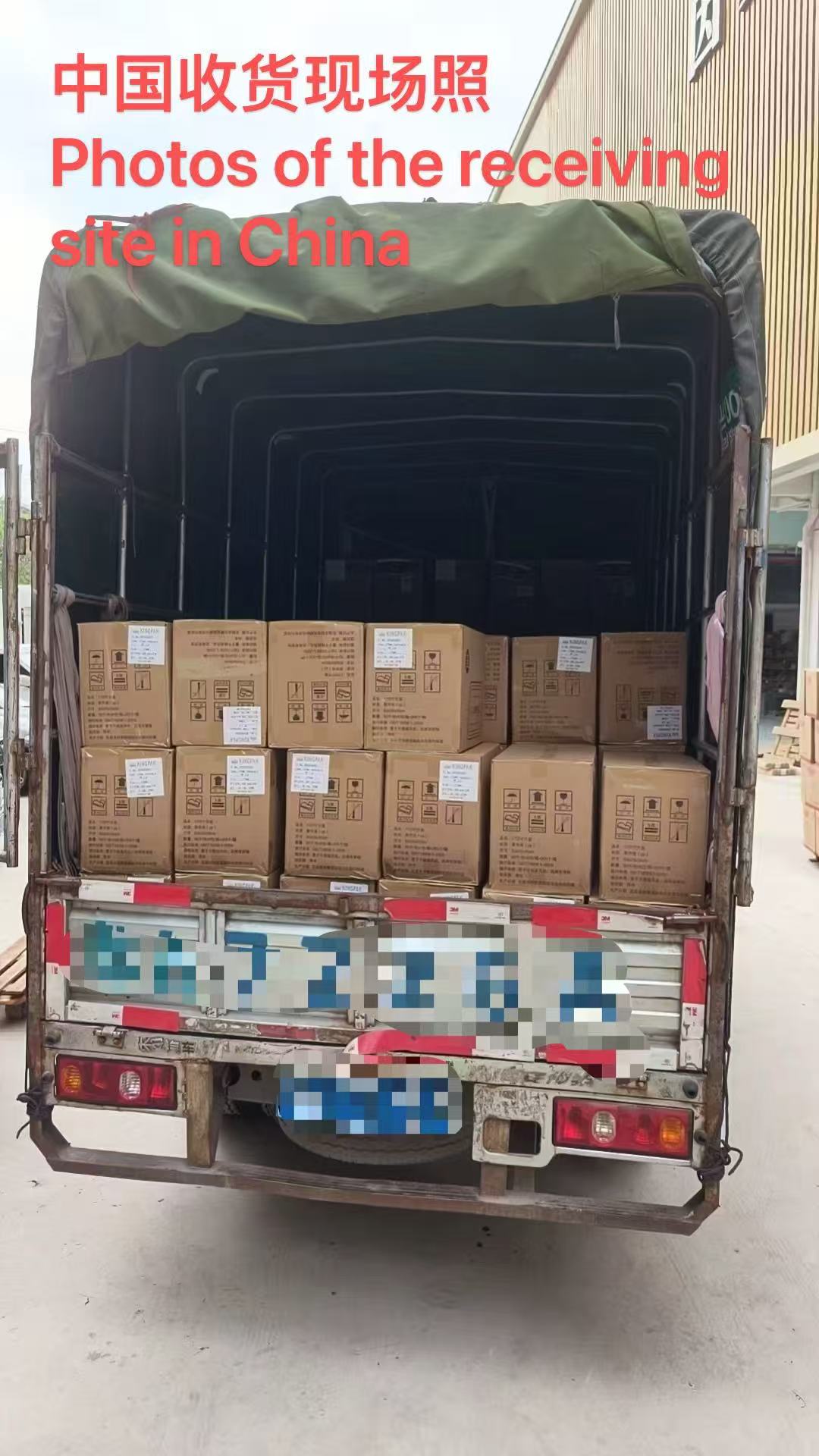
Origin receiving site in China: consolidation happens here, before the cargo is committed to a sea, air, or overland leg.
Industry Background: Why These Two Routes Are Under Pressure
The scale of the underlying trade flow is what makes coordination — not capacity — the real constraint on these lanes.
- ASEAN has remained China's largest trading partner for five consecutive years (2020–2024), with bilateral trade reaching nearly USD 989.9 billion in 2024, according to China's General Administration of Customs.
- Southeast Asia's freight forwarding market is valued at approximately USD 30 billion in 2025, driven by intra-Asian trade and e-commerce growth (Ken Research).
- Guangdong province alone accounts for roughly 30% of China's cross-border e-commerce trade volume — about RMB 745.4 billion in 2024.
- Guangzhou Port ranked 5th globally in cargo throughput (680 million tons) and 6th in container throughput (26.45 million TEU) in 2024, per the Xinhua-Baltic International Shipping Center Development Index.
- By transport mode, sea freight accounted for 54.6% of the ASEAN freight forwarding market share in 2025.
Read together, these figures describe a market where volume and infrastructure already exist. What decides whether an e-commerce seller meets its delivery promise is how tightly the China origin, the border, and the destination last mile are stitched together. A seller can sit inside the world's largest trade corridor and still lose a customer to a two-week delivery gap.
The Solution: A One-Stop Door-to-Door Flow Anchored by Southeast Asian Warehouses
Guangzhou Shunhang International Freight Forwarding Co., Ltd. is an international freight forwarder based in Guangzhou, China, specializing in international transportation and providing sea, land, and air import and export cargo services. Founded in 2020, the company employs 30 staff, including 3 senior engineers, and operates over 3,000 square meters of overseas warehouse space across multiple Southeast Asian countries — a footprint that directly changes how e-commerce fulfillment behaves.
Why the warehouse position matters more than the freight rate
In cross-border e-commerce, the customer judges the seller on the last mile. When stock already sits in a Southeast Asian warehouse, an order does not trigger an international shipment; it triggers a local fulfillment movement. That is the structural difference between a parcel that takes the full international journey after the order and one that only needs a short regional leg. Shunhang's overseas warehouse capacity is designed to support that pattern, and its service scope includes warehousing, pickup and delivery alongside the freight itself.
What the one-stop scope actually covers
Shunhang delivers International Freight Forwarding as a one-stop door-to-door end-to-end service. The declared scope includes:
- Sea, land, and air import and export cargo transportation
- Booking, stowage, and customs declaration
- Warehousing, pickup and delivery, and cargo insurance
- General goods, sensitive goods, furniture, and general chemical products
- Large-scale engineering projects and heavy cargo transportation
- FCL, LCL, port-to-port, and door-to-door service options
For e-commerce sellers, the practical consequence is that the same provider that books the vessel, aircraft, or truck also handles customs declaration and the delivery leg, and issues complete shipping and customs documents together with real-time cargo tracking.
Stated service objectives: reduce logistics costs by 15–30%, shorten transit time by 30%, improve the on-time delivery rate, ensure cargo safety, and enhance supply chain visibility. Service duration is typically 7–30 days depending on destination.
Choosing the Mode: Door-to-Door Sea, Land, and Air for the Philippines and Thailand
The Philippines and Thailand do not share the same physical access, so the mode decision is not identical for both markets.
Sea freight — the volume workhorse
Sea freight is the default for bulky, heavy, or non-urgent e-commerce stock, and it dominates the region: sea freight accounted for 54.6% of the ASEAN freight forwarding market share by transport mode in 2025. It supports both full container load and less than container load, which lets a seller scale from a partial container to dedicated containers without changing provider. Because the Philippines is reached across water, sea freight is one of the two primary mode options for that market.
Land transportation — the overland option for mainland Southeast Asia
Land transportation applies where goods can move overland through connected corridors into mainland Southeast Asia, which includes Thailand. It suits consolidated regional loads and sellers who want door-to-door handling without paying an air premium.
Air freight — for speed and high-value cargo
Air freight fits time-sensitive and high-value items such as consumer electronics, where the cost of a late delivery or of handling risk outweighs the higher freight rate. It is also one of the two viable modes for the Philippines. Air cargo containing dangerous goods must comply with the IATA Dangerous Goods Regulations, and ocean freight must follow the IMDG Code — a compliance baseline any forwarder on these routes should be able to confirm.

Inside a Southeast Asian warehouse: positioned stock turns an international shipment into a short local delivery leg.
Step-by-Step: Running E-Commerce Fulfillment with Shunhang
The workflow below mirrors Shunhang's documented execution steps and shows where each stage sits inside an e-commerce fulfillment cycle from China to the Philippines and Thailand.
Step 1 — Consultation and requirement analysis
The process starts with the seller's product profile, destination cities, expected volumes, and timing requirements. For the Philippines and Thailand this is where the mode decision is anchored: sea or air for the Philippines, and sea, air, or overland for Thailand.
Step 2 — Customized solution and quotation
Shunhang builds a customized logistics plan and issues the corresponding quotation. Because the company maintains long-term strategic relationships with major shipping lines and airlines, the plan can draw on established capacity rather than one-off bookings.
Step 3 — Documentation and cargo preparation
Shipping and customs documents are prepared before the cargo leaves China. This is the stage that prevents most border friction downstream, and it is why document preparation is treated as a step rather than an afterthought.
Step 4 — Transportation and customs clearance
Cargo moves by the selected mode — sea, land, or air — and clears customs within the forwarder's one-stop scope. Sensitive goods and general chemical products are explicitly listed in the declared service scope, which matters to sellers whose catalogs are not limited to plain general goods.
Step 5 — Tracking and delivery
Real-time cargo tracking runs through Shunhang's proprietary logistics management system, and the final leg is completed as a door-to-door delivery with a signed proof of delivery (POD). Deliverables at this stage include the customized logistics plan, the full shipping and customs document set, real-time tracking data, and the signed POD.
Step 6 — After-sales review
The cycle closes with an after-sales review, which is also the point where a seller decides whether to expand into a longer-term arrangement or add additional lanes.

Warehouse layout planning: stock positioning decisions determine how quickly an order can be picked and delivered locally.
Where This Workflow Fits: E-Commerce Use Cases
Shunhang's industries served include electronics manufacturing, consumer goods, e-commerce, trading and import-export, engineering and heavy cargo projects, and general and chemical products. Within e-commerce, several seller profiles map cleanly onto the Philippines and Thailand routes:
- Consumer electronics sellers. High-value, damage-sensitive goods benefit from cargo insurance, controlled handling, and a mode chosen per order profile.
- General merchandise and consumer goods. Volume-driven catalogs suit sea freight in FCL or LCL, supported by overseas warehousing for the last mile.
- Furniture and bulky items. Furniture is explicitly within scope and is a natural fit for sea freight, where per-unit freight cost matters most.
- Sellers with mixed catalogs. General chemical products and sensitive goods are covered, so sellers do not need a separate forwarder for non-standard SKUs.
A verified example built on the same model
A large electronics manufacturer expanding into Southeast Asia used Shunhang's end-to-end logistics service for market entry. The engagement covered freight booking and transportation, customs declaration and clearance, real-time cargo tracking, and door-to-door delivery, delivered through a dedicated team with local customs expertise and risk-management protocols. Recorded results included a 30% logistics cost reduction, a 99.5% on-time delivery rate, and zero cargo damage, alongside improved customs compliance and full cargo visibility.
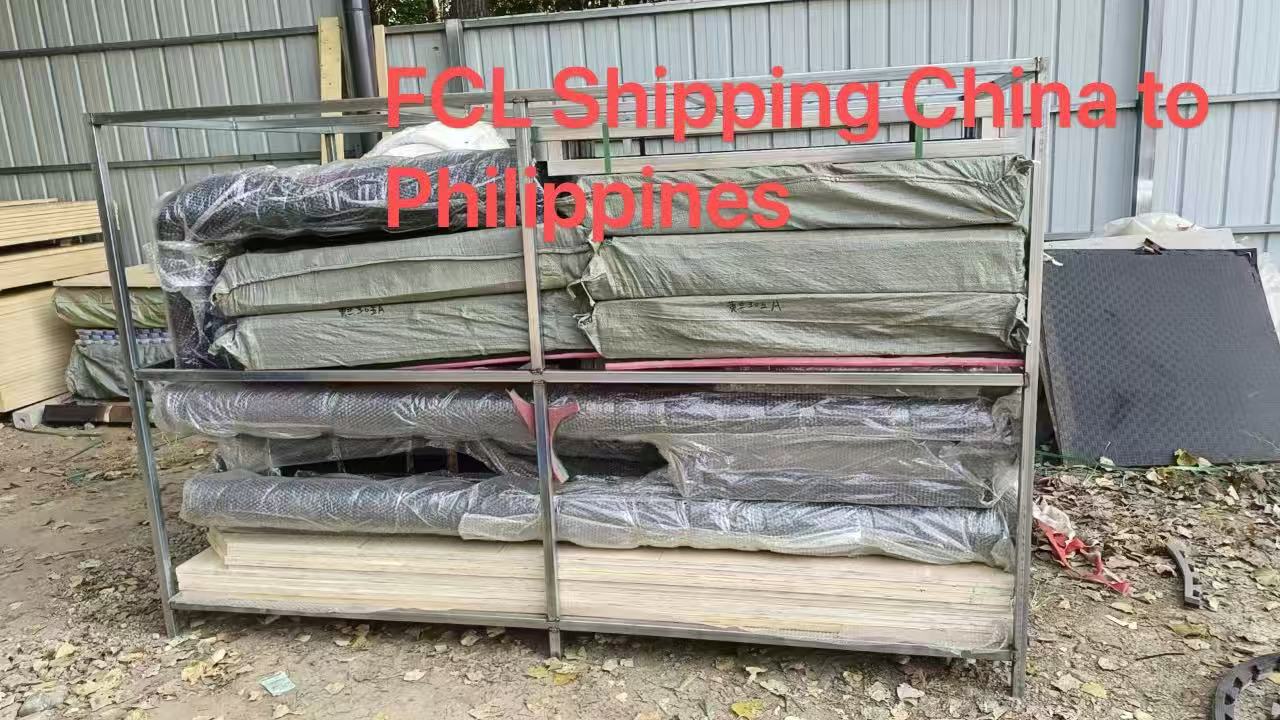
FCL shipping from China to the Philippines: container economics are what make consolidated e-commerce stock viable.
Comparison Table: Matching Mode to the E-Commerce Lane
| Mode | Cargo fit | Door-to-door support | What sellers should weigh |
|---|---|---|---|
| Sea freight (FCL / LCL) | Bulky, heavy, or non-urgent stock; furniture; general goods | Yes | Sea freight held 54.6% of ASEAN freight forwarding market share by mode in 2025; strongest fit where volume justifies container economics |
| Land transportation | Consolidated regional loads moving overland | Yes | Applies where goods can travel over land into mainland Southeast Asia, including Thailand; not a route option for the Philippines |
| Air freight | Time-sensitive, high-value goods such as consumer electronics | Yes | Generally the highest cost per kilogram; dangerous goods must comply with IATA Dangerous Goods Regulations |
Mode selection summary for China-origin e-commerce fulfillment into the Philippines and Thailand. All three modes sit inside Shunhang's one-stop door-to-door scope.
Frequently Asked Questions
1. What compliance and documentation steps apply to e-commerce shipments from China to the Philippines and Thailand?
Shunhang's one-stop scope includes customs declaration and the preparation of complete shipping and customs documents, which are issued as part of the service deliverables. As a regional baseline, air cargo must comply with the IATA Dangerous Goods Regulations and ocean freight must follow the IMDG Code. Where a forwarder holds AEO (Authorized Economic Operator) certification, customs simplifications and priority treatment apply — a useful due-diligence checkpoint when comparing providers. Shunhang states that its certifications are provided upon request.
2. Can one forwarder handle both sea and air door-to-door delivery to the Philippines and Thailand?
Yes. Shunhang provides sea, land, and air import and export cargo transportation as a one-stop door-to-door end-to-end service, with FCL, LCL, port-to-port, and door-to-door options. Because the Philippines is reached across water, sea and air are the applicable modes there; for Thailand, overland transportation is also available.
3. How does using a Southeast Asian overseas warehouse affect fulfillment cost?
Shunhang's stated service objectives include reducing logistics costs by 15–30% and shortening transit time by 30%, supported by more than 3,000 square meters of overseas warehouse space across Southeast Asia. The cost logic is straightforward: consolidated freight into a regional warehouse avoids repeated cross-border parcel movement on every order, and the final leg becomes a short local delivery rather than a full international journey.
4. Can a seller start with a limited, defined shipment before scaling?
The engagement begins with consultation and requirement analysis, followed by a customized solution and quotation, and then documentation and cargo preparation. Because scope is defined before transportation starts, a seller can validate the lane with a clearly bounded first shipment and expand once the plan is proven.
5. How long does door-to-door delivery take, and how is on-time performance measured?
Shunhang's service duration is typically 7–30 days depending on destination, with on-time delivery as a stated service objective. In the verified electronics manufacturing case, the recorded on-time delivery rate was 99.5%, with a 30% logistics cost reduction and zero cargo damage. To scope a specific Philippines or Thailand lane, share your product profile and target cities with the team for a customized plan and quotation — details are in the next step below.
Conclusion: Treat Fulfillment as One Flow, Not Five Vendors
For e-commerce sellers shipping from China to the Philippines and Thailand, the fastest available improvement is not a cheaper freight rate — it is fewer handoffs. Combining China-side consolidation with Southeast Asian overseas warehousing, then moving goods on door-to-door sea, land, or air services under one contract, shortens the last mile, concentrates accountability, and makes the delivery promise something a seller can actually keep.
Guangzhou Shunhang International Freight Forwarding Co., Ltd. operates this model with more than 3,000 square meters of Southeast Asian warehouse space, a one-stop door-to-door scope, and a documented six-step workflow from consultation through after-sales review. Its declared coverage includes the Philippines and Thailand alongside Cambodia, Myanmar, Laos, Singapore, Malaysia, Japan, South Korea, Australia, Europe, America, and Africa.
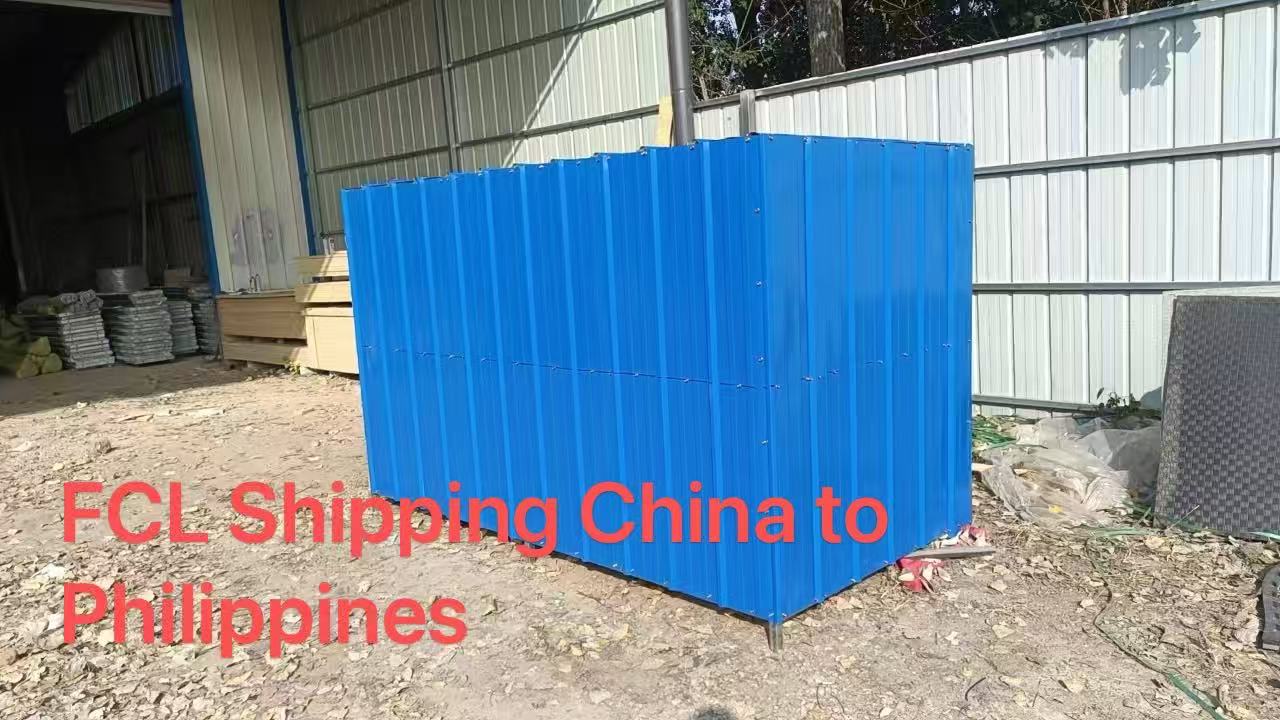
From container to doorstep: one provider, one document set, one delivery promise.
Next step: Share your product profile, target cities, and expected monthly volume to receive a customized logistics plan and quotation for your China-to-Philippines or China-to-Thailand e-commerce lane.
Contact: Jack · Email: xueyingxiasahi@hotmail.com · Tel: +86 18218887283 · WhatsApp: +86 18928711267
Visit Shunhang International Freight Forwarding · Message on WhatsApp
Have Questions or Need More Details?
Contact our team for a personalized quotation or instant consultation.
Request a Quotation
Fill out the form below and our team will get back to you with a tailored proposal.
WhatsApp Direct Chat
Prefer to chat in real-time? Message us on WhatsApp for instant assistance & quick answers.
- Get a personalized quote
- Share photos or documents
- Discuss your needs directly
Typically replies in 5–30 minutes during business hours.