
Decoding Key Parameters & Operational Processes: How They Impact International Freight Forwarding Quality
The end-to-end logistics service process from consultation to delivery – each stage influences final service quality.
Decoding Key Parameters & Operational Processes: How They Impact International Freight Forwarding Quality
When selecting an international freight forwarder for Southeast Asia routes, procurement managers often encounter a sea of technical jargon—transit time windows, cubic meter rates, FCL vs LCL, customs clearance lead times, and tracking protocols. But how do these parameters actually translate into the reliability and cost efficiency of your supply chain? More importantly, how does a forwarder's internal operational process—their equivalent of a manufacturing production line—affect cargo safety, on-time delivery, and total landed cost?
This article provides a buyer-centric framework for interpreting key freight forwarding metrics and understanding how operational workflows directly impact service quality. Using real-world data from Guangzhou-based specialists, we'll help you ask the right questions and avoid costly procurement mistakes.
The Core Problem: Hidden Definitions & Process Blind Spots
Many buyers treat freight forwarding as a commodity purchase, comparing only headline rates. This approach overlooks two critical dimensions:
- Parameter Ambiguity: Terms like "door-to-door" may exclude import duties or last-mile handling. Transit time estimates often assume ideal conditions. Without standardized definitions, quotes from different providers are not directly comparable.
- Process Opacity: A forwarder's internal workflows—cargo inspection, documentation handoff, carrier booking, customs coordination—directly determine whether your goods arrive on time and intact. Yet most buyers never see these processes until something goes wrong.
The consequence is hidden costs (demurrage, storage, re-routing), delayed market entry, and increased cargo risk. Understanding these factors is essential for any logistics manager responsible for Southeast Asia trade lanes.
Industry Background: Why Guangzhou-Based Forwarders Dominate the Southeast Asia Special Line
Guangzhou, as a major manufacturing and trading hub in southern China, has developed a dense ecosystem of international freight forwarders specializing in Southeast Asia routes. These Guangzhou international freight forwarders leverage proximity to major ports (Nansha, Yantian) and long-established trade relationships with Singapore, Malaysia, Thailand, the Philippines, and Vietnam.
Providers like Guangzhou Shunhang International Freight Forwarding Co., Ltd. demonstrate how a dedicated Southeast Asia special line can offer cost 15–30% lower than global integrators, while maintaining 99.5% on-time delivery and zero cargo damage—when the right process discipline is in place.
However, not all Guangzhou forwarders deliver the same quality. The difference lies in how they interpret key parameters and execute their operational workflows.
Detailed Solution: How to Interpret Key Freight Forwarding Parameters
Below is a systematic breakdown of the most critical technical parameters, what they really mean, and how they affect your logistics outcome.
| Parameter | Common Definition | What to Look For | Impact on Quality |
|---|---|---|---|
| Transit Time | Days from pickup to delivery | Check if the quoted time includes customs clearance at origin and destination. Ask buffer for peak seasons. | A 2-day difference can affect inventory holding costs and time-to-market. |
| Shipping Mode (Sea/Air/Land) | FCL (Full Container Load), LCL (Less than Container Load), consolidation, express air | For LCL, ask about consolidation frequency and cubic meter minimums. For air, consider volumetric weight. | Improper mode selection inflates cost by 20–40%. |
| Customs Clearance Lead Time | Time to process export/import documentation | Verify documentation checklist. Experienced forwarders complete clearance in 1–2 days, reducing demurrage risk. | Delayed clearance causes port storage fees and schedule disruptions. |
| Tracking & Visibility | Real-time status updates | Look for proprietary tracking systems or API integration. Ask if updates are event-based or milestone-based. | Limited visibility leads to reactive decision-making and higher expediting costs. |
| Cost Breakdown | All-in vs. itemized quotation | Request a detailed breakdown: ocean/air freight, terminal handling, documentation fee, customs clearance, inland haulage, insurance. | Hidden surcharges can add 15–25% to the initial quote. |
| Cargo Insurance | Coverage against loss/damage | Check coverage limits and exclusions. Professional forwarders offer standard all-risk insurance with dedicated claims support. | Uninsured cargo incidents can wipe out profit margins. |
Technical Note: When comparing quotes, always normalize parameters to a standard NVOCC (Non-Vessel Operating Common Carrier) basis—ask for charges in the same currency and incoterms. A true cost-effective international freight forwarder will provide transparent itemization and clear assumptions.
How Operational Processes Mirror Manufacturing Quality
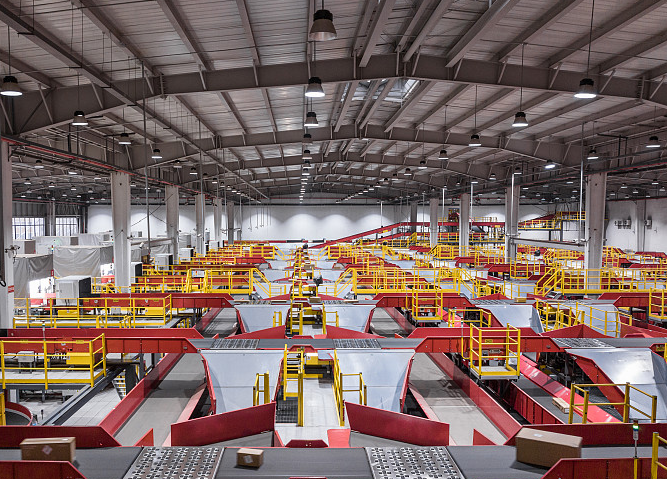
Just as a factory's production line defines product quality, a forwarder's operational process defines service quality. The key stages are:
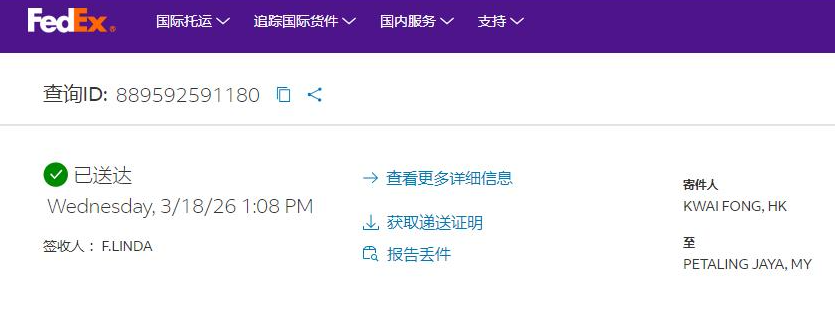
Each process stage has defined inputs, outputs, and review mechanisms that collectively determine reliability.
- Consultation & Quotation: A thorough requirement analysis prevents mismatched service plans. For example, an electronics manufacturer shipping sensitive components needs different handling than a bulk cement exporter. A one-stop international freight forwarder like Shunhang conducts cargo profiling at this stage.
- Documentation & Cargo Preparation: Proper inspection and packing instructions minimize damage. Leading forwarders assign dedicated operations specialists to verify cargo condition before loading.
- Transportation & Customs Clearance: Real-time coordination with carriers and customs brokers ensures smooth flow. Advanced forwarders maintain long-term partnerships with major shipping lines (e.g., COSCO, MSC) for guaranteed space and competitive rates.
- Warehousing & Distribution: Local warehousing in destination countries (e.g., Singapore, Malaysia) enables consolidation, deconsolidation, and last-mile delivery. Shunhang operates over 3,000 sqm of overseas warehouses across Southeast Asia.
- Delivery & After-Sales: Signed proof of delivery (POD) and performance review close the loop. Continuous improvement based on client feedback differentiates top-tier forwarders.
A forwarder that follows a standardized, auditable process—like the SAFE Cross-Border Logistics Methodology—reduces error rates, improves transit time predictability, and provides full supply chain visibility.
Step-by-Step: How to Evaluate a Forwarder's Technical Capability
When assessing a potential Southeast Asia special line freight forwarder, follow these five steps to decode their parameters and processes:
Step 1: Request a Standardized Service Definition
Ask for a detailed service scope document that defines exactly what "door-to-door" includes. Does it cover import customs clearance, duties (if any), and final delivery to your consignee's warehouse? A transparent provider will provide a written service definition.
Step 2: Demand Process Documentation
Request the forwarder's standard operating procedure (SOP) for your cargo type. Look for milestones: cargo receipt inspection, documentation checklist, carrier booking confirmation, customs submission, departure notification, arrival notice, delivery confirmation.
Step 3: Verify Reference Parameters with Past Performance Data
Ask for anonymized delivery data: average transit time vs. quoted time, on-time delivery rate, incident rate (damage/loss). Trustworthy forwarders can provide metrics like "30% logistics cost reduction" and "99.5% on-time delivery" backed by client feedback (see case study below).
Step 4: Test Communication & Tracking
Send a test inquiry and measure response time. During trial shipments, evaluate the real-time tracking updates. A forwarder with a proprietary logistics management system and dedicated multilingual team (English/Chinese) will respond faster and provide more accurate ETAs.
Step 5: Review Risk Management Protocols
Ask about contingency plans for peak seasons, port congestion, or weather disruptions. A high-capability forwarder has pre-booked carrier capacity and alternative routing options.
Use Case: Electronics Manufacturer Achieves 30% Cost Reduction
A large electronics manufacturer expanding into Southeast Asia faced high logistics costs, unstable transit times, and cargo damage for sensitive components. They selected Guangzhou Shunhang International Freight Forwarding Co., Ltd. as their partner.
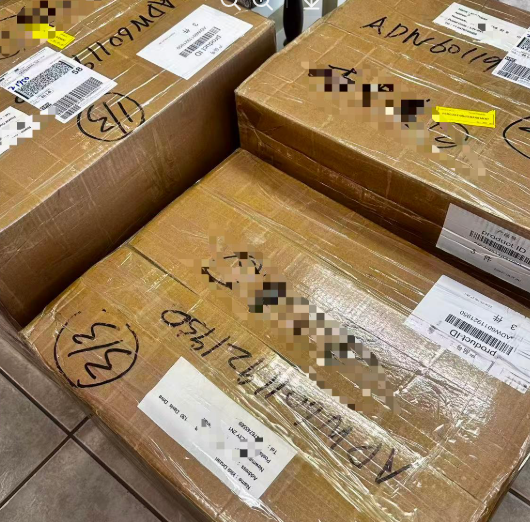
Electronics cargo requires specialized handling to avoid damage and ensure compliance with customs regulations.
- Challenges: Complex customs requirements in multiple countries, tight delivery schedules, high costs, no visibility.
- Solution: Customized end-to-end logistics solution with dedicated team, local customs expertise, real-time tracking, and risk management protocols.
- Quantitative Results: 30% logistics cost reduction, 99.5% on-time delivery rate, zero cargo damage.
- Qualitative Results: Stable supply chain, improved compliance, full visibility, reduced operational risks.
This case demonstrates how the interplay of technical parameters (transit time, cost breakdown, tracking) and disciplined operational processes (consultation, documentation, clearance, warehousing) directly impacts business outcomes.
Frequently Asked Questions (FAQ)
What is an international freight forwarder?
An international freight forwarder is a logistics company that arranges cargo transportation from origin to destination using multiple carriers (ocean, air, land). They handle documentation, customs clearance, warehousing, and door-to-door delivery, acting as a single point of contact for the shipper.
How does a Southeast Asia special line differ from general freight forwarding?
A special line focuses exclusively on routes between a specific origin (e.g., Guangzhou) and destinations in Southeast Asia (Singapore, Malaysia, Thailand, Philippines, etc.). This specialization allows for deeper local knowledge, better carrier partnerships, and more competitive rates compared to a generalist forwarder covering many regions.
Why is operational process important for freight forwarding quality?
Operational processes define how cargo is handled at each stage—from inspection and documentation to transportation and last-mile delivery. A standardized process with quality checkpoints reduces errors, prevents delays, and ensures consistent service. It is the "production line" of logistics.
What technical parameters should I compare when choosing a forwarder?
Compare transit time with clear assumptions, shipping mode (FCL/LCL/air), customs clearance lead time, tracking granularity, cost breakdown (itemized vs all-in), and cargo insurance coverage. Always ask for proof of past performance.
How can I verify a forwarder's claims about cost savings and service levels?
Request anonymized client case studies, delivery metrics (on-time rate, damage rate), and references you can contact. Look for third-party testimonials or audited performance data. A transparent forwarder will provide this information without hesitation.
What is the typical timeline for Southeast Asia special line sea freight?
Sea freight from Guangzhou to major Southeast Asian ports takes 5–10 days (e.g., Singapore 5–7 days, Manila 7–10 days). Door-to-door services add 2–4 days for customs clearance and inland delivery. Air freight takes 2–5 days total.
Conclusion: Making Informed Procurement Decisions
An international freight forwarder is not just a vendor; they are an extension of your supply chain. By learning to decode technical parameters and evaluate operational processes, procurement managers can identify partners who deliver genuine value—not just low headline rates.
Key takeaways:
- Always request a standardized service definition and detailed cost breakdown.
- Evaluate the forwarder's SOP and request past performance metrics.
- Prioritize providers with dedicated Southeast Asia expertise, local warehousing, and real-time tracking.
- Use case studies and client references to verify claims.
For buyers exploring Guangzhou international freight forwarder options, consider companies like Guangzhou Shunhang International Freight Forwarding Co., Ltd. that demonstrate transparent parameter definitions, robust processes, and proven results. A well-chosen forwarder can reduce your total logistics cost by 20–30% while improving reliability and visibility.
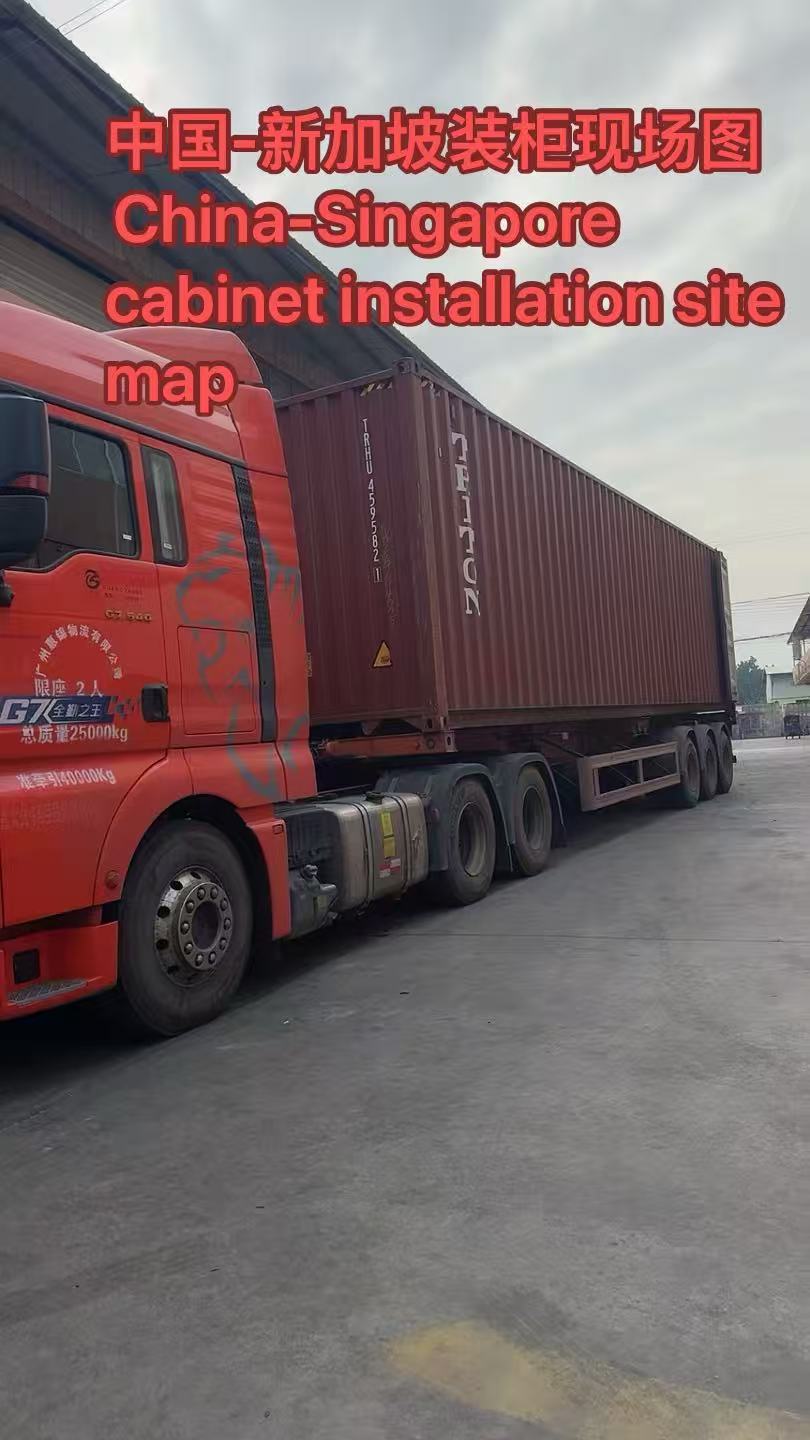
Ready to evaluate a partner? Contact Shunhang for a customized logistics assessment and discover how process-driven freight forwarding can transform your Southeast Asia supply chain.