From Factory Floor to Southeast Asia Doorstep: How Freight Forwarding Works, Step by Step
From Factory Floor to Southeast Asia Doorstep: How Freight Forwarding Works, Step by Step
International freight forwarding is the coordination service that moves cargo from a supplier’s factory to a consignee’s receiving address in another country. It covers booking, documentation, export and import customs clearance, consolidation, overseas warehousing and final delivery. On China–Southeast Asia routes these stages follow a predictable sequence, and understanding that sequence is what allows a buyer to control cost, transit time and cargo risk.
This guide walks through the full lifecycle of an international shipment in ten operational steps, and uses Guangzhou Shunhang International Freight Forwarding Co., Ltd. — a Guangzhou-based forwarder founded in 2020 that provides sea, land and air import and export transportation services — as a concrete example of how those steps connect on Southeast Asian lanes.
Why Door-to-Door Shipments Break Down
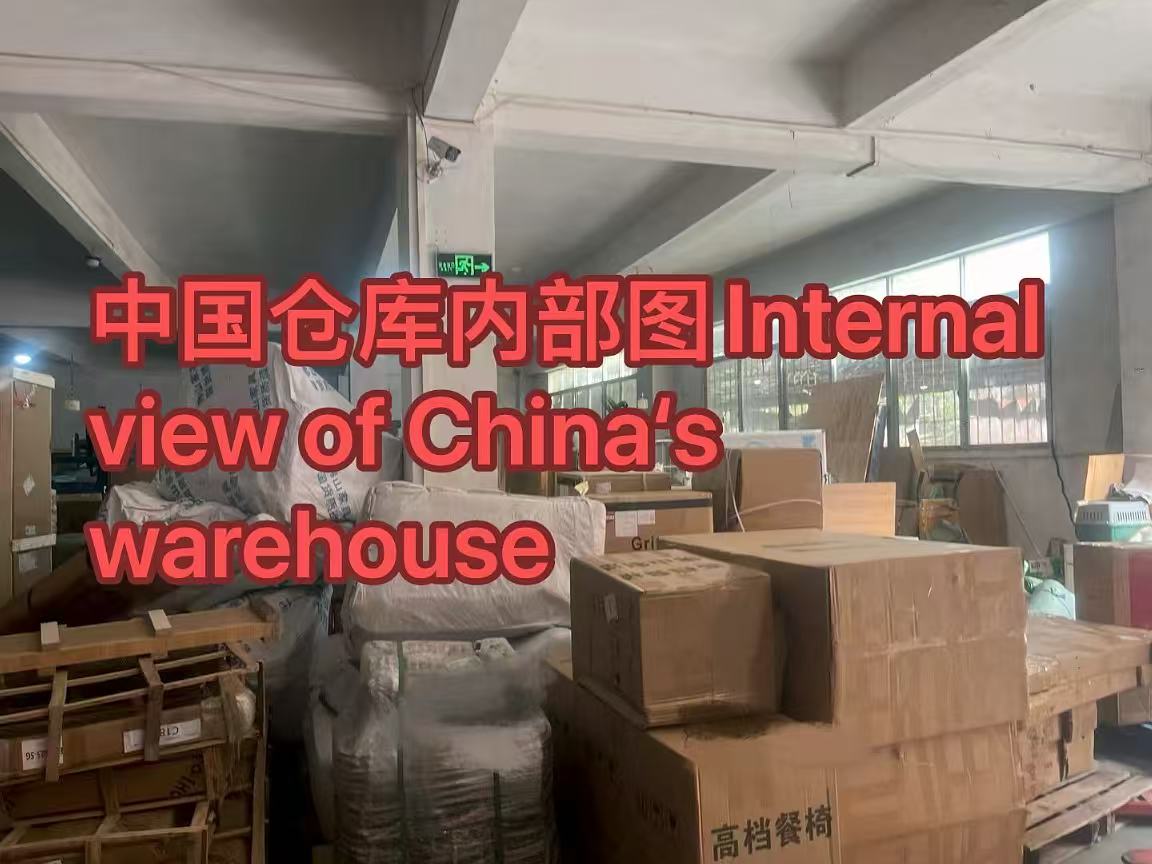
An international shipment is rarely one service. Between a factory loading bay in Guangdong and a consignee’s address in Manila, Bangkok or Phnom Penh, cargo passes through space booking, documentation, export declaration, main-leg transport, import clearance, overseas warehousing and last-mile delivery. Every handover is a point where cost, time or cargo condition can be lost.
The most common failure is not a missing carrier. It is a missing owner. When a buyer contracts separately for inland trucking, Chinese customs brokerage, the ocean or air leg, destination clearance and delivery, responsibility fragments across four or five parties. If a container is held at destination, no single party can prove which document caused the hold, and the buyer absorbs the delay and the related charges.
Three failure patterns repeat on China–Southeast Asia lanes:
- Documentation gaps. Incomplete invoice or packing list data, mismatched commodity descriptions or missing destination certificates stall clearance at both ends.
- Invisible cargo. Without reliable status information between departure and arrival, buyers cannot plan production, shelf dates or onward distribution.
- Destination blind spots. Buyers often over-focus on the origin leg and underestimate import clearance, local handling and final delivery conditions in the destination market.
A one-stop, door-to-door arrangement addresses these problems by giving the shipment a single contractual owner from pickup to proof of delivery. That is the operating model a buyer should evaluate before comparing rates, because rate comparisons between a fragmented chain and an integrated chain are not like-for-like.
Southeast Asia Trade Volumes Are Rewriting the Route Map
The commercial case for treating this corridor seriously is visible in published trade and market data. ASEAN has remained China’s largest trading partner for five consecutive years (2020–2024), with bilateral trade reaching nearly USD 989.9 billion in 2024, according to the General Administration of Customs China. On the logistics side, Ken Research values the Southeast Asia freight forwarding market at approximately USD 30 billion, driven by intra-Asian trade and e-commerce growth.
The origin side of the corridor is equally concentrated. Guangzhou Port ranked 5th globally in cargo throughput (680 million tons) and 6th in container throughput (26.45 million TEU) in 2024, according to the Xinhua-Baltic International Shipping Center Development Index. Guangdong province accounted for approximately 30% of China’s cross-border e-commerce trade volume in 2024, or RMB 745.4 billion, per a Savills / GBA logistics market report. By transport mode, sea freight accounted for 54.6% of the ASEAN freight forwarding market in 2025, based on an ASEAN freight forwarding market analysis — a useful reminder that ocean remains the default for most volume, even where air and land are growing.
Global figures move with the definition used. One estimate puts total freight forwarding revenue at approximately USD 162.4 billion in 2024, recovering to about USD 166.2 billion in 2025 (Market Research Future / Grand View, via Vertex AI Search), while other published estimates for the same period are materially higher. The spread reflects how each source scopes logistics sub-sectors, and buyers should treat headline market size as directional rather than precise.
What this means for procurement is practical rather than statistical. Volume on China–Southeast Asia lanes is large, fragmented across many small and mid-sized shippers, and sensitive to clearance handling and destination delivery quality. Those are precisely the variables a forwarder controls.
What an Integrated Forwarder Actually Provides
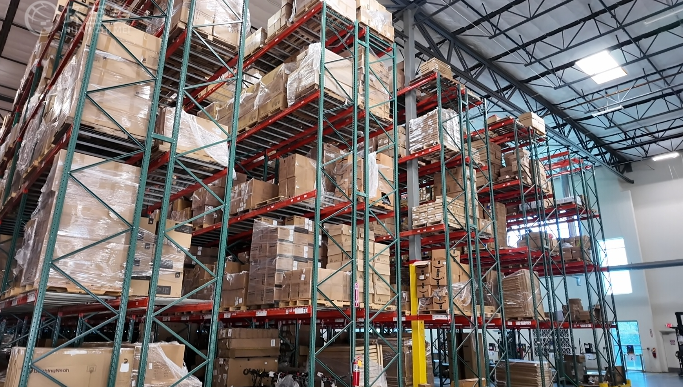
Shunhang’s service scope illustrates what the integrated model looks like in practice. The company specialises in international transportation business and provides domestic and overseas customers with sea, land and air import and export cargo transportation services, including booking, stowage, customs declaration, warehousing, pickup and delivery, and cargo insurance. Its business scope covers general goods, sensitive goods, furniture, general chemical products, large-scale engineering projects and heavy cargo transportation.
The capability stack behind that scope includes exclusive loading warehouses, container and bulk cargo fleets, and a proprietary logistics management system with real-time cargo tracking. The company maintains long-term partnerships with major shipping lines and airlines, which supports space allocation and rate stability on its core lanes, and has more than five years of experience in Southeast Asia cross-border logistics and international freight forwarding.
Team structure matters as much as assets on this kind of corridor. Shunhang operates with 30 staff, including 3 senior engineers, an experienced operations team, a multilingual customer service team, and customs and compliance specialists. The company reports an annual freight volume handled of more than 5,000 tons, an annual container throughput of hundreds of TEUs, and overseas warehouse space exceeding 3,000 square meters across multiple Southeast Asian countries. Its service record covers more than 500 clients with a reported 98% satisfaction rate.
For a buyer in the evaluation stage, the relevant question is not whether these figures are impressive, but whether the underlying structure removes handovers. Warehousing, declaration, transport, distribution and after-sales held by one organisation means fewer interfaces to manage and one point of accountability when something changes mid-shipment.
The Shipment Lifecycle, Step by Step
The ten steps below follow the standard sequence of a door-to-door international freight forwarding engagement, from the first quotation request to the signed proof of delivery. Estimated end-to-end duration is typically 7–30 days depending on destination and mode.
Step 1 — Consultation and Quotation
The cycle begins with cargo information, destination and delivery requirements. The forwarder’s responsibility at this stage is to understand the client’s needs and cargo details and issue a customised quotation and service plan. The output is a confirmed quotation and a defined service scope. Buyers should expect questions about commodity type, dimensions, weight, packaging, destination address and timing — vague inputs here produce unreliable quotes later.
Step 2 — Mode Selection: Sea, Land or Air
Mode choice is the single largest cost and transit-time decision. Sea freight suits high-volume, heavy and non-urgent cargo and remains the dominant mode by market share. Air freight suits time-critical, high-value or sensitive goods. Land transportation serves overland routes into mainland Southeast Asia. The correct choice depends on cargo characteristics, deadline tolerance and destination accessibility rather than on a single headline rate.
Step 3 — Documentation and Cargo Preparation
All shipping and customs documents are prepared and the cargo is collected and inspected. Typical documentation includes the commercial invoice, packing list, transport document (bill of lading or air waybill) and destination-specific import paperwork. Where dangerous or regulated goods are involved, air cargo must comply with the IATA Dangerous Goods Regulations and ocean freight must follow the IMDG Code for dangerous goods handling standards. The deliverable is a set of prepared documents and a cargo-ready status.
Step 4 — Space Booking with Carriers
Confirmed booking and prepared cargo are the inputs. The forwarder arranges carrier space and executes transportation. On high-demand lanes, the ability to secure space depends on the depth of the forwarder’s relationship with shipping lines and airlines — which is why long-term carrier partnerships are a capability factor rather than a marketing detail, especially during peak seasons.
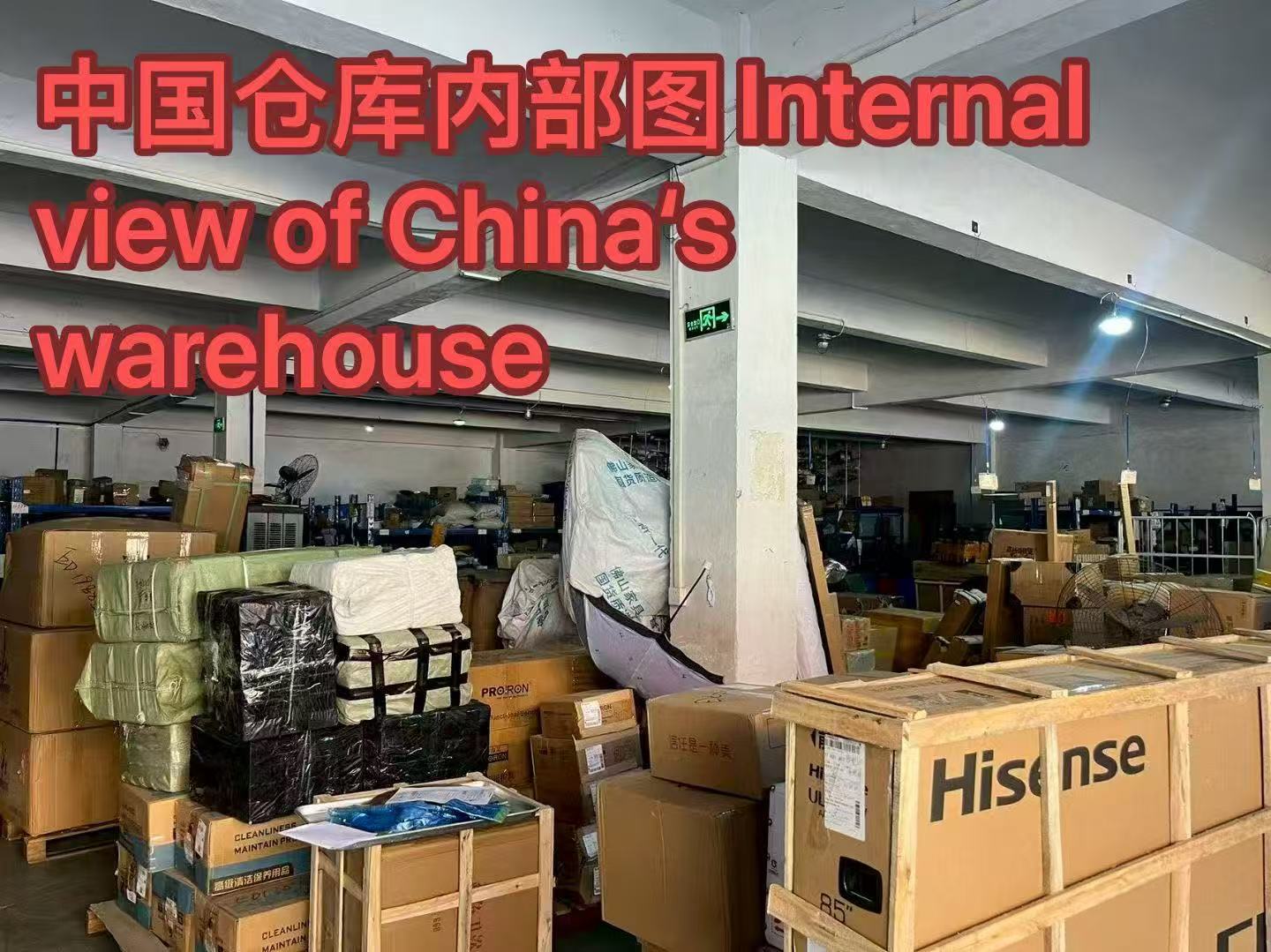
Step 5 — Origin Consolidation and Warehousing
Less-than-container-load cargo is consolidated at origin. Exclusive loading warehouses allow cargo from multiple suppliers to be received, checked, grouped and loaded under controlled conditions, which reduces the risk of mislabelled or damaged cartons entering the container. For full container load shipments, this stage focuses on loading efficiency and cargo securing. The output is a warehousing receipt and a confirmed load plan.
Step 6 — Export Customs Declaration
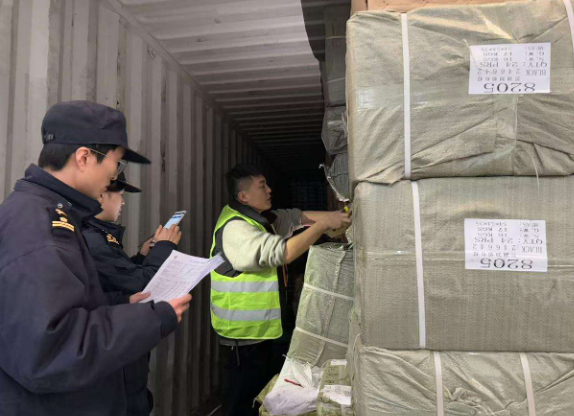
Declaration is filed and export clearance is completed. This is where incomplete or inconsistent documentation becomes expensive, which is why customs and compliance specialists sit inside the operational team rather than outside it. The output is a clearance record and a shipment cleared for departure.
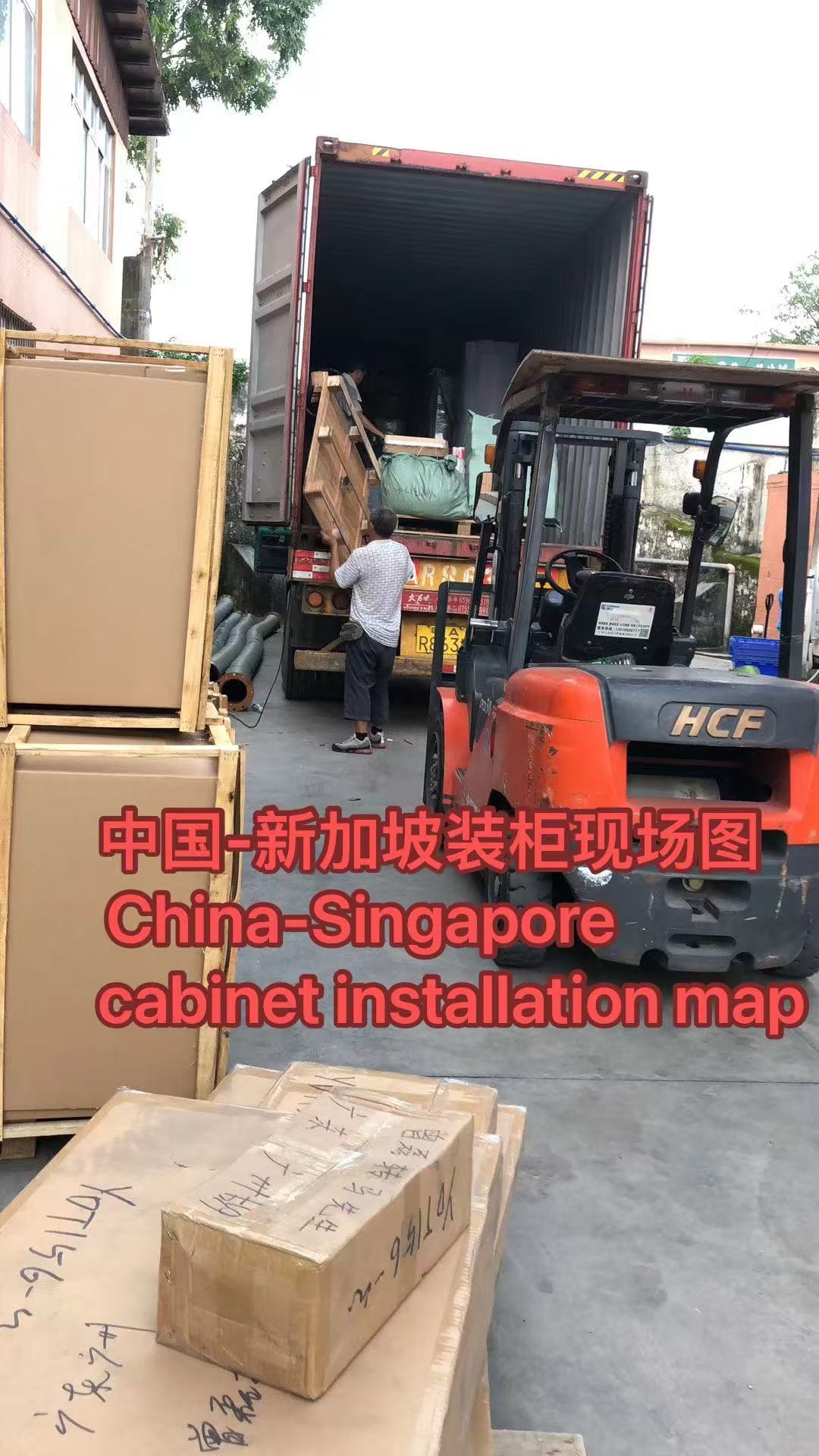
Step 7 — Main-Leg Transportation
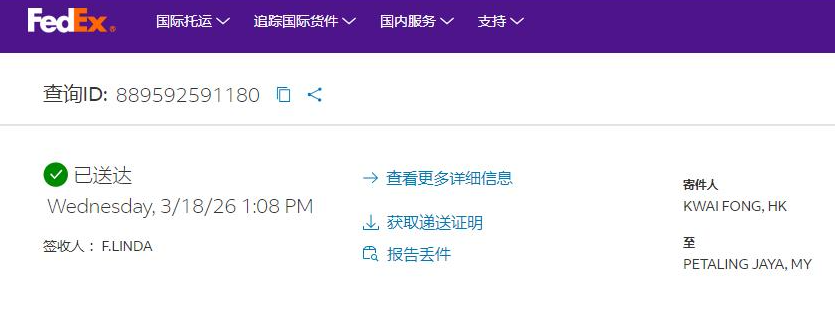
The cargo moves by the selected mode and the client receives a tracking number and ongoing status updates through a real-time tracking platform. Visibility during the main leg is what allows a buyer to schedule downstream production, retail replenishment or project installation with reasonable confidence.
Step 8 — Destination Import Clearance
Import clearance is handled at destination, ideally by a party with local customs expertise. This is the stage most often underestimated by first-time buyers on Southeast Asian routes, because requirements differ by market and commodity. A local service network shortens the time between vessel or aircraft arrival and cargo release.
Step 9 — Overseas Warehousing and Regional Distribution
Once released, cargo can move into overseas warehouse space and then be distributed regionally. Shunhang operates total overseas warehouse area exceeding 3,000 square meters across multiple Southeast Asian countries, which supports holding stock closer to the end market and splitting a single inbound shipment into several delivery destinations. The output is a warehousing record and a distribution arrangement.
Step 10 — Final Delivery, POD and After-Sales Review
Final delivery is completed and confirmed, and the signed proof of delivery is issued together with a service summary. The review mechanism then compares delivery results and client feedback against the plan, and the service can be adjusted for subsequent shipments. Closing the loop is what converts a one-off shipment into a repeatable lane.
Deliverables and Responsibilities by Stage
| Stage | Provider deliverable | Buyer responsibility |
|---|---|---|
| Consultation & quotation | Customised quotation and service plan | Provide accurate cargo information and destination requirements |
| Documentation & preparation | Shipping documents and customs declaration papers | Supply complete documents and cooperate with cargo inspection |
| Transportation & clearance | Tracking number and clearance proof | Confirm booking and be reachable for clearance queries |
| Warehousing & distribution | Warehousing receipt and delivery order | Confirm distribution list and delivery instructions |
| Delivery & after-sales | Signed POD and service record | Confirm delivery and bear applicable customs duties and taxes |
Stage structure and deliverables reflect Shunhang’s documented end-to-end logistics service process. Estimated total timeline: 7–30 days depending on destination.
Use Cases: How the Chain Performs in Real Projects
The value of an integrated chain becomes visible in specific cargo profiles rather than in general statements. Four patterns recur on Guangzhou–Southeast Asia corridors.
Electronics manufacturing expansion into Southeast Asia
A large electronics manufacturer entering the Southeast Asian market faced complex customs requirements, tight and inflexible delivery schedules, unstable timeliness, and safety risks for sensitive electronic components, with limited end-to-end supply chain visibility. The diagnosis pointed to missing local customs expertise, no stable logistics network, insufficient risk control for special cargo, and fragmented coordination. The applied solution was a customised end-to-end logistics solution with a dedicated team, local expertise, real-time tracking and risk management protocols. Reported outcomes were a 30% logistics cost reduction, a 99.5% on-time delivery rate and zero cargo damage, with the client describing the provider as a reliable partner for regional expansion.
Heavy and bulk commodity export
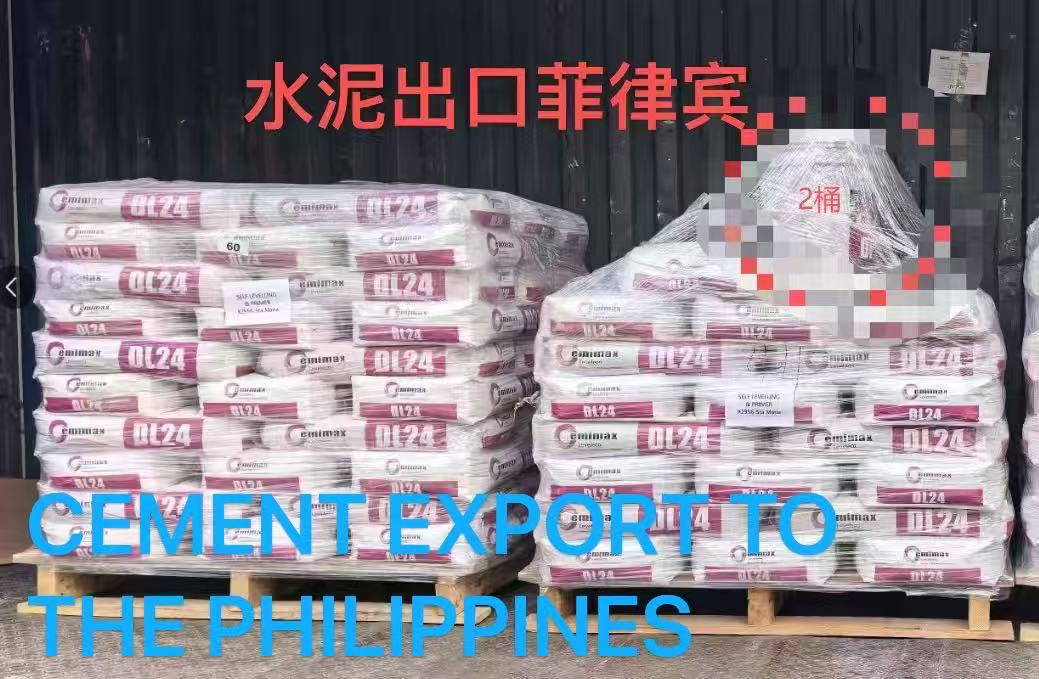
Construction materials such as cement moving to the Philippines illustrate the bulk end of the spectrum, where full container load planning, loading efficiency and destination discharge handling determine the economics of the shipment.
Time-sensitive air cargo
For urgent consignments into markets such as Cambodia, air transportation replaces the ocean leg. The compliance framework changes with the mode — air cargo falls under the IATA Dangerous Goods Regulations — and documentation must be completed before space can be confirmed.
Cross-border e-commerce replenishment
Guangdong’s cross-border e-commerce concentration means large volumes of small, high-turnover consignments need consolidation, overseas warehousing and regional distribution rather than factory-to-door direct delivery. The 3,000+ square meter overseas warehouse footprint and regional distribution capability serve this pattern by positioning inventory closer to the buyer.
Choosing Between Sea, Land and Air
The table below compares the three modes on the dimensions that affect a real sourcing decision. It uses qualitative route characteristics rather than invented rates or transit guarantees.
| Decision factor | Sea freight | Air freight | Land transportation |
|---|---|---|---|
| Best cargo fit | High-volume, heavy, non-urgent cargo; general goods, furniture, heavy cargo and engineering project cargo | Time-critical, high-value or sensitive goods | Overland-accessible cargo into mainland Southeast Asia |
| Consolidation | LCL consolidation and FCL loading both available | Consolidation by chargeable weight | Depends on route and border handling |
| Compliance framework | IMDG Code for dangerous goods handling standards at sea | IATA Dangerous Goods Regulations for air cargo | Cross-border documentation and border clearance requirements |
| Market context | Sea freight accounted for 54.6% of the ASEAN freight forwarding market by mode in 2025 (ASEAN Freight Forwarding Market Analysis) | Used selectively where deadline tolerance is low | Suited to contiguous regional markets |
| Door-to-door fit | Strong for full container load and less than container load, port-to-port through to final delivery | Strong where speed outweighs unit cost | Strong for regional distribution once cargo has cleared |
Two general standards also shape how a forwarder should be assessed at the contracting stage: AEO (Authorized Economic Operator) certification provides customs simplifications and priority treatment in global trade, and dangerous goods handling must follow the applicable modal regulations. Buyers evaluating a provider should confirm which frameworks the provider operates under, and request supporting documentation where a claim is made.
Frequently Asked Questions
What compliance requirements apply to international freight forwarding into Southeast Asia?
Two modal standards sit behind a compliant shipment. Air cargo must follow the IATA Dangerous Goods Regulations, and ocean freight must follow the IMDG Code for dangerous goods handling. Alongside those, a commercial shipment requires a complete commercial invoice and packing list, a transport document such as a bill of lading or air waybill, and destination-specific import paperwork. AEO (Authorized Economic Operator) certification is a widely recognised status that provides customs simplifications and priority treatment in global trade. Shunhang’s team includes customs and compliance specialists who prepare declaration information and handle clearance at both ends of the route.
Can a single forwarder really handle booking, customs, warehousing and delivery?
Yes, where the provider operates an integrated model rather than brokering each stage separately. Shunhang provides one-stop door-to-door services for international sea, land and air transportation, together with full container load, less than container load and port-to-port transportation. The supporting structure includes exclusive loading warehouses, container and bulk cargo fleets, a proprietary logistics management system with real-time tracking, and long-term partnerships with major shipping lines and airlines. The company operates with 30 staff including 3 senior engineers, and reports annual freight volume above 5,000 tons with hundreds of TEUs handled per year.
What drives the cost of an international freight forwarding shipment to Southeast Asia?
Cost is determined by mode selection, cargo volume and density, consolidation versus full container load, origin and destination charges, and destination distance, rather than by a single freight rate. Origin location also matters: one 2026 industry procurement strategy report estimates that operating expenses for freight forwarders in Guangzhou are 30–40% lower than in Shanghai or Shenzhen, which supports more competitive rate structures for Guangzhou-based providers. Because a fragmented chain and an integrated chain carry different hidden costs — clearance delays, storage and re-handling among them — buyers should compare total landed cost rather than the headline quote alone.
How can a buyer validate a forwarder before committing a full container?
Validation is best done against documentation and process rather than promises. A forwarder operating a structured process will produce a customised quotation and service plan at the consultation stage, shipping documents and customs declaration papers at the preparation stage, a tracking number and clearance proof during transit, a warehousing receipt and delivery order at distribution, and a signed proof of delivery with a service record at completion. Clients also have access to a review mechanism: performance is assessed against delivery results and client feedback, and the service plan, route and arrangement can be adjusted when a confirmed request changes. Requesting certification information and confirming how tracking data is delivered are practical first checks. Shunhang states certifications are provided upon request.
How long does door-to-door delivery from Guangzhou to Southeast Asia take?
Estimated end-to-end duration is typically 7–30 days depending on destination. Within that range, the main variables are the selected mode, the consolidation or sailing schedule, and the speed of import clearance and final delivery at destination — which is why destination-side capability matters as much as the ocean or air leg. Shunhang’s network covers the Philippines, Thailand, Cambodia, Myanmar, Laos, Japan, Singapore and Malaysia, with overseas warehouse space exceeding 3,000 square meters across multiple Southeast Asian countries. To get a route-specific timeline and quotation, buyers can contact the team directly: Jack, email xueyingxiasahi@hotmail.com, telephone +86 18218887283, or WhatsApp +8618928711267.
Conclusion: One Owner, Ten Steps, Fewer Surprises
International freight forwarding works when ten sequential steps are held together by one accountable operator: quotation, mode selection, documentation, booking, origin consolidation, export declaration, main-leg transport, destination clearance, overseas warehousing and distribution, and final delivery with after-sales review. Each step produces a specific deliverable, and each deliverable is something a buyer should be able to see.
Guangzhou Shunhang International Freight Forwarding Co., Ltd. illustrates the integrated version of this model: founded in 2020, 30 staff including 3 senior engineers, one-stop door-to-door service across sea, land and air, annual freight volume above 5,000 tons with hundreds of TEUs handled, more than 500 clients served, and overseas warehouse area exceeding 3,000 square meters across Southeast Asia.
For buyers moving from evaluation into execution, the practical next step is to test the chain with a defined shipment — clear cargo data, a stated destination requirement, and a request for a documented quotation and service plan. That single exercise reveals more about a forwarder’s real capability than any comparison table.
Request a Route Quotation
Share your cargo details, destination and target delivery window, and the Shunhang team will return a customised quotation and service plan covering booking, declaration, transportation, warehousing and final delivery.
Website: www.sunhang-logistics.com
Contact: Jack | Email: xueyingxiasahi@hotmail.com
Tel: +86 18218887283 | WhatsApp: +8618928711267